Plot Summary
Invitation to Skelbrae
Cate Newhouse, a young, unpublished crime writer, is scraping by in London when she receives a mysterious email from her formidable agent, Eleanor Vandenberg. The message is an invitation from the legendary Arthur Fletch, the world's most successful thriller author, to attend an exclusive literary salon on his private Scottish island, Skelbrae. Cate, feeling like an outsider among literary giants, is both thrilled and terrified. She accepts, hoping this could be her big break. The invitation promises not just a weekend among the elite, but a chance to prove herself in a world that often feels closed to newcomers. As she prepares to leave her chaotic flat, Cate can't shake the feeling that her life is about to change forever.
The Writers Assemble
Upon arrival at Skelbrae, Cate meets the other invitees: Sienna and Malcolm, a married thriller-writing duo; Millie, a bubbly YA author; Priscilla, a poised romance novelist; Jaxon, a brash sci-fi writer; and Kenzo, a reserved horror author. The group is a mix of midlist veterans and rising stars, all with something to prove. The imposing house is filled with Fletch's trophies and literary relics, setting the stage for both awe and rivalry. Tensions simmer as the writers size each other up, each wondering why they were chosen. The atmosphere is charged with ambition, insecurity, and the unspoken hope that this weekend could change their fates.
Fletch's Death Revealed
The writers are stunned when Eleanor and Fletch's new editor, Rufus, announce that Arthur Fletch drowned a month ago. The invitations were sent after his death, and the press has been kept in the dark. The real reason for the gathering is revealed: Fletch's final, unfinished manuscript needs an ending. The assembled writers are to compete for the chance to complete the most anticipated book in modern fiction. The winner will receive a million dollars and a lucrative book deal. Shock, grief, and excitement ripple through the group as they realize the magnitude of the opportunity—and the pressure.
The Million-Dollar Challenge
The rules are strict: no contact with the outside world, all devices locked in a safe, and seventy-two hours to read Fletch's manuscript and write a worthy ending. The contest will be judged blind, with each writer assigned a color-coded typewriter and paper. The isolation and high stakes amplify existing insecurities and rivalries. Some, like Sienna and Malcolm, see this as a last chance to save their partnership; others, like Millie and Jaxon, are desperate to break out of the midlist. The promise of fame and fortune is intoxicating, but the pressure is suffocating.
Locked In, Locked Out
As the writers settle into their color-themed rooms, the reality of their confinement sets in. The safe's timer ticks down, and the lack of internet or phones leaves everyone on edge. Old wounds and new alliances surface. Sienna and Malcolm's marriage fractures under the strain, while Millie and Jaxon flirt and compete. Kenzo keeps to himself, observing the group with a forensic eye. The house itself, with its secret passages and eerie dollhouse replica, becomes a character—full of hidden dangers and clues. The sense of being watched grows, and the line between game and threat blurs.
Rivalries and Revelations
The group's first dinner devolves into confessions, arguments, and drunken outbursts. Sienna and Malcolm's split becomes public, and the others jockey for position, each convinced they have the best shot at winning. A prank note—"GET OUT"—appears in Millie's room, stoking fear and suspicion. The writers debate whether the house is haunted, if Fletch faked his death, or if someone among them is playing a dangerous game. The contest's pressure exposes vulnerabilities: Cate's impostor syndrome, Millie's need for validation, Jaxon's fear of failure, and Kenzo's outsider status. The atmosphere is thick with ambition, envy, and dread.
The First Blood Spilled
In the dead of night, Sienna is found dead at the bottom of the stairs, her head smashed by a typewriter. The group is thrown into chaos—was it an accident, suicide, or murder? Malcolm, devastated and drunk, becomes obsessed with finding the truth, interrogating the others and spiraling into paranoia. Kenzo's forensic expertise suggests the death could be either a tragic fall or a cleverly disguised crime. The safe remains locked, and the group is cut off from help. The contest's stakes are now life and death, and trust evaporates as everyone becomes a suspect.
Secrets in the Walls
As the group investigates, they discover secret doors and tunnels connecting the bedrooms—anyone could have moved unseen through the house. Sienna's notebook, filled with cryptic shorthand, hints at her breakthrough idea for the contest, but Malcolm can't decipher it. The dollhouse model reveals the house's secrets, including Fletch's attic room and the possible location of the legendary golden book. The writers realize that someone has been moving through the walls, planting evidence and manipulating events. The sense of danger intensifies, and alliances fracture as suspicion falls on everyone.
The Contest Turns Deadly
Malcolm, driven by grief and ambition, is found dead at the cliff's edge—did he jump, or was he pushed? Jaxon, who witnessed the fall, is accused by Millie, but the truth is murky. The group locks Jaxon in his room for safety, only to find him later strangled with his own resistance band. The deaths are no longer accidents; someone is systematically eliminating the competition. Millie, Cate, Priscilla, and Kenzo are the last standing, each haunted by guilt, fear, and the desperate need to survive. The golden book becomes both a prize and a curse.
The Golden Book Hunt
The myth of Fletch's golden book—rumored to be hidden somewhere in the house—becomes an obsession. Cate, driven by resentment and ambition, discovers its location using clues from the dollhouse and stained glass. The book is real, heavy, and worth a fortune. As the storm outside intensifies, Cate's true nature emerges: she is willing to do anything to win, including murder. The golden book becomes both weapon and symbol, as Cate uses it to bludgeon Millie and threatens Priscilla (Ava). The hunt for the book mirrors the hunt for survival, as the line between fiction and reality dissolves.
Truths, Lies, and Betrayals
Priscilla is unmasked as Ava, Fletch's editor, who infiltrated the contest to find a worthy successor. Cate reveals her own secret: she never wrote her book, but used AI to mimic Fletch's style and game the system. Her cynicism and rage at the industry's broken promises drive her to violence. Cate confesses to manipulating events, drugging the tea, and causing Sienna's fall, though some deaths were accidents or opportunistic. The final confrontation between Cate and Ava is brutal, culminating in a desperate chase through the storm, with the golden book dragging Cate to her doom.
The Final Girl
Ava escapes Cate's attack, wounded but alive, as Cate drowns clutching the golden book. Kenzo, impaled but not dead, is rescued by the island's caretaker, Angus, who reveals the true history of Skelbrae and Fletch's eccentricities. The safe finally opens, but there is no one left to claim the devices or the prize. The contest ends not with a winner, but with a trail of bodies and a manuscript still unfinished. The survivors are left to reckon with trauma, guilt, and the knowledge that ambition can be deadly.
The Editor Unmasked
In the aftermath, Ava returns to New York, disillusioned with publishing. She meets with Eleanor, who reveals the cold calculations behind the contest: the writers were chosen for their lack of connections, making the cover-up easier. The industry's indifference to individual suffering is laid bare. Ava is offered the chance to finish Fletch's book herself, but finds she cannot—her creative well has run dry. The unfinished manuscript is published as-is, sparking debate and fascination among readers. The story becomes legend, a cautionary tale about the costs of ambition and the hunger for legacy.
Storm and Survival
Kenzo, the only writer to survive, channels his trauma into a bestselling horror novel inspired by the events on Skelbrae. At his book launch, he reflects on the thin line between fiction and reality, and the power of storytelling to transform pain into meaning. The industry moves on, hungry for the next sensation, but the scars remain. The legend of Skelbrae and the unfinished ending becomes a cultural touchstone, a symbol of both the allure and the danger of chasing literary immortality.
Aftermath and Unfinished Endings
The deaths are quietly covered up, the survivors sworn to secrecy by NDAs and industry pressure. The golden book is lost to the sea, its value now mythic. The unfinished Petrarch novel becomes a bestseller, readers debating its meaning and writing their own endings. The publishing machine grinds on, indifferent to the bodies left in its wake. Ava leaves the industry, seeking peace and a new life. Kenzo finds success, but knows the truth behind the fiction. The others are remembered only in footnotes and rumors.
Stories That Outlive Us
In the end, the book asks what it means to create, to compete, and to survive in a world that values stories more than storytellers. The characters' ambitions, betrayals, and desperate hopes are both cautionary and universal. The unfinished ending becomes a metaphor for life itself: messy, unresolved, and open to interpretation. The legend of Skelbrae endures, a testament to the power—and the peril—of wanting to write the last word.
Analysis
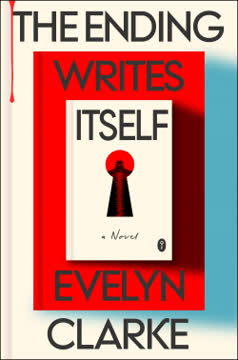
A razor-sharp satire of ambition, legacy, and the publishing machineThe Ending Writes Itself is both a gripping locked-room thriller and a biting metafictional critique of the literary world. Through its ensemble cast of desperate writers, the novel explores the psychological costs of chasing success in an industry that promises everything but delivers little. The contest to finish Fletch's book becomes a microcosm of the zero-sum game of publishing, where collaboration gives way to competition, and survival often means betrayal. The use of metafictional devices—unfinished manuscripts, interstitial documents, the golden book—invites readers to question the value of stories, the ethics of authorship, and the myth of the "chosen one." The novel's refusal to provide a neat ending, instead publishing Fletch's book unfinished, is both a commentary on the impossibility of closure and a challenge to the reader: whose story is it, really, and who gets to write the last word? In a world obsessed with endings, The Ending Writes Itself reminds us that the stories that matter most are the ones that refuse to be finished.
Review Summary
The Ending Writes Itself has garnered mostly positive reviews, averaging 3.77 stars. Readers praise its sharp satirical take on the publishing industry, Agatha Christie-inspired locked-room mystery, and darkly comedic tone, frequently comparing it to Knives Out and And Then There Were None. Many enjoyed the multi-genre character perspectives and biting wit. Common criticisms include slow pacing in the first half, underdeveloped characters, and a predictable or rushed twist. The audiobook narration received mixed feedback, with most praising narrator Fiona Hardingham's performance.
People Also Read

Characters
Cate Newhouse
Cate is a young, unpublished crime writer who feels like an impostor among literary stars. Her insecurity masks a deep resentment toward the publishing industry and her own mother's failed ambitions. Cate's psychological complexity is revealed as she becomes increasingly ruthless, using AI to fake her talent and ultimately resorting to murder to win the contest. Her transformation from anxious newcomer to calculating killer is both chilling and tragic, embodying the dangers of unchecked ambition and the hunger for validation in a system that rewards only the last one standing.
Sienna Buchanan
Sienna is the creative force behind the Penn Stonely thriller duo, overshadowed by her husband Malcolm's ego and public persona. Her quiet brilliance and suppressed frustration drive her to seek independence, but she is caught in the web of the contest and her failing marriage. Sienna's psychological arc is one of longing for recognition and freedom, but her breakthrough is cut short by her untimely death—an ambiguous mix of accident and sabotage. She represents the cost of collaboration and the erasure of women's voices in male-dominated spaces.
Malcolm Buchanan
Malcolm is Sienna's husband and writing partner, clinging to past glories and increasingly threatened by his wife's talent. His charm masks insecurity, jealousy, and a growing dependence on alcohol. Malcolm's psychological unraveling is accelerated by the contest and Sienna's death, leading him to paranoia, self-destruction, and ultimately his own demise. He embodies the toxic side of literary ambition and the dangers of conflating personal worth with professional success.
Millie Mitchell
Millie is a successful YA author with a bubbly exterior and a history of religious repression and family loss. Her compulsive need to meet expectations—three thousand words a day, always smiling—hides deep wounds and a fear of being unworthy. Millie's psychological journey is one of seeking validation and belonging, but she is manipulated and ultimately killed for being in the wrong place at the wrong time. She represents the vulnerability of those who try to please everyone in a world that rewards only the ruthless.
Priscilla Renée Fox / Ava Paulson
Priscilla is introduced as a poised romance novelist, but is later revealed to be Ava, Fletch's longtime editor, undercover to find a worthy successor. Her dual identity reflects the hidden labor of editors and the emotional toll of supporting difficult geniuses. Ava's psychological arc is one of disillusionment with the industry she once loved, forced to confront the limits of her influence and the cost of complicity. She survives by outwitting Cate, but is left hollow, unable to finish Fletch's book or find peace in publishing.
Jaxon Knight (Oswald Jackson Jr.)
Jaxon is a Texas-born author desperate to escape his past and prove himself after a string of canceled series. His bravado masks deep insecurity and a fear of being forgotten. Jaxon's psychological arc is one of seeking redemption and validation, but he becomes a scapegoat for the group's anxieties and is ultimately murdered. He represents the expendability of writers in a system that values novelty over loyalty.
Kenzo Gray
Kenzo is a quiet, analytical horror author with a day job in crime scene analysis. His outsider status and dry humor make him both a confidant and a suspect. Kenzo's psychological journey is one of bearing witness—he survives by keeping his head down and using his trauma as creative fuel. He is the only writer to escape Skelbrae alive, turning the horror into a bestselling novel. Kenzo embodies resilience, the power of storytelling, and the blurred line between fact and fiction.
Eleanor Vandenberg
Eleanor is the formidable literary agent who orchestrates the contest, choosing writers with few connections to minimize fallout. Her psychological profile is one of cold pragmatism, balancing genuine care for talent with ruthless self-preservation. Eleanor's actions expose the industry's indifference to individual suffering and the ease with which people are replaced. She is both gatekeeper and gravedigger, ensuring the machine keeps running.
Rufus Beaumont / Holden Merriweather
Rufus is introduced as Fletch's new editor, but is actually Holden, the publisher's privileged assistant playing a role. His bumbling attempts at authority and desire for validation highlight the nepotism and performative nature of publishing. Holden's psychological arc is one of accidental survival—he flees when things turn deadly and is later promoted, benefiting from others' misfortune. He represents the randomness of success and the absurdity of literary gatekeeping.
Angus (Caretaker)
Angus is the unseen caretaker who rescues Kenzo and reveals the true history of Skelbrae. His presence grounds the story in a sense of place and legacy, contrasting the fleeting ambitions of the writers with the enduring reality of the land. Angus's psychological role is that of the survivor who outlasts the storm, a reminder that stories—and places—persist beyond those who seek to control them.
Plot Devices
Locked-Room Mystery Structure
The novel uses the locked-room mystery as its backbone: a group of writers, isolated on an island, are picked off one by one as they compete to finish a famous author's last book. The structure allows for shifting alliances, red herrings, and escalating paranoia. The contest's rules—no outside contact, color-coded typewriters, blind judging—heighten the sense of claustrophobia and competition. The narrative alternates between present action, flashbacks, and interstitial documents (emails, texts, poems), deepening character psychology and foreshadowing key events.
Metafiction and Industry Satire
The book is deeply self-aware, using its setting and characters to satirize the publishing industry: the myth of meritocracy, the cult of personality, the expendability of midlist authors, and the emotional toll of chasing success. The unfinished manuscript, the golden book, and the contest itself are all metafictional devices—symbols of the unattainable "perfect ending" and the dangers of conflating art with commerce. The novel blurs the line between fiction and reality, inviting readers to question whose story gets told, and at what cost.
Unreliable Narration and Shifting Perspectives
The story is told through the eyes of various characters, each with their own biases, secrets, and blind spots. This device creates suspense and ambiguity, as readers are forced to piece together the truth from conflicting accounts. The use of interstitials—letters, texts, poems, acceptance speeches—adds layers of irony and foreshadowing, while also humanizing the characters. The unreliable narration mirrors the industry's tendency to rewrite history and erase inconvenient truths.
Symbolism: The Golden Book and the Safe
The legendary golden book is both MacGuffin and symbol: a prize that promises immortality but brings only destruction. The safe, with its ticking timer and locked devices, represents both the allure and the trap of the publishing machine—promising reward, but demanding sacrifice. The dollhouse model of the castle mirrors the story's themes of surveillance, manipulation, and the hidden costs of ambition.
Social Commentary and Genre Subversion
The novel subverts genre expectations by making the "final girl" not a hero, but a villain; by revealing the editor as both gatekeeper and victim; and by exposing the industry's preference for marketable stories over genuine talent. The deaths are not just plot twists, but commentaries on the ways writers are pitted against each other, and how the system rewards those willing to play dirty. The unfinished ending becomes a metaphor for the impossibility of closure in both art and life.








































