
Plot Summary
Arrival in the Mist
Nine-year-old Nicholas Benedict, a brilliant but lonely orphan with narcolepsy, arrives at the gloomy Rothschild's End on a rainy night. His sharp mind is immediately apparent, but so is his outsider status—his condition and unusual intelligence set him apart. The orphanage is run by the stern Mr. Collum, who is skeptical of Nicholas's reputation for cleverness. Nicholas quickly learns the rules and the pecking order, including the presence of a gang of bullies called the Spiders. Despite the dreary setting and his own anxieties, Nicholas's curiosity and hope for a better life flicker as he steps into this new chapter, determined to make the best of his circumstances.
Locked Doors, Hidden Keys
Nicholas is given a locked, windowless room due to his disruptive sleep disorder. He immediately senses the threat posed by the Spiders, who plan to "initiate" him. Using his wits, Nicholas avoids their trap and cleverly turns the tables, but in doing so, he makes enemies. He also befriends John Cole, a scarred but kind older boy, who becomes his first real ally. Nicholas's resourcefulness shines as he creates a wax mold of the room key, planning to forge his own escape. The locked doors symbolize both his physical and emotional isolation, but also his determination to find freedom and connection.
Spiders in the Shadows
The Spiders, led by Moray, are relentless in their pursuit of Nicholas, seeking to humiliate him for outsmarting them. Nicholas must constantly stay alert, using quick thinking and psychological insight to avoid their traps. The staff, preoccupied with their own troubles, are largely oblivious to the bullying. Nicholas's narcolepsy makes him especially vulnerable, but he refuses to be a victim. His friendship with John deepens, and together they navigate the dangers of orphanage life, learning to trust each other in a world where trust is rare.
The Lonely Genius
Nicholas's extraordinary intelligence is both a gift and a curse. He devours books in the orphanage's grand but underused library, finding solace and stimulation in knowledge. Yet his abilities further alienate him from the other children and even the adults, who view him with suspicion or envy. Nicholas's narcolepsy and emotional sensitivity make him feel like an outsider everywhere. Despite this, he begins to dream of escape—not just from the orphanage, but from loneliness itself. The library becomes both his sanctuary and the key to unraveling the mysteries around him.
The Library's Secret
Nicholas discovers that the orphanage's founder, Mrs. Rothschild, may have hidden a vast treasure on the grounds. Mr. Collum is obsessed with finding it, believing it could save the financially struggling orphanage. Nicholas gains access to a mysterious ledger—actually Mr. Rothschild's diary—filled with cryptic clues and missing pages. He realizes the treasure is connected to Mrs. Rothschild's love of books and her secretive nature. The search for the treasure becomes a race between Nicholas and Mr. Collum, with the fate of the orphanage hanging in the balance.
Allies and Adversaries
As Nicholas's quest intensifies, he forms a secret alliance with John and, later, with Violet Hopefield, a deaf girl from a neighboring farm. Violet's artistic talent and resilience inspire Nicholas, and their friendship blossoms through shared secrets and sign language. Together, the trio investigates the clues, each bringing unique strengths. Meanwhile, the Spiders grow more desperate and dangerous, and Mr. Collum's suspicions mount. Nicholas learns the value of trust, sacrifice, and loyalty, even as he faces betrayal and heartbreak.
The Treasure Ledger
The trio's investigation leads them to believe the treasure is not gold or jewels, but something more meaningful. They piece together clues from the diary, old newspaper clippings, and the orphanage's history. Nicholas's eidetic memory and deductive skills are crucial, but so are Violet's insights and John's courage. The search takes them to the observatory on the hill, the collapsed mine on Violet's farm, and the hidden corners of the Manor. Each discovery brings them closer to the truth—and to each other.
Nighttime Schemes
Nicholas, John, and Violet meet in secret at the observatory, sharing food, stories, and hopes for the future. Their nighttime adventures are both thrilling and perilous, as they must avoid detection by staff and bullies alike. Nicholas's inventions and clever traps help protect them, but the emotional stakes rise as John is unexpectedly adopted and Nicholas is left reeling. The friends' bond is tested by separation, fear, and the looming threat of the orphanage's closure.
The Observatory's Mystery
The observatory, once home to a magnificent telescope, becomes the focal point of the treasure hunt. Nicholas and Violet explore its mechanical secrets, hoping to find a hidden chamber. They discover that the true treasure is not material wealth, but the library itself—a gift of knowledge and hope left by Mrs. Rothschild. The missing inheritance was used to build the Stonetown Library, a legacy of generosity and learning. The revelation transforms Nicholas's understanding of what it means to be rich.
Violet on the Bluff
Violet's story of loss, resilience, and artistic ambition parallels Nicholas's own journey. Her family's struggles with a corrupt mining company and her dream of art school become intertwined with Nicholas's quest. Through acts of kindness and ingenuity, Nicholas helps Violet recover her family's hope, even as he grapples with his own heartbreak. Their friendship deepens, offering both solace and inspiration. Together, they learn that true treasure lies in helping others and building a future beyond loneliness.
Sacrifices and Goodbyes
John's adoption and Nicholas's subsequent despair mark a turning point. Betrayed by the Spiders and feeling utterly alone, Nicholas runs away, only to be rescued by the kindness of a stranger, Mr. Harinton. This encounter teaches Nicholas the power of selfless action and the importance of purpose. He returns to the orphanage with a new resolve: to use his gifts for the good of others, not just himself. Sacrifice, forgiveness, and the courage to start anew become the heart of his extraordinary education.
The Runaway's Revelation
Nicholas's return to Rothschild's End is marked by humility and determination. He negotiates with Mr. Collum to implement changes that will benefit everyone—children and staff alike. He confronts the Spiders, not with vengeance, but with a challenge to do better. The orphanage begins to heal, and Nicholas finds a sense of belonging and purpose. His friendships with Violet and John endure, and the lessons of empathy, resilience, and hope shape his future.
The Kindness of Strangers
The story's final chapters celebrate the power of kindness, both given and received. Nicholas's actions inspire others to change, and the orphanage becomes a place of growth rather than fear. Violet's family adopts John, and Nicholas finds a new family in his friends and the community he helps build. The true treasure is revealed to be not just the library, but the bonds of trust, love, and shared dreams. Nicholas's extraordinary education is complete—not in books alone, but in the lessons of the heart.
Truths Uncovered
The mystery of Mrs. Rothschild's treasure is finally solved: her inheritance funded the Stonetown Library, a gift to generations. The orphanage's library, too, is a treasure—one that Nicholas vows to protect and share. The story ends with Nicholas looking to the future, ready to face new challenges with courage, compassion, and the knowledge that he is never truly alone. His journey from isolation to connection, from fear to hope, is the true legacy of his extraordinary education.
A New Beginning at End
With the orphanage transformed, the Spiders reformed, and his friendships stronger than ever, Nicholas embraces his role as a leader and mentor. He continues to invent, to read, and to dream, knowing that the greatest adventures are yet to come. The story closes with Nicholas, once a lonely boy in a locked room, now at the heart of a vibrant, caring community—ready to begin again, and to help others do the same.
Analysis
A modern fable of resilience, empathy, and the true meaning of wealthThe Extraordinary Education of Nicholas Benedict is more than a clever mystery or a tale of childhood adventure—it is a profound meditation on what it means to be truly rich. Through Nicholas's journey from isolation to connection, the novel explores the transformative power of kindness, the necessity of community, and the courage required to face both external and internal challenges. The "treasure" at the heart of the story is not gold or jewels, but the legacy of learning, generosity, and hope left by those who came before. Stewart's narrative structure, rich characterization, and deft use of plot devices invite readers to look beyond appearances and to value the invisible riches of friendship, compassion, and purpose. In a world often marked by division and scarcity, Nicholas's story is a reminder that the greatest adventures—and the greatest rewards—are found in helping others and daring to dream of a better future.
Review Summary
People Also Read


Characters
Nicholas Benedict
Nicholas is a nine-year-old prodigy with narcolepsy, whose intellect and curiosity set him apart from others. Orphaned young and shuttled between institutions, he has learned to rely on his wits and to guard his vulnerabilities. His condition—falling asleep during moments of strong emotion—makes him a target for bullies and a source of frustration for adults. Yet Nicholas's empathy, creativity, and determination drive him to seek not just escape, but connection and purpose. Over the course of the story, he evolves from a defensive, isolated boy into a compassionate leader, using his gifts to help others and to transform the orphanage into a place of hope.
John Cole
John is a twelve-year-old orphan with a constellation of chicken pox scars and a reserved demeanor. Initially wary, he becomes Nicholas's first true friend, offering protection and companionship in a hostile environment. John's own grief—having lost his parents recently—makes him both empathetic and guarded. His sense of justice compels him to stand up to the Spiders, even at personal cost. John's adoption is bittersweet, marking both a loss and a new beginning. His friendship with Nicholas is a catalyst for change, teaching both boys the value of trust, sacrifice, and belonging.
Violet Hopefield
Violet is a deaf girl from a neighboring farm, whose artistic talent and determination mirror Nicholas's intellectual gifts. Her family's struggles and her dream of attending art school become entwined with the orphanage's fate. Violet's ability to communicate through sign language opens new worlds for Nicholas, and her perspective challenges him to think beyond himself. Her courage in the face of loss and injustice inspires those around her. Violet's friendship with Nicholas and John is transformative, offering all three a sense of family and shared purpose.
Mr. Collum
The director of Rothschild's End, Mr. Collum is obsessed with rules, order, and the orphanage's precarious finances. His skepticism of Nicholas's abilities and his harsh discipline create an atmosphere of fear and mistrust. Yet beneath his stern exterior lies a man desperate to save the institution and his own reputation. As Nicholas's plans begin to succeed, Mr. Collum learns to trust and collaborate, gradually softening and embracing change. His journey reflects the possibility of redemption and the importance of listening to those he leads.
Moray (and the Spiders)
Moray, Breaker, and Iggy form the Spiders, a gang of older boys who terrorize the orphanage's weaker residents. Their cruelty is fueled by a need for control and recognition in a world where they feel powerless. Moray, the ringleader, is cunning and vindictive, but also deeply insecure. Over time, Nicholas's resilience and cleverness force the Spiders to confront their own behavior. Through a combination of challenge and compassion, Nicholas helps them begin to change, illustrating the potential for growth even in those who seem irredeemable.
Mrs. Brindle
Mrs. Brindle is the orphanage's housekeeper, plagued by mysterious aches and a sharp tongue. Her gruffness masks a deep sense of duty and a longing for connection. She is both a source of comic relief and a symbol of the burdens carried by the adults in the story. Her relationship with Mr. Griese hints at unspoken affection and the possibility of happiness, even in difficult circumstances.
Mr. Griese
The orphanage's cook, Mr. Griese is a kind but timid man, more comfortable with recipes than with confrontation. His budding, awkward romance with Mrs. Brindle adds warmth and humor to the story. He supports Nicholas in small but meaningful ways, embodying the quiet strength of those who nurture from the background.
Mr. Pileus
Mr. Pileus is the orphanage's handyman and driver, a man of few words but many worries. His caution and attention to detail make him both a comic figure and a reliable ally. Though initially distant, he comes to respect Nicholas's abilities and becomes a silent supporter of his efforts to improve the orphanage.
Violet's Family
The Hopefields, especially Violet's parents, represent the best of rural resilience and generosity. Their willingness to adopt John and their support for Violet's dreams provide a model of family and community. Their struggles with the mining company and their eventual triumph underscore the story's themes of justice, perseverance, and hope.
Mr. Harinton
Mr. Harinton, a government attorney, encounters Nicholas during his runaway journey. His kindness, integrity, and willingness to help without judgment become a turning point in Nicholas's life. He models the selfless action and moral clarity that Nicholas aspires to, showing that true family can be found in unexpected places.
Plot Devices
Locked Rooms and Secret Keys
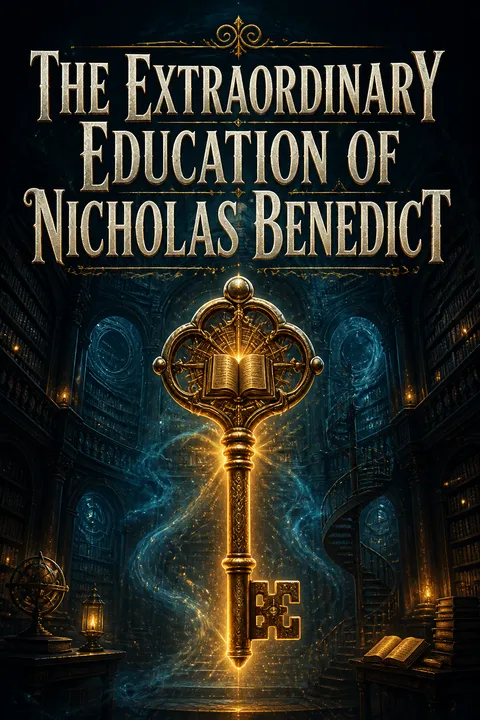
The motif of locked doors and hidden keys recurs throughout the story, symbolizing both Nicholas's literal confinement and his emotional isolation. His efforts to forge a key and escape his room mirror his journey toward self-acceptance and connection. The locked library, the secret ledger, and the observatory's mechanisms all serve as metaphors for the mysteries Nicholas must unlock—about the orphanage, about others, and about himself.
The Treasure Hunt
The search for Mrs. Rothschild's treasure drives the plot, providing suspense and a sense of adventure. The treasure's true nature—a library, a legacy of knowledge and generosity—subverts expectations and reinforces the story's central message: that the greatest riches are found in community, learning, and kindness. The hunt also serves as a crucible for Nicholas's growth, forcing him to rely on others and to confront his own limitations.
Foreshadowing and Narrative Structure
The novel employs foreshadowing through diary entries, missing pages, and recurring motifs (such as the moonlit bluff and the observatory). The structure alternates between moments of danger and moments of discovery, mirroring Nicholas's emotional highs and lows. The gradual revelation of the treasure's true identity is carefully seeded throughout, rewarding attentive readers and reinforcing the theme that answers are often hidden in plain sight.
Psychological Realism and Empathy
The story delves into the psychological effects of loss, bullying, and isolation, particularly through Nicholas's narcolepsy and emotional struggles. The friendships he forms—with John, Violet, and eventually even his adversaries—are depicted with nuance and sensitivity. The narrative emphasizes the importance of empathy, forgiveness, and the courage to reach out, even when it is difficult or risky.