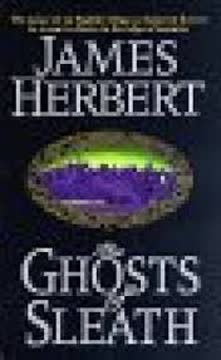
Plot Summary
Funeral Echoes in the Meadows
In the tranquil English village of Sleath, sorrow shadows a child's funeral. Ellen Preddle, devastated by her son Simon's drowning, retreats into private misery, haunted by questions and guilt over the boy's death. While villagers sympathize, they sense a peculiar chill, a whisper of something unnatural stirring. Ellen's desperate prayer for her son's return finds a horrifying answer as Simon's ghostly figure appears in their home—his presence both a balm and a wound, marking the first ripple of supernatural unrest that will sweep through Sleath.
The Skeptical Investigator Returns
David Ash, a veteran investigator of paranormal claims, struggles with his own traumas while probing reported hauntings at a rest home. Despite elaborate precautions and surveillance, Ash uncovers not spectral forces but human cruelty. This jaded skepticism marks his reputation—until Kate McCarrick, his superior, redirects him to Sleath, where the manifestations are neither easily disproved nor contained to a single house, promising a more profound test of Ash's logic and sanity. Unsettling memories dog him as he arrives, already haunted by more than his past.
Unveiling Sleath's Uneasy Heart
Driving into Sleath, Ash senses underlying tension in the picturesque community. The village, with its old buildings and carefully guarded isolation, eyes him warily. An initial encounter with Grace Lockwood, the vicar's daughter, is tinged with inexplicable psychic resonance—an unsettling connection neither can explain. As Ash explores the village and seeks out the vicarage, small signs hint at both the supernatural and a collective desire to keep Sleath's secrets buried—strangers are not welcome, and the village is as enigmatic as it is beautiful.
Apparitions Among the Living
Ash meets with Grace and her father, Reverend Lockwood, learning of widespread disturbances—apparitions, unnatural cold, and poltergeist activity affecting villagers who have suffered trauma. Each incident—children singing in an abandoned school, the apparition of Simon Preddle, haunted visions seen by barmaid Ruth Cauldwell—roots itself in buried village anguish. Some, like Ruth, are stalked by revenants from their own damaged childhoods; others see visions of violence and regret. The supernatural is not just present—it feeds on the villagers' most private wounds.
The Child and the Curse
As Ash interviews villagers, a ghastly pattern emerges: the dead return, reliving trauma or unfinished vengeance. Ellen sees Simon daily but becomes convinced a darker force—her husband's malevolent spirit—preys on the boy's ghost. Ruth is attacked by the specter of her abuser. The supernatural eruptions pivot on abuse, guilt, and cycles of hidden violence—the sins of the past both summon and sustain the ghosts, binding Sleath in an invisible web where children and the vulnerable are perpetually at risk.
Whispered Sins of the Village
Poltergeists plague homes. Ash's conversation with the vicar unfolds the terrible histories of Sleath—a legacy of abuse, accidental and deliberate deaths, and villagers complicit through silence or fear. These old scars now bleed into the present. The boundaries between victim and perpetrator blur—the ghosts as much a product of Sleath's systemic cruelty as of metaphysical forces. Each haunted soul is trapped, both emotionally and spiritually, by secrets and shame, setting the stage for collective reckoning.
The Lockwood Legacy
The Lockwood family, lords of manor and church for centuries, sits at the cursed heart of Sleath. Grace is forced to confront disturbing gaps in her memory—was she, too, a part of the rituals and darkness surrounding her ancestors? Ash and Grace's growing intimacy reveals a psychic link rooted in shared trauma. Meanwhile, Phelan, a mysterious Irish psychic, arrives, recognizing the malign energies gathering in the village and identifying Ash's and Grace's latent powers as catalysts, further stirring the storm.
Haunted by the Past
The narrative revisits the tragedies of the past—molestation, ritual abuse, and the mysterious disappearances of children—now revisiting the living through ghostly intervention. Scenes of violence and vengeance erupt: Ruth's father massacres an innocent boy in a misguided bid for justice. Ash's own ghostly visions, including the spirit of a long-dead child, bridge the personal with the collective, hinting the curse extends beyond one generation, rooted in centuries of Lockwood excess and cruelty. The past demands acknowledgment.
Poltergeists and Personal Histories
Ash and Phelan research church records—finding journals that delineate ghastly rituals, necrophilia, and unspeakable practices as the village's power brokers sought dominance over both land and soul. The supernatural now intensifies: poltergeist events, shifting matter and memory alike, threaten households and the sanity of all. The accounts reveal repeated cycles: the past never dies, it simply festers—until it overflows into horror. The boundaries between haunting and hysteria dissolve, as collective guilt manifests in physical, unignorable ways.
The Poisoned Community
Mist and malaise settle over Sleath. Communications are cut, and a suffocating, yellowish fog traps the villagers. Appalling supernatural events multiply: rodents swarm, poltergeists attack, and dead children's voices fill the night. Beardsmore, a powerful man with hidden ties to the Lockwoods, unleashes violence to secure his own twisted immortality. The ghosts seek justice for centuries of suffering, targeting not just individuals but the very fabric of Sleath—no one is innocent, and no one is safe.
Nightmares Unfurled
Lightning, spectral violence, and hysteria culminate amid storm and ruin. Beardsmore is flayed alive by vengeful spirits, while the villagers—haunted by their complicity—reckon with their secrets in terror. Ash and Phelan, desperate to save Grace, must navigate collapsing realities as the supernatural onslaught peaks. Old structures, physical and psychological, collapse in tandem: churches, families, and illusions, destroyed by the ghosts they birthed. The boundaries between past and present, living and dead, break down beyond repair.
Confronting Grief and Ghosts
The remaining protagonists face raw truth. Ash, deeply wounded, understands through psychic merger with Grace the molestation and ritual her family endured—and the ways he, too, carries survivor's guilt. Grace's father sacrifices himself to end the ritual bloodline, dying at Beardsmore's hands before the ghosts, at last, find release. The haunting is revealed as both literal and metaphorical: some ghosts are souls lost, others are wounds that festered through denial. In the heart of destruction, revelation enables the possibility of healing.
Sins of Flesh and Blood
The ruined Lockwood Hall becomes apocalypse made manifest. Beardsmore's true heritage and ambitions stand revealed as the ghosts of abused children—led by the spirit Timmy Norris—tear apart their tormentor, symbolically ending the Lockwood reign. Grace, forced to remember her childhood abuse and involvement, nearly perishes from psychic injury, saved only through Ash's steadfast compassion. The cycle of silence and horror is broken by truth, but not without terrible cost and a harrowing sense of loss.
The Psychopomp Arrives
Seamus Phelan, whose own history is bound to catastrophe, acts as a medium and moral touchstone, urging Ash and Grace toward acknowledgment and action. He deciphers the occult nature of Sleath's history and points out the characters' complicity and responsibility—not only the supernatural but the human consequences of denial and abuse. His warnings and guidance are crucial in enabling Ash and Grace to confront the village's legacy and face their own pain.
When Walls Talk
As the supernatural reaches a crescendo, the very walls of Sleath—its church, manor, and homes—literally and figuratively erupt. The echoes of centuries of abuse, covered up and dismissed, manifest as both historical record and living nightmare. The disastrous collapse of physical structures is echoed by the collapse of psychic defenses, as villagers and prodigals alike face the consequences of what Sleath truly is.
The Circle Closes
In the tempest's aftermath, with fire and rain cleansing the land, the spirits finally depart. The rules have changed: truth has banished both the ghosts of the village and the ghosts within. The Lockwood curse is broken through death and the admission of guilt; those who survive are forever changed. What cannot be undone must at least be understood, and only with the collapse of both the Hall and the illusions protecting Sleath does potential for renewal emerge.
Madness in the Mist
As the survivors stagger from the devastation, the mists recede but leave behind emptiness and exhaustion. Physical and emotional injuries symbolize the lingering pain of trauma. Sleath itself is saved only through devastation: its victims, both living and dead, can finally rest, but those who survived—Ash and Grace especially—must now carry the memory of what happened, uncertain whether true healing is possible but forced at last to try.
Vengeance of the Dead
The children whose lives and deaths powered Sleath's curse receive their retribution. Those who violated, denied, or enabled evil are destroyed. Others, like Ruth and Ellen, find their own kind of release as their ghosts—literal and figurative—are finally put to rest. Rain washes the blood away, and the haunting subsides, but innocence, once lost, cannot be returned. The lesson is indelible: what is suppressed will always return in force.
Collapse and Reckoning
The dawn after the storm finds Sleath battered, changed, and empty. Ash leaves the ruined village, marked by loss, his connection with Grace intense and bittersweet; she cannot be saved, but perhaps she can be mourned honestly now. The village stands as a testament to the cost of denial and the necessity—for communities and individuals alike—of facing the past to move forward.
Exorcism by Fire and Rain
As day breaks, final visions of the dead flicker on the road away from Sleath. The supernatural crisis has ended, but the emotional scars remain for those left behind. The ghosts of Sleath are banished by exposure and by the self-sacrifice of their oppressors, but the larger message persists: only through truth—no matter how horror-filled—can survivors hope for peace. Ash's own journey is unfinished, but the circle of the story closes with the reluctant hope that acknowledgement and love can break any curse.
Analysis
Modern horror as a metaphor for communal and personal denialThe Ghosts of Sleath, more than a supernatural thriller, is a powerful meditation on the cycles of trauma, abuse, and secrecy that poison families and communities. James Herbert uses the traditional framework of ghosts and haunted villages to probe the ways collective evil festers when suppressed—and erupts explosively when finally confronted. The hauntings in Sleath are not arbitrary: they are the voices and wounds of the silenced dead, especially abused children, demanding justice and acknowledgment. The narrative insists that only through owning the truth—no matter how horrific—can healing, however partial, begin. The supernatural violence climaxes in the literal destruction of the power structures (the Lockwoods, the Hall, the corrupted clergy), symbolizing the need to break with the past rather than simply forgetting it. Yet the survivors, scarred and exhausted, are not given easy solace; trauma does not vanish, but it can at least be addressed, mourned, and, in time, transcended. The story warns that the greatest horror is not just the supernatural, but the human capacity for denial—and offers, in its final moments, a glimmer of hard-won hope through love, truth, and the necessity of confronting our own ghosts.
Review Summary
The Ghosts of Sleath is widely praised as a superior sequel to Haunted, with most readers appreciating its atmospheric village setting, escalating dread, and gruesome horror. Fans highlight Herbert's skill in building tension across multiple characters and plotlines, culminating in a powerful, shocking ending. Common criticisms include pacing issues in the final third, an overly long sex scene, and an occasionally unsatisfying conclusion. Overall, readers rate it highly as a standout horror novel, recommending it particularly to fans of supernatural fiction and Herbert's broader work.
People Also Read




Characters
David Ash
David Ash is a professional psychic investigator whose brilliance lies in skepticism and the exposure of hoaxes. However, beneath his armor of cynicism, Ash is traumatized—a man forever marked by the tragic drowning of his young sister Juliet, for which he carries unresolved guilt and a sense of being perpetually haunted. His past confrontation with true supernatural horror at Edbrook left him emotionally scarred, but prepared him, paradoxically, for the real thing at Sleath. Ash's relationships are complicated by his reluctance to trust or love, but in Grace Lockwood he finds both a kindred spirit and a soulmate traumatized in her own way. Ash's psychic abilities intensify under pressure; where once he fled from them, in Sleath he is forced to accept the reality of the supernatural and its roots in abuse. His journey is a psychological crucible—a movement from denial and avoidance toward painful self-knowledge and, ultimately, moral action.
Grace Lockwood
The beautiful, intelligent daughter of Sleath's vicar, Grace is both a product and a victim of her family's heritage. Sent away as a child to protect her from the village's dark rituals, she returns as an adult, troubled by gaps in memory and a sense of unspoken trauma. Grace serves as both muse and mirror for Ash—her psychic connection with him unlocks suppressed memories of her abuse and involvement in the Lockwood blasphemies. As the repressed horrors surface, Grace is caught between love for her father and the need to confront the truth. Her final psychic injuries are the direct result of her willingness to face what happened to and because of her, and she is both tragedy's victim and hero—her own self-sacrifice crucial to breaking Sleath's curse.
Reverend Edmund Lockwood
Once strong, now reduced by illness and guilt, Lockwood is the living conduit for centuries of generational evil. As vicar and descendant of Sleath's founding family, he embodies the village's hypocrisy and moral failure, enabling atrocities while preaching salvation. His breakdown is as much spiritual as physical; the supernatural crisis forces him to confront his role in the abuse of children—including his own daughter—and his complicity in the village's fate. Lockwood's eventual sacrificial act is both admission and atonement, but it is ambiguous whether his repentance can truly expiate so deep a history of pain.
Ellen Preddle
Ellen is the archetypal victim—abused wife, bereaved mother, and ultimately the focus of the haunting that launches Sleath's undoing. Her psychological fragility illustrates how trauma breeds new trauma; her refusal to acknowledge the truth about her husband's abuse of Simon only deepens the curse. Ellen's desperate longing for her son's return invites supernatural punishment; only by facing the reality of their suffering—and releasing both ghost and guilt—can she and Simon be freed from the cycle.
Simon Preddle
The spirit of the drowned boy is a lynchpin: simultaneously a symbol of pure loss, abused innocence, and the ways in which the sins of fathers are revisited on sons. Simon's ghost is pitiful, longing only for love and safety, yet perpetually preyed upon by the apparition of his father, George. His suffering and the eventual peaceful release of his spirit epitomize the novel's themes of acknowledgment and the cost of silence.
Ruth Cauldwell
Ruth, barmaid and future nanny, is harrowed by the return of her abuser's ghost. The molestation she endured as a child is mirrored now in spectral assault—a literalization of the way trauma lingers. Her emotional and physical suffering is compounded by guilt, shame, and village complicity. Ultimately, her desperate attack on her tormentor's shade in defense of her sibling marks a break in the cycle—a moment of agency after years of silence.
Seamus Phelan
A storied medium with a history of being present at disasters, Phelan is drawn to Sleath by the magnitude of the psychic disturbance. His role is to interpret, guide, and prod Ash and Grace toward truth and responsibility. Phelan is both witness and participant in the struggle against occluded evil; his intervention is crucial in uncovering the occult history of the Lockwoods and the village. He functions as conscience, warning, and occasional exorcist, reflecting the novel's insistence that evil requires both acknowledgment and active resistance.
Carl Beardsmore
Beardsmore, a wealthy outsider and secret Lockwood descendent, is the present-day inheritor of the family's darkness. Aspiring to dominance through the occult, he perpetuates rituals of power, violence, and child sacrifice. Beardsmore's arrogance and sense of destiny are ultimately his undoing—as the ghosts of Sleath turn on him with righteous rage, his fate is to be torn apart by the very forces he hoped to command.
Kate McCarrick
Ash's superior at the Institute, Kate is both skeptic and caring friend, providing perspective on Ash's struggles and acting as a sounding board. Though outside the main events, her logic and attempts to reach Ash represent the world beyond Sleath—the possibility that healing and recovery, while difficult, may be found if one chooses to face pain honestly.
Dr. Robert Stapley
Sleath's cynical, guilt-ridden doctor, Stapley is complicit in both the village's abuses and the cover-ups that enabled them. His inability to face the consequences of his actions brings not only psychic but literal haunting; the ghosts of his failures—neglected patients, unacknowledged deaths—overwhelm and destroy him. In him, the novel locates the cost of professional, institutional, and personal silence.
Plot Devices
Supernatural as Manifestation of Collective Guilt
The ghosts that terrorize Sleath are not random or merely evil—they are the direct product of a long legacy of abuse, denial, and complicity. The supernatural here is both literal and metaphorical: ghosts, poltergeists, and psychic disasters erupt in exact proportion to the suffering, secrets, and unresolved histories of Sleath's people. The haunting is only possible because no one speaks the truth; once revealed, the manifestations dissolve, suggesting that only unburdened honesty can break such curses.
Psychic Linkage and Telepathic Revelation
A key device is the psychic bond between Ash and Grace, triggered by their mutual histories of familial loss and violation. Their connection allows the repressed secrets of the Lockwoods—and Ash's own guilt—to surface. Their psychic and physical union symbolizes the necessary union of acknowledgment and healing. The device also permits the uncovering of buried memories and the final confrontation with the roots of Sleath's evil.
Cyclical Violence and Ancestral Repetition
Sleath's horrors are traced through generations. Ritual child sacrifice, abuse, and corruption repeat in each era, with records kept as both evidence and instruments of continuing wrong. Only when descendants, like Grace and the dying Reverend Lockwood, finally admit and confront what happened does the pattern break. This recursion is mirrored in the structure—the collapse of buildings representing the collapse of old, poisoned legacies.
Physical and Environmental Corruptions
The mists, storms, and poltergeist violence are not random weather, but expressions of psychic poison. Supernatural plagues—rats, blood-seeping posts, iced ponds, rain and thunder—render the emotional and spiritual reality of Sleath's curse concrete and inescapable, culminating in catastrophe and eventual catharsis through annihilation.
The Investigator as Unreliable Narrator
Ash's skepticism and damaged psyche serve as both a means of discovery and a resistance to the truth. Only by confronting his own traumas, and accepting the reality of the supernatural (both in his world and within himself), can the investigation succeed and the haunting be resolved. His journey typifies the necessity of self-scrutiny in any quest for truth.
Historical Documents and Fragmented Narrative
The exposure of the Lockwood journals, parish records, and oral histories acts as both a plot engine and a motif. Only by piecing together the broken narrative of abuse, ritual, and denial—which the ghosts themselves demand—can the village be liberated. The past refuses to remain hidden; only transparency can allow the future.