
Plot Summary
Prologue
On a freezing night a mother flees through the dark with her two eldest children, soldiers having burned their cottage, killed her youngest son, and dragged away her husband and youngest daughter.1 She reaches a hidden safe house where a cloaked rebel leader waits.
Revealing she carries the blood of the long-exiled Corentine monarchs, she offers to join the rebellion in return for one thing: vengeance. Shedding her old name, she becomes Tilda Corentine, Rebel Queen,13 vowing to make those responsible pay no matter the cost.
The prologue seeds the entire saga in a single act of transformation: grief alchemized into political ambition. Tilda's choice to claim a denied bloodline reframes identity as something one weaponizes rather than inherits. The doubled phrase, blood of traitors and blood of queens, establishes the moral ambiguity that will haunt her descendants. Vengeance here is not justice but a coping architecture, a way to never again feel helpless. By naming the cost as irrelevant, Tilda forecasts how the rebellion will consume innocents and family alike. The reader is primed to distrust the righteousness of the cause before meeting any of its inheritors, lending later betrayals a tragic inevitability.
A Healer's Forbidden Dream
Six weeks after surviving Zalindov prison and its deadly Trial by Ordeal, Kiva Meridan1 wanders Silverthorn, the healing academy her late father Faran revered. The matron offers her a coveted place, reviving a childhood dream.
But Kiva1 carries a darker errand: a coded clue pointing to the village Oakhollow, where her siblings wait to help reclaim Evalon's throne for their hidden Corentine bloodline and avenge their ruined family. Her mother, the Rebel Queen,13 died in the prison riot, leaving the mission to her children.
Complicating everything is Jaren,2 the crown prince who secretly kept her alive, now her supposed enemy. He sweeps her off toward the River Festival, and she grants herself one last carefree night before vengeance begins in earnest.
The opening crystallizes Kiva as a battleground between two parents: Faran's compassion and Tilda's wrath. Silverthorn functions as a symbol of the unlived life, the self she might have become without trauma. Noni stages temptation through institutional belonging, the academy offering legitimacy and purpose untethered from blood feud. Kiva's decision to take one more night with Jaren is a small rebellion against her own programming, exposing how desire erodes ideological commitment. The chapter weaponizes survivor's guilt: she feels she owes her freedom to a vendetta. The gilded cage motif emerges immediately, freedom from prison replaced by the subtler captivity of obligation, where even pleasure must be rationed and justified.
Stolen From the Crowd
Queen Ariana8 conjures a glittering water spectacle over the Serin River, swans and serpents of liquid light delighting the festival throng. Kiva1 watches from a rooftop with Jaren,2 his guard Naari,7 and the freckled boy Tipp6 she once healed.
Threading back through the packed streets, the crush separates them. A stranger clamps a chemical-soaked cloth over Kiva's1 face. She fights, but a blow to the skull drops her into blackness. The abduction reads as a rebel strike against the prince's favorite, exactly the kind of attack that confirms the capital's dangers.
Kiva1 expects rescue from Jaren2 and Naari,7 never guessing who actually orchestrated the kidnapping, or why they needed her separated and alone before the celebration's joyful chaos could shield their move.
The festival's beauty operates as ironic counterpoint, public wonder masking private violence. Ariana's effortless water magic foreshadows both the family's overwhelming power and, later, its capacity for harm. The abduction inverts spectacle: while the crowd looks up at marvels, Kiva is dragged down into menace, dramatizing how spectacle distracts a populace from the machinery beneath. Noni exploits sensory overload, music and light drowning Kiva's cries, to render her isolation visceral. The kidnapping also stages a recurring theme of misread intentions; the reader, like the royals, assumes a clear enemy, when the architecture of deception runs through Kiva's own bloodline.
The Viper and the Jackal
Kiva1 wakes bound and gagged, facing Zuleeka,4 her older sister and now interim rebel commander, hard-eyed and suspicious. Their brother Torell5 arrives next, all warmth and fury at her bruises. The siblings engineered the kidnapping themselves, both to test her loyalty and to brief her in secret. Zuleeka4 delivers the real plan: Kiva1 will return to the palace as their planted spy, exploiting Jaren's2 trust to harvest his secrets and weaknesses.
There is no tearful homecoming, only an assignment. To sell the rescue, Zuleeka4 slams a dagger pommel into Kiva's1 already injured face, knocking her out again. The reunion Kiva1 spent ten years dreaming of curdles into something colder, her sister's resentment a wound she does not yet understand.
The chapter weaponizes expectation: a decade of yearning meets bureaucratic coldness. Zuleeka and Torell embody divergent responses to the same orphaning, calculation versus tenderness, the rebellion's head and heart. By rendering Kiva a tool rather than a sister, Zuleeka exposes how the cause has hollowed familial love into utility. The masked aliases, Viper and Jackal, signal identities subsumed by function, people erased into symbols. Kiva's physical battering at her own sister's hand literalizes the betrayal she cannot yet name, planting the seed that the family she sacrificed everything for may value her only for what she can extract.
Rescue and a Telltale Glow
Caldon,3 Jaren's2 rakish cousin and the realm's deadliest fighter, carves through rebels to reach Kiva,1 who plays the terrified victim. In the scramble she stabs him by accident, and when she reaches for the wound, golden healing light flickers at her fingertips, the forbidden Corentine magic she has suppressed for ten years.
She smothers it before he notices. Back at the River Palace she meets Queen Ariana,8 disarmingly gentle, and the bright Silverthorn healer Rhessinda,10 who stitches Caldon3 and treats Kiva's1 concussion.
The kindness unsettles her: these are the people she swore to ruin. Worse, her magic keeps surging unbidden over the following days, an uprising inside her own body that threatens to expose her the instant anyone glimpses the light.
Kiva's leaking magic externalizes her internal fracture; the body refuses the repression the mind demands. Healing power surfacing during an act of harm she caused (stabbing Caldon) dramatizes her core contradiction, a healer playing saboteur. The royals' warmth becomes a moral solvent, dissolving the cartoon villainy her vengeance requires. Noni uses Ariana's gentleness to complicate the binary of oppressor and victim. The motif of suppression as danger is introduced: that which is denied does not disappear but festers and erupts, a psychological truth that will later acquire literal, fatal stakes for the whole Corentine line.
Power Beneath the River
Caldon3 drills Kiva1 into the dirt each dawn, rebuilding the fitness prison stole from her. Then Jaren2 leads her and Tipp6 into a secret limestone cavern where his family trains in private. Ariana8 drowns the air in water, Mirryn9 rips tornadoes from nothing, young Oriel15 hurls stalactites, and Caldon3 throws fire, all of it aimed at Jaren,2 who repels every assault by wielding earth, wind, water, and flame in turn.
To the public he is merely a fire prince, but Kiva1 watches him become something close to a god, untouchable. The display answers a question she did not want answered: no rebel army could storm this family by force. Their throne is a fortress of magic, and her cause suddenly looks doomed.
The cavern sequence functions as a thesis on power asymmetry. By showing the Vallentis family's effortless command of nature, Noni renders the rebellion's military hopelessness concrete, forcing the plot toward subtler, lawful avenues of conquest, which seeds the Ternary. Jaren's secret four-element mastery makes him simultaneously the kingdom's greatest protector and its most dangerous single point of failure. Kiva's awe braids with dread: admiration for what she must destroy. The intimacy of being shown this secret, Jaren trusting her with the family's hidden truth, accrues a debt of betrayal she is steadily incurring, deepening the tragedy of every confidence he extends.
Secrets in a Cabinet
Hungry for intelligence, Kiva1 squeezes into a cabinet in the Royal Council's underground chamber and listens. She learns Jaren2 had her past investigated yet defended her father as innocent, that the warden Rooke14 escapes justice because he answers to all eight kingdoms, and that the council dismisses the rebels as harmless pests.
More chilling is the northern menace: King Arakkis of Mirraven is dead, murdered by his own son Navok,17 who now betroths his gentle sister Serafine to Caramor's heir for murky reasons. One phrase snags her, the Royal Ternary, named as the lone lawful path to the throne, with no one explaining what it is. Kiva1 escapes undetected, carrying a list of revelations and a question that will gnaw at her for weeks.
The eavesdropping scene is a structural engine, planting nearly every third-act payoff: the Ternary, the Mirraven succession, Navok's odd betrothal, and Jaren's protective regard. Noni stages dramatic irony elegantly, letting Kiva hear herself defended by the man she means to destroy, intensifying her guilt. The council's contempt for the rebels reframes the rebellion as a tragicomic underestimation, the powerful blinded by their own security. The cabinet itself, a cramped box recalling her time in solitary, links information-gathering to imprisonment, suggesting that knowledge in this world is acquired through self-confinement and risk, never freely given.
The Rebel Camp's Bitter Truth
Guided by Rhessinda,10 Kiva1 rides to Oakhollow and into the hidden rebel camp, where masks conceal Zuleeka4 and Torell5 as the Viper and Jackal. There she learns how their mother Tilda13 reshaped the rebels, healing villagers in exchange for loyalty, then withholding mercy and provoking bloodshed to swell the ranks. Zuleeka4 blames Kiva1 for Tilda's death,13 since the dying queen surrendered herself to Zalindov to reach her.
Kiva1 discovers a living grandmother, Delora,11 who might teach her to govern her magic. Most quietly devastating, Torell5 confesses he never chose this war and no longer believes in it, a gentle boy molded into a weapon. Kiva1 trades the council secrets she gathered, and Zuleeka4 offers a halting apology, begging only for time.
This is the rebellion's moral autopsy. The revelation that Tilda traded healing for fealty exposes the cause's rot: salvation rationed as a recruitment tool, kindness instrumentalized. Torell's confession introduces the book's most poignant counter-voice, the conscript who sees the lie yet cannot escape duty, mirroring Kiva's own entrapment. Zuleeka's grief-fueled blame is psychologically acute: bereavement seeking a target, sisterhood poisoned by survivor logic. The camp, ostensibly home, offers no belonging, only conditional acceptance contingent on usefulness. Noni quietly dismantles the romance of righteous rebellion, suggesting causes outlive their justifications and devour the very families they claim to avenge.
Drugging a Friend for Answers
At a Vallentis family dinner Kiva1 watches them tease and adore one another and realizes the king, Stellan,12 is dying of a blood illness. Their warmth becomes its own torment as her affection for them grows against her will. Desperate to stop her magic from erupting inside the palace, she slips a sleeping draught into Caldon's3 tea and rides secretly to Blackwater Bog.
Her grandmother Delora,11 a cantankerous apothecary guarded by a swamp beast, makes Kiva1 endure a book club before relenting. Delora11 brews a potion that smothers Kiva's1 power entirely, leaving her hollow but safe, enough for three days, then orders her to return for more. The cure feels like amputation, yet exposure means death, so Kiva1 swallows the bitter draught.
The dinner sequence converts the enemy into a family, and family into an indictment of Kiva's mission. Stellan's terminal illness introduces mortality as the great equalizer, royals grieving like anyone. Drugging Caldon marks Kiva's first betrayal of the palace's affection, a small treachery rehearsing larger ones. Delora, eccentric and prickly, embodies a third Corentine path: survival through renunciation. The potion's amputating emptiness literalizes Jaren's earlier claim that magic is a limb, foreshadowing the dagger's catastrophic theft of power. Noni frames repression not as virtue but as a temporary, hollowing stopgap, the body and self diminished by every denial.
Blades in the Red House
Caught sneaking back, Kiva1 placates the furious household, then follows Jaren2 when he slips out alone to investigate a rebel meeting place concealed inside a brothel. In the crimson parlor, Zuleeka4 in her Viper mask lunges at the prince, and only Naari's7 sudden arrival and the storming Royal Guard avert disaster before the rebels vanish into killed lights.
Afterward Naari7 confronts Kiva1 and, believing her merely curious, shares the story that chills her: three years ago the Viper4 severed Naari's7 hand while attacking Jaren.2 Kiva1 now knows her own sister4 crippled the guard who has become her friend. The blurred line between the people she loves and the family she serves cuts deeper, and Zuleeka's4 recklessness frightens her.
The Red House scene fuses sex, secrecy, and violence into a single charged space, the underworld where masks slip. Naari's amputation story retroactively binds Kiva's family crimes to her present affections, making the abstract cost of the rebellion intimate and bodily. The revelation that Zuleeka maimed Naari converts the sister into a tangible threat to Kiva's chosen world. Noni escalates the divided-loyalty engine: Kiva can no longer pretend her family's violence is impersonal or justified. The motif of the freezing panic Naari suffered, and which Kiva later experiences under dark magic, quietly links victims of the same predatory power across the narrative.
The Sparring Match Revelation
Against Kiva's1 frantic warnings, Zuleeka4 and Torell5 accept Mirryn's9 lunch invitation to the palace. Jaren,2 coldly furious on Kiva's1 behalf, challenges Torell5 to spar and uses the duel to hurl an accusation: Evalonian law exempts children under twelve from life sentences, so any guardian could have claimed seven-year-old Kiva1 and walked her out of Zalindov.
For five years, someone only had to ask. Torell's5 horror proves he never knew, but Zuleeka's4 flat denial is a lie that both Kiva1 and Tor5 hear. Their mother13 and sister4 left her to rot, calling her safer behind those walls. The betrayal hollows Kiva1 out. The family she bled for chose her imprisonment, and the wound reshapes how she sees her cause.
This is the emotional fulcrum of the novel. Jaren, weaponizing law as moral accusation, unknowingly detonates the foundation of Kiva's loyalty. The revelation reframes a decade of suffering as not merely tragic but chosen by her own kin, transforming grief into something closer to abandonment. Zuleeka's lie, audible to all, severs the last innocent reading of the family. Torell's anguish validates Kiva's worth even as it indicts the cause. Noni stages the catharsis through combat, physical contest as proxy for the buried familial reckoning, so that swords articulate what years of silence could not. Vengeance loses its righteous foundation here.
The Queen's Drowning Touch
Invited for a late-night cocoa, Kiva1 finds Queen Ariana8 high on angeldust, her warmth curdled into menace. The queen8 freezes Kiva's1 feet in ice, then floods her lungs with conjured water, drowning her on dry land for the imagined crime of ruining their evening. Jaren2 bursts in, hurls his mother8 across the room with wind, and clears the water from Kiva's1 chest.
Shaken, he carries her to his own bed and gives her a Vallentis crest amulet charged with all four of his elements, a shield against any magical attack. The gift is an act of love and guilt, protection from his own family and even from himself. Kiva,1 who plots his ruin, accepts the talisman and cannot make herself let him go.
The queen's assault reveals the rot beneath the gilded family: addiction as a private tyranny that Jaren has long absorbed to spare his siblings. Ariana embodies the novel's recurring duality, tenderness and cruelty inhabiting one body, much as Corentine magic heals and kills. The amulet, given in the same breath as near-death, fuses love with danger and becomes a literal object of trust. Noni plants it as a Chekhovian device whose protective power and eventual theft will pivot the climax. Kiva accepting protection from the very dynasty she means to topple sharpens the tragedy of intimacy built on deception.
The People's Prince Trusts Her
Jaren2 takes Kiva,1 both masked, to Silverthorn's children's ward, where he secretly uses his full magic disguised as the amulet's power to make ailing kids fly and gardens bloom. She meets the beloved future king the healers adore, and her heart fractures further. To ease her invented fears about the rebels, he then leads her to the royal library and reveals Evalon's greatest secret: the Royal Ternary.
Whoever holds all three relics, the Book of the Law, the queen's Signet ring, and the Eye of the Gods, may claim the throne lawfully and peacefully. Two are kept at the palace, the Eye guarded hundreds of miles away by his sister, General Ashlyn. He swears it unstealable. Kiva1 leaves sick with the weight of his trust.
Jaren's hospital visits dramatize legitimate authority as service, contrasting the rebellion's coercive recruitment. Noni argues, through the healers' devotion, that the kingdom is genuinely better in his hands, complicating any reader sympathy for the Corentine claim. The Ternary's revelation is the novel's great structural gift and trap: an unactionable secret that becomes lethally actionable once relics align. Jaren's insistence that the Eye is unreachable is dramatic irony at its most poignant, since the reader and Kiva will soon recognize it elsewhere. Trust, here, is the deadliest currency; every secret shared is a future weapon, and Jaren keeps arming the woman sworn to undo him.
Caldon Knew All Along
After Kiva1 relays the Ternary to her siblings, Caldon3 ambushes her in a dockside alley and reveals he has known she is Kiva Corentine1 for months, ever since Captain Veris16 recognized her. He had meant to use her as a way into the rebels, then grew to care for her instead. Faced with his blade and his loyalty, Kiva1 confesses the truth: she is finished helping her family destroy the Vallentis line.
She still loves Zuleeka4 and Torell,5 but she cannot betray Jaren2 and the people who have become her world. Caldon,3 furious yet forgiving, accepts her choice and warns he will gut her himself if she ever lies to him. For the first time, Kiva1 has chosen a side, and it is not her mother's.13
Caldon's reveal recasts the entire surveillance dynamic: the watcher was watched, the manipulator outmaneuvered. His months of silence reframe his comic flirtation as deliberate strategy layered over genuine grief, deepening him from comic relief into the novel's most perceptive moral agent. Kiva's spoken renunciation is her true climax of agency, the moment she authors her own loyalty rather than inheriting it. Yet Noni denies clean liberation; choosing love does not erase love for family, and the confession arrives just as the rebellion's machinery accelerates beyond her control. The tragedy is timing: she chooses freedom precisely when her sister's design renders that choice nearly meaningless.
The Dagger That Eats Magic
Around this time a rebel spy tricks Tipp6 into stealing the Book of the Law, and Zuleeka4 murders the spy to bury the trail. When Kiva1 returns to Blackwater Bog for more potion, Delora11 refuses and unleashes the family's buried history: Corentine healing magic can also kill, and both the ancient Torvin and Tilda13 turned it to slaughter, the power rotting them from within.
Sarana was justified in destroying her corrupted husband. Worse, the jewel in Torvin's apothecary dagger is no mere symbol but the Eye of the Gods itself, a weapon forged to strip magic away. Delora11 used it on her own body to stay safe. The potion never worked by its ingredients alone; it worked because that blade had touched it.
Delora's revelation reverses the rebellion's founding myth: Torvin was no wronged saint but a tyrant rightly stopped, meaning the entire cause rests on inherited propaganda. This recontextualizes Tilda's rot as moral consequence, magic as a mirror of the soul wielding it. The Eye's dual nature, royal relic and magic-killing weapon, fuses the political and personal threats into one object, a masterstroke of plotting that turns the throne-claim device into a tool of bodily mutilation. The chapter universalizes the suppression theme: the dagger offers the same hollowing Kiva chose chemically. Noni frames the family curse as a choice repeated each generation, light or darkness, never predetermined.
Ambush in the Warehouse
Hunting potion ingredients at Silverthorn with Tipp6 and Rhessinda,10 Kiva1 is seized by King Navok's17 Mirraven mercenaries, who want her as bait for Jaren2 and speak of an overdue debt Tilda13 owed their king. Torell5 and Rhessinda10 fight through them, and Rhess10 is unmasked as Torell's5 undercover second-in-command, the reason she so conveniently befriended Kiva.1
When Torell5 takes a fatal blade, Kiva1 heals him with a blaze of golden magic, and Tipp,6 waking, witnesses everything: she is a Corentine, kin to the Rebel Queen.13 Zuleeka4 knocks the stunned boy unconscious and carries him off to keep him silent. Cornered, Kiva1 tells her sister4 outright she is done with the rebellion, and Zuleeka4 accepts it with unsettling calm.
The warehouse weaponizes the external threat Jaren long feared, confirming Mirraven's reach and Tilda's secret bargain. Rhessinda's exposure adds a fourth layer to the novel's lattice of concealed allegiances, suggesting almost no relationship Kiva trusts is unmediated by strategy. Tipp's discovery is the most intimate betrayal in motion, the innocent who painted her into his imagined family now seeing her hidden self. His witnessing converts Kiva's secret into a liability that her sister exploits ruthlessly, severing Kiva's last unconditional bond. Zuleeka's eerie calm at Kiva's defection foreshadows a contingency already in motion, signaling the commander has stopped needing her sister's cooperation entirely.
The Masquerade Heart Strike
At Mirryn's9 masquerade Jaren2 kisses Kiva,1 and then she spots the Eye jewel set in his ceremonial dagger, realizing Delora's11 blade is the true Eye and that Zuleeka4 has gone for it. Racing to Blackwater Bog, she finds Delora11 dying, killed by Zuleeka's secret death magic, the dagger gone.
Returning too late, Kiva1 finds Zuleeka4 has trapped Jaren2 and Caldon,3 downed Naari,7 and wears the amulet she stole during a sisterly embrace. Zuleeka4 unmasks Kiva's1 identity to Jaren,2 brandishes the stolen Book and the magic-eating dagger, then drives it into Jaren's2 heart.
Kiva1 shatters her sister's4 hold with her own power, heals the prince, and saves his life, but the Eye has devoured his magic forever. Jaren2 wakes, names her traitor, and Caldon3 screams at her to run.
The climax executes every planted device at once: amulet, dagger, Book, death magic, and Kiva's suppressed power converge. Zuleeka's exposure of Kiva before Jaren is the betrayal Kiva spent the book dreading, made crueler by its falsehoods layered over truths. The choice the dagger forces, save him or stop her, distills Kiva's entire arc into one impossible instant; she chooses love and loses everything else. Healing Jaren while costing him his magic is exquisitely tragic irony: her gift simultaneously rescues and ruins him. Noni denies catharsis; the rescued beloved condemns her, transforming salvation into the deepest wound and proving no act of love can outrun accumulated deception.
Caged and Cast Out
Fleeing, Kiva1 is felled by Mirryn,9 who reveals herself as Zuleeka's4 secret ally: the overlooked firstborn, embittered at being passed over for Jaren,2 scheming to seize the crown and reclaim her exiled love, Serafine. In the dungeon, Zuleeka4 unveils the full design. Tilda13 allied the rebels with Mirraven, promising Zuleeka4 in marriage to King Navok17 and an invasion to force Evalon to yield, with the Royal Ternary as backup.
To remove Kiva1 from the board, Zuleeka4 blows angeldust into her face, clasps the now-useless amulet around her neck as a cruel keepsake, and ships her back to Zalindov. Warden Rooke14 welcomes prisoner N18K442 and assigns her to the tunnels, a posting that grants her perhaps a year to live.
The final reversal expands the conspiracy outward, revealing Mirryn's jealousy and Serafine's forced betrothal as the hidden engine all along, recasting earlier scenes of sisterly tenderness as performance. Mirraven's bargain confirms Jaren's dismissed warnings, vindicating the institution Kiva helped sabotage. Zuleeka's cruelty is psychologically total: she returns Kiva not to death but to the precise hell she escaped, the amulet a sadistic memento of complicity. The angeldust haze, the same drug that unmade Ariana, completes a circular imprisonment motif, freedom revealed as the briefest interlude. The cliffhanger weaponizes despair, leaving Kiva stripped of love, family, and freedom, her healer's gift now her only road back.
Analysis
The Gilded Cage interrogates whether identity forged in trauma can ever be freely chosen. Kiva1 inherits two opposing legacies, her father's healing compassion and her mother's vengeance,13 and the novel stages her loyalty not as fixed belief but as a question she must actively author. Noni's central irony is that liberation from a literal prison delivers Kiva1 into subtler cages: obligation, deception, and love itself. Every relationship becomes a chamber she cannot fully inhabit, since she belongs wholly to no side. The recurring image of suppression, magic forced down, secrets swallowed, drugs blunting the self, builds toward the thesis that denial does not preserve safety but breeds eventual eruption and rot. The Corentine bloodline literalizes this: power that heals or kills depending on the wielder's choices, ancestors corrupted from within by the violence they embraced. By dismantling the rebellion's founding myth, revealing the supposedly wronged Torvin as a tyrant rightly stopped, Noni refuses the comfortable romance of righteous rebellion and asks how causes outlive their justifications, devouring the families they claim to avenge. The book is structurally a tragedy of trust as currency: Jaren's2 every confidence arms the woman sworn to destroy him,1 and intimacy becomes the mechanism of catastrophe. Kiva's1 defining act, choosing to save the man she loves2 at the cost of his magic and her freedom, embodies the novel's bleak moral arithmetic, that love offers no clean victories, only chosen losses. The layered betrayals, a sister's death magic,4 a princess's jealousy,9 an ally's hidden allegiance,10 suggest a world where surfaces are uniformly false and survival demands constant reassessment. The cliffhanger return to Zalindov enforces the cage motif as cyclical destiny, leaving the reader with the lesson that escaping a prison and escaping one's inheritance are entirely different battles, and that mercy can cost everything.
Review Summary
The Gilded Cage receives mixed reviews, with an overall positive reception. Many readers praise the engaging plot twists, character development, and fantasy elements. However, some criticize the pacing and main character's decision-making. The romance between Kiva and Jaren is generally well-received. Readers particularly enjoy new characters like Caldon. The ending is frequently mentioned as shocking and leaving readers eager for the next book. Some reviewers express frustration with Kiva's choices and her sister Zuleeka's character. Despite criticisms, most readers find the book entertaining and a strong sequel.
Characters
Kiva
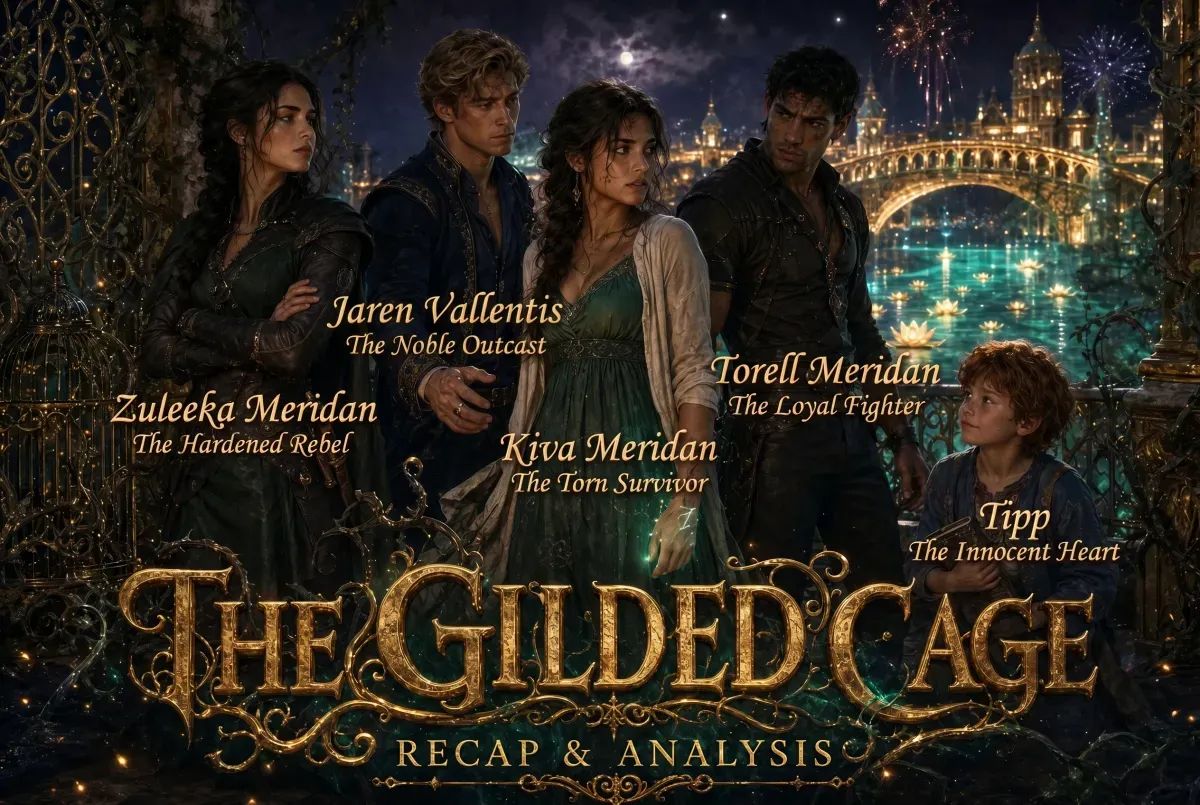
Conflicted prison healerA survivor hardened by ten years in Zalindov, Kiva is a gifted healer carrying her father's compassion and her mother's vendetta13 in uneasy coexistence. She wields a hidden, forbidden Corentine healing magic she has spent a decade suppressing out of fear and a deathbed promise. Driven first by loyalty to a family she barely remembers, she infiltrates the palace as a spy, only to find her armor of resentment eroding under unexpected kindness. Psychologically she is defined by hypervigilance, guilt, and a chronic instinct to push people away to spare herself loss. Her central struggle is authorship: whether her loyalties were chosen or inherited, and whether a person shaped by trauma and obligation can still decide who she becomes.
Jaren
The people's crown princeKnown publicly as Prince Deverick, Jaren is the heir to Evalon, uniquely able to wield all four elements, a fact concealed from the world. Charming, self-deprecating, and devoted to his people, he spends his hours healing the sick and rebuilding villages rather than playing courtier. Beneath the warmth lie scars: torture in Zalindov and years of abuse endured to shield his siblings. He loves Kiva1 with an open, almost reckless tenderness, repeatedly choosing her safety over caution. Psychologically he is a protector to a fault, defining himself through service and sacrifice, haunted by nightmares and the fear that his own power might frighten those he loves. His greatest vulnerability is the trust he extends so freely.
Caldon
Rakish warrior princeJaren's2 cousin and the kingdom's finest fighter, Caldon hides profound grief beneath relentless flirtation and easy laughter. Orphaned when a storm killed his parents, he refused the generalship destined for him and lives in the barracks to stay near memories he cannot release. He becomes Kiva's1 merciless trainer and unexpectedly loyal friend, nicknaming her Sunshine. His comedy is a deliberate defense mechanism, attention-seeking deployed to lighten others' burdens and mask his own. Sharper and more strategic than he lets anyone believe, he reads people with unsettling precision. His arc explores how the people who appear least serious often carry the heaviest, most carefully concealed wounds.
Zuleeka
Hardened rebel commanderKiva's1 elder sister and interim leader of the rebellion, masked as the Viper. Once a warm child, she has become calculating, secretive, and consumed by their mother's cause13. Grief has curdled into resentment she aims squarely at Kiva1, whom she half-blames for their mother's death13. Ambitious and ruthless in pursuit of the Corentine claim, she keeps her own counsel, vanishing from camp on errands she explains to no one. Psychologically she embodies the cost of inherited vengeance, a daughter who absorbed her mother's mission13 so completely that tenderness now reads to her as weakness. Her flashes of apology suggest a buried longing for the sisterhood the rebellion has steadily devoured.
Torell
Reluctant rebel generalKiva's1 older brother, masked as the Jackal, beloved commander of the rebel forces. Once a gentle boy who nursed injured animals, he was forged into a warrior by circumstance. He adores Kiva1 fiercely and carries deep guilt over her imprisonment. Privately exhausted, he confesses he never believed in the cause that shaped him, embodying the conscript trapped by duty and devotion to family.
Tipp
Devoted freckled boyA bright, stammering eleven-year-old Kiva1 saved from death in Zalindov, now thriving in the palace. He idolizes Jaren2 and clings to Kiva1 as family, painting hopeful futures and seeking her whenever frightened. His innocence and unconditional love make him both Kiva's1 emotional anchor and the person whose trust she most fears losing.
Naari
Jaren's Golden ShieldJaren's2 fiercely loyal personal guard, who escaped Jiirvan arenas and crossed deadly lands before earning her honored post. Sharp, watchful, and lethal despite a prosthetic hand, she would die for the prince2 without hesitation. Her past trauma and unfinished score with the Viper4 haunt her, and her growing fondness for Kiva1 sits in tension with her uncompromising vigilance.
Queen Ariana
Gentle, troubled queenEvalon's beautiful, motherly monarch, whose public grace and genuine affection mask a secret angeldust addiction that periodically unleashes cruelty. She married a commoner12 for love and fiercely protects her children. Embodying the novel's duality of tenderness and danger, she draws Kiva1 in with maternal warmth even as she remains the architect of Kiva's1 nightmares.
Mirryn
Sharp-tongued passed-over princessJaren's2 elder sister, a wind-and-fire wielder whose firstborn birthright was given to her brother2 because of his greater magic. Caustic, mercurial, and fashion-obsessed, she swings between cruelty and surprising tenderness. Nursing private heartbreak over a lost love and a lifetime in her brother's2 shadow, she is more layered and discontented than her glittering social mask suggests.
Rhessinda
Candid Silverthorn healerA captivating, blunt young healer who befriends Kiva1 and shares her own survivor's history of Mirraven mercenaries slaughtering her family. Warm, fearless, and allergic to pity, she insists the best people carry stories of pain endured. Her easy kinship with Kiva1 offers rare friendship outside palace walls, though more lies beneath her cheerful candor than she reveals.
Delora
Cantankerous swamp apothecaryKiva's1 estranged grandmother, a sharp-tongued recluse living in a swamp cottage guarded by a fearsome beast. Hostile to her own bloodline and devoted to her book club, she nonetheless aids Kiva1 with magic-suppressing brews. She guards the family's darkest truths and a relic of staggering importance, having long ago chosen renunciation over power.
King Stellan
Ailing beloved kingEvalon's warm, common-born king who married Ariana8 for love. Gravely ill, he treats Kiva1 with fatherly kindness, his fading health casting a shadow over the royal household.
Tilda Corentine
The late Rebel QueenKiva's1 deceased mother, who claimed the hidden Corentine bloodline and led the rebellion toward vengeance. Her ruthless choices and secret bargains, revealed gradually, drive the plot long after her death in Zalindov.
Warden Rooke
Zalindov's cruel overseerThe feared, untouchable warden of Zalindov prison, blamed for countless deaths including Kiva's1 father. Beyond any single kingdom's justice, he remains a looming specter of the hell Kiva1 escaped.
Oriel
Cheerful young princeJaren's2 earth-wielding little brother, sweet and lonely, who befriends Tipp6 and conjures snowblossoms. His pet silverbear Flox shadows the family, adding warmth to the palace's domestic scenes.
Captain Veris
Honorable guard captainCommander of the Royal Guard and Stellan's12 foster brother, present the night Kiva's1 family was destroyed. He recognizes her from years past, a quiet thread linking the palace to her buried origins.
King Navok
Ruthless Mirraven kingThe new ruler of Mirraven, who murdered his father for the throne and betroths his gentle sister Serafine for political leverage. Cunning and expansionist, he covets Evalon and looms as the northern threat.
Plot Devices
The Royal Ternary
Lawful path to the throneA buried clause in Evalon's ancient Book of the Law dictates that whoever possesses three relics, the Book itself, the queen's golden Signet ring, and the Eye of the Gods, holds an automatic, peaceful right to rule above all bloodlines and politics. Known only to the monarch, heir, and council, it is the single lawful means to transfer the crown without bloodshed. Introduced through Kiva's1 eavesdropping as an unexplained phrase, then detailed when Jaren2 reveals it to her, it transforms the rebellion's hopeless military problem into a feasible heist. The device structures the entire back half of the novel, every relic's location and security becoming a ticking mechanism toward the climax.
Corentine healing magic
Power that heals and corruptsThe forbidden bloodline gift Kiva1 inherits manipulates the body, accelerating healing but equally capable of killing by stopping hearts or collapsing lungs. Suppressed for a decade, it erupts uncontrollably under stress, threatening to expose her. Across the story it functions as a literal externalization of moral choice: the same power that mends can murder, and ancestors who turned to slaughter were rotted from within by their own corruption. Introduced through accidental glowing bursts, deepened by a grandmother's11 grim history lesson, it frames the central question of whether Kiva1 will follow her line into darkness or remain the light. Its uses, healing a dying brother5 and a stabbed prince2, mark her defining choices.
The Vallentis amulet
Shield against elemental magicA crest pendant Jaren2 charges with all four of his elements, gifting it to Kiva1 as protection after his mother's8 drugged assault nearly drowns her. It deflects any magical attack, a tangible token of his love and guilt, shielding her even from his own family. Established earlier when it saved her during the Trial by Fire, it carries layered emotional and tactical weight. Its protective charge is finite and depletes with heavy use, a detail planted for later. The amulet's role pivots the climax when it is quietly stolen during an embrace, turning Jaren's2 act of devotion into a weapon used against everyone he sought to protect. Trust made into an object, then betrayed.
Viper and Jackal masks
Conceal rebel leaders' identitiesSilver masks shaped as coiled serpents and a canine, worn by Zuleeka4 and Torell5 so the rebellion's commander and general can move freely through the kingdom unrecognized. Conceived by their mother13, who claimed all royals wear masks, the disguises let the siblings hide in plain sight while the royal court hunts two faceless legends. The device sustains dramatic irony throughout: the palace dines with, spars with, and pursues enemies it cannot identify. The masks also externalize the theme of identities subsumed by function, people reduced to symbols by the cause. They enable the rebellion's repeated infiltrations and the gut-punch of enemies sitting at the family table undetected.
Angeldust
Addictive, mind-clouding narcoticA golden hallucinogenic powder rampant in Vallenia and Zalindov alike, ingested through the nose and mouth, prized for numbing pain and inducing euphoric detachment. It drives Queen Ariana's8 secret addiction and the cruelty that surfaces when she is high, exposing the rot beneath the royal family's warmth. Functionally it characterizes both the cost of trauma and the corruption hidden under gilded surfaces. The drug recurs as a motif of control and erasure: those it grips lose memory and self. Its use bookends the narrative's exploration of captivity, reappearing devastatingly when a sister4 weaponizes it to subdue and transport a prisoner1, ensuring she neither resists nor remembers the road she travels.
FAQ
Synopsis & Basic Details
What is The Gilded Cage about?
- A Royal Rebel's Dilemma: The Gilded Cage follows Kiva Meridan, a survivor of Zalindov prison and the Trial by Ordeal, as she navigates a complex web of secrets and shifting loyalties in the capital city of Vallenia. Her decade-long mission to avenge her family and reclaim the Corentine throne becomes complicated when she finds herself living within the royal palace, befriending the very family she is sworn to destroy.
- Hidden Agendas & Ancient Magic: As Kiva reconnects with her estranged rebel siblings, Zuleeka and Torell, she is forced to spy on the Vallentis monarchy, uncovering ancient laws like the Royal Ternary that could legitimately transfer power. Simultaneously, her own forbidden healing magic begins to resurface uncontrollably, threatening to expose her true identity and jeopardize her intricate deception.
- Loyalty's Ultimate Test: The narrative builds to a climactic masquerade where betrayals are revealed, alliances shatter, and Kiva must make an impossible choice between her inherited duty to her Corentine bloodline and the unexpected bonds of affection she has formed with the Vallentis family, particularly Crown Prince Jaren. The story explores themes of vengeance, forgiveness, and the true cost of power.
Why should I read The Gilded Cage?
- Intricate Moral Quandaries: Readers should delve into The Gilded Cage for its masterful exploration of moral ambiguity, forcing Kiva to grapple with deeply conflicted loyalties. The novel challenges simplistic notions of good versus evil, presenting characters with complex motivations and forcing difficult choices that resonate long after the final page.
- Rich World-Building & Magic System: Lynette Noni expands on the established world of Wenderall, delving deeper into Evalon's political landscape, ancient history, and the nuanced elemental magic system. The detailed descriptions of the River Palace, Silverthorn Academy, and the underground caverns immerse readers in a vibrant yet dangerous setting.
- Emotional Depth & Character Development: The book excels in its psychological and emotional depth, particularly through Kiva's internal struggles with trauma, guilt, and burgeoning love. The evolution of relationships, especially Kiva's bond with Jaren and her fractured ties with her siblings, provides a compelling emotional core that drives the narrative forward.
What is the background of The Gilded Cage?
- Post-Prison Trauma & Vengeance: The story is set ten years after the traumatic prologue, where Kiva's Corentine family was attacked by the Royal Guard, leading to her mother Tilda's vow of vengeance and Kiva's subsequent imprisonment in Zalindov. This foundational trauma directly fuels the rebel cause and Kiva's initial motivations, shaping the political and emotional landscape of the narrative.
- Evalon's Political Climate: The kingdom of Evalon is depicted as prosperous but under internal threat from the growing rebel movement, led by Kiva's siblings, and external pressure from aggressive northern kingdoms like Mirraven and Caramor. This creates a tense political backdrop where the Vallentis monarchy, despite its power, is constantly on edge, influencing their decisions and interactions.
- Elemental Magic & Ancient Lore: The world of Wenderall is defined by elemental magic, with the Vallentis royal family possessing control over various elements. The narrative delves into ancient legends surrounding the first rulers, Torvin Corentine and Sarana Vallentis, and the mythical Royal Ternary, which holds the key to legitimate rule, adding a layer of historical and magical depth to the conflict.
What are the most memorable quotes in The Gilded Cage?
- "You need to choose, Kiva. It's him or us. Them or us. You can't have it both both ways.": This quote, spoken by Zuleeka, encapsulates Kiva's central conflict and the impossible choice she faces between her inherited loyalty to her Corentine family and her growing affection for the Vallentis royals. It highlights the theme of shifting allegiances and the high stakes of her dual identity.
- "My magic is a part of me. Like an arm or a leg.": Jaren's description of his elemental magic reveals its deeply personal and intrinsic nature to his identity. This quote gains profound significance when he is later stripped of his powers by the Eye of the Gods, emphasizing the devastating personal cost of the betrayal and the loss of a fundamental part of himself.
- "Be the light in the dark, Kiva.": Delora Corentine's dying words to Kiva serve as a powerful thematic anchor, urging Kiva to resist the corrupting influence of her family's dark magic and choose a path of healing and compassion. This quote defines Kiva's ultimate healer's choice and her rejection of vengeance, even as it leads to her own sacrifice.
What writing style, narrative choices, and literary techniques does Lynette Noni use?
- First-Person Limited Perspective: Noni employs a first-person limited point of view through Kiva, immersing readers deeply in her internal turmoil, conflicted emotions, and moral dilemmas. This narrative choice enhances the sense of dual identity and masking, as readers experience Kiva's constant struggle to maintain her facade while her true feelings develop.
- Subtle Foreshadowing & Dramatic Irony: The author masterfully weaves in subtle hints and seemingly innocuous details that gain significant meaning later, such as Caldon's early suspicions about Kiva or the casual mentions of the Royal Ternary. This creates dramatic irony, as readers are often privy to information or implications that the characters are not, heightening tension and anticipation.
- Sensory-Rich Descriptions & Pacing: Noni's prose is highly descriptive, engaging multiple senses to build a vivid world, from the "pungent scent of incense" in the Red House to the "luminium threaded into its outer walls creating a glittering effect." The pacing is meticulously controlled, alternating between moments of quiet introspection and high-stakes action, culminating in a rapid, shocking climax that leaves readers reeling.
Hidden Details & Subtle Connections
What are some minor details that add significant meaning?
- Tipp's Unconscious Recall: During his nightmares after the warehouse abduction, Tipp repeatedly gasps about a "golden light" before falling back asleep. This subtle detail, initially dismissed by Kiva as drug-induced delirium, is a direct callback to Kiva's healing magic, foreshadowing his later realization of her powers and hinting at the lasting impact of her actions on his subconscious.
- Caldon's Hidden Scars: When Kiva tends to Caldon's stab wound, she notices "other scars lacing his torso, one in particular looking as if someone had tried very hard to gut him." This seemingly minor observation hints at Caldon's unrevealed past battles and his true warrior capabilities, subtly reinforcing his protective nature and deep loyalty to his family, even before his full backstory is shared.
- The Royal Ternary's Visuals: The Book of the Law is described as having "scrolling calligraphy written in ancient Evalonian," and the Eye of the Gods is depicted as a "simple jewel, spherical and without color." These visual details emphasize the ancient, almost mythical nature of the Ternary, contrasting with the modern political machinations and highlighting the deep historical roots of the conflict over the throne.
What are some subtle foreshadowing and callbacks?
- Jaren's "Sparks and Embers": When Jaren explains his weakened magic after Zalindov, he states he was "down to sparks and embers, nothing more." This subtly foreshadows the ultimate fate of his magic when he is stabbed by the Eye of the Gods, which strips him of his power, leaving him with nothing. It's a callback to his vulnerability and the immense cost of his efforts to protect Kiva.
- Naari's Panic Attack: Naari recounts freezing during her first encounter with the Viper, experiencing "darkness swirled in my vision, and my limbs just wouldn't obey me." This is a direct foreshadowing of Zuleeka's dark magic, which later paralyzes Kiva, Jaren, and Caldon at the masquerade, revealing the true nature of the Viper's power and the source of Naari's past trauma.
- Delora's "Unusual Guard Dog": Torell's casual warning about Delora's "very unusual guard dog" named Mr. Chomps, who "startles easily," is a subtle piece of foreshadowing. It hints at the dangerous, untamed nature of the Crewlling Swamplands and the eccentricities of Delora herself, adding a layer of unpredictable threat to Kiva's journey to her grandmother's cottage.
What are some unexpected character connections?
- Mirryn and Serafine's Romance: The revelation that Princess Mirryn's "ex-girlfriend" is Princess Serafine of Mirraven, and that their separation was orchestrated by King Navok, adds an unexpected layer of personal motivation to Mirryn's betrayal. This connection transforms her ambition from mere jealousy into a desperate attempt to reclaim lost love, deepening her character's psychological complexity.
- Rhessinda as Torell's Second: Rhessinda's true identity as Torell's second-in-command and his "best friend" is a significant and unexpected connection. It recontextualizes her seemingly coincidental appearances and helpfulness to Kiva, revealing a deeper, genuine loyalty to Torell that transcends the rebel cause itself, and highlighting the complex web of shifting allegiances within the narrative.
- Caldon's Observation of Torell: Caldon's confession that he witnessed Torell, disguised as the Jackal, protecting both rebels and guards during a village skirmish, reveals an unexpected connection and mutual respect between the two warrior princes. This insight into Torell's true nature, hidden even from Kiva, foreshadows his eventual disillusionment with the rebel cause and highlights Caldon's perceptive character analysis.
Who are the most significant supporting characters?
- Tipp: The Innocent Catalyst: Tipp serves as a crucial emotional anchor and catalyst for Kiva's moral evolution. His unwavering trust and innocence, coupled with his unwitting role in stealing the Book of the Law and witnessing Kiva's magic, force Kiva to confront the consequences of her actions and ultimately choose a path of protection over vengeance. His presence highlights the cost of secrets and the collateral damage of war.
- Caldon Vallentis: The Perceptive Protector: Beyond his rakish charm, Caldon is a deeply significant supporting character due to his early recognition of Kiva's true identity and his deliberate choice to protect her. His hidden pain from losing his parents and his fierce loyalty to Jaren make him a complex figure who provides both comic relief and profound emotional support, subtly guiding Kiva towards her ultimate decision.
- Rhessinda Lorin: The Loyal Double Agent: Rhessinda's role as Torell's second-in-command and Kiva's genuine friend is pivotal. Her dual identity as a Silverthorn healer and a rebel spy underscores the theme of dual identity and masking, while her personal history of trauma and her unwavering loyalty to Torell provide a parallel to Kiva's own journey, offering a unique perspective on the complexities of allegiance.
Psychological, Emotional, & Relational Analysis
What are some unspoken motivations of the characters?
- Zuleeka's Deep-Seated Jealousy: Beyond vengeance, Zuleeka's intense jealousy of Kiva's perceived favored status by their mother, Tilda, is a powerful unspoken motivation. Tilda's belief that Kiva was "the golden child" with "so much power, so much potential" fueled Zuleeka's resentment, leading her to make choices that prioritized proving herself over Kiva's well-being, culminating in her cruel actions at the end.
- Caldon's Self-Punishment: Caldon's refusal to take up his rightful place as general and his seemingly carefree, flirtatious persona mask a deeper, unspoken motivation: self-punishment for surviving the storm that killed his parents. His avoidance of his sister, Ashlyn, and the army camps suggests a profound guilt and a desire to remain in a state of arrested development, unable to move past his trauma.
- Ariana's Escape from Reality: Queen Ariana's angeldust addiction, while explicitly stated, carries an unspoken motivation of escaping the immense pressures of her royal duties and the pain of her son Jaren's suffering. Her unpredictable behavior is a manifestation of her internal struggle, highlighting the gilded cage of her own position and the desperate measures she takes for emotional relief.
What psychological complexities do the characters exhibit?
- Kiva's Trauma-Induced Guilt & Self-Sabotage: Kiva exhibits profound psychological complexities stemming from her Zalindov trauma, manifesting as deep-seated guilt and a tendency towards self-sabotage. Her initial commitment to vengeance, despite her compassionate nature, is a coping mechanism for her past pain. Her repeated attempts to push away those who care for her, like Jaren, reflect a fear of vulnerability and a subconscious belief that she doesn't deserve happiness, a classic sign of psychological scars.
- Torell's Moral Disillusionment: Torell's psychological complexity lies in his growing moral disillusionment with the rebel cause he leads. He is a warrior by circumstance, not by choice, and his internal conflict between duty and his innate sense of justice creates immense emotional strain. His quiet admission of being "tired of seeing good people suffer for a cause I'm not even sure I believe in" reveals a profound weariness and a struggle with his own identity.
- Mirryn's Corrosive Resentment: Mirryn's character is a study in the corrosive nature of resentment and unfulfilled ambition. Her psychological complexity stems from feeling overlooked and undervalued compared to Jaren, leading to a deep-seated bitterness that ultimately drives her to betray her family. Her calculated actions, devoid of overt emotion, highlight the chilling psychological impact of prolonged envy and a desire for power.
What are the major emotional turning points?
- Kiva's Realization of Zalindov's Law: The revelation during the family lunch that Kiva could have been freed from Zalindov years earlier if her siblings had claimed her is a devastating emotional turning point. This moment shatters Kiva's perception of her family's loyalty and forces her to confront the depth of their betrayal, leading to profound feelings of abandonment and a re-evaluation of her allegiances.
- Jaren's Vulnerability After Ariana's Attack: Jaren's raw vulnerability and fear after his mother's angeldust-fueled attack on Kiva marks a significant emotional turning point in their relationship. His confession, "I don't know what I'd do if anything happened to you," and his subsequent act of giving Kiva the protective amulet, solidify the depth of his feelings and Kiva's growing emotional attachment, despite her mission.
- Delora's Revelation of Corentine Corruption: Delora's dying confession about the true, corrupting nature of Corentine magic and Torvin's villainy is a pivotal emotional turning point for Kiva. This truth shatters Kiva's foundational beliefs about her heritage and the rebel cause, forcing her to redefine her identity and purpose, leading to her ultimate rejection of vengeance and embrace of her healing path.
How do relationship dynamics evolve?
- Kiva and Jaren: From Captor/Captive to Deep Affection: Their relationship evolves from a complex dynamic forged in Zalindov (where Jaren was Kiva's "captor" in a sense, but also her protector) to one of profound mutual affection and trust. Jaren's unwavering belief in Kiva, despite her secrets, and Kiva's growing emotional dependence on him, highlight a powerful bond that transcends their opposing loyalties, ultimately leading to a tragic betrayal but also a deep, enduring love.
- Kiva and Zuleeka: Fractured Sisterhood to Calculated Alliance: The sisterly bond between Kiva and Zuleeka is initially fractured by a decade of separation and Zuleeka's resentment. It evolves into a strained, calculated alliance based on shared goals (the throne) but marred by Zuleeka's manipulative nature and Kiva's growing disillusionment. Their dynamic culminates in Zuleeka's ultimate betrayal of Kiva, revealing the destructive power of unchecked ambition and jealousy.
- Kiva and Torell: Enduring Love Amidst Disillusionment: Kiva and Torell's relationship remains a core of genuine love and understanding, despite the revelations of his unwitting complicity in her imprisonment. Their dynamic evolves as Torell expresses his deep disillusionment with the rebel cause, mirroring Kiva's own internal conflict. Their shared trauma and mutual support highlight the enduring strength of their sibling bond, even as their paths diverge.
Interpretation & Debate
Which parts of the story remain ambiguous or open-ended?
- Torell's Future Allegiance: While Torell expresses deep disillusionment with the rebel cause and Zuleeka's methods, his ultimate decision regarding his role in the rebellion remains ambiguous. He states, "I'm tired of seeing good people suffer for a cause I'm not even sure I believe in," but also, "I'll do what it takes to see it through." His fate and whether he will truly break free from the "gilded cage" of his inherited duty are left open-ended.
- The Extent of Jaren's Knowledge: The narrative leaves some ambiguity regarding how much Jaren truly knows about Kiva's deception before the masquerade. While Caldon reveals he knew Kiva's identity for months, Jaren's reaction to Zuleeka's reveal suggests genuine shock and heartbreak. This raises questions about whether Caldon deliberately withheld information from Jaren, or if Jaren chose to remain willfully ignorant due to his feelings for Kiva.
- **The Long-Term Effects of Angeldust on [
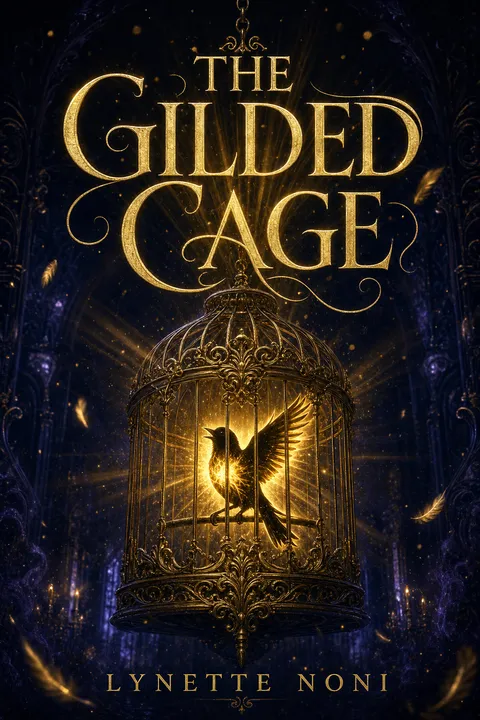
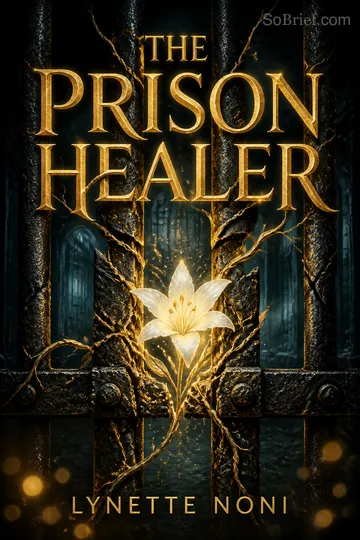
The Prison Healer Series
About the Author
Other books by Lynette Noni

Download PDF
Download EPUB
.epub digital book format is ideal for reading ebooks on phones, tablets, and e-readers.








































