

Plot Summary
Prologue
One year before the game, Rohan3 stands before the Proprietor13 of the Devil's Mercy, the hidden club of power brokers who raised him from the age of five as a useful, amoral heir. Given three years to live at most, the Proprietor names his price: to inherit the crown, Rohan must raise a ten million pound buy-in entirely on his own, in exile, forbidden to use the Mercy's name, members, or resources.
If he fails, a rival duchess takes everything. Cast out into London with nothing, not even a surname, Rohan overhears a broadcast about an annual competition funded by Hawthorne heiress Avery Grambs.9 He recognizes a loophole, rescues a wolfish stray dog, and begins to plan his impossible fortune.
The prologue frames the entire novel as a contest for power purchased through sacrifice, establishing Rohan's defining wound: an identity wholly fused to an institution. Barnes uses the Proprietor's cold catechism to dramatize how Rohan was engineered rather than raised, taught that knowledge is currency and ignorance is death. His refusal to ask questions becomes characterization, a survival reflex. The exile structure mirrors classic hero-banishment myth, but inverts its morality: Rohan seeks not redemption but reinstatement into a corrupt throne. The stray dog, briefly rescued, hints at a buried capacity for tenderness he cannot afford. The loophole he spots seeds the engine of the plot and his cool, predatory intelligence.
A Hawthorne Did This
Lyra Kane,1 nineteen, jolts awake from the nightmare that shattered her: her biological father's suicide on her fourth birthday, a calla lily and candy necklace in her small hands, and his cryptic last words blaming a Hawthorne. Once a gifted dancer, she now runs until her body fails rather than feel.
When the registrar flags an enrollment hold, she discovers her parents may sell Mile's End, the beloved family home, to pay her tuition. Refusing to be the cause, she resolves to drop out. Instead, in her campus mailbox she finds an unstamped linen envelope: a note reading that she deserves this, which crumbles to dust, and an engraved metal ticket to the Grandest Game. Twenty-six million dollars could save everything she loves.
Lyra's introduction fuses economic precarity with repressed trauma, two pressures that make the game irresistible rather than optional. Barnes characterizes her through aversion: she cannot picture images in her mind except in dreams, so memory arrives as sound and sensation, a clever device that makes flashback feel like ambush. Her compulsive running literalizes avoidance, pushing pain just past endurance to prove survival. The performance of being normal, the repeated mantra that everything is fine, marks a classic dissociative coping style. The crumbling note and unmailed ticket introduce the uncanny, signaling that someone unseen has chosen her specifically, transforming a financial lifeline into a summons she does not yet understand.
Twin Sisters, One Secret
Gigi Grayson,2 relentlessly cheerful and chaotic, refuses the ticket her half brother Grayson5 offers from Avery,9 determined to earn a wild card on her own and finally prove herself. She is the secret half sister of the Hawthorne grandsons through Sheffield Grayson, whose death she conceals from everyone, above all her formidable twin, Savannah.4
While Gigi cracks public clues to claim one of four hidden wild cards, the disciplined Savannah4 accepts a direct invitation and treats the contest as another arena to conquer.
Meanwhile Rohan3 secures his own wild cards and coolly classifies the field like chess pieces, marking the three youngest women, Gigi,2 Savannah,4 and Lyra,1 as potential assets. Three storylines now race toward a single private island, each player carrying a debt only the prize can pay.
This movement establishes the novel's triangulated structure and its psychology of comparison. Gigi and Savannah embody split responses to the same wound: one weaponizes optimism and self-deprecation, the other weaponizes control and contempt for weakness. Gigi's secret-keeping is an act of love disguised as cheer, a martyrdom that quietly corrodes her. Rohan's reduction of people to game pieces (bishop, rook, queen) externalizes his trained inability to see others as fully human. Barnes uses the wild card mechanic to dramatize agency: Gigi insists on earning what could be gifted, asserting worth in the only currency she trusts. The convergence of three hungers, home, vindication, and a crown, sets the emotional stakes.
The Voice He Remembers
A chauffeured car, private jet, and helicopter deliver Lyra1 to Hawthorne Island, a haunted isle scarred by an old fire blamed on a local girl. Jameson Hawthorne10 welcomes the players, explaining that his brother Grayson5 will enforce the rules with no foreknowledge of the puzzles.
The moment Grayson hears Lyra speak, he goes still: he recognizes her voice from three desperate phone calls a year and a half earlier, when she begged for answers about her father and he coldly ordered her to stop calling.
Neither acknowledges it. The charming, dangerous Rohan3 makes plain he has been watching Lyra,1 scoping out rivals. Players are told to explore until sunset or face elimination, igniting a treasure hunt and a charged collision between Lyra1 and the Hawthorne she blames.5
The reunion-that-is-not-a-reunion supplies the romance plot's combustible core. Recognition by voice alone, before name or face, frames intimacy as something prior to identity, a body-level knowing that unsettles Lyra's careful detachment. Grayson's rigidity reads as guilt incarnate: the perfect heir confronted by a person he once dismissed. The island itself functions as gothic conscience, its charred trees insisting that tragedy leaves marks no fortune can erase, foreshadowing Lyra's own unhealed grief. Rohan's open surveillance reframes attraction as strategy, blurring the line between being seen and being assessed. Barnes establishes the central tension: every gesture of connection here is also a potential maneuver in a game.
Names That Burst Into Flame
Searching the burned forest, Lyra1 finds papers fixed to charred trees bearing her dead father's many aliases, which ignite in her hands. Rohan3 argues the Hawthornes would never be so cruel and suggests a rival planted them to break her before the sunset deadline.
Gigi,2 mapping the island in marker on her own skin, wrenches a hidden bag from the brush containing a wetsuit, oxygen tank, a jeweled necklace, and a notched knife.
The surly Knox Landry8 corners her, threatening to block her path until she surrenders it; rather than yield, Gigi2 hurls the bag into the sea, keeping the knife and duct tape. From a rooftop, the elderly Odette6 uses jeweled opera glasses to read Brady7 and Knox's8 lips, learning the two men once knew a girl who is now dead.14
The exploration sequence converts setting into psychological pressure and seeds nearly every later payoff. The burning name notes weaponize Lyra's trauma, suggesting a player who knows things no stranger should, which quietly establishes the conspiracy beneath the contest. Gigi's buried cache, with its damp wetsuit, plants the first evidence of an intruder, though she misreads it as a triumphant find. Her improvised defiance against Knox, sacrificing treasure to keep tools, encapsulates her scrappy refusal to be underestimated. Odette's lip-reading introduces the dead-girl thread (Calla) and her own surveillance gifts. Barnes layers clue upon clue with deliberate misdirection, training the reader, like the players, to distrust the obvious.
The Masquerade and the List
Inside the cliff-built house, players don gowns and jeweled masks for a ball. Lyra1 encounters Avery Grambs,9 the heiress who built the game from her own improbable inheritance, and Avery urges that the only way to truly play the games that matter is to live. Dancing with Grayson,5 Lyra learns his grandfather Tobias kept a List of enemies that included a man whose file matched her father's death exactly, yet every detail proved fabricated, a deliberate dead end.
Grayson5 swears he never told anyone about her calls. Avery9 unveils the prize, twenty-six million dollars, and gives each player a keepsake mask and a gold key pin, promising none will leave empty-handed. An hourglass of black sand is turned, and the true contest begins.
The masquerade literalizes the novel's obsession with masks, performance, and hidden selves, granting characters permission to feel what daylight forbids. Avery's counsel reframes the entire competition as a vehicle for transformation rather than mere wealth, planting the thematic seed that winning is incidental to living. The fabricated file is a crucial pivot: it converts Lyra's quest from blaming Tobias to a deeper, unsolved mystery, and proves someone actively buried the truth. Grayson's denial, sincere yet inadequate, deepens the romantic friction. The diamond-edged masks and gold pins, ambiguous between gift and bribe, embody the Hawthorne moral question that haunts every player: are these people generous, or merely powerful?
Eight Players, Three Teams
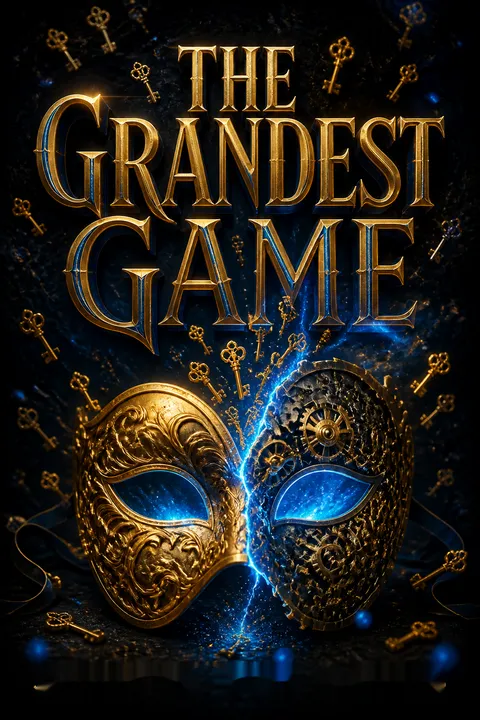
The doors slam and lock, revealing the real challenge: the Grandest Escape Room, twelve hours to solve interlocking puzzles and reach the north dock by dawn. A scoreboard splits the players into three teams, Hearts, Diamonds, and Clubs, and the key symbol exposes a twist, not seven players but eight.
The eighth is Grayson5 himself, unknowingly enrolled by his brothers and Avery.9 Trapped on the Hearts team with Grayson5 and Odette,6 Lyra1 forces him to commit fully, since one member quitting dooms the entire team.
Rohan3 pairs with Savannah4 on Diamonds, while Gigi,2 Brady,7 and Knox8 form Clubs. Each team may earn a single hint, but only at a personal cost. The puzzles begin: anagrams hidden in ordinary objects, swords drawn from walls, codes inside codes.
The team mechanic is the structural masterstroke, converting solo ambition into forced interdependence and yoking enemies together. The reveal of Grayson as eighth player, sprung by his own family, recasts the rule-enforcer as a vulnerable participant and engineers maximum proximity with Lyra, the family's chief instinct for matchmaking dressed as mischief. The win-together-or-lose-together stakes weaponize trust, the very thing each protagonist withholds. Barnes designs puzzles around the principle that everything matters, mirroring her own narrative method where no detail is idle. The hint-at-a-cost economy externalizes the book's thesis that knowledge and connection are never free, a transactional logic Rohan understands instinctively and the others must learn.
Lifted to the Chandelier
Solving riddles with Odette,6 Lyra1 and Grayson5 circle each other warily until a puzzle forces him to lift her overhead like a dancer to reach a crystal chandelier, and the intimacy cracks both their defenses. Grayson5 admits he has spent years practicing being wrong, confesses he was wrong to dismiss her, and that ordering her to stop calling was a lie born of his own pain.
When a silent film montage triggers a violent flashback, Lyra1 finally sees what her child mind buried: her father's faceless body, blood on the stairs, a symbol drawn in blood. Grayson5 anchors her through the terror. Together they decode the omega symbol from her father's dying message, while Odette's6 careful evasions hint she knows far more than she reveals.
This is the romance's load-bearing beat, where mutual woundedness becomes mutual recognition. Barnes stages catharsis through choreography: the lift restores Lyra's dancer self even as it dismantles her control. Grayson's admission that he deliberately hurts others to prove he can survive hurt names a recognizable defense, the preemptive rejection, that perfectly mirrors Lyra's running. Their shared fluency in fineness as a mask makes them legible to each other. The flashback completes Lyra's repressed memory, a textbook trauma resurfacing under safe witness, and the omega decoding fuses the love story to the central mystery. Odette hovers as oracle, her withheld knowledge generating dread that the answers will cost something.
An Alliance Built to Break
On the Diamonds team, Rohan3 studies Savannah4 like a locked vault, sensing she needs to win for reasons beyond money. Their puzzle-solving becomes a contest of combat and seduction: a flagpole race, a wager over a riddle, and a Truth or Dare challenge in which Rohan3 brushes her hair, then cuts it at her own dare, and she shatters a glass rose to release her fury.
Rohan3 reveals fragments of his near-drowning childhood; Savannah4 admits only that she plays for her father and, eventually, for revenge. They strike a deliberate deal: cooperate until the game is nearly won, then destroy each other with open eyes. Rohan,3 conditioned to treat everyone as a piece to be moved, finds himself dangerously fascinated by a woman who refuses to be one.
The Rohan and Savannah thread is the novel's study of intimacy weaponized. Their rapport runs on the erotics of equal threat, two people who experience tenderness as a tactical risk. The hair-cutting dare is a striking image of self-possession: Savannah punishes her own susceptibility by severing the thing her father valued, an act of grief, rebellion, and control at once. Rohan's drowning memory cracks his armor, revealing that his strategy is itself a trauma response, a refusal to need anything he can lose. The alliance-to-betrayal pact ironizes the team theme: they formalize the betrayal others merely fear. Barnes makes anti-romance compelling by letting genuine fascination leak through ruthless design.
Brothers, a Lie, a Bug
Trapped with Brady7 and Knox,8 Gigi2 pieces together their shared history: childhood friends turned brothers, trained by an off-grid mentor named Severin alongside Calla,14 the girl Knox8 loved who vanished six years ago.
Knox,8 claustrophobic and on the wealthy Orion Thorp's payroll, once sold Brady7 out for a ride in last year's game. Brady7 claims his mother has cancer to justify pressing forward at all costs. When Knox's8 panic erupts inside a windowless metal chamber, Gigi2 triggers the emergency button to save him.
Later, examining the jeweled necklace from the buried bag, she discovers a hidden listening device, proof that someone beyond the players and game makers is on the island, secretly sponsoring competitors and stacking the deck against everyone.
The Clubs storyline deepens the book into a thriller and a meditation on chosen family. Barnes uses claustrophobia literally and figuratively: Knox cannot survive enclosed spaces, just as he cannot survive enclosed feeling, and his violence is panic, not malice. The brotherhood between Brady and Knox, threaded with betrayal and a vanished beloved, gives the comic Gigi genuine moral weight as witness and rehabilitator. Her discovery of the bug is the plot's hinge, converting a fair contest into a contaminated one and confirming the earlier seeds (damp wetsuit, burning notes). Gigi's instinct to preserve the device rather than destroy it shows her detective cunning beneath the relentless brightness.
Darkness Before Dawn
The power fails, an outage Grayson5 insists was never part of any Hawthorne design, confirming outside interference. Odette6 collapses in a seizure, revealing she is dying of a brain tumor, and warns cryptically that the deepest game admits no coincidences.
When the lights return, Nash12 announces the deadline still stands. Each team races through final puzzles: mosaics that must be shattered, rewired light switches, rope climbs through stained glass, and decoded book ciphers.
The Hearts and Diamonds teams reach the dock just as the sun breaks the horizon. The Clubs team fails when Gigi,2 sprinting across the rocks, trips, strikes her head, and cannot make it in time, eliminating her, Brady,7 and Knox8 together as the others advance to the next phase.
The blackout escalates the conspiracy from suspicion to certainty, severing the game makers' control and exposing the players to a genuine outside hand. Barnes contrasts manufactured danger (the puzzles) with real danger, sharpening the dread. Odette's seizure literalizes mortality as the engine of her choices, and her insistence on coincidence-as-design functions as authorial wink and thematic claim: in this universe, meaning is always engineered. Gigi's elimination by a single stumble is a cruel naturalistic note in an artificial world, underscoring how thin the margin between triumph and loss can be. The team-wide failure binds three fates to one fall, paying off the win-together stakes with genuine cost.
The Initial in the Curse
At the dock, the dying Odette6 stuns everyone by surrendering her place to Brady7 and walking away from twenty-six million dollars. She finally answers Lyra:1 the phrase that haunted her was misread.
The capital A may be an initial, pointing not to grandfather Tobias but to Alice Hawthorne, Grayson's grandmother,5 long believed dead and buried with a well-attended funeral. Odette6 confesses she once worked at Tobias's private law firm, loved and was used by him, then was discarded when his supposedly dead wife returned to ask a secret favor.
She insists there are always three, refuses further answers, hands Lyra1 her opera glasses, and denies writing the tree notes. Lyra1 and Grayson5 are left holding a mystery that knots their two families fatefully together.
Odette's exit is the novel's great reframing, a single grammatical reinterpretation that detonates a generational secret. By relocating blame from the dead patriarch to a supposedly dead matriarch, Barnes converts a personal tragedy into a family conspiracy with the love plot at its center, since the mystery now implicates Grayson's bloodline directly. Odette functions as tragic chorus: her dying clarity grants her the freedom to speak, yet her lawyerly precision and theatrical restraint mean she gives just enough to bind Lyra and Grayson to the quest. Her denial of the notes leaves the immediate threat unsolved, sustaining suspense. The recurring phrase, there are always three, gestures at a larger architecture beyond this book.
Sunshine in the Dark
With the field narrowed to five, the survivors rest before the next phase. Rohan3 deduces Savannah4 was a sponsored player who cut the power, and she reveals her true aim: to seize the winner's livestream and tell the world that Avery Grambs9 killed her father. They seal their pact with a kiss.
Brady7 admits his cancer story was a lie, that the mentor Severin is dead, and that a sponsor drives him because winning might somehow recover the vanished Calla;14 he confesses he played Gigi2 to keep the game going. Grayson5 tells Lyra1 he truly searched for her, that no one recruited her, that someone unknown sent her ticket in dark blue ink. They finally kiss. Then Gigi,2 calling out to the watcher she senses, is drugged and abducted.
The finale braids the three romances and the conspiracy into a single cliffhanger. Savannah's revenge motive recontextualizes her every move as grief sharpened into purpose, indicting Avery and weaponizing the spectacle of the livestream, a sly commentary on public truth versus controlled narrative. Brady's confession reframes his gentleness as strategy, devastating Gigi while complicating sympathy, since love, not greed, drives his deceit. Grayson and Lyra's kiss resolves the emotional arc even as the blue-ink ticket reopens the mystery of who orchestrated everything. Gigi's abduction is the structural rupture, punishing the most generous character and confirming the unseen predator. Barnes closes on connection and violation in the same breath.
Epilogue
In a brief, unsettling coda, an unnamed Watcher reflects on the situations worth observing: the Grandest Game, Jameson10 and Avery,9 the Kane girl,1 the operative from the Devil's Mercy,3 and all the rest.
The Watcher muses that perhaps watching is all the situation merits, that perhaps there are no true problems to be solved. The word perhaps lingers, repeated, leaving every certainty provisional and every player potentially under a surveilling eye whose purpose remains undefined.
The epilogue installs a panopticon over the entire narrative, retroactively recasting the reader as one more watcher and suggesting the game extends beyond its visible frame. By naming the principals from a detached remove, the Watcher flattens protagonists into objects of study, echoing Rohan's own habit of reducing people to pieces, now turned on everyone. The triple repetition of perhaps performs deliberate withholding, refusing to confirm whether a threat exists at all, which is itself a threat. Barnes uses the device to generate sequel momentum and thematic resonance: in a world built on secrets and surveillance, the most disquieting power is the one that simply observes, deciding what, if anything, deserves intervention.
Analysis
The Grandest Game reengineers the locked-room puzzle into a study of how wounded people guard themselves, then are forced, by design, into the vulnerability of teamwork. Barnes structures the novel around three rotating consciousnesses (Lyra,1 Gigi,2 Rohan3) whose private hungers, a home to save, a self to prove, a crown to claim, map three distinct trauma responses: dissociative running, compulsive cheer, and strategic detachment. The escape room is not mere spectacle but a pressure chamber that converts intimacy into a mechanic, with the win-together-or-lose-together rule making trust the rarest and most expensive currency. Romance here is inseparable from threat; every kiss doubles as a maneuver, and Barnes is shrewd about the erotics of being seen by someone who is also assessing you. The book's thematic spine is the price of power, articulated in Rohan's3 prologue and echoed in Savannah's4 revenge, Brady's7 deception, and Odette's6 deathbed confession: knowledge, love, and victory are never free. Its cleverest move is grammatical, the reinterpretation of a single capital letter that detonates a generational secret, demonstrating Barnes's faith that meaning is engineered and nothing is accidental, a principle that governs both the Hawthorne games and the narrative itself. The novel also interrogates performance and surveillance: masquerade masks, hidden bugs, livestream confessions, and a final Watcher who recasts the reader as voyeur. If the book has a lesson, it is Avery's,9 that the games which matter are won only by daring to live, by choosing connection despite its cost. Yet Barnes withholds resolution, ending on a kiss and an abduction, intimacy and violation in the same breath, insisting that in a world built on secrets, every answer purchases a new and steeper question.
Review Summary
The Grandest Game receives mixed reviews, with an average rating of 3.94. Readers appreciate the puzzles, riddles, and fast-paced plot but criticize character development and pacing. Many enjoy Grayson's storyline and romance with Lyra, while others find the characters bland. Some feel the book lacks the magic of the Inheritance Games series. Fans are excited about new characters like Rohan and Savannah. The cliffhanger ending leaves readers eagerly anticipating the next installment, though some question the necessity of extending the series.
People Also Read


Characters
Lyra Kane
Haunted former dancerNineteen and unraveling, Lyra's life fractured overnight when a repressed memory surfaced: witnessing her biological father's suicide on her fourth birthday. She experiences the world in words and sensations rather than images, which makes her a ferocious pattern-reader and puzzle-solver but turns dreams and flashbacks into ambushes. Fierce love for her adoptive family and their home, Mile's End, drives her to enter the game for money, not glory. Beneath a practiced performance of being fine lies a young woman terrified of her own grief, who runs until her body breaks rather than feel. Her wary contempt for the Hawthorne family, especially Grayson5, masks the longing for answers and connection she once begged him to provide.
Gigi Grayson
Cheerful chaotic codebreakerEffervescent, caffeinated, and chronically underestimated, Gigi hides deep pain behind relentless optimism and reverse heists, breaking into places to leave things behind rather than steal. The secret half sister of the Hawthorne grandsons, she guards a devastating family truth to protect her formidable twin, Savannah4. Skilled at codes, lock-picking, parkour, and disarming hostile people with goodwill, she enters the game to prove she is more than the lesser twin and can win on her own merits. Her cheer is chosen armor, a daily decision against despair, and she refuses to fall apart even as guilt over the secret and loneliness gnaw at her. She has a soft spot for tragic stories and stubbornly believes in rehabilitating the unlikable.
Rohan
Exiled charming operativeRaised from age five inside the Devil's Mercy, a hidden club of power brokers, Rohan is a magnetic, amoral master of observation, manipulation, and physical danger who reads bodies like open books and picks locks both literal and emotional. Stripped of resources and sent into exile to earn his succession, he plays the Grandest Game purely to win the fortune that will buy him the crown. His rogue's smile is a weapon and his detachment a survival skill forged by a childhood near-drowning he can never fully outswim. He treats everyone as a game piece on a mental board, yet finds his strategy threatened by the one variable he cannot control: genuine fascination with a worthy opponent.
Savannah Grayson
Ice-cold driven twinGigi's2 taller, colder, ferociously disciplined twin, a college basketball star recovering from knee surgery who claims she does not want things, only sets goals and achieves them. Behind glacial composure burns banked rage at a world that punishes angry, powerful women. She plays to win at any cost, carrying a private grievance and a hidden agenda she guards as fiercely as her control. Proud and honorable in her own brutal code, she refuses both pity and protection, and she sees through charm and manipulation with unsettling clarity.
Grayson Hawthorne
Commanding rule-enforcing heirThe second-eldest Hawthorne grandson, groomed from childhood to be the perfect heir before his grandfather left the fortune to a stranger. Precise, commanding, and emotionally armored, he carries every mistake as a scar in hollow places he cannot fill. Assigned to enforce the game's rules without foreknowledge, he is pulled into playing and into Lyra's1 orbit. Fiercely protective of his half sisters and loyal to his brothers, he is painfully learning to be wrong, to be weak, and to admit that he cared about a desperate voice on a phone he once silenced.
Odette Morales
Secretive dying playerAn eighty-one-year-old competitor with silver, black-tipped hair and the watchful poise of a hunting eagle. A former Hollywood actress turned high-priced attorney, she reads people and houses with uncanny precision and wields jeweled opera glasses to spy. Witty, theatrical, and unflinching about her own mortality, she enters claiming she wants to leave her family a legacy, but her knowledge of the Hawthorne family runs far deeper and older than she admits.
Brady Daniels
Gentle brilliant prodigyA soft-spoken recovering physicist and anthropology doctoral student with an eidetic memory and a gift for symbols, patterns, and languages. Calm where others rage, he carries enduring grief for a lost girl14 and a fraught, brotherly bond with Knox8. His patience and tenderness mask a relentless, single-minded purpose that he will lie and maneuver to serve.
Knox Landry
Surly scarred brawlerBuilt like a fighter and openly motivated by money, Knox does whatever winning demands. Claustrophobic, guarded, and quick to warn others away, he is bound to Brady7 by a brotherhood neither man can fully renounce. Beneath the honey-badger snarl lies old loyalty and a wound he refuses to name, and an unexpected protectiveness he would rather hide.
Avery Grambs
Game-building heiressThe Hawthorne heiress who went from living in her car to commanding a vast fortune. Architect and funder of the Grandest Game, she offers cryptic wisdom about living rather than merely winning and tries to gift opportunities to those she feels she owes. Composed, generous, and quietly watchful, she remains an enigma to the players who orbit her.
Jameson Hawthorne
Reckless puzzle architectA brilliant, mischief-loving Hawthorne brother who co-designs the game with Avery9, pilots the helicopter, and delights in raising the stakes. Devoted to Avery9, he relishes engineering chaos and seems to enjoy nudging his brother Grayson5 toward Lyra1.
Xander Hawthorne
Big-hearted chaos engineerThe youngest Hawthorne brother, a self-described human Rube Goldberg machine who loves baked goods, riddles, and Viking epics. Warm and disarming, he becomes Gigi's2 easy confidant and an excellent listener who knows when not to ask.
Nash Hawthorne
Laid-back eldest brotherThe eldest Hawthorne, a calm Texan with a fiercely protective, brotherly streak who insists the family's games have heart. He patches up the wounded and dispenses quiet predictions and warnings.
The Proprietor
Dying master of powerThe terminally ill ruler of the Devil's Mercy who raised Rohan3 as a useful, amoral son and sets the harsh terms of his exile and succession, forcing him to earn the crown alone.
Calla Thorp
Vanished beloved girlThe girl both Brady7 and Knox8 loved, great-niece of their mentor and daughter of powerful Orion Thorp, who disappeared six years ago. Her uncertain fate haunts both men and drives hidden agendas.
Plot Devices
The Grandest Escape Room
Central plot engineAn elaborate, livestreamed competition designed by Avery9 and the Hawthorne brothers, this year staged as a sprawling escape room inside a cliff-built house. Players are sorted into teams that win or lose together, given twelve hours to solve interlocking puzzles, riddles, anagrams, and mechanical traps, and must reach the north dock by dawn. Each team may earn one hint, but only at a personal cost extracted through games like Truth or Dare. The structure forces strangers and enemies into claustrophobic proximity, manufacturing intimacy and prying loose buried secrets. Built on the principle that every object matters, the room mirrors the novel's own method, where no detail is idle and apparent decoys often conceal the path forward.
Golden Tickets and Wild Cards
Selects and seeds playersEngraved metal tickets grant entry to the game: three handpicked by Avery9 and four wild cards hidden across the country for the public to win. The tickets determine not only who competes but, crucially, who chose each player, a question that becomes a mystery in itself. Gigi2 insists on earning a wild card rather than accepting a gift, asserting her own worth. Lyra's1 ticket arrives by impossible means, an unstamped envelope with a note in dark blue ink that crumbles to dust, marking her as someone's deliberate target. The provenance of these invitations drives the conspiracy plot and binds the players to unseen sponsors and agendas.
A Hawthorne Did This
Trauma riddle and key revealLyra's1 recurring nightmare encodes her father's dying message: a calla lily, a candy necklace with three pieces, the words blaming a Hawthorne, a riddle about what begins a bet, and a symbol drawn in blood. Because she cannot picture images except in dreams, the memory returns as overwhelming sound and sensation. Across the game, the cryptic phrasing is decoded as wordplay (a bet hiding alphabet, yielding omega) and later reinterpreted entirely, the blaming A possibly an initial. The device fuses Lyra's1 psychological wound to the central family conspiracy, transforming personal grief into a generational mystery that implicates the Hawthorne bloodline directly.
The Devil's Mercy Succession
Rohan's hidden stakesRohan's3 entire purpose flows from the hidden club that raised him. To inherit its crown he must raise a ten million pound buy-in in exile, forbidden to use the club's name, members, or resources, with a rival poised to take everything if he fails. This unseen institution explains his amorality, his surveillance skills, his near-drowning origin, and his refusal to need anyone or anything. The Grandest Game is his loophole, the only arena where he can win the fortune that equals his identity. The device keeps his motives orthogonal to the romance, ensuring that even his most genuine connections remain entangled with strategy.
The Hidden Listening Device
Reveals outside interferenceConcealed inside a jeweled necklace from a bag buried on the island, a tiny electronic bug exposes that someone beyond the players and game makers is present and sponsoring competitors to rig the outcome. Paired with the damp wetsuit, the burning name notes, and an unexplained power outage, the device escalates the story from a fair contest into a contaminated, dangerous one. Gigi2, recognizing it from her life of stealth, chooses to preserve rather than destroy it, hoping to trace its source. The bug confirms an unseen predator on Hawthorne Island and converts the puzzle game into a thriller with real, physical stakes.
FAQ
Synopsis & Basic Details
What is The Grandest Game about?
- High-stakes competition unfolds: The Grandest Game is a competition orchestrated by Avery Grambs and the Hawthorne brothers, where players compete for a large sum of money by solving riddles and puzzles.
- Players with hidden motives: The story follows seven players, each with their own reasons for participating, as they navigate complex challenges and form tentative alliances.
- Secrets and betrayals: The game is not just about solving puzzles; it's about uncovering secrets, confronting pasts, and navigating a web of deception and manipulation.
Why should I read The Grandest Game?
- Intricate puzzles and riddles: The book offers a compelling blend of mystery and suspense, with intricate puzzles and riddles that challenge both the characters and the reader.
- Complex character dynamics: The characters are well-developed, with their own unique motivations and backstories, leading to complex relationships and shifting alliances.
- High-stakes competition: The high-stakes nature of the competition, combined with the promise of life-changing riches, creates a thrilling and engaging reading experience.
What is the background of The Grandest Game?
- Modern-day setting: The story is set in a contemporary world, with elements of wealth, power, and technology playing a significant role in the competition.
- Hawthorne family legacy: The game is tied to the legacy of the Hawthorne family, a wealthy and influential family with a history of eccentric behavior and complex relationships.
- Private island setting: The competition takes place on Hawthorne Island, a private and secluded location that adds to the mystery and intrigue of the story.
What are the most memorable quotes in The Grandest Game?
- "A Hawthorne did this.": This quote, repeated by Lyra, highlights the central mystery surrounding her father's death and the potential involvement of the Hawthorne family.
- "You cannot escape the reality of tomorrow by evading it today.": This quote, found in the ruins, serves as a warning to the players, emphasizing the importance of facing their pasts and present challenges.
- "Every story has its beginning...": This recurring phrase, found on the keys and in Avery's speech, emphasizes the start of the game and the players' individual journeys.
What writing style, narrative choices, and literary techniques does Jennifer Lynn Barnes use?
- Multiple perspectives: The narrative shifts between the perspectives of different characters, providing a multifaceted view of the game and its participants.
- Fast-paced plot: The story moves at a brisk pace, with frequent plot twists and cliffhangers that keep the reader engaged and guessing.
- Emphasis on dialogue and internal monologue: The author uses dialogue and internal monologue to reveal character motivations and build tension, creating a sense of intimacy with the characters.
Hidden Details & Subtle Connections
What are some minor details that add significant meaning?
- The calla lily: The calla lily in Lyra's dream is a recurring symbol that connects to her father's death and the mystery surrounding the Hawthornes.
- The number three: The number three appears repeatedly, from the three pieces of candy on Lyra's necklace to the three teams in the game, hinting at a deeper significance.
- The color red: The color red is used to symbolize danger and violence, appearing in the blood on the stairs in Lyra's dream and in the red lenses of the sunglasses.
What are some subtle foreshadowing and callbacks?
- The Abraham Lincoln quote: The quote found in the ruins foreshadows the theme of facing one's past and the inability to escape the consequences of one's actions.
- The phrase "Every story has its beginning": This phrase, found on the keys and in Avery's speech, foreshadows the start of the game and the players' individual journeys.
- The mention of the previous year's game: The references to the previous year's game and its players hint at a larger, interconnected narrative and the possibility of returning players.
What are some unexpected character connections?
- Odette and Tobias Hawthorne: The revelation that Odette had a past relationship with Tobias Hawthorne adds a layer of complexity to her character and her motivations in the game.
- Brady and Knox's shared history: The reveal of Brady and Knox's shared past and their connection to Calla adds depth to their rivalry and their individual motivations.
- Lyra and Grayson's past connection: The reveal that Lyra had previously contacted Grayson about her father's death adds a layer of complexity to their relationship and their interactions in the game.
Who are the most significant supporting characters?
- Odette Morales: Odette's past connection to the Hawthornes and her knowledge of their secrets make her a significant supporting character, adding depth to the mystery.
- Nash Hawthorne: Nash's role as the eldest brother and his interactions with Rohan and Gigi reveal his protective nature and his understanding of the game's dynamics.
- Xander Hawthorne: Xander's role as the youngest brother and his love for puzzles and games make him a key figure in the design and execution of the Grandest Game.
Psychological, Emotional, & Relational Analysis
What are some unspoken motivations of the characters?
- Lyra's need for closure: Lyra's unspoken motivation is to find closure regarding her father's death and the Hawthornes' involvement, driving her to participate in the game.
- Savannah's desire for revenge: Savannah's unspoken motivation is to seek revenge against Avery Grambs for her father's death, fueling her competitive nature.
- Rohan's ambition for power: Rohan's unspoken motivation is to gain power and control, driving his manipulative tactics and his desire to win the game at any cost.
What psychological complexities do the characters exhibit?
- Lyra's trauma and avoidance: Lyra exhibits psychological complexities stemming from her father's suicide, leading to avoidance behaviors and a struggle to trust others.
- Grayson's control and vulnerability: Grayson's need for control and his struggle with his family's legacy reveal his psychological complexities and his hidden vulnerabilities.
- Knox's anger and self-destruction: Knox's anger and self-destructive tendencies stem from his past and his inability to cope with loss, revealing his psychological complexities.
What are the major emotional turning points?
- Lyra's flashback: Lyra's flashback to her father's death is a major emotional turning point, forcing her to confront her past and her repressed memories.
- Grayson's confession: Grayson's confession to Lyra about his past and his feelings for her is a major emotional turning point, revealing his vulnerability and his true feelings.
- Gigi's realization: Gigi's realization that she was being manipulated and that her new friend was lying is a major emotional turning point, forcing her to confront her naivete.
How do relationship dynamics evolve?
- Lyra and Grayson's complex relationship: Lyra and Grayson's relationship evolves from suspicion and distrust to a complex mix of attraction and understanding, as they confront their shared past.
- Rohan and Savannah's competitive alliance: Rohan and Savannah's relationship evolves from a rivalry to a tentative alliance, as they recognize each other's strengths and weaknesses.
- Brady and Knox's strained friendship: Brady and Knox's relationship is tested by their shared past and their conflicting motivations, leading to tension and conflict.
Interpretation & Debate
Which parts of the story remain ambiguous or open-ended?
- The identity of the watcher: The identity of the watcher in the epilogue remains ambiguous, leaving the reader to speculate about their role in the larger narrative.
- The true nature of the game: The true nature of the Grandest Game and the motivations of its organizers remain somewhat ambiguous, leaving the reader to question their intentions.
- The fate of Calla Thorp: The fate of Calla Thorp and the circumstances surrounding her disappearance remain ambiguous, leaving the reader to wonder about the truth of her story.
What are some debatable, controversial scenes or moments in The Grandest Game?
- Grayson's treatment of Lyra: Grayson's initial dismissiveness and his later attempts to control Lyra's actions are debatable, raising questions about his character and his motivations.
- Brady's lie about his mother's illness: Brady's lie about his mother's illness is a controversial moment, raising questions about his morality and his willingness to manipulate others.
- Odette's actions and motivations: Odette's actions and motivations are debatable, leaving the reader to question her true intentions and her role in the larger narrative.
The Grandest Game Ending Explained: How It Ends & What It Means
- The game continues: The ending of The Grandest Game sets the stage for future installments, with the players moving on to the next phase of the competition.
- Unresolved mysteries: The ending leaves several mysteries unresolved, including the identity of the watcher, the true nature of the game, and the fate of Calla Thorp.
- Themes of trust and betrayal: The ending reinforces the themes of trust and betrayal, as players are forced to confront their choices and the consequences of their actions.
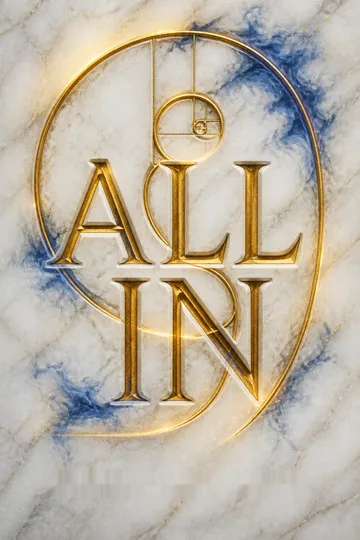
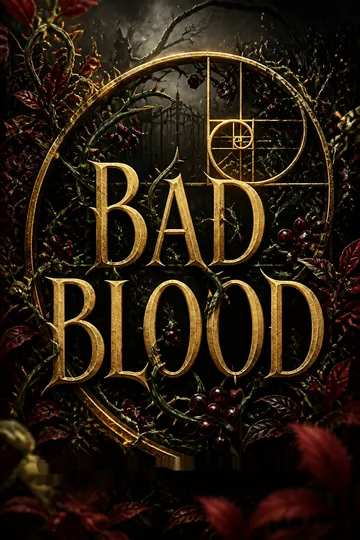
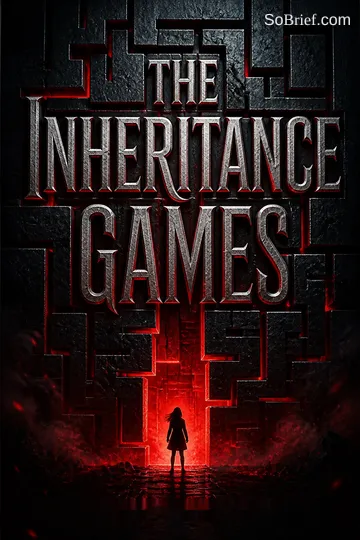
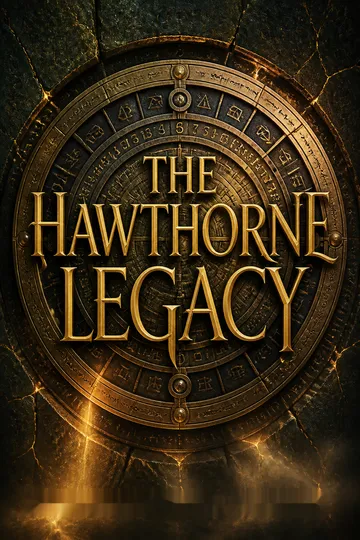
The Grandest Game Series
About the Author
Other books by Jennifer Lynn Barnes
Download PDF
Download EPUB
.epub digital book format is ideal for reading ebooks on phones, tablets, and e-readers.








































