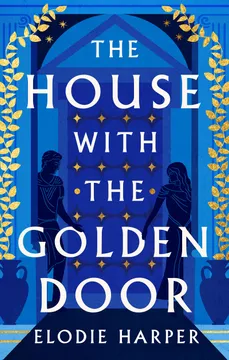
Plot Summary
After the Wolf Den
Amara, now a freedwoman, emerges from years of sexual slavery in Pompeii's Wolf Den into a life subsidized by Rufus, the ambitious noble who bought and freed her. Her new home is beautifully-appointed but haunted by memories—painted walls meant to comfort instead stir grief for lost sisters and trauma endured. Nearby courtesan Drusilla offers companionship and lessons in the careful arts of pleasing men, yet freedom is tenuous. Amara mourns Dido, the friend she failed to save, and questions whether her pretty rooms and steady food have broken the cycle of danger and dependence. Her past, marked by violence and humiliation, colors every relationship and choice. Amid beauty and delicate rituals, the scars of survival prove impossible to hide.
Freedom's Fragile Sanctuary
Within the golden-doored house, Amara discovers that status as Rufus's "little bird" wins comfort but not true safety. She is still watched and sometimes measured (literally) by her patron; one misstep or change of heart could eject her back into precarity. Her new life brings the responsibilities of a Roman matron but none of the stability: slaves, servants, and friends must be managed, hunger is replaced by anxious calculation, and every social call is an audition for continued favor. Even her alliances are transactional. Philos, Rufus's intelligent, enslaved steward, is both confidant and potential threat—he knows how thin the line is between being protected and being owned. Amara learns that emancipation is not freedom unless you control your own fate.
Ghosts and Blood Debts
The dead—especially Dido—stalk Amara's every move, her absence made vivid by memorials and paintings. Nightmares return, and tender gestures from Philos or Martha can't dispel them. Amara's deepest grief is for Victoria, who killed to save her before being left behind, abused by Felix, the brothel's owner. As visits from Fabia, the brothel's old survivor, and news of Victoria's pain accumulate, Amara is consumed by the urge to rescue her—no matter the risk or cost. But the debts she owes are more than financial; she feels a blood obligation to prove she deserves her second chance, even as she doubts her worthiness of survival. The past is not forgotten; it demands amends Amara cannot make without endangering everything gained.
Bargains and Betrayals
Guided by guilt and Philos's reluctant help, Amara sets out to buy Victoria's freedom—but negotiating with Felix means revisiting old humiliations and subjecting herself to his whims. Posing as a buyer rather than a supplicant, she beds on the skill she learned from him and the little wealth she has. Amara is forced to leave one friend (Beronice) behind, compounding shame and loss with Victoria's salvation. Even reunited, their bonds are changed by trauma and inequality; Victoria's own efforts to forgive her tormentor expose the tangle of affection and abuse. Amara learns that freedom purchased through negotiation with men leaves scars and obligations that threaten to unravel hard-won peace.
Victoria's Price
Purchase of Victoria and a second slave, Britannica, brings short-term joy but long-term debt—financially and emotionally. Rufus's reaction to Amara's independence is cold and controlling. Philos, once a partner in risk, is now frightened by the magnitude of what's owed to Felix and all it could cost. Victoria, despite her liberation, struggles with trauma and a toxic longing for Felix; her ability to manipulate men blurs lines of loyalty. Meanwhile, Britannica is kept for protection, a physical embodiment of violence and the threat always at the door. The household—supposedly free—becomes a pressure cooker of power, secrets, and rivalries, as Amara struggles to reconcile love and survival.
Shifting Power, Shelter's Edge
With Rufus's patronage fraying—his affection growing cold, his possessiveness overt and sometimes violent—Amara learns just how little her beauty and "innocence" are worth when weighed against a man's ambition. Victoria's growing independence and Amara's business acumen expose old friends' differences, and philosopher-servant Philos offers real, if fleeting, intimacy. Still, fears of betrayal, poverty, and violence drive Amara to keep tight control of her small domain, even as the foundation crumbles—love and safety prove mutually exclusive. With the threat of Felix always looming and debts mounting, the sense of home once promised by the golden door is proved to be an illusion.
Lost Sisters, New Roots
As Amara and Victoria adjust to their changed relationship, the house fills with new "family" in the form of Phoebe and Lais, musical slaves bought for profit. Ruthless practicality replaces sisterly devotion—Amara now manages, not just lives with, the women whose freedom she once yearned for. Internal tensions—between old obligations and new self-interest, between ruthlessness and empathy—define daily life. Attempts to root herself, literally planting a garden echoing her childhood, serve as acts of hope and healing, but cannot erase the sense of impermanence. Friendships forge and fail; trust is ever provisional. The household is ever at risk, not just from men but from within.
Patronage and Performance
Parties, dinners, and musical performances are no longer escapes, but auditions for stability and affection. Amara is constantly aware of her precarious standing with Rufus and among other courtesans, needing to perform womanhood and innocence to survive. The public face of success—talent, beauty, grace—masks fear of judgement, jealousy, and violence. Even gifts and charity to others are performances of virtue. Drusilla's rise and Victoria's charm highlight fleeting power, undercut by the knowledge that every woman's value depreciates over time. As Amara hones her public mask, she learns every dance in the house is for the benefit of men with the power to destroy her.
Masks Beneath Painted Walls
Artistic beauty covers up trauma, the house's walls recording not just affection but cruelty and rage. Amara's skill at negotiation and feigned innocence masks constant terror of loss—of love, patronage, bodily safety, and control over her own narrative. Secrets pile up: Philos and Amara's growing intimacy, financial deceptions, Victoria's risky affairs. The household becomes a theater of divided loyalties, with every woman aware she is always being watched—by masters, rivals, and fate itself. Choices are never simple, always weighed against the likelihood of future pain. The constant tension commands that Amara be cautious, but also that she seize the moment while she can.
Negotiating for Love
Even deepest affection—especially that between Amara and Philos—must be bought, hidden, and negotiated. Every embrace is fraught with the risk of discovery; love must be weighed against survival, and even the possibility of a child is shadowed by the threat of legal enslavement. Sacrifice and deception undercut every tender moment. Meanwhile, the pressures of debt force Amara closer to accepting dangerous men into her life; her pragmatic calculations for security threaten the very intimacy she craves. "Choice" itself is a privilege rarely afforded women of her kind, making the rare moments of true connection painfully precious.
Markets, Chains, and Choices
Slave markets and contracts bring daily reminders: even when you buy another's freedom, someone pays. No act is without compromise—Amara's management of her household recreates, in miniature, the power structures she abhors. The legal system, contracts, and moneylending ensure that, for every step she takes towards autonomy, another shackle binds her tighter. As Rufus's marriage and ambitions threaten Amara's position, she navigates legal loopholes and social dangers, hoping intellect and cunning can outmaneuver a world rigged against her. But in Rome, law and lineage outlast even the most passionate romance or hard-won freedom.
Rome's Laws, Women's Fates
The gears of Roman society grind down the poor and the powerless. Rufina's birth, ostensibly a victory, threatens to become a new site of loss: one misstep, one discovered secret, could see Philos and even the child enslaved. Rome's laws, designed to ensure men's control over women, always threaten to reverse her brief gains. Friendships, so often lifelines, are unreliable—betrayals from Victoria and Beronice shatter old allegiances, while new alliances are fragile. Even triumphs—child, home, new skills—come at the cost of ever-deepening bargains, always on someone else's terms.
Ruined for Security
When blackmail from Felix becomes unbearable, Amara is forced into the arms of Demetrius—a wealthy, ruthless Roman capable of buying both safety and loss. She sells her body and, in effect, her family's unity, to keep Rufina and Philos alive and free. This last, devastating transaction reveals the truth: under Rome's empire, female virtue and happiness are illusory, always putting women at risk for the sake of survival. Love cannot outwit fortune when the world's scales are tipped against you. Yet Amara chooses the bitter path to secure her child's future, at immense personal cost.
All That Glitters
Parties, processions, and rituals suggest a fragile prosperity—Amara is celebrated in public, wears fine clothes, is admired by powerful men. Yet every moment is shadowed by what remains unspeakable: Philos's enslavement, Victoria's betrayal, the constant danger that happiness may be snatched away in an instant by a word, a letter, a change in the wind. Her freedom is always rented, always conditional; she learns that to trust appearances is to court disaster.
The Goddess Watches
Rituals, prayers, and festival processions provide not exorcism but reminders of female vulnerability and the thin line between vengeance and mercy. Amara's attempts to invoke Diana for protection or justice bring no answers, only the humbling realization that, in this world, the gods look away. It is women—flawed, angry, loving, and vengeful—who must shoulder one another's burdens and negotiate the terms of their existence, for better or worse.
Friends Forgiven, Friends Forsaken
Final betrayals sever Amara's last ties—Victoria, brought back into Felix's orbit, becomes a danger rather than an ally. All the sacrifices that were made for love seem in vain as both sisters in suffering and chosen family are ripped apart by fear, jealousy, and the need to survive. Power, once shared in laughter and mutual aid, becomes a weapon used against each other. The reality of oppression is that it breeds suspicion and self-protection, transforming solidarity into isolation. Forgiveness is hard to find, and sometimes impossible to give.
Vengeance and Surrender
The ultimate confrontation with Felix, with Britannica prepared to kill and Amara ready to sacrifice everything, comes to nothing. The law, contracts, and threats ensure that even the bravest among them cannot secure more than incremental reprieves. Felix's insistence that he will always "own" Amara echoes like prophecy—no woman, however clever, escapes the consequences of male violence and Roman law. The household must scatter for safety, forced to accept survival as victory. Justice is left undone.
Leaving the Golden Door
Amara is exiled from her "home," philosopher-lover, and daughter by the logic of debt, patronage, and fate. Rome's most illustrious men offer superficial safety at the expense of all she holds dear, and Amara is forced to accept that freedom is never assured. Ancient gods and laws are no protection; happiness is learned through endurance and the refusal to be fully broken. She boards a ship for Rome, having sacrificed nearly everything for others—a survivor, but no longer naive. Her story, like so many, is an act of rebellion: to keep living, loving, remembering, despite it all.
Analysis
In The House with the Golden Door, Elodie Harper offers a nuanced, unflinching portrayal of what it means to survive in a world where the only real freedoms available to women (especially the formerly enslaved) are those they can bargain for, steal, or rent through cleverness and compromise. The novel's triumph lies in its refusal to sentimentalize either suffering or success: every gain is purchased at shocking cost, and every moment of tenderness is shadowed by the possibility of betrayal. Survival is its own form of resistance, but it does not always mean victory—sometimes it means accepting smaller losses, sometimes it means choosing whom to save. The lessons are hard: friendship can fracture under the weight of trauma and debt; love, even when genuine, is hemmed in by laws and the violence of the powerful; autonomy is so rare that it cannot be taken for granted. Harper raises vital questions about the tight interplay of agency and fate, the limits of empathy, and the ways that the oppressed both reflect and recreate the systems that exploit them. For readers today, the story resonates as a warning against easy narratives of "escape" and as a tribute to those who, against overwhelming odds, will not be broken. Amara's journey is neither wholly triumphant nor wholly tragic—it is a testament to the fierce, complicated hope that persists whenever people choose to love and remember, even at their own risk.
Review Summary
People Also Read




Characters
Amara
Once sold into sexual slavery in Pompeii's infamous Wolf Den, Amara emerges as a freedwoman only to discover her new life is built on another man's whims—a fragile golden cage. Her intelligence and resourcefulness serve as both shield and weapon; trauma defines her relationships, fueling both tenderness and violence, generosity and suspicion. Deeply loyal to those who saved her (especially Victoria), she is equally capable of ruthless pragmatism. Her psycho-social arc charts the "transactionalization" of love: every embrace, every friendship, is weighed against survival. Even in chosen family, she wrestles guilt, the burden of blood debts, and the risk of loving vulnerable people in a world where women are property. Amara's final choices—sacrificing her own happiness for her daughter's future, accepting calculated suffering for a sliver of security—epitomize the cruelty and brief joys possible in a world where agency is always rented, never owned.
Philos
Philos is Rufus's trusted slave—educated, observant, and self-effacing. Years of abuse by his former master Terentius left deep scars, including a physical brand marking disobedience and a learned stoicism designed to survive in a world where love means risk. His relationship with Amara offers real intimacy and mutual understanding; their shared pain draws them close, but the power differential (his status as chattel, hers as "free" only by the grace of others) constantly menaces their love. Philos is compassionate and honorable, often counseling caution when Amara's feelings threaten safety, but never escapes the psychological prison of slavery—his value is defined by the work he does for others, his greatest wish to be a father and protector, even while denied legal "manhood." His loyalty to Amara, persistence through grief, and capacity for tenderness make him both her anchor and most heartbreaking loss.
Victoria
Victoria, another of the Wolf Den's "she-wolves," embodies both resilience and the costs of trauma. She is fiercely loyal—having once killed for Amara—but also deeply damaged by her relationship to Felix, the abusive pimp who oscillates between cruelty and charm. Her sexuality is weapon and liability; she both leverages men's desire and longs for authentic affection, even from those who harm her. Victoria's longing for acceptance, and her inability to break free (emotionally or practically) from abusers, reveal the psychological damage inflicted by commodification. Ultimately, her choices—whether seen as betrayal or self-preservation—mirror Amara's, underscoring that love and loyalty can be twisted into weapons in a world designed for men's pleasure.
Britannica
Britannica, a former war captive, is less assimilated than other she-wolves: large, awkward, unyielding, yet fiercely loyal to Amara (and, to a degree, Victoria). Scarred by violence and powerless rage, her existence revolves around the pursuit of honor through fighting—eventually pledging herself as a gladiator, choosing a life of battle over helplessness. For Amara, Britannica is both protector and reminder that under Rome's law, the only defense is strength. Her journey from commodity to avenger exposes both the extremes of Roman brutality and the occasional, exhilarating possibilities for female rage.
Felix
Felix, owner of the Wolf Den and later mover of Amara's fate, condenses the culture's worst aspects—violence justified as business, affection dispensed for profit, cruelty masked as order. Both warped by and perpetuator of abuse, his need to control women's bodies, profits, and destinies is matched by vulnerability whenever faced with real challenge from women like Amara or Britannica. Ultimately, Felix is the system's avatar: caring only as much as it benefits him, always insisting on his ultimate ownership, even after legal ties are cut. His presence, lurking even when off-page, is the ever-present threat in women's lives.
Rufus
As Amara's patron and the man who purchases her freedom, Rufus offers comfort and the illusion of romance—desiring her most when she appears gentle, grateful, easily controlled. Well-intentioned at times, he is nevertheless exposed as weak, manipulative, and prone to violence when challenged or when his ambitions are threatened. His ultimate goal is self-image: Amara is valuable only as a reflection of his own virtue or desire. The arc of their relationship—from safety to coldness to outright threat—maps the limits of men's capacity for kindness when it interferes with power.
Drusilla
Drusilla is Amara's model and sometime mentor, a woman who has leveraged beauty and skill into property and status. She embodies the transactional logic of the system: men are to be used, not loved; emotion is dangerous, and self-sufficiency the highest good. Her advice—usually pragmatic, sometimes cruel—serves as both guide and warning, and her shifting alliances illustrate the loneliness that even apparent success can breed. Drusilla's story offers a mirror to Amara's, questioning what freedom really means when it's always contingent on male approval.
Phoebe & Lais
Acquired by Amara and Drusilla as flautists, Phoebe and Lais serve as reminders that for every woman "rescued," others enter; they are both valuable commodities and human beings, wary but professional. Their presence exposes the continued economic and emotional sharpness of the "business," as well as the limits of solidarity when survival is at stake: their ambitions are shaped by necessity, and while capable of affection or alliance, they know anyone can be bought, sold, or betrayed.
Julia
Julia, a self-sufficient woman overseeing baths, apartments, and business empires, represents the rare sliver of genuine independence possible for women—provided they've survived the meat grinder of concubinage, enslavement, or strategic marriage. Her kindness is genuine but never free of calculation; help comes with expectations and reminders of hierarchy. For Amara, Julia is both lifeline and reminder of the impossible demands of upward mobility and the necessity of compromise.
Demetrius
As an Imperial freedman, Demetrius embodies dangerous opportunity—able to "solve" Amara's problems at the highest personal price. His interest is pragmatic, never cruel, but without sentimentality: he becomes the next link in the chain of transactions that defines her life. His willingness to pay, protect, and control may keep Amara and her child alive, but also makes clear that in Rome, even the most powerful women must sometimes capitulate to a man's offer to survive.
Plot Devices
Freedom as a Transactional Illusion
The narrative repeatedly demonstrates that "freedom" for women and slaves in Rome is little more than a shift from one master to another. Legal emancipation, the purchase or sale of bodies, and the movement from brothel to private home are shown as commercial exchanges that never fully erase old debts—emotional, financial, legal, or physical. Amara's longing for autonomy is constantly frustrated: freedom is always conditional, always requiring bargains with men or the endurance of further humiliation. This device is sharpened by constant reminders that the language of affection, loyalty, and love is contaminated by calculated survival and threat; even the house, with its "golden door," reveals that gilded cages are still cages.
Power through Secrets and Debt
Throughout the book, secrets—of conception, betrayal, money, and alliances—act as double-edged swords: sometimes they bring protection or advantage; more often, they return to haunt, wound, or destroy. Amara's past is held against her by Felix, by Rufus, by the law, and even by friends. The essentially transactional nature of Roman life ensures every intimacy is shadowed by the price it might one day extract. This theme is reinforced through foreshadowing (paintings reference violence to come, legal contracts predict later enslavement), and by cyclical narrative—a sense that progress is never linear but constantly at risk of being undone by old debts or new informers.
Female Solidarity and its Limits
The story is structured around deep bonds among women (Amara, Victoria, Dido, Britannica, Drusilla), positing sisterhood as the only real hedge against abandonment or violence. But these bonds are constantly endangered by external and internal threats: envy, betrayal, trauma responses, the pressures of romance, and the design of a system that forces women into competition. The cruel reversal—"I'd die for you" becomes "I almost killed you"—brings home how oppression fractures even chosen families.
Justice Deferred, Violence as Dead End
The recurring promise of vengeance—for Dido, for enslaved children, for friends betrayed—becomes a whispering ghost, embodied in blood, paintings, oaths, and murders narrowly avoided. When violence is at last engaged (the final fight between Britannica and Felix), even this proves empty: law, men's threats, and the weight of old contracts reassert hierarchy. Amara's sacrifices, victories, and betrayals are thus granted only partial, temporary force.
Irony, Cyclical Reversals, and Foreshadowing
The structure is replete with ironic echoes: the house intended as sanctuary becomes prison; the child meant to secure freedom poses a new risk of enslavement; love, which should liberate, leads only to harder bargains. Literary allusions and motifs (ancient graffiti, poetry, divine will) reinforce that every apparent gain is subject to reversal by fortune, or by the logic of patriarchy and money—each Mediterranean goddess is as capricious as the men who wield Roman law. The plot's cyclical returns—repeated scenes at brothels, markets, festival processions, and legal contracts—emphasize that real change, for poor or enslaved women, is excruciatingly slow and often incomplete.

Download PDF
Download EPUB
.epub digital book format is ideal for reading ebooks on phones, tablets, and e-readers.








































