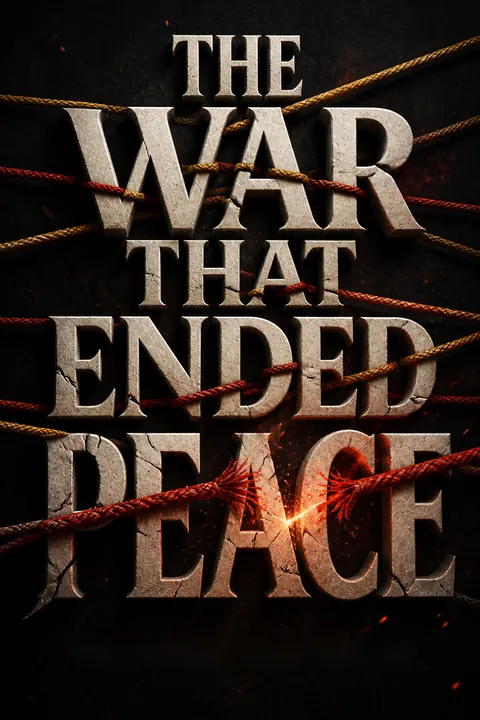

Key Takeaways
1. Europe's Entangled Alliances Forged a Path to War
National rivalries fueled an arms race which in turn deepened insecurities and so added yet more impetus to the race.
Alliance systems created a domino effect. The complex web of alliances transformed localized disputes into continent-wide conflicts. The Dual Alliance between Germany and Austria-Hungary, the Franco-Russian Alliance, and the Entente Cordiale between Britain and France created a situation where an attack on one nation could trigger a chain reaction, drawing in multiple powers.
Alliance examples:
- Germany's commitment to Austria-Hungary in the Balkans
- France's alliance with Russia, prompting German war plans
- Britain's Entente Cordiale with France, leading to military talks
Limited flexibility. These alliances, initially intended for mutual defense, became rigid commitments that restricted diplomatic maneuvering and increased the risk of escalation. Leaders felt compelled to honor their treaty obligations, even when doing so meant plunging their nations into war.
2. Germany's Ambitions and Miscalculations Fueled Tensions
Fortune’s star invites the courageous man to pull up the anchor and throw himself into the conquest of the waves.
Weltpolitik and naval race. Germany's pursuit of Weltpolitik (world policy) and its naval buildup challenged Britain's maritime dominance, creating a climate of suspicion and rivalry. Kaiser Wilhelm II's ambitions to assert Germany's power on the world stage led to a costly and ultimately self-defeating arms race.
Misjudging Britain. German leaders underestimated Britain's commitment to maintaining the balance of power in Europe and miscalculated the impact of their naval expansion on British security. They believed Britain would eventually accept German dominance, failing to recognize the depth of British resolve.
Internal pressures. Germany's internal political divisions, including the rise of socialism and the power of the Junker class, influenced its foreign policy decisions. The desire to unite the nation behind a common cause sometimes overshadowed rational calculations of national interest.
3. Britain's Hesitant Shift from Isolation Shaped the Conflict
Isolation is much less danger than the danger of being dragged into wars which do not concern us.
From splendid isolation to entanglements. Britain's traditional policy of "splendid isolation" gradually gave way to a more interventionist approach, driven by concerns about German expansion and the need to maintain the balance of power. The Entente Cordiale with France and the subsequent Anglo-Russian Convention marked a significant departure from Britain's historical aloofness.
Balancing act. British leaders struggled to balance their commitment to maintaining European stability with their desire to avoid entangling alliances. This hesitation and ambiguity contributed to the uncertainty and miscalculations that characterized the pre-war period.
Moral obligation. The violation of Belgian neutrality ultimately swayed British public opinion and provided a moral justification for intervention. The decision to honor its treaty obligations to Belgium proved decisive in Britain's entry into the war.
4. Austria-Hungary's Internal Decay Invited External Threats
Things that have been secure for centuries are secure no longer.
Multinational empire in decline. Austria-Hungary's internal weaknesses, including ethnic tensions and economic disparities, made it vulnerable to external threats. The rise of nationalism among its diverse populations undermined its stability and invited interference from neighboring states.
South Slav nationalism. The growing influence of Serbia and the rise of South Slav nationalism within Austria-Hungary posed an existential threat to the empire. The desire to suppress Serbian ambitions and maintain control over its South Slav territories drove Austria-Hungary's aggressive policies in the Balkans.
Dependence on Germany. Austria-Hungary's increasing reliance on Germany for support limited its freedom of action and made it susceptible to German influence. The "blank check" issued by Germany in 1914 emboldened Austria-Hungary to pursue a reckless course of action.
5. Russia's Panslavism and Geopolitical Concerns Escalated Crises
It is impossible to govern against the people when it is necessary to turn to it for the defence of Russia.
Panslavism and Balkan interests. Russia's commitment to Panslavism and its desire to protect its fellow Slavs in the Balkans fueled its rivalry with Austria-Hungary. Russia's geopolitical interests in the region, including access to the Mediterranean and control of the Straits, further complicated the situation.
Need to restore prestige. After its defeat in the Russo-Japanese War, Russia sought to restore its prestige and reassert its influence on the world stage. This desire for recognition and respect contributed to its willingness to take risks in the Balkans.
Limited options. Russia's leaders felt constrained by public opinion and the need to maintain their great-power status. The fear of appearing weak or abandoning its Serbian protégé limited Russia's ability to compromise and de-escalate the crisis.
6. Militarism and the Cult of the Offensive Blinded Leaders
War was, said the official catalog of the Exposition, “natural to humanity.”
Arms race and military planning. The arms race and the development of rigid military plans created a "doomsday machine" that, once started, was difficult to stop. The emphasis on offensive strategies and the belief in a quick, decisive victory further increased the risk of war.
Influence of military leaders. Military leaders exerted significant influence over civilian decision-makers, often pushing for aggressive policies and downplaying the risks of war. The cult of the offensive and the belief in the inevitability of conflict blinded them to alternative solutions.
Lack of civilian control. The complex and inefficient nature of government meant that civilian leaders were not fully informed about military plans even when these had political implications. Rigid timetables and plans threatened to take the final decisions out of the hands of the civilian leaders.
7. Nationalism and Public Opinion Amplified Belligerence
The instinct of the nation will never be content without a share in the booty which it sees its neighbours greedily dividing.
Nationalist fervor. The rise of nationalism and the spread of nationalist ideologies created a climate of intense rivalry and suspicion among European nations. Public opinion, fueled by sensationalist media and nationalist propaganda, put pressure on leaders to stand up for their nation's perceived rights and interests.
Fear of decline. The fear of national decline and the belief in Social Darwinism, which ranked human societies as if they were species, fostered a sense of competition and the inevitability of struggle. Leaders and publics alike accepted war as a tool of policy and a means of national renewal.
Propaganda and stereotypes. Propaganda and the spread of negative stereotypes about other nations contributed to a climate of hatred and contempt. These prejudices made it easier to dehumanize the enemy and justify violence.
8. The Failure of Diplomacy Sealed Europe's Fate
The nations slithered over the brink into the boiling cauldron of war without any trace of apprehension or dismay.
Breakdown of the Concert of Europe. The traditional mechanisms for managing international crises, such as the Concert of Europe, failed to prevent the escalation of the crisis in 1914. The rigid alliance systems and the lack of trust among the powers undermined diplomatic efforts.
Miscalculations and missed opportunities. A series of miscalculations, misunderstandings, and missed opportunities contributed to the outbreak of war. Leaders failed to communicate effectively, misjudged the intentions of their rivals, and underestimated the risks of escalation.
Lack of imagination. The tragedy of 1914 was that none of the key players were great and imaginative leaders who had the courage to stand out against the pressures building up for war. Somehow any explanation of how the Great War came must balance the great currents of the past with the human beings who bobbed along in them but who sometimes changed the direction of the flow.
Review Summary
The War That Ended Peace is praised as a comprehensive, well-researched account of the events leading to World War I. Reviewers appreciate MacMillan's balanced approach, detailed analysis of key figures, and exploration of complex factors contributing to the conflict. The book is commended for its readability and insightful examination of diplomatic, social, and economic dynamics. While some find it dense, most consider it an excellent resource for understanding the war's origins. Critics note its length and occasional dry passages but generally regard it as a valuable contribution to WWI scholarship.
People Also Read
FAQ
1. What is The War That Ended Peace: The Road to 1914 by Margaret MacMillan about?
- Comprehensive historical analysis: The book examines the complex political, social, and diplomatic events that led to the outbreak of World War I in 1914, focusing on the interplay of nationalism, militarism, alliances, and diplomacy.
- Focus on European powers: MacMillan explores the ambitions, fears, and rivalries of major powers like Britain, Germany, France, Russia, Austria-Hungary, and Italy, showing how their interactions destabilized Europe.
- Detailed narrative of events: The book covers key crises, military planning, and the psychological mindset of leaders and societies, providing a nuanced account of how peace unraveled.
- Human and structural factors: It balances analysis of broad historical forces with the roles of individual leaders, emphasizing their motivations, decisions, and the lessons for today’s world.
2. Why should I read The War That Ended Peace: The Road to 1914 by Margaret MacMillan?
- Nuanced understanding of WWI origins: The book moves beyond simplistic blame, offering a thorough explanation of the causes of World War I and the complexity of international relations.
- Insight into leadership and decision-making: MacMillan provides vivid portraits of key figures, revealing how their personalities, beliefs, and choices shaped history.
- Relevance to modern times: The book draws parallels between pre-1914 tensions and contemporary global challenges, offering lessons on the fragility of peace and the importance of diplomacy.
- Engaging and accessible narrative: Despite its scholarly depth, the book is written in a compelling style, making it valuable for both history enthusiasts and general readers.
3. What are the key takeaways from The War That Ended Peace: The Road to 1914 by Margaret MacMillan?
- Complex causes of war: The outbreak of World War I resulted from a combination of alliances, nationalism, militarism, and diplomatic failures, not a single event or actor.
- Dangers of rigid systems: Inflexible military plans and alliance commitments escalated conflicts, showing the risks of militarized diplomacy and the need for flexibility.
- Importance of leadership and imagination: The failure of leaders to foresee the consequences of war and to resist hawkish pressures contributed to the descent into conflict.
- Peace requires active effort: The book warns against complacency, emphasizing that maintaining peace demands ongoing dialogue, mediation, and compromise.
4. What were the main causes of World War I according to The War That Ended Peace by Margaret MacMillan?
- Interplay of multiple factors: The book identifies the arms race, rigid military plans, economic rivalry, imperialism, and alliance systems as key contributors to a volatile environment.
- Nationalism and domestic pressures: Rising nationalism, fears of revolution, and demands for honor influenced each nation’s foreign policy and heightened tensions.
- Failures of diplomacy and leadership: Previous crises had been managed peacefully, but in 1914, leaders failed to pull back from brinkmanship, making war the result of both structural pressures and human errors.
- Trigger events: The assassination of Archduke Franz Ferdinand set off a chain reaction, but the underlying causes made a general war increasingly likely.
5. How does Margaret MacMillan describe Europe in 1900 in The War That Ended Peace?
- Era of progress and optimism: Europe was marked by peace, prosperity, and advances in science, industry, and education, with events like the Paris Exposition symbolizing confidence in progress.
- Underlying tensions: Despite surface optimism, Europe faced rising nationalism, social unrest, and imperial rivalries, with new powers like Germany and the U.S. reshaping the global order.
- Societal changes: The growth of cities, the rise of new social classes, and the spread of democracy and literacy created both opportunities and new pressures.
- Contradictions and anxieties: The era’s optimism coexisted with skepticism about progress and fears of degeneration, reflecting deep societal contradictions.
6. What role did alliances play in the lead-up to World War I in The War That Ended Peace by Margaret MacMillan?
- Division into two camps: Europe was split between the Triple Alliance (Germany, Austria-Hungary, Italy) and the Triple Entente (France, Russia, Britain), creating a web of obligations.
- Escalation of crises: Alliances, intended as deterrents, made localized disputes more likely to escalate into general wars due to mutual expectations of support.
- Deepening commitments: Over time, military cooperation and diplomatic ties among allies increased, reducing flexibility in responding to crises.
- Pressure on smaller states: Allies often pressured partners to act decisively, and smaller states like Serbia became pawns in great power rivalries.
7. How did nationalism, militarism, and Social Darwinism influence European societies before World War I according to The War That Ended Peace?
- Nationalism’s dual role: National pride fostered unity but also created rivalries and fears, especially in multiethnic empires and contested regions like the Balkans.
- Militarism and honor culture: Military values permeated society, with readiness for war seen as essential and honor culture reinforcing a warrior ethos among elites.
- Social Darwinism’s impact: The belief in survival of the fittest justified competition and conflict among nations, making war appear natural or necessary.
- Public and elite attitudes: These ideologies shaped public opinion, political decisions, and the willingness of societies to accept or even welcome war.
8. What was the Anglo-German naval race and why was it significant in The War That Ended Peace by Margaret MacMillan?
- Origins in German expansion: Germany’s naval buildup, inspired by Admiral Tirpitz and Kaiser Wilhelm II, aimed to challenge British supremacy and was influenced by Mahan’s theories.
- British response: Britain reacted with alarm, launching the revolutionary HMS Dreadnought and intensifying the arms race, which increased mutual suspicion.
- Political and social consequences: The naval race fueled nationalist sentiment, influenced alliances, and contributed to the polarization of Europe.
- Impact on diplomacy: The rivalry made diplomatic cooperation more difficult and was a central cause of hostility between Britain and Germany.
9. What were the key diplomatic crises before World War I discussed in The War That Ended Peace by Margaret MacMillan?
- Moroccan Crises (1905–06, 1911): Germany’s challenges to French ambitions in Morocco tested the Entente Cordiale and increased distrust among powers.
- Bosnian Crisis (1908–09): Austria-Hungary’s annexation of Bosnia-Herzegovina angered Serbia and Russia, exposing the fragility of the European balance of power.
- Balkan Wars (1912–13): Conflicts among Balkan states over Ottoman territories heightened tensions and deepened great power rivalries.
- Escalation of tensions: These crises hardened alliances, increased mistrust, and brought Europe closer to general war.
10. How does The War That Ended Peace by Margaret MacMillan explain the July 1914 crisis and the outbreak of World War I?
- Assassination as trigger: The murder of Archduke Franz Ferdinand by a Bosnian Serb nationalist set off the July Crisis, providing Austria-Hungary with a pretext to confront Serbia.
- Austria-Hungary’s ultimatum: Backed by Germany’s “blank check,” Austria-Hungary issued harsh demands to Serbia, leading to war when Serbia could not fully comply.
- Alliance mobilizations: Russia mobilized to defend Serbia, prompting Germany to mobilize against Russia and France, turning a regional conflict into a general war.
- Diplomatic failures: Miscommunication, mistrust, and rigid military timetables left little room for peaceful resolution, making escalation almost automatic.
11. What was the Schlieffen Plan and how did it influence Germany’s actions before World War I in The War That Ended Peace by Margaret MacMillan?
- Germany’s two-front strategy: The Schlieffen Plan aimed for a rapid defeat of France by sweeping through Belgium before turning to fight Russia, to avoid a prolonged two-front war.
- Rigid mobilization: The plan’s strict timetables pressured leaders to act quickly, making mobilization a point of no return and limiting diplomatic options.
- Controversy and debate: Historians debate whether the plan was aggressive or defensive, and its secrecy and later modifications add to its controversial legacy.
- Impact on war’s outbreak: The plan’s execution in 1914 escalated the conflict, drew Britain into the war, and exemplified how military preparations contributed to inevitability.
12. How does The War That Ended Peace by Margaret MacMillan assess the failure of diplomacy and leadership in preventing World War I?
- Lack of communication and trust: Diplomatic channels were slow and secretive, with governments distrusting each other’s intentions, leading to misinterpretations and escalation.
- Influence of military planning: Rigid mobilization schedules and military influence over political decisions reduced flexibility and made peaceful solutions difficult.
- Nationalism and public opinion: Leaders were constrained by nationalist fervor and fears of humiliation, making compromise politically costly.
- Human factors: The book emphasizes that individual personalities, prejudices, and failures of imagination played crucial roles in the descent into war.
About the Author
Other books by Margaret MacMillan
Download PDF
Download EPUB
.epub digital book format is ideal for reading ebooks on phones, tablets, and e-readers.








































