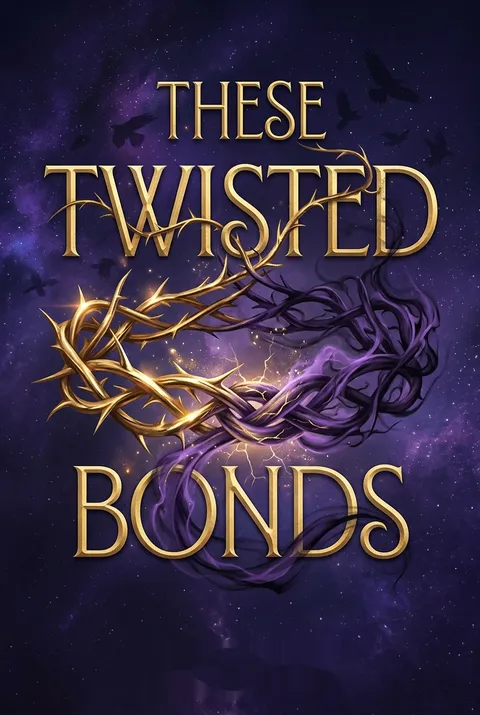

Plot Summary
Betrayal and Flight
Abriella, newly transformed into a fae and reeling from Sebastian's manipulation, escapes the Golden Palace. Her heart is shattered by the realization that Sebastian, the male she loved and bonded with, used her to claim the Unseelie crown. As she runs barefoot into the night, her magic—darkness itself—trails behind her, both a weapon and a burden. The soul-bond with Sebastian torments her, making her feel his regret and longing even as she tries to sever herself from him. Alone, hunted, and transformed, Abriella's journey begins with pain, anger, and the desperate need to reclaim her agency in a world that has stolen everything from her.
Shadows and Refugees
Seeking purpose, Abriella learns of Unseelie children imprisoned and drugged by the Seelie queen. Her empathy for their plight—mirroring her own childhood powerlessness—drives her to intervene. Using her burgeoning shadow magic, she helps orchestrate a daring rescue, aided by mysterious Wild Fae allies. The act is both redemptive and exhausting, pushing her new powers to their limits. Yet, her efforts are not without consequence: she is captured, injected with anti-magic toxin, and shackled, her fate uncertain. The chapter is a crucible of compassion and rage, setting the tone for her evolving sense of justice.
Captured and Rescued
Drugged and powerless, Abriella awakens to find her captors dead—slain by a shadowy force she cannot remember controlling. Rescued by Misha, the enigmatic Wild Fae king, she is spirited away to his mountain sanctuary. There, she is offered rest, safety, and a chance to recover from her ordeal. Misha's motives are ambiguous, but his actions are kind. Abriella, traumatized and suspicious, struggles to trust anyone, yet she senses that her fate is now entwined with the politics and power struggles of the fae courts more deeply than ever before.
Wild Fae Sanctuary
In the Wild Fae Lands, Abriella is both guest and potential pawn. Misha's palace is a marvel of nature and magic, a stark contrast to the Golden Palace's cold opulence. Here, she witnesses the Wild Fae's efforts to shelter Unseelie refugees, especially children traumatized by the queen's camps. The settlement's warmth and community stir both hope and guilt in Abriella, who feels responsible for the court's brokenness. She is haunted by her inability to return to her human life, and by the knowledge that her power—Oberon's legacy—makes her a linchpin in the realm's fate.
Power and Prophecy
Through visions, dreams, and Misha's guidance, Abriella discovers that her transformation and the transfer of Oberon's power have left the Unseelie throne empty of its true magic. The court is dying, its children falling into a magical sleep. Prophecies and political machinations swirl around her: she is the key to restoring balance, but only if she can unite the crown and its power. Both Sebastian and Finn need her, but for different reasons—one for love, one for the realm. The burden of destiny weighs heavily, and Abriella's trust in others is tested at every turn.
Thrones and Rejection
In a tense confrontation, Sebastian attempts to take the Unseelie throne but is violently rejected by its magic. The court's power remains with Abriella, not the crown. Finn and his allies realize that only by reuniting the crown and its power—both now split between Sebastian and Abriella—can the throne be restored. The court's divisions deepen, and the threat of war with the Seelie queen looms. Abriella is forced to confront her own role as both a prize and a player in the struggle for Faerie's future.
Divided Loyalties
Abriella is caught between Finn and Sebastian, both of whom vie for her loyalty and power. The soul-bond with Sebastian is a source of pain and confusion, while her growing connection to Finn—her "tethered match"—offers solace and strength. Political alliances are fragile; betrayals and secrets abound. The court's survival depends on unity, but personal wounds and ambitions threaten to tear everything apart. Abriella must decide whom to trust, and what she is willing to sacrifice for the greater good.
The Queen's Atrocities
The Seelie queen's cruelty is laid bare: she exploits Unseelie children to mine magical fire gems, fueling her own power and perpetuating the courts' imbalance. Abriella's rage and empathy drive her to action, but she is also forced to reckon with the limits of her power and the cost of intervention. The queen's machinations are vast, and her spies are everywhere. The stakes escalate as Abriella realizes that Arya's ambitions threaten not just the Unseelie, but the entire realm—including the human world she once called home.
Bonds and Barriers
With Misha's help, Abriella trains to control the empathic bond with Sebastian, learning to shield herself from his emotions and influence. This newfound agency is both liberating and isolating. Her relationship with Finn deepens, complicated by the magical "tether" that links their powers. The court's politics become more perilous, and Abriella's sense of self is tested as she navigates love, loyalty, and the responsibilities of power. The chapter is a meditation on boundaries—emotional, magical, and political.
Allies and Enemies
As Finn, Misha, and their allies gather to plan for war and the restoration of the throne, Abriella must decide whom to trust. Old friends may be traitors; new allies may have hidden agendas. The lines between enemy and friend blur, especially as Juliana's betrayal is revealed. The court's survival depends on fragile alliances, and Abriella's choices become ever more consequential. The emotional stakes are as high as the political ones, and Abriella's heart is pulled in conflicting directions.
The Sleeping Children
The magical sleep afflicting Unseelie children spreads, a symptom of the court's dying magic. Abriella is haunted by guilt and responsibility, knowing that her own existence is tied to the court's fate. The urgency to restore the throne intensifies, and the cost of failure becomes heartbreakingly clear. The suffering of innocents galvanizes Abriella and her allies, pushing them toward desperate measures and dangerous bargains.
The Tethered Heart
The magical tether between Abriella and Finn is revealed to be more than mere attraction—it is a soul-deep connection, rooted in ancient magic. Their love becomes a source of strength and hope, but also of pain, as the solution to the court's crisis may require Abriella to bind herself permanently to Sebastian. The tension between duty and desire reaches its peak, and Abriella must confront what she truly wants—and what she is willing to lose.
Underworld Descent
Abriella and Finn descend into the Underworld, seeking guidance from the legendary Queen Mab. The journey is harrowing, filled with illusions, monsters, and tests of will. Mab reveals the truth of Abriella's heritage: she is Mab's descendant, the prophesied queen who can restore balance. But the price is steep—sacrifice, loss, and the acceptance of her own darkness. The Underworld is both a crucible and a revelation, forcing Abriella to embrace all parts of herself.
Mab's Revelation
Mab explains that only by uniting the crown, the power, and the throne can the court be saved. This may require Abriella and Sebastian to bind their lives together permanently, or for Abriella to kill Arya and restore balance through blood. The choice is agonizing, and the cost is personal happiness. Mab urges Abriella to accept her shadow self—the darkness within—as a source of power, not shame. The chapter is a turning point, where destiny and agency collide.
Sacrifice and Survival
In a final act of redemption, Sebastian uses a bloodstone to surrender his immortality, breaking the bond with Abriella and allowing her to claim the throne. His sacrifice is both an act of love and a recognition of what the realm truly needs. The court's power is restored, and the magical sleep lifts from the children. Abriella is free to choose her own path, but the cost is the loss of a once-cherished love and the burden of leadership.
The Queen's End
Imprisoned and powerless, Abriella taps into her shadow self—her darkest, most ruthless aspect—drawing on Finn's power through their tether. She escapes her tomb, slaughters Arya and her guards, and rescues her sister Jas. The act is both vengeance and liberation, a culmination of all the pain and anger Abriella has endured. The queen's death ends the threat to the realm, but leaves Abriella changed—more whole, but also more aware of the darkness she carries.
The Throne Restored
With Arya dead and Sebastian mortal, Abriella takes the Throne of Shadows, her power finally united with the crown. Finn stands by her side as her tethered match, and the court's magic is restored. The children awaken, and hope returns to the realm. Abriella's journey from powerless orphan to queen is complete, but the scars of sacrifice and loss remain. The future is uncertain, but for the first time, it is hers to shape.
Love, Loss, and Hope
In the aftermath, Abriella and Finn finally bond, sharing power and love as equals. Jas finds healing, and the realm begins to mend. Sebastian, now mortal, is honored for his sacrifice. Abriella reflects on the lessons of her journey: the necessity of embracing both light and shadow, the power of love and sacrifice, and the hope that even in a broken world, healing is possible. The story ends with a wish for peace, and the promise of a queen who will fight for it.
Analysis
A modern fairy tale of trauma, agency, and the cost of powerThese Twisted Bonds is more than a romantic fantasy—it is a meditation on the ways trauma shapes identity, the struggle to reclaim agency in a world that exploits the vulnerable, and the impossibility of clean victories in a broken system. Lexi Ryan's narrative interrogates the classic tropes of chosen one, love triangle, and magical destiny, subverting them with psychological realism and moral ambiguity. The story's heart lies in Abriella's journey from powerless orphan to queen—not through birthright, but through hard-won empathy, self-acceptance, and the willingness to embrace both her light and her shadow. The book's lessons are clear: true leadership requires sacrifice, love is inseparable from pain, and healing is possible only when we stop denying the darkness within us. In a world obsessed with power, These Twisted Bonds insists that the greatest strength lies in compassion, and that hope is an act of rebellion.
Review Summary
These Twisted Bonds received mixed reviews, with some praising its addictive quality, romance, and world-building, while others criticized its predictability and similarity to other fantasy novels. Many readers enjoyed the character development, particularly of Finn and Misha. However, some found the pacing slow and the ending rushed. The love triangle and Brie's character arc were divisive elements. Overall, the book was seen as an improvement over its predecessor, offering an entertaining if not groundbreaking YA fantasy experience.
People Also Read
Characters
Abriella (Brie)
Abriella is the heart of the story—a former human orphan, transformed into a fae and thrust into the center of Faerie's political and magical turmoil. Her journey is one of betrayal, loss, and reluctant empowerment. Abriella's psyche is marked by deep wounds: abandonment, exploitation, and the trauma of being used by those she loved. Yet, her compassion for the vulnerable—especially children—drives her to acts of heroism. Her magical power, inherited from Oberon and revealed to be the legacy of Queen Mab, is both a gift and a curse. Abriella's relationships with Sebastian and Finn are fraught with longing, guilt, and impossible choices. Ultimately, she learns to embrace both her light and her shadow, becoming the queen her realm needs—one who leads not by birthright, but by hard-won empathy and strength.
Finnian (Finn)
Finn is the brooding, principled heir to the Unseelie throne, defined by his sense of duty and his capacity for sacrifice. Haunted by past mistakes—especially the death of his human lover, Isabel—Finn is slow to trust and quick to shoulder blame. His connection to Abriella is both magical and emotional: as her "tethered match," he is the source of her strength, and she of his. Finn's love for Abriella is selfless, even as it brings him pain. He is willing to give up the throne, his happiness, and even his life for the good of the court. Finn's arc is one of learning to hope again, to accept love, and to serve not just as a ruler, but as a partner.
Sebastian (Bash)
Sebastian is a study in contradictions: loving and manipulative, noble and desperate. His initial betrayal of Abriella—using her to claim the crown—sets the story in motion, but his remorse and longing are genuine. Sebastian is shaped by his mother Arya's cruelty and his own yearning to be a good king. His soul-bond with Abriella is both a blessing and a torment, binding them even as their hearts diverge. In the end, Sebastian's greatest act is one of self-sacrifice: surrendering his immortality and power so that Abriella can save the realm. His journey is a tragic one, marked by love lost and the hope of redemption.
Misha
Misha is the charismatic, mind-reading king of the Wild Fae, whose motives are as layered as his personality. He offers Abriella sanctuary and guidance, but is always playing a deeper political game. Misha's empathy and wisdom make him a valuable friend, but his ability to read thoughts also makes him unsettling. He represents the possibility of alliances beyond blood and court, and his support is crucial in Abriella's journey. Psychologically, Misha is both a survivor and a strategist, shaped by centuries of watching courts rise and fall.
Queen Arya
Arya is the primary antagonist—a ruler whose ambition and bitterness know no bounds. Her exploitation of Unseelie children, her manipulation of Sebastian, and her relentless pursuit of power make her a formidable foe. Arya's psyche is twisted by her own wounds: Oberon's betrayal, the loss of her dreams, and the burden of ruling a divided realm. She is both a cautionary tale and a mirror for Abriella, showing what happens when pain curdles into hatred. Her death is both a liberation and a warning.
Jasalyn (Jas)
Jas is Abriella's younger sister, the last remnant of her human life and the embodiment of everything good and gentle. Her suffering and resilience are constant motivators for Abriella, and her eventual rescue and healing symbolize the possibility of redemption and peace. Jas's innocence is not naivety, but a quiet strength that anchors Abriella's journey.
Pretha
Pretha is Finn's trusted ally, a Wild Fae with her own history of loss and sacrifice. Her love for her daughter Lark and her late husband Vexius shapes her actions. Pretha's friendship with Abriella is a source of comfort and wisdom, and her pragmatic approach to politics and love offers a counterpoint to Abriella's emotional turmoil. She is a survivor, a mother, and a strategist.
Lark
Lark is Pretha's daughter, gifted with prophetic dreams that often come at great personal cost. Her visions guide Abriella and the others, but also foreshadow the dangers and sacrifices to come. Lark's innocence and suffering are a constant reminder of what is at stake, and her fate is intertwined with the court's survival.
Riaan
Riaan is Sebastian's closest friend and a skilled warrior, but his loyalty is ultimately to the Seelie queen. His betrayal is a devastating blow, and his actions are driven by a twisted sense of duty and resentment. Riaan's arc is one of tragedy—a good male corrupted by divided loyalties and the impossible demands of power.
Juliana
Juliana is Finn's childhood friend and former betrothed, whose loyalty to her mother and her court leads her to betray Finn and Abriella. Her actions are driven by love, jealousy, and a desire for stability, but her choices have dire consequences. Juliana's arc is a cautionary tale about the dangers of misplaced loyalty and the costs of ambition.
Plot Devices
Soul-Bond and Tethering
The soul-bond between Abriella and Sebastian is both a literal and metaphorical chain, binding them in love, pain, and obligation. The magical "tether" between Abriella and Finn adds another layer, linking their powers and destinies. These bonds are used to explore themes of agency, consent, and the interplay between personal desire and duty. The inability to easily break these bonds creates tension and drives much of the plot's emotional stakes.
Prophecy and Destiny
Prophecies—delivered through dreams, seers like Lark, and ancient texts—foreshadow the roles Abriella, Finn, and Sebastian must play. The tension between destiny and free will is a constant undercurrent, as characters struggle to fulfill, resist, or reinterpret the futures laid out for them. Prophecy is both a guide and a burden, shaping the narrative's structure and the characters' arcs.
Political Intrigue and Betrayal
The story is rife with political maneuvering: courts divided, spies in every camp, and betrayals by friends and lovers. The uncertainty of trust is a key plot device, keeping both Abriella and the reader guessing. The narrative structure uses alternating moments of intimacy and betrayal to heighten suspense and emotional investment.
Duality and Shadow Self
The motif of light and shadow is both literal and psychological. Abriella's journey is one of accepting her own darkness—her anger, jealousy, and capacity for violence—as necessary parts of her power. The "shadow self" becomes a plot device for escape, vengeance, and ultimately, self-acceptance. This duality is mirrored in the divided courts, the split crown, and the characters' internal conflicts.
Sacrifice and Redemption
The narrative repeatedly returns to the theme of sacrifice: Abriella's loss of her humanity, Finn's willingness to give up the throne, Sebastian's surrender of immortality. Redemption is possible, but only through pain and selflessness. These sacrifices are foreshadowed throughout, and their fulfillment brings both resolution and lingering wounds.
FAQ
Synopsis & Basic Details
What is These Twisted Bonds about?
- A Fae Queen's Ascent: These Twisted Bonds follows Abriella, a former human now fae, as she navigates a treacherous world of magic, betrayal, and ancient prophecies. After being transformed and bound to Prince Sebastian, she discovers her unique power is the key to uniting a fractured fae kingdom and confronting the tyrannical Seelie Queen Arya.
- Love, Loyalty, and Sacrifice: The narrative delves into complex relationships, particularly Abriella's soul-bond with Sebastian and her burgeoning connection with Prince Finn. It explores themes of duty versus desire, as characters are forced to make profound sacrifices for their people, their loved ones, and their own survival amidst escalating political intrigue and the threat of war.
- Embracing Inner Duality: At its core, the story is Abriella's journey of self-discovery, as she grapples with her newfound powers, her hidden lineage, and the darker aspects of her own nature. She must learn to accept both her light and shadow to become the queen her dying court desperately needs, ultimately challenging preconceived notions of good and evil in the fae realms.
Why should I read These Twisted Bonds?
- Rich World-Building & Lore: Dive into a meticulously crafted fae world brimming with ancient history, diverse courts (Seelie, Unseelie, Wild Fae), and a complex magic system, including unique concepts like "tethering" and "bloodstones" that add layers of depth beyond typical fantasy.
- Deep Emotional Resonance: Experience a story that doesn't shy away from the raw, messy emotions of betrayal, grief, and conflicted love. The magical bonds and sacrifice amplify character feelings, drawing readers into Abriella's internal struggles and making her journey of healing and self-acceptance profoundly impactful.
- Intriguing Moral Ambiguity: The novel challenges black-and-white morality, presenting characters like Sebastian and Finn with noble intentions despite their manipulative actions, and forcing Abriella to embrace her own "darker" side for the greater good, sparking thought-provoking discussions on what truly constitutes heroism.
What is the background of These Twisted Bonds?
- Ancient Fae History & Division: The world is shaped by a millennia-old conflict between the Seelie (Golden Court) and Unseelie (Shadow Court), stemming from a legendary betrayal involving Queen Gloriana, her two lovers (Deaglan and Finnigan), and the powerful priestess Mab. This history explains the deep-seated prejudice and the very creation of the two opposing courts, with the Unseelie drawing power from the night and the Seelie from the sun.
- Magical Economy & Resources: The conflict is fueled by the scarcity of "fire gems" found beneath the Goblin Mountains, which amplify magic. Queen Arya's ruthless exploitation of Unseelie children in these mines for these gems is a central driver of the plot, highlighting the brutal realities of power and resource control in Faerie.
- Prophecy and Lineage: The narrative is underpinned by ancient prophecies, particularly one concerning a "queen who appears as a stranger" who will "balance sun and shadow and end the war." Abriella's unexpected lineage to Queen Mab and her unique magical abilities are revealed to be the fulfillment of this prophecy, tying her personal destiny directly to the fate of the entire fae realm.
What are the most memorable quotes in These Twisted Bonds?
- "Magia é vida. Você precisa conservá-lo. É autopreservação.": This quote, spoken by Finn, encapsulates a core tenet of fae magic and survival, highlighting the intimate connection between life force and magical power, and foreshadowing the sacrifices characters must make. It defines the stakes of Abriella's reckless power usage.
- "Eu não sou nenhuma princesa. Você é minha rainha.": Finn's declaration to Abriella in the final chapters is a powerful moment of recognition and acceptance. It strips away her self-doubt and external labels, affirming her true identity and destiny as the rightful ruler of the Shadow Court, solidifying their bond.
- "Eu te amo, Finn. Eu dobro meus quadris e o encontro entre minhas pernas, lentamente levando-o para mim.": This quote, from a pivotal intimate scene, showcases Abriella's agency and emotional vulnerability. It's a raw expression of her deepest desires and love, contrasting with her earlier forced bond and highlighting her journey of embracing her true feelings and power.
What writing style, narrative choices, and literary techniques does Lexi Ryan use?
- First-Person Perspective & Emotional Immersion: The story is told from Abriella's first-person point of view, immersing readers directly into her thoughts, fears, and emotional turmoil. This narrative choice is amplified by her empathic bond, allowing readers to viscerally experience the emotional states of other characters, particularly Sebastian and Finn.
- Sensory-Rich Prose & Vivid Imagery: Ryan employs descriptive language that appeals to multiple senses, from the "sweet pain" of the bond to the "velvet black" of Abriella's shadows and the "smell of leather and fresh pine" of Finn. This creates a lush, immersive world that feels tangible and alive, enhancing the fantasy elements.
- Symbolism & Foreshadowing: The author frequently uses symbolic elements, such as the "ampulheta" (hourglass) representing the balance of power between courts, or the recurring motif of stars and night as sources of power and comfort for Abriella. Subtle foreshadowing, often through Lark's cryptic prophecies or Abriella's own uncontrolled shadow manifestations, builds suspense and hints at future revelations.
Hidden Details & Subtle Connections
What are some minor details that add significant meaning?
- The Stable Boy's Fear: In Chapter 1, the stable boy's immediate fear of Abriella and her "wave of darkness" after her transformation subtly foreshadows the inherent power and potential danger of her new fae nature, even to those who should be allies. It highlights the immediate shift in how she is perceived, from human to something formidable.
- Juliana's Hair & Abriella's Shadow: Abriella's subconscious act of cutting Juliana's hair in Chapter 17, believing it to be a dream, is a subtle but crucial detail. It's the first concrete manifestation of her "shadow" ability acting independently, foreshadowing its later, more violent and purposeful unleashing against Arya in Chapter 30, revealing a darker, vengeful aspect of her power.
- Finn's Unexplained Illness: Early in the book (Chapter 5), Finn exhibits unexplained weakness and illness, even after the curse is broken. This seemingly minor detail is later revealed (Chapter 15, 24) to be a direct consequence of his "tethered" bond with Abriella, as her uncontrolled use of power drains him, subtly linking their fates long before the full nature of their connection is understood.
What are some subtle foreshadowing and callbacks?
- Lark's Enigmatic Prophecies: Lark's early dream visits, like telling Abriella she would "lose everything" (Chapter 5) or warning her about the "white-eyed monster" (Chapter 24), are initially cryptic but serve as direct foreshadowing for Abriella's personal losses and the specific dangers she faces in the Underworld. These callbacks reinforce the theme of destiny.
- The "Fire Gem" Misconception: Sebastian gives Abriella an "emerald" that he calls a "sacred fire gem" (Chapter 3), implying it's for her protection. This is a subtle misdirection, as it's later revealed in Chapter 31 to be a "bloodstone"—a rare artifact capable of reversing fae transformation—foreshadowing Sebastian's ultimate sacrifice and the true nature of his gift.
- Oberon's "Seduction" of Arya: The historical detail that Oberon "seduced" Arya as a means to "destroy the Seelie kingdom from the inside" (Chapter 19) subtly mirrors Sebastian's own manipulation of Abriella. This callback highlights a recurring pattern of political manipulation through romantic entanglement within the fae royal lines, adding depth to the cycle of betrayal.
What are some unexpected character connections?
- Abriella's Direct Lineage to Queen Mab: The most unexpected connection is Abriella's revelation as a direct descendant of Queen Mab (Chapter 22), the legendary founder of the Unseelie court. This recontextualizes her entire journey, explaining her innate power and why the throne accepts her, shifting her from an accidental pawn to a prophesied queen.
- Finn as Abriella's "Tethered" Partner: The discovery that Finn is Abriella's "tethered" partner (Chapter 22) is a profound and unexpected magical connection. Unlike Sebastian's soul-bond, this ancient Unseelie magic allows Abriella to draw power from Finn, explaining their amplified abilities when together and adding a layer of fated intimacy to their relationship.
- Juliana's Misguided Loyalty to Finn: Juliana's deep, unrequited love for Finn (Chapter 17) leads her to unexpected and harmful actions, including conspiring with her mother, the High Priestess, to send the Barghest after Abriella (Chapter 28). Her motivation, though misguided, was to secure Finn's place on the throne, revealing a complex and tragic loyalty.
Who are the most significant supporting characters?
- Misha, the Wild Fae King: Beyond providing refuge, Misha serves as Abriella's primary mentor in understanding fae politics and her own powers. His empathic abilities and blunt honesty (Chapter 3, 9) offer crucial insights into others' motivations and help Abriella learn to shield her mind, making him indispensable for her growth.
- Pretha, Finn's Steadfast Ally: Pretha is not just a loyal friend but a mirror to Abriella's own struggles with love and loss. Her personal history with Amira and Vexius (Chapter 17) provides a nuanced perspective on fae relationships and sacrifices, offering Abriella a confidante who truly understands her conflicted heart.
- Kane, the Loyal Skeptic: Kane, Finn's horned companion, provides comic relief but also a grounded, often cynical, perspective. His unwavering loyalty to Finn, even when questioning his decisions (Chapter 10, 13), highlights the deep bonds within Finn's inner circle and serves as a foil to Abriella's initial naivete.
Psychological, Emotional, & Relational Analysis
What are some unspoken motivations of the characters?
- Abriella's Desire for Belonging: Beyond saving her sister or the court, Abriella's deepest unspoken motivation is a profound longing for belonging and a place to call "home." Her past as an orphan and her constant feeling of being an outsider drive her choices, even when she claims to act purely out of duty (Chapter 21, 31).
- Sebastian's Need for Validation: While Sebastian claims to want the crown for the good of the kingdom, a significant unspoken motivation is his desperate need for his mother's approval and validation. His actions, including his initial betrayal of Abriella, are heavily influenced by Arya's expectations and his desire to prove himself worthy of his birthright (Chapter 29).
- Finn's Self-Punishment: Finn's reluctance to fully embrace his destiny as king, and his willingness to sacrifice his own happiness, stems from a deep-seated guilt over his past failures, particularly his perceived inaction during Mordeus's rise and Isabel's death (Chapter 17, 21). This unspoken self-punishment drives many of his seemingly selfless decisions.
What psychological complexities do the characters exhibit?
- Abriella's Shadow Self & Self-Acceptance: Abriella grapples with the psychological complexity of her "shadow" self—the parts of her that are "bitter, hardened, and brittle" (Chapter 30). Her journey involves accepting these darker aspects, realizing they are a source of power and not just a flaw, which is crucial for her to become a complete and effective queen.
- Sebastian's Traumatic Loyalty: Sebastian exhibits the psychological complexity of a child deeply scarred by a manipulative parent. Despite Arya's cruelty and betrayal, he struggles to fully break free from his loyalty to her, even after she tortures him and reveals her true intentions (Chapter 29). This internal conflict highlights the lasting impact of familial abuse.
- Finn's Burden of Prophecy & Love: Finn carries the psychological burden of a prophesied leader who has experienced profound loss and personal failure. His love for Abriella is complicated by his duty and his fear of repeating past mistakes (Chapter 22). He struggles with the idea of personal happiness conflicting with the needs of his people, showcasing the heavy weight of leadership.
What are the major emotional turning points?
- Abriella's Decision to Save the Children: The moment Abriella overhears the orc discussing the "impure" Unseelie children being drugged and imprisoned (Chapter 3) is a major emotional turning point. It shifts her focus from her personal heartbreak and survival to a selfless mission, igniting her fierce protective instincts and setting her on a path of active resistance.
- Sebastian's Sacrifice at the River of Ice: Sebastian's decision to sacrifice his immortality and transfer the Seelie crown's power to Abriella (Chapter 31) is a pivotal emotional turning point for his character. It represents his ultimate redemption, a selfless act of love and duty that frees Abriella and allows her to fully embrace her destiny, transforming him from a flawed prince to a mortal hero.
- Abriella Embracing Her Shadow: Trapped and near death, Abriella's conscious decision to "accept the darkness" and unleash her shadow self to kill Arya (Chapter 30) is a profound emotional turning point. It signifies her full acceptance of her complex identity, moving beyond the "adoring, dedicated, caring, and obedient Abriella" to embrace her "wicked, malevolent" side, unlocking her true power.
How do relationship dynamics evolve?
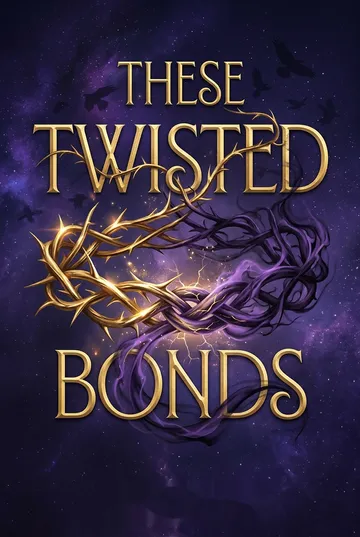
These Hollow Vows Series

About the Author
Other books by Lexi Ryan
Download PDF
Download EPUB
.epub digital book format is ideal for reading ebooks on phones, tablets, and e-readers.








































