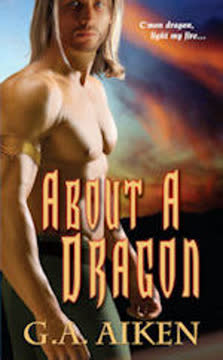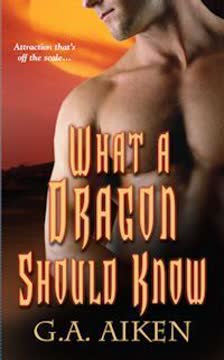
Plot Summary
Fleeing Dragons and Duty
Gwenvael the Handsome, a dragon of infamous reputation, flees the petty wrath of his family—particularly after unintentionally offending the pregnant Queen Annwyl. His life is defined by being a scapegoat for his dragon kin's tempers and a magnet for scandal, yet beneath his vanity lies loyalty. Simultaneously, to the north, Dagmar Reinholdt—"The Beast"—manages her savage family, maneuvering through a world where only the cunning survive, especially women. Trained by necessity as her father's advisor, her intellect is her shield. Their worlds orbit dangerously close, each haunted by familial expectations and power struggles, setting the stage for collision.
The Beast's Plot
As Dagmar navigates the masculine violence and political chessboard of the Reinholdt fortress, she proves herself its unseen protector. Her wit and mastery of information become vital as her uncle Jökull threatens her people with external legions and internal treachery. Under a veneer of spinsterhood, Dagmar is a force—commanding even battle dogs. Dispatched as her clan's most subtle ambassador, she reaches out to the legendary Queen Annwyl for alliance, understanding that brute force and old codes alone will not save the north from siege.
Northern and Southern Fire
With Queen Annwyl too weakened by her difficult twin pregnancy to respond directly, Gwenvael is sent north to reinforce the fragile coalition against looming threats. This mission is both a punishment and a test for the handsome dragon. The journey north forces Gwenvael to trade his usual sexual escapades for tense political negotiations, while upending old truce lines between the dragon clans of the Southlands and the primal Lightnings of the Northlands—natural rivals in both history and temperament.
When Enemies Meet
When Gwenvael arrives at the Reinholdt fortress in all his dazzling dragon glory, Dagmar—expecting a venerable diplomat, not an irreverent flirt—resents his flippant attitude. Their collision is fireworks: Gwenvael is confounded to discover The Beast is a woman, not a warlord, and Dagmar is infuriated at being mistaken for a comic oddity. Both insult and intrigue each other in equal measure, establishing the seed for grudging fascination. Sparks of enmity conceal nascent understanding, and Gwenvael realizes that this spinster in spectacles may be his match in manipulation.
Taming the Handsome Ruiner
Forced by custom and Northland etiquette, Dagmar allows Gwenvael to stay as a guest, leading to a period of sniping, thwarted seduction, and chess-like conversation. Each tries to outmaneuver the other, Dagmar leveraging her political clout and Gwenvael his charm. When the Reinholdts attempt to use the dragon's appetite against him by offering a puppy, Dagmar's wrath at Gwenvael's perceived predation leads to a comedic escalation—revealing both her ferocity and the actual vulnerability of his ego. An odd, mutual respect is forged among bathwater, braids, and wry banter.
Schemes, Tears, and Braids
Gwenvael's comic melodrama results in Dagmar braiding his hair—a scene tangled with mockery and unexpected intimacy. Their conversation deepens, connecting over philosophy (Aoibhell, the philosopher) and the cruelty of their respective upbringings. Both are revealed as children striving for validation: Gwenvael as the overlooked brother, Dagmar as the unloved daughter. The tension is both romantic and strategic: Dagmar learns to leverage Gwenvael's emotional outbursts; Gwenvael learns that getting his way may require more than charm—it may require honesty.
Bargains in the Northlands
With threats closing in—including the cultists of the Ice Lands targeting Queen Annwyl's unborn twins—Dagmar and Gwenvael negotiate a tenuous bargain: vital intelligence for military support. Their partnership is pragmatic but layered with flirtation and suspicion. Dagmar's terms are precise, her demand for legions costly, and the intricacies of Northland tunnels pose as much danger as any battlefield. Their impromptu alliance is tested as their enemies close in—both the literal Minotaurs and the metaphorical monsters bred in their own hearts.
Dogs, Dragons, and Defenses
Their cooperation is interrupted by lightning dragons bent on retribution, and alliances are further complicated by Gwenvael's notorious reputation as "the Defiler." A harrowing kidnapping and torture see Gwenvael rescued through Dagmar's clever wheedling and the unexpected intervention of Lightning dragon operatives. Their experience in survival, coupled with Dagmar's life-or-death strategizing around her beloved dogs and Gwenvael's willingness to show vulnerability, cements their fragile trust; the line between adversary and lover steadily blurs.
Unexpected Alliances
As Gwenvael recovers from torture, and Dagmar faces the emotional cost of betrayal by her long-trusted monk-mentor (now revealed as a Lightning dragon), alliances are redrawn. Political webs stretch between North and South: Annwyl's camp, the Reinholdts, the Horde dragons, and the Lightnings all jockey for leverage. Gwenvael and Dagmar move from partners of necessity to partners by choice, learning the cost of trust while negotiating with dragons, humans, and even gods. Each is forced to reevaluate loyalty, pride, and whom they truly serve.
Violence and Vulnerability
After a violent confrontation with foes and the grueling extraction of poison from Gwenvael's wounds by an outcast dragon healer (his own aunt Esyld), the physical and emotional nakedness between the pair cannot be avoided. Dagmar's rationality crumbles as guilt and tenderness overwhelm her, while Gwenvael's brash facade is pierced by anxiety around being worth less than those he loves. Family dynamics—his and hers—sharpen every emotion, with wounds (both visible and hidden) providing the unlikely avenue for deeper connection.
Seduction and Sincerity
Healing gives way to seduction: as boundaries evaporate, Dagmar and Gwenvael let their vulnerabilities guide them. Their first true intimacy (though laced with laughter, mock argument, and the conventions of their respective cultures) signals a union as strategic as it is carnal. Both acknowledge their fear of abandonment, balanced by an unapologetic desire for more—whether that "more" is power, pleasure, or partnership. Each finds in the other a peer rather than a conquest.
Laughing in the Shadows
Humor and Mockery as Defense becomes their language: in bed, during political plotting, and in the shifting courts of dragons and queens. Gwenvael's status as the "Defiler" is lampooned, transformed into a private joke rather than a weapon of shame. Dagmar's own reputation as "the Beast" is reclaimed. Their playful cruelty and brilliance, often misunderstood and maligned by others, becomes a bond. Court intrigue—mistresses, spies, Kikka the philandering sister-in-law—intertwines with romance, and both learn to watch, and delight in, the spectacle of human and dragon folly.
Betrayals and Daring Rescues
The threat against Queen Annwyl's unborn twins materializes: assassins, Minotaur cultists, and a god who cares more for order than for justice. Dagmar's political mastery and Gwenvael's brave recklessness are put to the test as they navigate betrayal by gods, dragons, and men. When Dagmar and the twins are abducted, it is Dagmar's bargaining, resourcefulness, and her mastery of codes (and literal socks offered to gods) that buy precious time. Their survival depends on trust and sacrifice; neither is the hero alone.
Suffering and Sacrifice
Annwyl's near-fatal childbirth, the nearly successful assassination plot, and Gwenvael's injuries push every character to the brink. Sacrifice—whether from Annwyl, Fearghus, or the lesser gods—becomes a recurring theme, testing the boundaries of mortality, love, and loyalty. Dagmar's stoic rationality is channeled into ferocious action; Gwenvael's humor conceals (but does not erase) his fear of loss. The cost of their alliances is paid in blood, but also in the shattering of the old idea that vulnerability is weakness.
The Queen's Labor
As Annwyl's labor descends into crisis, the priorities of dragon, human, and god collide. The threat of Minotaur cultists, the ambitions of the Elder Council, and familial divisions amplify the chaos. True heroism emerges in unexpected forms: daggers wielded to defend the helpless, ancient dragon warriors shifting codes for love, and gods negotiating (sometimes stubbornly, often with humor) with mortals for the survival of children who will be uniquely powerful.
Blood, Birth, and Battle
Annwyl dies, is revived by a goddess of war (Eirianwen), and returns transformed. In a frenzied battle, she takes vengeance on her enemies, saving her twins with an almost demonic power; the violence she unleashes is not only physical but existential, threatening to spiral into madness. Dagmar, wounded but unbroken, rides to safety with Annwyl and the twins. The aftermath is a world altered: the queen is reborn but changed, the twins are alive, and the alliances that survive are forged in both blood and brutal hope.
Gods, Mortals, and Minotaurs
The narrative crescendos as mortals—especially Dagmar—outmaneuver both literal monsters (Minotaurs) and meddling deities. The rules of gods are bent, if not broken, by mortal grit and refusal to bow. Through loyalty, wit, and a deft offering of well-timed wool socks, Dagmar ensures survival against ancient forces. Meanwhile, the cost of Divine Intervention and Political Chess is tallied, not only in individual suffering, but in the rewriting of fates.
Revelations and Revenge
With Annwyl's revival, and Jökull's defeat brought about by Annwyl (and her legions) as a result of Dagmar's clever negotiations, order is both restored and redrawn. Every character faces a reckoning: Gwenvael must confront his own worth (and claim Dagmar as his), Dagmar must choose between old loyalty and her own desires, and family dynamics shift forever. In both love and vengeance, these protagonists are now masters of their fates.
Legacies and Choices
In the wake of war and deliverance, Gwenvael and Dagmar navigate the realities of partnership: loyalty, mutual cunning, the bruising realities of love, and the joy (and irritation) found only with equals. Theirs is not a romance of self-sacrifice, but of deliberate, combative choice—knowing, even relishing, each other's flaws. As younger generations (Izzy, the twins) inherit this world, the legacy is one not merely of survival, but of freedom earned through wit, laughter, and fierce devotion. Their story closes on the promise that together, no one—man, dragon, or god—will ever see them coming.
Analysis
G.A. Aiken's What a Dragon Should Know reimagines the fantasy romance as a battleground, not only of armies, but of intellects, neuroses, and emotional history. By pairing the most misunderstood—and least respected—of both dragon and human societies, the novel explores how survivors of family trauma develop armor (wit, contempt, rational detachment), and how genuine intimacy requires surrendering those defenses. The book is modern in its refusal to valorize traditional romance: love here is a choice, not a fate; a partnership based on mutual aggravation, shared secrets, and the conviction that no one—man, dragon, or god—will see this couple coming. It leverages fantasy tropes (magic, resurrection, Divine Intervention and Political Chess) as both comedy and critique: the gods are flawed, mortals are clever, and power is found in laughter, loyalty, and the nonnegotiable demand to be seen as one's true self. The lessons are cynical yet hopeful: true power is self-awareness, and the bonds worth forging are those between equals who embrace both each other's genius and each other's madness. This subversive love story—rife with sex, sarcasm, and spectacle—is ultimately a celebration of agency, resilience, and the comic defiance of destiny.
Review Summary
What a Dragon Should Know is widely praised for its humor, chemistry, and unlikely pairing of Gwenvael the Handsome and Dagmar "the Beast" Reinholdt. Readers love Dagmar's cold, calculating intelligence contrasted with Gwenvael's narcissistic charm. Many consider it the best in the Dragon Kin series, highlighting the witty banter, emotional depth, and strong family dynamics. Some critics felt the book was overly serious compared to earlier installments, with too many side characters diluting the main romance. The audiobook narration also receives consistent praise.
People Also Read







Characters
Gwenvael the Handsome
Gwenvael is the beautiful third son of the dragon queen, flamboyant to the point of self-caricature, infamous for seduction and mockery. Beneath his vanity lies a deep well of insecurity born of familial neglect and the constant need to prove himself. Often despised for his superficiality, he clings to humor as armor—masking authentic fear of vulnerability and disappointing others. His development is remarkable: through the tumultuous relationship with Dagmar, Gwenvael learns the weight of true responsibility, the limits of charm, and the quiet power of being chosen. His partnership with Dagmar reveals his ability to love with ferocity and strategize with subtlety, proving that even the least likely dragons can be indispensable.
Dagmar Reinholdt ("The Beast")
The thirteenth child and only daughter of a brutal warlord, Dagmar survives by intellect, not force. Labeled "The Beast" as an insult, she makes it a badge of pride. Her true weapon is information: as scribe, spymaster, and quiet general, she shapes the fate of her family and her people. Relationships—especially to men—are strategic, but Gwenvael's combination of sincerity and silliness cracks her carefully controlled heart. Her psychoanalysis reveals both the adaptive dangers of wit and the ache of being unseen. Her growth arc moves from detached calculation to fierce devotion: risking everything for both love and duty.
Queen Annwyl
"Annwyl the Bloody"—once the terror of armies—faces her greatest vulnerability in difficult pregnancy and near death. Her former ferocity must evolve into a fight for more than her own survival. Relationships (especially with Fearghus and Dagmar) reveal the spectrum between rage and tenderness; her psychoanalysis examines the cost of reputation, motherhood as battlefield, and how transformation (including death and resurrection) can redefine both strength and insanity.
Fearghus the Destroyer
Eldest brother, Fearghus is the embodiment of restraint and loyalty. His relationship with Annwyl is based on mutual respect and tumultuous love; as the father of the twins, he is forced to confront loss, uncertainty, and emotional exposure. His psychoanalysis shows the strain of responsibility: confidence masking a terror of powerlessness, especially when love itself seems like a weakness.
Ragnar the Cunning
Lightning dragon, son of Olgeir, and Dagmar's one-time monk-mentor, Ragnar represents the shadowy side of loyalty. His psychoanalysis revolves around the tension between familial expectation (ambition, treachery) and genuine affection (especially for Dagmar). Relationships to Dagmar and the southern dragons expose the instability of dragon politics and the moral costs of subterfuge.
Esyld the Traitor
Gwenvael's aunt Esyld is a healer of power and a dragon rejected for her own ambitions. Her role is to catalyze healing—physical and emotional—while revealing the generational wounds of the dragon clans. Psychologically, she embodies what happens to those who refuse the rules of court and family, providing a glimpse of what could become of Gwenvael or Dagmar should they ever be exiled for their choices.
Izzy ("Iseabail")
As Briec's adopted daughter and Talaith's child, Izzy is torn between the desire for war-glory and her mother's desperate longing to keep her safe. Her youth, strength, and exuberance represent the next generation, dealing with burdens of expectation, the allure of power, and the search for love (especially with Éibhear). Psychologically, she is fire and innocence interwoven, always seeking a place where she belongs.
Talaith
A former outcast, witch, and now integral member of the dragon's inner circle, Talaith's psychoanalysis embodies the terror of losing children, the price of magic and maternal devotion, and the complicated space between weakness and sacrifice. Her combative banter with Briec and her dynamic with Izzy provide both comic relief and emotional depth.
Queen Rhiannon
Rhiannon, as queen and creator, shapes the destinies of all her offspring and their mates. Her psychoanalysis is that of the maternal goddess whose love is expressed through control, strategic cruelty, and unexpected moments of grace. She worries about bloodlines, political survival, and which child will defy her next—and often delights in all forms of chaos.
The Dragon Twins (Talwyn & Talan)
Born at lethal cost to Annwyl, these twin children are the focal point of prophecy, danger, and hope. Their existence forces all characters—gods and mortals—to question the nature of legacy and the burdens of birth. Psychoanalytically, they are the canvas for dreams (or nightmares) of the world's next age.
Plot Devices
Dual Protagonist Structure
The story is structured around dual arcs: Gwenvael the Handsome and Dagmar the Beast. Each is an outcast within their own realm, craving appreciation but rarely taken seriously. Their parallel journeys—marked by alternating court intrigue, familial brawling, and inner doubt—bring them together as genuine equals for the first time in their lives.
Romantic-Antagonist Dynamic
Gwenvael and Dagmar begin as adversaries—each armed with wit, arrogance, and fierce self-protection. Their evolution from mutual disdain to necessity-driven collaboration, and finally to partnership and love, is the backbone of the emotional arc. The narrative leans on banter, sexual tension, and reluctant vulnerability as mechanisms of both humor and growth.
Blending High Fantasy and Satire
Aiken's series is unique for its genre-savvy approach: dragons, warriors, gods, and witches all behave like modern, quarrelsome families. The world's history and lore are deep, yet every myth is subverted with sarcasm; genre tropes (epic battles, resurrection, political marriages) are lovingly mocked while still delivering high-stakes drama.
Shifting Points of View and Subplots
The main romance is mirrored and complicated by subplots: Annwyl's lethal pregnancy, Izzy's coming of age on the battlefield, the Lightning dragons' secret schemes, and the queen's courtly battles. Each subplot explores the cost of loyalty, sacrifice, power, and familial dysfunction, foreshadowing future generations and wars.
Divine Intervention and Political Chess
Plot twists hinge on the intervention of bored, dangerous deities and the pragmatic manipulations of mortals. Socks are bartered to gods, treaties are brokered in bed or bath, and wars are both epic melee and legal wrangling. Fate is both arbitrary and negotiated—but always has a price.
Humor and Mockery as Defense
Both stylistically and structurally, Aiken uses humor not merely for relief but as the chief defense and weapon of her protagonists. Whether in dialogue ("keep your cock in your pants") or narrative asides, wit becomes an armor that allows for intimacy and transformation.
Claiming/Bonding Ritual
The dragon practice of "Claiming" (physically marking a mate, extending lifespan, blending powers) adds a supernatural and bodily marker of emotional union—a plot device that literalizes the series' theme: love changes you, scars you, and gives you new life.