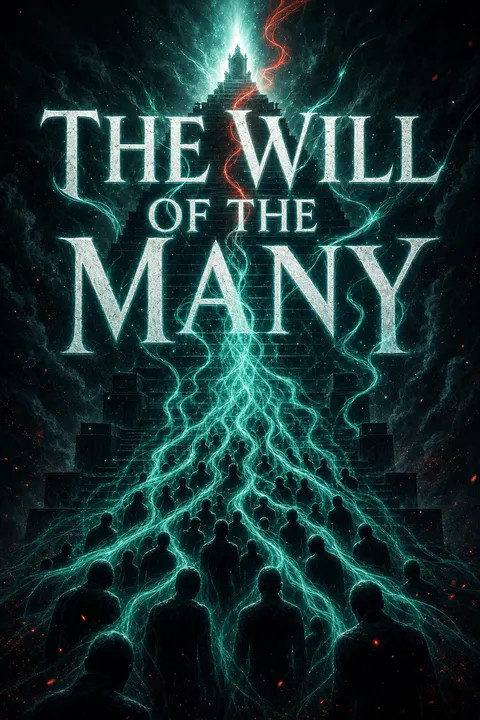

Handlungszusammenfassung
Section 1Das letzte Opfer eines Vaters
Die Geschichte beginnt mit einer herzzerreißenden Szene: Der junge Vis klammert sich an eine Klippe, gehalten von der blutigen Hand seines Vaters. In einem Moment des Opfers lässt sein Vater los, um Vis das Überleben zu sichern. Diese mutige Tat bildet den Ausgangspunkt für Vis' Reise durch eine Welt, die von der unterdrückerischen Hierarchie beherrscht wird – eine Welt voller Gefahren und dem unaufhörlichen Kampf ums Überleben.
Section 2Gefängnisspiele und Geheimnisse
Nun älter, arbeitet Vis im Gefängnis von Letens und spielt strategische Spiele mit Hrolf, einem Wächter. Diese Spiele symbolisieren die List, die nötig ist, um die Gefahren der Hierarchie zu meistern. Durch diese Begegnungen offenbaren sich Vis' scharfer Verstand und die Last des Opfers seines Vaters, während das Gefängnis selbst zu einem Ort voller Geheimnisse und ständiger Wachsamkeit wird.
Section 3Ein geheimnisvoller Besucher erscheint
Ein Mann namens Hospius taucht im Gefängnis auf und behauptet, dringende Geschäfte zu haben. Seine beunruhigende Präsenz und die angespannte Begegnung mit dem Gefangenen Nateo lösen eine Kette von Ereignissen aus, die Vis' Leben nachhaltig verändern. Hospius' Besuch ist nicht so harmlos, wie er scheint, und deutet auf tiefere Verbindungen zur Hierarchie und den Anguis hin.
Section 4Die Anguis und die Sapper
Vis und Hospius geraten in Gefahr durch die Anguis, eine Gruppe, die sich der Hierarchie widersetzt. Vis' schnelles Denken rettet sie, und offenbart die brutale Realität der Sapper – Geräte, die den Willen der Gefangenen aussaugen. Vis' Widerstand gegen diese Vorrichtungen deutet auf sein einzigartiges Potenzial hin, das im größeren Konflikt von entscheidender Bedeutung ist.
Section 5Ein neues Leben beginnt
Vis wird von Ulciscor, einem Magnus Quintus, adoptiert und auf dessen Anwesen gebracht. Dieses neue Leben bietet Sicherheit und Chancen, bringt jedoch auch neue Herausforderungen mit sich. Vis muss die Komplexität seiner neuen Familie und die Erwartungen, die an ihn gestellt werden, meistern, während Ulciscors Motive im Dunkeln bleiben.
Section 6Ausbildung für die Akademie
Auf Ulciscors Anwesen durchläuft Vis ein rigoroses Training unter der strengen Anleitung von Lanistia. Die Ausbildung fordert ihn sowohl körperlich als auch geistig bis an seine Grenzen. Diese Vorbereitung ist entscheidend für sein Überleben in der Welt der Hierarchie und stellt seinen Willen und seine Anpassungsfähigkeit auf die Probe.
Section 7Die Herausforderung des Labyrinths
Vis wird mit dem Labyrinth vertraut gemacht, einem komplexen Trainingsgerät, das die Manipulation des Willens simuliert. Anfangs kämpft er damit, doch nach und nach verbessert er sich, getrieben von dem Bedürfnis, sich zu beweisen. Das Labyrinth steht symbolisch für die Herausforderungen, die ihn an der Akademie und darüber hinaus erwarten.
Section 8Enthüllte Geheimnisse und wachsende Verdächtigungen
An der Akademie verstrickt sich Vis in ein Netz aus Geheimnissen. Lanistias Ausbruch offenbart eine Verbindung zu Ulciscors Bruder Caeror, dessen mysteriöser Tod von Ulciscor dem Principalis Veridius angelastet wird. Vis muss die Wahrheit ans Licht bringen, ohne seine Tarnung zu gefährden – denn ein Scheitern könnte schlimmer sein als der Tod.
Section 9Ein gefährliches Spiel des Vertrauens
Vis' Weg an der Akademie ist von Herausforderungen geprägt. Er schmiedet eine vorsichtige Allianz mit Eidhin, einem Mitstudenten, und begegnet Emissa, die als potenzielle Verbündete erscheint. Vis steht vor der Entscheidung, wem er vertrauen kann, wohl wissend, dass Verrat aus jeder Richtung drohen kann.
Section 10Eine verbotene Reise jenseits der Mauern
Getrieben vom Verlangen nach Wahrheit begibt sich Vis heimlich auf eine Reise außerhalb der Akademiemauern und entdeckt uralte Ruinen mit rätselhaften Symbolen. Das Wissen, das er dort erlangt, könnte im Kampf gegen die Hierarchie entscheidend sein und offenbart, wie weit Religion gehen wird, um ihre Geheimnisse zu schützen.
Section 11Das Erwachen der Flüstern der Toten
In den Ruinen stößt Vis auf eine Halle der Toten, deren Flüstern vor dem Öffnen eines geheimnisvollen Tores warnt. Diese unheimliche Begegnung lässt Vis entschlossen zurück, die Verbindung zwischen diesen alten Geheimnissen und den aktuellen Machtkämpfen innerhalb der Hierarchie zu verstehen.
Section 12Ein angespanntes Wiedersehen in Suus
Vis erreicht Suus, seine Kindheitsheimat, die nun von der Hierarchie geprägt ist. Er nimmt an einem Abendessen mit Dimidius Quiscil, einem mächtigen Senator, teil und wird von Fadrique, einem ehemaligen Berater seines Vaters, verfolgt. Diese Begegnung ist eine schmerzhafte Erinnerung an Verrat und Verlust.
Section 13Verrat und eine verzweifelte Flucht
Während des Iudicium versucht Emissa, unter geheimnisvollem Zwang, Vis zu töten. Trotz des Schocks gelingt Vis mit Hilfe eines Alupi, den er einst rettete, die Flucht. Verletzlich und verwirrt wird ihm klar, dass die Einsätze höher sind als gedacht – die Anguis planen einen tödlichen Angriff auf die Akademie.
Section 14Die tödlichen Geheimnisse des Labyrinths
Entschlossen, Ulciscors Forderungen zu erfüllen, kehrt Vis zum Labyrinth zurück und entdeckt dessen eigentlichen Zweck als Prüfung von Willenskraft und Strategie. Diese erschütternde Erfahrung offenbart die brutale Realität der Manipulation durch die Hierarchie und das Potenzial für einen größeren Konflikt.
Section 15Ein neuer Weg wird gewählt
Nach dem Iudicium erhält Vis ein Angebot, beim Censor zu arbeiten, was ihm ermöglicht, die Zukunft der Hierarchie mitzugestalten. Trotz persönlicher Verluste nimmt Vis an, getrieben vom Wunsch, das System von innen heraus zu verändern. Diese Entscheidung markiert einen Neuanfang, denn er beschließt, für Gerechtigkeit und Wahrheit zu kämpfen.
Charaktere
Section 16Vis
Vis ist ein junger Mann, geprägt von Verlust und Verrat, getrieben vom Wunsch, die Wahrheit zu enthüllen und seine Liebsten zu schützen. Seine Reise zeigt seine Widerstandskraft und Intelligenz, während er sich den harten Realitäten der Hierarchie stellt und die Entscheidungen trifft, die nötig sind, um sie zu verändern.
Section 17Ulciscor
Ulciscor ist eine mächtige Figur in Vis' Leben, die ihm einen neuen Weg und Chancen eröffnet. Seine Motive sind komplex, geprägt von persönlichem Verlust und dem Wunsch, die Wahrheit über die Hierarchie zu entdecken. Die Beziehung zwischen Ulciscor und Vis ist von Führung und Schutz, aber auch von Manipulation geprägt.
Section 18Lanistia
Lanistia ist verantwortlich für Vis' Ausbildung und fordert ihn bis an seine Grenzen. Ihre Methoden sind hart, aber wirkungsvoll und bereiten Vis auf die bevorstehenden Herausforderungen vor. Ihre Vergangenheit und Verbindung zur Akademie verleihen ihrer Figur Tiefe und spielen eine entscheidende Rolle in Vis' Entwicklung.
Section 19Hospius
Hospius' Ankunft im Gefängnis von Letens löst eine Kette von Ereignissen aus, die Vis' Leben verändern. Seine wahren Absichten bleiben unklar, und seine Verbindung zur Hierarchie und den Anguis fügt der Geschichte eine Schicht von Intrigen hinzu, die die Gefahren und Geheimnisse der Welt, in der Vis lebt, widerspiegeln.
Section 20Emissa
Emissa ist eine komplexe Figur, hin- und hergerissen zwischen ihrer Loyalität zu Vis und den geheimnisvollen Kräften, die ihr Handeln bestimmen. Ihr Verrat während des Iudicium ist ein Wendepunkt, der die Tiefe ihres inneren Kampfes und die Komplexität von Vertrauen und Loyalität offenbart.
Section 21Eidhin
Eidhin ist ein Mitstudent an der Akademie, bekannt für seine mürrische Art und beeindruckende körperliche Stärke. Trotz seiner geheimnisvollen Vergangenheit schmiedet er eine vorsichtige Allianz mit Vis, was auf eine tiefere Verbindung zu den sich entfaltenden Ereignissen hindeutet.
Section 22Veridius
Veridius ist der Principalis der Akademie, eine Figur voller Intrigen und Verdacht. Seine Verbindung zum Labyrinth und den Geheimnissen der Hierarchie macht ihn zu einer Schlüsselfigur in Vis' Reise und verleiht der Geschichte zusätzliche Komplexität.
Section 23Callidus
Callidus ist ein enger Freund von Vis, bekannt für seine Intelligenz und strategisches Denken. Seine Loyalität und Tapferkeit sind unübersehbar, doch sein tragisches Schicksal wird zum Auslöser für Vis' Entschlossenheit, für Gerechtigkeit zu kämpfen und symbolisiert die Opfer, die im Kampf gegen die Hierarchie gebracht werden.
Section 24Dimidius Quiscil
Dimidius Quiscil ist ein hochrangiger Senator und Vater von Indol. Seine Präsenz erinnert ständig an die Kontrolle der Hierarchie und die politischen Intrigen, die Vis umgeben, und verdeutlicht das komplexe Netz aus Macht und Einfluss.
Section 25Indol
Indol ist der Sohn von Dimidius Quiscil und soll in die Fußstapfen seines Vaters treten. Seine Absicht, sich stattdessen der Religion anzuschließen, offenbart die sich wandelnden Loyalitäten innerhalb der Hierarchie und zwingt Vis, seine Annahmen zu überdenken.
Handlungselemente
Section 26Die Sapper
Die Sapper werden von der Hierarchie eingesetzt, um den Willen der Gefangenen zu entziehen und stehen für ihre brutale Kontrolle. Vis' Widerstand gegen diese Geräte deutet auf sein einzigartiges Potenzial hin und symbolisiert die unterdrückerische Natur der Hierarchie sowie die hohen Einsätze des Konflikts.
Section 27Das Labyrinth
Das Labyrinth ist ein zentrales Handlungselement, das die Herausforderungen repräsentiert, die Vis überwinden muss, um die Wahrheit über die Hierarchie zu enthüllen. Es ist ein Ort voller Gefahr und Offenbarungen, der Vis zwingt, sich seinen Ängsten und der Realität seiner Welt zu stellen.
Section 28Die Ruinen
Die Ruinen jenseits der Akademiemauern sind mit kryptischen Symbolen bedeckt, die auf eine vergessene Vergangenheit und eine mögliche Waffe hinweisen. Vis' Erkundung zeigt, wie weit die Religion gehen wird, um ihre Geheimnisse zu bewahren, und offenbart das unheimliche Flüstern der Toten.
Section 29Der Verrat
Der Verrat durch Emissa ist ein entscheidendes Handlungselement, das Vis zwingt, sich mit den Komplexitäten von Vertrauen und Loyalität auseinanderzusetzen. Er dient als Katalysator für seinen Entschluss, für Gerechtigkeit und Wandel zu kämpfen, und prägt seinen Charakter sowie den Weg, den er einschlagen muss.
Analyse
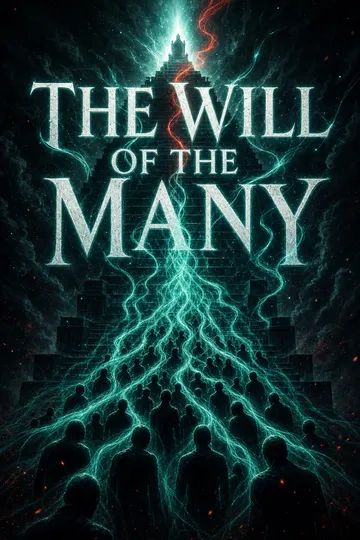
„Der Wille der Vielen“ behandelt Themen wie Opferbereitschaft, Durchhaltevermögen und den Kampf gegen unterdrückerische Machtstrukturen. Durch Vis' Reise taucht die Erzählung tief in die Komplexität von Vertrauen, Loyalität und den persönlichen Preis von Konflikten ein. Die Geschichte unterstreicht die Bedeutung von strategischem Denken und Anpassungsfähigkeit in einer Welt voller Geheimnisse und Manipulation. Das Buch ist zugleich ein Kommentar zur Natur von Macht und der Möglichkeit von Veränderung – es fordert die Leser auf, über die Folgen ihrer Entscheidungen und die Aussicht auf eine bessere Zukunft nachzudenken.
Andere lasen auch




FAQ
Synopsis & Basic Details
What is The Will of the Many about?
- A young man's struggle: The story follows Vis, an orphan with a mysterious past, as he navigates a world controlled by the Catenan Hierarchy, a society that uses a system of Will to maintain power.
- Secrets and conspiracies: Vis becomes entangled in a web of secrets, conspiracies, and political intrigue, forcing him to question everything he thought he knew about the world and his place in it.
- A journey of self-discovery: The narrative explores Vis's journey of self-discovery as he grapples with his past, his unique abilities, and the choices he must make to survive and potentially change the oppressive system.
Why should I read The Will of the Many?
- Intricate world-building: The novel presents a richly detailed world with a unique magic system based on the concept of "Will," offering a fresh take on fantasy world-building.
- Complex characters: The story features morally grey characters with hidden motivations, making for compelling and unpredictable interactions and relationships.
- Political intrigue and action: The plot is a blend of political maneuvering, strategic planning, and intense action sequences, keeping readers engaged and invested in the outcome.
What is the background of The Will of the Many?
- Post-Cataclysm world: The story is set in a world recovering from a cataclysmic event, with remnants of a previous civilization influencing the present.
- Catenan Hierarchy: The Catenan Republic is a powerful, oppressive force that controls the world through a system of Will, a form of energy that can be ceded and manipulated.
- Social stratification: The Hierarchy is structured in a pyramid system, with different ranks (Octavus, Septimus, Sextus, etc.) each having varying degrees of power and influence.
What are the most memorable quotes in The Will of the Many?
- "Courage," he whispers. He pours heartbreak and hope into the word. He lets go. This quote, from the opening scene, encapsulates the theme of sacrifice and sets the tone for Vis's journey.
- "Chain your anger in the dark, my mother used to tell me, and it will only thrive." This quote reveals a key aspect of Vis's character, highlighting his internal struggle with rage and the need to control it.
- "Stronger together." This recurring phrase, a motto of the Catenan Republic, is a stark reminder of the Hierarchy's manipulative use of unity to maintain control.
What writing style, narrative choices, and literary techniques does James Islington use?
- Intricate plotting: Islington employs a complex plot structure with multiple layers of intrigue, keeping readers guessing and engaged.
- Character-driven narrative: The story is heavily focused on character development, with the narrative often shifting to explore the inner thoughts and motivations of the main characters.
- Foreshadowing and symbolism: The author uses subtle foreshadowing and recurring symbols to hint at future events and deepen the thematic resonance of the story.
Hidden Details & Subtle Connections
What are some minor details that add significant meaning?
- The game of Foundation: The strategic board game that Vis plays with Hrolf is not just a pastime, but a reflection of Vis's strategic mind and his ability to think several steps ahead, a skill that proves crucial throughout the story.
- The color red: The color red is used repeatedly, from the blood on Vis's father's hands to the crimson light of the naumachia, symbolizing violence, sacrifice, and the oppressive nature of the Hierarchy.
- The use of Vetusian: The dead language Vetusian, spoken by Hospius and Nateo, hints at a hidden history and a connection to a time before the Hierarchy, suggesting that there are forces at play beyond the Republic's control.
What are some subtle foreshadowing and callbacks?
- The mention of the Bibliotheca: Vis's time at the Bibliotheca, initially presented as a way to pass time, foreshadows his later use of knowledge and history to understand the Hierarchy and its secrets.
- The description of the Transvect: The initial description of the Transvect as a "Will-powered behemoth" foreshadows its later destruction and the revelation of the Anguis's ability to manipulate Will.
- The recurring phrase "Stronger Together": This phrase, used by both the Hierarchy and Hospius, is a callback to the opening scene where Vis's father uses the word "courage," highlighting the contrast between genuine unity and forced compliance.
What are some unexpected character connections?
- Ulciscor and Caeror: The connection between Ulciscor and his deceased brother, Caeror, is a driving force behind Ulciscor's actions, revealing a personal stake in the larger conflict.
- Lanistia and Caeror: The revelation that Lanistia and Caeror were close adds a layer of complexity to her character, explaining her harshness and her desire to see Vis succeed.
- Vis and Estevan: The connection between Vis and Estevan, a former advisor to his father, reveals a hidden network of resistance and a shared history that transcends the Hierarchy's control.
Who are the most significant supporting characters?
- Hrolf: The Septimus guard at Letens Prison, Hrolf, provides a glimpse into the lives of those who serve the Hierarchy, and his interactions with Vis highlight the human cost of the system.
- Gaufrid: The bookkeeper at the Letens Theatre, Gaufrid, is a minor character who provides a sense of normalcy and a connection to the world outside the Hierarchy's control.
- Praeceptor Taedia: The teacher at the Academy, Taedia, is a complex character who challenges Vis and pushes him to his limits, while also showing a degree of understanding and empathy.
Psychological, Emotional, & Relational Analysis
What are some unspoken motivations of the characters?
- Ulciscor's desire for revenge: While he presents himself as a strategic thinker, Ulciscor's actions are driven by a deep-seated desire for revenge for his brother's death, which he believes was caused by Veridius.
- Lanistia's need for justice: Lanistia's harshness and dedication to Vis's training stem from her own personal loss and her desire to see justice served for Caeror's death.
- Vis's yearning for belonging: Despite his resistance to the Hierarchy, Vis is driven by a deep-seated desire for belonging and connection, which is evident in his relationships with Hrolf, Gaufrid, and even Emissa.
What psychological complexities do the characters exhibit?
- Vis's internal conflict: Vis struggles with his desire for revenge and his need to survive, often torn between his anger and his desire to protect those he cares about.
- Ulciscor's obsession: Ulciscor's grief over his brother's death has led to an obsession with uncovering the truth, often blinding him to the potential consequences of his actions.
- Lanistia's stoicism: Lanistia's stoic demeanor hides a deep well of pain and a desire for justice, making her a complex and compelling character.
What are the major emotional turning points?
- Vis's father's sacrifice: The opening scene, where Vis's father sacrifices himself, is a major emotional turning point that shapes Vis's journey and his desire for justice.
- The discovery of the Sappers: Vis's encounter with the Sappers and the brutal reality of their purpose is a major emotional turning point, solidifying his hatred for the Hierarchy.
- The betrayal at the naumachia: The betrayal by Emissa is a major emotional turning point, forcing Vis to confront the complexities of trust and loyalty.
How do relationship dynamics evolve?
- Vis and Hrolf: The relationship between Vis and Hrolf evolves from a simple working partnership to a bond of mutual respect and understanding, highlighting the human connections that can form even in oppressive environments.
- Vis and Lanistia: The relationship between Vis and Lanistia evolves from one of mentor and student to a more complex dynamic of mutual respect and understanding, as they both grapple with their pasts.
- Vis and Ulciscor: The relationship between Vis and Ulciscor is complex, marked by a mixture of guidance, manipulation, and a shared desire for justice, highlighting the blurred lines between ally and enemy.
Interpretation & Debate
Which parts of the story remain ambiguous or open-ended?
- The true nature of the Cataclysm: The cause of the Cataclysm remains a mystery, leaving open the possibility that the Hierarchy's use of Will may have played a role.
- The purpose of the ruins: The purpose of the ruins and the technology they contain remains ambiguous, leaving open the possibility of a greater threat beyond the Hierarchy.
- The true nature of the Remnants: The nature of the Remnants and their connection to the Labyrinth remains unclear, leaving open the possibility of a deeper, more sinister force at play.
What are some debatable, controversial scenes or moments in The Will of the Many?
- Vis's actions at the naumachia: Vis's brutal beating of the Sextus at the Letens Theatre raises questions about the morality of violence and the extent to which it can be justified.
- Ulciscor's manipulation of Vis: Ulciscor's use of Vis as a pawn in his own personal quest for revenge raises questions about the ethics of using others for one's own purposes.
- The nature of the Anguis: The Anguis's methods and their willingness to sacrifice innocent lives raise questions about the morality of resistance and the potential for corruption even in those who fight against oppression.
The Will of the Many Ending Explained: How It Ends & What It Means
- Vis's decision to join the Censor: Vis's decision to join the Censor's office is a complex one, driven by a desire to change the system from within, but also by a need to survive and protect those he cares about.
- The unresolved conflict with the Anguis: The story ends with the Anguis still at large, and with Vis's connection to them still a threat, leaving open the possibility of future conflict and the need for Vis to make difficult choices.
- The ambiguous nature of the future: The ending leaves the future uncertain, with Vis's path still unclear and the fate of the Hierarchy still in question, highlighting the ongoing struggle for power and the need for constant vigilance.
Hierarchy Buchreihe

PDF herunterladen
EPUB herunterladen
.epub digital book format is ideal for reading ebooks on phones, tablets, and e-readers.








































