Resumen de la trama
El viaje del Champion
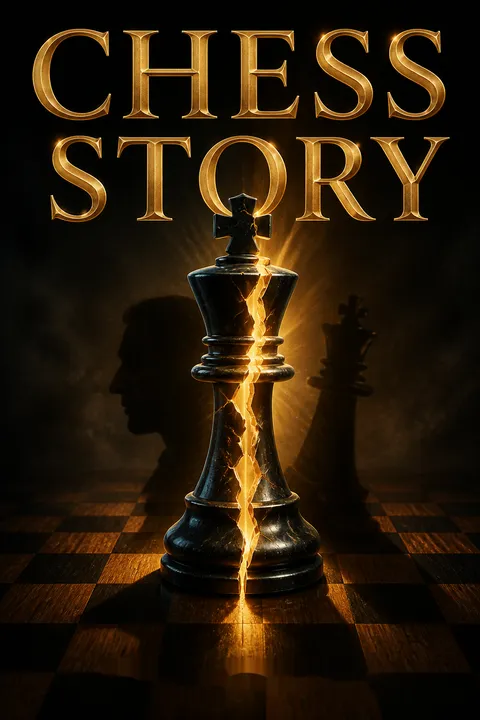
En un imponente buque de pasajeros que navega de Nueva York a Buenos Aires, los viajeros están conmocionados por la presencia de Mirko Czentovic, el campeón mundial de ajedrez. Conocido por su arrogancia y su falta de tacto social, Czentovic es un prodigio que surgió de la nada para alcanzar la fama, a pesar de sus evidentes limitaciones intelectuales fuera del tablero. Su presencia en el barco intriga a un grupo de aficionados al ajedrez, entre ellos el narrador, quienes están ansiosos por desafiarlo. Sin embargo, la actitud distante de Czentovic y su exigencia de una tarifa desorbitada para jugar los disuade, hasta que un pasajero adinerado, McConnor, decide pagar por una partida. El escenario queda así listo para una batalla de ingenio contra el enigmático campeón.
El misterioso desafiante
Justo cuando los pasajeros se enfrentan a una derrota inevitable ante Czentovic, un hombre misterioso, el Dr. B., interviene con un consejo estratégico que cambia el rumbo del juego. Su repentina aparición y su profundo conocimiento del ajedrez asombran al grupo. El Dr. B. revela que no ha jugado al ajedrez en más de veinte años y, sin embargo, su capacidad para prever los movimientos y contrarrestar las estrategias de Czentovic resulta asombrosa. Los pasajeros, intrigados por la habilidad del Dr. B. y su misterioso pasado, lo instan a jugar una partida directa contra el campeón. El Dr. B. acepta a regañadientes, preparando el terreno para un enfrentamiento que promete revelar mucho más que una simple destreza ajedrecística.
El oscuro regalo del aislamiento
El Dr. B. relata su desgarradora experiencia bajo el cautiverio nazi, donde fue sometido a un extremo aislamiento. Privado de cualquier estímulo mental, tropezó por casualidad con un libro de partidas de ajedrez, que se convirtió en su única vía de escape del vacío opresivo. En su celda, memorizó y reprodujo las partidas en su mente, desarrollando un extraordinario tablero de ajedrez mental. Esta dedicación obsesiva al ajedrez fue a la vez una salvación y una maldición, ya que mantuvo su mente despierta pero también lo llevó al borde de la locura. Su relato revela el costo psicológico del aislamiento y la delgada línea que separa al genio de la demencia.
El juego de sombras
Las partidas de ajedrez internas del Dr. B. se convirtieron en una batalla entre dos identidades, cada una de las cuales luchaba por el dominio. Esta dualidad autoimpuesta provocó un cisma mental en el que jugaba en ambos lados del tablero, creando una lucha paradójica dentro de su propia mente. La intensa concentración requerida para mantener este tablero mental lo empujó a un estado de febril obsesión, desdibujando las fronteras entre la realidad y la imaginación. Su historia pone de relieve los peligros del esfuerzo mental extremo y el poder seductor de las actividades intelectuales cuando se utilizan como refugio de la realidad.
Una mente dividida
La obsesión del Dr. B. con el ajedrez culminó en un colapso mental que lo llevó a la hospitalización. La experiencia lo dejó temeroso de volver al juego, ante el miedo de sufrir una recaída en la locura que una vez lo consumió. A pesar de sus reservas, el desafío contra Czentovic representa una oportunidad para poner a prueba su resistencia mental. La partida se convierte en un enfrentamiento simbólico, no solo contra el campeón, sino contra los demonios de su pasado. La lucha del Dr. B. subraya las cicatrices psicológicas que deja el trauma y la batalla constante por la estabilidad mental.
El enfrentamiento final
La tan esperada partida entre el Dr. B. y Czentovic se desarrolla con una tensión creciente. Los rápidos cálculos y la previsión estratégica del Dr. B. le dan inicialmente una ventaja, desconcertando al campeón. Sin embargo, a medida que avanza el juego, las viejas compulsiones del Dr. B. resurgen, amenazando con desmoronar su compostura. La partida se convierte en una prueba de resistencia, en la que el ritmo pausado y deliberado de Czentovic exacerba la ansiedad del Dr. B.. El duelo psicológico entre ambos hombres refleja el conflicto interno del Dr. B., mientras lucha contra los restos de su manía inducida por el ajedrez.
El costo del genio
El Dr. B. finalmente triunfa sobre Czentovic, una victoria que resulta tan estimulante como inquietante. El triunfo reafirma su destreza intelectual, pero también reaviva las tendencias obsesivas que tanto teme. Al reconocer el peligro, el Dr. B. decide no volver a jugar al ajedrez nunca más, comprendiendo que el juego, que alguna vez fue su salvavidas, ahora representa una amenaza para su cordura. Su historia sirve como un conmovedor recordatorio de la delgada línea que separa la brillantez de la locura, y de los sacrificios personales que a menudo se ocultan tras la fachada del genio.
Analysis
Exploración del genio y la locura"Novela de ajedrez" se adentra en las complejidades psicológicas del genio, utilizando el ajedrez como una metáfora de la capacidad de la mente tanto para la brillantez como para la obsesión. La narrativa de Stefan Zweig examina la delgada línea que separa el dominio intelectual de la locura, destacando los costos personales de un esfuerzo mental extremo. La historia reflexiona sobre el impacto del trauma y el aislamiento, ofreciendo un conmovedor comentario sobre la condición humana. A través del viaje del Dr. B., Zweig explora temas como la resiliencia, la identidad y la lucha constante por el equilibrio mental frente a la adversidad. La novela corta se presenta como una exploración atemporal del potencial de la mente y sus vulnerabilidades, resonando con fuerza en los lectores modernos que se enfrentan a preguntas existenciales similares.
Resumen de reseñas
Novela de ajedrez es una poderosa novela corta que explora los impactos psicológicos del aislamiento y la obsesión. La obra sigue a dos ajedrecistas sumamente opuestos: un campeón mundial y un misterioso hombre que aprendió a jugar ajedrez mientras estaba prisionero de los nazis. Los lectores elogian el magistral retrato que hace Zweig de la mente humana bajo circunstancias extremas. La historia es vista como una alegoría del enfrentamiento entre el fascismo y la democracia durante la Segunda Guerra Mundial. A pesar de su brevedad, la novela deja una huella duradera, profundizando en temas como la resiliencia mental, la naturaleza del genio y la delgada línea que separa la cordura de la locura.
También leyeron






Characters
Mirko Czentovic
Czentovic es el vigente campeón mundial de ajedrez, conocido por su inigualable habilidad en el tablero, pero carente de tacto social y cultural. Su ascenso desde un origen humilde hasta la fama está marcado por una dedicación exclusiva al ajedrez, con exclusión de todo lo demás. La arrogancia de Czentovic y su indiferencia hacia los demás ponen de manifiesto su aislamiento, tanto autoimpuesto como circunstancial. Su personaje encarna el tema del genio que no está templado por una comprensión más amplia del mundo: un sabio en un campo sumamente estrecho.
Dr. B.
El Dr. B. es un antiguo abogado que sufrió tortura psicológica durante su cautiverio bajo el régimen nazi. Su aislamiento lo llevó a una entrega obsesiva al ajedrez, que se convirtió a la vez en su salvación y en su condena. El personaje del Dr. B. es un estudio sobre la resiliencia y las cicatrices psicológicas del trauma. Su lucha interna y su eventual victoria sobre Czentovic reflejan su batalla continua contra los fantasmas de su pasado, resaltando la delgada línea que separa al genio de la locura.
McConnor
McConnor es un ingeniero escocés con un fuerte espíritu competitivo y un ego herido. Su disposición a pagar por una partida contra Czentovic nace del deseo de ponerse a prueba, a pesar de su limitada destreza. El personaje de McConnor añade una capa de tensión y urgencia a la narrativa, ya que su orgullo y sus recursos financieros preparan el terreno para la partida de ajedrez crucial. Sus interacciones con el Dr. B. y Czentovic revelan las dinámicas del ego y la ambición.
Plot Devices
Psychological Isolation
La historia utiliza el confinamiento solitario del Dr. B. para explorar los efectos del aislamiento extremo en la psique humana. Privado de estímulos externos, el Dr. B. se repliega sobre sí mismo, encontrando consuelo y locura en el ejercicio mental del ajedrez. Este recurso narrativo resalta la doble naturaleza del aislamiento: como crisol del genio y, al mismo tiempo, como caldo de cultivo para la demencia, subrayando la profundidad psicológica del relato.
Duality of Self
El intento del Dr. B. de jugar al ajedrez contra sí mismo crea una dualidad dentro de su mente, un recurso argumental central que impulsa la narración. Este conflicto interno es un reflejo de la partida de ajedrez real contra Czentovic, lo que añade capas de tensión y complejidad a la trama. La dualidad de uno mismo sirve como metáfora de temas más amplios como la identidad, la cordura y la lucha por mantener el control sobre la propia mente.
Preguntas frecuentes
Synopsis & Basic Details
What is Chess Story about?
- Psychological chess duel: Chess Story explores the psychological battle between a world chess champion, Czentovic, and a mysterious amateur, Dr. B., whose chess skills were honed during a traumatic period of isolation.
- Trauma and obsession: The novella delves into the effects of extreme isolation and the development of obsessive behaviors as a coping mechanism, using chess as a central metaphor.
- Genius and madness: It examines the fine line between intellectual brilliance and mental instability, questioning the true cost of genius and the fragility of the human mind.
Why should I read Chess Story?
- Intense psychological drama: The story offers a gripping exploration of the human psyche under duress, with a focus on the internal struggles of its characters.
- Thought-provoking themes: It raises profound questions about the nature of genius, the impact of trauma, and the power of obsession, making it a compelling read for those interested in psychological depth.
- Masterful storytelling: Stefan Zweig's elegant prose and skillful narrative techniques create a captivating and unforgettable reading experience.
What is the background of Chess Story?
- Historical context of Nazism: The story is set against the backdrop of Nazi Germany's rise to power, with Dr. B.'s imprisonment and torture reflecting the horrors of the era.
- Psychological exploration: Zweig uses the historical context to delve into the psychological impact of oppression and isolation, exploring how individuals cope with extreme circumstances.
- Personal reflection: Written in exile shortly before Zweig's suicide, the novella can be seen as a personal reflection on the loss of his world and the psychological toll of displacement.
What are the most memorable quotes in Chess Story?
- "Nothing on earth puts more pressure on the human mind than nothing.": This quote encapsulates the psychological torture of isolation and the desperate need for mental stimulation.
- "The more one limits oneself, the closer one is to the infinite.": This quote highlights the paradoxical nature of monomania and the intense focus that can lead to both genius and madness.
- "I don't want to fall again into that passionate chess fever, which I recall with nothing but horror.": This quote reveals Dr. B.'s fear of relapsing into his obsessive state and the lasting impact of his trauma.
What writing style, narrative choices, and literary techniques does Stefan Zweig use?
- Frame narrative: Zweig employs a frame narrative, with a first-person narrator who introduces the story and then allows Dr. B. to recount his experiences, creating a sense of intimacy and distance.
- Psychological realism: The writing style is characterized by its focus on the inner lives of the characters, with detailed descriptions of their thoughts, feelings, and motivations.
- Symbolism and metaphor: Chess serves as a powerful symbol for the human mind and the battle between reason and madness, while the game itself becomes a metaphor for the characters' internal struggles.
Hidden Details & Subtle Connections
What are some minor details that add significant meaning?
- Czentovic's pocket chess set: The detail that Czentovic always carries a pocket chess set highlights his inability to visualize the game without a physical board, revealing his lack of imaginative depth.
- The calendar in the anteroom: The calendar in the Gestapo anteroom, with the date "July 27," becomes a symbol of hope and a turning point for Dr. B., as it leads to his discovery of the chess book.
- The raindrop on the coat: The description of a raindrop clinging to a coat in the anteroom emphasizes Dr. B.'s heightened sensory awareness and his desperate need for any form of stimulation during his isolation.
What are some subtle foreshadowing and callbacks?
- McConnor's competitive nature: McConnor's initial frustration with losing at chess foreshadows his later obsession with defeating Czentovic, highlighting his pride and competitive spirit.
- Dr. B.'s twitch: The recurring twitch at the corner of Dr. B.'s mouth foreshadows his mental instability and the lasting effects of his trauma, becoming more pronounced as he plays chess.
- The doctor's warning: The doctor's warning to Dr. B. about the dangers of chess foreshadows his relapse into obsessive behavior during the final game, emphasizing the fragility of his recovery.
What are some unexpected character connections?
- Czentovic and Dr. B. as opposites: Despite their contrasting backgrounds and personalities, both Czentovic and Dr. B. are defined by their singular focus on chess, highlighting the diverse ways in which obsession can manifest.
- McConnor and the narrator: The narrator's initial curiosity about Czentovic is mirrored by McConnor's desire to challenge him, creating an unexpected connection between the two characters.
- The ship's passengers as a collective: The passengers' shared fascination with chess and their collective desire to see Czentovic defeated create a sense of community, despite their individual differences.
Who are the most significant supporting characters?
- McConnor: McConnor's wealth and competitive nature drive the plot, as he funds the games against Czentovic and provides a foil to Dr. B.'s intellectual depth.
- The narrator: The narrator acts as a conduit for the story, providing context and observations that enhance the reader's understanding of the characters and their motivations.
- The Gestapo guard: The silent guard in Dr. B.'s cell represents the dehumanizing nature of oppression and the psychological toll of isolation, highlighting the cruelty of the Nazi regime.
Psychological, Emotional, & Relational Analysis
What are some unspoken motivations of the characters?
- Czentovic's need for validation: Czentovic's arrogance masks a deep-seated insecurity and a need to prove his worth through his chess victories, stemming from his humble beginnings.
- Dr. B.'s desire for self-discovery: Dr. B.'s decision to play chess again is driven by a desire to understand the nature of his madness and to test the limits of his mental resilience.
- McConnor's quest for recognition: McConnor's obsession with defeating Czentovic is fueled by a need for recognition and a desire to assert his dominance, reflecting his competitive nature.
What psychological complexities do the characters exhibit?
- Czentovic's intellectual limitations: Czentovic's inability to grasp concepts outside of chess reveals a narrowness of mind and a lack of emotional depth, highlighting the limitations of his genius.
- Dr. B.'s fractured psyche: Dr. B.'s experience with isolation and self-imposed chess games leads to a fractured sense of self, with his mind divided between his rational and obsessive tendencies.
- McConnor's fragile ego: McConnor's easily bruised ego and his need for constant validation reveal a deep-seated insecurity and a lack of self-awareness.
What are the major emotional turning points?
- Dr. B.'s discovery of the chess book: This moment marks a turning point in Dr. B.'s captivity, as it provides him with a means of escape and a focus for his mental energy, albeit one that leads to obsession.
- Dr. B.'s intervention in the game: Dr. B.'s unexpected intervention in the game against Czentovic marks a shift in the narrative, as it reveals his hidden talent and sets the stage for the final confrontation.
- Dr. B.'s breakdown during the final game: Dr. B.'s loss of control during the final game highlights the fragility of his mental state and the lasting impact of his trauma, emphasizing the dangers of his obsession.
How do relationship dynamics evolve?
- Initial curiosity to rivalry: The initial curiosity of the passengers towards Czentovic evolves into a collective desire to see him defeated, highlighting the power of shared experience.
- Mentor to opponent: Dr. B.'s initial role as a mentor to the passengers shifts as he becomes Czentovic's opponent, revealing the complex dynamics of competition and rivalry.
- Uneasy alliance to concern: The narrator's initial fascination with Dr. B. evolves into concern as he witnesses his mental instability, highlighting the complexities of human relationships.
Interpretation & Debate
Which parts of the story remain ambiguous or open-ended?
- Dr. B.'s long-term recovery: The story leaves Dr. B.'s long-term mental health ambiguous, with his decision to never play chess again suggesting a fragile recovery and a lingering fear of relapse.
- Czentovic's inner thoughts: Czentovic's motivations and inner thoughts remain largely unexplored, leaving his character somewhat enigmatic and open to interpretation.
- The narrator's role: The narrator's personal biases and limited perspective leave room for interpretation, as his observations may not always be entirely objective.
What are some debatable, controversial scenes or moments in Chess Story?
- Dr. B.'s "chess sickness": The concept of "chess sickness" as a form of mental overstimulation is open to debate, as it raises questions about the nature of obsession and the limits of human endurance.
- Czentovic's resignation: Czentovic's sudden resignation in the first game can be interpreted as either a sign of his defeat or a strategic move to unsettle Dr. B., highlighting the complexities of his character.
- Dr. B.'s final breakdown: Dr. B.'s breakdown during the final game can be seen as either a tragic relapse or a necessary step in his recovery, depending on one's interpretation of his mental state.
Chess Story Ending Explained: How It Ends & What It Means
- Dr. B.'s self-imposed exile: Dr. B.'s decision to never play chess again signifies his recognition of the dangers of his obsession and his commitment to preserving his mental stability, highlighting the cost of his genius.
- Czentovic's continued arrogance: Czentovic's final remark about Dr. B.'s talent, while seemingly generous, reinforces his arrogance and his inability to understand the psychological toll of the game, emphasizing his limited emotional depth.
- The enduring power of trauma: The ending underscores the lasting impact of trauma and the ongoing struggle for mental equilibrium, suggesting that the scars of the past can never be fully erased.
Sobre el autor
Otros libros de Stefan Zweig


Descargar PDF
Descargar EPUB
.epub digital book format is ideal for reading ebooks on phones, tablets, and e-readers.








































