Ideas clave
1. Reconoce e Identifica tus Patrones de Pensamiento Excesivo
Pensar demasiado ocurre cuando no puedes sacar algo de tu mente y tienes pensamientos incontrolables o intrusivos que parecen no desaparecer.
La trampa del pensamiento excesivo. Pensar demasiado se manifiesta como preocupación constante, rumiar sobre eventos pasados o ansiedad por el futuro. Puede causar insomnio, dificultad para tomar decisiones y baja productividad. Señales comunes incluyen dudar de ti mismo, sobreanalizar situaciones y miedo al fracaso.
Tipos de pensamiento excesivo:
- Rumiar: Repetir mentalmente eventos pasados
- Preocuparse en exceso: Predecir resultados negativos futuros
- Parálisis por análisis: Incapacidad para decidir debido a pensar demasiado
Para liberarte del pensamiento excesivo, comienza por reconocer tus patrones. Lleva un diario para registrar tus pensamientos e identificar los detonantes. Al ser consciente, podrás empezar a aplicar estrategias para manejar y redirigir tu mente.
2. Reserva un Tiempo Específico para Preocuparte y Controlar los Pensamientos Ansiosos
Al establecer un momento concreto para preocuparte, practicas decirle a tus preocupaciones que no tienes tiempo ahora, pero que más tarde dedicarás un espacio para atender esos problemas.
Preocupación programada. Destina un tiempo específico cada día, preferiblemente lejos de la hora de dormir, para ocuparte de tus preocupaciones. Esta técnica ayuda a contener los pensamientos ansiosos y evita que dominen todo tu día. Durante tu tiempo asignado para preocuparte:
- Anota tus inquietudes
- Analízalas objetivamente
- Piensa en posibles soluciones
- Crea planes de acción para los problemas que puedas resolver
Al separar tus preocupaciones en un espacio definido, liberas espacio mental para actividades más productivas y reduces la ansiedad general. Si surgen preocupaciones fuera de ese tiempo, reconócelas brevemente y pospón su análisis detallado hasta la próxima sesión.
3. Desafía y Reformula los Pensamientos Negativos
Cuando reemplazas pensamientos negativos a propósito, reconoces esos pensamientos y creas el hábito de pensar de forma más positiva.
Reestructuración cognitiva. Los pensamientos negativos suelen originarse en distorsiones cognitivas, patrones irracionales que distorsionan nuestra percepción de la realidad. Entre las distorsiones comunes están el pensamiento todo o nada, la sobregeneralización y la catastrofización. Para desafiar estos pensamientos:
- Identifica el pensamiento negativo
- Examina las pruebas a favor y en contra
- Considera explicaciones alternativas
- Reformula el pensamiento de manera más equilibrada y realista
Practica sustituir el diálogo interno negativo por afirmaciones positivas. Por ejemplo, en lugar de “No soy lo suficientemente bueno”, di “Estoy aprendiendo y mejorando cada día”. Desafiar y reformular consistentemente los pensamientos negativos puede reprogramar tu mente hacia un pensamiento más positivo con el tiempo.
4. Practica la Atención Plena y Mantente en el Presente
La atención plena es cuando te permites estar intencionalmente en el momento presente.
Conciencia del momento presente. La atención plena es una herramienta poderosa para combatir el pensamiento excesivo y la ansiedad. Consiste en enfocarte en el aquí y ahora sin juzgar. Practicarla regularmente puede reducir el estrés, mejorar la regulación emocional y aumentar el bienestar general.
Técnicas de atención plena:
- Ejercicios de respiración profunda
- Meditación de escaneo corporal
- Observación consciente del entorno
- Participar plenamente en actividades diarias (por ejemplo, comer con atención)
Comienza con sesiones cortas diarias y aumenta la duración gradualmente. Incorpora la atención plena en tu rutina con recordatorios o asociándola a actividades específicas, como tu café matutino o tu paseo vespertino.
5. Desarrolla un Diálogo Interno Positivo y Confianza en Ti Mismo
La confianza en uno mismo es cuando te sientes seguro de que tus juicios, habilidades, poder, valores y decisiones son correctos, entre otras cosas.
Construcción de seguridad personal. El diálogo interno positivo y la confianza son esenciales para superar el pensamiento excesivo y alcanzar tus metas. Para desarrollar confianza:
- Reconoce tus logros pasados
- Establece y cumple metas pequeñas y alcanzables
- Practica la autocompasión
- Desafía creencias que te limitan
- Visualiza el éxito en tus proyectos futuros
Crea un “diario de confianza” donde registres tus logros, comentarios positivos y fortalezas personales. Revísalo y actualízalo regularmente para reforzar tu seguridad. Recuerda que la confianza es una habilidad que se cultiva con práctica constante y refuerzo positivo.
6. Despeja tu Mente Mejorando el Sueño y la Toma de Decisiones
Si los síntomas anteriores te resultan familiares o has sido diagnosticado, aquí tienes algunas recomendaciones para dormir mejor:
Cultivo de claridad mental. Dormir bien y tomar decisiones efectivas son clave para una mente despejada. Mejora tu higiene del sueño con:
- Horarios de sueño regulares
- Rutinas relajantes antes de dormir
- Limitar el uso de pantallas antes de acostarte
- Mantener tu habitación fresca, oscura y silenciosa
Para tomar mejores decisiones:
- Prioriza según importancia y urgencia
- Divide decisiones complejas en partes manejables
- Aplica la regla “5-5-5”: ¿Importará esto en 5 días, 5 meses o 5 años?
- Confía en tu intuición, pero verifica con hechos cuando sea posible
Al mejorar la calidad del sueño y tus habilidades para decidir, reduces el desorden mental y creas espacio para un pensamiento más claro y enfocado.
7. Crea un Ambiente y Relaciones Positivas
Tu felicidad puede depender de las relaciones que tienes y la compañía que eliges.
Entorno de apoyo. Tu ambiente y relaciones influyen mucho en tu estado mental. Para fomentar un ambiente positivo:
- Identifica y limita la exposición a influencias negativas
- Rodéate de personas que te apoyen y eleven
- Practica la gratitud por los aspectos positivos de tu vida
- Crea un espacio físico que promueva calma y productividad
En tus relaciones:
- Establece límites claros con personas negativas o tóxicas
- Comunica abierta y honestamente tus necesidades
- Cultiva relaciones que impulsen tu crecimiento personal
- Practica la escucha activa y la empatía
Recuerda que está bien alejarte de relaciones que constantemente agotan tu energía o fomentan pensamientos negativos.
8. Implementa Prácticas Diarias para Vencer la Procrastinación
Eres mucho más poderoso de lo que crees, ¡solo tú puedes decidir si ser un procrastinador o una persona productiva!
Mejora de la productividad. La procrastinación suele surgir del pensamiento excesivo y la ansiedad ante las tareas. Para superarla:
- Aplica la “Regla de los Dos Minutos”: si una tarea toma menos de dos minutos, hazla de inmediato
- Divide tareas grandes en pasos pequeños y manejables
- Usa la Matriz de Eisenhower para priorizar según importancia y urgencia
- Establece metas específicas y alcanzables con plazos definidos
- Emplea técnicas de bloqueo de tiempo para dedicar periodos de trabajo enfocado
Estrategias adicionales:
- Elimina distracciones durante tus sesiones de trabajo
- Recompénsate al completar tareas
- Sé compasivo contigo mismo si caes en la procrastinación
Al aplicar estas prácticas de forma constante, generarás impulso y crearás un ciclo positivo de productividad, reduciendo el pensamiento excesivo y la ansiedad relacionada con las tareas pendientes.
También leyeron



Preguntas frecuentes
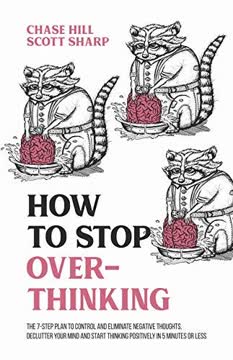
What is "How to Stop Overthinking" by Chase Hill about?
- Comprehensive 7-Step Plan: The book provides a structured, step-by-step approach to help readers control and eliminate negative thoughts, declutter their minds, and start thinking positively.
- Focus on Overthinking: It explains what overthinking is, why it happens, and how it can lead to anxiety, stress, and other mental health issues.
- Practical Techniques: The book offers actionable strategies, exercises, and daily practices to break the cycle of overthinking and develop healthier thought patterns.
- Holistic Approach: It covers related topics such as dealing with negative thoughts, applying positivity, improving sleep, decision-making, and overcoming procrastination.
Why should I read "How to Stop Overthinking" by Chase Hill?
- Understand Your Mind: The book helps you identify the root causes of your overthinking and provides clarity on how your mind works.
- Actionable Solutions: It offers practical, easy-to-implement tactics that can be used immediately to reduce mental chatter and anxiety.
- Improved Well-being: By following the advice, you can expect better sleep, increased productivity, and a more positive outlook on life.
- Support for Mental Health: The book addresses common mental health challenges like anxiety, depression, and OCD, making it valuable for anyone struggling with these issues.
What are the key takeaways from "How to Stop Overthinking" by Chase Hill?
- Awareness is the First Step: Recognizing when and why you overthink is crucial to breaking the cycle.
- Challenge and Replace Thoughts: Learn to question negative or irrational thoughts and replace them with more constructive ones.
- Mindfulness and Presence: Practicing mindfulness helps anchor you in the present, reducing the power of past regrets and future worries.
- Daily Habits Matter: Consistent daily practices, such as exercise, journaling, and setting routines, are essential for long-term change.
How does "How to Stop Overthinking" by Chase Hill define overthinking, and what are its main symptoms?
- Definition of Overthinking: Overthinking is described as uncontrollable, repetitive, and intrusive thoughts that often focus on the past ("ruminating") or the future ("excessive worrying").
- Common Symptoms: Signs include insomnia, anxiety, overanalyzing, perfectionism, second-guessing, headaches, muscle tension, fatigue, and inability to be present.
- Physical and Emotional Impact: Overthinking can lead to stress-related physical symptoms and emotional exhaustion.
- Cycle of Overthinking: The book explains how these symptoms are interconnected, creating a vicious cycle that can be hard to break without intervention.
What are the main causes of overthinking according to "How to Stop Overthinking" by Chase Hill?
- Fear and Denial: Overthinking often stems from fear of the unknown, fear of failure, or denial of uncomfortable truths.
- Need for Control: A strong desire to control outcomes and avoid uncertainty can fuel obsessive thought patterns.
- Perfectionism: Striving for perfection and fearing mistakes can lead to chronic indecision and mental paralysis.
- Underlying Disorders: Conditions like generalized anxiety disorder (GAD), depression, and OCD can be both causes and consequences of overthinking.
What are the 10 powerful tactics to stop anxiety and worrying in "How to Stop Overthinking" by Chase Hill?
- Set a Worry Time: Allocate a specific time each day to address your worries, then move on.
- Practice Mindfulness: Stay present and observe your thoughts without judgment.
- Exercise Regularly: Physical activity helps release "feel good" chemicals and reduces mental energy for worrying.
- Identify Control: Focus on what you can control and let go of what you can't.
- Evaluate Fears: Challenge the reality and likelihood of your fears.
- Meditation: Use breathing and relaxation techniques to calm your mind.
- Positive Self-Talk: Replace negative self-talk with empowering affirmations.
- Replace Worries with Truths: Remind yourself of facts and realistic outcomes.
- Shift from "What if" to "How can I": Focus on solutions rather than hypothetical problems.
- Accept the Unknown: Embrace uncertainty as a natural part of life.
How does "How to Stop Overthinking" by Chase Hill recommend dealing with negative thoughts?
- Acknowledge and Observe: Notice negative thoughts without judgment or avoidance.
- Acceptance and Commitment Therapy (ACT): Change your relationship with thoughts rather than trying to eliminate them.
- Switch Focus: Distract yourself with positive activities or memories when negativity arises.
- Practice Self-Love: Treat yourself with kindness and respond to negative self-talk as you would to a friend.
- Remove Toxicity: Identify and distance yourself from toxic environments and relationships that fuel negativity.
What is the "brain reboot" method in "How to Stop Overthinking" by Chase Hill, and how does it help?
- Stop Multitasking: Focus on one task at a time to reduce mental overload.
- Deliberate Immersion: Allocate distraction-free time slots for focused work, as recommended by Daniel Levitin.
- Attention Filtering: Separate time for focused tasks and mind-wandering to reset your brain.
- Four Steps to Mindfulness: Relabel, reattribute, refocus, and revalue thoughts to rewire your brain's response to mental chatter.
- Overcome Analysis Paralysis: Prioritize decisions, break them into smaller parts, and seek outside perspectives to avoid getting stuck.
How does "How to Stop Overthinking" by Chase Hill address fear and exposure therapy?
- Acknowledge and Accept Fear: Recognize that fear is real and valid, whether rational or irrational.
- Break Down Fears: Analyze the risks, best/worst-case scenarios, and your ability to handle them.
- Face Fears Gradually: Use exposure therapy techniques (in vivo, imaginal, virtual reality, interoceptive) to confront fears in a controlled way.
- Rewire the Brain: Repeated exposure helps diminish the power of fear and reduces avoidance behaviors.
What strategies does "How to Stop Overthinking" by Chase Hill offer for applying positivity and changing your mood?
- Focus on Positives: Reflect on at least three positive things each day.
- Acts of Kindness: Doing something nice for others boosts your own positivity.
- Be Present: Mindfulness helps you notice and appreciate positive moments.
- Self-Love and Gratitude: Practice gratitude and self-acceptance to foster a positive mindset.
- Change Body Language and Environment: Use exercise, motivational material, and humor to shift your mood.
How does "How to Stop Overthinking" by Chase Hill help with decluttering your mind, improving sleep, and making better decisions?
- Develop Sleep Routines: Establish bedtime rituals, limit technology, and use your bed only for sleep to combat insomnia.
- Daily Exercise and Relaxation: Physical activity and relaxation techniques help quiet mental chatter.
- Decision-Making Frameworks: Use structured approaches to identify problems, research solutions, and make confident choices.
- Self-Confidence Building: Reflect on achievements, set small goals, and commit to personal growth to boost confidence and clarity.
What are the recommended daily practices to overcome procrastination in "How to Stop Overthinking" by Chase Hill?
- Prepare for Emergencies: Anticipate and plan for unexpected events to minimize disruption.
- Daily Reviews: Spend a few minutes each day reviewing priorities and tasks.
- Focus on MITs: Identify and complete your Most Important Tasks first.
- Use the Eisenhower Matrix: Categorize tasks by urgency and importance to manage time effectively.
- Quick Task Completion: Apply the Two-Minute Rule and single-handle tasks to prevent buildup and reduce stress.
What are the best quotes from "How to Stop Overthinking" by Chase Hill and what do they mean?
- "Your thoughts do not define your actions." – Reminds readers that they have the power to choose their responses, regardless of intrusive thoughts.
- "Stop worrying about what you did today and start living in the moment." – Encourages mindfulness and letting go of past regrets.
- "Positivity – just like negativity – consumes us." – Highlights the contagious nature of both positive and negative thinking, urging readers to choose positivity.
- "You are way more powerful than you think, so ONLY you can decide whether to become a procrastinator or a productive individual!" – Empowers readers to take control of their habits and mindset for a more fulfilling life.