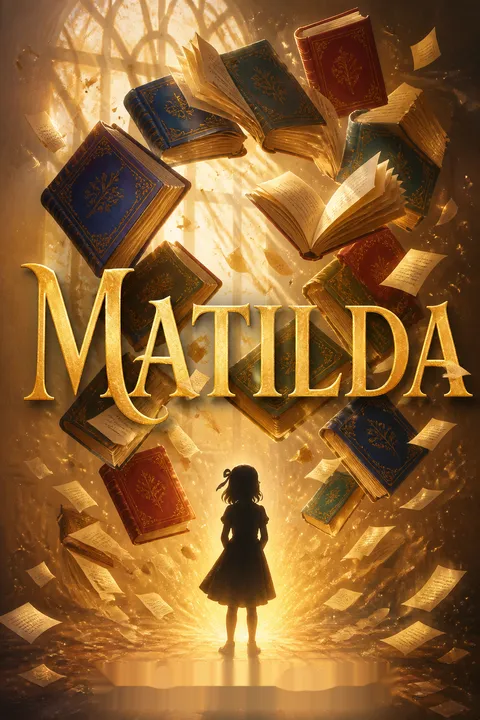
Resumen de la trama
La Brillantez Oculta de Matilda
Matilda Wormwood es una niña prodigio, capaz de leer a Dickens y resolver complejos problemas matemáticos a la edad de cinco años. A pesar de su brillantez, sus padres, el señor y la señora Wormwood, la desestiman como una molestia. Ellos están más interesados en la televisión y en sus propios asuntos triviales que en fomentar los talentos de su hija. Matilda, sintiéndose descuidada e incomprendida, encuentra consuelo en los libros, que se convierten en su refugio frente a la dura realidad de su hogar.
La Negligencia de los Wormwood
Los Wormwood son ajenos a los dones de Matilda. El señor Wormwood es un vendedor de autos deshonesto, y la señora Wormwood está obsesionada con el bingo. Menosprecian a Matilda, llamándola parlanchina y fastidiosa. Sin embargo, Matilda no es alguien a quien se pueda subestimar. Ideando ingeniosas bromas, se venga del maltrato de sus padres, demostrando su astucia y capacidad de ingenio.
El Descubrimiento de la Biblioteca
Matilda descubre la biblioteca local, donde se sumerge en el mundo de la literatura. Se hace amiga de la bibliotecaria, la señora Phelps, quien queda maravillada por la habilidad lectora de Matilda. Matilda devora libros de Dickens, Hemingway y Kipling, ampliando su mente y encontrando un sentido de pertenencia en las historias que lee. La biblioteca se convierte en su santuario, un lugar donde puede escapar del abandono de sus padres y explorar las maravillas del mundo.
La Temible Trunchbull
Matilda comienza la escuela en Crunchem Hall, donde conoce a la temible directora, la señorita Trunchbull. Conocida por su gobierno tiránico y su odio hacia los niños, la señorita Trunchbull es una adversaria formidable. Aterroriza tanto a estudiantes como a profesores, usando su fuerza y autoridad para infundir miedo. Sin embargo, Matilda no se intimida. Pronto se da cuenta de las injusticias en la escuela y comienza a tramar su propia forma de resistencia.
El Poder Secreto de Matilda
Durante un enfrentamiento con la señorita Trunchbull, Matilda descubre que posee poderes telequinéticos. Impulsada por su enojo y frustración, es capaz de mover objetos con la mente. Esta habilidad recién descubierta le otorga a Matilda un sentido de control y los medios para luchar contra las fuerzas opresoras en su vida. Practica sus poderes en secreto, perfeccionando sus habilidades para los desafíos que se avecinan.
El Pasado de la Señorita Honey
Matilda se hace amiga de su amable y gentil maestra, la señorita Honey, quien reconoce las extraordinarias capacidades de Matilda. La señorita Honey le confía a Matilda su propio pasado problemático, revelando que fue criada por su cruel tía, la señorita Trunchbull, quien aún controla su vida. Matilda está decidida a ayudar a la señorita Honey a recuperar su herencia y liberarse del dominio de la señorita Trunchbull.
El Plan se Despliega
Matilda idea un plan para usar sus poderes telequinéticos y asustar a la señorita Trunchbull para que renuncie al control sobre la vida de la señorita Honey. Durante una asamblea escolar, Matilda utiliza sus poderes para escribir un mensaje en la pizarra, fingiendo ser el fantasma del padre de la señorita Honey. El mensaje exige que la señorita Trunchbull devuelva la herencia a la señorita Honey. Aterrorizada, la señorita Trunchbull huye, dejando libre a la señorita Honey para reclamar su vida.
Un Nuevo Comienzo
Con la partida de la señorita Trunchbull, la señorita Honey regresa a la casa familiar, y la vida de Matilda mejora notablemente. Sus padres, huyendo de la ley debido a las actividades criminales del señor Wormwood, aceptan que Matilda se quede con la señorita Honey. Finalmente, Matilda encuentra el hogar amoroso y solidario que siempre anheló, y junto a la señorita Honey forman un vínculo estrecho, viviendo felices juntas.
Personajes
Matilda Wormwood
Matilda es una niña con una inteligencia extraordinaria y un amor profundo por la lectura. A pesar del abandono de sus padres, mantiene un corazón bondadoso y una gran capacidad de ingenio. Sus poderes telequinéticos simbolizan su fuerza interior y su determinación para luchar contra la injusticia. El camino de Matilda es uno de autodescubrimiento y empoderamiento, aprendiendo a aprovechar sus habilidades para ayudar a quienes ama.
Señorita Honey
La señorita Honey es la maestra gentil y comprensiva de Matilda, quien reconoce su potencial. Tiene un pasado trágico, habiendo sido criada por su tía abusiva, la señorita Trunchbull. A pesar de sus dificultades, la señorita Honey permanece compasiva y dedicada a sus alumnos. Su relación con Matilda es transformadora, pues ambas encuentran fortaleza y consuelo en la otra.
Señorita Trunchbull
La señorita Trunchbull es la temible directora de Crunchem Hall, conocida por su trato brutal hacia estudiantes y profesores. Es un símbolo de opresión y abuso de poder. Su caída llega cuando Matilda usa sus poderes telequinéticos para exponer su crueldad, lo que provoca su huida y la liberación de la señorita Honey.
Señor Wormwood
El señor Wormwood es el padre de Matilda, un vendedor de autos corrupto que menosprecia la inteligencia de su hija. Está más preocupado por sus propios engaños que por el bienestar de Matilda. Sus actividades criminales finalmente lo alcanzan, obligando a la familia a huir, lo que permite que Matilda se quede con la señorita Honey.
Señora Wormwood
La señora Wormwood es la madre de Matilda, obsesionada con el bingo y la televisión. Muestra poco interés en la vida de Matilda y desestima los talentos de su hija. Su naturaleza negligente contribuye al sentimiento de aislamiento de Matilda y a su deseo de encontrar un ambiente más acogedor.
Bruce Bogtrotter
Bruce es un alumno de Crunchem Hall que se convierte en símbolo de resistencia contra la tiranía de la señorita Trunchbull. Es obligado a comerse un pastel de chocolate entero como castigo, pero su determinación y fortaleza inspiran a sus compañeros y presagian la eventual derrota de la señorita Trunchbull.
Lavender
Lavender es la mejor amiga de Matilda en la escuela, conocida por su espíritu aventurero y lealtad. Apoya a Matilda en sus iniciativas y comparte sus triunfos. La amistad de Lavender brinda a Matilda compañía y ánimo a lo largo de su camino.
Señora Phelps
La señora Phelps es la bibliotecaria que introduce a Matilda en el mundo de los libros. Reconoce la inteligencia de Matilda y le proporciona los recursos para explorar sus intereses. Su apoyo ayuda a Matilda a desarrollar su amor por la lectura y el aprendizaje.
Recursos Narrativos
Telequinesis
Los poderes telequinéticos de Matilda representan su fuerza interior y su capacidad para tomar el control de su vida. Este recurso narrativo le permite enfrentarse a las fuerzas opresoras, especialmente a la señorita Trunchbull. Funciona como metáfora del viaje de autodescubrimiento y empoderamiento de Matilda.
Libros y Lectura
Los libros son un recurso central en la historia de Matilda, ofreciéndole un escape de su hogar negligente y un medio para descubrirse a sí misma. A través de la lectura, Matilda amplía su mente y encuentra un sentido de pertenencia. Los libros simbolizan el conocimiento, el empoderamiento y el poder transformador de la educación.
El Pasado de la Señorita Honey
El pasado trágico de la señorita Honey y su relación con la señorita Trunchbull motivan las acciones de Matilda. Su deseo de ayudar a la señorita Honey a recuperar su vida impulsa la trama y resalta temas de justicia y resiliencia. La historia de fondo de la señorita Honey añade profundidad a su personaje y fortalece su vínculo con Matilda.
Análisis
"Matilda" es una historia sobre el poder del conocimiento y la resiliencia frente a la adversidad. La inteligencia y determinación de Matilda le permiten superar el abandono y la crueldad que enfrenta en su hogar y en la escuela. Su camino destaca la importancia de la educación y el poder transformador de los libros. La novela también explora temas de justicia y empoderamiento, ya que Matilda utiliza sus poderes telequinéticos para luchar contra la opresión y ayudar a quienes ama. A través de su amistad con la señorita Honey, Matilda encuentra el amor y el apoyo que siempre anheló, ilustrando el impacto de las relaciones positivas y la fuerza que se encuentra en la unión.
También leyeron




Preguntas frecuentes
Synopsis & Basic Details
What is Matilda about?
- Prodigy overcomes neglect: Matilda is about a brilliant young girl who is neglected and mistreated by her parents. Despite their lack of support, she discovers a love for reading and learning, eventually developing telekinetic powers.
- Battling injustice at school: Matilda uses her abilities to stand up to the tyrannical headmistress, Miss Trunchbull, and help her kind teacher, Miss Honey, reclaim her life.
- Finding a loving home: Ultimately, Matilda finds a loving home with Miss Honey, escaping her neglectful family and embracing a future filled with learning and happiness.
Why should I read Matilda?
- Celebrates intelligence and kindness: The book champions intelligence, kindness, and the importance of standing up for what is right, making it an inspiring read for all ages.
- Offers an escape into imagination: Dahl's whimsical writing style and Matilda's extraordinary abilities provide a delightful escape into a world of imagination and wonder.
- Explores themes of justice and family: Matilda explores themes of justice, family, and the power of the individual to overcome adversity, resonating with readers on a deep emotional level.
What is the background of Matilda?
- Published in 1988: The story was published in 1988, reflecting a time when children's literature was beginning to explore more complex themes and empowered protagonists.
- British cultural context: The setting is a small English village, reflecting Dahl's own experiences and observations of British society and its quirks.
- Focus on education and social class: The story touches on themes of education, social class, and the importance of nurturing children's talents, reflecting broader societal concerns.
What are the most memorable quotes in Matilda?
- "I'm right and you're wrong, I'm big and you're small, and there's nothing you can do about it.": This quote encapsulates Miss Trunchbull's abuse of power and her disdain for children, highlighting the central conflict of the story.
- "If you are good, life is also good.": This quote reflects Miss Honey's gentle nature and her belief in the power of kindness, offering a contrasting perspective to the Wormwoods' and Trunchbull's negativity.
- "Somewhere inside all of us is the power to change the world.": This quote embodies the theme of empowerment and Matilda's journey of self-discovery, inspiring readers to believe in their own potential.
What writing style, narrative choices, and literary techniques does Roald Dahl use?
- Child-like perspective and humor: Dahl employs a child-like perspective and dark humor to create a whimsical and engaging narrative, appealing to both children and adults.
- Exaggeration and caricature: He uses exaggeration and caricature to create memorable and often grotesque characters, such as the Wormwoods and Miss Trunchbull, amplifying the story's themes.
- Simple language and direct storytelling: Dahl's simple language and direct storytelling make the book accessible to young readers, while his clever plot twists and moral messages keep them entertained and engaged.
Hidden Details & Subtle Connections
What are some minor details that add significant meaning?
- The Wormwoods' TV addiction: The constant presence of the television in the Wormwood household symbolizes their ignorance and lack of intellectual curiosity, contrasting sharply with Matilda's love for reading.
- Miss Honey's poverty: Miss Honey's impoverished living conditions highlight the extent of Miss Trunchbull's cruelty and greed, emphasizing the injustice she has suffered.
- The library as a sanctuary: The description of the library as a quiet, cozy haven underscores its importance as a refuge for Matilda, providing her with a sense of belonging and intellectual stimulation.
What are some subtle foreshadowing and callbacks?
- Mr. Wormwood's car scams: His dishonest business practices foreshadow the family's eventual need to flee the country, creating a sense of impending doom.
- Matilda's early pranks: Her initial pranks on her parents foreshadow her later, more significant acts of rebellion against Miss Trunchbull, demonstrating her growing confidence and resourcefulness.
- Miss Honey's fear of Trunchbull: Her initial timidity and fear of Miss Trunchbull foreshadow the extent of Trunchbull's control over her life and the challenges she faces in reclaiming her inheritance.
What are some unexpected character connections?
- Miss Honey and Miss Trunchbull's familial relationship: The revelation that Miss Trunchbull is Miss Honey's aunt adds a layer of complexity to their conflict, highlighting the personal nature of their struggle.
- Mr. Wormwood and Miss Trunchbull's business dealings: Their brief interaction regarding the car sale connects Matilda's home life with her school life, emphasizing the pervasive nature of corruption and dishonesty in her world.
- Fred's parrot and the "ghost": The parrot's ability to say "Hallo, hallo, hallo!" and "Wee my bones" is a seemingly throwaway detail that later becomes crucial to Matilda's plan to scare Miss Trunchbull.
Who are the most significant supporting characters?
- Mrs. Phelps: As the librarian, she provides Matilda with access to knowledge and a safe space, nurturing her intellectual development and offering a sense of belonging.
- Hortensia: Her stories about Miss Trunchbull's cruelty and her own acts of rebellion inspire Matilda and provide her with valuable insights into the headmistress's character.
- Lavender: As Matilda's best friend, she offers companionship and support, helping Matilda navigate the challenges of school and providing a sense of normalcy in her extraordinary life.
Psychological, Emotional, & Relational Analysis
What are some unspoken motivations of the characters?
- Mr. Wormwood's need for validation: His constant boasting and dishonest business practices stem from a deep-seated need for validation and a desire to feel superior to others.
- Mrs. Wormwood's escapism: Her obsession with bingo and television reflects a desire to escape the boredom and dissatisfaction of her own life, highlighting her emotional neglect of Matilda.
- Miss Trunchbull's insecurity: Her tyrannical behavior and hatred of children mask a deep-seated insecurity and a fear of being challenged or undermined.
What psychological complexities do the characters exhibit?
- Matilda's suppressed anger: Her ability to develop telekinetic powers suggests a deep well of suppressed anger and frustration stemming from her neglectful upbringing.
- Miss Honey's learned helplessness: Her prolonged abuse at the hands of Miss Trunchbull has led to a state of learned helplessness, making it difficult for her to assert herself and reclaim her life.
- Mr. Wormwood's cognitive dissonance: He justifies his dishonest business practices by convincing himself that his customers are fools who deserve to be cheated, revealing a distorted sense of morality.
What are the major emotional turning points?
- Matilda's discovery of the library: This marks a turning point in her emotional development, providing her with a sense of purpose and belonging and fueling her intellectual curiosity.
- Miss Honey's confession to Matilda: This creates a deep bond between them and motivates Matilda to use her powers to help Miss Honey reclaim her life.
- Matilda's successful telekinetic act: This empowers her and gives her the confidence to stand up to Miss Trunchbull, marking a shift from victim to active agent.
How do relationship dynamics evolve?
- Matilda and Miss Honey: Their relationship evolves from teacher-student to a deep, familial bond, providing both with the love and support they have always longed for.
- Matilda and her parents: Their relationship deteriorates throughout the story, culminating in her parents' decision to leave her behind, highlighting the extent of their neglect and lack of affection.
- The students and Miss Trunchbull: The students' relationship with Miss Trunchbull shifts from fear to defiance as Matilda inspires them to resist her tyranny, demonstrating the power of collective action.
Interpretation & Debate
Which parts of the story remain ambiguous or open-ended?
- The origin of Matilda's powers: The story never explicitly explains how Matilda developed her telekinetic abilities, leaving it open to interpretation whether it is a result of her intelligence, her emotional state, or something else entirely.
- The extent of Miss Trunchbull's crimes: While the story implies that Miss Trunchbull may have been responsible for her brother-in-law's death, this is never definitively proven, leaving room for speculation about her true nature.
- The Wormwoods' future: The story ends with the Wormwoods fleeing to Spain, but their ultimate fate is left ambiguous, leaving readers to imagine the consequences of their actions.
What are some debatable, controversial scenes or moments in Matilda?
- Miss Trunchbull's physical abuse of students: The scenes depicting Miss Trunchbull's violent punishments, such as throwing children out of windows or locking them in the Chokey, can be disturbing and raise questions about the appropriateness of such content in children's literature.
- Matilda's pranks on her parents: While Matilda's pranks are often seen as justified, some readers may question whether they are an appropriate response to her parents' neglect, raising ethical considerations about revenge.
- The ending's resolution: The ending, in which Matilda's parents simply abandon her, can be seen as unrealistic and unsatisfying, raising questions about the responsibility of parents and the role of the state in protecting children.
Matilda Ending Explained: How It Ends & What It Means
- Wormwoods' escape and abandonment: Matilda's parents flee to Spain to escape the law, abandoning her and highlighting their ultimate selfishness and lack of parental responsibility.
- Matilda's new family with Miss Honey: Matilda finds a loving home with Miss Honey, symbolizing the importance of chosen family and the transformative power of positive relationships.
- Loss of telekinetic powers: Matilda's loss of her telekinetic powers suggests that she no longer needs them, as she has found a supportive environment where her intelligence and kindness are valued, representing a sense of inner peace and fulfillment.
Descargar PDF
Descargar EPUB
.epub digital book format is ideal for reading ebooks on phones, tablets, and e-readers.








































