
Ideas clave
1. Todos tenemos múltiples partes internas, no solo una mente unificada
Las partes son pequeños seres internos que hacen lo posible por mantenerte a salvo.
La multiplicidad interna es normal. Todos poseemos diferentes aspectos o "partes" de nuestra personalidad, no una mente única y unificada. Estas partes a menudo tienen deseos, creencias y emociones que entran en conflicto. Algunas partes comunes incluyen críticos internos, perfeccionistas, complacientes y tomadores de riesgos. Reconocer nuestra multiplicidad nos permite comprender mejor nuestros conflictos y contradicciones internas.
Las partes se forman en respuesta a las experiencias de vida. Nuestras partes se desarrollan para ayudarnos a sobrellevar experiencias difíciles, especialmente en la infancia. Por ejemplo, una parte crítica pudo haberse formado para protegernos de cometer errores, mientras que una parte complaciente surgió para obtener aprobación y evitar el rechazo. Entender los orígenes y las intenciones positivas de nuestras partes nos permite cultivar mayor autocompasión.
La terapia de Sistemas de Familia Interna (IFS) ofrece un marco para trabajar con nuestras partes internas:
- Identificar las diferentes partes y sus roles
- Comprender cómo interactúan y forman alianzas
- Desprenderse de las partes para acceder a tu Ser esencial
- Sanar las partes heridas mediante el liderazgo del Ser
2. Los exiliados cargan nuestras heridas más profundas y necesitan sanación
Los exiliados suelen estar desesperados por ser atendidos y harán todo lo posible por salir de su exilio en cuanto tengan oportunidad.
Los exiliados guardan nuestro dolor. Las partes exiliadas llevan consigo recuerdos y emociones de experiencias dolorosas del pasado, especialmente traumas infantiles. Estas partes vulnerables suelen ser suprimidas o "exiliadas" porque su dolor resulta abrumador. Sin embargo, exiliar estas partes no resuelve su sufrimiento, solo lo empuja fuera de la conciencia.
La carga del exilio nos afecta. Aunque estén exiliadas, estas partes heridas continúan influyendo en nuestros pensamientos, emociones y comportamientos de manera sutil:
- Baja autoestima y sentimientos de inutilidad
- Dificultad para la intimidad y la confianza
- Reacciones exageradas ante rechazos o críticas percibidas
- Ansiedad persistente, depresión o vacío
Sanar a los exiliados es fundamental. Para sanar verdaderamente, debemos reconectar con compasión con nuestras partes exiliadas, ser testigos de su dolor y ayudarlas a liberar sus cargas. Esto permite que estas partes se transformen e integren de manera saludable. Con paciencia y autocompasión, incluso nuestras partes más heridas pueden sanar.
3. Las partes protectoras intentan mantenernos a salvo pero pueden volverse extremas
Los gestores son niños internos que han asumido roles parentales.
Los protectores nos resguardan del dolor. Las partes protectoras se desarrollan para protegernos del dolor emocional y mantener suprimidas a las partes exiliadas. Existen dos tipos principales de protectores:
- Gestores: controlan nuestro comportamiento para evitar activar a los exiliados
- Bomberos: reaccionan impulsivamente cuando los exiliados se activan
Las estrategias protectoras pueden volverse contraproducentes. Aunque los protectores tienen intenciones positivas, sus estrategias suelen volverse rígidas y extremas con el tiempo. Algunos ejemplos:
- Perfeccionismo y adicción al trabajo
- Adicciones y conductas de entumecimiento
- Ira, crítica y alejamiento de los demás
- Disociación y desapego emocional
Hazte amigo de los protectores para sanar. En lugar de luchar contra ellos, podemos:
- Apreciar su intención positiva de mantenernos a salvo
- Entender a los exiliados vulnerables que protegen
- Negociar con ellos para permitir la sanación de los exiliados
- Ayudarlos a encontrar formas nuevas y saludables de protegernos
4. El Ser es nuestra esencia central de calma, claridad y compasión
Siempre está el Ser. No importa cuán activadas o extremas estén nuestras partes, si logramos separarlas lo suficiente, tendremos acceso al menos a algunas cualidades del Ser.
El Ser es nuestra verdadera naturaleza. Bajo nuestras partes yace nuestro Ser esencial: un estado de calma, claridad, curiosidad, compasión, confianza, creatividad, coraje y conexión. Este Ser está siempre presente, incluso cuando nuestras partes lo ocultan. Acceder al Ser nos permite estar plenamente presentes y responder a la vida con sabiduría.
La energía del Ser tiene poder transformador. Cuando lideramos desde el Ser, podemos:
- Observar nuestras partes con compasión, no con juicio
- Sanar a los exiliados y aliviar a los protectores
- Tomar decisiones alineadas con nuestros valores más profundos
- Conectarnos auténticamente con los demás
- Actuar con valentía en el mundo
Prácticas para acceder al Ser:
- Meditación mindfulness
- "Desprendimiento" de las partes al estilo IFS
- Prácticas corporales como yoga o danza
- Tiempo en la naturaleza
- Expresión creativa
5. Liberar las cargas de nuestras partes permite la transformación y la armonía interior
Cuando se recuperan, liberan sus cargas y se liberan de sus roles, estas partes se convierten en algo muy distinto y siempre valioso.
Las partes cargan con cargas del pasado. Nuestras partes suelen sostener creencias desactualizadas, emociones dolorosas y patrones rígidos derivados de experiencias difíciles. Estas cargas moldean cómo las partes se ven a sí mismas, a los demás y al mundo. Liberar estas cargas permite que las partes suelten lo que ya no les sirve.
El proceso de liberación:
- Acceder a la energía del Ser y mostrar curiosidad hacia la parte
- Ser testigo de la historia de la parte y validar su experiencia
- Recuperar la parte de su estancamiento en el pasado
- Liberar las cargas mediante visualizaciones (por ejemplo, en luz, agua o fuego)
- Invitar cualidades positivas para reemplazar la carga
La transformación ocurre de forma natural. Una vez liberadas, las partes se transforman naturalmente en sus estados originales y valiosos. Por ejemplo:
- Un crítico interno severo se convierte en un mentor alentador
- Un bombero impulsivo se vuelve juguetón y creativo
- Un gestor temeroso y controlador se transforma en un protector discernidor y saludable
6. El liderazgo desde el Ser aporta más sentido, propósito y plenitud
A medida que las personas se vuelven más lideradas por el Ser, actúan altruistamente sin esfuerzo y sin tanto debate interno, porque simplemente les resulta natural querer ayudar a los demás.
Alinéate con tu verdadera naturaleza. Al sanar nuestras partes y liderar más desde el Ser, nos alineamos naturalmente con nuestros valores más profundos y nuestro sentido de propósito. Dejamos de estar impulsados por el miedo, la vergüenza o la necesidad de validación externa. En cambio, nos guía un sentido interno de significado y conexión con algo más grande que nosotros mismos.
Surgen cambios positivos:
- Expresión auténtica de uno mismo
- Mejora en las relaciones y la comunicación
- Mayor resiliencia y capacidad para enfrentar desafíos
- Más compasión hacia uno mismo y los demás
- Sentido de interconexión con toda la vida
- Deseo de contribuir al bienestar de otros y del mundo
La visión emerge de forma orgánica. En lugar de esforzarnos por crear una gran visión o propósito, permitimos que surja naturalmente a medida que nos volvemos más liderados por el Ser. Esto suele implicar un equilibrio entre la autorrealización y el servicio a los demás.
7. Encarnar el Ser genera cambios positivos en nosotros y en el mundo
Las personas lideradas por el Ser se sienten atraídas por prácticas, rituales y tradiciones religiosas que les ayudan a acceder más al Ser y a sentir su conexión con algo más grande y universal.
La encarnación es clave. Habitar plenamente nuestro cuerpo nos permite acceder a más energía del Ser y llevarla al mundo. Muchos estamos desconectados de nuestro cuerpo debido a traumas, condicionamientos culturales o estilos de vida. Prácticas como el movimiento consciente, la respiración y las terapias somáticas nos ayudan a reconectar.
El liderazgo desde el Ser se expande hacia afuera. A medida que encarnamos más el Ser, naturalmente:
- Nos relacionamos con los demás con más compasión y sabiduría
- Tomamos decisiones alineadas con el bienestar de todos
- Actuamos con valentía para crear cambios positivos
- Inspiramos a otros con nuestra presencia y ejemplo
Equilibrar el trabajo interno y externo. La verdadera transformación implica tanto la sanación interna como la acción externa. Podemos:
- Cultivar el liderazgo desde el Ser mediante prácticas internas
- Participar en activismo social y ambiental
- Crear arte, empresas y organizaciones alineadas con nuestros valores
- Construir comunidades basadas en la compasión y la interconexión
Al encarnar más el Ser en nuestra vida diaria, nos convertimos en agentes de cambio positivo en nuestras familias, comunidades y en el mundo en general.
Resumen de reseñas
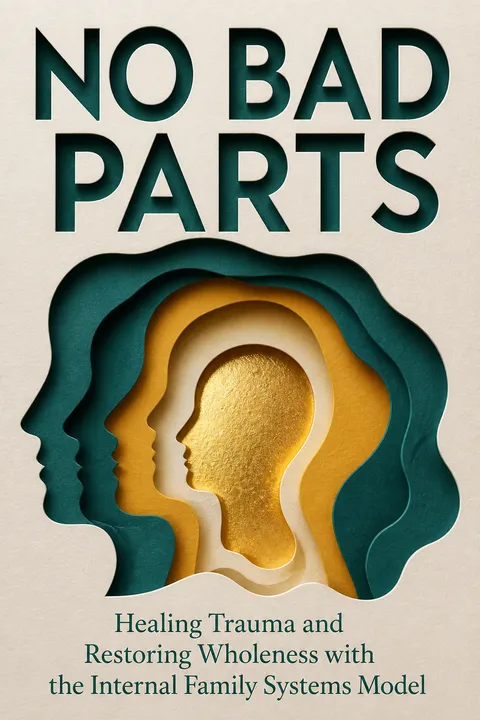
No hay partes malas presenta el enfoque de los Sistemas Familiares Internos (IFS) para la terapia, desarrollado por Richard Schwartz. Muchos lectores encontraron útil la idea de tratar diferentes aspectos de uno mismo como "partes" para sanar traumas y comprender el comportamiento, aunque las opiniones sobre el estilo de escritura de Schwartz y algunas de sus afirmaciones fueron variadas. Algunos valoraron el enfoque compasivo y los ejercicios prácticos, mientras que otros consideraron que el libro era demasiado espiritual o contenía generalizaciones sin fundamento. Varios críticos expresaron inquietudes respecto a la postura de Schwartz sobre la medicación y los diagnósticos de salud mental.
También leyeron






Preguntas frecuentes
What's "No Bad Parts" about?
- Internal Family Systems Model: "No Bad Parts" by Richard C. Schwartz introduces the Internal Family Systems (IFS) model, a therapeutic approach that views the mind as composed of multiple parts, each with its own perspective and role.
- Healing and Transformation: The book emphasizes healing by understanding and transforming these parts, rather than suppressing or fighting them, to achieve inner harmony and self-leadership.
- Spiritual and Psychological Integration: It explores the intersection of spirituality and psychology, suggesting that accessing one's core Self can lead to profound personal and spiritual growth.
- Practical Exercises: The book includes exercises to help readers identify and work with their internal parts, fostering self-compassion and healing.
Why should I read "No Bad Parts"?
- Innovative Approach: The book offers a fresh perspective on mental health by treating all parts of the psyche as valuable, even those that seem destructive or problematic.
- Self-Compassion and Acceptance: It encourages readers to develop self-compassion and acceptance, which can lead to greater emotional resilience and well-being.
- Practical Tools: Provides practical exercises and meditations that readers can use to explore and heal their internal systems.
- Spiritual Insights: Offers insights into how psychological healing can be a spiritual journey, connecting readers to a deeper sense of self and purpose.
What are the key takeaways of "No Bad Parts"?
- Multiplicity of the Mind: The mind is composed of multiple parts, each with its own role and perspective, and understanding these parts is crucial for healing.
- Self-Leadership: The core Self is inherently compassionate, curious, and capable of leading the internal system towards harmony and healing.
- No Bad Parts: All parts, even those that seem negative, have protective intentions and can be transformed through understanding and compassion.
- Spiritual Connection: Healing the internal system can lead to a deeper spiritual connection and a sense of interconnectedness with others and the world.
What is the Internal Family Systems (IFS) model?
- Parts and Self: IFS posits that the mind is made up of distinct parts and a core Self, which is the source of healing and leadership.
- Roles of Parts: Parts can be categorized as exiles, managers, and firefighters, each playing specific roles in response to past experiences and traumas.
- Healing Process: The model involves getting to know these parts, understanding their roles, and helping them unburden their past traumas to restore harmony.
- Self-Leadership: The ultimate goal is to have the Self lead the internal system, fostering balance and well-being.
How does "No Bad Parts" redefine mental health?
- Non-Pathologizing Approach: The book challenges traditional views by suggesting that all parts of the psyche are valuable and not inherently pathological.
- Focus on Healing: Emphasizes healing through understanding and compassion rather than control or suppression of symptoms.
- Integration of Parts: Encourages the integration of all parts into a harmonious whole, rather than isolating or exiling problematic parts.
- Empowerment: Empowers individuals to take an active role in their healing by becoming the primary caretaker of their internal system.
What exercises are included in "No Bad Parts"?
- Getting to Know a Protector: An exercise to identify and understand protective parts of the psyche, fostering a compassionate relationship with them.
- Mapping Your Parts: A method to visually map out the different parts of the internal system and their interactions.
- Unblending and Embodying: A meditation practice to help parts relax and allow the Self to become more embodied and present.
- Dilemma Meditation: An exercise to explore internal conflicts and facilitate dialogue between conflicting parts.
What are the "Eight Cs" of Self-leadership in IFS?
- Curiosity: An open and inquisitive attitude towards all parts of the psyche.
- Calm: A sense of peace and stability that comes from the Self leading the internal system.
- Confidence: Trust in the Self's ability to lead and heal the internal system.
- Compassion: A deep sense of care and understanding for all parts, even those that seem problematic.
How does "No Bad Parts" integrate spirituality?
- Spiritual Essence of Self: The book suggests that the Self is a spiritual essence within everyone, capable of profound healing and transformation.
- Connection to the Divine: Healing through IFS can lead to a deeper connection with a larger spiritual reality or divine presence.
- Nondual Awareness: The Self can experience a state of nondual awareness, where the boundaries between self and others dissolve.
- Spiritual Practices: Encourages the use of spiritual practices, such as meditation, to access and embody the Self.
What are the roles of exiles, managers, and firefighters in IFS?
- Exiles: Vulnerable parts that carry burdens from past traumas and are often locked away to protect the individual from pain.
- Managers: Parts that try to control the environment and behavior to prevent the exiles from being triggered.
- Firefighters: Parts that react when exiles are triggered, often using extreme measures to distract or numb the pain.
- Healing Process: Understanding and transforming these roles is key to achieving internal harmony and healing.
How does "No Bad Parts" address trauma?
- Trauma and Parts: Trauma often leads to the creation of exiles, which carry the burdens of painful experiences.
- Healing Trauma: The book provides a framework for healing trauma by helping parts unburden and transform through the leadership of the Self.
- Compassionate Approach: Emphasizes a compassionate approach to trauma, viewing all parts as protective and valuable.
- Integration and Wholeness: Healing trauma involves integrating all parts into a harmonious whole, leading to a sense of wholeness and well-being.
What are the best quotes from "No Bad Parts" and what do they mean?
- "All parts are welcome." This quote encapsulates the core philosophy of IFS, emphasizing that every part of the psyche has value and deserves compassion.
- "The Self is in everybody." Highlights the belief that everyone has an inherent core Self that is capable of healing and leading the internal system.
- "There are no bad parts, only burdened ones." Suggests that parts are not inherently negative but are burdened by past experiences and can be transformed.
- "Healing is about becoming whole." Reflects the goal of IFS to integrate all parts into a harmonious and balanced internal system.
How can "No Bad Parts" impact personal growth and relationships?
- Self-Understanding: Provides tools for deeper self-understanding and acceptance, leading to personal growth and emotional resilience.
- Improved Relationships: Encourages healthier relationships by fostering self-compassion and reducing internal conflicts that can affect interactions with others.
- Empowerment: Empowers individuals to take charge of their healing journey and become the primary caretaker of their internal system.
- Spiritual Growth: Offers a path to spiritual growth by connecting individuals to their core Self and a larger spiritual reality.
Sobre el autor

Descargar PDF
Descargar EPUB
.epub digital book format is ideal for reading ebooks on phones, tablets, and e-readers.








































