Ideas clave
1. Supera el miedo creyendo en ti mismo y sanando heridas del pasado
"Donde estás no es donde tienes que estar."
Cree en tu potencial. El miedo a hablar en público es común, pero no tiene por qué definirte. Reconoce que tus habilidades actuales no son fijas y que tienes el poder de mejorar. Comienza suspendiendo la incredulidad y adoptando una mentalidad de crecimiento.
Descubre y sana heridas pasadas. Muchas personas arrastran experiencias negativas con el habla en público que siguen afectándolas de manera subconsciente. Identifica esas vivencias y trabaja en ellas:
- Escribe en un diario sobre tus experiencias pasadas al hablar
- Busca ayuda profesional si lo consideras necesario
- Transforma tu historia en un discurso para darle un enfoque positivo
Al abordar estos asuntos profundos, podrás liberarte del miedo y enfrentar el hablar en público con renovada confianza.
2. Canaliza la energía nerviosa hacia un desempeño positivo
"No borres tu miedo; alivia tu miedo. Luego usa esa energía cruda para electrificar tu comunicación."
Convierte el miedo en energía. Los nervios antes de hablar son naturales y pueden ser beneficiosos. En lugar de intentar eliminarlos por completo, aprende a canalizarlos como energía positiva para tu presentación.
Técnicas para canalizar la energía:
- Incorpora pausas intencionadas en tu discurso
- Practica movimientos deliberados y significativos en el escenario
- Llena tu entrega de pasión y entusiasmo genuinos
Al aceptar tu energía nerviosa y redirigirla de forma constructiva, potenciarás tu presencia e impacto como orador.
3. Autenticidad: Sé tú mismo al hablar
"Sé una versión real de ti mismo, no una pobre imitación de otro."
Abraza tus cualidades únicas. Intentar imitar a otros oradores o adoptar una personalidad que no es la tuya solo aumentará tu ansiedad y reducirá tu efectividad. En cambio, identifica y aprovecha tus fortalezas y rasgos naturales.
Descubre y desarrolla tu estilo auténtico:
- Realiza pruebas de personalidad para conocerte mejor
- Graba y revisa tus discursos para detectar áreas de mejora
- Estudia a diversos oradores para inspirarte, pero evita imitarlos directamente
Recuerda que puedes mejorar tus habilidades sin perder tu autenticidad. Enfócate en potenciar lo que te hace único en lugar de intentar ser alguien más.
4. Conecta con tu audiencia hablando a una sola persona
"Habla a todos como si hablaras a uno solo."
Humaniza a tu audiencia. En lugar de ver al público como una masa sin rostro, piensa en ellos como individuos con historias, miedos y aspiraciones propias. Este cambio de perspectiva ayuda a aliviar la ansiedad y a crear una conexión más genuina.
Estrategias para conectar con tu audiencia:
- Llega temprano y conversa con algunos asistentes
- Crea perfiles mentales de los miembros típicos del público
- Durante tu discurso, establece contacto visual y habla como si te dirigieras a una persona a la vez
Al centrarte en conexiones individuales, transformarás un grupo intimidante en un conjunto de oyentes receptivos.
5. Cambia el enfoque de ti mismo hacia tu audiencia
"Cuanto más valores a tu audiencia, más te valorarán a ti."
Prioriza las necesidades del público. En lugar de obsesionarte con tu desempeño, concéntrate en cómo puedes servir mejor a quienes te escuchan. Este cambio reduce la ansiedad y mejora la efectividad de tu mensaje.
Formas de priorizar a tu audiencia:
- Investiga sus antecedentes, intereses y expectativas
- Adapta tu contenido para responder a sus necesidades específicas
- Ofrece valor adicional mediante materiales, recursos o seguimientos
Al hacer que tu presentación gire en torno a ellos y no a ti, serás más atractivo y menos autoconsciente.
6. Prepárate a fondo y practica intensamente
"La primera vez que des el discurso no debe ser la primera vez que lo digas."
Invierte en la preparación. Una preparación minuciosa es clave para reducir la ansiedad y lograr una presentación exitosa. Cuanto más familiarizado estés con tu material y el entorno, más seguro te sentirás.
Pasos esenciales para prepararte:
- Investiga y organiza tu contenido con anticipación
- Practica tu discurso varias veces en distintos contextos
- Familiarízate con el lugar y la tecnología que usarás
- Prepárate para posibles preguntas o imprevistos
Recuerda que prepararte no es solo memorizar, sino también entrenar tu mente y cuerpo, con ejercicios de visualización y descanso adecuado.
7. Mantente presente durante tu discurso
"Este momento se llama presente. Recíbelo como el regalo que es."
Abraza el presente. La ansiedad suele surgir por preocuparse por el futuro o quedarse atrapado en el pasado. Al enfocarte en el momento actual, reduces el estrés y mejoras la conexión con tu audiencia.
Técnicas para estar presente:
- Practica respiraciones profundas antes y durante tu discurso
- Usa técnicas de arraigo para mantenerte enfocado aquí y ahora
- Interactúa con tu público mediante contacto visual y escucha activa
Después de hablar, evita obsesionarte con tu desempeño. Enfócate en aprender de la experiencia y en identificar áreas para mejorar. Recuerda que cada oportunidad de hablar es una ocasión para crecer y desarrollar tus habilidades.
Resumen de reseñas
Hablar Sin Miedo ha recibido opiniones encontradas, aunque muchos valoran sus estrategias prácticas para superar la ansiedad al hablar en público. Los lectores agradecen las anécdotas personales del autor y su enfoque cercano y comprensible. Algunos consideran el libro motivador y útil para fortalecer la confianza, mientras que otros lo critican por carecer de profundidad y originalidad. Las siete estrategias que presenta suelen ser bien recibidas, aunque algunos reseñadores señalan que el contenido puede resultar repetitivo. En conjunto, se considera una guía rápida y accesible para quienes desean mejorar sus habilidades para hablar en público.
También leyeron







Preguntas frecuentes
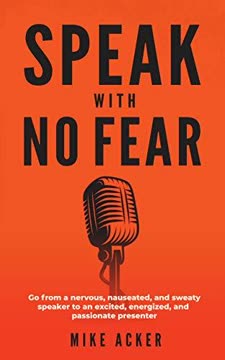
What's "Speak With No Fear" about?
- Overcoming Fear of Speaking: "Speak With No Fear" by Mike Acker is a guide to transforming from a nervous speaker into a confident and passionate presenter.
- Seven Strategies: The book outlines seven strategies designed to help readers manage and overcome their fear of public speaking.
- Personal Experience: Acker shares his personal journey and experiences, providing relatable anecdotes to illustrate the effectiveness of his methods.
- Practical Advice: The book offers actionable steps and exercises to help readers implement the strategies in their own lives.
Why should I read "Speak With No Fear"?
- Practical Solutions: The book provides practical strategies that can be immediately applied to reduce speaking anxiety.
- Personal Growth: It encourages personal development and self-belief, which are crucial for overcoming fear.
- Relatable Stories: Acker's personal anecdotes make the book engaging and relatable, helping readers connect with the material.
- Comprehensive Approach: The book covers both mental and physical aspects of public speaking, offering a holistic approach to overcoming fear.
What are the key takeaways of "Speak With No Fear"?
- Belief in Yourself: The importance of believing in your ability to overcome fear is emphasized throughout the book.
- Preparation and Practice: Acker stresses the need for thorough preparation and practice to build confidence.
- Channeling Energy: The book teaches how to transform nervous energy into a positive force during presentations.
- Focus on the Audience: Shifting focus from oneself to the audience can reduce anxiety and improve delivery.
What are the seven strategies in "Speak With No Fear"?
- Uncover & Clean the Wound: Identify and address past negative experiences related to public speaking.
- Imagine the Worst: Prepare for the worst-case scenarios to manage emotions and gain perspective.
- You Be You: Embrace your unique personality and style rather than imitating others.
- Speak to One: Connect with the audience by speaking as if addressing one person.
- It's Not About You: Focus on the audience's needs and interests rather than your own fears.
- Channel The Power: Use nervous energy to enhance your presentation.
- Be in the Moment: Stay present and enjoy the experience of speaking.
How does Mike Acker suggest dealing with past speaking traumas?
- Uncover the Wound: Acker advises identifying past negative experiences that contribute to speaking anxiety.
- Clean the Wound: He suggests addressing these experiences through journaling, counseling, or turning them into a speech.
- Repurpose the Pain: Find positive outcomes or lessons from past negative experiences to reduce their impact.
- Create a Cool Scar: Transform past wounds into stories that no longer carry negative emotions.
What does "Imagine the Worst" mean in the context of "Speak With No Fear"?
- Prepare for Emotions: By imagining worst-case scenarios, you can prepare emotionally for potential challenges.
- Gain Perspective: Realizing that the worst outcomes are often not as bad as imagined can reduce anxiety.
- Control Emotions: Practicing emotional control in advance helps manage nerves during actual presentations.
- Visualize Success: While imagining the worst, also visualize the best possible outcomes to balance perspective.
How can "You Be You" help in overcoming fear of public speaking?
- Embrace Authenticity: Acker encourages speakers to embrace their unique traits and personality.
- Avoid Imitation: Trying to imitate others can increase anxiety; being yourself reduces this burden.
- Leverage Personal Strengths: Use your natural strengths and style to enhance your presentation.
- Improve Yourself: While being authentic, you can still work on improving your skills and delivery.
What does "Speak to One" entail in "Speak With No Fear"?
- Personal Connection: Focus on speaking to one person in the audience to make the experience less intimidating.
- Understand the Audience: Get to know your audience to better tailor your message and reduce anxiety.
- Perception Affects Reception: Your perception of the audience affects how they receive your message.
- Make It Personal: Treat your speech as a conversation with individuals rather than addressing a crowd.
How does "It's Not About You" reduce speaking anxiety?
- Shift Focus: Concentrate on the audience's needs and interests rather than your own fears.
- Audience Support: Realize that most people want you to succeed, which can alleviate pressure.
- Serve the Audience: Focus on how your message can help or entertain the audience.
- Reduce Self-Scrutiny: By focusing on others, you reduce the tendency to scrutinize yourself excessively.
How can "Channel The Power" transform nervous energy?
- Embrace Nervousness: Accept that nervousness is a sign that you care about your performance.
- Transform Energy: Use the energy from nervousness to enhance your delivery and engage the audience.
- Purposeful Movements: Incorporate pauses and purposeful movements to control and direct your energy.
- Light Up with Passion: Let your passion for the topic shine through, captivating the audience.
What does "Be in the Moment" mean in "Speak With No Fear"?
- Stay Present: Focus on the current moment rather than worrying about past mistakes or future outcomes.
- Enjoy the Experience: Embrace the opportunity to speak and connect with your audience.
- Reflect and Learn: After the presentation, reflect on what went well and what can be improved.
- Avoid Comparison: Don't compare yourself to others; focus on your unique journey and progress.
What are the best quotes from "Speak With No Fear" and what do they mean?
- "Courage is not the absence of fear, but the mastery of it." This quote emphasizes that overcoming fear involves managing it, not eliminating it.
- "Where you are is not where you have to be." Acker encourages readers to believe in their potential for growth and change.
- "Light yourself on fire with passion, and people will come from miles to watch you burn." Passionate delivery can captivate and engage an audience.
- "If you compare and compete, you will live in defeat." Avoid comparing yourself to others to focus on your unique strengths and progress.