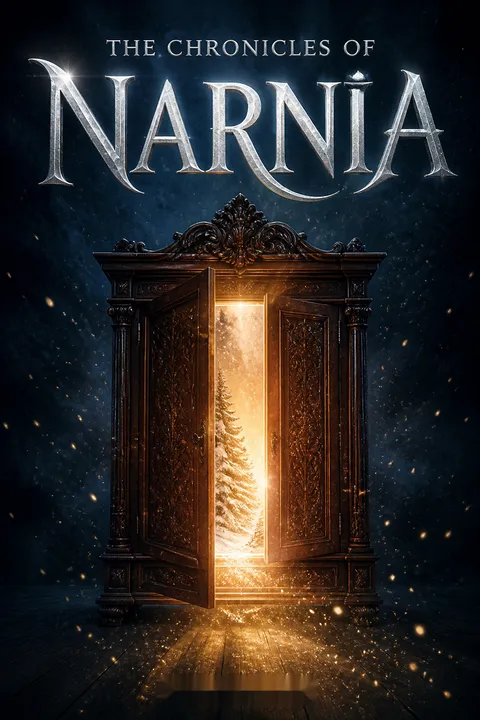

Summary Unavailable
This book is not suitable for a summary (it may be a textbook, workbook, cookbook, reference book, or collection). However, you can still explore the FAQs, about author, and other metadata below!
Resumen de la trama
Un misterioso descubrimiento en el armario
En un día lluvioso, Lucy Pevensie explora la casa del profesor y descubre un armario que conduce a Narnia, una tierra mágica y nevada. Su curiosidad la lleva a adentrarse en este mundo, marcando la frontera entre lo familiar y lo fantástico.
Lucy conoce a un fauno
Lucy conoce al señor Tumnus, un fauno que inicialmente planea traicionarla entregándola a la Bruja Blanca, pero cambia de opinión gracias a la bondad de Lucy. Él le advierte de los peligros de Narnia y la ayuda a regresar al armario.
El encuentro engañoso de Edmund
Edmund sigue a Lucy a Narnia y se encuentra con la Bruja Blanca, quien lo seduce con delicias turcas encantadas y promesas de poder. Este encuentro prepara el escenario para el conflicto, ya que Edmund se debate entre la lealtad a su familia y las tentaciones de la Bruja.
La incredulidad de los hermanos
De vuelta en el mundo real, los hermanos de Lucy descartan su historia sobre Narnia. Edmund, habiendo visitado también Narnia, niega su existencia, lo que profundiza la brecha entre ellos y genera tensión.
El plan secreto de los castores
Los hermanos Pevensie conocen al señor y a la señora Castor, quienes les revelan la profecía del regreso de Aslan y el fin del reinado de la Bruja Blanca. Esta alianza marca el comienzo de su misión para salvar Narnia.
El gélido abrazo de la Bruja
Edmund informa a la Bruja de la presencia de sus hermanos en Narnia. La Bruja planea capturarlos, mientras que los castores y los hermanos restantes se preparan para huir, conscientes de la urgencia de llegar hasta Aslan.
La traición y el arrepentimiento de Edmund
Bajo la influencia de la Bruja, Edmund traiciona a sus hermanos, pero comienza a arrepentirse de sus decisiones al presenciar la crueldad de ella. Su conflicto interno prepara el camino para su eventual redención.
La gélida persecución de la Bruja
La Bruja Blanca persigue a los Pevensie con Edmund a cuestas. A medida que la nieve se derrite, anunciando el regreso de Aslan, la desesperación de la Bruja crece y se vuelve más despiadada.
La llegada de la primavera y la esperanza
A medida que los Pevensie avanzan hacia Aslan, el paisaje se transforma del invierno a la primavera, simbolizando la esperanza y el debilitamiento del poder de la Bruja.
La majestuosa presencia de Aslan
Los Pevensie conocen a Aslan, cuya presencia es a la vez imponente y reconfortante. La sabiduría y la fuerza de Aslan les infunden confianza, preparándolos para la batalla contra la Bruja.
La batalla por Narnia
Los Pevensie, junto a Aslan, se enfrentan en una feroz batalla contra las fuerzas de la Bruja. La intervención de Aslan conduce a la derrota de la Bruja y al restablecimiento de la paz en Narnia.
Comienza la indeseada aventura de Eustace
Eustace Clarence Scrubb, escéptico de Narnia, es arrastrado a ese mundo a través de un cuadro mágico. Le cuesta adaptarse a la vida a bordo del barco y a la realidad de Narnia.
El descubrimiento de la guarida del dragón
Eustace descubre la cueva de un dragón llena de riquezas y, movido por la codicia, se queda dormido sobre el tesoro, transformándose él mismo en un dragón.
Transformación y toma de conciencia
Como dragón, Eustace experimenta el aislamiento y el miedo, lo que despierta en él un deseo de redención y de reconciliación con sus compañeros.
El desafío diplomático de Caspian
Caspian descubre la existencia de la esclavitud en las Islas Solitarias y toma medidas, liberando las islas y restaurando la justicia y el orden.
Un misterioso viaje subterráneo
El trío es conducido a las profundidades del Mundo Subterráneo por los terranos, llegando finalmente a un enorme lago subterráneo y ante una misteriosa Reina.
Las siniestras intenciones de la Reina
La Reina del Mundo Subterráneo revela su intención de utilizar a los viajeros en su plan para conquistar el Mundo Exterior, lo que los impulsa a escapar.
La verdadera Narnia revelada
Al salir del Mundo Subterráneo, los viajeros encuentran una Narnia más vibrante, que simboliza la Narnia eterna más allá de las tierras de las sombras, y son recibidos en un nuevo capítulo de sus vidas.
Analysis
Temas eternos de redención y coraje"Las crónicas de Narnia" de C.S. Lewis es un rico tapiz de aventura, moralidad y fantasía que explora temas como la redención, el coraje y la batalla entre el bien y el mal. A través del viaje de los hermanos Pevensie, Lewis profundiza en las complejidades de la naturaleza humana, la atracción del poder y la fuerza transformadora del perdón y el amor. La estructura narrativa, con sus personajes vívidos y recursos argumentales simbólicos, invita al lector a reflexionar sobre la importancia de la fe, la unidad y la búsqueda de la justicia. El atractivo perdurable de la historia radica en su capacidad para transportar al lector a un mundo donde el triunfo del bien sobre el mal no solo es posible, sino inevitable, ofreciendo una visión esperanzadora de un mundo mejor.
Última actualización:
Report IssueResumen de reseñas
Las crónicas de Narnia es una entrañable serie de fantasía que ha cautivado a lectores durante generaciones. Muchos elogian la imaginación de su universo, sus personajes memorables y su alegoría cristiana. Algunos lectores aprecian las lecciones morales y los temas espirituales de los libros, mientras que otros los consideran excesivos o anticuados. La duradera popularidad de la serie se atribuye a su capacidad para atraer tanto a niños como a adultos, aunque algunos critican la representación de ciertas culturas y roles de género. En general, los libros siguen siendo influyentes y nostálgicos para muchos, a pesar de las opiniones encontradas sobre su contenido religioso y sus implicaciones sociales.
También leyeron

Characters
Lucy Pevensie
Lucy es la menor de los hermanos Pevensie, y su descubrimiento de Narnia pone en marcha la aventura. Su inocencia y bondad son fundamentales, impulsando la narrativa y encarnando la esperanza y el coraje.
Edmund Pevensie
La susceptibilidad de Edmund a la manipulación de la Bruja lo lleva a la traición, pero su eventual redención resalta los temas de la tentación y el perdón.
Mr. Tumnus
Aunque inicialmente planeaba traicionar a Lucy, la conciencia del señor Tumnus prevalece, preparando el terreno para la implicación de los Pevensie en el destino de Narnia.
The White Witch (Jadis)
La Bruja impone un invierno eterno y gobierna mediante el miedo, encarnando la fuerza opresora que los Pevensie deben superar.
Peter Pevensie
Como el hermano mayor, el liderazgo y la valentía de Peter son cruciales en la lucha contra la Bruja, enfatizando los temas de la responsabilidad.
Susan Pevensie
El escepticismo de Susan da paso a la fe, apoyando a sus hermanos en su búsqueda y destacando la importancia de la unión familiar.
Eustace Clarence Scrubb
La transformación de Eustace en dragón lo obliga a enfrentarse a sus propios defectos, lo que le lleva a un profundo cambio de carácter y a una nueva humildad.
King Caspian
El liderazgo de Caspian se caracteriza por la justicia y la diplomacia, mientras supera desafíos y restaura el orden, encarnando los ideales de un verdadero rey.
Puddleglum
La sabiduría y el coraje de Charcoso son cruciales en los esfuerzos del grupo por rescatar al príncipe Rilian, manteniéndolos con los pies en la tierra e inspirados.
Prince Rilian
Hechizado por la Reina, el rescate de Rilian es clave para el éxito de los viajeros, resaltando temas de redención y amor.
Plot Devices
The Wardrobe
El armario simboliza la frontera entre lo cotidiano y lo fantástico, iniciando la aventura y desafiando las percepciones de la realidad.
Turkish Delight
Las delicias turcas encantadas representan el atractivo del poder y la manipulación, catalizando la traición de Edmund y resaltando los desafíos morales.
Aslan
Aslan simboliza la justicia y el fin de la tiranía, inspirando coraje y unidad, y enfatizando los temas del sacrificio y la redención.
The Melting Snow
La transición del invierno a la primavera significa el debilitamiento del poder de la Bruja y el retorno de la influencia de Aslan, reflejando temas de renovación.
Aslan's Sacrifice
El sacrificio de Aslan por Edmund subraya los temas del perdón y el desinterés, siendo fundamental para redimir a Edmund e inspirar a los Pevensie.
The Prophecy
La profecía del ascenso de los Pevensie y la derrota de la Bruja impulsa la historia, otorgando un destino y un propósito a la liberación de Narnia.
The Dragon's Curse
La maldición obliga a Eustace a enfrentarse a sus defectos, destacando temas de redención y crecimiento personal a través de la intervención de Aslan.
Aslan's Signs
Las señales de Aslan guían a los viajeros, enfatizando la fe, la memoria y la perseverancia para superar los desafíos y romper los encantamientos.
The True Narnia
El descubrimiento de la verdadera Narnia simboliza la naturaleza eterna del reino de Aslan, ofreciendo esperanza y un mundo mejor más allá de las tierras de las sombras.
Preguntas frecuentes
Synopsis & Basic Details
What is The Chronicles of Narnia about?
- A Journey Through Worlds: The Chronicles of Narnia tells the story of children who discover the magical world of Narnia, a land filled with talking animals, mythical creatures, and epic battles between good and evil.
- Battles of Good vs. Evil: The series explores the ongoing conflict between the forces of light, led by the majestic lion Aslan, and the forces of darkness, often embodied by tyrannical figures and witches.
- Growth and Transformation: The children, through their adventures in Narnia, undergo significant personal growth, learning about courage, sacrifice, and the importance of faith and loyalty.
Why should I read The Chronicles of Narnia?
- Immersive Fantasy World: The series offers a richly detailed and imaginative world that captivates readers of all ages, with its unique blend of mythology, folklore, and Christian allegory.
- Exploration of Timeless Themes: The books delve into profound themes such as good versus evil, redemption, sacrifice, and the nature of faith, providing valuable insights into the human condition.
- Engaging Characters and Adventures: Readers will be drawn to the memorable characters and their thrilling adventures, which are filled with magic, battles, and emotional depth.
What is the background of The Chronicles of Narnia?
- Allegorical Christian Themes: The series is heavily influenced by Christian theology, with Aslan representing Christ, and the stories often reflecting themes of sacrifice, redemption, and the battle between good and evil.
- World War II Context: The books were written during and after World War II, and the themes of displacement, loss, and the struggle against tyranny reflect the anxieties and hopes of that era.
- Literary and Mythological Influences: C.S. Lewis drew inspiration from various literary and mythological sources, including Greek and Roman mythology, medieval literature, and fairy tales, creating a unique and layered world.
What are the most memorable quotes in The Chronicles of Narnia?
- "Wrong will be right, when Aslan comes in sight.": This quote from The Magician's Nephew encapsulates the hope and promise of Aslan's return, a recurring theme throughout the series.
- "Once a king or queen in Narnia, always a king or queen.": This quote from The Lion, the Witch, and the Wardrobe emphasizes the lasting impact of Narnia on those who have ruled there, highlighting the eternal nature of their experiences.
- "To the last, I oppose you.": This quote from The Last Battle demonstrates the unwavering courage and loyalty of the Narnians, even in the face of ultimate defeat, showcasing the power of conviction.
What writing style, narrative choices, and literary techniques does C.S. Lewis use?
- Allegorical Storytelling: Lewis employs allegory to convey deeper moral and spiritual truths, with characters and events often representing abstract concepts or figures from Christian theology.
- Direct and Accessible Prose: The writing style is clear and straightforward, making the complex themes accessible to younger readers while still engaging adults with its depth and nuance.
- Use of Foreshadowing and Symbolism: Lewis masterfully uses foreshadowing and symbolism to create a sense of anticipation and to enrich the narrative, with recurring motifs like the wardrobe, the lamp-post, and the Stone Table adding layers of meaning.
Hidden Details & Subtle Connections
What are some minor details that add significant meaning?
- The Significance of Names: The names of characters, such as Aslan (meaning "lion" in Turkish) and Tash (a reference to a pagan deity), often carry symbolic weight, hinting at their true nature and roles in the narrative.
- Recurring Motifs: The recurring motifs of light and darkness, winter and spring, and the sea and mountains, subtly reinforce the thematic conflicts and the cyclical nature of good and evil in Narnia.
- The Importance of Small Acts: Seemingly minor acts of kindness, such as Mr. Tumnus's decision to help Lucy, or the mice gnawing through Aslan's ropes, highlight the significance of individual choices and their impact on the larger story.
What are some subtle foreshadowing and callbacks?
- The Deplorable Word: The mention of the Deplorable Word in The Magician's Nephew foreshadows the destructive power of evil and the consequences of unchecked ambition, echoing the themes of later books.
- The Green Rings: The green rings in The Magician's Nephew are later revealed to be the means of returning from other worlds, foreshadowing the children's journeys back to their own world.
- The Prophecy: The various prophecies throughout the series, such as the one about the four thrones at Cair Paravel, create a sense of destiny and interconnectedness, linking different stories and characters.
What are some unexpected character connections?
- The Shared Traits of Villains: The similarities between Uncle Andrew and the White Witch, particularly their shared belief in their own superiority and their disregard for common rules, highlight the nature of evil and its various manifestations.
- The Parallel Journeys of Digory and Eustace: Both Digory and Eustace undergo transformative experiences in Narnia, learning humility and empathy through their encounters with magic and other worlds.
- The Connection Between the Cabby and the First King: The Cabby's transformation into King Frank and his wife's transformation into Queen Helen, reveal the potential for ordinary people to become extraordinary leaders in Narnia.
Who are the most significant supporting characters?
- The Beavers: Mr. and Mrs. Beaver provide crucial guidance and support to the Pevensies, embodying the values of loyalty, hospitality, and practical wisdom.
- Doctor Cornelius: As Caspian's tutor, Doctor Cornelius imparts knowledge of Old Narnia and its history, playing a key role in shaping Caspian's understanding of his heritage and destiny.
- Reepicheep: The valiant mouse embodies courage, honor, and a deep longing for Aslan's country, inspiring others with his unwavering faith and determination.
Psychological, Emotional, & Relational Analysis
What are some unspoken motivations of the characters?
- Edmund's Desire for Recognition: Edmund's initial betrayal stems from a desire for power and recognition, fueled by his feelings of being overlooked and undervalued within his family.
- The White Witch's Fear of Aslan: The White Witch's actions are driven by a deep-seated fear of Aslan and his power, which she attempts to counteract through control and destruction.
- Uncle Andrew's Craving for Power: Uncle Andrew's fascination with magic is rooted in a desire for power and control, which he seeks to achieve through manipulation and exploitation of others.
What psychological complexities do the characters exhibit?
- Digory's Burden of Responsibility: Digory's journey in The Magician's Nephew is marked by his struggle with guilt and responsibility for his actions, highlighting the psychological toll of making difficult choices.
- Eustace's Internal Conflict: Eustace's transformation into a dragon and his subsequent journey reveal his internal struggle with selfishness and his gradual development of empathy and selflessness.
- Susan's Struggle with Faith: Susan's eventual rejection of Narnia reflects her struggle with faith and her desire for a more rational and predictable world, highlighting the challenges of maintaining belief in the face of doubt.
What are the major emotional turning points?
- Lucy's Discovery of Narnia: Lucy's initial encounter with Narnia and her subsequent struggle to convince her siblings mark a turning point in her emotional journey, highlighting her unwavering faith and courage.
- Edmund's Redemption: Edmund's remorse and eventual sacrifice for his siblings represent a major emotional turning point, showcasing the power of forgiveness and the possibility of redemption.
- Caspian's Encounter with Aslan: Caspian's meeting with Aslan and his subsequent acceptance of his role as King mark a significant emotional turning point, highlighting his growth and acceptance of his destiny.
How do relationship dynamics evolve?
- The Pevensie Siblings' Bond: The Pevensie siblings' relationships evolve throughout the series, with their initial conflicts giving way to a deep bond of loyalty, love, and mutual respect.
- The Complex Relationship Between Caspian and Aslan: Caspian's relationship with Aslan is marked by both reverence and a desire for understanding, highlighting the complexities of faith and the search for meaning.
- The Unlikely Friendship Between Eustace and Reepicheep: The unlikely friendship between Eustace and Reepicheep demonstrates the transformative power of shared experiences and the ability to find common ground despite differences.
Interpretation & Debate
Which parts of the story remain ambiguous or open-ended?
- The Nature of Aslan's Country: The exact nature of Aslan's country and its relationship to the other worlds remains ambiguous, inviting readers to contemplate the nature of the afterlife and the ultimate destination of the faithful.
- The Fate of Susan: Susan's rejection of Narnia and her focus on worldly concerns leave her fate open-ended, prompting debate about the nature of faith and the consequences of abandoning one's beliefs.
- The True Identity of Tash: The true nature of Tash and its relationship to Aslan remains ambiguous, raising questions about the nature of evil and the possibility of misinterpreting divine will.
What are some debatable, controversial scenes or moments in The Chronicles of Narnia?
- The Treatment of Susan: Susan's exclusion from Aslan's country has sparked debate about the role of women in the series and the consequences of prioritizing worldly concerns over faith.
- The Depiction of Calormenes: The portrayal of Calormenes as a monolithic, dark-skinned, and often cruel culture has been criticized for perpetuating stereotypes and raising questions about cultural representation.
- The Nature of Aslan's Justice: Aslan's actions, particularly his acceptance of sacrifice and his sometimes harsh judgments, have led to discussions about the nature of divine justice and the complexities of morality.
The Chronicles of Narnia Ending Explained: How It Ends & What It Means
- The End of Narnia: The series concludes with the destruction of Narnia and the transition to a new, more perfect world, symbolizing the end of earthly existence and the promise of eternal life.
- The Reunion in Aslan's Country: The reunion of the Pevensies and other beloved characters in Aslan's country signifies the ultimate reward for faith and loyalty, offering a vision of eternal joy and fulfillment.
- The Importance of the Journey: The ending emphasizes that the journey through Narnia, with all its challenges and triumphs, was ultimately a preparation for a greater reality, highlighting the transformative power of faith and experience.
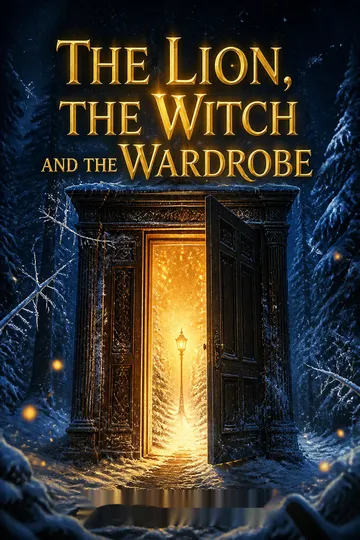
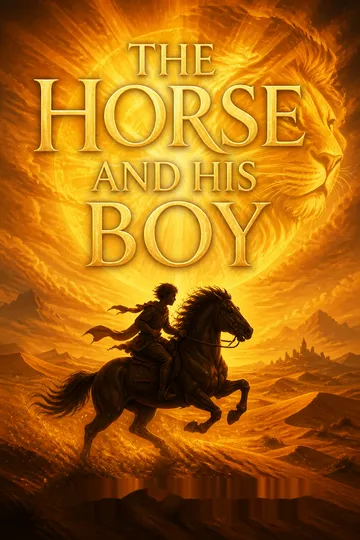
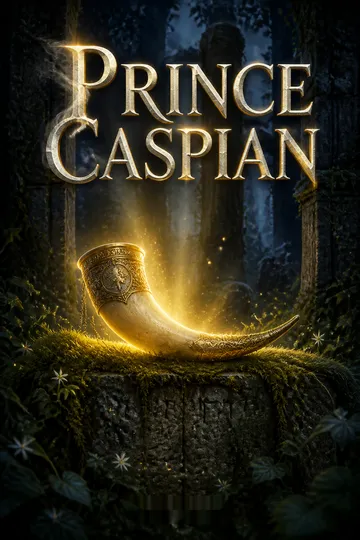
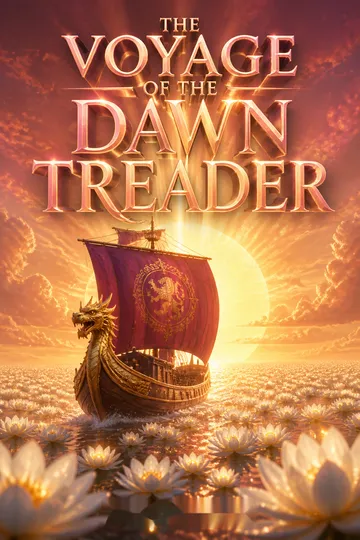
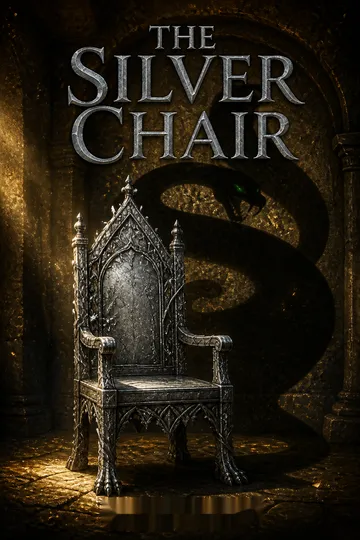
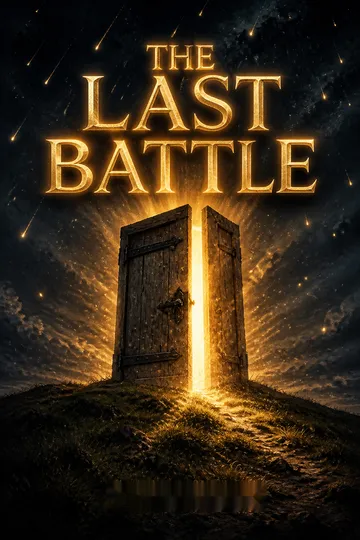
Las Crónicas de Narnia (Orden Cronológico) Serie
Sobre el autor
Clive Staples Lewis fue un renombrado autor, académico y apologista cristiano. Nacido en 1898, se convirtió en una figura prominente de la literatura y la teología del siglo XX. Lewis enseñó en las universidades de Oxford y Cambridge, donde se especializó en literatura medieval y renacentista. Su variada obra incluye escritos académicos, apologética cristiana y novelas de fantasía. Las Crónicas de Narnia, su creación más famosa, ha vendido más de 100 millones de copias en todo el mundo. El matrimonio de Lewis con la poeta Joy Davidman y su amistad con J.R.R. Tolkien influyeron en su vida y obra. Sus escritos continúan inspirando a lectores y académicos de diversas disciplinas.
Otros libros de C.S. Lewis
Descargar PDF
Descargar EPUB
.epub digital book format is ideal for reading ebooks on phones, tablets, and e-readers.








































