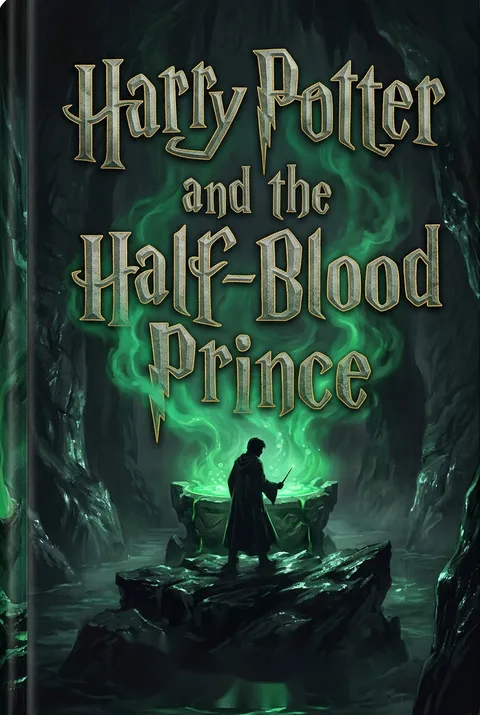

Resumen de la trama
El Encuentro Mágico del Primer Ministro
El Primer Ministro muggle se ve inmerso en el caótico mundo de la magia cuando Cornelius Fudge, el ex Ministro de Magia, lo visita. Fudge presenta a su sucesor, Rufus Scrimgeour, quien advierte sobre los peligros que implica el regreso de Lord Voldemort. El Primer Ministro se entera de la fuga de los Mortífagos y de la alianza de los Dementores con Voldemort, lo que lo llena de ansiedad respecto al futuro. Este encuentro marca el inicio de la interconexión entre los mundos mágico y no mágico, subrayando la creciente amenaza de Voldemort.
Secretos en el Callejón Spinner
Narcissa Malfoy, desesperada por proteger a su hijo Draco, visita a Severus Snape acompañada de su hermana Bellatrix Lestrange. A pesar de la desconfianza de Bellatrix, Snape realiza un Voto Inquebrantable para ayudar a Draco en su peligrosa misión encomendada por Voldemort. Este encuentro revela la compleja red de lealtades y las altas apuestas en los planes de los Mortífagos, anticipando los desafíos que se avecinan para ambos bandos del conflicto.
La Visita Inesperada de Dumbledore
Dumbledore visita a Harry en casa de los Dursley para llevarlo a La Madriguera, compartiendo su intención de darle clases particulares. Además, le pide ayuda para persuadir a Horace Slughorn de que regrese a Hogwarts. La autoridad serena y la mente estratégica de Dumbledore son evidentes, insinuando la importancia de las tareas venideras. Harry queda con un sentimiento de anticipación y responsabilidad mientras se prepara para otro año en Hogwarts, consciente de la creciente amenaza de Voldemort.
El Regreso de Slughorn a Hogwarts
Harry y Dumbledore visitan a Horace Slughorn, ex maestro de Pociones, para convencerlo de que regrese a Hogwarts. Slughorn, atraído por personas influyentes, se deja persuadir ante la perspectiva de enseñar a Harry, el "Elegido". Este capítulo destaca la vanidad de Slughorn y la importancia estratégica de su regreso, así como la habilidad de Dumbledore para manejar a las personas en pos del bien mayor. La presencia de Slughorn en Hogwarts se vuelve crucial en la batalla que se avecina contra Voldemort.
El Misterio del Príncipe Mestizo
Harry encuentra un antiguo libro de Pociones lleno de anotaciones del "Príncipe Mestizo", lo que mejora notablemente sus habilidades en la elaboración de pociones. Este talento recién adquirido le vale elogios del profesor Slughorn y la envidia de sus compañeros. La identidad del Príncipe Mestizo se convierte en fuente de intriga y especulación, añadiendo un elemento de misterio al sexto año de Harry en Hogwarts. El libro simboliza la dualidad del conocimiento y el poder, planteando preguntas sobre su uso ético.
Los Orígenes Oscuros de Voldemort
Dumbledore comparte con Harry un recuerdo de la visita de Bob Ogden a la familia Gaunt, antepasados maternos de Voldemort. El recuerdo muestra la miseria y disfunción del hogar Gaunt, así como los orígenes de la obsesión de Voldemort con la pureza de sangre. Este capítulo ofrece perspectivas cruciales sobre el trasfondo de Voldemort y los factores que moldearon su carácter, profundizando la comprensión de la amenaza que representa y las motivaciones que impulsan sus oscuras ambiciones.
Caos en el Quidditch y Pociones de Amor
Durante un entrenamiento de Quidditch, Ron consume accidentalmente una poción de amor destinada a Harry, lo que provoca una situación cómica pero peligrosa. Harry lo lleva rápidamente con Slughorn, quien le proporciona un antídoto. Sin embargo, el día toma un giro más oscuro cuando Ron es envenenado con hidromiel destinada a Dumbledore. La rápida reacción de Harry, que utiliza un bezoar para salvarlo, plantea dudas sobre la seguridad en Hogwarts y las intenciones detrás del ataque. Los eventos subrayan el peligro constante y la necesidad de estar alerta.
La Inquebrantable Búsqueda de Dumbledore
Dumbledore encomienda a Harry la tarea de obtener un recuerdo crucial de Slughorn, que contiene la clave para entender la inmortalidad de Voldemort. A pesar del fracaso inicial de Harry, Dumbledore enfatiza la importancia del recuerdo, instándolo a usar toda su astucia para lograrlo. Esta misión se convierte en un foco central, vital para la lucha contra Voldemort. La búsqueda del recuerdo resalta la importancia del conocimiento y las medidas extremas que deben tomarse para descubrir la verdad.
Las Misteriosas Desapariciones de Malfoy
Harry se vuelve cada vez más fijado en el comportamiento sospechoso de Draco Malfoy, notando sus frecuentes ausencias en el Mapa del Merodeador. A pesar del escepticismo de sus amigos, Harry está decidido a descubrir los secretos de Malfoy, sospechando una conexión con los recientes ataques en Hogwarts. Para ello, recluta la ayuda de los elfos domésticos Kreacher y Dobby para seguir a Malfoy, con la esperanza de reunir pruebas de sus acciones. Este capítulo subraya la determinación de Harry y la creciente tensión dentro de Hogwarts.
El Incidente del Hidromiel Envenenado
En su cumpleaños, Ron consume accidentalmente hidromiel envenenado, lo que lo pone al borde de la muerte. La rápida intervención de Harry con un bezoar lo salva, pero el incidente pone en evidencia el peligro constante en Hogwarts. El hidromiel estaba destinado a Dumbledore, lo que genera preocupación sobre la seguridad del colegio y la identidad del envenenador. El suceso recuerda la amenaza permanente que representan Voldemort y sus seguidores, y la necesidad de mantenerse vigilantes.
La Revelación del Pasado de Voldemort
Dumbledore revela recuerdos que iluminan la infancia de Voldemort y su obsesión con la inmortalidad. Harry aprende sobre el tiempo que Voldemort pasó en Borgin y Burkes y su interés en objetos mágicos poderosos. Estas revelaciones son esenciales para comprender las motivaciones de Voldemort y los pasos que dio para alcanzar sus oscuras ambiciones. El capítulo profundiza la comprensión de la amenaza que representa y la importancia de detenerlo.
El Esquivo Recuerdo de Slughorn
Dumbledore encarga a Harry recuperar un recuerdo de Slughorn que es fundamental para entender los Horrocruxes de Voldemort. A pesar de los contratiempos iniciales, Harry está decidido a triunfar, consciente de que ese recuerdo podría ser la clave para derrotar a Voldemort. La presión aumenta a medida que Harry comprende la importancia de esta tarea en su lucha contra el Señor Tenebroso. El capítulo destaca los desafíos de descubrir la verdad y las medidas extremas necesarias para lograrlo.
La Traición Revelada
En un giro impactante, Severus Snape traiciona a Albus Dumbledore, asesinándolo en lo alto de la Torre de Astronomía. Harry, inmovilizado por un hechizo de Dumbledore, es forzado a presenciar el asesinato. Snape, junto con Draco Malfoy y otros Mortífagos, escapa de Hogwarts, dejando el caos a su paso. La traición es un golpe devastador para Harry, quien había confiado en el juicio de Dumbledore sobre Snape. Este evento marca un punto de inflexión, rompiendo la seguridad y protección que Dumbledore representaba.
Las Secuelas de la Tragedia
La noticia de la muerte de Dumbledore se difunde rápidamente, dejando a estudiantes y personal en estado de shock y duelo. Harry, junto a Ron, Hermione y Ginny, lidia con la pérdida y las implicaciones de la traición de Snape. La escuela queda en desorden, con debates sobre si debería permanecer abierta. Mientras tanto, Harry descubre que el Horrocrux que recuperaron con Dumbledore era falso, lo que aumenta su desesperación y sentido de urgencia. El peso de la misión para derrotar a Voldemort recae ahora con fuerza sobre sus hombros.
El Camino por Delante
Al finalizar el año escolar, Harry, Ron y Hermione se preparan para abandonar Hogwarts y emprender la búsqueda y destrucción de los Horrocruxes. Harry planea visitar Godric’s Hollow, buscando cierre y una comprensión más profunda de su pasado. El compromiso del trío con su misión subraya los temas de lealtad, valentía y la lucha contra la oscuridad. El capítulo cierra con un sentimiento de esperanza y determinación, mientras enfrentan juntos un futuro incierto.
Personajes
Harry Potter
Harry está devastado por la muerte de Dumbledore y la traición de Snape. Siente con mayor intensidad el peso de la misión para derrotar a Voldemort. A pesar de su dolor, su resolución se fortalece y está decidido a continuar la lucha, incluso si debe hacerlo solo. Su decisión de terminar su relación con Ginny refleja su disposición a sacrificar su felicidad personal por el bien mayor.
Albus Dumbledore
Dumbledore guía a Harry a través de las complejidades del mundo mágico y lo prepara para los desafíos venideros. Su serenidad y mente estratégica son evidentes al orquestar el regreso de Slughorn y compartir recuerdos cruciales con Harry. Su misteriosa herida y sus enigmáticas pistas sugieren capas más profundas en sus planes.
Severus Snape
La verdadera lealtad de Snape se revela cuando asesina a Dumbledore, sorprendiendo a quienes confiaban en su fidelidad a la Orden. Sus acciones plantean dudas sobre sus motivaciones y la profundidad de su traición. Su compleja personalidad se caracteriza por su habilidad para engañar a quienes lo rodean, dejando tras de sí confusión y desconfianza.
Horace Slughorn
Slughorn, ex maestro de Pociones, es persuadido para regresar a Hogwarts por la oportunidad de enseñar a Harry. Se siente atraído por personas con talento y conexiones, y su "Club de los Sapos" refleja su deseo de cultivar relaciones influyentes. Su regreso es una jugada estratégica de Dumbledore, destacando su importancia en la lucha contra Voldemort.
Narcissa Malfoy
Narcissa está decidida a proteger a su hijo Draco de la peligrosa misión asignada por Voldemort. Su visita a Snape y el Voto Inquebrantable revelan su vulnerabilidad y hasta dónde está dispuesta a llegar por su familia. Sus acciones subrayan las altas apuestas y los sacrificios personales en los planes de los Mortífagos.
Bellatrix Lestrange
Bellatrix es ferozmente leal a Voldemort y desconfía de Snape. Su presencia en el Callejón Spinner resalta las tensiones internas entre los Mortífagos y su compromiso inquebrantable con su causa. Su fanatismo y crueldad la convierten en una adversaria formidable.
Draco Malfoy
La participación de Draco en la muerte de Dumbledore está marcada por la duda y el miedo. Se debate entre las expectativas familiares y su propia brújula moral. Su lucha añade complejidad a su personaje, mientras enfrenta las consecuencias de sus actos y la presión de Voldemort.
Ginny Weasley
La relación de Ginny con Harry queda en pausa cuando él decide protegerla terminando su romance. A pesar de su desamor, Ginny comprende la decisión de Harry y permanece como una aliada firme. Su fortaleza y resiliencia son evidentes al apoyarlo en su misión, incluso desde la distancia.
Ron Weasley
Ron está al lado de Harry, listo para enfrentar los peligros que se avecinan. Su apoyo inquebrantable y disposición para unirse a la búsqueda demuestran su valentía y lealtad. Su carácter se define por su profunda amistad con Harry y Hermione, y su compromiso con la misión compartida.
Hermione Granger
Hermione está decidida a ayudar a Harry en todo lo que pueda. Su inteligencia y recursos son invaluables mientras se preparan para cazar los Horrocruxes. Su lealtad y coraje son firmes, lista para enfrentar los desafíos junto a Harry y Ron.
Recursos Narrativos
El Libro del Príncipe Mestizo
El libro de Pociones anotado por el Príncipe Mestizo mejora notablemente las habilidades de Harry en la elaboración de pociones. La identidad del Príncipe y las implicaciones de usar las instrucciones del libro se convierten en un misterio central, planteando preguntas sobre la naturaleza del conocimiento y la ética de su uso.
El Pensadero
Dumbledore utiliza el Pensadero para compartir recuerdos cruciales con Harry, ofreciendo perspectivas sobre el pasado de Voldemort y los factores que moldearon su carácter. El Pensadero funciona como un recurso narrativo para revelar verdades ocultas y profundizar la comprensión del conflicto principal.
El Voto Inquebrantable
El Voto Inquebrantable de Snape para ayudar a Draco Malfoy subraya las altas apuestas y los sacrificios personales en los planes de los Mortífagos. Este voto añade tensión e intriga a la narrativa, ya que las verdaderas lealtades e intenciones de Snape permanecen inciertas.
La Profecía
La profecía revelada en el libro anterior sigue moldeando las acciones y motivaciones de Harry. Sus implicaciones para el futuro y las decisiones que debe tomar son centrales en la narrativa, impulsando el conflicto entre él y Voldemort.
Los Horrocruxes
Los Horrocruxes son el eje de la trama, representando fragmentos del alma de Voldemort que deben ser destruidos para hacerlo mortal. La búsqueda de Dumbledore para encontrarlos es heredada por Harry, quien debe continuar la misión. Los Horrocruxes simbolizan la complejidad y dificultad de la tarea, así como la esperanza de la derrota definitiva de Voldemort.
El Medallón Falso
El medallón falso, descubierto tras la muerte de Dumbledore, representa la futilidad de su reciente misión y el engaño al que se enfrentan. Sirve como recordatorio de los desafíos por venir y la necesidad de perseverar. El mensaje del medallón de R.A.B. introduce un nuevo misterio y posible aliado en la lucha contra Voldemort.
La Canción del Fénix
La canción del fénix escuchada tras la muerte de Dumbledore es un poderoso símbolo de duelo y esperanza. Refleja el profundo sentimiento de pérdida de quienes conocieron a Dumbledore, al tiempo que recuerda su influencia perdurable. La canción subraya los temas del sacrificio y la lucha continua contra la oscuridad.
La Torre de Astronomía
La Torre de Astronomía es el lugar donde Dumbledore es asesinado, marcándola como un sitio de profunda traición y tragedia. Simboliza la ruptura de la confianza y la vulnerabilidad incluso de los magos más grandes. La importancia de la torre se intensifica por ser el telón de fondo de los eventos decisivos que cambian el curso de la historia.
Análisis
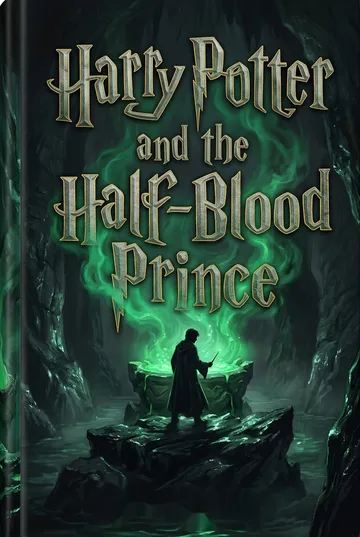
"Harry Potter y el Príncipe Mestizo" profundiza en las complejidades de la lealtad, el poder y las cargas del destino. El libro explora el tema del sacrificio, con personajes como Dumbledore y Harry tomando decisiones difíciles por el bien común. La narrativa destaca la importancia de comprender el pasado para moldear el futuro, como se ve en la exploración de los orígenes de Voldemort. La historia subraya la resiliencia del espíritu humano ante la adversidad, con Harry y sus amigos demostrando coraje y determinación a pesar de las abrumadoras dificultades. El libro es un recordatorio conmovedor del poder de la amistad y la lucha constante contra la oscuridad.
También leyeron
Preguntas frecuentes
Basic Details
What is Harry Potter and the Half-Blood Prince about?
- Escalating Dark Forces: The story depicts the growing power of Voldemort and his Death Eaters, as they wreak havoc in both the wizarding and Muggle worlds, creating an atmosphere of fear and uncertainty.
- Harry's Journey of Discovery: Harry embarks on a quest to uncover Voldemort's past and his secrets to immortality, guided by Dumbledore through a series of private lessons and shared memories.
- Complex Relationships: The book explores the evolving relationships between Harry, Ron, and Hermione, as well as the romantic entanglements of other characters, adding emotional depth to the narrative.
Why should I read Harry Potter and the Half-Blood Prince?
- Deeper Understanding of Voldemort: The book provides crucial insights into Voldemort's origins, motivations, and the steps he took to achieve his dark ambitions, making him a more complex and terrifying villain.
- Intriguing Mysteries: The identity of the Half-Blood Prince and the nature of Horcruxes create a compelling sense of mystery, drawing readers into the story and keeping them engaged.
- Emotional Depth and Character Development: The book explores the characters' emotional struggles, their relationships, and their personal growth, adding layers of complexity and making them more relatable.
What is the background of Harry Potter and the Half-Blood Prince?
- Political Instability: The wizarding world is in turmoil due to Voldemort's return, with the Ministry of Magic struggling to maintain control and reassure the public, leading to a sense of unease and fear.
- Historical Context: The story delves into Voldemort's past, revealing his family history and the events that shaped his dark path, providing a historical context for his actions.
- Social Commentary: The book touches upon themes of prejudice, power, and the abuse of authority, reflecting real-world social and political issues.
What are the most memorable quotes in Harry Potter and the Half-Blood Prince?
- Dumbledore's Wisdom: "It is the unknown we fear when we look upon death and darkness, nothing more." This quote highlights Dumbledore's understanding of fear and his ability to find meaning in the face of death.
- Snape's Vow: "I will," said Snape. A thin tongue of brilliant flame issued from the wand and wound its way around their hands like a redhot wire. This quote marks the moment Snape makes the Unbreakable Vow, a pivotal moment that foreshadows his actions later in the book.
- Dumbledore's Trust: "I trust Severus Snape completely." This quote, repeated by Dumbledore, underscores his unwavering faith in Snape, despite the doubts of others, adding to the complexity of their relationship.
What writing style, narrative choices, and literary techniques does J.K. Rowling use?
- Multiple Perspectives: Rowling shifts between different characters' points of view, providing a multifaceted understanding of the events and their emotional impact.
- Foreshadowing and Symbolism: The book is rich in foreshadowing, with subtle hints and clues that gain significance later in the story, and uses recurring symbols and motifs to enhance the themes and character development.
- Emotional Realism: Rowling explores the characters' emotional struggles with depth and nuance, making their experiences relatable and adding to the story's emotional impact.
Hidden Details & Subtle Connections
What are some minor details that add significant meaning?
- The Broken Clock: The Weasley's clock, with all hands pointing to "mortal peril," symbolizes the constant danger and anxiety that the family faces, highlighting the pervasive threat of Voldemort.
- The Blackened Hand: Dumbledore's injured hand, which he refuses to explain, foreshadows his vulnerability and the sacrifices he has made in his fight against Voldemort.
- The Empty Teacup: The Prime Minister's teacup turning into a gerbil during his first meeting with Fudge is a subtle reminder of the absurdity and hidden nature of the magical world.
What are some subtle foreshadowing and callbacks?
- The Vanishing Cabinet: The broken Vanishing Cabinet, first introduced in Harry Potter and the Chamber of Secrets, becomes a crucial plot device, foreshadowing Malfoy's plan to infiltrate Hogwarts.
- The Prophecy: The prophecy, first mentioned in Harry Potter and the Order of the Phoenix, continues to shape Harry's destiny and his understanding of his role in the fight against Voldemort.
- The Locket: The locket, first seen in the Gaunt family memory, reappears as a key object, foreshadowing its significance as a Horcrux and its connection to Voldemort's past.
What are some unexpected character connections?
- Snape and the Half-Blood Prince: The revelation that Snape is the Half-Blood Prince adds a layer of complexity to his character, revealing his hidden past and his connection to the Dark Arts.
- Tonks and Lupin: The subtle hints about Tonks's feelings for Lupin, which are revealed through her Patronus and her concern for his well-being, add an emotional depth to their relationship.
- Merope and Tom Riddle Sr.: The tragic love story of Merope Gaunt and Tom Riddle Sr. reveals the origins of Voldemort's hatred for Muggles and his obsession with power.
Who are the most significant supporting characters?
- Horace Slughorn: Slughorn's return to Hogwarts and his relationship with Harry become central to the plot, as he holds a crucial memory that is vital to understanding Voldemort's past.
- Kreacher and Dobby: The house-elves, Kreacher and Dobby, play a significant role in the story, with Kreacher's loyalty to the Black family and Dobby's devotion to Harry highlighting the complex dynamics of the wizarding world.
- Fenrir Greyback: Greyback's introduction as a savage werewolf who targets children adds a new layer of horror to the story, underscoring the brutality of Voldemort's followers.
Psychological, Emotional, & Relational Analysis
What are some unspoken motivations of the characters?
- Snape's Desire for Acceptance: Snape's actions are driven by a desire for acceptance and recognition, as well as a need to protect Draco, stemming from his Unbreakable Vow to Narcissa.
- Malfoy's Fear and Ambition: Malfoy's actions are motivated by a combination of fear for his family's safety and a desire to prove himself to Voldemort, leading him to make desperate and dangerous choices.
- Dumbledore's Burden of Knowledge: Dumbledore's actions are driven by his knowledge of Voldemort's past and his determination to prepare Harry for the final confrontation, even at the cost of his own life.
What psychological complexities do the characters exhibit?
- Harry's Internal Conflict: Harry struggles with his grief over Sirius's death, his growing feelings for Ginny, and his responsibility to defeat Voldemort, leading to internal conflict and emotional turmoil.
- Ron's Insecurities: Ron's insecurities about his abilities and his relationships are highlighted, as he grapples with his feelings for Hermione and his jealousy of Harry's success.
- Hermione's Intellectual Rigidity: Hermione's intellectual approach to problems and her difficulty accepting anything that does not fit her logical framework are explored, revealing her vulnerabilities and her need for control.
What are the major emotional turning points?
- Dumbledore's Death: Dumbledore's death is a devastating emotional turning point, shattering the sense of security and hope that he represented and leaving Harry feeling lost and alone.
- Ron's Poisoning: Ron's poisoning is a moment of intense fear and vulnerability, highlighting the fragility of life and the constant danger that the characters face.
- Harry's Breakup with Ginny: Harry's decision to end his relationship with Ginny is a painful emotional turning point, demonstrating his willingness to sacrifice personal happiness for the greater good.
How do relationship dynamics evolve?
- Harry and Ginny's Romance: Harry and Ginny's relationship evolves from a crush to a deep connection, but is ultimately sacrificed for Harry's mission.
- Ron and Hermione's Tension: Ron and Hermione's relationship is marked by tension and jealousy, as they struggle to navigate their feelings for each other and their friendships with others.
- Harry and Dumbledore's Trust: Harry and Dumbledore's relationship is tested by the revelation of Snape's betrayal, but ultimately strengthened by their shared mission and their mutual respect.
Symbol & Motif Tracking
Track: Recurring objects/items
- The Locket: The locket, a family heirloom of the Gaunts, symbolizes Voldemort's obsession with his pure-blood heritage and his desire for immortality.
- The Ring: Marvolo Gaunt's ring, which Dumbledore destroys, represents the power and danger of Voldemort's Horcruxes and the sacrifices made to defeat him.
- The Potion Book: The Half-Blood Prince's Potions book symbolizes the dual nature of knowledge and power, and the ethical dilemmas associated with using it.
Track: Weather patterns
- The Chilly Mist: The recurring chilly mist symbolizes the growing despair and hopelessness that pervades the wizarding world due to Voldemort's return and the Dementors' influence.
- The Stormy Weather: The stormy weather during the Quidditch trials and the trip to Hogsmeade reflects the turbulent emotions and the increasing danger that the characters face.
- The Clear Skies: The clear skies on the day of the Quidditch match and Dumbledore's funeral provide a stark contrast to the dark events that are unfolding, highlighting the fragility of peace and happiness.
Track: Color symbolism
- Green: The color green is associated with Slytherin and Voldemort, symbolizing ambition, power, and the Dark Arts.
- Red: The color red is associated with Gryffindor and the Weasleys, symbolizing courage, loyalty, and passion.
- Silver: The color silver is associated with Dumbledore and his wisdom, as well as the ethereal nature of memories and the ghostly world.
Track: Time references
- The Clock: The Weasley's clock, with all hands pointing to "mortal peril," serves as a constant reminder of the danger that the family faces and the uncertainty of the future.
- The Midnight Hour: The recurring references to midnight symbolize the darkness and danger that Voldemort represents, as well as the secret meetings and clandestine activities that take place under the cover of night.
- The Passing of Time: The references to time passing, such as the approaching O.W.L.s and the end of the school year, highlight the characters' growing maturity and the urgency of their mission.
Track: Location significance
- Spinner's End: Snape's home at Spinner's End symbolizes his isolation, his connection to the Dark Arts, and his complex past.
- The Astronomy Tower: The Astronomy Tower, where Dumbledore is killed, becomes a symbol of betrayal and loss, as well as the vulnerability of even the greatest wizards.
- The Room of Requirement: The Room of Requirement symbolizes the hidden secrets and the ever-changing nature of Hogwarts, as well as the characters' need for a safe haven and a place to plan their next moves.
Track: Repeated phrases/words
- "The Chosen One": The phrase "the Chosen One" highlights the burden and responsibility that Harry carries, as well as the expectations placed upon him by the wizarding world.
- "Unbreakable Vow": The phrase "Unbreakable Vow" underscores the binding nature of magical contracts and the high stakes involved in the characters' decisions.
- "I trust Severus Snape": Dumbledore's repeated assertion that he trusts Snape highlights the complexity of their relationship and the mystery surrounding Snape's true allegiance.
Track: Musical/artistic references
- The Phoenix Song: The phoenix song, heard after Dumbledore's death, symbolizes mourning, loss, and the enduring power of hope.
- Celestina Warbeck: Celestina Warbeck's music, which is often played in the background, provides a contrast to the dark events unfolding in the story, highlighting the absurdity and the mundane aspects of life in the wizarding world.
- The Tapestry: The tapestry of Barnabas the Barmy teaching trolls to do ballet serves as a reminder of the whimsical and absurd elements of the wizarding world, as well as the importance of finding humor in the face of adversity.
Literary Device Detection
Identify: Subtle foreshadowing
- Dumbledore's Injury: Dumbledore's injured hand, which he refuses to explain, foreshadows his vulnerability and the sacrifices he has made in his fight against Voldemort.
- The Unbreakable Vow: Snape's Unbreakable Vow to Narcissa foreshadows his actions later in the book and the complex web of loyalties that he is bound by.
- The Room of Requirement: The Room of Requirement's appearance and disappearance foreshadows its role as a hidden place where Malfoy is carrying out his secret mission.
Identify: Thematic echoes
- The Power of Love: The theme of love, which is central to the series, is explored through Harry's relationship with Ginny, Ron's infatuation with Romilda, and the tragic love story of Merope and Tom Riddle Sr.
- The Nature of Evil: The book explores the nature of evil through Voldemort's past and his actions, highlighting the destructive power of hatred, fear, and the desire for immortality.
- The Importance of Choice: The theme of choice is emphasized through Harry's decision to end his relationship with Ginny, Dumbledore's decision to trust Snape, and Malfoy's struggle with his conscience.
Identify: Structural patterns
- The Cycle of Loss: The book follows a pattern of loss and grief, with the deaths of Sirius, Amelia Bones, and Dumbledore highlighting the sacrifices made in the fight against Voldemort.
- The Quest for Knowledge: The quest for knowledge is a recurring motif, as Harry seeks to understand Voldemort's past and the nature of Horcruxes, while Hermione delves into the mysteries of magic.
- The Intertwining of Worlds: The intertwining of the magical and non-magical worlds is a recurring pattern, as the Muggle Prime Minister is drawn into the conflict and the wizarding world is affected by Muggle events.
Identify: Point of view shifts
- The Prime Minister's Perspective: The opening chapter, told from the perspective of the Muggle Prime Minister, provides a unique view of the wizarding world and its impact on the non-magical world.
- Slughorn's Memories: The use of the Pensieve to explore Slughorn's memories allows the reader to see Voldemort through the eyes of someone who knew him in his youth.
- Harry's Subjectivity: The narrative is primarily told from Harry's perspective, but his limited knowledge and biases are often highlighted, creating a sense of dramatic irony.
Identify: Narrative misdirection
- Snape's Loyalty: The book uses narrative misdirection to make the reader question Snape's true allegiance, creating suspense and uncertainty about his role in the story.
- The Half-Blood Prince's Identity: The mystery surrounding the Half-Blood Prince's identity keeps the reader guessing, with red herrings and false leads that ultimately lead to the shocking revelation of Snape's true identity.
- Malfoy's Mission: Malfoy's mysterious activities and his frequent disappearances create a sense of unease and suspicion, leading the reader to believe that he is up to something sinister.
Identify: Metaphorical language
- The Dark Mark: The Dark Mark, which appears in the sky above Hogwarts, serves as a powerful metaphor for the growing power of Voldemort and the threat he poses to the wizarding world.
- The Inferi: The Inferi, reanimated corpses controlled by Dark magic, symbolize the dehumanizing effects of Voldemort's power and the horrors of war.
- The Horcruxes: The Horcruxes, fragments of Voldemort's soul, represent his obsession with immortality and the lengths to which he will go to achieve it.
Identify: Time manipulation techniques
- Memories: The use of the Pensieve to explore memories allows the narrative to move back and forth in time, providing insights into the past and its impact on the present.
- Foreshadowing: The use of foreshadowing creates a sense of anticipation and dread, as the reader is given hints of future events and the challenges that lie ahead.
- Flashbacks: The use of flashbacks, such as the memories of the Gaunt family and Slughorn's recollections of Voldemort, provides a deeper understanding of the characters' motivations and the events that have shaped their lives.
Cultural & Intertextual References
Search for: Literary allusions
- Macbeth: The themes of ambition, betrayal, and the corrupting influence of power in "Harry Potter and the Half-Blood Prince" echo the themes of Shakespeare's "Macbeth."
- Paradise Lost: The depiction of Voldemort as a fallen angel, seeking to defy death and create his own kingdom, draws parallels to Milton's "Paradise Lost."
- Faust: The idea of a wizard making a pact with dark forces for power and knowledge is reminiscent of the legend of Faust.
Search for: Historical references
- World War II: The rise of Voldemort and his followers, and the fear and paranoia that they create, mirror the rise of totalitarian regimes in World War II.
- The Inquisition: The Ministry of Magic's persecution of those who oppose Voldemort, and their use of propaganda and fear to control the population, echo the tactics of the Inquisition.
- The Cold War: The tension and mistrust between the Ministry of Magic and Dumbledore, and the constant threat of Voldemort's return, reflect the atmosphere of the Cold War.
Search for: Mythological parallels
- The Underworld: The lake in the cave, with its Inferi and its connection to death, evokes the imagery of the underworld in various mythologies.
- The Phoenix: Fawkes, Dumbledore's phoenix, symbolizes rebirth, immortality, and the enduring power of hope.
- The Serpent: The serpent, a recurring symbol in the series, represents Voldemort's connection to Slytherin and the Dark Arts.
Search for: Genre conventions/subversions
- The Chosen One Trope: The book plays with the "Chosen One" trope, highlighting the burden and responsibility that Harry carries, while also emphasizing the importance of his own choices and actions.
- The School Story: The book subverts the conventions of the school story genre by introducing elements of danger, death, and political intrigue, creating a more complex and realistic portrayal of Hogwarts.
- The Mystery Genre: The book incorporates elements of the mystery genre, with the identity of the Half-Blood Prince and the nature of Horcruxes serving as central puzzles that drive the plot.
Search for: Cultural context clues
- British School System: The depiction of Hogwarts and its traditions reflects the British boarding school system, with its emphasis on houses, prefects, and school spirit.
- British Folklore: The book draws upon British folklore and mythology, incorporating elements of magic, monsters, and mythical creatures into the narrative.
- Contemporary Issues: The book touches upon contemporary issues such as political corruption, social injustice, and the abuse of power, making the story relevant to modern readers.
Search for: Author's personal history connections
- Loss and Grief: Rowling's personal experiences with loss and grief are reflected in the characters' emotional struggles an
Harry Potter Serie
Descargar PDF
Descargar EPUB
.epub digital book format is ideal for reading ebooks on phones, tablets, and e-readers.








































