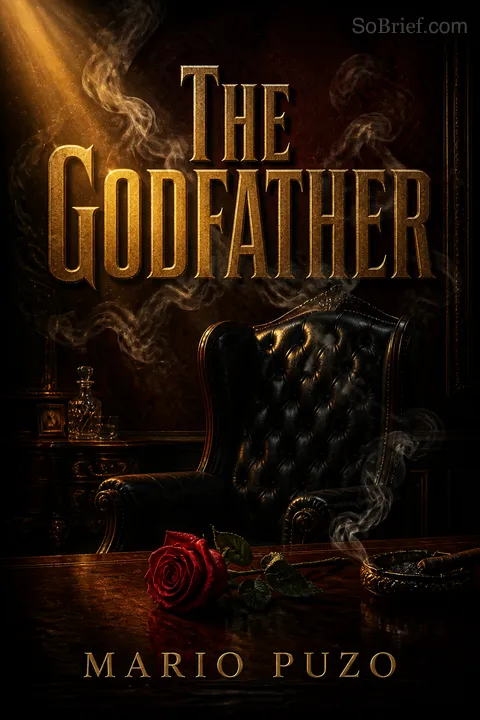
Resumen de la trama
Justicia Negada, Venganza Buscada
En una sala de justicia de Nueva York, Amerigo Bonasera se siente desilusionado cuando el sistema judicial estadounidense no castiga adecuadamente a los hombres que atacaron a su hija. Desesperado por obtener justicia, recurre a Don Vito Corleone, el líder de una poderosa familia criminal. A pesar de su reticencia inicial, la desesperación de Bonasera lo lleva a solicitar la ayuda del Padrino, dando inicio a la mezcla de vendettas personales y crimen organizado.
La Caída y Desesperación de una Estrella
En Los Ángeles, Johnny Fontane, un cantante y estrella de cine otrora celebrado, ve su carrera y vida personal en desorden. Buscando revivir su carrera en declive, Johnny regresa a Nueva York para pedir ayuda a su padrino, Don Vito Corleone. Esto resalta la influencia del Padrino y hasta dónde están dispuestas las personas a llegar para obtener su apoyo, subrayando el tema del poder y la dependencia.
Una Boda y un Favor
La familia Corleone se reúne para la boda de Connie, hija de Don Vito. El evento es una gran celebración donde amigos y aliados acuden a rendir respeto y solicitar favores. Don Vito escucha sus peticiones, incluyendo la súplica del panadero Nazorine para ayudar al prometido de su hija a permanecer en Estados Unidos. La boda sirve como telón de fondo para la compleja red de relaciones y obligaciones que definen el mundo de la familia Corleone.
La Influencia y Poder del Don
En la boda, la influencia de Don Vito Corleone es palpable. Es un hombre a quien todos acuden en busca de ayuda, y nunca decepciona. Su poder no reside solo en su riqueza, sino en el respeto y la lealtad que inspira. La capacidad del Don para resolver problemas y hacer que las cosas sucedan es inigualable, reforzando su reputación como un hombre de honor y fortaleza, y preparando el terreno para los desafíos futuros de la familia.
Una Familia Bajo Asedio
La paz de la boda se rompe cuando Don Vito es baleado por bandas rivales. El ataque deja a la familia conmocionada, con Sonny Corleone tomando el liderazgo en ausencia de su padre. La familia Corleone se ve envuelta en una guerra con sus enemigos, y la necesidad de venganza se vuelve primordial. El ataque a Don Vito es el catalizador de los eventos que siguen, preparando el escenario para una batalla que pondrá a prueba la fortaleza y unidad familiar.
La Decisión Mortal de Michael en la Cena
En una tensa reunión con Sollozzo y el Capitán McCluskey, Michael Corleone toma una decisión que altera su vida. Recupera un arma oculta y dispara a ambos hombres, marcando su transformación de un outsider reacio a un actor clave en la familia Corleone. Este acto de violencia desencadena una cadena de acontecimientos que obliga a Michael a huir a Sicilia para protegerse, dejando atrás su antigua vida y a su prometida, Kay Adams.
Una Ciudad Bajo Asedio
Tras el asesinato de Sollozzo y McCluskey, la ciudad de Nueva York estalla en caos. La policía, enfurecida por la muerte de uno de los suyos, intensifica la persecución de actividades ilegales, afectando gravemente las operaciones de la familia Corleone. Las Cinco Familias aprovechan la oportunidad para contraatacar, dando inicio a una guerra brutal y costosa que pone a prueba la fortaleza y determinación de los Corleone.
La Propuesta Estratégica de Paz del Don
Tras recuperarse del intento de asesinato, Don Vito Corleone convoca una reunión con los jefes de las Cinco Familias. Propone un acuerdo de paz, ofreciendo apoyar el narcotráfico a cambio del regreso seguro de su hijo Michael. La maniobra estratégica del Don busca poner fin al sangriento conflicto y asegurar el futuro de la familia, demostrando su influencia y sabiduría perdurables.
Traición Revelada, Lealtades Puestas a Prueba
Michael descubre la traición de Tessio, quien planeaba tenderle una emboscada para asesinarlo. La traición de Tessio es castigada con rapidez, pues Michael ordena su ejecución. Mientras tanto, Carlo Rizzi, esposo de Connie, es confrontado por su papel en la muerte de Sonny. A pesar de sus súplicas de inocencia, Michael lo manda matar, asegurando la seguridad y lealtad de la familia. Estas acciones consolidan el control de Michael y demuestran su disposición a hacer lo que sea necesario para proteger el legado Corleone.
La Venganza Calculada del Padrino
Michael orquesta una serie de asesinatos calculados para eliminar a los enemigos de la familia, incluyendo a Barzini y Tattaglia. Estos movimientos restablecen el dominio de la Familia Corleone en el mundo criminal. El enfoque frío y calculador de Michael refleja el legado de su padre, pero con un giro moderno. Sus acciones envían un mensaje claro: la Familia Corleone no debe subestimarse, y Michael es una fuerza imparable.
Comienza una Nueva Era
Con los enemigos de la familia derrotados, Michael dirige su atención a legitimar el imperio Corleone. Planea trasladar las operaciones a Las Vegas, enfocándose en negocios legales mientras mantiene el control sobre los elementos criminales. Kay, ahora consciente de la verdadera naturaleza de Michael, lucha con su papel como esposa. A pesar de su conflicto interno, permanece a su lado, entendiendo que el futuro de sus hijos está ligado al éxito de Michael. La familia Corleone entra en una nueva era, con Michael al mando, decidido a asegurar su lugar en la historia.
Personajes
Don Vito Corleone
Don Vito Corleone es el cabeza de la familia Corleone, un hombre cuya influencia va mucho más allá de su círculo inmediato. Conocido por su sabiduría, fortaleza y capacidad para inspirar respeto, es una figura a la que muchos recurren en busca de ayuda. A pesar de sus actividades criminales, Don Vito se presenta como un hombre de honor, profundamente comprometido con su familia y quienes le son leales.
Michael Corleone
Michael ha asumido plenamente su papel como líder de la familia Corleone. Su transformación de un outsider reacio a un líder despiadado está completa. Es estratégico, frío y dispuesto a hacer lo que sea necesario para proteger a su familia y su legado. Las acciones de Michael están impulsadas por el deseo de asegurar un futuro para sus hijos, aunque se distancie de la moralidad de su pasado.
Sonny Corleone
Sonny es el hijo mayor de Don Vito, conocido por su temperamento fogoso y naturaleza impulsiva. Asume el liderazgo familiar en ausencia de su padre, motivado por un deseo de venganza. El estilo de liderazgo de Sonny contrasta con el de su padre, evidenciando los desafíos de mantener el poder en un entorno volátil.
Tom Hagen
Tom Hagen es el consigliere de la familia, un asesor de confianza para Don Vito. Aunque no es de ascendencia italiana, Tom es profundamente leal a los Corleone y desempeña un papel crucial en la navegación del complejo mundo del crimen organizado. Su calma y pensamiento estratégico son activos vitales para la familia.
Johnny Fontane
Johnny Fontane es un famoso cantante y estrella de cine cuya carrera está en declive. Como ahijado de Don Vito, recurre al Padrino para pedir ayuda, mostrando el alcance de la influencia de Don Vito. Las luchas de Johnny con la fama y sus demonios personales añaden profundidad a la historia, ilustrando los desafíos de la vida pública.
Luca Brasi
Luca Brasi es uno de los ejecutores más leales y temidos de Don Vito. Conocido por su crueldad y fuerza, Luca es una figura clave en las operaciones familiares. Su lealtad a Don Vito es inquebrantable, y su presencia recuerda el poder y alcance de la familia Corleone.
Amerigo Bonasera
Amerigo Bonasera es un director de funeraria cuya hija es brutalmente atacada. Desilusionado con el sistema judicial estadounidense, recurre a Don Vito en busca de ayuda. La historia de Bonasera subraya el tema de la justicia y hasta dónde están dispuestas las personas a llegar para obtenerla.
Sollozzo
Sollozzo es un narcotraficante que busca expandir sus operaciones con la ayuda de la familia Corleone. Su ambición y astucia lo convierten en un adversario formidable, y sus acciones desencadenan una serie de conflictos con los Corleone. El personaje de Sollozzo destaca los peligros y complejidades del mundo criminal.
Capitán McCluskey
El Capitán McCluskey es un oficial de policía al servicio de Sollozzo, dispuesto a torcer la ley para beneficio propio. Su implicación con Sollozzo añade una capa de complejidad a la historia, ilustrando la corrupción y ambigüedad moral presentes en el crimen organizado.
Clemenza
Clemenza es uno de los caporegimes de la familia Corleone, encargado de supervisar diversas operaciones. Su lealtad a la familia es incuestionable, y desempeña un papel clave en la ejecución de los planes familiares. El personaje de Clemenza aporta profundidad a la historia, mostrando el funcionamiento interno de la organización Corleone.
Recursos Narrativos
La Boda
La boda de la hija de Don Vito funciona como un recurso narrativo crucial, reuniendo a amigos, aliados y quienes buscan favores. Destaca la compleja red de relaciones y obligaciones que definen el mundo de la familia Corleone, preparando el terreno para los eventos posteriores.
El Ataque a Don Vito
El intento de asesinato de Don Vito Corleone es un recurso narrativo clave que impulsa la historia. Actúa como catalizador para la búsqueda de venganza de la familia y pone a prueba su fortaleza y unidad. El ataque subraya los peligros y la volatilidad del mundo criminal.
La Transformación de Michael
La transformación de Michael Corleone de un outsider reacio a un actor central en los asuntos familiares es un recurso narrativo fundamental. Su viaje resalta las complejidades de la lealtad, la familia y el poder, y sus acciones tienen consecuencias de largo alcance para la familia Corleone y sus enemigos.
La Reunión de Paz
La reunión organizada por Don Vito Corleone es un recurso narrativo crucial que reúne a los jefes de las Cinco Familias para negociar la paz. Este encuentro destaca la influencia del Don y prepara el terreno para el futuro de la familia, mientras se forman alianzas y cambian las dinámicas de poder.
La Traición de Tessio
La traición de Tessio es un recurso narrativo clave que impulsa el ascenso al poder de Michael. Su ejecución sirve como advertencia para otros y solidifica el control de Michael sobre la familia. Las acciones de Tessio resaltan los peligros de la ambición y la importancia de la lealtad dentro de la Familia Corleone.
Análisis
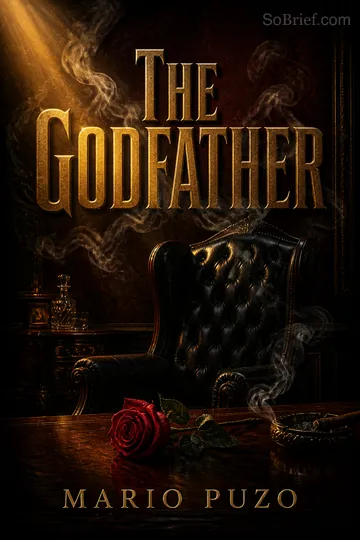
"El Padrino" de Mario Puzo es una exploración fascinante del poder, la lealtad y las complejidades de la dinámica familiar en el mundo criminal. La novela profundiza en las ambigüedades morales de sus personajes, especialmente Michael Corleone, cuya transformación de un outsider reacio a un líder despiadado subraya la naturaleza seductora del poder y los sacrificios que exige. A través del lente de la familia Corleone, Puzo examina temas como la justicia, la traición y la búsqueda del legado, ofreciendo una visión matizada del lado oscuro del Sueño Americano. El atractivo perdurable de la historia radica en su rico desarrollo de personajes, trama intrincada y la lucha eterna entre la ambición personal y el deber familiar.
También leyeron




Preguntas frecuentes
Synopsis & Basic Details
What is The Godfather about?
- Family, power, and succession: The novel centers on the Corleone family, a powerful Mafia dynasty in New York, and their struggle to maintain their influence and navigate the treacherous world of organized crime.
- The reluctant heir: It follows Michael Corleone's transformation from a war hero who wants nothing to do with his family's business into the ruthless Don who secures their future.
- A clash of values: The story explores the conflict between traditional Sicilian values of family, honor, and loyalty, and the corrupting influence of power and violence in America.
Why should I read The Godfather?
- Complex characters: The novel offers a deep dive into the motivations and psychology of its characters, making them feel both human and terrifying.
- Intricate plot: The story is filled with twists, turns, and betrayals, keeping the reader engaged and invested in the Corleone family's fate.
- Exploration of themes: It examines universal themes of power, family, morality, and the American Dream, providing a thought-provoking and unforgettable reading experience.
What is the background of The Godfather?
- Post-World War II America: The novel is set in the aftermath of World War II, a time of economic prosperity and social change in America, but also a period of rising organized crime.
- Italian-American culture: It provides a glimpse into the traditions, values, and struggles of Italian-American immigrants in the mid-20th century.
- The Mafia's influence: The story is rooted in the historical context of the Mafia's rise to power in America, exploring its structure, operations, and impact on society.
What are the most memorable quotes in The Godfather?
- "I'm going to make him an offer he can't refuse.": This iconic line, spoken by Don Corleone, encapsulates his power and the methods he uses to achieve his goals. It highlights the theme of coercion and the lengths to which the Corleones will go to get what they want.
- "Friendship is everything. Friendship is more than talent. It is more than government. It is almost the equal of family.": This quote reveals Don Corleone's values and the importance he places on loyalty and personal connections. It underscores the theme of friendship as a currency and a source of power.
- "A man who is not a father to his children can never be a real man.": This quote emphasizes the importance of family and the role of a father in shaping his children's lives. It speaks to the traditional values that Don Corleone holds dear and his desire to pass them on to his sons.
What writing style, narrative choices, and literary techniques does Mario Puzo use?
- Third-person omniscient narration: Puzo employs a third-person omniscient narrator, allowing readers access to the thoughts and feelings of multiple characters, providing a comprehensive view of the story's events and motivations.
- Realistic dialogue: The dialogue is gritty and authentic, capturing the language and cadence of the characters, adding to the story's realism and immersion.
- Foreshadowing and symbolism: Puzo uses subtle foreshadowing and recurring symbols, such as the orange, to hint at future events and deepen the story's thematic resonance.
Hidden Details & Subtle Connections
What are some minor details that add significant meaning?
- The orange peel: The presence of oranges often foreshadows death or violence. For example, Don Corleone is shot after buying oranges, and the severed horse head in Woltz's bed is surrounded by orange peels. This subtle detail creates a sense of unease and foreboding.
- The weight of tradition: The emphasis on Sicilian customs and traditions, such as the importance of family, honor, and respect, highlights the clash between the old world and the new, and the challenges of maintaining cultural identity in America.
- The power of silence: The concept of omertà, the Sicilian code of silence, is a recurring motif that underscores the importance of loyalty and the dangers of betrayal. It also highlights the insular nature of the Mafia and its ability to operate outside the law.
What are some subtle foreshadowing and callbacks?
- Bonasera's promise: Bonasera's initial promise to repay Don Corleone's favor "someday" foreshadows the eventual call for that service, highlighting the long-term nature of the Don's influence and the inescapable nature of obligations.
- Sonny's temper: Sonny's impulsive and violent nature is established early on, foreshadowing his eventual downfall. His inability to control his anger leads him into errors of judgment and ultimately contributes to his death.
- Michael's alienation: Michael's initial reluctance to join the family business and his desire for a different life are subtly contrasted with his growing involvement in the Corleone's affairs, foreshadowing his eventual transformation into the ruthless Don.
What are some unexpected character connections?
- Tom Hagen's loyalty: Tom Hagen's unwavering loyalty to the Corleone family, despite not being of Italian descent, highlights the power of chosen family and the bonds that can transcend blood ties. His backstory as an orphan taken in by the Corleones adds depth to his character and explains his devotion.
- Luca Brasi's devotion: Luca Brasi's almost unnatural devotion to Don Corleone, despite his fearsome reputation and lack of fear for anything else, underscores the Don's unique ability to command respect and loyalty. His willingness to die for the Don highlights the power of personal connection in the Mafia world.
- Johnny Fontane's dependence: Johnny Fontane's reliance on Don Corleone for help, despite his fame and success, reveals the Godfather's far-reaching influence and the vulnerability of even the most powerful individuals. It also highlights the cyclical nature of favors and obligations in the Corleone family's world.
Who are the most significant supporting characters?
- Tom Hagen: As the Corleone family's consigliere, Tom Hagen provides crucial legal and strategic advice, navigating the complex world of organized crime and acting as a bridge between the family and the outside world. His non-Italian background offers a unique perspective on the Corleone's operations.
- Clemenza: As a caporegime, Clemenza is a key enforcer and administrator, responsible for carrying out the Don's orders and managing a significant portion of the family's operations. His loyalty and ruthlessness make him a valuable asset to the Corleone family.
- Luca Brasi: As the Don's personal enforcer, Luca Brasi is a symbol of the Corleone family's power and a reminder of the consequences of crossing them. His fearsome reputation and unwavering loyalty make him a formidable force in the underworld.
Psychological, Emotional, & Relational Analysis
What are some unspoken motivations of the characters?
- Michael's desire for approval: Michael's initial reluctance to join the family business may stem from a desire to prove himself worthy of his father's respect on his own terms, rather than simply following in his footsteps. His eventual embrace of the Don role suggests a complex mix of duty, ambition, and a need for validation.
- Sonny's need for control: Sonny's impulsive and violent behavior may be driven by a need to assert his dominance and control, both within the family and in the wider world. His hot temper and quickness to anger mask a deep-seated insecurity and a fear of being seen as weak.
- Kay's search for belonging: Kay's attraction to Michael and her willingness to enter his world may be rooted in a desire for excitement and a sense of belonging, a contrast to her seemingly ordinary life in New England. Her eventual conversion to Catholicism suggests a search for stability and meaning within the Corleone family's traditions.
What psychological complexities do the characters exhibit?
- Don Corleone's paternalism: Don Corleone's seemingly benevolent actions are often motivated by a desire to maintain control and protect his own interests. His paternalistic approach to his family and community masks a ruthless pragmatism and a willingness to use violence to achieve his goals.
- Michael's internal conflict: Michael's transformation from a war hero to a cold-blooded killer is marked by a deep internal conflict. He struggles to reconcile his love for his family with the moral compromises he must make to protect them, leading to a sense of alienation and a loss of innocence.
- Sonny's self-destructiveness: Sonny's impulsive and violent nature, while making him a formidable enforcer, also contributes to his downfall. His inability to control his anger and his disregard for consequences ultimately lead to his death, highlighting the self-destructive tendencies that can accompany power.
What are the major emotional turning points?
- Michael's decision to kill Sollozzo: This act marks a turning point in Michael's character arc, as he crosses a moral line and embraces the violence that defines his family's world. It sets him on a path from which there is no return.
- Sonny's death: This event is a major emotional blow to the Corleone family, triggering a desire for revenge and escalating the conflict with their rivals. It also forces Michael to step up and take on a greater leadership role.
- Kay's realization of Michael's true nature: Kay's growing awareness of Michael's ruthlessness and the true nature of his family's business creates a sense of unease and moral conflict. Her decision to stay with him, despite her reservations, highlights the complexities of love and loyalty in the face of moral compromise.
How do relationship dynamics evolve?
- Michael and Don Corleone: Their relationship evolves from one of filial affection and respect to a complex power dynamic, as Michael gradually assumes control of the family business. The Don's initial reluctance to involve Michael gives way to a grudging acceptance of his son's abilities and a recognition of his potential to lead the family into the future.
- Michael and Kay: Their relationship is tested by Michael's growing involvement in the Corleone family's affairs and Kay's increasing awareness of his true nature. Their love is strained by secrets, lies, and moral compromises, but their bond remains strong, driven by a shared desire for family and a sense of obligation.
- Sonny and Michael: Their relationship is marked by sibling rivalry and contrasting personalities. Sonny's impulsive and violent nature clashes with Michael's strategic and calculating approach, creating tension and conflict within the family. Despite their differences, they share a deep loyalty to their father and a commitment to protecting the Corleone legacy.
Interpretation & Debate
Which parts of the story remain ambiguous or open-ended?
- The extent of Michael's guilt: The novel leaves open to interpretation the extent to which Michael is truly responsible for the violence and corruption that surround him. Is he a victim of circumstance, forced to make difficult choices to protect his family, or is he a willing participant in a morally bankrupt system?
- The future of the Corleone family: The novel's ending leaves the future of the Corleone family uncertain. Will Michael succeed in legitimizing their operations and securing a better life for his children, or will the cycle of violence and corruption continue?
- Kay's ultimate fate: Kay's decision to stay with Michael, despite her knowledge of his true nature, raises questions about her own moral compass and her ability to reconcile her values with the Corleone family's world. Will she find happiness and fulfillment in her role as the Don's wife, or will she be forever haunted by the darkness that surrounds her?
What are some debatable, controversial scenes or moments in The Godfather?
- Michael's murder of Sollozzo and McCluskey: This scene is highly controversial, as it marks Michael's transformation from a reluctant outsider to a cold-blooded killer. Some argue that it is a necessary act of self-defense, while others see it as a betrayal of his former self and a descent into moral depravity.
- The treatment of women: The novel's portrayal of women has been criticized for its objectification and lack of agency. Female characters are often relegated to supporting roles, defined by their relationships to men and subjected to violence and abuse.
- The glorification of violence: The novel's depiction of violence has been both praised for its realism and criticized for its potential to glorify criminal behavior. Some argue that the violence is necessary to portray the brutal realities of the Mafia world, while others believe that it can desensitize readers to the consequences of violence.
The Godfather Ending Explained: How It Ends & What It Means
- Michael's consolidation of power: The ending sees Michael successfully eliminating his rivals and consolidating his control over the Corleone Family, securing their place as the dominant force in the underworld. This highlights the cyclical nature of power and the ruthless measures required to maintain it.
- Kay's exclusion and moral compromise: Kay's final scene, witnessing Michael's transformation into the new Don and being excluded from his inner circle, underscores the moral compromises she has made and the price of her loyalty. It also highlights the limitations of her influence and the patriarchal nature of the Corleone family.
- The Corleone legacy secured: Despite the violence and moral compromises, the ending suggests that Michael has successfully secured the Corleone legacy, ensuring the family's survival and prosperity for future generations. However, the cost of this success is high, as Michael has sacrificed his own soul and alienated himself from those he once loved.
The Godfather Serie
Descargar PDF
Descargar EPUB
.epub digital book format is ideal for reading ebooks on phones, tablets, and e-readers.








































