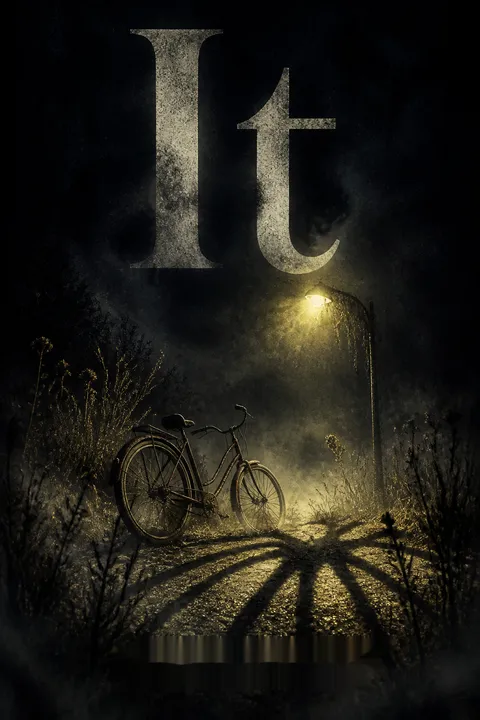

Resumen de la trama
Fin de curso, comienza el verano
Al terminar el año escolar, Ben Hanscom, un niño tímido y con sobrepeso, espera con ansias la libertad que trae el verano, a pesar de la amenaza constante de Henry Bowers, un acosador implacable. El alivio de Ben es palpable al escapar de las burlas de sus compañeros, soñando con días perezosos y el refugio de la Biblioteca Pública de Derry, donde puede perderse entre libros e imaginación.
Un amor secreto por Beverly
Ben guarda un amor secreto por Beverly Marsh, una chica amable y hermosa de su clase. Demasiado tímido para expresar sus sentimientos, la admira desde la distancia, soñando con un mundo donde ella pueda notarlo. Su corazón se llena de esperanza y anhelo, aunque lucha con la realidad de su afecto no confesado.
Las sombras del pasado persisten
La ciudad de Derry está marcada por una serie de horribles asesinatos de niños, que arrojan una sombra sobre la comunidad. Los Barrens, una zona salvaje en las afueras del pueblo, se convierte en el epicentro de estos temores. Los niños, especialmente aquellos con encuentros extraños, sienten que algo siniestro está en juego, insinuando un pasado que se niega a permanecer enterrado.
La unión del Club de los Perdedores
El Club de los Perdedores, formado por Bill, Eddie, Richie, Ben, Beverly y Stan, se reúne para compartir sus experiencias y temores. Comprenden que todos son blanco de una entidad malévola: Pennywise el Payaso. Unidos por sus vivencias y la determinación de protegerse mutuamente, juran enfrentar el mal que acecha su ciudad.
Los oscuros secretos de los Barrens
Los Perdedores encuentran consuelo y camaradería en los Barrens, construyendo una presa y pasando sus días de verano lejos de los acosadores. Sin embargo, los Barrens guardan secretos oscuros, y los niños se dan cuenta de que su refugio no es tan seguro como parece. Sucesos extraños y avistamientos de un payaso siniestro sugieren un mal más profundo que acecha bajo la superficie.
Un encuentro aterrador
Eddie Kaspbrak se topa con un leproso bajo el porche de una casa abandonada, una figura grotesca que le ofrece una propuesta perturbadora. Este encuentro no es aislado, pues otros niños experimentan visiones igualmente terroríficas, lo que sugiere la presencia de una fuerza malévola. La experiencia de Eddie marca un punto de inflexión, impulsándolo a unirse al Club de los Perdedores para luchar.
El horror de la galleta de la fortuna
El Club de los Perdedores se reúne para almorzar, donde sus galletas de la fortuna revelan visiones horripilantes: sangre, insectos y partes del cuerpo. Este evento sobrenatural confirma sus temores de que la entidad maligna que enfrentaron en la infancia ha regresado. El grupo se ve obligado a enfrentar la realidad de su situación y el peligro que los acecha.
El aterrador encuentro de Beverly
Beverly Marsh regresa a su hogar de la infancia y se encuentra con la señora Kersh, quien revela una conexión aterradora con Pennywise. Mientras Beverly toma té, la señora Kersh se transforma en una figura grotesca, burlándose de ella con visiones horribles. Beverly escapa por poco, dándose cuenta de que la entidad maligna de su pasado sigue viva y la tiene en la mira.
Lazos de sangre y viejas cicatrices
Al reunirse, sus viejas cicatrices se abren misteriosamente, uniendo al grupo y recordándoles el pacto de su infancia. Este evento inquietante subraya su unidad y destino compartido, impulsándolos a enfrentar nuevamente el mal. A pesar del miedo y la incertidumbre, encuentran fuerza en su historia común.
El regreso y la venganza de Henry
Recientemente escapado de un hospital psiquiátrico, Henry Bowers, bajo la influencia de Pennywise, persigue a los Perdedores. Ataca a Mike Hanlon, dejándolo gravemente herido. El regreso de Henry es un recordatorio escalofriante del pasado y de hasta dónde llegará Pennywise para eliminar a quienes amenazan su existencia.
Comienza la confrontación final
Los Perdedores descienden a las alcantarillas de Derry, preparándose para la confrontación definitiva con Eso. Bill, impulsado por la memoria de su hermano Georgie, lidera con feroz determinación. La oscuridad refleja su miedo, pero su vínculo y propósito compartido los mantienen avanzando, conscientes de que esta batalla es contra sus temores más profundos.
El escondite de la araña revelado
Los Perdedores llegan al escondite de Eso y descubren su verdadera forma: una monstruosa araña. Esta revelación es aterradora pero liberadora, pues comprenden que la criatura no es invencible. La batalla es intensa, y cada miembro juega un papel crucial para debilitar a Eso, usando su creencia y unidad como armas.
El sacrificio y valor de Eddie
Eddie Kaspbrak, en un acto de valentía desinteresada, usa su inhalador para atacar a la araña, ganando tiempo para el grupo. Paga el precio máximo, perdiendo la vida. El sacrificio de Eddie galvaniza a los Perdedores restantes, recordándoles el poder de la creencia y la amistad, y los impulsa a derrotar a Eso.
El colapso de Derry
Al derrotar a Eso, Derry comienza a colapsar, simbolizando el fin del mal que azotó la ciudad. La destrucción es tanto física como simbólica, marcando el cierre de una era. Los Perdedores atraviesan la ciudad en ruinas, con una victoria agridulce mientras lloran a Eddie y el fin de su infancia.
El círculo se cierra
Con Eso vencido y Derry en ruinas, los Perdedores se preparan para partir. Su vínculo, forjado en el miedo y la amistad, comienza a desvanecerse al regresar a sus vidas adultas. Los recuerdos de su batalla se desvanecerán, pero el impacto permanece. Saben que han cambiado para siempre, y el círculo de su amistad permanece intacto en sus corazones.
Personajes
Bill Denbrough
Bill es el corazón del Club de los Perdedores, impulsado por la pérdida de su hermano Georgie. Su liderazgo y coraje inspiran al grupo a enfrentar sus miedos y confrontar a Eso. El viaje de Bill es uno de redención y sanación, mientras aprende a soltar el pasado y abrazar el poder del amor y la creencia.
Beverly Marsh
Beverly es un miembro clave del Club de los Perdedores, usando su fortaleza y resiliencia para apoyar a sus amigos. Su camino es de empoderamiento, superando el abuso de su pasado y abrazando su propio poder. El amor y la determinación de Beverly son cruciales en la batalla contra Eso, y su vínculo con el grupo es inquebrantable.
Eddie Kaspbrak
El viaje de Eddie es de transformación, superando sus miedos e inseguridades para convertirse en un héroe. Su sacrificio en la batalla contra Eso es un testimonio de su coraje y lealtad, dejando una huella duradera en sus amigos y recordándoles el poder de la creencia.
Richie Tozier
El humor y la lealtad de Richie son vitales para el Club de los Perdedores, aportando ligereza y apoyo frente al miedo. Su camino es de autodescubrimiento, aprendiendo a aceptar su verdadero yo y el poder de la amistad. La valentía de Richie en la batalla contra Eso es prueba de su crecimiento y fortaleza.
Ben Hanscom
La inteligencia y creatividad de Ben son fundamentales en los esfuerzos de los Perdedores para derrotar a Eso. Su viaje es de autoaceptación, aprendiendo a valorar sus talentos y el amor de sus amigos. El amor no correspondido de Ben por Beverly añade profundidad a su carácter, y su lealtad al grupo es inquebrantable.
Mike Hanlon
Mike es el custodio de la historia de los Perdedores, habiéndose quedado en Derry para documentar el oscuro pasado del pueblo. Su conocimiento e investigación son cruciales para los esfuerzos del grupo contra Pennywise. El compromiso de Mike con sus amigos y la ciudad es firme, incluso enfrentando peligros personales.
Henry Bowers
Recientemente escapado de un hospital psiquiátrico, Henry está bajo la influencia de Pennywise para buscar venganza contra los Perdedores. Su regreso es un recordatorio escalofriante del pasado y de hasta dónde llegará Pennywise para eliminar a quienes amenazan su existencia. La presencia de Henry añade una capa de peligro a la misión de los Perdedores.
Recursos narrativos
El poder de la creencia
La fe de los Perdedores en sí mismos y en los demás es un tema central en la historia, sirviendo como un arma poderosa contra Eso. Sus experiencias compartidas y apoyo mutuo les permiten enfrentar sus miedos y confrontar la oscuridad. Este recurso subraya la importancia de la creencia y la fuerza que surge al estar unidos.
La araña como manifestación del miedo
La araña es una representación física de los miedos más profundos de los Perdedores, actuando como un antagonista formidable y aterrador. Su presencia resalta el tema del miedo y cómo puede ser una experiencia tanto personal como colectiva. La derrota de la araña simboliza el triunfo de los Perdedores sobre sus temores y el poder de la creencia.
El colapso de Derry
El colapso de Derry representa el fin del mal que ha atormentado la ciudad por generaciones. Este recurso funciona como metáfora del viaje de los Perdedores, quienes enfrentan sus miedos y emergen más fuertes y resilientes. La destrucción de Derry es una victoria tanto física como simbólica, marcando el fin de una era y el comienzo de un nuevo capítulo para los Perdedores.
Análisis
"Eso" de Stephen King profundiza en la naturaleza del miedo y el poder de la amistad. La novela explora cómo los temores infantiles pueden manifestarse en horrores reales y cómo los lazos formados en la juventud brindan fortaleza en la adultez. El viaje del Club de los Perdedores es un testimonio de la resiliencia del espíritu humano y la importancia de enfrentar los propios miedos. A través del lente de una historia de terror sobrenatural, King examina temas como la memoria, el trauma y el perdurable poder de la creencia. La conclusión de la novela, con el colapso de Derry y el desvanecimiento de los recuerdos de los Perdedores, subraya la naturaleza efímera de la infancia y el impacto duradero de las experiencias compartidas. En última instancia, "Eso" es una historia sobre el triunfo del amor y la amistad sobre la oscuridad, recordando a los lectores la fuerza que se encuentra en la unidad y el valor para enfrentar lo desconocido.
También leyeron

Preguntas frecuentes
Synopsis & Basic Details
What is It about?
- A town haunted by evil: It tells the story of seven childhood friends who confront a shape-shifting evil entity that terrorizes their town of Derry, Maine.
- Cycles of terror: The story explores how this entity resurfaces every 27 years, preying on the town's children and exploiting their deepest fears.
- A promise to return: The friends, now adults, are drawn back to Derry to fulfill a childhood promise to stop It, facing their past traumas and the entity's terrifying power.
Why should I read It?
- Masterful horror: It is a classic example of Stephen King's ability to create deeply unsettling and psychologically complex horror, exploring the nature of fear itself.
- Rich character development: The novel features a large cast of well-developed characters, each with their own unique struggles and motivations, making their journey both compelling and emotionally resonant.
- Exploration of childhood: It delves into the themes of childhood innocence, trauma, and the power of memory, offering a poignant and terrifying look at the transition from childhood to adulthood.
What is the background of It?
- Small-town America: The story is set in the fictional town of Derry, Maine, a place with a dark history and a sense of underlying unease, reflecting the anxieties of small-town America.
- Cycles of violence: The novel explores the cyclical nature of violence and trauma, suggesting that the past can have a powerful and lasting impact on the present.
- Cultural references: It incorporates elements of American popular culture, such as horror movies, comic books, and rock and roll, to create a rich and immersive world.
What are the most memorable quotes in It?
- "They all float down here.": This chilling line, spoken by Pennywise the Dancing Clown, encapsulates the novel's theme of fear and the inevitability of death.
- "Beep beep, Richie.": This phrase, used by the characters to acknowledge each other, becomes a symbol of their shared history and the bond that unites them.
- "Time to float.": This simple phrase, often used by Pennywise, is a terrifying reminder of the entity's power and the inescapable nature of its evil.
What writing style, narrative choices, and literary techniques does Stephen King use?
- Multiple perspectives: King employs a shifting point of view, allowing readers to experience the story through the eyes of multiple characters, both children and adults, enhancing the novel's complexity.
- Detailed descriptions: King's writing is characterized by vivid and often gruesome descriptions, creating a visceral and unsettling reading experience.
- Time manipulation: The novel jumps between different time periods, weaving together the past and present to create a sense of cyclical horror and the enduring nature of trauma.
Hidden Details & Subtle Connections
What are some minor details that add significant meaning?
- The recurring image of balloons: Balloons, often associated with childhood joy, are used by Pennywise to lure children, symbolizing the corruption of innocence and the deceptive nature of evil.
- The town's history: The town of Derry's history of violence and tragedy, often overlooked or forgotten by its residents, is a subtle but powerful force that contributes to the entity's power.
- The use of specific songs: The use of specific songs, such as "Come Softly Darling" and "Rockin' Robin," adds a layer of emotional depth and foreshadowing to certain scenes, connecting characters to specific moments in time.
What are some subtle foreshadowing and callbacks?
- The mention of the 1931 flood: The early mention of the 1931 flood foreshadows the later flooding of Derry, highlighting the cyclical nature of tragedy and the town's vulnerability to disaster.
- The recurring phrase "You'll float too": This phrase, spoken by Pennywise, is a constant reminder of the entity's power and the inescapable nature of death, foreshadowing the fates of several characters.
- The use of specific objects: The recurring use of specific objects, such as the silver dollar and the paper boat, creates a sense of connection between different time periods and characters, highlighting the enduring nature of memory and trauma.
What are some unexpected character connections?
- The connection between Henry Bowers and the town's history: Henry's father's involvement in the Legion of White Decency connects him to the town's dark past, suggesting that he is not just a bully but a product of Derry's ingrained evil.
- The connection between Mike Hanlon and the town's history: Mike's role as the town's historian and librarian connects him to the town's past, making him a key figure in understanding the cyclical nature of It's terror.
- The connection between the Losers and the victims of It: The Losers' shared experiences with It create a bond that transcends time and space, linking them to the victims of the past and the present.
Who are the most significant supporting characters?
- Mike Hanlon's parents: Their decision to stay in Derry and their knowledge of the town's history make them important figures in understanding the cyclical nature of It's terror.
- Al Marsh: Beverly's father's abusive behavior and his own troubled past highlight the cycle of violence and trauma that permeates Derry.
- The townspeople of Derry: The townspeople's tendency to forget or ignore the town's dark history contributes to the entity's power, highlighting the dangers of apathy and denial.
Psychological, Emotional, & Relational Analysis
What are some unspoken motivations of the characters?
- Bill's guilt over Georgie's death: Bill's unspoken guilt over his brother's death drives his determination to defeat It, but also makes him vulnerable to the entity's manipulations.
- Beverly's desire for control: Beverly's unspoken desire for control stems from her past abuse, making her both strong and vulnerable in her fight against It.
- Richie's fear of being alone: Richie's unspoken fear of being alone drives his need for connection and his reliance on humor as a defense mechanism.
What psychological complexities do the characters exhibit?
- The Losers' shared trauma: The Losers exhibit complex psychological responses to their shared trauma, including denial, fear, and a desperate need for connection.
- Pennywise's manipulation: Pennywise's ability to exploit the characters' deepest fears and insecurities highlights the psychological complexities of evil and its power to corrupt.
- The characters' internal conflicts: The characters' internal conflicts between their childhood fears and their adult responsibilities create a sense of psychological tension and uncertainty.
What are the major emotional turning points?
- The reunion of the Losers: The reunion of the Losers is a major emotional turning point, as they confront their past traumas and rediscover the strength of their childhood bond.
- Eddie's sacrifice: Eddie's sacrifice is a major emotional turning point, highlighting the power of selflessness and the devastating consequences of It's evil.
- The final confrontation: The final confrontation with It is a major emotional turning point, as the Losers face their deepest fears and embrace their shared destiny.
How do relationship dynamics evolve?
- The Losers' bond: The Losers' bond evolves from a childhood friendship into a powerful force that enables them to confront It, highlighting the importance of loyalty and shared experience.
- The influence of It: It's influence on the characters' relationships is a major theme, as It attempts to exploit their fears and insecurities to drive them apart.
- The characters' individual journeys: The characters' individual journeys of self-discovery and growth are intertwined with their relationships, highlighting the importance of personal transformation in the face of adversity.
Interpretation & Debate
Which parts of the story remain ambiguous or open-ended?
- The true nature of It: The true nature of It remains ambiguous, leaving readers to question whether it is a supernatural entity, a manifestation of human evil, or something else entirely.
- The source of the Losers' power: The source of the Losers' power to defeat It remains open-ended, leaving readers to wonder if it is a result of their shared experiences, their childhood innocence, or something more mystical.
- The ultimate fate of Derry: The ultimate fate of Derry remains ambiguous, leaving readers to question whether the town will ever truly be free from the influence of It.
What are some debatable, controversial scenes or moments in It?
- The sexual content: The novel's sexual content, particularly the scene involving Beverly and her father, has been a source of debate and controversy, with some readers finding it disturbing and others seeing it as a necessary exploration of trauma and abuse.
- The violence against children: The novel's graphic violence against children has been a source of debate and controversy, with some readers finding it gratuitous and others seeing it as a necessary depiction of the horrors of It's evil.
- The portrayal of mental illness: The novel's portrayal of mental illness, particularly in the character of Henry Bowers, has been a source of debate and controversy, with some readers finding it stigmatizing and others seeing it as a realistic depiction of the effects of trauma and abuse.
It Ending Explained: How It Ends & What It Means
- The Losers' final battle: The Losers' final battle with It is a chaotic and terrifying confrontation, highlighting the power of their shared belief and their individual strengths.
- The defeat of It: The defeat of It is a symbolic victory over fear and evil, but it is also a bittersweet moment, as the Losers are forced to confront the loss of their childhood and the lasting impact of their shared trauma.
- The fading memories: The fading memories of the Losers underscore the transient nature of childhood and the importance of cherishing the bonds that unite us. The ending suggests that while evil may be defeated, its impact can never be fully erased.
Descargar PDF
Descargar EPUB
.epub digital book format is ideal for reading ebooks on phones, tablets, and e-readers.








































