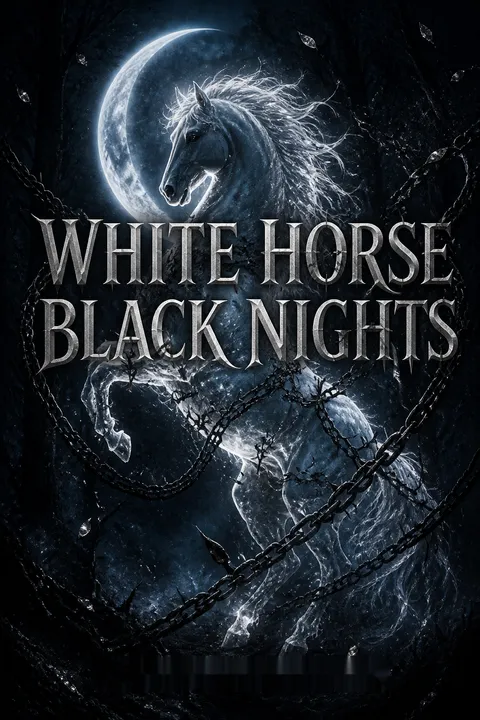
Resumen de la trama
Novia Vendida, Libertad Quebrantada
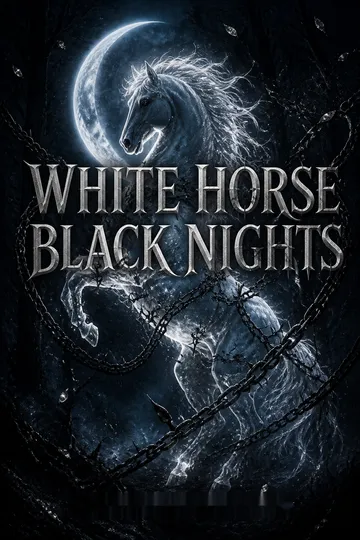
Sabine Darrow, una joven marcada por los dioses ("bendecida por los dioses"), es vendida por su padre a Lord Rian Valvere para saldar deudas familiares. En el día de su partida, se ve obligada a cabalgar desnuda a través del reino de Astagnon, en un ritual humillante que evoca la legendaria cabalgata de una diosa. Su único consuelo es su madrastra Suri y su amado caballo, Myst. La sensación de autonomía de Sabine es arrebatada, y enfrenta su futuro con una mezcla de temor, ira y una chispa de esperanza por algo mejor más allá de los muros del convento que la han aprisionado durante años.
Llega el Escorta Bestial
El escolta de Sabine es Wolf Bowborn, un formidable cazador bendecido por los dioses al servicio de la familia Valvere. Wolf tiene la misión de asegurar la entrega segura —y obediente— de Sabine a su nuevo esposo. Es a la vez su protector y su captor, un hombre con un pasado violento y una reputación de lealtad hacia Lord Rian. Sus primeros encuentros están cargados de tensión, pues Sabine resiente su autoridad y Wolf la evalúa como un riesgo potencial de fuga. La dinámica de poder es clara: Sabine es propiedad, y Wolf es la cadena.
La Cabalgata de la Vergüenza
La cabalgata de Sabine es un espectáculo público, con los habitantes del pueblo ordenados a desviar la mirada, aunque la curiosidad y la crueldad prevalecen. Es objeto de burlas, miradas lascivas y amenazas de violencia. El papel de Wolf como su guardia se complica por su propio sentido del deber y una creciente, aunque renuente, fascinación por la resistencia de Sabine. El único consuelo de Sabine es su conexión con Myst y su habilidad para comunicarse con los animales —un secreto que guarda celosamente.
Huida, Furia y Puños
El viaje está marcado por momentos de desafío y peligro. Sabine es acosada por un terrateniente local, Thom, lo que provoca que Wolf desate una violencia brutal en su defensa. El incidente revela tanto los peligros que enfrenta Sabine como las medidas extremas a las que Wolf está dispuesto a llegar para protegerla, aunque insiste en que solo sigue órdenes. El trauma de Sabine por años de abuso en el convento resurge, y su determinación por escapar crece.
Desnuda a Través de lo Salvaje
Mientras atraviesan bosques y aldeas, Sabine soporta humillaciones y penurias. Los sentidos bendecidos por los dioses de Wolf hacen que la fuga sea casi imposible, pero la astucia de Sabine y su vínculo con Myst le brindan esperanza. Ambos comienzan a vislumbrar el dolor y la humanidad del otro, aunque la confianza sigue siendo esquiva. El plan de Sabine para escapar con la ayuda de un amante secreto, Adan, toma forma.
Hambre, Esperanza y Lecciones Duras
Acampando en la naturaleza, Sabine y Wolf enfrentan el hambre, el frío y la constante amenaza de violencia. Los métodos severos de Wolf —atar a Sabine, controlar su comida— se suavizan con momentos de bondad inesperada. La habilidad bendecida por los dioses de Sabine para comunicarse con los animales resulta invaluable, y el respeto de Wolf hacia ella crece. Su relación oscila entre antagonismo y camaradería renuente, con corrientes subyacentes de atracción.
Tramas de Escape y Gatos Salvajes
Sabine recluta la ayuda de animales para escapar, usando un ratón para roer sus ataduras y un gato montés como distracción. Su huida es breve; las habilidades de rastreo de Wolf son insuperables. Un enfrentamiento violento con el gato deja a ambos conmocionados, y el escape fallido de Sabine afianza su sensación de cautiverio. Sin embargo, la prueba también revela la vulnerabilidad de Wolf y la profundidad de sus instintos protectores.
La Implacable Persecución del Cazador
La persecución de Wolf hacia Sabine es tanto una lucha contra sus propios demonios como un cumplimiento del deber. Los recuerdos de su brutal crianza y la violencia que ha cometido lo atormentan. La cacería se convierte en una prueba de voluntades, con la astucia de Sabine enfrentada a la determinación implacable de Wolf. Cuando finalmente la recaptura, los límites entre captor y cautiva se difuminan, y comienza a desarrollarse una intimidad peligrosa.
Sangre, Bestias y Traición
Una serie de encuentros violentos —bandidos, sacerdotes y animales salvajes— obligan a Sabine y Wolf a formar una alianza frágil. La capacidad de Sabine para defenderse crece, y Wolf comienza a enseñarle a luchar. Su atracción mutua se intensifica, culminando en un beso apasionado y prohibido. Pero el espectro de Lord Rian y la realidad del inminente matrimonio de Sabine amenazan con destruir cualquier esperanza de felicidad.
La Falsa Promesa del Amor
El plan de Sabine para huir con Adan se reaviva en Blackwater, pero la traición acecha. Adan resulta ser parte de una conspiración Volkish para secuestrar a mujeres bendecidas por los dioses para el Rey Rachillon, el misterioso gobernante del reino vecino y maldito. La confianza de Sabine se quiebra al darse cuenta de que es una pieza en un juego mucho más grande. El rescate de Wolf es brutal y sangriento, y comienza a revelarse el verdadero valor de Sabine.
El Incendio y la Traición en Blackwater
Un incendio en Blackwater, provocado como distracción para el secuestro de Sabine, se convierte en una prueba de fuego. La lealtad de Wolf es puesta a prueba mientras arriesga todo para salvarla. Las consecuencias son un ajuste de cuentas: Sabine se ve obligada a enfrentar la realidad de su situación, y Wolf queda atormentado por saber que no puede protegerla de las fuerzas que se oponen a ellos. Su vínculo es a la vez fuente de fortaleza y una vulnerabilidad.
El Secuestro y la Conspiración Volkish
Sabine es capturada por Adan y sus "hermanos", quienes se revelan como agentes Volkish. Su intención es entregarla al Rey Rachillon, que reúne a mujeres bendecidas por los dioses para un propósito misterioso. El beso divino de Sabine no es la única razón por la que la desean: su linaje es más importante de lo que ella sabe. Una escape angustioso, ayudado por sus aliados animales y la intervención de Wolf, la deja traumatizada pero con vida.
El Rescate y la Revelación
El rescate de Sabine por parte de Wolf es salvaje e implacable. Mata a sus captores y juntos huyen hacia una cascada, donde la verdad de sus sentimientos queda al descubierto. Sabine confiesa su amor, y Wolf, dividido entre el deseo y el deber, sucumbe a su pasión. Sin embargo, la sombra de Lord Rian y los secretos del pasado de Sabine amenazan con separarlos.
Confesiones y Ruina en la Cascada
En el refugio de la cascada, Sabine y Wolf sueñan con escapar y vivir juntos. Pero Wolf descubre una carta del padre de Sabine que revela su verdadera ascendencia: es hija del Rey Rachillon de Volkany. Al comprender el peligro que representa —y las fuerzas que no se detendrán ante nada para reclamarla— Wolf toma la dolorosa decisión de traicionar a Sabine, entregándola a Rian para protegerla. El corazón de Sabine se rompe de nuevo.
La Jaula Dorada de Duren
Sabine llega a Duren, recibida como un espectáculo y un trofeo. Sorsha Hall es un palacio de opulencia e intriga, gobernado por el astuto Rian y su despiadado padre, Berolt. Sabine es a la vez honrada y objetificada, sus habilidades bendecidas por los dioses codiciadas. Se le otorgan todos los lujos, pero su libertad es una ilusión. Wolf es asignado como su guardaespaldas, y su relación se tensa por la traición y el anhelo.
El Juego del Señor de los Mentirosos
Rian se revela como un maestro manipulador, orquestando la humillación pública y la elevación privada de Sabine. La desea no solo como esposa, sino como arma en su búsqueda de poder. Sabine, negándose a ser una pieza, afirma su autonomía mediante actos de rebelión —sobre todo, al llegar a Sorsha Hall vestida con aves vivas e insectos, una muestra de su poder bendecido por los dioses y desafío.
El Baile de Máscaras del Compromiso
En el baile de máscaras del compromiso, Sabine es lanzada al corazón de la sociedad Valvere. Los juegos de Rian continúan, culminando en una apuesta pública y un beso escenificado. El deseo prohibido entre Sabine y Wolf estalla en un encuentro secreto y apasionado, mientras los peligros a su alrededor se multiplican. El baile es un microcosmos del juego mayor que se juega: un mundo de máscaras, secretos y alianzas cambiantes.
Secretos Bajo Sorsha Hall
Atormentada por una voz misteriosa, Sabine descubre una mazmorra oculta bajo Sorsha Hall, donde un legendario monoceros —una bestia mágica y mortal— ha sido encarcelado. Rian revela que orquestó su matrimonio no por amor, sino para aprovechar su poder bendecido por los dioses y controlar al monoceros. Sabine comprende que está en el centro de una lucha por el futuro de Astagnon, y que su valor es mucho mayor de lo que imaginaba.
El Monoceros y la Estrategia de la Reina
Con el despertar de la magia ancestral y la amenaza de las ambiciones del Rey Rachillon, Sabine se ve obligada a elegir su propio camino. Desafía a Rian a un juego de ingenio, decidida a tomar el control de su destino. La historia concluye con Sabine en equilibrio entre mundos —ya no una pieza, sino una jugadora en el juego de alto riesgo por el futuro del reino, con su corazón y poder como sus armas más poderosas.
Personajes
Sabine Darrow
Sabine es el alma de la historia —una joven marcada por los dioses, vendida en matrimonio y obligada a soportar humillación, violencia y traición. Su rasgo definitorio es la resiliencia: a pesar de años de abuso y cautiverio, se niega a ser quebrantada. Su habilidad bendecida por los dioses para comunicarse con los animales es tanto un consuelo como un símbolo de su otredad. El viaje psicológico de Sabine es uno de recuperación de la autonomía, aprendizaje para luchar y descubrimiento de su propio valor. Sus relaciones —con Wolf, Rian y sus aliados animales— son complejas, marcadas por anhelo, ira y un feroz deseo de autonomía. El desarrollo de Sabine es un testimonio del poder de la esperanza y la negativa a ser definida por las expectativas ajenas.
Wolf Bowborn (Basten)
Wolf es el captor, protector y eventual amante de Sabine —un cazador bendecido por los dioses con sentidos agudizados y un pasado violento. Criado en la brutalidad, la lealtad de Wolf hacia Lord Rian es tanto un mecanismo de supervivencia como una fuente de conflicto interno. Su relación con Sabine está cargada de tensión, atracción y reconocimiento mutuo del dolor. La complejidad psicológica de Wolf radica en su lucha entre el deber y el deseo, su miedo a su propia capacidad de amar y su creencia en su propia rotura. Su desarrollo se marca por momentos de ternura, autodesprecio y, finalmente, la disposición a traicionar su propio corazón por la seguridad de Sabine.
Lord Rian Valvere
Rian es el artífice de la prueba de Sabine —un maestro manipulador que orquesta su humillación pública y elevación privada. Sus motivaciones son complejas: desea a Sabine por su poder, su belleza y como herramienta en su búsqueda del trono. El encanto de Rian oculta un pragmatismo despiadado, y su relación con Sabine es un juego de ingenio y voluntades. Es a la vez villano y posible aliado, capaz de generosidad sorprendente y crueldad calculada. La profundidad psicológica de Rian reside en su habilidad para leer a las personas, su hambre de poder y su reconocimiento del valor único de Sabine.
Myst
Myst es más que un caballo —es la confidente, protectora y vínculo de Sabine con su madre perdida. A través del beso divino de Sabine, Myst se convierte en una voz de sabiduría y advertencia, a menudo expresando escepticismo sobre los hombres en la vida de Sabine. La presencia de Myst es una fuerza que ancla, un recordatorio del poder del mundo natural y la importancia de la lealtad y la confianza.
Adan
Adan es el "chico que brilla como la luz del sol", el primer amor de Sabine y el catalizador de su intento de escape. Inicialmente presentado como un salvador romántico, Adan resulta ser un agente del Rey Rachillon, cómplice en el secuestro de mujeres bendecidas por los dioses. Su traición marca un punto de inflexión para Sabine, rompiendo sus ilusiones sobre el amor y la confianza.
Lord Berolt Valvere
El padre de Rian encarna la corrupción patriarcal —un hombre que construyó su imperio sobre el vicio, la violencia y la explotación de los bendecidos por los dioses. Su interés en Sabine es tanto personal como político, y su presencia es una amenaza constante. La psicología de Berolt se define por el sentido de derecho, la crueldad y la disposición a hacer lo que sea necesario para mantener el poder.
Suri Darrow
La madrastra de Sabine es una rara fuente de bondad y apoyo. Aunque su presencia en la historia es breve, la calidez y empatía de Suri ofrecen a Sabine un atisbo del amor y cuidado que le han sido negados. La relación de Suri con Sabine es un recordatorio de la importancia de la familia elegida y el poder sanador de la compasión.
Rey Rachillon
El gobernante de Volkany, Rachillon es una figura sombría cuya búsqueda por despertar a los dioses y reclamar el poder impulsa el conflicto mayor. Su interés en Sabine es tanto personal —ella es su hija— como estratégico, pues sus habilidades bendecidas por los dioses pueden ser clave para sus planes. La presencia de Rachillon se siente más que se ve, un peligro inminente que moldea los destinos de todos los personajes.
Folke Bladeborn
Folke es viejo amigo de Wolf y exsoldado convertido en espía. Su papel es proveer información, apoyo y un espejo para las luchas de Wolf con la lealtad y la identidad. El pragmatismo y humor de Folke ofrecen un contrapunto a la intensidad de Wolf, y su presencia ancla la historia en las realidades del poder y la supervivencia.
El Monoceros
El monoceros —una bestia mítica y mágica— sirve como fuerza literal y simbólica en la historia. Su cautiverio bajo Sorsha Hall refleja el propio de Sabine, y su furia y poder presagian el despertar de fuerzas mayores. El monoceros es una prueba para las habilidades de Sabine y un presagio de la tormenta venidera.
Recursos Narrativos
La Cabalgata Desnuda
La cabalgata forzada desnuda es tanto un catalizador de la trama como un símbolo de la vulnerabilidad y resiliencia de Sabine. La expone a la vergüenza pública, pero también se convierte en el crisol donde se forjan su desafío y autonomía. La cabalgata es un motivo recurrente, referenciado en momentos de trauma y empoderamiento, y sirve como punto de referencia para el viaje de Sabine de objeto a agente.
Poderes Bendecidos por los Dioses
Los bendecidos por los dioses —aquellos marcados por los dioses dormidos— son centrales en la construcción del mundo y el conflicto de la historia. La habilidad de Sabine para comunicarse con los animales es tanto un consuelo como motivo de explotación. Los sentidos agudizados de Wolf moldean su identidad y su relación con Sabine. Los bendecidos por los dioses son codiciados, perseguidos y temidos, sus poderes tanto un don como un peligro.
Narración Dual y Cambio de Punto de Vista
La historia alterna entre las perspectivas de Sabine y Wolf, permitiendo una exploración psicológica profunda y la revelación de secretos, motivos y vulnerabilidades. Esta estructura crea ironía dramática, ya que el lector conoce verdades que los personajes ocultan entre sí, aumentando la tensión y la carga emocional.
Presagios y Simbolismo
Los motivos recurrentes de dioses dormidos, bestias despertando y la amenaza de Volkany presagian el conflicto mayor que se avecina. El monoceros, la voz misteriosa y las referencias a la magia ancestral señalan que el mundo está al borde de un cambio radical. El viaje de Sabine se refleja en el despertar del poder —tanto personal como sobrenatural.
Cartas y Verdades Ocultas
La revelación de la verdadera...
También leyeron

Preguntas frecuentes
0. Synopsis & Basic Details
What is White Horse Black Nights about?
- A Forced Journey Begins: White Horse Black Nights follows Sabine Darrow, a young woman "godkissed" with the ability to communicate with animals, who is sold by her indebted father to the powerful Lord Rian Valvere. Her journey to her new husband's castle, Sorsha Hall, is a humiliating 21-day ride across Astagnon, naked save for her long hair, a ritual meant to honor an ancient goddess.
- Captor and Protector: Sabine is escorted by Wolf Bowborn, a formidable, godkissed hunter in Rian's service, whose duty is to deliver her safely and obediently. Their fraught relationship evolves from antagonism and defiance into a complex bond marked by reluctant camaraderie, unexpected kindness, and a forbidden attraction, even as Sabine plots her escape.
- Unveiling Deeper Plots: As Sabine navigates public humiliation and private desires, she uncovers layers of deception, including a betrayal by a supposed lover and a larger political conspiracy involving the neighboring kingdom of Volkany and the awakening of ancient, mythical powers. The story culminates in Sabine's arrival at Sorsha Hall, where she must confront her destiny and the true nature of her value in a world on the brink of war.
Why should I read White Horse Black Nights?
- Intense Character Dynamics: Readers are drawn into the raw, evolving relationship between Sabine and Wolf, a captivating blend of enemies-to-lovers with deep psychological complexity. Their forbidden attraction, born from shared hardship and mutual defiance, offers a compelling emotional core.
- Rich World-Building & Magic: The novel immerses readers in Astagnon, a fantasy world steeped in ancient fae mythology, where "godkissed" individuals possess unique powers. The awakening of mythical beasts and the looming threat of a cursed kingdom add layers of intrigue and high-stakes conflict.
- Themes of Agency & Resilience: Sabine's journey is a powerful exploration of a woman reclaiming her agency in a patriarchal world. Her defiance against humiliation, her refusal to be a pawn, and her ultimate decision to play the "game" on her own terms resonate deeply, offering a satisfying arc of empowerment.
What is the background of White Horse Black Nights?
- Fae-Inspired Mythology: The world of Astagnon is built upon the lore of ten "sleeping gods" (Immortals/Fae), whose fashion, legends, and "godkissed" magic permeate society. The story draws heavily from these myths, particularly the tale of Immortal Solene's naked ride, which forms the basis of Sabine's humiliating journey.
- Political Intrigue & Ancient Conflict: The narrative is set against a backdrop of simmering political tension between Astagnon and the long-isolated kingdom of Volkany, separated by a magically reinforced wall. The Valvere family's ambition for the Astagnonian throne, coupled with King Rachillon's mysterious agenda to awaken the gods, hints at a larger, impending war.
- Societal Norms & Power Structures: The story critiques the patriarchal society where women, especially noble daughters, are treated as commodities for marriage alliances. The Red Church's influence, the Valvere family's control over "lawful vices," and the exploitation of godkissed individuals highlight the pervasive power dynamics and moral ambiguities of the world.
What are the most memorable quotes in White Horse Black Nights?
- "They can have my body, I repeat in my head. My mind is my own." (Sabine, Chapter 3): This quote encapsulates Sabine's core coping mechanism and defiant spirit against her captivity and abuse. It highlights her internal resilience and the psychological battle for autonomy, a central theme in White Horse Black Nights.
- "No, little violet. I'm a Wolf." (Wolf, Chapter 5): This chilling yet alluring line from Wolf to Sabine reveals his primal nature and self-perception. It underscores his dangerous, untamed quality, hinting at his protective instincts while also acknowledging his capacity for brutality, a key aspect of Wolf Bowborn's character analysis.
- "My body and my mind are mine." (Sabine, Chapter 15): This powerful evolution of Sabine's earlier mantra signifies her profound shift from passive resistance to active reclamation of self. It marks a pivotal moment of agency and self-ownership, demonstrating her growth and defiance against external control, a crucial Sabine Darrow character development.
What writing style, narrative choices, and literary techniques does Evie Marceau use?
- Dual Perspective Narrative: Evie Marceau employs alternating first-person perspectives between Sabine and Wolf, offering intimate access to their internal thoughts, motivations, and emotional turmoil. This dual narration and shifting POV analysis creates dramatic irony, as readers often know more about each character's true feelings and hidden agendas than the characters themselves.
- Sensory-Rich Prose: The author utilizes vivid, immersive descriptions that appeal strongly to the senses, particularly Wolf's heightened godkissed abilities. This includes detailed scents ("violets," "sour brew," "iron"), sounds ("blood rushing," "gong," "snowmelt dripping"), and tactile sensations, drawing the reader deeply into the characters' experiences and the world.
- Symbolism and Metaphor: Marceau weaves rich symbolism throughout the narrative, such as Sabine's hair representing her captivity and later her defiance, the "game" metaphor for power dynamics, and the recurring imagery of animals reflecting character traits or emotional states. This foreshadowing and symbolism explained adds layers of meaning beyond the literal plot, enriching the themes in White Horse Black Nights.
1. Hidden Details & Subtle Connections
What are some minor details that add significant meaning?
- Wolf's Persistent Shoulder Injury: Early mentions of Wolf holding his shoulder stiffly or limbering it up (Chapter 1, 6) subtly foreshadow his past as a combat fighter in Duren's illegal rings. This detail later connects to his brutal upbringing and the physical toll of his violent life, deepening Wolf Bowborn's character analysis and explaining his hardened demeanor.
- The Valvere Family's Fae Worship: The naming of establishments like "Popelin's Hazard" (gambling den) and "Alyssantha's Boudoir" (brothel) after the Gods of Pleasure and Sex (Chapter 3, 26) subtly highlights the Valveres' specific devotion to the more debauched aspects of the Immortal Court. This reinforces their family's identity as purveyors of "lawful vices" and their embrace of hedonism, linking their business empire to the ancient fae lore.
- The Monoceros's Sunlight Weakness: The detailed explanation of the monoceros's horn concentrating sunlight into a "fey fire burst" (Chapter 20) is a seemingly minor detail that gains immense significance. It not only establishes the creature's deadly power but also hints at a crucial vulnerability that Sabine, with her unique godkiss, might exploit, foreshadowing her role in controlling it and the broader monoceros symbolism.
What are some subtle foreshadowing and callbacks?
- The "Out. Out now." Voice: The mysterious, angry voice Sabine hears in Sorsha Hall (Chapter 29) is initially ambiguous, leading her to believe it's a ghost. This subtly foreshadows the discovery of the imprisoned monoceros, whose desperate cries for freedom manifest as this telepathic plea, revealing a deeper connection between Sabine's godkiss and the beast's plight.
- Wolf's Dismissal of the Hermit's Tale: Wolf's recollection of Rian dismissing a hermit's raving about a monoceros a year prior (Chapter 24) serves as a callback to an earlier, seemingly insignificant event. This foreshadows Rian's knowledge of the awakened mythical creatures and his deliberate withholding of information from Wolf, highlighting Rian's manipulative nature and the extent of his secret plans.
- The Red Church's Militancy: The encounter with the militant priests of Immortal Woudix in Charmont (Chapter 10) and Folke's later revelation about the Grand Cleric's ambition for a theocracy (Chapter 14) subtly foreshadows the Red Church's role as a significant political player. This hints at a multi-faceted power struggle for Astagnon's throne, beyond just the Valveres and Volkany.
What are some unexpected character connections?
- Wolf and Rian's "Tamarac" Bond: The Ancient Tongue word "Tamarac," meaning "clear as water," used between Wolf and Rian (Chapter 25, 32), signifies a deeper, almost brotherly bond of trust and transparency that transcends their master-servant dynamic. This unexpected intimacy complicates Wolf's loyalty and his eventual betrayal, adding layers to Wolf Bowborn's motivations and the themes in White Horse Black Nights about loyalty.
- Sabine's Mother's True Identity: The revelation in Lord Charlin's letter that Sabine's mother, Isabeau, was a godkissed Volkish princess who escaped King Rachillon (Chapter 32) is a shocking, hidden connection. This transforms Sabine from a mere noble daughter into a figure of immense political significance, explaining why King Rachillon targeted her and setting up the central conflict of the series.
- Myst's Evolving Trust in Wolf: Myst, initially distrustful of Wolf ("He smells like a predator," Chapter 2), gradually comes to accept and even like him ("He gives me apples," Chapter 13). This subtle shift in their relationship, communicated through Sabine's godkiss, highlights Wolf's inherent kindness despite his gruff exterior and foreshadows their eventual partnership in rescuing Sabine.
Who are the most significant supporting characters?
- Folke Bladeborn: Wolf's old friend and former comrade, Folke serves as a crucial source of information and a moral mirror for Wolf. His pragmatic loyalty and insights into the political landscape, particularly regarding King Joruun's failing health and the Red Church's ambitions (Chapter 14), provide vital context for the larger Volkish plot explained and Wolf's difficult choices.
- Lord Berolt Valvere: Rian's father, Lord Berolt, is the true embodiment of the Valvere family's ruthlessness and depravity. His predatory interest in Sabine and his history of "creepy experiments on godkissed" (Chapter 26) establish him as a significant threat, highlighting the dark underbelly of Sorsha Hall and the dangers Sabine faces beyond Rian's control.
- Suri Darrow: Sabine's stepmother, Suri, though present for only a few days, offers a rare beacon of genuine kindness and empathy in Sabine's harsh life. Her efforts to protect Sabine's modesty and her heartfelt farewell (Chapter 1) underscore the profound impact of compassion amidst cruelty, providing a stark contrast to Sabine's abusive upbringing and the transactional nature of her marriage.
2. Psychological, Emotional, & Relational Analysis
What are some unspoken motivations of the characters?
- Wolf's Self-Sabotage and Fear of Love: Despite his undeniable attraction and growing affection for Sabine, Wolf consistently pushes her away and claims he's "incapable of love" (Chapter 22, 32). This unspoken motivation stems from his brutal, loveless upbringing and a deep-seated belief in his own brokenness, leading him to self-sabotage any chance at happiness with Sabine, even when she confesses her love.
- Rian's Genuine Admiration for Sabine's Defiance: While Rian publicly frames Sabine's naked ride and winged arrival as a "humiliation" or a "mockery" of his rules, his internal monologue and actions reveal a deeper, unspoken admiration for her defiance and strength (Chapter 25, 27). He is drawn to her "anger, grit, and ambition," seeing her as a queen, not just a pawn, which complicates his villainous facade.
- Sabine's Desire for Control and Agency: Beyond simply escaping her marriage, Sabine's deepest unspoken motivation is to reclaim control over her own life and body. Her willingness to learn to fight, her strategic use of her godkiss, and her ultimate "game" with Rian (Chapter 11, 19, 33) are all driven by a fierce need for autonomy after years of being objectified and imprisoned.
What psychological complexities do the characters exhibit?
- Wolf's Duality of Brute and Protector: Wolf embodies a profound psychological complexity, oscillating between his hardened, violent exterior forged by a brutal past in fighting rings and a deeply protective, almost tender interior. His internal struggle is evident in his gruff commands tempered by acts of kindness (giving Sabine his shirt, the blanket, the mouse), and his self-loathing ("I'm hardly husband material," Chapter 4) despite his fierce loyalty and burgeoning love for Sabine.
- Sabine's Resilience and Trauma Response: Sabine's character is a study in resilience, having endured years of abuse in the convent. Her psychological complexity lies in how this trauma manifests as both defiance and a desperate yearning for connection. Her initial naivete about Adan, her struggle with physical intimacy, and her ability to find solace in animals (Chapter 3, 5, 19) all reflect her coping mechanisms and her journey toward healing and self-discovery.
- Rian's Calculated Enigma: Rian presents a complex psychological profile as a master manipulator who hides his true intentions behind layers of charm and calculated actions. His ability to "read a person in a half-second glance" (Chapter 28) and his strategic use of "games" (Chapter 17) reveal a mind constantly plotting. Yet, his genuine admiration for Sabine's spirit and his protective instincts towards her hint at a more nuanced character than a simple villain.
What are the major emotional turning points?
- Wolf Giving Sabine His Shirt (Chapter 4): This seemingly small act of kindness is a major emotional turning point, as it's the first time Wolf breaks his "jailor" persona and shows genuine concern for Sabine's comfort. It softens Sabine's perception of him and marks the beginning of their reluctant camaraderie, hinting at the deeper connection to come.
- The Waterfall Confession and Kiss (Chapter 21): This scene is the emotional climax of their developing relationship. Sabine's confession of wanting "freedom" and "Basten" (Chapter 21) pushes Wolf to break his vow of loyalty to Rian, leading to their passionate, intimate encounter. It's a moment of raw vulnerability and desire, solidifying their bond before Wolf's forced betrayal.
- Sabine's Realization of Adan's Betrayal (Chapter 19): The discovery that Adan orchestrated her abduction for King Rachillon shatters Sabine's naive hope and her belief in romantic love. This emotional turning point forces her to confront the harsh realities of her world and rely on her own strength, marking a significant step in her journey toward self-reliance and agency.
How do relationship dynamics evolve?
- Sabine and Wolf: From Antagonism to Intertwined Fates: Their relationship begins with Sabine's intense hatred and Wolf's detached duty, evolving through reluctant alliance (fighting Thom, sharing camp), mutual respect (Wolf teaching her to fight), and passionate intimacy (the waterfall scene). Despite Wolf's forced betrayal, their bond remains deeply complex, marked by lingering desire, shared trauma, and an undeniable connection that transcends their imposed roles.
- Sabine and Rian: From Object to Strategic Partner: Initially, Sabine views Rian as her cruel captor, a "Lord of Liars" who bought her. Rian, in turn, sees her as a prize and a tool. Their dynamic evolves into a complex game of wits, where Rian, surprisingly, respects Sabine's defiance and intelligence, even encouraging her godkiss. By the end, their relationship is less about traditional marriage and more about a strategic alliance in a high-stakes political game.
- Wolf and Myst: From Distrust to Unspoken Alliance: Myst, initially wary of Wolf ("He smells like a predator," Chapter 2), gradually develops an unspoken understanding and trust with him. Their shared concern for Sabine (Myst's warnings about Adan, Wolf's reliance on Myst to track Sabine) forges a unique bond, culminating in their effective teamwork during the rescue (Chapter 20). This highlights the power of non-verbal communication and shared purpose.
3. Interpretation & Debate
Which parts of the story remain ambiguous or open-ended?
- The Full Extent of King Rachillon's Plan: While it's revealed that King Rachillon is abducting godkissed individuals and seeking to awaken the gods, the precise nature of his ultimate goal and how he intends to use these powers remains ambiguous. The "song" Carlotte remembers ("From slumber deep in realms unknown... Pray they don't awaken," Chapter 28) hints at a darker purpose, leaving readers to debate the true implications of the gods' return.
- The Future of Sabine and Wolf's Relationship: Despite their profound connection and shared intimacy, Wolf's forced betrayal and Sabine's declared hatred leave their romantic future highly open-ended. The narrative deliberately creates tension around whether their love can overcome the deep wounds and external pressures, inviting readers to interpret if their bond is truly broken or merely dormant.
- The Nature of the Gods' Awakening: The story frequently references the "sleeping gods" and their potential return, but the exact mechanism or consequences of their awakening are not fully detailed. It's ambiguous whether this will be a literal, physical return of the fae, or a metaphorical resurgence of ancient magic and power dynamics, leaving room for White Horse Black Nights interpretation of the world's future.
What are some debatable, controversial scenes or moments in White Horse Black Nights?
- The "Naked Ride" and Rian's Justification: The most controversial aspect is Sabine's forced naked ride. Rian's later justification that it was "to demonstrate the sacredness of coming into a marriage as we are" and "not about humiliating you" (Chapter 25) is highly debatable. Readers can argue whether this is a genuine, albeit twisted, philosophical stance, or merely a manipulative excuse for public humiliation and power display, sparking White Horse Black Nights analysis of Rian's character.
- Wolf's Forced Betrayal of Sabine: Wolf's decision to break Sabine's heart and deliver her to Rian, despite their intimacy and her confession of love, is a deeply controversial moment. While presented as a choice made for her "safety" due to her true parentage (Chapter 32), readers can debate whether this act was truly selfless or a manifestation of Wolf's self-loathing and inability to believe he deserves happiness, impacting Wolf Bowborn's motivations explained.
- The Power Dynamics in Sexual Encounters: The sexual scenes, particularly the first encounter in the waterfall
The Godkissed Bride Serie

Descargar PDF
Descargar EPUB
.epub digital book format is ideal for reading ebooks on phones, tablets, and e-readers.








































