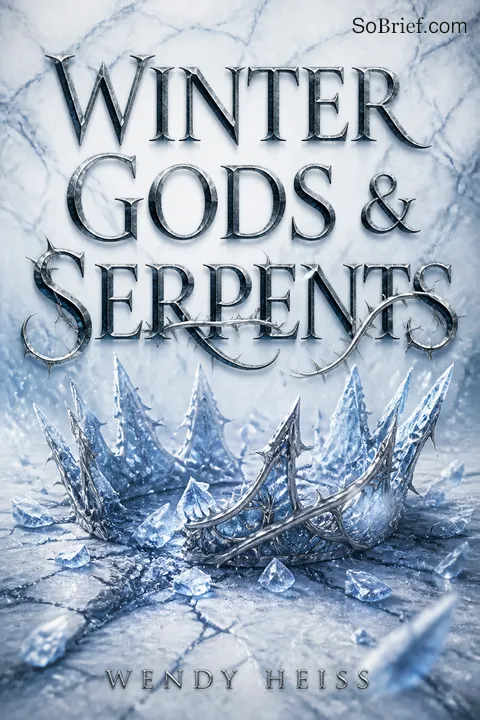
Resumen de la trama
Pesadillas y Exilio
Snowlin, hija del Rey de Invierno Silas y de la difunta reina olímpica Serene, vive en el exilio tras la masacre de su familia y la caída de Olympia. Perseguida por pesadillas y culpa, crece oculta bajo la protección de su guardián Alaric, junto a sus amigos Nia y Cai. El mundo de Snowlin está marcado por el trauma, su identidad como híbrida Aura (ybris) y la amenaza constante del alcance de su padre. Cuando soldados isjordianos irrumpen en su refugio, se anuncia el fin de su escondite y el inicio de un viaje hacia el corazón de la oscuridad política y personal. La determinación de Snowlin se forja en el dolor, su autoestima golpeada por la crueldad paterna y el temor del continente hacia su linaje. Los fantasmas de su pasado —su madre y hermanos asesinados— alimentan su ansia de venganza y justicia, mientras lucha con su propia humanidad.
Linajes y Traición
El mundo de Numen está gobernado por los Aura, humanos bendecidos por dioses con poderes elementales y espirituales, divididos por antiguas rivalidades. La sangre de Snowlin es a la vez bendición y maldición: fruto de dos poderosas líneas, es vista como arma potencial y amenaza. La masacre de Olympia fue orquestada por su padre, Silas, quien buscaba crear un Aura híbrido para dominar el continente. La existencia de Snowlin es un recordatorio vivo de su ambición y del miedo del continente a las uniones prohibidas. La traición está en todas partes: en la corte que abandonó a su familia, en el padre que la exilió y en las alianzas que cambian con los vientos del poder. Al regresar a Isjord, Snowlin debe navegar en una corte de serpientes, donde cada gesto es una amenaza y cada alianza, una posible traición.
Monstruos en la Niebla
El trauma de Snowlin no es solo psicológico, sino también sobrenatural: la niebla que acecha las ruinas de Olympia es prisión literal y figurada, llena de espíritus inquietos y ecos de la masacre. Los monstruos que la persiguen son hombres —soldados, traidores y su propio padre—, pero también son las sombras de su culpa y rabia. El mundo está lleno de maldiciones, juramentos de sangre y la magia persistente de los dioses. La lucha de Snowlin es distinguir entre los monstruos externos y los internos, encontrar la manera de vivir con sus cicatrices sin que la definan. Su viaje a través de la niebla es un tránsito por la memoria, el dolor y la posibilidad de sanar.
Festival de Sombras
El festival otoñal en Fernfoss es un instante de frágil paz y alegría efímera, donde Snowlin y sus amigos intentan recuperar una sensación de normalidad. Pero incluso allí acecha el peligro: soldados isjordianos están en movimiento y la identidad de Snowlin es un secreto apenas disimulado. El festival es un microcosmos de las tensiones del continente —tradiciones antiguas que chocan con nuevas realidades, alianzas que se forman y rompen al calor de la hoguera. El encuentro de Snowlin con Elias, capitán de Isjord, es a la vez un coqueteo y una advertencia: nada en este mundo es lo que parece, y toda bondad puede ocultar una daga.
Regreso a Isjord
Convocada de nuevo a Isjord por su padre, Snowlin regresa a un reino de hielo, poder y paranoia. El castillo es un laberinto de heridas antiguas y peligros nuevos, donde la crueldad paterna solo es igualada por la ambición de sus cortesanos. La presencia de Snowlin es amenaza y herramienta: es exhibida como princesa, pero tratada como peón. Sus amigos Nia y Cai se convierten en sus únicos aliados verdaderos, aunque deben sortear las traicioneras políticas de la Corte Invernal. La determinación de Snowlin se endurece: no será el arma de su padre, pero usará cada lección de dolor y supervivencia para derribarlo.
Serpientes en la Corte
La Corte Invernal es un nido de serpientes, donde cada señor y general compite por poder y favor. El tío de Snowlin, el Comandante Bruma, y la consorte de su padre, Moreen, están entre sus enemigos más peligrosos, con ambiciones tan afiladas como sus lenguas. Las cicatrices de Snowlin —físicas y emocionales— son tanto marca de su sufrimiento como insignia de su resistencia. Forja alianzas con quienes odian a su padre, usando juramentos de sangre y agravios compartidos para construir una coalición. Pero cada victoria tiene un precio, y cada aliado puede volverse una carga. La corte es un lugar donde sobrevivir depende del ingenio, la crueldad y la disposición a convertirse en monstruo para vencer monstruos.
Juramentos y Alianzas
El poder de Snowlin no reside en la magia, sino en su habilidad para forjar y romper alianzas. Utiliza juramentos de sangre —pactos mágicos que atan vida y muerte— para asegurar la lealtad de generales, señores e incluso enemigos. Sus amistades con Nia y Cai se ponen a prueba por las exigencias de la política y las heridas del pasado. Su relación con Elias, el capitán Venzor, es tanto conexión genuina como riesgo calculado. Cada alianza es una apuesta, cada juramento, una posible traición. La mayor arma de Snowlin es su comprensión del corazón humano: su capacidad para amar, odiar y la desesperada necesidad de pertenencia.
El Precio de la Venganza
La venganza es el motor de Snowlin, pero también su mayor carga. El deseo de vengar a su familia y destruir a su padre amenaza con consumirla, convirtiéndola en el monstruo que teme. El precio de sobrevivir es alto: se pierden amigos, se sacrifica la inocencia y cada victoria lleva consigo un dejo de arrepentimiento. Su viaje es una reflexión sobre la naturaleza de la venganza —su poder para motivar, su peligro para corromper y su incapacidad última para sanar las heridas del pasado. El precio de la venganza se paga con sangre, pero también con la lenta erosión de la esperanza.
El Pacto del Rey de Invierno
Silas, el Rey de Invierno, es un maestro de la manipulación, usando a su hija como peón en sus planes de poder. El pacto que ofrece a Snowlin —su mano en matrimonio al rey de Adriata a cambio del regreso de Myrdur, el corazón de Olympia— es a la vez trampa y oportunidad. Snowlin debe elegir entre sus propios deseos y las necesidades de su pueblo, entre la venganza personal y la posibilidad de un bien mayor. La ilusión de elección es un tema recurrente: en un mundo gobernado por dioses y reyes, ¿cuánta agencia tiene realmente alguien?
El Acuerdo Adriatiano
La alianza matrimonial entre Isjord y Adriata es el eje sobre el que gira el destino del continente. El compromiso de Snowlin con Kilian, rey de Adriata, es tanto una necesidad política como un tormento personal. Su relación está cargada de historia, culpa y la posibilidad de redención. El acuerdo es una paz frágil, amenazada por odios antiguos y nuevas ambiciones. Snowlin debe navegar las expectativas de la realeza, los peligros de la intriga cortesana y las complejidades de un amor que puede ser su salvación o su perdición.
Guerra en el Horizonte
A medida que se acerca la boda, el continente se tambalea al borde de la guerra. Solarya, Hanai y otros reinos maniobran para obtener ventaja, mientras las ambiciones de Isjord amenazan con desatar un conflicto. Snowlin descubre el verdadero plan de su padre: reunir las piezas de un arma divina, la Octa Virga, para dominar o destruir a sus rivales. La búsqueda de los fragmentos lleva a Snowlin y sus aliados a través de reinos y al corazón de la magia ancestral. Cada secreto descubierto trae nuevos peligros, y cada acto de sabotaje puede sumir al mundo en el caos.
Los Pecados de los Padres
Los pecados de los padres —la ambición de Silas, la complicidad del rey adriatiano, las traiciones del pasado— proyectan una larga sombra sobre el presente. Snowlin se ve obligada a enfrentar el legado de su linaje, la culpa de haber sobrevivido y la carga de ser víctima y vengadora. La revelación del papel de su tío en la masacre de Olympia y la verdadera naturaleza de los planes de su padre destruyen sus últimas ilusiones. El pasado no está muerto; es una fuerza viva que moldea cada elección y consecuencia.
La Jugada de la Reina
La jugada final de Snowlin es una obra maestra de estrategia y sacrificio. Forja alianzas con antiguos enemigos, manipula las ambiciones de señores y generales, y usa su propio matrimonio como arma. La coronación de Snowlin es literal y metafórica: se convierte en la pieza central del tablero, la que puede cambiar el juego. Pero cada movimiento tiene un precio —amigos perdidos, inocencia destruida y el riesgo constante de convertirse en el monstruo que buscaba derrotar. La línea entre héroe y villana se difumina, y Snowlin debe decidir qué está dispuesta a sacrificar para ganar.
El Corazón de Olympia
El retorno a Olympia es triunfo y ajuste de cuentas. Snowlin reclama su derecho de nacimiento, restaura a su pueblo y enfrenta los fantasmas de su pasado. El corazón de Olympia no es solo un lugar, sino un estado del ser —una reconciliación con su identidad, sus cicatrices y su capacidad de amar. La posibilidad de sanar es real, pero ardua e incompleta. El viaje de Snowlin no es de la oscuridad a la luz, sino de una oscuridad a otra —una oscuridad con la que se puede vivir, aunque no se supere por completo.
El Sueño Lúcido
El acto final es un sueño lúcido —un enfrentamiento con las verdades más profundas y las ilusiones más peligrosas. La lucha de Snowlin es distinguir entre lo real y lo imaginado, entre las historias que se cuenta y la realidad que debe afrontar. El sueño es prisión y liberación, un lugar donde los límites entre el yo y el otro, pasado y presente, amor y odio, se difuminan y disuelven. La única salida es atravesar: el dolor, la pérdida, la aceptación de la imperfección y la apertura a la posibilidad.
Jaque Mate
La historia concluye en jaque mate: la victoria de Snowlin es total, pero también pírrica. Ha destruido a sus enemigos, recuperado su reino y asegurado el futuro de su pueblo —pero a costa del amor, la inocencia y la posibilidad de una felicidad sencilla. El sacrificio final es personal y político: para ganar, Snowlin debe renunciar a lo que más desea. El precio de la libertad es alto, y se paga con sangre, lágrimas y la conciencia de que toda victoria es también una pérdida. La historia no termina con triunfo, sino con la silenciosa y ardua posibilidad de un nuevo comienzo.
Personajes
Snowlin Edlynne Skygard
Snowlin es la princesa exiliada de Isjord y la última real de Olympia, un Aura híbrido cuya existencia es amenaza y esperanza para el continente. Marcada por la masacre de su familia y la traición de su padre, se mueve impulsada por la venganza y la necesidad de reclamar su derecho. Su complejidad psicológica nace del trauma: atormentada por pesadillas, culpa y el miedo a convertirse en el monstruo que persigue. Sus relaciones —con su guardián Alaric, sus amigos Nia y Cai, su amante Kilian y sus enemigos— están moldeadas por una desesperada necesidad de conexión y una profunda desconfianza hacia la intimidad. Su viaje es de supervivencia, autodescubrimiento y lucha por equilibrar justicia y misericordia. Su desarrollo se marca por la aceptación gradual de su humanidad, la forja de alianzas improbables y la disposición a sacrificarlo todo por la posibilidad de sanar.
Silas, el Rey de Invierno
Silas es el padre de Snowlin y el artífice de la caída de Olympia. Obsesionado con el poder y el legado, está dispuesto a sacrificarlo todo —incluso a sus propios hijos— para alcanzar sus ambiciones. Es un maestro manipulador, que usa el miedo, la crueldad y la astucia política para mantener el control. Su relación con Snowlin es una danza retorcida de dominio y decepción: la ve como fracaso y arma potencial. Su perfil psicológico se caracteriza por narcisismo, paranoia y un miedo profundo a la irrelevancia. Su desarrollo es una advertencia sobre los peligros de la ambición desmedida y los efectos corrosivos del poder.
Kilian Henrik Castemont
Kilian es el rey de Adriata, un reino de noche y magia espiritual. Es adversario político y gran amor de Snowlin. Está marcado por la culpa —por el papel de su reino en la destrucción de Olympia, por su propia complicidad y por la imposibilidad de reconciliar amor y deber. Su complejidad psicológica radica en la lucha por equilibrar las demandas del reinado con las necesidades del corazón. Su relación con Snowlin es un estudio de amor prohibido: apasionado, cargado de historia y trágico. Su desarrollo es un tránsito del desapego a la vulnerabilidad, del deber al deseo y de la ilusión de control a la aceptación de la pérdida.
Nia (Helenia Drava)
Nia es la amiga más cercana y confidente de Snowlin, un Aura adriatiano que ha sufrido su propio trauma y traición. Su magia se basa en la empatía y la sanación, pero su pasado está marcado por abusos y la lucha por recuperar su identidad. Su relación con Snowlin es de apoyo mutuo y conflictos ocasionales: es fuente de fortaleza y recordatorio de los peligros de la confianza. Su perfil psicológico se define por la resiliencia, la compasión y la batalla constante por perdonarse a sí misma y a otros. Su desarrollo es testimonio del poder de la amistad y la posibilidad de sanar.
Caiden (Cai)
Cai es amigo de la infancia y protector de Snowlin, un Aura del aire y sobreviviente de la caída de Olympia. Su lealtad es inquebrantable, aunque sus propias heridas son profundas. Es estratega y guerrero, usando ingenio y fuerza para sortear los peligros de la corte y el campo de batalla. Su relación con Snowlin se caracteriza por una feroz protección y la disposición a desafiarla cuando es necesario. Su complejidad psicológica radica en equilibrar lealtad e independencia, y su desarrollo es un viaje de sobreviviente a líder.
Elias Venzor
Elias es capitán de Isjord y hijo del Lord Venzor, dividido entre la lealtad a su reino y sus sentimientos por Snowlin. Su relación con ella es genuina y estratégica, mezcla de afecto, atracción y cálculo político. Su perfil psicológico está marcado por el conflicto: desgarrado entre deber y deseo, entre las expectativas familiares y las demandas del corazón. Su desarrollo es un estudio sobre el costo de la lealtad dividida y la posibilidad de redención.
Alaric Drava
Alaric es el guardián de Snowlin y último lealista de Olympia, un general que ha sacrificado todo para protegerla. Su relación con Snowlin es paternal, marcada por amor duro, sabiduría y las cicatrices de sus propias pérdidas. Su complejidad psicológica radica en equilibrar protección y empoderamiento, permitiendo que Snowlin tome sus propias decisiones aunque sean peligrosas. Su desarrollo es un tránsito del duelo a la aceptación, del aislamiento a la posibilidad de una nueva familia.
Renick Salazar
Renick es el Comandante Bruma, figura de terror en la infancia de Snowlin y símbolo de la crueldad cortesana. Su relación con ella es de abusador y víctima, pero también marcada por un retorcido respeto y posibilidad de redención. Su perfil psicológico se define por sadismo, ambición y la lenta erosión de la conciencia. Su desarrollo es advertencia sobre los peligros del poder sin empatía.
Moreen
Moreen es la consorte de Silas y madre de sus otros hijos, figura de ambición y duplicidad. Su relación con Snowlin es de rivalidad y resentimiento, marcada por crueldades mezquinas y ansias de poder. Su complejidad psicológica radica en su habilidad para manipular, victimizarse y traicionar incluso a los más cercanos. Su desarrollo es un estudio sobre los efectos corrosivos de la envidia y la futilidad última de la ambición sin amor.
Samuel Raşar
Samuel es un general solaryano y uno de los pocos verdaderos aliados de Snowlin en Isjord. Su relación con ella es paternal, marcada por bondad, sabiduría y disposición al sacrificio. Su perfil psicológico se define por lealtad, honor y las cicatrices de la guerra. Su desarrollo es un viaje de sobreviviente a mártir, cuya muerte cataliza la transformación final de Snowlin.
Recursos Narrativos
Juramentos de Sangre y Pactos Mágicos
Los juramentos de sangre son centrales en la estructura narrativa, sirviendo como lazos literales y metafóricos. Estos pactos mágicos unen a los personajes en vida y muerte, obligándolos a enfrentar las consecuencias de sus decisiones. Son medios para asegurar lealtades, exigir venganzas y navegar la traicionera política de la corte. También comentan sobre la naturaleza del poder: toda promesa tiene precio y todo vínculo puede convertirse en cadena.
Trauma, Memoria y el Yo Infiable
La narrativa se estructura en torno a la interacción entre trauma y memoria, con las pesadillas y recuerdos de Snowlin sirviendo tanto a la trama como al desarrollo del personaje. La línea entre realidad e ilusión se difumina, reflejando la complejidad psicológica de la protagonista. El uso de sueños, alucinaciones y niebla mágica como prisiones literales y figuradas profundiza la exploración de identidad, culpa y posibilidad de sanación.
Intriga Política y Maquinaciones de Corte
La historia avanza por las alianzas cambiantes y traiciones de la política cortesana. Cada personaje es jugador en un juego mayor, y la estructura narrativa imita una partida de ajedrez: movimientos y contramovimientos, sacrificios y gambitos, la amenaza constante del jaque mate. El uso de alianzas matrimoniales, pactos secretos y agentes dobles crea una red de intriga que impulsa la trama y pone a prueba las lealtades.
Amor Prohibido y la Tragedia del Deseo
El romance entre Snowlin y Kilian es motor y fuente de tragedia. Su amor está prohibido por la historia, la política y las heridas del pasado. La narrativa explora la tensión entre deseo personal y deber público, la posibilidad de redención y la inevitabilidad de la pérdida. La estructura de su relación —llena de encuentros fallidos, malentendidos y elecciones imposibles— refleja los grandes temas de la historia.
El Arma Divina y la Búsqueda del Poder
La búsqueda de la Octa Virga, el arma divina, es la misión central de la narrativa. Funciona como MacGuffin y símbolo: el premio supremo que promete poder, pero también el peligro máximo que amenaza con destruir el mundo. La estructura de la búsqueda permite explorar la magia antigua, los riesgos de la ambición desmedida y la repetición histórica. El arma es amenaza literal y metáfora del potencial destructivo del deseo humano.
Análisis
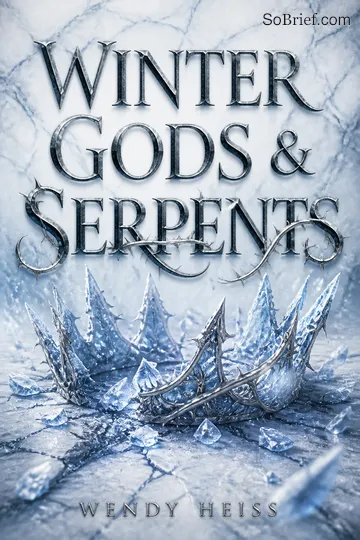
Winter Gods & Serpents es una fantasía oscura y psicológicamente rica que interroga la naturaleza del poder, el legado del trauma y la posibilidad de sanar en un mundo construido sobre la traición. En su centro está Snowlin, una protagonista cuyo tránsito de víctima a vengadora es transformación personal y política. La novela usa las convenciones de la fantasía épica —dioses, magia, intrigas cortesanas— para explorar preguntas profundamente humanas: ¿qué significa sobrevivir? ¿Puede la venganza traer justicia o solo perpetúa el ciclo del dolor? La historia no esquiva la violencia, el abuso y las cicatrices de la historia, pero también es testimonio de la resiliencia, el poder de la familia elegida y la esperanza arduamente ganada que surge de enfrentar la oscuridad y elegir, una y otra vez, vivir. Las lecciones son claras: el poder corrompe, el amor es arma y herida, y el único camino es aceptar la imperfección, perdonar y tener el valor de comenzar de nuevo.
También leyeron
Preguntas frecuentes
Synopsis & Basic Details
What is Winter Gods & Serpents about?
- A Princess's Vengeful Return: Winter Gods & Serpents follows Snowlin Edlynne Skygard, the exiled hybrid princess of Isjord and last royal of fallen Olympia, as she is summoned back to her tyrannical father's court after twelve years. Haunted by the massacre of her family and kingdom, Snowlin plots a meticulous revenge against those who wronged her, including her own father and the Adriatian kingdom.
- Political Intrigue & Hidden Agendas: The narrative weaves a complex web of political machinations, as Snowlin navigates a court rife with betrayal and shifting alliances. Her return is tied to a strategic marriage alliance between Isjord and Adriata, forcing her into a dangerous game where she must outwit kings, generals, and even her supposed allies to achieve her goals.
- Identity, Trauma, & Survival: At its core, the story is a deep dive into Snowlin's psychological landscape, exploring themes of trauma, identity, and the blurred lines between victim and monster. Her journey is one of survival and self-discovery, as she grapples with her past, her unique heritage as an 'ybris,' and the profound cost of vengeance.
Why should I read Winter Gods & Serpents?
- Complex Anti-Heroine Analysis: Readers seeking a protagonist who defies traditional heroic archetypes will find Snowlin compelling. Her motivations are deeply rooted in trauma, leading to morally ambiguous choices and a ruthless pursuit of justice that challenges conventional notions of good and evil.
- Rich World-Building & Magic System: The novel presents a vibrant world of Numen, populated by diverse Aura (magical humans blessed by gods) and intricate political structures across various kingdoms. The unique magic system, from elemental powers to spiritual abilities like empathy and shadow manipulation, adds depth and intrigue to the conflicts.
- Psychological Depth & Emotional Resonance: Beyond the action and political schemes, the story offers a profound exploration of human emotion, memory, and the lasting impact of trauma. The internal struggles of characters, particularly Snowlin and Kilian, provide a raw and unflinching look at pain, love, and the difficult path to healing.
What is the background of Winter Gods & Serpents?
- A World of Divine Blessings & Ancient Laws: The realm of Numen is shaped by eight prime gods who bestowed magic upon humans, creating the Aura. Ancient laws, like the prohibition of mixing Auran bloodlines, underpin societal structures and fuel conflicts, as seen with Snowlin's 'ybris' heritage.
- The Fall of Olympia & Its Lingering Curse: The central historical event is the massacre of Olympia, orchestrated by King Silas. This act of war, driven by his desire for power and hybrid Aura, left the land of Myrdur cursed with restless spirits (zgahna) and created deep-seated animosity between Isjord and Adriata, setting the stage for the current political climate.
- Technological & Cultural Nuances: Despite the fantasy setting, the world features elements like printing houses, advanced forging (Adriatian black steel), and distinct cultural practices (Isjord's eternal winter traditions, Adriata's spiritual reverence for the moon and night). These details add texture and realism to the fantastical elements, influencing character interactions and plot developments.
What are the most memorable quotes in Winter Gods & Serpents?
- "Patience is the virtue of the dead.": This opening line immediately establishes Snowlin's character and the relentless, impatient drive for vengeance that defines her. It foreshadows her refusal to wait for justice and her active pursuit of her enemies.
- "There are two deaths in this realm, one that will hurt and one that will really, really hurt. Pick wisely.": Spoken by Snowlin during an interrogation, this quote encapsulates her ruthless pragmatism and her mastery of psychological torture, highlighting her transformation into a formidable and terrifying figure.
- "You cannot light the world on fire for light either, Princess. Everyone can be happy, you are just choosing the path of unhappiness at the expense of your soul.": Kilian's poignant observation to Snowlin reveals his deep understanding of her internal conflict and the self-destructive nature of her revenge, emphasizing the novel's exploration of trauma and healing.
What writing style, narrative choices, and literary techniques does Wendy Heiss use?
- First-Person Limited & Shifting Perspectives: The primary narrative is from Snowlin's first-person perspective, offering intimate access to her thoughts, trauma, and complex motivations. However, the narrative occasionally shifts to Kilian's first-person perspective (Parts II and IV), providing crucial counterpoints and revealing his internal struggles, enriching the emotional depth and interpretive possibilities.
- Sensory-Rich & Visceral Prose: Heiss employs vivid, often visceral, sensory descriptions, particularly around Snowlin's trauma and the magical elements. The "smell of burnt flesh and screams," the "metallic sting of blood," and the "razor-sharp pain dulling across my palms" immerse the reader directly into Snowlin's experience, making her psychological torment palpable.
- Symbolism & Metaphorical Language: The novel is rich with recurring symbols and metaphors that deepen its themes. "Cages" and "chains" represent Snowlin's feeling of entrapment and her struggle for freedom, while "serpents" and "vipers" symbolize the treacherous court and its inhabitants. The repeated motif of "fire" and "ice" reflects the contrasting natures of Isjord and Adriata, as well as Snowlin's internal conflict between burning rage and emotional numbness.
Hidden Details & Subtle Connections
What are some minor details that add significant meaning?
- Penelope's Eldmoorian Heritage: The revelation that Penelope is "part Eldmoorian" and her father was a crafter (Chapter 37) is a subtle but significant detail. It explains her unusual sensitivity to magic and her ability to detect craft veils, hinting at a deeper connection to the magical world and potentially foreshadowing her future role beyond a mere servant. This background also explains why she's not entirely surprised by Snowlin's 'ominous' qualities.
- The Octa Virga's Eight Pieces: Uncle Aryan's detailed explanation of the Octa Virga (Chapter 43) reveals it's broken into eight fragments, each guarded by a kingdom. This directly links to the "Eight souls part her living. Eight souls guarded to keep her from living" prophecy Snowlin finds in the temple (Chapter 40), suggesting the weapon's fragments are tied to the fate of a powerful being, possibly Aurora, and that Snowlin's own life is intertwined with this ancient magic.
- Kilian's "Bad Knee": Kilian's casual mention of his "bad knee" from tripping over a cliff while chasing Mal (Chapter 38) is a small detail that humanizes him and subtly foreshadows his protective nature towards his brother. It contrasts with his otherwise stoic demeanor and hints at a deeper, more vulnerable side beneath his kingly facade, making his later actions for Snowlin more impactful.
What are some subtle foreshadowing and callbacks?
- Snowlin's "Uselessness" as a Weapon: Snowlin's repeated self-identification as "useless" and her father's dismissal of her lack of magic (Chapter 1) subtly foreshadows her true power. Her "uselessness" becomes her greatest weapon, as she is underestimated by her enemies, allowing her to move unseen and strike from unexpected angles, subverting the traditional expectation of a magical protagonist.
- The "Children of the Forest" Song: The seemingly morbid nursery rhyme Snowlin hums and sings ("For three burning suns and moons, the dark blight celebrated all afternoons...") (Chapter 7, 17) is a direct callback to the tale of children poisoning their enemies with lily of the valley. This foreshadows Snowlin's use of poison against Moreen and her children, and later, the widespread poisoning of Adriata, revealing her meticulous planning and ruthless execution of vengeance.
- Kilian's "Steel Tongued" Nickname: Kilian's Darsan nickname, "Dahaara" (steel tongued), is introduced early (Chapter 18) and subtly foreshadows his unwavering honesty and bluntness, especially with Snowlin. It contrasts with her own mastery of lies and facades, setting up their dynamic where he consistently sees through her deceptions, forcing her to confront her truths.
What are some unexpected character connections?
- Albius Arynth's Connection to Eren: Lord Albius's deep affection and mentorship of Eren (Chapter 12) is an unexpected connection that humanizes a seemingly minor court figure. He reveals Eren's true character and even inscribed Snowlin's name on Eren's sword, highlighting a hidden layer of loyalty and respect within the treacherous Winter Court, and providing Snowlin with a trusted ally.
- Samuel Raşar's Past with Alaric: The revelation of Samuel and Alaric's close friendship and shared past in Solarya (Chapter 5) is a surprising connection. It explains Samuel's immediate trust and paternal care for Snowlin, deepening his role beyond a mere general and setting up his tragic sacrifice as a personal loss for Snowlin, rather than just a political one.
- Moreen's Role in Olympia's Fall: The subtle hints that Moreen actively aided the Adriatians in the attack on Olympia (Chapter 42) are unexpected. Snowlin's confrontation reveals Moreen's deeper villainy beyond petty court rivalries, exposing her as a direct accomplice in the massacre and adding another layer to Snowlin's personal vendetta against her.
Who are the most significant supporting characters?
- Penelope, The Unwitting Spy: Beyond a mere servant, Penelope becomes Snowlin's crucial informant within the castle. Her innocent curiosity and Eldmoorian heritage allow her to gather vital intelligence on court secrets, General Moregan's activities, and even Melanthe's past, making her an indispensable, albeit often terrified, asset to Snowlin's machinations.
- Albius Arynth, The Honorable Lord: Lord of Arynth emerges as a significant ally, not just due to his position but his genuine character. His respect for Olympia, his mentorship of Eren, and his willingness to form a blood oath with Snowlin (Chapter 35) make him a rare figure of integrity in Silas's court, providing Snowlin with a crucial foothold in her plan to dismantle Isjord from within.
- Melanthe, The Resurrected Crafter: Melanthe, Silas's dark crafter, is a pivotal supporting character whose mysterious return from Caligo (Chapter 27) and connection to the Octa Virga quest significantly escalates the stakes. Her unique abilities and her past as the daughter of a Grand Maiden make her a formidable, unpredictable force, directly impacting Snowlin's understanding of her father's true ambitions.
Psychological, Emotional, & Relational Analysis
What are some unspoken motivations of the characters?
- Silas's Fear of Irrelevance: Beyond mere power, Silas's relentless pursuit of the Octa Virga and hybrid Aura is subtly motivated by a deep-seated fear of his kingdom's decline and his own legacy fading. His obsession with "divine weapons" and "eternalness" (Chapter 25) hints at a profound insecurity about his mortality and the transient nature of his rule, driving his extreme actions.
- Nia's Self-Punishment & Avoidance: Nia's reluctance to fully embrace her Adriatian heritage and her healing magic (Chapter 26) is an unspoken motivation rooted in her past trauma as a slave. Her desire to "bury to forget" (Chapter 26) and her initial refusal to learn magic stem from a deep-seated need to distance herself from the pain inflicted by her own people, even if it means suppressing parts of herself.
- Kilian's Guilt-Driven Protection: Kilian's intense protectiveness of Snowlin, even before he admits his love, is subtly driven by his kingdom's complicity in the Olympia massacre. His repeated attempts to shield her from harm and his willingness to sacrifice for her (Chapter 36) are unspoken acts of atonement, a desperate need to rectify the "wrong" his people inflicted upon her and her family.
What psychological complexities do the characters exhibit?
- Snowlin's Performance of Cruelty: Snowlin often performs exaggerated cruelty and indifference, particularly when confronting her enemies or discussing her vengeful plans. This is a psychological defense mechanism, a "mask of weakness" (Chapter 45) to hide her profound pain and vulnerability. Her internal monologues often contradict her outward bravado, revealing a deeply fractured self struggling to reconcile her trauma with her desire for justice.
- Kilian's Emotional Suppression: Kilian, as an Empath, exhibits a complex psychological struggle with his own emotions and those of others. His "steel tongued" demeanor and stoicism are a form of self-preservation, a learned suppression to avoid being overwhelmed by the intense emotions he can perceive. His journey is about breaking through this self-imposed barrier, allowing himself to feel and express love, even if it means vulnerability.
- The Cycle of Abuse & Its Perpetuation: The novel subtly explores how trauma and abuse perpetuate a cycle of harm. Renick, a victim of Silas's cruelty, becomes a torturer himself. Snowlin, deeply scarred by her past, struggles with her own capacity for cruelty, often mirroring the tactics of her abusers. This complexity highlights the psychological toll of violence and the difficulty of breaking free from its patterns.
What are the major emotional turning points?
- Samuel's Sacrifice: Samuel's death (Chapter 36) is a pivotal emotional turning point for Snowlin. It shatters her carefully constructed facade of emotional detachment, forcing her to confront the raw pain of loss and the direct consequences of her actions. His dying words, urging her to "wage no destruction, honour my request. Give peace with no fear," challenge her vengeful path and introduce a new moral dilemma.
- Kilian's Confession of Love: Kilian's confession of love (Chapter 32, 36) marks a significant emotional shift for both characters. For Snowlin, it forces her to acknowledge her own buried feelings and the terrifying vulnerability that comes with them. For Kilian, it's a breaking of his emotional barriers, a full embrace of desire over duty, and a profound commitment that redefines his purpose.
- Nia's Revelation of Her Past: Nia's confession of her past as a slave and the source of her metal hands (Chapter 26) is a powerful emotional turning point in her relationship with Snowlin. It deepens their bond through shared vulnerability and mutual understanding of trauma, leading to Snowlin's apology and a renewed commitment to their friendship, highlighting the healing power of truth and forgiveness.
How do relationship dynamics evolve?
- Snowlin & Kilian: From Enemies to Forbidden Lovers: Their relationship undergoes the most dramatic evolution, starting as adversaries bound by political necessity and mutual distrust. Through shared vulnerability, intellectual sparring, and unexpected moments of tenderness, their dynamic shifts to a deep, forbidden love. This evolution is marked by Kilian's persistent attempts to break through Snowlin's emotional walls and Snowlin's gradual acceptance of intimacy, culminating in a tragic romance.
- Snowlin & Her Father: A Dance of Defiance & Control: The dynamic between Snowlin and Silas is a constant power struggle. Initially, Snowlin is a pawn, but she systematically subverts his control, turning his own tactics against him. Their relationship evolves from one of victim and abuser to a complex game of wits, where Snowlin actively provokes and outmaneuvers her father, culminating in her ultimate checkmate.
- Snowlin & Her Allies: Forging Chosen Family: Snowlin's relationships with Nia and Cai evolve from childhood companionship to a fierce, unwavering chosen family. Their loyalty is tested by Snowlin's ruthless methods and emotional distance, but ultimately, their bonds deepen through shared trauma and mutual support. The addition of characters like Albius and Samuel expands this circle, demonstrating the power of loyalty and found family in a treacherous world.
Interpretation & Debate
Which parts of the story remain ambiguous or open-ended?
- The Nature of Snowlin's "Emptiness": While Snowlin claims to "feel nothing" and that her emotions "just...left me" (Chapter 25), the narrative often shows her experiencing intense emotions, particularly anger, pain, and moments of joy or tenderness. This ambiguity leaves readers to debate whether her "emptiness" is a literal psychological state, a coping mechanism, or a profound disconnect from her own emotional reality, making her a truly unreliable narrator of her own feelings.
- The Octa Virga's True Power & Purpose: The exact nature and full capabilities of the Octa Virga remain somewhat ambiguous. While described as a "divine weapon" that can "erase all life" (Chapter 43), its precise mechanism and the extent of Aurora's sentience within it are not fully detailed. This leaves room for debate on whether Silas truly understood its power or if his ambition would have led to an unforeseen catastrophe beyond his control.
- The Fate of Snowlin's Soul: Kilian often questions Snowlin's soul, suggesting her actions might condemn her to "seven hells" (Chapter 17). The ending, while a strategic victory, leaves her personal fate open-ended. Readers can debate whether her ultimate sacrifice and the pain she endures lead to a form of spiritual redemption, or if her soul remains "soiled" by the path she chose, leaving her forever haunted by her choices.
What are some debatable, controversial scenes or moments in Winter Gods & Serpents?
- Snowlin's Torture of Prisoners: Snowlin's brutal methods of interrogation and punishment, such as severing hands and displaying bodies on pikes (Chapter 12), are highly controversial. Readers may debate whether these actions are justifiable given her past trauma and the ruthlessness of her enemies, or if they simply perpetuate the cycle of violence, turning her into the very "monster" she despises. This challenges the reader's sympathy for the protagonist.
- The "Blood Oath" with Renick Salazar: Snowlin forcing Renick, her childhood torturer, into a blood oath of allegiance (Chapter 37) is a morally complex moment. While it serves her strategic goals, it raises questions about the nature of justice and forgiveness. Is it true justice to enslave an abuser, or does it merely reflect Snowlin's own descent into the tactics of her enemies? This scene forces readers to confront the blurred lines between right and wrong.
- The "Poisoning" of Adriata: Snowlin's long-term, systematic manipulation and weakening of Adriata through environmental sabotage (Chapter 44) is a controversial strategic choice. While framed as a means to an end (forcing the agreement and weakening the kingdom for her takeover), it involves inflicting suffering on innocent civilians. This raises ethical questions about collective punishment and whether the ends justify such devastating means, even in a war for justice.
Winter Gods & Serpents Ending Explained: How It Ends & What It Means
- The Checkmate: A Pyrrhic Victory: The ending of Winter Gods & Serpents is a strategic triumph for Snowlin, but a deeply personal tragedy. She successfully orchestrates her father's downfall, reclaiming Myrdur and positioning herself to take over Isjord. Her final act of stabbing Kilian, her beloved, is the ultimate sacrifice to fulfill her blood oath and trigger the war that will allow her to seize power. This "checkmate" is a pyrrhic victory, as she achieves her goals at the cost of her own happiness and the love she found.
- The Cost of Vengeance & Lost Love: Snowlin's journey culminates in the devastating realization that her relentless pursuit of vengeance has cost her the very thing that offered her solace: Kilian's love. Her final words to him, "I will kill you and then me, and I will not die, king of the damned, before I harvest all life out of this land," signify her commitment to her destructive path, even if it means sacrificing herself and her newfound connection. The ending emphasizes that while revenge can be achieved, it rarely brings true healing or happiness.
- A New Beginning, Forged in Pain: Despite the tragic personal loss, the ending also signifies a new beginning for Olympia and Snowlin's reign. She has secured Myrdur, dismantled her father's power, and positioned herself as a formidable queen. Her final moments, being captured by her father's soldiers, leave her fate ambiguous but imply a continuation of her struggle. The meaning is that true power and leadership are often forged in immense pain and sacrifice, and that even in victory, the scars of the past remain. The "heartache gone with it" suggests a final, painful detachment, allowing her to fully embrace her role as the "ruin" she promised to be.
Las Crónicas de Auran Serie
Descargar PDF
Descargar EPUB
.epub digital book format is ideal for reading ebooks on phones, tablets, and e-readers.








































