نکات کلیدی
1. تسلط جهانی مد سریع با هزینههای انسانی و زیستمحیطی ویرانگر همراه است
"واقعاً برایم مهم نیست، برای شما چطور؟"
اعداد حیرتانگیز. صنعت مد سالانه بیش از 100 میلیارد لباس تولید میکند و هر آمریکایی به طور متوسط 68 لباس جدید در سال میخرد. این مقیاس عظیم تولید و مصرف پیامدهای شدیدی دارد:
- هزینه انسانی:
- کمتر از 2% از کارگران پوشاک دستمزد کافی برای زندگی دریافت میکنند
- شرایط کاری ناامن، همانطور که در فاجعههایی مانند فروپاشی رانا پلازا دیده شد
- تأثیر زیستمحیطی:
- مد مسئول 10% از انتشار کربن جهانی است
- 20% از فاضلاب جهانی را تولید میکند
- از 1/4 از تمام مواد شیمیایی تولید شده در سراسر جهان استفاده میکند
رقابت به سمت پایین. برندهای مد سریع مانند زارا و H&M صنعت را تغییر دادهاند و سرعت و هزینههای پایین را بر کیفیت و اخلاق ترجیح میدهند. این مدل به زنجیره تأمین جهانی پراکندهای متکی است که مسئولیتپذیری را مبهم میکند و بهرهکشی را ممکن میسازد.
2. تاریخ تاریک تولید پوشاک الگوی بهرهکشی و آلودگی را نشان میدهد
"مارکس بعدها مشاهده کرد، 'بدون بردهداری، پنبهای وجود نداشت. بدون پنبه، صنعت مدرن وجود نداشت.'"
ریشههای انقلاب صنعتی. مشکلات صنعت مد مدرن را میتوان به تولد تولید انبوه در قرن هجدهم انگلستان ردیابی کرد. کارخانه نساجی آبی ریچارد آرکرایت در کرومفورد آغازگر دورهای بود که با موارد زیر مشخص میشد:
- کار کودکان و شرایط کاری خطرناک
- تخریب زیستمحیطی ناشی از رنگهای شیمیایی و ضایعات صنعتی
- بهرهکشی از منابع و نیروی کار مستعمراتی
چرخههای تکراری. این الگوی بهرهکشی در طول تاریخ تکرار شده است، از کارگاههای عرقریزی قرن نوزدهم در نیویورک تا کارخانههای امروزی در بنگلادش. با وجود اصلاحات و مقررات دورهای، صنعت به طور مداوم به دنبال ارزانترین نیروی کار و استانداردهای زیستمحیطی سستتر است.
3. بازگرداندن تولید به داخل و انتخاب مکان مناسبتر، جایگزینهای اخلاقیتری برای تولید خارج از کشور ارائه میدهند
"اگر درست و واقعی انجام دهید، میتوانید آن را از هر جایی انجام دهید."
بازگرداندن تولید به خانه. جنبش رو به رشدی از طراحان و تولیدکنندگان در حال معکوس کردن روند تولید خارج از کشور با بازگرداندن تولید به کشورهای توسعهیافته هستند. این "بازگرداندن" مزایای متعددی ارائه میدهد:
- کنترل بیشتر بر شرایط کاری و استانداردهای زیستمحیطی
- زنجیرههای تأمین کوتاهتر، کاهش انتشار حمل و نقل
- حفظ صنایع دستی سنتی و اقتصادهای محلی
استراتژی انتخاب مکان مناسبتر. به جای اینکه تمام تولید را به خانه بازگردانند، "انتخاب مکان مناسبتر" شامل یافتن مکان بهینه برای هر مرحله از تولید بر اساس ملاحظات اخلاقی و زیستمحیطی است، نه فقط هزینه.
- مثالها: احیای تولید نساجی در انگلستان توسط English Fine Cottons، مد محلی و تولید شده توسط Alabama Chanin
- مزایا: ایجاد شغل، افزایش شفافیت، کاهش تأثیر زیستمحیطی
4. مواد و روشهای تولید نوآورانه در حال انقلاب در مد پایدار هستند
"اگر میخواهیم این مسئله را حل کنیم، باید با این افراد همکاری کنیم."
مواد زیستی. شرکتهایی مانند Modern Meadow و Bolt Threads در حال توسعه مواد جدید انقلابی هستند که بدون تأثیر زیستمحیطی، منسوجات سنتی را تقلید میکنند:
- چرم پرورشیافته در آزمایشگاه از پروتئین کلاژن
- ابریشم مصنوعی عنکبوت برای پارچههای با عملکرد بالا
- جایگزینهای چرمی مبتنی بر میسیلیوم (ریشه قارچ)
تولید پاکتر. نوآوریها در فرآیندهای رنگرزی و تکمیل به طور چشمگیری مصرف آب و مواد شیمیایی در تولید جین را کاهش میدهند:
- درمانهای ازون و لیزر Jeanologia
- رنگهای نیلی گیاهی Stony Creek Colors
- فناوریهای رنگرزی بدون آب
5. اصول اقتصاد چرخشی در حال تغییر نحوه تولید، استفاده و بازیافت لباسها هستند
"شاید خودش را بخورد."
بستن حلقه. صنعت مد در حال پذیرش اصول اقتصاد چرخشی است، با هدف حذف ضایعات و به حداکثر رساندن استفاده از منابع:
- طراحی برای دوام و قابلیت بازیافت
- استفاده از مواد بازیافتی و بازتولید شده
- توسعه فناوریهای بازیافت پارچه به پارچه
بازیافت نوآورانه. شرکتهایی مانند Evrnu و Worn Again در حال توسعه فناوریهایی برای جداسازی و بازیافت پارچههای ترکیبی هستند، تبدیل لباسهای قدیمی به مواد خام جدید:
- بازیافت شیمیایی ترکیبات پنبه-پلیاستر
- الیاف سلولزی بازتولید شده از ضایعات پنبه
- بازیافت پلیاستر در حلقه بسته
6. فناوری در حال تغییر طراحی، تولید و خردهفروشی مد سنتی است
"چاپ سهبعدی پتانسیل انقلاب در کل بازی مد را دارد—و این تغییر زودتر از آنچه تصور میکنید در راه است."
طراحی و تولید دیجیتال. فناوریهای نوظهور در حال تغییر نحوه طراحی، ساخت و فروش لباسها هستند:
- چاپ سهبعدی لباس و لوازم جانبی
- تولید بر اساس تقاضا، کاهش تولید بیش از حد
- واقعیت مجازی و افزوده برای تجربیات طراحی و خرید
مد مبتنی بر داده. تحلیلهای پیشرفته و هوش مصنوعی برای موارد زیر استفاده میشوند:
- پیشبینی روندها و بهینهسازی موجودی
- شخصیسازی محصولات و بازاریابی
- بهبود کارایی و شفافیت زنجیره تأمین
7. مصرفگرایی آگاهانه و مدلهای کسبوکار جدید در حال تغییر چشمانداز مد هستند
"وقت آن است که خرید بیفکر را ترک کنیم و به آنچه فرهنگی و معنوی انجام میدهیم، فکر کنیم."
تغییر نگرش مصرفکنندگان. آگاهی رو به رشد از تأثیرات زیستمحیطی و اجتماعی مد در حال ایجاد تغییراتی در رفتار مصرفکنندگان است:
- ترجیح به برندهای پایدار و اخلاقی
- علاقه به لباسهای دست دوم و وینتیج
- تقاضا برای شفافیت و قابلیت ردیابی
مدلهای کسبوکار نوآورانه. رویکردهای جدید به مصرف مد در حال ظهور هستند:
- خدمات اجاره لباس مانند Rent the Runway
- پلتفرمهای فروش مجدد مانند The RealReal
- برندهای مستقیم به مصرفکننده با تأکید بر پایداری
پاسخ صنعت. برندها و خردهفروشان بزرگ در حال تطبیق با این تغییرات هستند:
- ابتکارات و تعهدات پایداری
- سرمایهگذاری در فناوریهای اقتصاد چرخشی
- خردهفروشی تجربی و استراتژیهای چندکاناله
خلاصه نقدها
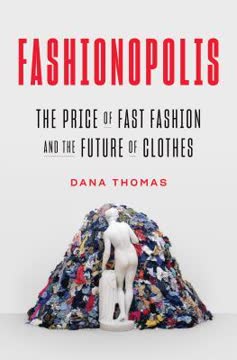
کتاب فشناُپلیس به بررسی تأثیرات زیستمحیطی و اجتماعی مد سریع میپردازد و بینشهایی در مورد گزینههای پایدار و نوآوریهای فناوری ارائه میدهد. این کتاب به خاطر تحقیقات جامع و نگارش جذابش مورد تحسین قرار گرفته است، اما برخی از منتقدان بر این باورند که راهحلهای ارائهشده برای مصرفکنندگان عادی غیرقابلدسترس است. کتاب به مسائلی مانند زباله، آلودگی و استثمار نیروی کار در صنعت مد میپردازد و به بحث در مورد شیوههای دوستدار محیطزیست، ابتکارات بازیافت و روشهای تولید اخلاقی میپردازد. خوانندگان از آموختن در مورد زنجیره تأمین مد استقبال کردند، اما آرزو داشتند که مشاورههای عملیتری در مورد مصرف پایدار برای افرادی با بودجه محدود ارائه شود.
دیگران نیز خواندهاند
سؤالات متداول
What's Fashionopolis about?
- Exploration of Fast Fashion: Fashionopolis by Dana Thomas examines the fast fashion industry, focusing on its societal, environmental, and labor impacts. It critiques how brands like Zara and H&M have made clothing disposable.
- Consequences of Consumption: The book highlights the environmental degradation caused by fashion, including pollution and waste, and stresses the need for sustainable practices.
- Future of Fashion: Thomas presents hopeful alternatives, showcasing innovators and brands that prioritize sustainability and ethical production, advocating for a more responsible fashion industry.
Why should I read Fashionopolis?
- Awareness of Impact: The book increases awareness of fast fashion's hidden costs, from environmental damage to human rights abuses, encouraging critical thinking about clothing choices.
- Inspiration for Change: It offers insights into how consumers can influence the fashion industry by supporting sustainable brands, empowering readers to make informed decisions.
- Comprehensive Research: Dana Thomas combines storytelling with factual analysis, providing extensive research and interviews with industry insiders, making it a credible and engaging source of information.
What are the key takeaways of Fashionopolis?
- Fast Fashion's Dark Side: The book reveals exploitative labor practices and environmental destruction, with fewer than 2% of garment workers earning a living wage.
- Consumer Responsibility: Thomas emphasizes the role of consumers in driving change, urging them to consider the cultural and spiritual implications of their shopping habits.
- Hope for Sustainability: Emerging brands and practices that prioritize sustainability are showcased, suggesting a path forward for the industry towards a more principled value system.
What are the best quotes from Fashionopolis and what do they mean?
- “I really don’t care, do you?”: This quote refers to Melania Trump's Zara jacket, symbolizing indifference towards fast fashion's consequences and the disconnect between consumer choices and societal impact.
- “The expectation is to keep up with the ever-changing trends.”: It critiques the relentless pressure on consumers to buy new clothing, prioritizing profit over sustainability and ethics.
- “We can get dressed with intention.”: Encourages mindful clothing choices, suggesting consumers can influence the industry by choosing quality and sustainability over quantity.
How does Fashionopolis address sustainability?
- Critique of Current Practices: Thomas critiques fast fashion's unsustainable practices, noting the doubling of clothing waste in America from 7 to 14 million tons.
- Showcasing Alternatives: The book highlights brands and innovators leading in sustainable fashion, discussing hyperlocalism and other innovative business models.
- Call to Action: Thomas urges consumers to support sustainable practices and rethink shopping habits, advocating for a more conscious approach to fashion consumption.
What are the main criticisms of fast fashion in Fashionopolis?
- Labor Exploitation: Fast fashion often relies on cheap labor in developing countries, leading to poor working conditions, with most workers being women and children.
- Environmental Damage: The book details significant environmental impacts, including water pollution and waste, with the fashion industry consuming one-fourth of global chemicals.
- Consumer Culture: Thomas critiques the culture of disposability promoted by fast fashion, where clothing is worn a few times before being discarded, fueling overconsumption and waste.
How does Dana Thomas propose to change the fashion industry?
- Advocating for Slow Fashion: Thomas promotes slow fashion, emphasizing quality over quantity and sustainable practices, aligning with pre-industrial fashion's collective and sociable process.
- Consumer Education: She stresses educating consumers about their choices' impact, encouraging cultural and spiritual consideration in shopping habits.
- Support for Ethical Brands: Thomas highlights the need to support brands prioritizing ethical production and sustainability, showcasing innovators making strides towards a responsible industry.
What role do consumers play in the fashion industry according to Fashionopolis?
- Driving Demand for Change: Consumers can influence the industry by supporting sustainable brands, playing a pivotal role in shaping fashion's future.
- Rethinking Consumption Habits: The book encourages rethinking shopping habits, emphasizing the need to quit mindless shopping and make intentional choices.
- Advocating for Transparency: Consumers can demand transparency from brands about production practices, advocating for an ethical supply chain.
What is the environmental impact of fast fashion as discussed in Fashionopolis?
- Massive Waste Generation: Fast fashion generates significant waste, with 87% of clothing produced annually ending up in landfills or incinerated.
- Resource Depletion: The industry consumes vast amounts of water and energy, with a single cotton T-shirt requiring approximately 2,700 liters of water.
- Pollution and Chemical Use: Fashion is a major source of water pollution, with toxic chemicals used in dyeing and finishing contaminating waterways.
How does Fashionopolis address labor exploitation in the fashion industry?
- Sweatshop Conditions: The book discusses harsh realities faced by garment workers, earning as little as $2 a day, highlighting systemic exploitation.
- Calls for Accountability: Emphasizes holding brands accountable for supply chain practices, advocating for transparency and ethical labor standards.
- Empowerment of Workers: Shares stories of activists fighting for workers' rights, showcasing efforts to improve conditions in the garment industry.
What sustainable practices are highlighted in Fashionopolis?
- Use of Organic Materials: Emphasizes the shift towards organic cotton and sustainable materials, with lower environmental impact compared to conventional options.
- Innovative Recycling Methods: Discusses initiatives like ECONYL, recycling waste into new fabrics, demonstrating potential for a circular economy in fashion.
- Local and Ethical Production: Highlights brands prioritizing local production and ethical labor practices, reducing carbon footprint and supporting community economies.
How does Fashionopolis propose to change consumer behavior?
- Mindful Consumption: Advocates for buying fewer, longer-lasting items, promoting a shift away from fast fashion mentality towards valuing quality.
- Emphasis on Secondhand and Rental Options: Highlights secondhand shopping and clothing rentals as sustainable alternatives, reducing overproduction and waste.
- Education and Awareness: Aims to educate readers about the impacts of their purchasing decisions, inspiring informed choices aligned with personal values.