نکات کلیدی
1. شهرها تحت تأثیر تعامل سیاست و بحرانهای زیستمحیطی شکل میگیرند.
رهبران شهری به دلایل سیاسی منابع را به نمایشهای زیبا اختصاص میدهند، به جای اینکه به تأمین جادههای خوب، سیستمهای فاضلاب کارآمد، بازارهای نسبتاً ایمن و سایر امکانات اساسی زندگی شهری بپردازند.
نمایشهای سیاسی به جای نیازهای عملی. در طول تاریخ، رهبران شهری اغلب پروژههای بصری چشمگیر را برای کسب منافع سیاسی در اولویت قرار میدهند و زیرساختهای ضروری مانند جادهها و بهداشت را نادیده میگیرند. این میتواند در زمان بحرانهای زیستمحیطی آسیبپذیریهایی ایجاد کند، همانطور که در سیستم ذخیرهسازی آب ناکارآمد آنگکور مشاهده میشود.
چرخه معیوب ناپایداری. بلایای زیستمحیطی تنشهای سیاسی را تشدید میکنند و ترمیم زیرساختهای آسیبدیده و رسیدگی به نیازهای اساسی را دشوارتر میسازند. این امر چرخهای از افول ایجاد میکند که میتواند در نهایت به رها شدن شهری منجر شود.
تابآوری نیاز به تعادل دارد. شهرهایی که هم جذابیت ظاهری و هم کارکرد عملی را در اولویت قرار میدهند، بیشتر قادر به مقابله با چالشهای زیستمحیطی و حفظ ثبات اجتماعی هستند. نادیده گرفتن هر یک از این جنبهها میتواند به عواقب بلندمدت منجر شود.
2. رهاسازی شهری یک عمل عمدی است که ناشی از شرایط ناپایدار است.
این شهرها مانند آتلانتیس ناپدید نشدند، که ناگهان به زیر آب بروند و به قلمرو افسانهها بروند. آنها گم نشدهاند. مردم به دلایل خوب بهطور عمدی آنها را رها کردند.
رهاسازی به عنوان یک انتخاب. شهرها به سادگی به دلیل شرایط مرموز "گم" نمیشوند. مردم زمانی که شرایط ناپایدار میشود، تصمیمات آگاهانهای برای ترک میگیرند، که اغلب ناشی از ترکیبی از ناپایداری سیاسی و بحرانهای زیستمحیطی است.
دورههای طولانی سختی. رهاسازی شهرهایی مانند چاتالهویوک، پمپئی، آنگکور و کاهوکیا یک رویداد ناگهانی نبود، بلکه نتیجه دورههای طولانی سختی، از جمله خشکسالی، سیلاب و ناآرامیهای اجتماعی بود.
جستجوی آیندهای بهتر. ساکنان شهری زندگی خود را رها کرده و به خانههای خود پشت میکنند، اغلب با هزینههای شخصی زیاد، در جستجوی آیندهای پایدارتر و امیدوارکنندهتر در جای دیگر. این تصمیم نشاندهنده از دست دادن ایمان به توانایی شهر در تأمین نیازهای ساکنانش است.
3. زندگی شهری اولیه شامل یک مذاکره پیچیده بین اهلیسازی و طبیعت وحشی بود.
اهلیسازی به معنای دور کردن طبیعت نیست. بلکه بیشتر یک فرآیند فیلتر کردن است که به برخی از اشکال زندگی اجازه ورود میدهد و دیگران را دور نگه میدارد.
تأثیر اهلیسازی. انتقال به زندگی مستقر و کشاورزی منجر به اهلیسازی گیاهان، حیوانات و حتی انسانها شد که تغییرات فیزیکی و فرهنگی را به همراه داشت. این فرآیند همچنین مرز مشخصی بین حوزه خانگی و طبیعت وحشی ایجاد کرد.
اهمیت نمادین طبیعت وحشی. با وجود پذیرش اهلیسازی، جوامع شهری اولیه مانند چاتالهویوک همچنان به طبیعت وحشی علاقهمند بودند و تصاویری از حیوانات را در هنر و مراسم خود گنجانده بودند. این ممکن است راهی برای فراخوانی قدرت، احترام به نیاکان یا شناخت آسیبپذیری سکونتگاههای انسانی بوده باشد.
حریم خصوصی و حوزه عمومی. ظهور شهرها همچنین منجر به توسعه مفهوم حریم خصوصی شد، زیرا مردم در تلاش بودند تا مرزهایی بین زندگی شخصی و حوزه عمومی خود ایجاد کنند. این امر دینامیکهای اجتماعی جدیدی را ایجاد کرده و نیاز به نشانههای نمادین هویت را به وجود آورد.
4. شهرهای باستانی ساختارهای اجتماعی در حال تحول را نشان میدهند، نه فقط پیشرفتهای تکنولوژیکی.
در فرآیندهای توزیعشده زندگی روزمره است که اعمال کوچک به عواقب بزرگ تبدیل میشوند.
فراتر از تعیینگرایی تکنولوژیکی. توسعه شهرها تنها به پیشرفتهای تکنولوژیکی مانند کشاورزی یا آبیاری وابسته نبود. عوامل اجتماعی و فرهنگی، مانند سازماندهی کار، ظهور سلسلهمراتب و شکلگیری جوامع، نقش حیاتی ایفا کردند.
قدرت اعمال کوچک. شهرنشینی از گسترش مداوم خانهها ناشی شد، جایی که انسانها صنایع دستی، ابزار و نمادهایی را توسعه دادند که هنوز هم با وجود معایب فراوان، شهرها را جذاب میسازد.
پیچیدگی مادی. با زندگی مردم در یک مکان برای مدت طولانیتر، هویت آنها به طور فزایندهای با اشیای فیزیکی اطرافشان، از خانهها و ابزارها تا اشیای آیینی و بقایای نیاکان، گره خورده بود. این "پیچیدگی مادی" حس خود و جامعه آنها را شکل میداد.
5. خیابانهای پمپئی زندگی عمومی پرجنبوجوش و جهانی را به نمایش میگذارند.
پمپئی ممکن است گم شده باشد، اما شهرنشینی رومی همچنان شکوفا بود.
خیابان به عنوان مرکز اجتماعی. بر خلاف زندگی متمرکز بر خانه در چاتالهویوک، خیابانهای پمپئی مرکز زندگی عمومی بودند، جایی که مردم کار میکردند، اجتماعی میشدند و در تجارت شرکت میکردند. این امر فرهنگی پویا و جهانی را ایجاد کرد.
فرهنگ جهانی. پمپئی یک کورهگاه فرهنگی بود، با تأثیراتی از شمال آفریقا، مصر و سایر نقاط امپراتوری روم. این تنوع در هنر، معماری و مراسم مذهبی شهر منعکس شده است.
قدرت فضاهای عمومی. خیابانها، حمامها و تابیرنهای پمپئی فضاهایی را برای تعامل افراد از تمام طبقات و زمینهها فراهم میکردند و حس هویت مشترک و مشارکت مدنی را تقویت میکردند.
6. جامعه رومی در حال تجربه یک انقلاب اجتماعی بود که سلسلهمراتبهای سنتی را به چالش میکشید.
سرنوشت پمپئی گواهی است بر اینکه نابودی یک شهر به معنای فروپاشی فرهنگی نیست که آن را پشتیبانی میکند.
تحرک اجتماعی و تغییر نقشها. قرن منتهی به نابودی پمپئی زمان تغییرات بزرگ بود، با زنان، بردگان و مهاجران که حقوقی کسب کرده و به درون دایرههای قدرت سیاسی نفوذ کردند. این امر سلسلهمراتبهای اجتماعی سنتی را به چالش کشید و فرصتهای جدیدی برای پیشرفت ایجاد کرد.
تأثیر زنان. زنانی مانند جولیا فلیکس و ائومچیا نقشهای مهمی در اقتصاد و زندگی عمومی پمپئی ایفا کردند و کسبوکارهایی را اداره کرده، پروژههای عمومی را تأمین مالی کرده و به چالشهای نقشهای جنسیتی سنتی پرداختهاند.
ظهور آزادگان. بردگان سابق، که به آنها آزادگان گفته میشود، در پمپئی ثروت و نفوذ کسب کردند و اغلب به بازرگانان و کارآفرینان موفق تبدیل شدند. این امر جامعهای متنوع و پویا ایجاد کرد.
7. موفقیت آنگکور ناشی از تسلط بر مدیریت آب در یک محیط چالشبرانگیز بود.
در فرآیندهای توزیعشده زندگی روزمره است که اعمال کوچک به عواقب بزرگ تبدیل میشوند.
نوسانات اقلیمی. آنگکور با اقلیمی چالشبرانگیز مواجه بود که شامل دورههای متناوب بارش شدید و خشکسالی بود. برای شکوفایی، خمرها سیستمهای پیشرفته مدیریت آب، از جمله مخازن، کانالها و تکنیکهای آبیاری را توسعه دادند.
بارایها به عنوان اهداف عملی و نمادین. بارایها، یا مخازن، هم اهداف عملی و هم نمادین داشتند، آب را برای کشاورزی و نوشیدن فراهم میکردند و در عین حال نمایانگر کیهانشناسی خمر و قدرت پادشاه بودند.
اهمیت کار. ساخت و نگهداری زیرساختهای آبی آنگکور نیاز به نیروی کار وسیعی داشت که از سرتاسر امپراتوری جذب میشد. این کار از طریق یک سیستم پیچیده از بدهی و حمایت سازماندهی میشد.
8. جامعه خمر بر اساس یک سیستم پیچیده از کار و حمایت بنا شده بود.
در فرآیندهای توزیعشده زندگی روزمره است که اعمال کوچک به عواقب بزرگ تبدیل میشوند.
بردگی بدهی و سلسلهمراتب اجتماعی. جامعه خمر بر اساس یک سیستم بردگی بدهی سازماندهی شده بود، جایی که مردم به پادشاه و دیگر نخبگان کار میکردند و در عوض زمین، حفاظت و سایر مزایا دریافت میکردند. این سیستم سلسلهمراتب اجتماعی سختی را ایجاد کرد.
نقش حمایت. پادشاه و دیگر شخصیتهای قدرتمند قدرت خود را از طریق یک سیستم حمایت حفظ میکردند و زمین، منابع و موقعیتهای تشریفاتی را به متحدان و حامیان خود توزیع میکردند.
آسیبپذیری سیستم. سیستم کار و حمایت خمر به طور ذاتی ناپایدار بود و منجر به درگیریها بر سر جانشینی، شورشهای محلی و چرخههای مکرر هرج و مرج میشد.
9. میدانهای کاهوکیا فضایی منحصر به فرد برای زندگی عمومی مبتنی بر جامعه و معنویت را پرورش میدهند.
حتی یک مجسمه با جزئیات فراوان که به ما اجازه میدهد امروز بگوییم "این تصویر یک زن است" ممکن است در ابتدا به عنوان تصویر یک شخص خاص، زنده یا مرده، یا به عنوان تجسم یک مفهوم انتزاعی—مانند نمایندگی آزادی به عنوان یک زن—شناسایی شده باشد، یا حتی به عنوان نمایندگی یک دسته از مردم، مانند سالخوردگان یا جوانان، که با ویژگیای که امروز هنگام تقسیم تصاویر بر اساس ویژگیهای جنسی که در هویت مدرن بسیار مهم است، نادیده میگیریم، متحد شدهاند.
میدانها به عنوان مراکز زندگی عمومی. میدانهای کاهوکیا، بهویژه میدان بزرگ، به عنوان مکانهای مرکزی برای مراسم، رویدادهای ورزشی و سایر فعالیتهای عمومی عمل میکردند. این فضاها حس جامعه و هویت مشترک را تقویت میکردند.
شهری ساخته شده بر اساس معنویت. تأسیس کاهوکیا احتمالاً ناشی از یک حرکت معنوی بود، با رهبرانی که وعده تولدی فرهنگی و مذهبی را میدادند. تپهها، میدانها و مراسم این شهر این تمرکز معنوی را منعکس میکردند.
اهمیت جامعه. موفقیت کاهوکیا به توانایی آن در جذب و ادغام مهاجران از زمینههای مختلف بستگی داشت و حس مشترکی از هدف و تعلق را ایجاد میکرد.
10. رهاسازی عمدی کاهوکیا بازتابی از دیدگاه چرخهای زندگی شهری است.
وقتی در یک شهر زندگی میکنید، دیوارهای خانههای دیگران بر روی شما میافتد. چیزها در خیابان جمع میشوند که بر شما تأثیر میگذارد. شما بار اضافی زیادی را به دوش میکشید.
پایان برنامهریزی شده. ساکنان کاهوکیا در هنگام رها کردن خانهها و محلهها در مراسم "بستن" شرکت میکردند، که نشاندهنده اعتقادی به این بود که هر محیط ساخته شده یک عمر مشخص دارد. این ممکن است راهی برای پذیرش اجتنابناپذیری تغییر و زوال باشد.
تمرکززدایی و تکهتکه شدن. با افول کاهوکیا، جمعیت آن به روستاهای کوچکتر پراکنده شد و قدرت مرکزی آن تضعیف گردید. این امر نشاندهنده تغییر از شهرنشینی بزرگمقیاس به اشکال محلیتر جامعه است.
زندهمانی و تداوم فرهنگی. با وجود رهاسازی کاهوکیا، فرهنگ میسیسیپی در سنتهای قبایل سیوان زنده ماند و همچنان الهامبخش هنرمندان و فعالان بومی امروز است.
11. مطالعه شهرهای گمشده بینشهایی برای ساخت آیندههای شهری مقاومتر ارائه میدهد.
امروز در شهرهای سراسر جهان، با همان مشکلاتی مواجه هستیم که اجداد شهری ما با آنها روبرو بودند، زیرا سیاستها تحت تأثیر فساد قرار گرفته و فاجعههای اقلیمی در حال نزدیک شدن هستند.
چالشهای مکرر. شهرها در طول تاریخ با چالشهای مشابهی مواجه بودهاند، از جمله ناپایداری سیاسی، بحرانهای زیستمحیطی و نابرابری اجتماعی. مطالعه این شکستهای گذشته میتواند به ما کمک کند تا نقاط ضعف احتمالی را شناسایی کرده و راهحلهای مؤثرتری توسعه دهیم.
اهمیت تعادل. شهرهای مقاوم نیاز به تعادل بین توسعه اقتصادی، عدالت اجتماعی و پایداری زیستمحیطی دارند. نادیده گرفتن هر یک از این جنبهها میتواند به عواقب بلندمدت منجر شود.
تابآوری و سازگاری انسانی. با وجود چالشهایی که با آنها روبرو هستند، شهرها در طول زمان ثابت کردهاند که به طرز شگفتانگیزی مقاوم هستند. با یادگیری از گذشته و پذیرش نوآوری، میتوانیم محیطهای شهری ایجاد کنیم که بهتر بتوانند با چالشهای آینده مقابله کنند.
خلاصه نقدها
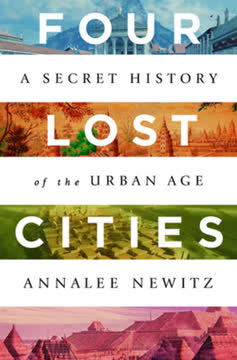
کتاب چهار شهر گمشده به بررسی ظهور و سقوط چهار مرکز شهری باستانی میپردازد: چاتالهویوک، پمپئی، آنگکور و کاهوکیا. نویسنده، نیوتز، یافتههای باستانشناسی و نظریههایی دربارهی زندگی روزمره، ساختارهای اجتماعی و دلایل abandono را مورد بررسی قرار میدهد. منتقدان به تمرکز بر شهروندان عادی و رد افسانههای مربوط به "شهرهای گمشده" ارج مینهند. بسیاری از خوانندگان نوشتار را جذاب و آموزنده یافته و بهویژه از بخش پمپئی لذت بردهاند. برخی به کیفیت ناهماهنگ کتاب و نتایج گمانهزنی شده انتقاد کردهاند. بهطور کلی، خوانندگان به بینشهای ارائه شده دربارهی زندگی شهری باستانی و ارتباط کتاب با چالشهای شهرهای مدرن ارزش میدهند.
دیگران نیز خواندهاند


سؤالات متداول
1. What is Four Lost Cities: A Secret History of the Urban Age by Annalee Newitz about?
- Exploration of ancient urbanism: The book investigates the rise, life, and decline of four ancient cities—Çatalhöyük, Pompeii, Angkor, and Cahokia—revealing how these urban centers shaped human history and culture.
- Interdisciplinary approach: Annalee Newitz combines archaeology, anthropology, history, and environmental science, using modern technologies like lidar mapping and data archaeology to uncover hidden aspects of these cities.
- Themes of resilience and transformation: The narrative highlights how cities undergo cycles of growth, decline, and renewal, challenging the notion of sudden “collapse” and instead presenting urban abandonment as a gradual process of cultural transformation.
- Lessons for today: By examining why these cities were abandoned, the book draws parallels to modern urban challenges, offering insights into the vulnerabilities and resilience of contemporary cities.
2. Why should I read Four Lost Cities by Annalee Newitz?
- Reveals hidden histories: The book uncovers the lives of commoners, laborers, and women in ancient cities, providing a more inclusive and nuanced understanding of urban life.
- Connects past and present: Newitz draws direct connections between ancient urban challenges—like infrastructure management and social hierarchy—and those facing modern cities, making the book highly relevant.
- Engaging and accessible: Through vivid storytelling and personal experiences, the author makes complex archaeological and historical topics compelling for a broad audience.
- Challenges myths and assumptions: The book debunks popular misconceptions about ancient cities, such as the idea of sudden collapse or matriarchal goddess worship at Çatalhöyük.
3. What are the key takeaways from Four Lost Cities by Annalee Newitz?
- Cities as social experiments: Urban centers are ongoing experiments in organizing human life, balancing cooperation and conflict, and creating shared identities through public spaces and rituals.
- Abandonment is gradual and complex: Urban decline is rarely sudden; it is shaped by environmental changes, political shifts, and social transformations, making the idea of “collapse” an oversimplification.
- Resilience and survivance: Even after physical abandonment, cultures and traditions persist and adapt, emphasizing continuity and renewal beyond city walls.
- Infrastructure and labor matter: The management of water, food, and labor is crucial for urban sustainability, and failures in these areas often contribute to decline.
4. How does Annalee Newitz in Four Lost Cities challenge the traditional idea of “collapse” in ancient civilizations?
- Rejects sudden collapse narrative: Newitz and many archaeologists argue that urban decline is usually a gradual process involving complex social, political, and environmental factors.
- Focus on transformation: Cities often transform or decentralize rather than simply disappear, with people adapting to new forms of social organization.
- Political and social agency: Abandonment is framed as a political process involving shifts in power and social fragmentation, not just environmental catastrophe.
- Continuity of culture: The concept of “survivance” highlights how traditions and identities persist even after cities are deserted.
5. What are the main cities explored in Four Lost Cities by Annalee Newitz, and why were they chosen?
- Çatalhöyük: An early urban settlement in Anatolia, notable for its dense, interconnected housing and complex spiritual life, representing the dawn of urbanism.
- Pompeii: A Roman city famous for its sudden destruction by Mount Vesuvius, offering a snapshot of vibrant urban life and social diversity.
- Angkor: The sprawling capital of the Khmer Empire, known for its sophisticated water management and eventual abandonment due to environmental and political challenges.
- Cahokia: The largest pre-Columbian city in North America, characterized by monumental mounds and a unique urban and spiritual organization.
- Chosen for diversity: These cities represent different eras, geographies, and urban forms, allowing Newitz to explore universal patterns and unique variations in urban rise and decline.
6. How does Four Lost Cities by Annalee Newitz use modern technology like lidar to study ancient cities, especially Angkor?
- Lidar mapping breakthroughs: Lidar technology allowed archaeologists to see beneath dense jungle canopy, revealing the full extent of Angkor’s urban sprawl, including commoners’ neighborhoods and agricultural fields.
- Distinguishing features: The precision of lidar helped differentiate natural landforms from human-made structures like reservoirs, canals, and temple foundations.
- Challenging old assumptions: Lidar data confirmed the vast size and complexity of Angkor, supporting historical inscriptions and challenging Western skepticism about its population and infrastructure.
- Revealing urban planning: The technology uncovered both organic and grid-like patterns in Angkor’s layout, highlighting the city’s unique approach to urban design.
7. What was daily life like in Çatalhöyük according to Four Lost Cities by Annalee Newitz?
- Dense, interconnected living: Çatalhöyük featured houses accessed via rooftops and ladders, marking a shift from nomadic to settled life and introducing new concepts of privacy and public space.
- Domestic and symbolic complexity: Residents engaged in intensive domestic labor, maintained clean homes, and embedded wild animal imagery and human skulls in their walls, reflecting a rich spiritual and social life.
- Egalitarian yet evolving: While the city appeared egalitarian, evidence suggests growing social stratification and cultural shifts over time.
- Gradual decline: Social tensions and climate events, such as the 8.2k event, contributed to the city’s slow abandonment.
8. How does Four Lost Cities by Annalee Newitz challenge the myth of goddess worship and matriarchy at Çatalhöyük?
- Origins of the myth: Early excavations led to the belief that Çatalhöyük was a matriarchal society worshipping a fertility goddess, based on the discovery of female figurines.
- Modern reinterpretation: Recent research shows these figurines were a small fraction of artifacts, often worn and discarded, suggesting they were not central to religious worship.
- Complex social roles: The book argues that projecting modern gender concepts onto ancient societies is misleading; Çatalhöyük likely had no clear gender hierarchy.
- Alternative social divisions: Social stratification may have been based on factors like age or occupation rather than gender.
9. What does Four Lost Cities by Annalee Newitz reveal about Pompeii’s urban life, economy, and social structure?
- Vibrant public culture: Pompeii’s streets were lively centers of commerce, entertainment, and social interaction, with numerous shops, bars, bathhouses, and brothels.
- Diverse population: The city included elites, freed slaves (liberti), immigrants, and slaves, with women participating in business and property ownership.
- Social mobility: Freed slaves could rise socially, and the city was undergoing a social revolution with increased rights for women and freedmen.
- Embedded commerce: Economic transactions were woven into social relationships, with no centralized marketplace but a thriving network of small vendors and artisans.
10. How did the residents of Pompeii respond to the eruption of Mount Vesuvius, according to Four Lost Cities by Annalee Newitz?
- Warning signs and evacuation: Earthquakes and smoke preceded the eruption, prompting many residents to flee, though thousands remained, including slaves under orders.
- Destruction and preservation: Superheated gas and ash flows killed many instantly and buried the city under meters of ash, preserving it for posterity.
- Relief and resettlement: Emperor Titus provided relief funds and relocated survivors to nearby cities, where new neighborhoods and facilities were established.
- Cultural trauma: The disaster was so traumatic that Roman society largely avoided discussing it, resulting in a “generation of silence.”
11. What role did labor and debt slavery play in the Khmer Empire’s Angkor, as described in Four Lost Cities by Annalee Newitz?
- Khñum labor force: The term khñum included a range of workers from lifetime slaves to indentured debt slaves, essential for maintaining Angkor’s vast infrastructure.
- Debt as social glue: Debt slavery was normalized and permeated all levels of society, binding commoners, elites, and kings in a fragile system of mutual obligations.
- Modern parallels: Newitz draws comparisons between ancient debt slavery and contemporary economic systems, highlighting the complexities of labor coercion and compliance.
- Spectacle and loyalty: The system relied more on loyalty and public spectacle than outright coercion, reflecting the nuanced nature of labor relations in Angkor.
12. What insights does Four Lost Cities by Annalee Newitz offer about Cahokia’s urban and spiritual life?
- Monumental mound-building: Cahokia was the largest pre-Columbian city in North America, with massive earthen mounds serving as political and spiritual centers.
- Social and religious unity: The city was founded and sustained by social and religious movements that united diverse immigrant populations through rituals, festivals, and games.
- Urban transformation: Cahokia experienced phases of centralization and decentralization, with late revitalization reflecting democratization and diverse leadership.
- Enduring legacy: Cahokia’s cultural influence persists among Siouan tribes and indigenous artists, challenging Eurocentric narratives and affirming indigenous urban traditions.