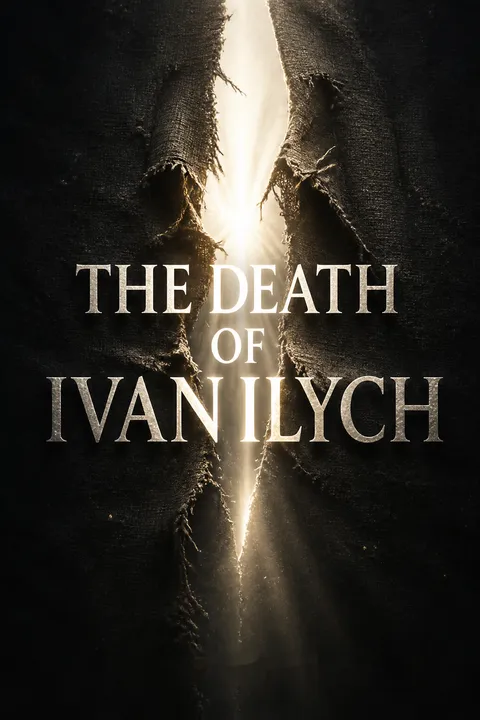

خلاصه داستان
خبر مرگ
در سالن دادگاه، همکاران ایوان ایلیچ از مرگ او باخبر میشوند. واکنش اولیه آنها نه از روی اندوه، بلکه از سر منفعتطلبی است؛ چرا که به پیشرفتهای شغلی میاندیشند که ممکن است مرگ او برایشان به ارمغان آورد. پیتر ایوانویچ، یکی از آشنایان نزدیک، به خانه ایوان میرود و در آنجا با واقعیت مرگ و سطحیبودن وظایف اجتماعی روبهرو میشود. این ملاقات با تسلیتهای ناشیانه و نوعی احساس تسکین همراه است؛ تسکین از اینکه ایوان مرده است، نه آنها.
زندگی ازهمپاشیده ایوان
ایوان ایلیچ زندگیای داشت که در ظاهر موفقیتآمیز اما در باطن تهی بود. او از هنجارهای جامعه پیروی میکرد، به دنبال جایگاه و آسایش بود و به جای عشق، از روی مصلحت با پراسکوفیا فدوروفنا ازدواج کرد. دوران حرفهای او در دستگاه قضا با جاهطلبی و اشتیاق برای کسب تایید دیگران همراه بود، با این حال زندگی شخصیاش از نارضایتی و درگیری موج میزد. زندگی او، هرچند در ظاهر آراسته و مناسب به نظر میرسید، اما فاقد شادی و رضایت واقعی بود.
آغاز بیماری
ایوان در پهلوی خود احساس درد عجیبی میکند که رفتهرفته بدتر میشود. او با وجود مراجعه به پزشکان مختلف، هیچ تشخیص روشنی دریافت نمیکند و تنها با اصطلاحات مبهم پزشکی روبهرو میشود. درد به حضوری همیشگی تبدیل میشود و زندگیِ تا پیش از این منظم او را مختل میکند. با وخیمتر شدن وضعیت جسمانیاش، ایوان بهشدت تندخو و گوشهگیر میشود و تلاش میکند تا ظاهر عادی زندگی خود را حفظ کند.
رویارویی با مرگ
با پیشرفت بیماری، ایوان ناگزیر به رویارویی با واقعیت گریزناپذیر مرگ میشود. او غرق در علائم بیماری خود میشود، به دنبال اطمینانخاطر از سوی پزشکان میگردد و به امید بهبودی چنگ میزند. با این حال، درک این حقیقت که او در حال مرگ است، اجتنابناپذیر میشود. این آگاهی او را از خانوادهاش که همچنان از عمق رنج او بیخبرند، جدا میکند و او آرامش را تنها در دلسوزی صادقانه خدمتکارش، گراسیم، مییابد.
سقوط به ورطه ناامیدی
درد جسمانی ایوان با یک بحران عمیق وجودی همراه میشود. او به زندگی خود میاندیشد و تصمیمهایی را که گرفته و ارزشهایی را که به آنها پایبند بوده، زیر سوال میبرد. سطحیبودن زندگیاش برایش آشکار میشود و این اندیشه که چقدر نادرست زندگی کرده، او را شکنجه میدهد. ناامیدی او با بیتفاوتی اطرافیانش که به گونهای زندگی میکنند انگار هیچ اتفاقی نیفتاده، دوچندان میشود.
جستجوی معنا
ایوان در آخرین روزهای زندگی خود با معنای زندگی و مرگش دستوپنجه نرم میکند. او لحظاتی از وضوح و روشنی را تجربه میکند و درمییابد که تلاشش برای جلب تایید جامعه، او را از شادی واقعی دور کرده است. او مشتاق ارتباط انسانی واقعی و همدلی است؛ چیزی که آن را تنها در مراقبت بیشائبه گراسیم مییابد. این آگاهی برای او آرامش به ارمغان میآورد، چرا که پذیرش مرگ خود را آغاز میکند.
درک نهایی
با نزدیک شدن مرگ، ایوان تحولی عمیق را تجربه میکند. او ترس و کینه را رها میکند و سرنوشت محتوم خود را در آغوش میکشد. در لحظهای از وضوح و روشنی، او درمییابد که عشق و همدلی، معیارهای واقعی یک زندگی ارزشمند هستند. این مکاشفه به او اجازه میدهد تا در آرامش و رها از بارهای سنگین گذشته خود بمیرد، چرا که سرانجام نور را در پس تاریکی میبیند.
Analysis
نقدی بر ارزشهای اجتماعی و جستجوی معنا«مرگ ایوان ایلیچ» کاوشی عمیق در وضعیت بشر است و به بررسی پوچی زندگیای میپردازد که بر اساس انتظارات جامعه بنا شده است. تولستوی سطحیبودن هنجارهای اجتماعی و تلاش برای کسب جایگاه را نقد میکند و اهمیت ارتباط واقعی انسانی و همدلی را برجسته میسازد. سفر ایوان از انکار تا پذیرش، یادآور قدرتمندی از گریزناپذیر بودن مرگ و نیاز به یافتن معنا در زندگی است. این رمان خوانندگان را تشویق میکند تا در زندگی خود تامل کنند، ارزشهایی را که به آنها پایبندند زیر سوال ببرند و به میراثی که میخواهند از خود به جا بگذارند بیندیشند. تولستوی از طریق تحول ایوان تاکید میکند که رضایت واقعی از عشق و همدلی سرچشمه میگیرد، نه از موفقیتهای مادی یا تاییدهای اجتماعی.
خلاصه نقدها
مرگ ایوان ایلیچ بهطور گسترده به عنوان شاهکاری دربارهی مرگپذیری و وضعیت بشر شناخته میشود. خوانندگان، روایت قدرتمند تولستوی، شخصیتپردازی عمیق و کاوش ژرف او در معنای زندگی را تحسین میکنند. این رمان کوتاه تأثیر عمیقی بر مخاطب میگذارد و او را به تأمل دربارهی وجود خود وا میدارد. بسیاری از افراد این اثر را از نظر احساسی تکاندهنده و تفکربرانگیز میدانند و توانایی تولستوی در به تصویر کشیدن پیچیدگیهای مرگ و احتضار را ارج مینهند. اگرچه برخی موضوع کتاب را چالشبرانگیز میدانند، اما اکثر مخاطبان آن را اثری کلاسیک و بیزمان به شمار میآورند که دیدگاههای ارزشمندی دربارهی زندگی، مرگ و تلاش برای یافتن معنا ارائه میدهد.
دیگران نیز خواندهاند



Characters
Ivan Ilych
ایوان ایلیچ قاضی بلندپایهای است که زندگیاش بر اساس انتظارات جامعه شکل گرفته است. او جاهطلب است و به دنبال جایگاه و تایید دیگران میگردد، اما زندگیاش در نهایت بیمعنا و تهی است. بیماری او را ناگزیر میسازد تا با پوچی وجود خود روبرو شود و این امر او را به یک بحران عمیق وجودی میکشاند. سفر ایوان، سفری برای خودشناسی است، چرا که او با معنای زندگی و مرگ دستوپنجه نرم میکند.
Praskovya Fedorovna
پراسکوفیا همسر ایوان است که بیش از رنج شوهرش، نگران ظواهر اجتماعی است. ازدواج آنها بیش از آنکه از روی عشق باشد، بر پایه مصلحت شکل گرفته و او برای همدلی با وضعیت ناگوار ایوان دچار مشکل است. رفتارهای او با ایوان اغلب سطحی است و هنجارهای اجتماعی را منعکس میکند که رابطهشان را شکل دادهاند.
Gerasim
گراسیم خدمتکار ایوان است که مراقبت صادقانه و صمیمیت او، در روزهای پایانی زندگی ایوان مایه تسلی خاطر او میشود. برخلاف دیگران، گراسیم واقعیت وضعیت ایوان را میپذیرد و بیمنت به او خدمت میکند. حضور او اهمیت همدلی و ارتباط انسانی را برجسته میسازد و تضاد آشکاری با سطحیبودن اطرافیان ایوان ایجاد میکند.
Peter Ivanovich
پیتر ایوانویچ همکار و آشنای ایوان است که نماینده هنجارها و تعهدات اجتماعی حاکم بر زندگی آنهاست. واکنش او به مرگ ایوان با منفعتطلبی و احساس آسودگی همراه است که نشاندهنده سطحیبودن دوستی آنهاست. شخصیت پیتر بر درونمایه بیتفاوتی جامعه نسبت به رنجهای فردی تاکید میکند.
Lisa Golovina
لیزا دختر ایوان است که غرق در زندگی و برنامههای اجتماعی خود است. او درک درستی از وخامت اوضاع پدرش ندارد و آن را مایه دردسر و مزاحمت میبیند. فاصله گرفتن او از این واقعیت، شکاف نسلی و فقدان ارتباط عاطفی واقعی در خانواده را آشکار میسازد.
Plot Devices
The Illness
بیماری مرموز ایوان به عنوان ابزار اصلی داستان عمل میکند و او را مجبور میسازد تا با واقعیت مرگ خود روبرو شود. این بیماری زندگی منظم او را مختل کرده و به یک بحران عمیق وجودی منجر میشود. بیماری نمادی از ناگزیر بودن مرگ و شکنندگی وجود انسان است و ایوان را وامیدارد تا زندگی خود را بازنگری کرده و به دنبال معنایی عمیقتر باشد.
The Black Sack
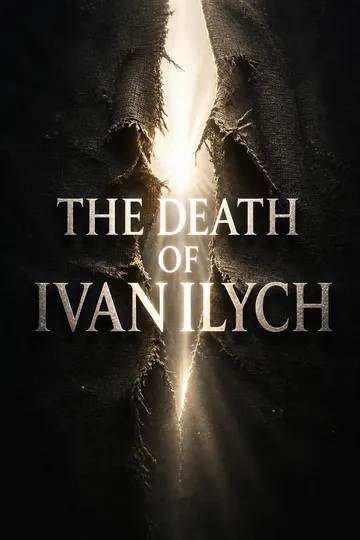
تصویر تکرارشونده کیسه سیاه نشاندهنده ترس ایوان از مرگ و ناشناختههاست. این تصویر نمادی از ماهیت گریزناپذیر وضعیت او و شکنجههای روانی است که تجربه میکند. کیسه سیاه استعارهای است از تلاش ایوان برای پذیرش مرگ خود و تاریکی که زندگیاش را در بر گرفته است.
The Light
ایوان در لحظات پایانی زندگی خود، رویایی از نور را تجربه میکند که نمادی از پذیرش مرگ و درک معنای واقعی زندگی است. این نور نشاندهنده آرامش و وضوحی است که با آغوش کشیدن مرگ و درک اهمیت عشق و همدلی به دست میآید. این تصویر به عنوان نقطهی مقابلی برای تاریکی کیسه سیاه عمل میکند و نویدبخش امید و رستگاری است.
سؤالات متداول
Synopsis & Basic Details
What is The Death of Ivan Ilych about?
- Existential crisis unfolds: The story follows Ivan Ilych, a high court judge, as he grapples with a terminal illness, forcing him to confront the meaninglessness of his socially-driven life and the inevitability of death.
- Superficial life examined: It explores the emptiness of a life focused on social status, career advancement, and material possessions, revealing the lack of genuine human connection and emotional depth.
- Transformation through suffering: Ivan's physical and mental suffering leads to a profound transformation, as he questions his values and seeks true meaning before his death.
Why should I read The Death of Ivan Ilych?
- Universal human experience: The novella delves into universal themes of mortality, the search for meaning, and the fear of death, making it relatable to readers across time and cultures.
- Critique of societal values: It offers a sharp critique of societal norms and the pursuit of superficial success, prompting readers to reflect on their own values and priorities.
- Emotional and psychological depth: The story provides a powerful exploration of human emotions, from despair and anger to compassion and acceptance, offering a profound psychological analysis of a man facing death.
What is the background of The Death of Ivan Ilych?
- Late 19th-century Russia: The story is set in late 19th-century Russia, reflecting the social and cultural norms of the time, including the rigid class structure and the emphasis on social status and propriety.
- Tolstoy's personal crisis: Written during a period of personal crisis for Tolstoy, the novella reflects his own struggles with faith, mortality, and the meaning of life, making it a deeply personal and introspective work.
- Critique of legal system: The story subtly critiques the Russian legal system, portraying it as a bureaucratic and impersonal institution that prioritizes procedure over genuine justice, mirroring Ivan's own life.
What are the most memorable quotes in The Death of Ivan Ilych?
- "It is as if I had been going downhill while I imagined I was going up.": This quote encapsulates Ivan's realization that his pursuit of social status and career advancement led him away from true fulfillment and happiness.
- "What is it you want? To live and not to suffer.": This quote highlights Ivan's fundamental desire to escape suffering and his struggle to understand the purpose of his pain, revealing his existential crisis.
- "Death is finished... It is no more!": This quote marks Ivan's final acceptance of death and his realization that it is not an end but a transition to something beyond, signifying his spiritual awakening.
What writing style, narrative choices, and literary techniques does Leo Tolstoy use?
- Third-person limited narration: Tolstoy employs a third-person limited point of view, primarily focusing on Ivan Ilych's thoughts and feelings, allowing readers to intimately experience his internal struggles and transformation.
- Detailed realism: The novella is characterized by its detailed and realistic portrayal of Ivan's physical and mental suffering, as well as the social environment in which he lives, creating a vivid and immersive reading experience.
- Symbolism and motifs: Tolstoy uses recurring symbols and motifs, such as the black sack, the light, and the recurring pain, to represent Ivan's fear of death, his spiritual awakening, and his physical deterioration, adding layers of meaning to the narrative.
Hidden Details & Subtle Connections
What are some minor details that add significant meaning?
- The pouffe's rebellious springs: The pouffe in Praskovya's drawing room, with its rebellious springs, mirrors the underlying tension and discomfort in their marriage, highlighting the superficiality of their relationship.
- The antique shop clock: Ivan's fondness for the clock he bought at an antique shop symbolizes his desire for a life of order and decorum, which ultimately proves to be hollow and meaningless.
- The card game interruption: The interruption of the card game by Ivan's illness underscores the fragility of his carefully constructed social life and the intrusion of mortality into his everyday existence.
What are some subtle foreshadowing and callbacks?
- Initial focus on promotions: The initial focus on promotions and job changes after Ivan's death foreshadows the self-centeredness and superficiality of his social circle, highlighting the lack of genuine concern for his suffering.
- Ivan's fall while decorating: Ivan's fall while decorating his new house foreshadows his physical decline and the beginning of his illness, linking his pursuit of material comfort to his eventual suffering.
- The recurring taste in his mouth: The recurring "strange taste" in Ivan's mouth serves as a constant reminder of his illness and the decay within him, foreshadowing his impending death and the futility of his efforts to ignore it.
What are some unexpected character connections?
- Gerasim's genuine compassion: Gerasim's genuine compassion and understanding of Ivan's suffering stand in stark contrast to the indifference of his family and friends, highlighting the importance of human connection over social status.
- Ivan's son's quiet empathy: Ivan's son, Vasya, displays a quiet empathy and understanding of his father's suffering, suggesting a deeper emotional connection than his more socially-driven sister and mother.
- The doctor's detached professionalism: The doctor's detached professionalism and inability to address Ivan's existential concerns mirror Ivan's own detached approach to his legal duties, highlighting the dehumanizing effects of societal roles.
Who are the most significant supporting characters?
- Gerasim, the compassionate servant: Gerasim's role is crucial as he provides Ivan with genuine care and understanding, contrasting with the superficiality of Ivan's social circle and embodying the novel's theme of compassion.
- Peter Ivanovich, the self-absorbed colleague: Peter Ivanovich represents the societal norms and obligations that dominate Ivan's life, highlighting the superficiality of their friendship and the indifference to individual suffering.
- Praskovya Fedorovna, the detached wife: Praskovya's character underscores the theme of superficiality and the lack of genuine connection in Ivan's life, as she is more concerned with social appearances than her husband's suffering.
Psychological, Emotional, & Relational Analysis
What are some unspoken motivations of the characters?
- Praskovya's fear of financial loss: Praskovya's concern about Ivan's pension reveals her underlying fear of financial insecurity, which motivates her superficial concern for his well-being.
- Peter's desire for social advancement: Peter's eagerness to discuss job promotions after Ivan's death reveals his unspoken desire for social advancement, highlighting the self-centeredness of his social circle.
- Ivan's need for societal approval: Ivan's lifelong pursuit of societal approval and his fear of being judged reveal his deep-seated insecurity and his need for external validation.
What psychological complexities do the characters exhibit?
- Ivan's denial of death: Ivan's initial denial of his impending death and his attempts to rationalize his illness reveal his psychological struggle to accept his mortality and the meaninglessness of his life.
- Praskovya's emotional detachment: Praskovya's emotional detachment and her inability to empathize with Ivan's suffering reveal her psychological defense mechanisms against the fear of death and the disruption it causes to her life.
- Gerasim's simple acceptance: Gerasim's simple acceptance of death and his genuine compassion for Ivan reveal a psychological maturity and emotional depth that contrasts with the other characters.
What are the major emotional turning points?
- The realization of his life's emptiness: Ivan's realization that his life has been meaningless and that he has lived it wrongly is a major emotional turning point, leading to his existential crisis and his search for meaning.
- The encounter with Gerasim's compassion: Ivan's encounter with Gerasim's genuine compassion and understanding is a major emotional turning point, providing him with comfort and highlighting the importance of human connection.
- The acceptance of death: Ivan's final acceptance of death and his realization that it is not an end but a transition to something beyond is a major emotional turning point, bringing him peace and spiritual awakening.
How do relationship dynamics evolve?
- From superficial to strained: Ivan's relationship with his wife evolves from a superficial and socially-driven partnership to a strained and emotionally distant one, highlighting the lack of genuine connection in their marriage.
- From indifference to compassion: Ivan's relationship with Gerasim evolves from a formal master-servant dynamic to one of genuine compassion and understanding, revealing the importance of human connection over social status.
- From detachment to empathy: Ivan's relationship with his son, Vasya, evolves from a distant and formal one to one of quiet empathy and understanding, suggesting a deeper emotional connection than with his wife and daughter.
Interpretation & Debate
Which parts of the story remain ambiguous or open-ended?
- The nature of the "light": The exact nature of the light that Ivan experiences at the end of his life remains ambiguous, open to interpretation as either a spiritual awakening, a hallucination, or a metaphor for the acceptance of death.
- The extent of Ivan's transformation: The extent to which Ivan's transformation is genuine and complete remains open to debate, as some readers may question whether his final acceptance of death is truly transformative or simply a resignation to his fate.
- The meaning of a "good" life: The story leaves open the question of what constitutes a "good" life, prompting readers to reflect on their own values and priorities and to consider whether Ivan's final realization is sufficient for redemption.
What are some debatable, controversial scenes or moments in The Death of Ivan Ilych?
- Ivan's treatment of his family: Ivan's treatment of his family, particularly his wife, is a source of debate, with some readers criticizing his selfishness and others empathizing with his suffering and his inability to connect with them.
- The role of religion: The role of religion in Ivan's final moments is a source of debate, with some readers viewing his communion as a genuine spiritual experience and others as a mere formality that provides temporary comfort.
- The ending's interpretation: The ending, with Ivan's vision of light and his acceptance of death, is open to various interpretations, with some readers viewing it as a hopeful and redemptive conclusion and others as a more ambiguous and tragic one.
The Death of Ivan Ilych Ending Explained: How It Ends & What It Means
- Ivan's final moments: In his final moments, Ivan experiences a profound transformation, letting go of his fear and resentment and embracing the inevitability of his fate, as he falls through the "black sack" and sees the "light."
- Acceptance of death: The ending signifies Ivan's acceptance of death, not as an end but as a transition to something beyond, representing a spiritual awakening and a release from the suffering of his earthly existence.
- Redemption through compassion: Ivan's final act of compassion towards his family, asking for their forgiveness and expressing his sorrow for their suffering, highlights the importance of love and empathy as the true measures of a life well-lived, offering a sense of redemption.
مجموعه کلاسیکهای کوچک سیاه پنگوئن مجموعه




درباره نویسنده

دانلود PDF
دانلود EPUB
.epub digital book format is ideal for reading ebooks on phones, tablets, and e-readers.








































