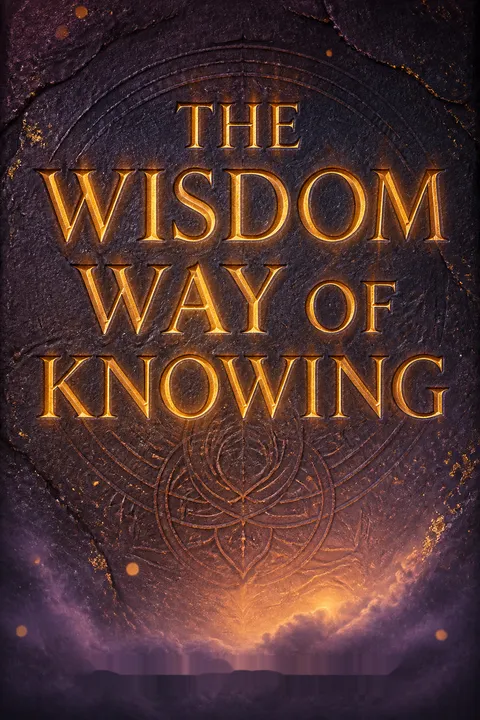
نکات کلیدی
1. حکمت، راهی وابسته به حالت وجود
"با افزایش سطح وجود، پذیرش معانی بالاتر افزایش مییابد. با کاهش وجود، معانی قدیمی بازمیگردند."
فراتر از عقل. حکمت تنها به انباشت دانش محدود نمیشود؛ بلکه روشی برای ادراک است که نیازمند حالت خاصی از وجود است. کافی نیست که مفاهیم را بهطور عقلانی درک کنیم؛ بلکه باید آنها را در وجود خود تجسم کنیم. این بدان معناست که ظرفیت ما برای درک حقیقتهای عمیقتر به حالت درونیمان وابسته است.
سطح وجود. کتاب از تمثیل پیتر که بر روی آب راه میرود برای توضیح این نکته استفاده میکند. زمانی که قلب پیتر بر روی عیسی متمرکز بود، میتوانست قوانین فیزیک را فراموش کند. اما زمانی که ترس بر او غلبه کرد، غرق شد. این نکته را روشن میکند که سطح وجود ما—حالت درونی تعادل و آگاهی ما—توانایی ما برای دسترسی به حکمت را تعیین میکند.
- وجود بالاتر = پذیرش بالاتر
- وجود پایینتر = بازگشت به معانی قدیمی
رویکرد جامع. حکمت نیازمند یکپارچگی ذهن، بدن و قلب است. این تنها یک تمرین ذهنی نیست بلکه یک تحول جامع است که تمام وجود ما را در بر میگیرد. به همین دلیل است که تمرینهایی مانند مدیتیشن، کار بدنی و سرودهای مقدس اجزای اساسی مسیر حکمت هستند.
2. غرب حکمت خود را از دست داد
"خدا انسان شد تا انسان خدا شود."
تغییر تمرکز. غرب مسیحی به تدریج با تغییر تمرکز از شناخت مستقیم و مشارکتی به دانش غیرمستقیم و میانجیگری شده از طریق دکترین، تسلط خود بر سنت حکمت را از دست داد. کلیسای اولیه بر تحول شخصی و تجربه مستقیم از الهی تأکید داشت، اما به مرور زمان این تأکید به باور به چیزهای درست درباره عیسی تغییر یافت.
گناه اصلی. دکترین گناه اصلی که توسط آگوستین تثبیت شد، این تغییر را بیشتر تقویت کرد. این دکترین ادعا میکرد که طبیعت انسانی به طور ذاتی فاسد است و بدون مداخله الهی، تحول شخصی غیرممکن است. این ایده تئوزیس—الهی شدن انسان—را که درک اولیه مسیحی از سفر روحانی بود، تضعیف کرد.
- تأکید بر باور به جای تجربه
- از دست دادن دیدگاه تئوزیس
جریان زیرزمینی. در نتیجه، سنت حکمت در غرب به زیرزمین رفت و در دایرههای اسطورهای و جوامع راهبی حفظ شد. در حالی که تمرینها حفظ شدند، درک کیهانی که به آنها معنا میبخشید، به طور عمده از دست رفت. این منجر به قطع ارتباط بین ابزارهای عملی تحول و دیدگاه عمیقتر از هدف انسانی شد.
3. سه مرکز شناخت: ذهن، بدن و قلب
"ما دارای قابلیتهای زیرکانهای هستیم که از آنها استفاده نمیکنیم."
وجود سهمرکزی. سنت حکمت انسان را به عنوان موجودی سهمرکزی میبیند: مرکز عقلانی (ذهن)، مرکز حرکتی (بدن) و مرکز احساسی (قلب). هر مرکز دارای هوش و هدیههای ادراکی منحصر به فرد خود است و حکمت واقعی نیازمند یکپارچگی هماهنگ همه سه مرکز است.
مرکز حرکتی. مرکز حرکتی که شامل غریزه و حرکت فیزیکی است، برای درک زبان ایمان که در حرکات مقدس رمزگذاری شده، حیاتی است. کار ریتمیک و حرکت مقدس به ما کمک میکند تا با بدنهای خود دوباره ارتباط برقرار کنیم و به سطوح عمیقتری از آگاهی دست یابیم.
- مرکز غریزی: سیستمهای عملیاتی درونی
- مرکز حرکتی: تعاملات بیرونی با دنیای فیزیکی
مرکز احساسی. مرکز احساسی که اغلب با احساسات شخصی اشتباه گرفته میشود، در واقع ارگانی برای درک هدف و زیبایی الهی است. این به معنای ابراز احساسات شخصی نیست بلکه به معنای هماهنگ کردن خود با انرژیهای ظریف الهی است. قلب، زمانی که پاک شود، میتواند پارادوکس را درک کند و ما را به ذهن کیهانی متصل کند.
4. هدف انسانی: تجلی ویژگیهای الهی
"آیا ممکن نیست که دلیل وجود هیچ توضیحی در معنای معمول نداشته باشد؟"
فراتر از توضیح عقلانی. هدف وجود انسانی نمیتواند به طور کامل از طریق تفکر عقلانی درک شود. جهان یک مجموعه تصادفی از اجزا نیست بلکه یک هولوگرام الهی است که هوش واحدی را منعکس میکند. نقش ما این است که در این رقص الهی شرکت کنیم و ویژگیهای الهی را تجلی بخشیم.
پیوند انرژی. یک پیوند انرژی در تمام آفرینش وجود دارد، از آگاهی خالص تا دنیای فیزیکی. ما انسانها در این پیوند موقعیت منحصر به فردی داریم که قادر به تبدیل انرژیهای ظریف به شکل فیزیکی و بالعکس هستیم.
- آگاهی/روح
- نیروی روانی
- انرژی فیزیکی/ماده
تغذیه متقابل. ما تنها دریافتکنندگان منفعل انرژی الهی نیستیم بلکه شرکتکنندگان فعال در فرآیند تغذیه متقابل هستیم. با تجلی ویژگیهایی مانند عشق، شفقت و حقیقت، ما تغذیه حیاتی برای دنیای فیزیکی فراهم میکنیم. اعمال ما، چه آگاهانه و چه ناآگاهانه، تأثیر مستقیمی بر تعادل انرژی کیهان دارند.
5. تحول: کیمیاگری تسلیم
"مبارک است آن شیر که انسان او را میبلعد، زیرا آن شیر انسان خواهد شد. اما ملعون است آن انسانی که شیر او را میبلعد، زیرا آن انسان شیر خواهد شد."
کیمیاگری درونی. تحول به معنای فرار از دنیای فیزیکی نیست بلکه به معنای درگیر شدن با آن به گونهای است که ویژگیهای درونی حیات را آشکار کند. این یک فرآیند کیمیاگری مقدس است که در آن ما اشکال بیرونی خود را تسلیم میکنیم تا انرژی الهی درون را آزاد کنیم.
مردن به خود کوچکتر. سفر تحول نیازمند تمایل به "مردن" به خود کوچکتر است—هویت ایگو که به خواستهها و برنامههای شخصی چسبیده است. این مرگ به معنای واقعی نیست بلکه تسلیم درونی است که به ظهور خود واقعی ما اجازه میدهد.
- قربانی = "مقدس کردن" یا "کامل کردن"
- آزادسازی حیات درونی
تغذیه متقابل. این عمل تسلیم نیروی روانی را آزاد میکند، که یک ماده مغذی حیاتی برای ساخت بدن سیارهای و خویشاوندی انسانی ماست. انرژی روحی آزاد شده در این قربانی نام خدا را که واقعاً داریم، آشکار میکند و آن را به عنوان عطری و ماده مغذی برای کمک به کار دیگران در دسترس قرار میدهد.
6. آزادی از طریق تسلیم، نه انتخاب
"آزاد بودن برای بودن شخصیت خود، آزادی نیست."
دو نوع آزادی. جهانبینی مدرن غربی آزادی را با انتخاب—توانایی انجام آنچه میخواهیم—معادل میداند. اما سنت حکمت درک متفاوتی را ارائه میدهد: آزادی واقعی از طریق تسلیم به دست میآید، نه انتخاب. این به معنای هماهنگ کردن خود با طبیعت واقعیمان و اراده الهی است.
آزادی خودجوش. آزادی واقعی به معنای حداکثر کردن گزینههای ما نیست بلکه به معنای توانایی عمل خودجوش از مرکز خود است. این به معنای رهایی از دستکاریهای خود کوچکتر و هدایت شدن توسط حکمت قلب است.
- آزادی انتخاب: انجام آنچه میخواهیم
- آزادی خودجوش: عمل از مرکز خود
شخصیت. میوه نهایی تحول، تغییر از فرد بودن به شخص شدن است—کسی که از طریق او زندگی بزرگ طنینانداز میشود. این به معنای از دست دادن یکتایی ما نیست بلکه به معنای یافتن جایگاه واقعیمان در رقص کیهانی بزرگتر است.
7. قلب فراتر از محدودیتهای ذهن میبیند
"مبارکاند پاکان دل، زیرا آنها خدا را خواهند دید."
دیدن عینی. قلب، زمانی که پاک شود، قادر به دیدن عینی است—روشی برای ادراک که فراتر از محدودیتهای ذهن عقلانی میرود. این به معنای جدایی نیست بلکه به معنای مشارکت عمیق است، جایی که ما با آنچه میبینیم یکی میشویم.
حوزه تخیلی. قلب ابزار ما برای دسترسی به حوزه تخیلی است، جایی که ویژگیهای الهی شکل میگیرند. این حوزهای از الگوها، نمادها و آرکتایپهاست که میتوان از طریق قلب بیدار شده درک کرد.
- قلب = ارگان ادراک
- تخیلی = حوزه ویژگیها
وجدان. بیان نهایی دیدن قلب، وجدان است—توانایی دیدن هولوگرام الهی در هر موقعیتی و عمل خودجوش در هماهنگی با آن تمامیت. این به معنای پیروی از قوانین نیست بلکه به معنای پاسخگویی به هدایت درونی قلب است.
8. ابزارهای بیداری: حضور، تمرین و تسلیم
"بیدار کردن قلب، یا ذهن روحانی شده، یک فرآیند نامحدود از حساستر، متمرکزتر، پرانرژیتر، ظریفتر و تصفیه شدهتر کردن ذهن است، از پیوستن آن به محیط کیهانیاش، بینهایت عشق."
ذهن روحانی شده. بیداری قلب با روحانی کردن ذهن آغاز میشود—حساستر، متمرکزتر و هماهنگتر با الهی کردن. این شامل تمرینهایی است که توجه، تعادل و تسلیم را پرورش میدهند.
تمرینهای اصلی:
- حضور: پرورش آگاهی سهمرکزی در زندگی روزمره
- مدیتیشن: آرام کردن ذهن و دسترسی به سطوح عمیقتر آگاهی
- سرود مقدس: لرزاندن قلب با عشق و ستایش الهی
- لکتو دیوینا: آموزش تخیل بصری از طریق خواندن مقدس
- تسلیم: رها کردن خود کوچکتر و هماهنگ شدن با اراده الهی
بله درونی. سفر بیداری به معنای پیروی از یک برنامه سخت نیست بلکه به معنای پرورش یک "بله" درونی است—تمایل به باز کردن قلبهایمان و اجازه دادن به الهی برای هدایت ما. این یک فرآیند یادگیری و رشد مداوم است، جایی که به تدریج بیشتر با انرژیهای ظریف کیهان هماهنگ میشویم.
خلاصه نقدها
کتاب راه حکمت شناخت عمدتاً نقدهای مثبتی دریافت کرده است و خوانندگان از بینشهای آن در زمینهی معنویت، سنتهای حکمت و شیوههای تفکر عمیق قدردانی میکنند. بسیاری این کتاب را روشنگر و تحولآفرین میدانند و از ترکیب زمینه تاریخی، مشاورههای عملی و دیدگاههای معنوی متنوع بورژو در آن لذت میبرند. برخی از خوانندگان به تمرکز کتاب بر حکمت مسیحی اشاره کرده و در عین حال عناصر دیگر سنتها را نیز در آن مییابند. چند نفر از منتقدان برخی مفاهیم را دشوار برای درک دانسته یا احساس کردند که کتاب در برخی زمینهها عمق کافی ندارد. بهطور کلی، خوانندگان این کتاب را بهخاطر راهنماییاش در توسعهی رویکردی عمیقتر و جامعتر به معنویت و خودشناسی ارزشمند میدانند.
دیگران نیز خواندهاند




سؤالات متداول
What is "The Wisdom Way of Knowing" by Cynthia Bourgeault about?
- Explores the Wisdom Tradition: The book introduces readers to the ancient Wisdom tradition, a lineage of spiritual knowledge and practice that predates and underlies all major world religions.
- Focus on Spiritual Transformation: Bourgeault presents Wisdom as a precise science of spiritual transformation, involving both a cosmological vision and practical training.
- Bridges Ancient and Modern: The author demonstrates how this tradition offers missing pieces to contemporary Western spirituality, reconciling science, religion, and personal meaning.
- Practical Application: The book is both theoretical and practical, offering tools and practices for awakening the heart and living with greater depth and purpose.
Why should I read "The Wisdom Way of Knowing" by Cynthia Bourgeault?
- Recover Lost Spiritual Depth: The book addresses the spiritual malaise and lack of depth in modern Western culture, offering a path to greater meaning and coherence.
- Accessible Wisdom Practices: Bourgeault provides practical tools—such as meditation, sacred chanting, and lectio divina—that can be integrated into daily life, regardless of religious background.
- Interfaith and Inclusive: The Wisdom tradition is presented as a universal path, not limited to Christianity, making it relevant for seekers from any or no religious tradition.
- Guidance for Transformation: Readers seeking personal transformation, spiritual intelligence, and a deeper sense of purpose will find actionable guidance and inspiration.
What are the key takeaways from "The Wisdom Way of Knowing" by Cynthia Bourgeault?
- Three-Centered Knowing: True wisdom involves the integration of mind, heart, and body, not just intellectual understanding.
- Participative Spirituality: Wisdom is state-dependent and requires presence, receptivity, and a willingness to be transformed, not just belief or intellectual assent.
- Human Purpose and Transformation: Humans play a vital role in manifesting divine qualities in the world, acting as midwives of the Spirit through conscious transformation.
- Surrender and Freedom: Genuine freedom and personhood arise from surrendering the small self (ego) to the greater self, aligning with the divine purpose.
How does Cynthia Bourgeault define "Wisdom" in "The Wisdom Way of Knowing"?
- Not Mere Knowledge: Wisdom is not just accumulated knowledge, life experience, or intellectual understanding.
- Science of Transformation: It is a comprehensive science of spiritual transformation, including both a cosmological vision and practical methods for personal growth.
- Participative and Experiential: Wisdom requires a participative, state-dependent way of knowing that engages the whole person—mind, heart, and body.
- Universal Tradition: The Wisdom tradition is the common ground at the headwaters of all major religions, though often hidden or fragmented in modern times.
What is "three-centered knowing" in "The Wisdom Way of Knowing" by Cynthia Bourgeault?
- Mind, Heart, and Body: Three-centered knowing means integrating the intellectual (mind), emotional (heart), and moving/instinctive (body) centers.
- Balanced Awareness: Wisdom arises when all three centers are harmonized and present, allowing for deeper perception and understanding.
- Practical Exercises: Practices like meditation, sacred movement, and mindful work are used to awaken and balance these centers.
- State of Presence: Only in this balanced state can one access higher meaning and true spiritual insight.
How does "The Wisdom Way of Knowing" by Cynthia Bourgeault explain the loss and recovery of Wisdom in the Christian West?
- Historical Amnesia: The Christian West lost touch with its Wisdom roots through doctrinal controversies and an overemphasis on belief and intellectual assent.
- Shift from Direct Experience: Early Christianity emphasized participative knowing and transformation, but this was replaced by creeds and dogma.
- Desert Fathers and Monasticism: The Wisdom tradition survived in mystical and monastic circles, especially through practices like ora et labora and lectio divina.
- Modern Recovery: The book highlights the resurgence of Wisdom through figures like G.I. Gurdjieff and contemporary teachers, as well as interfaith dialogue.
What is the role of "surrender" and "freedom" in spiritual transformation according to "The Wisdom Way of Knowing"?
- Surrender as Letting Go: True transformation requires surrendering the ego or small self, allowing the greater self to emerge.
- Freedom Redefined: Real freedom is not about unlimited choices but about spontaneity and alignment with one's deepest center and divine purpose.
- Paradox of Sacrifice: The process involves a kind of dying to the old self, which paradoxically leads to greater wholeness and personhood.
- Practical Surrender: Everyday situations, not just dramatic moments, are opportunities to practice inner surrender and openness.
How does "The Wisdom Way of Knowing" by Cynthia Bourgeault describe the human purpose in the cosmos?
- Midwives of the Spirit: Humans are called to manifest and release the divine qualities (names of God) into the world through conscious action.
- Reciprocal Feeding: There is a symbiotic relationship between the visible and invisible realms; our actions and qualities feed the world energetically.
- Unique Contribution: Each person bears a unique "name of God" or quality, contributing to the greater whole like a string in a cosmic concert.
- Responsibility and Accountability: Our choices and the quality of our being have real consequences for the planet and the unfolding of divine purpose.
What practical tools and methods does "The Wisdom Way of Knowing" by Cynthia Bourgeault recommend for awakening the heart?
- Three-Centered Presence: Regularly practice bringing mind, heart, and body into balance through mindful awareness.
- Meditation and Centering Prayer: Use meditation to quiet the mind and access deeper states of being.
- Sacred Chanting: Engage in chanting to awaken the emotional center and connect with the divine through sound.
- Lectio Divina: Practice sacred reading to train the imagination and open to visionary seeing.
- Surrender Practice: Cultivate an attitude of inner yielding and openness in daily life, especially in challenging situations.
How does "The Wisdom Way of Knowing" by Cynthia Bourgeault approach the concept of "seeing with the eye of the heart"?
- Heart as Organ of Perception: The heart is not just the seat of emotions but an organ for perceiving divine purpose and beauty.
- Objective Seeing: True seeing involves participating so deeply that the ego disappears, allowing direct perception of the divine pattern.
- Purification of the Heart: Practices focus on stilling the mind and emotions, freeing the heart from egoic passions to reflect the divine hologram.
- Creative Perception: The awakened heart participates in the ongoing creation and transformation of the world, acting as a channel for divine intelligence.
What are the main influences and sources referenced in "The Wisdom Way of Knowing" by Cynthia Bourgeault?
- Christian Mysticism: Draws from the teachings of Jesus, the Desert Fathers and Mothers, Benedictine monasticism, and Christian mystics like Meister Eckhart and Jacob Boehme.
- Sufism and Islamic Mysticism: Incorporates insights from Sufi masters like Rumi and Ibn al-'Arabi, emphasizing the imaginal world and transformation.
- Gurdjieff and the Fourth Way: Modern recovery of Wisdom is influenced by G.I. Gurdjieff's teachings on three-centered knowing and spiritual work.
- Interfaith and Scientific Dialogue: Engages with contemporary science (quantum physics), other religious traditions, and modern spiritual teachers.
What are some of the best quotes from "The Wisdom Way of Knowing" by Cynthia Bourgeault, and what do they mean?
- "As one's level of being increases, receptivity to higher meaning increases. As one's being decreases, the old meanings return." – Maurice Nicoll. This highlights the state-dependent nature of Wisdom; transformation is required for deeper understanding.
- "How you get there is where you'll arrive." – Emphasizes that the process and the state of being are inseparable in spiritual work.
- "Please come home. Please come home into your own body, your own vessel, your own earth." – Jane Hooper. This poem, quoted in the book, encapsulates the call to presence and embodiment as the foundation for Wisdom.
- "You are the mirror in which God sees himself." – Sufi teaching. This expresses the idea that human beings reflect and manifest the divine qualities in the world.
- "The heart is not for personal expression but for divine perception." – Bourgeault. This redefines the heart's role as an organ of spiritual insight, not just emotion.
دانلود PDF
دانلود EPUB
.epub digital book format is ideal for reading ebooks on phones, tablets, and e-readers.








































