نکات کلیدی
۱. تجربههای معنوی از نظر زیستی واقعیاند
سالها پژوهش، اما من و جین را به این باور رسانده است که تجربههایی مانند تجربه رابرت واقعیاند و میتوان آنها را با علم محکم اندازهگیری و تأیید کرد.
بنیاد نوروتئولوژی. فرض اصلی این کتاب بر این است که تجربههای معنوی صرفاً ساختهی خیال نیستند، بلکه پایهای ملموس در فعالیتهای مغزی دارند. نویسندگان با استفاده از مطالعات تصویربرداری مغز مانند SPECT نشان میدهند که رویدادهای عصبی خاصی با لحظات عمیق مدیتیشن و دعا همبستگی دارند. این امر نشان میدهد که مغز انسان به گونهای طراحی شده که تجربههای معنوی نه تنها ممکن بلکه از نظر زیستی واقعیاند.
اندازهگیری آنچه غیرقابل اندازهگیری است. چالش اصلی در کمّیسازی تجربههای ذهنی است، اما نویسندگان با پایش فعالیت مغز در اوج لحظات معنوی این مسئله را پیگیری میکنند. با مشاهده تغییرات جریان خون در نواحی مختلف مغز، بخشهایی که با این تجربهها مرتبطاند شناسایی میشوند. این رویکرد چارچوبی برای درک چگونگی پردازش و تفسیر پدیدههای معنوی توسط مغز فراهم میآورد و فاصله میان علم و دین را پر میکند.
فراتر از تقلیلگرایی. لازم است توجه شود که شناسایی همبستگیهای عصبی به معنای کماهمیت کردن تجربههای معنوی نیست، بلکه درک عمیقتری از چگونگی فراهم آوردن این لحظات عمیق اتصال و تعالی توسط مغز ارائه میدهد. نویسندگان معتقدند اگر خدا وجود دارد، مغز ابزاری است که از طریق آن ما به ادراک و تعامل با الهی میپردازیم.
۲. مغز واقعیت ما را میسازد
آنچه ما به عنوان واقعیت میشناسیم، تنها بازنماییای است که مغز خلق میکند.
ادراک، تفسیر است. کتاب تأکید میکند که تجربه ما از واقعیت نمایشی مستقیم و عینی از جهان نیست، بلکه ساختاری است که مغز میسازد. اطلاعات حسی پردازش، پالایش و توسط نواحی مختلف مغز تفسیر میشوند و در نتیجه بازنمایی ذهنی از واقعیت شکل میگیرد. این فهم، مفهوم واقعیت ثابت و بیرونی را به چالش میکشد و نقش فعال مغز در شکلدهی ادراکات ما را برجسته میسازد.
ناحیههای ارتباطی. قشر مخ، بهویژه نواحی ارتباطی، نقش مهمی در ترکیب ورودیهای حسی به ادراکات معنادار ایفا میکند. این نواحی اطلاعات حسی، خاطرات و احساسات را در هم میآمیزند تا تجربهای یکپارچه و شخصیشده از جهان بسازند. این فرآیند توانایی مغز در خلق بازنمایی منحصر به فرد و پویا از واقعیت برای هر فرد را نشان میدهد.
پیامدها برای معنویت. این مفهوم پیامدهای عمیقی برای درک تجربههای معنوی دارد. اگر ادراک ما از واقعیت ساختهی مغز است، پس تجربههای معنوی نیز مانند سایر تجربهها توسط فرآیندهای عصبی شکل میگیرند. این امر ارزش آنها را نفی نمیکند، بلکه نشان میدهد مغز قادر است تجربههایی خلق کند که فراتر از فهم معمول ما از واقعیتاند.
۳. سیستمهای خودکار و لیمبیک حالات معنوی را شکل میدهند
به طور کلی، سیستمهای برانگیختگی و آرامش به صورت متضاد عمل میکنند: افزایش فعالیت یکی معمولاً به کاهش فعالیت دیگری منجر میشود.
ارتباط بدن و ذهن. سیستم عصبی خودکار که شامل شاخههای سمپاتیک (برانگیختگی) و پاراسمپاتیک (آرامش) است، نقش مهمی در تنظیم عملکردهای بدنی و تأثیرگذاری بر حالات عاطفی دارد. تعامل این سیستمها پاسخهای فیزیولوژیکی ما به محرکهای مختلف، از جمله آنهایی که با تمرینات معنوی مرتبطاند، را شکل میدهد.
چهار حالت خودکار:
- آرامش عمیق و سکون
- هوشیاری و تمرکز بالا
- آرامش همراه با انفجار انرژی و شادی شدید
- برانگیختگی همراه با لحظات آرامش ناگهانی و سرشار از انرژی
نقش سیستم لیمبیک. سیستم لیمبیک، شامل هیپوتالاموس، آمیگدالا و هیپوکامپ، در تولید و تنظیم احساسات نقش اساسی دارد. تحریک الکتریکی ساختارهای لیمبیک میتواند توهمهای رؤیایی، حس خروج از بدن و دژاوو ایجاد کند که همگی در حالات معنوی گزارش شدهاند. هیپوتالاموس به عنوان کنترلکننده اصلی، سیستم خودکار را به ساختارهای بالاتر مغز متصل میکند، در حالی که آمیگدالا محرکهای حسی را پایش و ارزش عاطفی به آنها میدهد.
۴. عاملهای شناختی سازنده اسطورهها هستند
اسطورهها ظاهراً به قدمت فرهنگ انسانیاند، اما اشتباه است که تفکر اسطورهای را تنها بازماندهای از گذشته باستانی بدانیم.
ضرورت شناختی. ذهن انسان به طور ذاتی تمایل دارد جهان را از طریق تحلیل شناختی معنا کند. این «ضرورت شناختی» ما را وادار میکند تا برای پرسشهای وجودی پاسخ بیابیم و عدم قطعیتها را با خلق اسطورهها حل کنیم. اسطورهها چارچوبی برای فهم جهان، کاهش اضطراب و ایجاد حس معنا و هدف فراهم میآورند.
عاملهای کلیدی شناختی:
- عامل کلنگر: دیدن جهان به صورت یک کل
- عامل تقلیلگرا: شکستن کل به اجزای آن
- عامل انتزاعی: شکل دادن مفاهیم کلی از حقایق فردی
- عامل کمی: استخراج کمیت از ادراک
- عامل علّی: تفسیر واقعیت به صورت زنجیرهای از علت و معلول
- عامل دوتایی: چارچوببندی جهان به صورت دوگانگیها
- عامل وجودی: نسبت دادن حس واقعیت به اطلاعات حسی
- عامل ارزش عاطفی: نسبت دادن بار عاطفی به ادراکات
ساختار اسطوره. اسطورهها معمولاً به مسائل وجودی مهم میپردازند، آنها را به صورت تضادهای غیرقابل حل چارچوببندی میکنند و سپس این تضادها را به گونهای حل میکنند که اضطراب را کاهش دهد. این ساختار نشاندهنده اتکای ذهن به عاملهای شناختی برای فهم جهان و رفع ابهامات است.
۵. آیینها باورها را از طریق معنای تجسمیافته تقویت میکنند
وقتی آیین دینی مؤثر است، و همیشه مؤثر نیست، مغز را به گونهای متمایل میکند که ادراکات شناختی و عاطفی از خود را به شکلی تنظیم کند که افراد مذهبی آن را به معنای کاهش فاصله میان خود و خدا تعبیر میکنند.
آیین و همبستگی اجتماعی. آیینها، چه دینی و چه غیر دینی، به تقویت همبستگی اجتماعی کمک میکنند و افراد را به کنار گذاشتن منافع شخصی و تعهد به گروه یا هدفی بزرگتر ترغیب میکنند. این مراسم اغلب شامل عناصری از ریتم و تکرار است که میتواند تأثیری هیپنوتیزمی بر شرکتکنندگان داشته باشد.
زیستشناسی عصبی آیین. اثربخشی آیین در توانایی آن برای ایجاد تخلیههای عاطفی و القای حالات یگانگی نهفته است. رفتارهای ریتمیک میتوانند پاسخهای خودکار را تغییر داده و احساس آرامش، وجد و شگفتی را به وجود آورند. اعمال مشخص و محرکهای حسی مانند بخور نیز میتوانند این حالات عاطفی را تقویت کنند.
اسطوره و آیین. آیینها راهی برای تبدیل داستانهای معنوی به تجربههای معنوی فراهم میآورند و به شرکتکنندگان امکان میدهند طعم وحدت متعالی را که ادیان وعده میدهند بچشند. با اجرای اسطورهها از طریق آیین، مؤمنان میتوانند ایمان خود را تقویت و ارتباطشان با الهی را مستحکم کنند.
۶. تصوف از خود فراتر میرود
غلبه بر تمام موانع معمول میان فرد و مطلق، دستاورد بزرگ عارفان است.
تعریف تصوف. تصوف صرفاً یک نظر یا فلسفه نیست، بلکه فرآیندی ارگانیک است که به کمال کامل عشق به خدا میانجامد. هنر برقراری رابطه آگاهانه با مطلق است که محدودیتهای خود و جهان مادی را پشت سر میگذارد.
عناصر مشترک تجربه عرفانی:
- احساسات قوی و متضاد
- تغییر در ادراک زمان و مکان
- فهم شهودی
- حس حضور مقدس
- روشنایی درونی واقعیت
روشهای رسیدن به حالات عرفانی. عارفان از تکنیکهای مختلفی مانند مدیتیشن، نماز مراقبتی، روزه و سکوت بهره میبرند تا ذهن آگاه را آرام کنند و روح را از حواسپرتیهای خود رها سازند. هدف رسیدن به حالتی از آگاهی خالص است که از خود و محدودیتها تهی باشد.
۷. دین کنترل و اجتماع فراهم میکند
فرآیندهای فکری سطح بالا که به انسانها امکان میدهد تهدیدهای پیچیده را درک و به شیوههای خلاقانه و پیشرفته حل کنند، همان عاملهای شناختی هستند که پیشتر اشاره شد.
کاهش استرس وجودی. دین حس کنترل بر دنیایی نامطمئن و ترسناک را با فراهم آوردن ارتباط با قدرتی برتر به مؤمنان میدهد. این ارتباط اطمینان میبخشد که زندگی آنها معنا و هدف دارد و در مبارزه برای بقا تنها نیستند.
فواید جسمی و روانی. مطالعات نشان دادهاند که افراد مذهبی معمولاً عمر طولانیتر، مشکلات سلامتی کمتر و سلامت روان بهتری دارند. این فواید ممکن است ناشی از ارزشهای ترویجشده در ادیان مانند میانهروی، ثبات خانوادگی و حمایت اجتماعی باشد.
قدرت اجتماع. جوامع دینی شبکههای حمایتی اجتماعی قوی فراهم میکنند که میتواند سلامت روانی و جسمی را بهبود بخشد. این جوامع حس تعلق، کمک متقابل و ارزشهای مشترک را ایجاد میکنند و نگرشی مثبتتر و مقاومتر نسبت به زندگی به وجود میآورند.
۸. خدا استعارهای برای واقعیت نهایی است
مفاهیم فیزیکی آفرینشهای آزاد ذهن انساناند و نه، هرچند ممکن است چنین به نظر برسد، تعیینشده صرفاً توسط جهان بیرونی.
ماهیت ناشناختنی خدا. کتاب پیشنهاد میکند که تمام تجسمهای خدا نمادهاییاند برای درک آنچه غیرقابل درک است. خدا در این دیدگاه موجودی حقیقی نیست، بلکه استعارهای برای واقعیت نهایی است، مفهومی که فراتر از فهم انسانی است.
وجود واحد مطلق. نویسندگان معتقدند مغز توانایی تجربه حالتی از آگاهی خالص، تهی از خود و محدودیتها را دارد که آن را وجود واحد مطلق مینامند. این حالت ممکن است نگاهی به واقعیت معنوی بالاتر، بعدی فراتر از جهان مادی باشد.
آشتی علم و دین. با درک ماهیت استعاری باورهای دینی و پایه عصبی تجربههای معنوی، میتوان تضاد ظاهری میان علم و دین را آشتی داد. در این دیدگاه، علم و دین هر دو راههایی برای فهم طبیعت نهایی واقعیتاند که هر یک دیدگاهها و بینشهای منحصر به فردی ارائه میدهند.
خلاصه نقدها
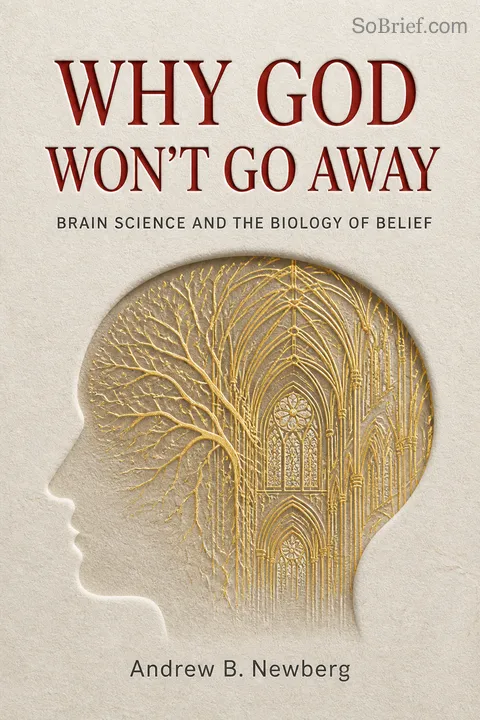
کتاب «چرا خدا نمیرود» به بررسی پایههای عصبی تجربیات دینی از طریق مطالعات تصویربرداری مغزی میپردازد. خوانندگان این کتاب را بهخاطر رویکرد علمی آن جذاب مییابند و از بینشهایی که درباره تأثیر تمرینات معنوی بر عملکرد مغز ارائه میدهد بهرهمند میشوند. برخی تلاش نویسندگان برای آشتی دادن علم و دین را میستایند، در حالی که عدهای دیگر به نتیجهگیریهای فرضی آنها انتقاد دارند. این کتاب بهخاطر توضیح ساده و قابل فهم مفاهیم پیچیده علوم اعصاب مورد تحسین قرار گرفته، اما از سوی دیگر به دلیل گرایش احتمالی به سوی معنویت مورد نقد واقع شده است. در مجموع، خوانندگان کاوش در نقش مغز در تجربیات دینی را برانگیزانندهی تفکر میدانند، هرچند که کاملاً قانعکننده نیست.
دیگران نیز خواندهاند







سؤالات متداول
1. What is Why God Won't Go Away by Andrew B. Newberg about?
- Explores spirituality and neuroscience: The book investigates the neurological basis of religious and mystical experiences, proposing that the human brain is biologically wired for spirituality.
- Introduction to neurotheology: It introduces the emerging field of neurotheology, which studies the relationship between brain function and spiritual experience.
- Core hypothesis: Newberg argues that spiritual experiences are real, measurable brain states, not just emotional or cultural phenomena.
- Bridges science and religion: The book seeks to explain why belief in God and spiritual experiences persist across cultures and history.
2. Why should I read Why God Won't Go Away by Andrew B. Newberg?
- Bridges science and faith: The book offers a rare synthesis of neuroscience and spirituality, appealing to both skeptics and believers.
- Groundbreaking research: It presents pioneering brain imaging studies that capture the neurological basis of spiritual states.
- Accessible and thought-provoking: Written in an engaging style, it invites readers to reconsider their views on consciousness, belief, and reality.
- Practical relevance: The book addresses everyday religious practices, community, morality, and emotions, making it relevant to personal and social life.
3. What are the key takeaways from Why God Won't Go Away by Andrew B. Newberg?
- Spirituality is biologically rooted: The human brain has evolved mechanisms that compel spiritual belief and experience.
- Brain activity validates spiritual states: Mystical and religious experiences correspond to measurable changes in brain function, especially in areas related to self-perception and emotion.
- Myth and ritual are essential: Myths and rituals are neurologically grounded, helping humans resolve existential questions and foster social cohesion.
- Science and religion can coexist: Understanding the biology of belief offers a new framework for appreciating the connection between mind, brain, and the quest for meaning.
4. What are the best quotes from Why God Won't Go Away by Andrew B. Newberg and what do they mean?
- “The mind is what the brain does.” This quote encapsulates the book’s central thesis that all mental and spiritual experiences are rooted in brain activity.
- “Spirituality is as much a part of human nature as sex, intelligence, or emotion.” It highlights the argument that the urge for spirituality is hardwired into our biology.
- “The mystical experience is biologically, observably, and scientifically real.” This statement affirms that mystical states are not mere illusions but have a measurable neurological basis.
- “God is ultimately unknowable, a metaphor for the Absolute Unitary Being.” This reflects the book’s view that all religious images of God are symbolic attempts to grasp an ineffable reality.
5. What scientific methods does Andrew B. Newberg use in Why God Won't Go Away to study spirituality?
- SPECT brain imaging: The authors used single photon emission computed tomography (SPECT) to measure blood flow in the brains of meditators and nuns during peak spiritual experiences.
- Timed meditative state capture: Subjects signaled their peak spiritual moments, allowing precise timing of brain scans to capture the height of spiritual absorption.
- Comparative analysis: Brain activity during normal states was compared to activity during meditation or prayer, revealing consistent patterns linked to mystical states.
- Empirical approach: This scientific rigor lends credibility to the study of spirituality and supports the book’s central claims.
6. What is the orientation association area (OAA) and its significance in Why God Won't Go Away by Andrew B. Newberg?
- Defines self vs. world: The OAA, located in the posterior superior parietal lobe, helps the brain distinguish the self from the external world.
- Decreased activity during mysticism: During peak spiritual states, the OAA shows reduced activity, leading to a loss of self-boundaries.
- Explains mystical unity: This neurological change may cause the brain to perceive the self as boundless and interconnected with all existence, matching descriptions of mystical experiences.
- Central to neurotheology: The OAA’s role is a cornerstone in the book’s argument for the biological basis of spiritual states.
7. How does Why God Won't Go Away by Andrew B. Newberg define the relationship between brain and mind?
- Brain creates the mind: The brain is the physical organ processing sensory, cognitive, and emotional data, while the mind is the phenomenon arising from this activity.
- Unity of mind and brain: The book argues that mind and brain are inseparable, like seawater and wave energy forming a single wave.
- Spirituality is brain-based: All spiritual experiences, including perceptions of God or the soul, occur within the brain’s neural pathways.
- Implications for belief: This view grounds spirituality in biology, making it scientifically investigable.
8. What are “cognitive operators” in Why God Won't Go Away by Andrew B. Newberg and how do they relate to spirituality?
- Mental organizing functions: Cognitive operators are general analytical functions of the mind that organize thoughts and feelings, enabling complex interpretation of the world.
- Key operators: The book highlights eight, including holistic, reductionist, causal, binary, existential, and emotional value operators.
- Role in myth and belief: Causal and binary operators are crucial for myth-making, helping the mind resolve existential fears by framing problems as opposites and finding resolutions.
- Neurological basis for myth: These operators, supported by specific brain regions, biologically compel humans to create and believe in myths.
9. How does Why God Won't Go Away by Andrew B. Newberg explain the human compulsion to create myths and religious stories?
- Myth as existential resolution: Myths arise from the mind’s need to resolve unanswerable questions like death, suffering, and meaning.
- Neurological architecture: The parietal lobe and language centers support the cognitive operators necessary for myth-making.
- Universal resonance: Myths unify logical and intuitive brain functions, producing a “ring of truth” that feels like ultimate reality.
- Cross-cultural similarities: This explains why myths are strikingly similar across different cultures and eras.
10. What role do rituals and rhythmic behaviors play in spirituality according to Why God Won't Go Away by Andrew B. Newberg?
- Neurological mechanism: Rituals use rhythmic, repetitive behaviors to stimulate the limbic and autonomic nervous systems, altering brain activity and emotional states.
- Inducing unitary states: Rituals can blur the boundaries of self and induce transcendent experiences by triggering deafferentation in the brain’s orientation area.
- Health and social benefits: Rituals reduce stress, foster feelings of calm, and strengthen group identity, supporting both individual and collective well-being.
- Foundation for religion: Rituals physically enact myths, making spiritual beliefs feel real and immediate.
11. How does Why God Won't Go Away by Andrew B. Newberg describe mysticism and its neurological basis?
- Mysticism defined: Mysticism is the process of achieving conscious union with the Absolute, involving the dissolution of the separate self.
- Neurological correlates: Mystical experiences involve altered brain states where normal boundaries of time, space, and self dissolve.
- Mental health connection: Research shows that genuine mystical experiences are linked to higher psychological well-being and clearer self-identity.
- Distinction from pathology: Mystical states are joyful and voluntary, unlike the confusion and fear often seen in psychosis.
12. What is Absolute Unitary Being in Why God Won't Go Away by Andrew B. Newberg and why is it important?
- Ultimate mystical state: Absolute Unitary Being is a state of pure, undifferentiated awareness without self, time, or space, described by mystics as the essence of ultimate reality.
- Neurological explanation: It results from complete deafferentation of the brain’s orientation areas, leading to the dissolution of the self.
- Cross-cultural concept: Known as Nirvana, Tao, or Brahman-atman, it represents the absolute oneness of all existence.
- Philosophical implications: This state challenges materialistic assumptions and suggests that awareness can exist independently of the self and the material world.
درباره نویسنده
کتابهای دیگر از اندرو بی. نیوبرگ
دانلود PDF
دانلود EPUB
.epub digital book format is ideal for reading ebooks on phones, tablets, and e-readers.








































