
Résumé de l'intrigue
Un refuge de guerre à la campagne
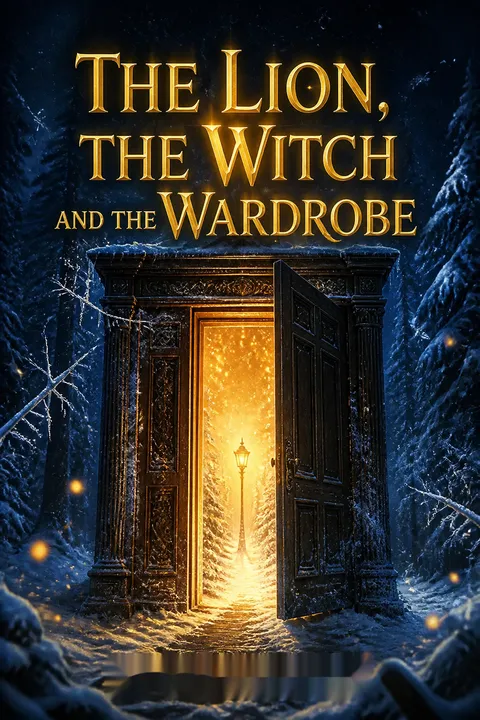
Durant la Seconde Guerre mondiale, Peter, Susan, Edmund et Lucy sont envoyés à la campagne pour fuir les bombardements de Londres. Ils logent dans la demeure d'un vieux professeur, où ils découvrent une mystérieuse armoire. La maison est immense et pleine de secrets, ce qui éveille leur curiosité. Un jour de pluie, ils décident de l'explorer, menant Lucy à la découverte d'un monde magique caché au fond de l'armoire.
La découverte enchantée de Lucy
Lucy, la cadette, s'aventure par hasard dans un royaume magique appelé Narnia en traversant l'armoire. Elle y rencontre M. Tumnus, un faune, qui lui révèle que la Sorcière Blanche a jeté un sort sur Narnia, le condamnant à un hiver éternel. À son retour, Lucy raconte son aventure à ses frères et sœurs, mais personne ne la croit. Sa découverte pose les bases de l'aventure à venir, alors que la fratrie se retrouve entraînée dans la lutte de Narnia contre la Sorcière.
La trahison d'Edmund
Edmund suit Lucy dans Narnia mais y rencontre la Sorcière Blanche, qui le séduit avec des loukoums enchantés et des promesses de pouvoir. Elle le manipule pour l'inciter à trahir ses frères et sœurs, leur tendant ainsi un piège. Les actes d'Edmund sèment la discorde et la méfiance au sein de la fratrie, compliquant leur périple et le liant aux sombres desseins de la Sorcière.
La tentation de la Sorcière Blanche
La Sorcière Blanche exploite le désir de pouvoir d'Edmund pour le manipuler, lui promettant de faire de lui un roi s'il lui amène ses frères et sœurs. Son emprise sur Narnia est immense, et elle use de la peur et de la tentation pour maintenir son contrôle. Le conflit intérieur d'Edmund grandit, tiraillé entre la loyauté envers sa famille et l'attrait des promesses de la Sorcière.
Le retour d'Aslan
Aslan, le grand lion et véritable roi de Narnia, est de retour, ravivant l'espoir dans tout le royaume. Sa présence annonce la fin du règne de la Sorcière. Guidés par M. et Mme Castor, les enfants partent à la recherche d'Aslan pour sauver Edmund et vaincre la Sorcière. Le retour d'Aslan marque un tournant décisif, mobilisant les créatures de Narnia pour lutter pour leur liberté.
La bataille pour Narnia
Aslan mène les Narniens au combat contre les forces de la Sorcière Blanche. Peter fait preuve d'une grande bravoure, et la fratrie s'unit pour libérer Narnia. L'affrontement est féroce, et le commandement d'Aslan inspire un immense courage. La défaite de la Sorcière est indispensable à la libération de Narnia, et le rôle joué par les enfants dans cette bataille scelle leur destin de souverains.
La Magie Profonde révélée
La Sorcière invoque la Magie Profonde, réclamant la vie d'Edmund en sa qualité de traître. Aslan négocie avec elle, révélant l'existence d'une magie encore plus ancienne, que la Sorcière ignore. Cette loi ancestrale permet la rédemption et le sacrifice, ouvrant la voie à l'acte d'abnégation ultime d'Aslan. La révélation de cette Magie Profonde met en lumière les thèmes du sacrifice et du pardon.
Le sacrifice d'Aslan
Aslan s'offre en rançon à la place d'Edmund, permettant à la Sorcière de le mettre à mort sur la Table de Pierre. Son sacrifice est un moment charnière, symbole d'amour et de rédemption. Les enfants et les Narniens pleurent sa perte, mais sa mort n'est pas la fin. Le sacrifice d'Aslan est un acte puissant qui précipitera la chute de la Sorcière et le salut de Narnia.
Le triomphe du bien
La résurrection d'Aslan brise le pouvoir de la Sorcière Blanche, et il mène les Narniens à la victoire. Les frères et sœurs sont couronnés rois et reines, accomplissant ainsi la prophétie. La paix et la prospérité sont restaurées à Narnia. Le triomphe du bien sur le mal est total, le retour d'Aslan symbolisant l'espoir et le renouveau pour le royaume et ses habitants.
Le couronnement à Cair Paravel
Les enfants sont couronnés à Cair Paravel, marquant le début de leur règne sur Narnia. Ils deviennent des dirigeants sages et justes, apportant la paix au royaume. Leurs aventures à Narnia les transforment, leur enseignant de précieuses leçons sur le courage, la loyauté et le sacrifice. Ce couronnement célèbre leur parcours et l'accomplissement de la prophétie de Narnia.
Analysis
Des thèmes intemporels de courage et de rédemptionLe Lion, la Sorcière blanche et l'Armoire magique explore les thèmes du courage, de la rédemption et de la lutte éternelle entre le bien et le mal. Le récit met l'accent sur l'importance de la loyauté, du pardon et de l'accomplissement de soi. Le sacrifice d'Aslan et sa résurrection symbolisent l'espoir et la victoire de l'amour sur la tyrannie. L'histoire invite le lecteur à croire en la force de la rédemption et dans le pouvoir de l'unité et de la bravoure. Les éléments allégoriques de l'œuvre, qui font écho à des thèmes chrétiens, enrichissent sa portée morale, en faisant un conte intemporel d'aventure et de transformation personnelle.
Résumé des avis
Le Lion, la Sorcière blanche et l'Armoire magique est un roman fantastique pour enfants très apprécié qui captive les lecteurs depuis des générations. De nombreux critiques saluent son univers magique, ses personnages mémorables et son allégorie chrétienne. Bien que certains lui reprochent sa morale simpliste et ses aspects datés, la plupart apprécient le charme intemporel de l'histoire et la force de son imaginaire. Les lecteurs soulignent souvent la capacité du livre à enchanter les enfants comme les adultes, beaucoup se remémorant avec nostalgie leur découverte de Narnia durant l'enfance. La popularité durable du roman est attribuée à ses thèmes de courage, de sacrifice et de triomphe du bien sur le mal.
Les lecteurs ont aussi lu




Characters
Lucy Pevensie
Lucy est la cadette de la famille Pevensie et la première à découvrir Narnia. Son innocence et sa droiture font d'elle un personnage clé de l'histoire. Elle noue un lien privilégié avec Aslan et fait preuve d'un courage remarquable tout au long de l'aventure. Sa foi inébranlable en Narnia, malgré le scepticisme initial de ses frères et sœurs, souligne sa force de caractère et sa détermination.
Edmund Pevensie
Le parcours d'Edmund est jalonné de trahison et de rédemption. D'abord séduit par les promesses de la Sorcière Blanche, il trahit les siens avant de chercher sincèrement leur pardon. L'évolution de son personnage est au cœur du récit, illustrant son apprentissage de la loyauté et du courage. La rédemption d'Edmund témoigne du pouvoir du pardon et de l'accomplissement personnel.
Peter Pevensie
En tant qu'aîné de la fratrie, Peter assume naturellement le rôle de chef. Courageux et protecteur, il mène la bataille contre la Sorcière Blanche. Son évolution vers un statut de roi sage et juste est un aspect fondamental de l'œuvre. Ses relations avec Aslan et ses frères et sœurs se renforcent à mesure qu'il prend conscience des responsabilités du pouvoir et de l'importance de l'unité.
Susan Pevensie
Susan est la deuxième de la fratrie et adopte souvent une attitude maternelle envers les autres. Pragmatique et prudente, elle apporte un équilibre essentiel à la dynamique du groupe. Le cheminement de Susan l'amène à accorder sa confiance à la magie de Narnia et à croire en ses propres capacités. Son évolution se traduit par l'acceptation des merveilles de ce monde et de son rôle de reine.
Aslan
Aslan est le véritable roi de Narnia, incarnant l'espoir et la rédemption. Sa simple présence inspire courage et unité aux Narniens. Son sacrifice et sa résurrection sont au cœur des thèmes de l'amour et du pardon. Symbole de force et de sagesse, il guide les enfants et dirige la lutte contre la Sorcière Blanche.
The White Witch (Jadis)
La Sorcière Blanche est l'antagoniste de l'histoire, régnant sur Narnia par la terreur et les sortilèges. L'hiver éternel qu'elle impose symbolise son règne oppressif. Elle manipule Edmund et cherche à préserver son pouvoir par tous les moyens. Sa défaite est indispensable à la libération de Narnia, et son personnage incarne la tyrannie ainsi que l'effet corrupteur du pouvoir.
Mr. Tumnus
M. Tumnus est la première créature que Lucy rencontre à Narnia. Bien qu'au service de la Sorcière à l'origine, il se lie d'amitié avec la fillette et l'aide à s'échapper. Son conflit intérieur et sa rébellion finale contre la Sorcière mettent en valeur le thème du courage. Sa gentillesse et sa bravoure en font un personnage profondément attachant et un allié précieux pour les Pevensie.
Mr. Beaver
M. Castor guide les Pevensie vers Aslan, jouant un rôle déterminant dans leur périple. Sa loyauté et sa connaissance de l'histoire de Narnia constituent un soutien précieux. Son personnage incarne l'amitié et la nécessité de s'élever contre la tyrannie. Son courage et son ingéniosité sont essentiels à la réussite des enfants.
Mrs. Beaver
Mme Castor est une figure chaleureuse et organisée, qui aide activement les Pevensie à préparer leur voyage. Sa complicité avec M. Castor illustre parfaitement l'esprit d'équipe et la fidélité. Son personnage apporte de la douceur et de l'humour au récit, et son soutien s'avère indispensable à la quête des enfants pour vaincre la Sorcière.
Plot Devices
The Wardrobe
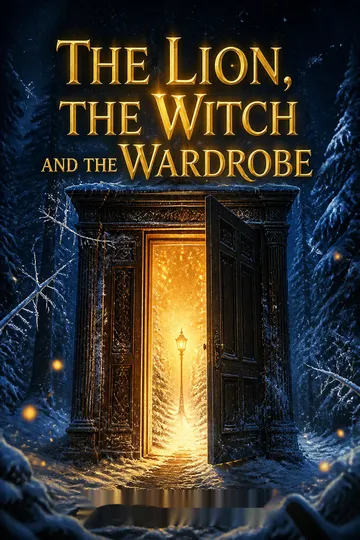
L'armoire sert de portail entre le monde réel et Narnia. Elle symbolise la frontière entre la réalité et l'imaginaire, permettant aux enfants de pénétrer dans un univers d'aventures. Son rôle en tant que ressort dramatique est essentiel, car elle déclenche l'intrigue et offre aux personnages le moyen de revenir à Narnia.
The Deep Magic
La Magie Profonde représente les lois fondamentales qui régissent Narnia. Elle détermine les conséquences de la trahison et légitime les droits de la Sorcière sur Edmund. La révélation d'une magie encore plus ancienne, ignorée de la Sorcière, permet la résurrection d'Aslan et le triomphe final du bien. Ce procédé narratif met en relief les thèmes de la justice, du sacrifice et de la rédemption.
Aslan's Sacrifice
Le sacrifice d'Aslan est un rouage essentiel de l'intrigue, incarnant l'abnégation et la puissance de l'amour. Sa volonté de mourir à la place d'Edmund souligne les thèmes du pardon et de la rédemption. Sa résurrection constitue le tournant de l'histoire, menant à la défaite de la Sorcière et à la libération de Narnia. Cet acte de dévouement est au cœur de la résolution du récit.
FAQ
Basic Details
What is The Lion, the Witch and the Wardrobe about?
- Children discover magical world: Four siblings, Peter, Susan, Edmund, and Lucy Pevensie, evacuate to a professor's house during WWII and discover a magical world called Narnia through a wardrobe.
- Narnia under evil rule: Narnia is under the tyrannical rule of the White Witch, who has plunged the land into an eternal winter, and the children become involved in the struggle against her.
- Prophecy and destiny: The children are drawn into a prophecy involving the return of Aslan, the great lion, and their roles as kings and queens to restore Narnia to its former glory.
Why should I read The Lion, the Witch and the Wardrobe?
- Classic fantasy adventure: It's a foundational work of fantasy literature, offering a captivating blend of adventure, magic, and mythical creatures.
- Exploration of good vs evil: The story delves into the timeless battle between good and evil, exploring themes of sacrifice, redemption, and the importance of courage and loyalty.
- Rich symbolism and allegory: The narrative is rich with symbolism and allegorical elements, inviting readers to explore deeper meanings and interpretations beyond the surface plot.
What is the background of The Lion, the Witch and the Wardrobe?
- World War II backdrop: The story is set against the backdrop of World War II, with the children being evacuated from London due to air raids, which provides a context for their displacement and search for refuge.
- Christian allegorical elements: C.S. Lewis, a Christian author, incorporates allegorical elements, with Aslan representing Christ, the White Witch representing evil, and the story reflecting themes of sacrifice and redemption.
- Inspiration from mythology and folklore: The book draws inspiration from various mythologies and folklore, including fauns, centaurs, and other mythical creatures, creating a rich and imaginative world.
What are the most memorable quotes in The Lion, the Witch and the Wardrobe?
- "Wrong will be right, when Aslan comes in sight": This quote, part of a rhyme, foreshadows Aslan's return and the restoration of Narnia, encapsulating the hope and prophecy central to the story.
- "Once a king or queen in Narnia, always a king or queen": This quote emphasizes the lasting impact of their experiences in Narnia and their eternal roles as rulers, highlighting the theme of destiny.
- "Safe?" said Mr. Beaver; "Who said anything about safe? 'Course he isn't safe. But he's good. He's the King, I tell you.": This quote reveals the complex nature of Aslan, emphasizing that true goodness doesn't always equate to safety, and highlights the awe and respect he commands.
What writing style, narrative choices, and literary techniques does C.S. Lewis use?
- Third-person omniscient narration: Lewis employs a third-person omniscient narrator, allowing him to provide insights into the thoughts and feelings of multiple characters, enhancing the reader's understanding of the story's complexities.
- Simple and accessible language: The writing style is straightforward and accessible, making the story engaging for both children and adults, while still conveying profound themes and ideas.
- Foreshadowing and symbolism: Lewis uses foreshadowing to hint at future events and employs rich symbolism, such as the eternal winter representing the Witch's evil reign, to add layers of meaning to the narrative.
Hidden Details & Subtle Connections
What are some minor details that add significant meaning?
- Mothballs in the wardrobe: The presence of mothballs in the wardrobe is a seemingly mundane detail, but it emphasizes the ordinary nature of the object, contrasting with the extraordinary world it conceals, and highlighting the magical transition.
- The robin's red breast: The robin with a red breast acts as a guide, leading the children to the Beavers, and its vibrant color symbolizes hope and guidance in the midst of the wintry landscape.
- The broken Stone Table: The cracking of the Stone Table after Aslan's sacrifice is a visual representation of the breaking of the Deep Magic and the triumph of a deeper, more powerful magic, signifying the reversal of death.
What are some subtle foreshadowing and callbacks?
- Edmund's Turkish Delight craving: Edmund's insatiable craving for Turkish Delight foreshadows his susceptibility to the White Witch's temptations and his betrayal of his siblings, highlighting his weakness.
- The mention of the four thrones: The recurring mention of the four thrones at Cair Paravel foreshadows the children's destiny as rulers of Narnia, emphasizing the importance of their roles in the prophecy.
- The Professor's logic: The Professor's emphasis on logic and the three possibilities (lying, madness, or truth) foreshadows the deeper, more complex magic at play in Narnia, and his acceptance of Lucy's story.
What are some unexpected character connections?
- The White Witch and Lilith: The revelation that the White Witch is not human but descended from Lilith, Adam's first wife, connects her to a deeper, more ancient evil, adding a layer of mythological depth to her character.
- Mr. Tumnus and his father: The picture of Mr. Tumnus's father in his cave serves as a reminder of his moral compass and the values he is betraying by serving the White Witch, highlighting his internal conflict.
- Giant Rumblebuffin and the Buffin family: The mention of Giant Rumblebuffin's respected family adds a layer of depth to the giants of Narnia, showing that not all giants are evil, and that there are good giants with traditions.
Who are the most significant supporting characters?
- Mr. and Mrs. Beaver: They provide crucial guidance and support to the children, offering them shelter, food, and information about Narnia, and their loyalty and resourcefulness are essential to the plot.
- Mr. Tumnus: His initial kindness to Lucy and his subsequent internal conflict highlight the struggle between good and evil, and his eventual defiance of the White Witch is a pivotal moment.
- Father Christmas: His appearance signifies the weakening of the White Witch's power and the hope of spring, and his gifts to the children are not just presents but tools for their journey.
Psychological, Emotional, & Relational Analysis
What are some unspoken motivations of the characters?
- Edmund's desire for recognition: Beyond the Turkish Delight, Edmund's betrayal stems from a deep-seated desire for recognition and power, feeling overlooked by his siblings, and wanting to be seen as important.
- Susan's fear of the unknown: Susan's initial reluctance to fully embrace Narnia stems from a fear of the unknown and a desire for safety and practicality, highlighting her struggle to accept the magical world.
- Peter's burden of responsibility: Peter's eagerness to take on the leadership role is driven by a sense of responsibility and a desire to protect his siblings, but also a need to prove himself as the eldest.
What psychological complexities do the characters exhibit?
- Lucy's unwavering faith: Lucy's unwavering faith in Narnia and Aslan, despite her siblings' disbelief, reveals her strong sense of intuition and her ability to see beyond the surface, highlighting her spiritual depth.
- Edmund's internal conflict: Edmund's internal struggle between his desire for power and his guilt over betraying his family showcases the complexities of human nature and the pull of temptation.
- Peter's self-doubt: Despite his bravery, Peter experiences moments of self-doubt and insecurity, particularly when faced with the responsibility of leading the battle, revealing his vulnerability.
What are the major emotional turning points?
- Lucy's initial rejection: Lucy's emotional distress when her siblings dismiss her Narnia story highlights the pain of disbelief and the importance of validation, and her determination to prove her truth.
- Edmund's realization of the Witch's cruelty: Edmund's growing discomfort and guilt as he witnesses the Witch's cruelty marks a turning point in his character arc, leading him towards redemption.
- The children's grief over Aslan's death: The children's profound grief and despair over Aslan's death underscores the depth of their love for him and the seeming hopelessness of their situation, making his resurrection all the more powerful.
How do relationship dynamics evolve?
- Sibling rivalry to unity: The initial sibling rivalry and mistrust, particularly between Edmund and the others, evolves into a strong bond of loyalty and unity as they face the challenges of Narnia together.
- The children and Aslan: The children's relationship with Aslan evolves from awe and reverence to a deep sense of love and trust, highlighting his role as a guide and protector.
- The Beavers and the children: The relationship between the Beavers and the children develops from a practical alliance to a warm and familial bond, showcasing the importance of friendship and loyalty.
Interpretation & Debate
Which parts of the story remain ambiguous or open-ended?
- Aslan's true nature: While Aslan is presented as a Christ-like figure, his exact nature and origins remain somewhat ambiguous, inviting readers to interpret his role and significance in different ways.
- The nature of the Deep Magic: The precise workings and origins of the Deep Magic and the Deeper Magic are not fully explained, leaving room for interpretation and speculation about the nature of good and evil.
- The children's return to the real world: The children's return to their own world and the nature of their memories of Narnia are left somewhat open-ended, suggesting that their experiences have a lasting impact on them.
What are some debatable, controversial scenes or moments in The Lion, the Witch and the Wardrobe?
- Aslan's sacrifice: Aslan's willingness to sacrifice himself in Edmund's place can be interpreted as both a powerful act of love and a controversial act of self-destruction, sparking debate about the nature of sacrifice.
- The Witch's claim to Edmund: The Witch's claim to Edmund based on the Deep Magic raises questions about the nature of justice and whether the law should always be followed, even when it seems unjust.
- The portrayal of gender roles: The story's portrayal of gender roles, with Susan being given a bow but told not to fight, can be seen as both a reflection of its time and a point of debate about the roles of women in fantasy literature.
The Lion, the Witch and the Wardrobe Ending Explained: How It Ends & What It Means
- The children's coronation: The coronation of the children as kings and queens signifies the restoration of Narnia and the fulfillment of prophecy, highlighting the themes of destiny and leadership.
- Aslan's departure: Aslan's quiet departure after the coronation emphasizes his wild and untamed nature, and his role as a guide rather than a constant presence, suggesting that the children must now rule on their own.
- The return through the wardrobe: The children's return to their own world through the wardrobe, and the Professor's advice, suggests that their experiences in Narnia are real and will continue to influence their lives, and that they will return to Narnia when the time is right.
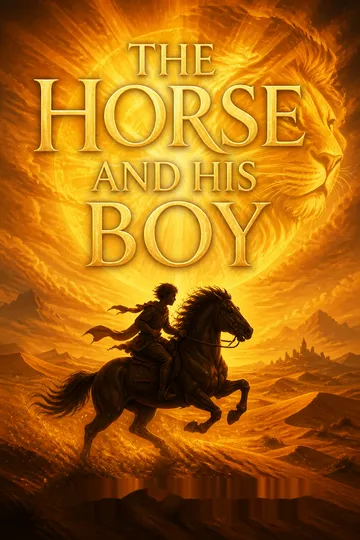
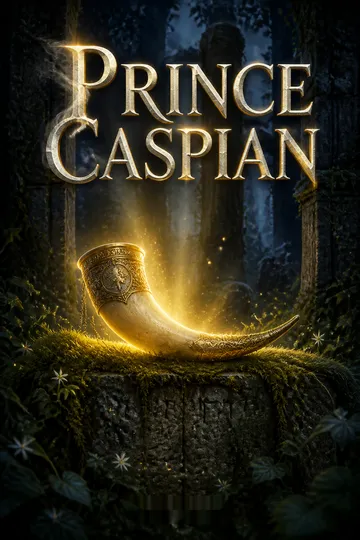
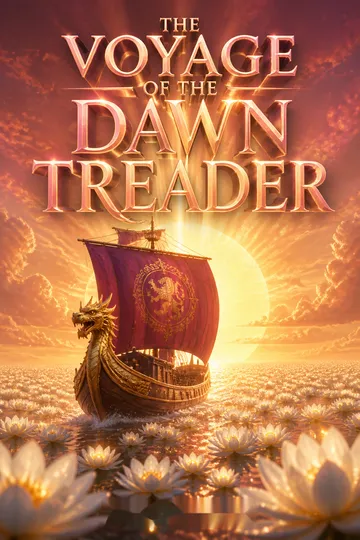
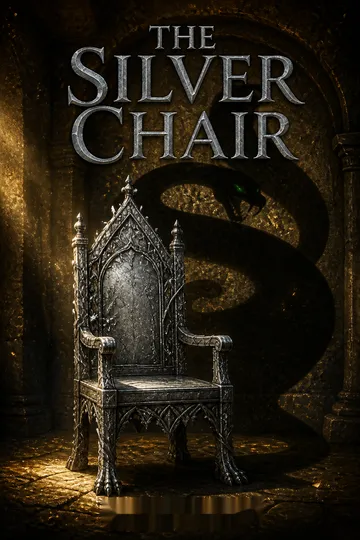
Les Chroniques de Narnia (Ordre chronologique) Série
À propos de l'auteur


Télécharger le PDF
Télécharger l'EPUB
.epub digital book format is ideal for reading ebooks on phones, tablets, and e-readers.








































