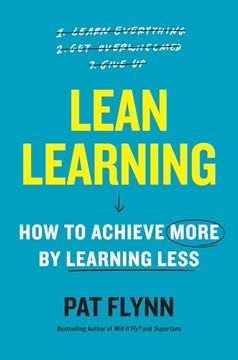
मुख्य बातें
1. अनंत जानकारी के भंडार से पहले कार्रवाई को प्राथमिकता दें
“ज्ञान, यदि वह क्रिया को प्रेरित न करे, तो हमारे लिए वह मृत है।”
अधिक सीखना बंद करें। लेखक पैट फ्लिन स्वीकार करते हैं कि वे एक "अधिक सीखने वाले" हैं, जो लगातार सामग्री ग्रहण करते रहते हैं लेकिन उसे लागू नहीं करते। इस जानकारी के अति-संग्रह ने उन्हें जकड़ दिया और निराशा में डाल दिया, खासकर महान मंदी के दौरान नौकरी छूटने के बाद। उन्होंने समझा कि केवल ज्ञान पर्याप्त नहीं है; असली प्रगति के लिए कार्रवाई आवश्यक है।
जानकारी का बोझ। आज की दुनिया में हम सामग्री की बाढ़ में डूबे हुए हैं, जिससे "प्रेरणा की अधिकता" और अधिक सोच-विचार होता है। यह निरंतर ग्रहण अक्सर सरल निर्णयों को टाल देता है और आगे बढ़ने से रोकता है। कुंजी है निष्क्रिय ग्रहण से सक्रिय क्रियान्वयन की ओर बदलाव।
कार्रवाई ही प्रगति है। पैट के व्यवसाय कोच जेरेमी ने उन्हें पहली ईबुक की योजना बनाते समय कहा, "बस शुरू करो" (JFGS)। यह सटीक सलाह बताती है कि उनकी सारी योजना असली प्रगति में बाधा बन रही थी। असली सीख तब शुरू होती है जब आप करना शुरू करते हैं, केवल ग्रहण नहीं करते।
2. अपने अगले कदमों को सरल बनाएं ‘कीस्टोन प्रश्न’ के साथ
“अगर यह आसान होता, तो यह कैसा दिखता?”
स्पष्टता प्राप्त करें। यह "कीस्टोन प्रश्न" (ITWEWWILL), टिम फेरिस से प्रेरित, उलझन को काटने और आगे बढ़ने के लिए न्यूनतम आवश्यक कार्रवाई (MVA) की पहचान करने में मदद करता है। यह आपको जटिलताओं को हटाकर सबसे सरल रास्ते पर ध्यान केंद्रित करने के लिए प्रोत्साहित करता है।
वास्तविक जीवन में उपयोग। जब पैट और कैलिब ने स्विचपॉड ट्राइपॉड बनाया, तो उन्होंने हर चरण पर ITWEWWILL पूछा। इससे उन्हें:
- कार्डबोर्ड बॉक्स से प्रोटोटाइप बनाने में मदद मिली।
- सम्मेलन में यूट्यूबर्स से पूछकर माप निर्धारित किए।
- नए उत्पाद बनाने के बजाय एक्सेसरीज़ को व्हाइट-लेबल करके विस्तार किया।
जहां हैं वहीं से शुरू करें। सिएरा लियोन के युवा आविष्कारक केल्विन डो की कहानी इसे और स्पष्ट करती है। उन्होंने इलेक्ट्रॉनिक्स सीखने के लिए फेंके गए पुर्जों को तोड़-फोड़ कर "अगर इलेक्ट्रॉनिक्स सीखना आसान होता, तो यह कैसा दिखता?" पूछा। उनका जवाब था, उपलब्ध संसाधनों से करते हुए सीखना।
3. अपूर्णता को अपनाएं और हर गलती से सीखें
“आपको मास्टर बनने से पहले एक आपदा होना होगा।”
गलतियां शिक्षक हैं। हमारा समाज अक्सर असफलता को नकारात्मक रूप में देखता है, लेकिन एक लीन लर्नर के लिए गलतियां अमूल्य सीखने के अवसर हैं। ये तुरंत प्रतिक्रिया देती हैं, जिज्ञासा जगाती हैं, और सैद्धांतिक ज्ञान से कहीं गहरा समझ प्रदान करती हैं।
असफलताओं के प्रकार। हार्वर्ड शोधकर्ता एमी एडमंडसन तीन प्रकार बताती हैं:
- बुनियादी असफलताएं: ज्ञात "सही तरीकों" का पालन न करना।
- जटिल असफलताएं: परिचित परिस्थितियों में कई कारणों से।
- बुद्धिमान असफलताएं: नए प्रयासों से अप्रत्याशित परिणाम।
बुद्धिमान असफलताएं, जो छोटे और सुरक्षित जोखिमों से जुड़ी होती हैं, नवाचार और विकास के लिए महत्वपूर्ण हैं।
लचीलापन बनाएं। पैट के शुरुआती व्यवसाय को ट्रेडमार्क उल्लंघन के लिए रोक-थाम पत्र मिला। उन्होंने हार नहीं मानी, ब्रांड बदला और कानूनी सबक सीखे। इस अनुभव ने लचीलापन बनाया, जो संभावित हार को विकास की प्रेरणा में बदल गया।
4. चैंपियंस का सहारा लें: मेंटर्स, साथियों और समुदाय
“अकेले हम कम कर सकते हैं; साथ मिलकर हम बहुत कुछ कर सकते हैं।”
सहारा प्रणाली। कोई भी महानता अकेले हासिल नहीं करता। चैंपियंस—मित्र, परिवार, साथी और मेंटर्स—महत्वपूर्ण समर्थन, मार्गदर्शन और जवाबदेही प्रदान करते हैं। डॉ. बारबरा कोहेन की पॉडकास्टिंग यात्रा, तकनीक के डर के बावजूद, समुदाय के समर्थन से सफल हुई।
चैंपियंस के प्रकार:
- मित्र और परिवार: भावनात्मक समर्थन और जीत का जश्न मनाते हैं।
- साथी: साझा अनुभवों से अनूठी अंतर्दृष्टि और सहयोग देते हैं (जैसे मास्टरमाइंड समूह)।
- वर्चुअल मेंटर्स: विशेषज्ञ जो सामग्री (किताबें, पॉडकास्ट) के माध्यम से ज्ञान साझा करते हैं।
- व्यक्तिगत मेंटर्स: व्यक्तिगत मार्गदर्शन और जवाबदेही प्रदान करते हैं।
परस्परता महत्वपूर्ण है। दूसरों के लिए प्रोत्साहन या संसाधन साझा करके चैंपियन बनना समुदाय को मजबूत करता है। यह पारस्परिक आदान-प्रदान सभी के सीखने के अनुभव को समृद्ध करता है।
5. अपने फोकस की रक्षा करें ‘जस्ट-इन-टाइम’ जानकारी के साथ
“संरचित मार्गदर्शन यादृच्छिक चयन से बेहतर है।”
शोर से अनसब्सक्राइब करें। पैट के गोल्फ साथी जॉर्ज की तरह, जो अनंत गोल्फ सिद्धांतों से बचकर उत्कृष्ट बने, लीन लर्निंग अनावश्यक जानकारी से "अनसब्सक्राइब" करने की सलाह देता है। केवल अपने अगले कदम के लिए आवश्यक चीज़ों पर ध्यान दें।
जस्ट-इन-टाइम जानकारी (JITI)। यह लीन लर्निंग का मूल सिद्धांत है, जिसका मतलब है कि केवल तत्काल कार्य के लिए आवश्यक जानकारी प्राप्त करना। पैट ने अपनी अध्ययन गाइड लिखते समय इसे अपनाया, पहले केवल फॉर्मेटिंग और सामग्री पर ध्यान दिया, फिर कवर डिजाइन या बिक्री पृष्ठों पर।
FOMO से लड़ें। "मिस होने का डर" (FOMO) प्रगति को रोक सकता है। रणनीतियों में शामिल हैं:
- गैर-जरूरी जानकारी के लिए "बाद में" प्रणाली लागू करना।
- चुने हुए रास्ते पर भरोसा रखना।
- स्पष्ट जानकारी सीमाएं निर्धारित करना।
- FOMO को जरूरतों का पुनर्मूल्यांकन करने के लिए एक चेकपॉइंट के रूप में लेना।
- "टाइम ब्लॉकिंग" को एक क्रिया के रूप में अपनाना ताकि ध्यान केंद्रित, बिना व्यवधान के कार्यकाल बन सके।
6. स्वैच्छिक दबाव के माध्यम से तेजी से विकास करें
“अगर रास्ता आसान है, तो आप शायद गलत दिशा में जा रहे हैं।”
जानबूझकर दबाव। स्वैच्छिक दबाव वे जानबूझकर लगाए गए, स्वयं द्वारा निर्धारित चुनौतियां हैं जो कार्रवाई को मजबूर करती हैं और सीखने को तेज करती हैं। पैट का पहला सार्वजनिक भाषण, उनके डर के बावजूद, इसका प्रमुख उदाहरण था, जिसने उन्हें गहन तैयारी के लिए मजबूर किया।
प्रभावी दबाव के लिए नुस्खा:
- विश्वास की छलांग: "अभी शुरू करने" की प्रतिबद्धता।
- समय-सीमा: एक गैर-परिवर्तनीय डेडलाइन।
- उच्च दांव: प्रेरित करने के लिए पर्याप्त दबाव, लेकिन जकड़ने वाला नहीं।
- सार्थक चुनौती: व्यक्तिगत विकास और मूल्यों के अनुरूप।
- अंत में पुरस्कार: नए अवसरों का द्वार खोलना।
रणनीतिक साझा करना। सार्वजनिक रूप से लक्ष्य घोषित करना उल्टा पड़ सकता है (जल्दी पूरा होने का भ्रम), लेकिन "उच्च स्थिति" वाले लोगों के साथ साझा करना, जिनकी राय आप सम्मान करते हैं, शक्तिशाली प्रेरणा और जवाबदेही प्रदान कर सकता है।
7. नियमित रूप से अपने मार्ग का मूल्यांकन करें: उद्देश्य के साथ टिकें या मोड़ें
“जीवन एक ऐसा सफर नहीं है जिसे आप ऑटोपायलट पर करना चाहें।”
अपने ‘क्यों’ से जुड़ें। समय-समय पर अपने मूल उद्देश्य, कारण या विश्वास से पुनः जुड़ना निर्णयों के मार्गदर्शन के लिए आवश्यक है। शेन और जोसलीन सैम्स की उद्यमी यात्रा उनके "क्यों"—अपने परिवार के लिए मौजूद रहने की स्वतंत्रता—से प्रेरित थी।
व्यक्तिगत प्रयास के 3 P:
- प्रगति: मील के पत्थर मनाएं और देखें कि आप आगे बढ़ रहे हैं या नहीं।
- जुनून: जांचें कि आपकी उत्साह और ऊर्जा बनी हुई है या नहीं।
- उद्देश्य: सुनिश्चित करें कि यह आपके मूल्यों और दीर्घकालिक दृष्टि के अनुरूप है।
व्यक्तिगत मिशन वक्तव्य। अपने मूल्यों और दृष्टि का स्पष्ट, संक्षिप्त विवरण बनाएं। यह "नॉर्थ स्टार" अवसरों का मूल्यांकन करने और जब आप भटकें तो वापस मार्ग पर आने में मदद करता है।
8. सूक्ष्म महारत को साहसिक छलांग के साथ मिलाएं
“भाग्य साहसी का साथ देता है।”
सूक्ष्म महारत। इसका मतलब है छोटे, विशिष्ट, क्रमिक सुधारों पर ध्यान केंद्रित करना जो समय के साथ बढ़ते हैं। ओरि बेंगल, "काउच सर्फिंग ओरि," ने अपने कला कौशल को हजारों दैनिक टुकड़ों में एक-एक छोटे विवरण (जैसे ब्रश स्ट्रोक, विशिष्ट रंग) पर अत्यधिक ध्यान देकर नाटकीय रूप से सुधारा।
संयोजित प्रभाव। किसी प्रक्रिया में छोटे सुधार, जैसे बिक्री फ़नल, अपार परिणाम ला सकते हैं। एक रूपांतरण दर को दोगुना करना बिना ट्रैफ़िक बढ़ाए बिक्री दोगुनी कर सकता है।
क्वांटम छलांग। ये अचानक, बड़े बदलाव होते हैं जो प्रगति को तेजी से बढ़ाते हैं, जिनमें सावधानीपूर्वक जोखिम लेना और आराम क्षेत्र से बाहर जाना शामिल है। नाथन बैरी का ConvertKit पर "डबल डाउन" करना, अपनी लाभकारी प्रकाशन कंपनी बंद कर देना, ने उनकी कंपनी को उद्योग में अग्रणी बना दिया।
9. दूसरों को सिखाकर और नेतृत्व करके अपनी सीख को मजबूत करें
“जब हम सिखाते हैं, तब हम सीखते हैं।”
सिखाना सीखने को मजबूत करता है। अपने ज्ञान को साझा करने से आपको जटिल अवधारणाओं को तोड़ना, अपनी समझ में अंतराल पहचानना और विचारों को प्रभावी ढंग से व्यक्त करना पड़ता है। पैट की "ईबुक्स द स्मार्ट वे" गाइड ने न केवल दूसरों की मदद की बल्कि उनके लेखन प्रक्रिया को भी सुव्यवस्थित किया।
सिखाने के लाभ:
- आपकी अपनी समझ को गहरा करता है।
- विश्वसनीयता और अधिकार स्थापित करता है।
- सार्थक संबंध बनाता है।
- सकारात्मक प्रभाव पैदा करता है।
सार्वजनिक रूप से काम करें। अपनी प्रक्रिया, चुनौतियां और अंतर्दृष्टि सार्वजनिक रूप से साझा करना (जैसे ब्लॉगिंग, सोशल मीडिया, ओपन-सोर्स प्रोजेक्ट्स) प्रतिक्रिया, सहयोग और विश्वास बनाता है। अरविड काल का Podscan.fm का पारदर्शी विकास इसका प्रमुख उदाहरण है।
समुदाय बनाएं। समान विचारधारा वाले लोगों के लिए ऑनलाइन या व्यक्तिगत रूप से स्थान बनाना और पोषण करना साझा विकास और पारस्परिक समर्थन को बढ़ावा देता है। पैट का SPI समुदाय और कार्ड पार्टी कार्यक्रम इसका उदाहरण हैं, जो व्यक्तिगत सफलताओं को सामूहिक प्रभाव में बदलते हैं।
समीक्षा सारांश
लीन लर्निंग को अधिकांश समीक्षकों से सकारात्मक प्रतिक्रिया मिली है, जहाँ पाठक इसकी व्यावहारिक सलाह की प्रशंसा करते हैं जो प्रभावी सीखने और लक्ष्य प्राप्ति पर केंद्रित है। कई लोग इस बात की सराहना करते हैं कि यह पुस्तक महत्वपूर्ण जानकारियों को प्राथमिकता देने और अत्यधिक शोध में उलझने के बजाय कार्रवाई करने पर जोर देती है। कुछ पाठकों ने इसे विशेष रूप से उद्यमियों और आजीवन शिक्षार्थियों के लिए उपयोगी पाया है। हालांकि, कुछ समीक्षकों ने यह भी बताया कि पुस्तक के मध्य में इसका फोकस उद्यमिता की ओर मुड़ जाता है। कुल मिलाकर, पाठकों ने इसे सीखने की रणनीतियों और उत्पादकता सुधारने के लिए एक मूल्यवान संसाधन माना है, और कई इसे व्यक्तिगत विकास के लिए अवश्य पढ़ने योग्य मानते हैं।
लोग यह भी पढ़ते हैं



 इमर्सिव
अक्सर पूछे जाने वाले प्रश्न
1. What is "Lean Learning: How to Achieve More by Learning Less" by Pat Flynn about?
- Core Premise: The book introduces "Lean Learning," a method for acquiring new skills and knowledge efficiently by focusing on just what you need, taking action quickly, and avoiding information overload.
- Personal and Professional Growth: Pat Flynn shares his journey from over-learner to successful entrepreneur, illustrating how Lean Learning can help anyone adapt, grow, and thrive in a rapidly changing world.
- Action-Oriented Framework: The book emphasizes moving from passive consumption to active implementation, using real-life stories, practical exercises, and a step-by-step process.
- Audience: It's designed for entrepreneurs, professionals, lifelong learners, and anyone overwhelmed by too much information or struggling to turn inspiration into results.
2. Why should I read "Lean Learning" by Pat Flynn?
- Overcome Information Overload: The book addresses the modern problem of being paralyzed by too much information and offers a clear path to cut through the noise.
- Practical, Actionable Advice: Pat Flynn provides a simple, repeatable framework that helps readers move from inspiration to action, making learning more effective and less overwhelming.
- Real-World Examples: The book is filled with relatable stories—from preschoolers solving real problems to entrepreneurs making bold pivots—that demonstrate Lean Learning in action.
- Applicable to All Areas: Whether you want to learn a new skill, start a business, or simply be more productive, the Lean Learning method can be tailored to any goal or challenge.
3. What are the key takeaways from "Lean Learning" by Pat Flynn?
- Learn Just Enough: Focus on acquiring only the information you need to take the next step, rather than trying to know everything before starting.
- Action Over Accumulation: Progress comes from doing, not just learning; mistakes and imperfection are essential parts of the process.
- Champions Matter: Surround yourself with mentors, peers, and supportive communities to accelerate learning and overcome obstacles.
- Regular Reflection: Periodically assess your progress, passion, and purpose to decide whether to persist or pivot.
- Teach to Master: Sharing your knowledge with others reinforces your own learning and creates a positive feedback loop.
4. What is the Lean Learning method as defined by Pat Flynn?
- Four-Step Process: 1) Identify what you want to accomplish next, 2) Learn only what you need to move forward, 3) Implement what you’ve learned, 4) Review and repeat to refine and deepen your skills.
- Simplicity Over Complexity: The method intentionally avoids overcomplicating learning, focusing on efficiency and effectiveness.
- Just-in-Time Information: Only seek out information relevant to your immediate next step, avoiding the trap of "just-in-case" learning.
- Iterative Improvement: Each cycle of the process builds on the last, allowing for continuous growth and adaptation.
5. How does Pat Flynn address information overload and inspiration overload in "Lean Learning"?
- Inspiration Matrix: Flynn introduces a tool to categorize ideas and inspirations into Passion Pursuits, Critical Commitments, Recreational Inspirations, and Junk Sparks, helping you prioritize what matters.
- Selective Curiosity: Encourages being intentional about which inspirations to pursue, rather than chasing every new idea.
- Time Travel Exercise: Recommends visualizing your future self after pursuing an inspiration to determine if it’s truly worth your time.
- Saying No: Emphasizes the importance of eliminating distractions and "Junk Sparks" to focus energy on meaningful pursuits.
6. What is "Just-in-Time Information" and how does it work in Lean Learning?
- Definition: Just-in-Time Information (JITI) is the practice of seeking out only the information you need for your immediate next step, rather than stockpiling knowledge for potential future use.
- Prevents Overwhelm: This approach helps avoid information overload and keeps you focused on actionable tasks.
- Practical Application: Flynn shares examples from his own business, showing how JITI allowed him to make progress quickly by learning only what was necessary at each stage.
- Tools and Boundaries: Suggests using "For Later" folders and setting information boundaries to manage FOMO and stay on track.
7. What role do mistakes and imperfection play in the Lean Learning approach?
- Mistakes as Learning Opportunities: Flynn argues that mistakes are not failures but essential feedback that deepen understanding and accelerate growth.
- Embracing Imperfection: The book encourages starting before you feel ready and accepting that your first attempts will be imperfect.
- Types of Failure: Cites research on basic, complex, and intelligent failures, advocating for "intelligent failure"—small, recoverable risks that lead to innovation.
- Resilience and Innovation: Learning from mistakes builds resilience and often leads to unexpected breakthroughs.
8. How does Pat Flynn recommend you protect your progress and stay focused in "Lean Learning"?
- Unsubscribe and Unfollow: Actively remove sources of unnecessary information and distractions from your environment.
- Time Blocking: Use intentional scheduling to create distraction-free periods for focused work, treating these blocks as non-negotiable.
- Dealing with Anti-Champions: Recognize and distance yourself from negative influences or "crabs in a bucket" who may try to pull you down.
- Joy of Opting Out: Learn to say no to opportunities that don’t align with your core values or current priorities, preserving energy for what matters most.
9. What are "Voluntary Force Functions" and "Power 10s" in the context of Lean Learning?
- Voluntary Force Functions: These are self-imposed challenges or constraints (like deadlines, public commitments, or high-stakes situations) that force you to take action and grow.
- Recipe for Success: Effective force functions include a leap of faith, a time-locked commitment, high stakes, a meaningful challenge, and clear rewards.
- Power 10s: Inspired by rowing, a Power 10 is a short, intense burst of focused effort to break through plateaus or accelerate progress.
- Strategic Use: Both concepts are about intentionally creating pressure or urgency to catalyze learning and achievement, rather than waiting for external circumstances to force your hand.
10. How does "Lean Learning" by Pat Flynn help you decide when to persist or pivot?
- Self-Assessment Sessions: Regularly schedule time to reflect on your progress, passion, and purpose (the "three Ps") to evaluate if your current path is still right for you.
- Reconnect with Your Why: Use personal mission statements and "Why-FI" (Why Focused Introspection) to ensure your actions align with your core values and long-term vision.
- Seek Feedback: Gather input from mentors, peers, and trusted friends to gain perspective and identify blind spots.
- Embrace Change: Recognize that pivoting is not failure but a strategic adjustment to stay aligned with your goals and values.
11. What is Micro Mastery versus Quantum Leaps in Lean Learning, and how do they accelerate growth?
- Micro Mastery: Focuses on breaking down skills into the smallest possible components and improving one at a time, leading to compounding progress.
- Quantum Leaps: Involve bold, high-impact moves or decisions that can rapidly accelerate your trajectory, such as doubling down on a business or making a major career shift.
- When to Use Each: Micro Mastery is best for steady, sustainable growth, while Quantum Leaps are for moments when a significant breakthrough is needed.
- Combined Approach: Flynn advocates using both—incremental improvements for long-term mastery and bold moves when the situation calls for it.
12. How does teaching and working in public reinforce learning in the Lean Learning framework?
- Teaching to Learn: Sharing your knowledge with others forces you to clarify your understanding and exposes gaps in your knowledge.
- Learning Out Loud: Documenting your process and progress publicly (via blogs, social media, or community forums) creates accountability and invites feedback.
- Building Community: Engaging with others—whether by teaching, collaborating, or participating in mastermind groups—amplifies learning and creates opportunities for growth.
- Ripple Effect: Teaching not only solidifies your own mastery but also helps others, creating a virtuous cycle of learning and leading.