मुख्य बातें
1. भूख एक सीखी हुई आदत है, जैविक आवश्यकता नहीं
"सच्ची भूख एक शारीरिक अनुभूति है, जबकि आदत से उत्पन्न भूख एक सीखा हुआ व्यवहार है जिसे अनसीखा जा सकता है।"
भूख की पुनर्परिभाषा। कई लोग आदत से खाने के पैटर्न को असली शारीरिक आवश्यकता के साथ भ्रमित करते हैं। शरीर के असली भूख के संकेत अक्सर सूक्ष्म होते हैं और आसानी से अनदेखा किए जा सकते हैं, जबकि शर्तों से उत्पन्न भूख की आदतें तात्कालिक और भारी लग सकती हैं। असली भूख और आदत से खाने की प्रवृत्तियों के बीच अंतर करना एक स्वस्थ भोजन संबंध विकसित करने के लिए महत्वपूर्ण है।
आदत के चक्र को तोड़ना। किसी भी आदत की तरह, भूख के पैटर्न एक संकेत-रूटीन-इनाम चक्र का पालन करते हैं। व्यक्तिगत भूख के ट्रिगर्स (दिन का समय, भावनाएँ, वातावरण) की पहचान करने से इस चक्र को बाधित करने और खाने के बारे में सचेत विकल्प बनाने में मदद मिलती है। स्वचालित खाने की प्रतिक्रियाओं को वैकल्पिक गतिविधियों से बदलना या संतोष को विलंबित करना समय के साथ भूख की आदतों को कमजोर करने में मदद कर सकता है।
2. भावनात्मक खाना बचपन की शर्तों से उत्पन्न होता है
"जब भावनाओं को खाने के माध्यम से नियमित रूप से शांत किया जाता है, तो भोजन एक सहारा बन जाता है।"
प्रारंभिक छाप। कई भावनात्मक खाने के पैटर्न बचपन के अनुभवों से जुड़े होते हैं जहाँ भोजन को इनाम, दंड या सांत्वना के रूप में उपयोग किया गया। माता-पिता और देखभाल करने वाले जो गुस्से को शांत करने या उपलब्धियों का जश्न मनाने के लिए ट्रीट देते हैं, अनजाने में भावनाओं और खाने के बीच स्थायी संबंध बना देते हैं।
भावनात्मक बंधन को तोड़ना। भावनात्मक खाने के मूल कारणों को पहचानना परिवर्तन की दिशा में पहला कदम है। भावनात्मक जरूरतों को बिना भोजन के पूरा करने के लिए रणनीतियाँ शामिल हैं:
- भावनाओं को संसाधित करने के लिए जर्नलिंग
- शारीरिक गतिविधियों या रचनात्मक प्रयासों में संलग्न होना
- माइंडफुलनेस और ध्यान का अभ्यास करना
- दोस्तों, परिवार या चिकित्सकों से समर्थन प्राप्त करना
3. माइंडफुल खाने से आदत की भूख का चक्र टूटता है
"हर कौर पर पूरी ध्यान देने से खाना एक अनजाने आदत से एक सचेत विकल्प में बदल जाता है।"
वर्तमान में उपस्थित रहना। माइंडफुल खाना खाने के दौरान सभी इंद्रियों को पूरी तरह से संलग्न करना शामिल है, बिना किसी विकर्षण के जैसे कि स्क्रीन या मल्टीटास्किंग। यह अभ्यास व्यक्तियों को असली भूख और तृप्ति के संकेतों के प्रति संवेदनशील बनाता है, जो अक्सर अधिक संतोषजनक भोजन और समग्र सेवन में कमी की ओर ले जाता है।
व्यावहारिक माइंडफुलनेस तकनीकें:
- धीरे-धीरे खाएं, अच्छी तरह चबाएं
- बनावट, स्वाद और सुगंध पर ध्यान दें
- कौर के बीच में रुकें और भूख के स्तर का आकलन करें
- भोजन के लिए आभार व्यक्त करें
- जब आप आराम से संतुष्ट महसूस करें, तब खाना बंद करें, न कि अधिक भरा हुआ
4. खाद्य नशा डोपामाइन और एंडोर्फिन से बढ़ता है
"अत्यधिक स्वादिष्ट खाद्य पदार्थ मस्तिष्क के इनाम प्रणाली को हाइजैक कर लेते हैं, जिससे cravings और अधिक खाने के चक्र बनते हैं।"
न्यूरोकेमिकल चालक। कुछ खाद्य पदार्थ, विशेष रूप से जो चीनी, वसा और नमक में उच्च होते हैं, अच्छे महसूस करने वाले न्यूरोट्रांसमीटर जैसे डोपामाइन और एंडोर्फिन के रिलीज को उत्तेजित करते हैं। यह जैव रासायनिक प्रतिक्रिया नशे की तरह के पैटर्न बना सकती है, जिससे अनियंत्रित अधिक खाने और भागों को नियंत्रित करने में कठिनाई होती है।
चक्र को तोड़ना। खाद्य नशे पर काबू पाने के लिए रणनीतियाँ शामिल हैं:
- ट्रिगर खाद्य पदार्थों की क्रमिक कमी
- आनंद और इनाम के वैकल्पिक स्रोतों को खोजना
- संज्ञानात्मक व्यवहार चिकित्सा तकनीकें
- समर्थन समूह या पेशेवर परामर्श
- पोषक तत्वों से भरपूर, संपूर्ण खाद्य पदार्थों पर ध्यान केंद्रित करना जो स्थिर रक्त शर्करा और मूड को बढ़ावा देते हैं
5. भूख के संकेत अक्सर प्यास के संकेतों को गलत समझा जाता है
"शरीर का प्यास तंत्र इतना कमजोर है कि 37% लोग प्यास को भूख समझ लेते हैं।"
हाइड्रेशन भ्रम। कई लोग आदतन भोजन के लिए पहुंचते हैं जब उनके शरीर वास्तव में निर्जलीकरण का संकेत दे रहे होते हैं। इस गलतफहमी से अनावश्यक कैलोरी का सेवन हो सकता है और झूठी भूख के चक्र को बढ़ावा मिल सकता है।
सही हाइड्रेशन के लिए रणनीतियाँ:
- भोजन से पहले एक गिलास पानी पिएं
- पूरे दिन पानी पीने के लिए अनुस्मारक सेट करें
- पानी से भरपूर फल और सब्जियाँ खाएं
- हाइड्रेशन संकेतक के रूप में मूत्र के रंग की निगरानी करें
- विविधता के लिए हर्बल चाय या इन्फ्यूज्ड पानी के साथ प्रयोग करें
6. अंतराल उपवास भूख के पैटर्न को रीसेट करता है
"उपवास के समय शरीर को वसा भंडार का उपयोग करने की अनुमति देता है, जिससे निरंतर ग्लूकोज प्रवाह पर निर्भरता कम होती है।"
चयापचय लचीलापन। अंतराल उपवास, जिसमें खाने और उपवास के समय के बीच चक्रित होना शामिल है, प्राकृतिक भूख के संकेतों को रीसेट करने और चयापचय स्वास्थ्य में सुधार करने में मदद कर सकता है। यह दृष्टिकोण शरीर को संग्रहीत ऊर्जा का कुशलता से उपयोग करने के लिए प्रोत्साहित करता है, संभावित रूप से समग्र कैलोरी सेवन को कम करता है और इंसुलिन संवेदनशीलता में सुधार करता है।
उपवास के तरीके। सामान्य अंतराल उपवास के दृष्टिकोण में शामिल हैं:
- समय-सीमित भोजन (जैसे, 16/8 विधि)
- वैकल्पिक दिन उपवास
- 5:2 आहार (5 दिन सामान्य भोजन, 2 दिन कम कैलोरी सेवन)
- विस्तारित उपवास (24-72 घंटे, चिकित्सा पर्यवेक्षण में)
यह ध्यान रखना महत्वपूर्ण है कि अंतराल उपवास सभी के लिए उपयुक्त नहीं हो सकता, विशेष रूप से कुछ चिकित्सा स्थितियों या विकार खाने के इतिहास वाले लोगों के लिए।
7. प्रोटीन और फाइबर स्थायी तृप्ति के लिए कुंजी हैं
"प्रोटीन और फाइबर से भरपूर आहार आपको लंबे समय तक भरा रखता है, बिना वंचना के समग्र कैलोरी सेवन को कम करता है।"
पोषण संतुलन। प्रोटीन और फाइबर मिलकर स्थायी तृप्ति और स्थिर रक्त शर्करा स्तर को बढ़ावा देते हैं। प्रोटीन ऊतकों का निर्माण और मरम्मत करने में मदद करता है और इसे पचाने के लिए अधिक ऊर्जा की आवश्यकता होती है, जिससे भोजन का थर्मिक प्रभाव बढ़ता है। फाइबर भोजन में मात्रा जोड़ता है, पाचन को धीमा करता है, और एक स्वस्थ आंत माइक्रोबायोम का समर्थन करता है।
तृप्ति को बढ़ावा देने वाले खाद्य पदार्थों को शामिल करना:
- दुबले प्रोटीन: चिकन, मछली, फलियाँ, टोफू
- उच्च-फाइबर सब्जियाँ: ब्रोकोली, ब्रसेल्स स्प्राउट्स, गाजर
- जटिल कार्बोहाइड्रेट: क्विनोआ, शकरकंद, ओट्स
- स्वस्थ वसा: एवोकाडो, नट्स, बीज, जैतून का तेल
8. तनाव प्रबंधन तकनीकें भावनात्मक खाने को कम करती हैं
"क्रोनिक तनाव कोर्टिसोल के स्तर को बढ़ाता है, भूख और उच्च-कैलोरी आराम खाद्य पदार्थों की इच्छाओं को बढ़ाता है।"
तनाव-भूख संबंध। शरीर की तनाव प्रतिक्रिया भूख और वसा भंडारण को बढ़ावा देने वाले हार्मोनल परिवर्तनों की एक श्रृंखला को ट्रिगर कर सकती है, विशेष रूप से मध्य भाग के चारों ओर। यह विकासात्मक अनुकूलन, जबकि वास्तविक कमी के समय में उपयोगी है, आधुनिक वातावरण में निरंतर तनाव और प्रचुर मात्रा में भोजन के कारण अधिक खाने की ओर ले जा सकता है।
तनाव-घटाने की रणनीतियाँ:
- नियमित व्यायाम, विशेष रूप से योग और ताई ची
- गहरी साँस लेने की तकनीकें और प्रगतिशील मांसपेशी विश्राम
- माइंडफुलनेस ध्यान और मार्गदर्शित इमेजरी
- समय प्रबंधन और प्राथमिकता तकनीकें
- सहायक संबंधों और सामाजिक संबंधों को बढ़ावा देना
9. नींद की गुणवत्ता भूख हार्मोनों को सीधे प्रभावित करती है
"सिर्फ एक रात की खराब नींद से घ्रेलिन के स्तर में 15% की वृद्धि और लेप्टिन में 15% की कमी हो सकती है, जिससे भूख बढ़ती है और तृप्ति कम होती है।"
हार्मोनल संतुलन। पर्याप्त नींद भूख-नियामक हार्मोनों जैसे घ्रेलिन (जो भूख को उत्तेजित करता है) और लेप्टिन (जो तृप्ति का संकेत देता है) के उचित स्तर को बनाए रखने के लिए महत्वपूर्ण है। क्रोनिक नींद की कमी इस नाजुक संतुलन को बाधित कर सकती है, जिससे भूख, उच्च-कैलोरी खाद्य पदार्थों की इच्छाएँ और संभावित वजन बढ़ने में वृद्धि होती है।
नींद की स्वच्छता के सुझाव:
- एक सुसंगत नींद कार्यक्रम बनाए रखें
- एक अंधेरा, ठंडा और शांत सोने का वातावरण बनाएं
- बिस्तर से पहले स्क्रीन समय सीमित करें
- बिस्तर के करीब कैफीन और भारी भोजन से बचें
- आराम करने की तकनीकों का अभ्यास करें
10. सामाजिक खाना खाने के प्रभाव प्राकृतिक भूख के संकेतों को ओवरराइड करते हैं
"हम एक अन्य व्यक्ति के साथ भोजन करते समय 35% अधिक खाते हैं, और सात या अधिक लोगों के साथ खाने पर 96% अधिक।"
टेबल पर सहकर्मी दबाव। सामाजिक स्थितियाँ अक्सर अधिक खाने की ओर ले जाती हैं क्योंकि हम अपने चारों ओर के लोगों की गति और मात्रा के साथ मेल खाते हैं, अपनी भूख और तृप्ति के संकेतों की अनदेखी करते हैं। इसके अतिरिक्त, सामाजिक समारोहों में भोजन की विविधता और प्रचुरता हेडोनिक भूख को उत्तेजित कर सकती है, या आवश्यकता के बजाय आनंद के लिए खाने की इच्छा।
सामाजिक खाने को नेविगेट करना:
- सामाजिक कार्यक्रमों से पहले एक छोटा, स्वस्थ नाश्ता खाएं
- छोटे प्लेटों और भागों का चयन करें
- बातचीत और संबंध पर ध्यान केंद्रित करें, न कि केवल भोजन पर
- अनचाहे खाद्य प्रस्तावों के लिए "नहीं" कहना अभ्यास करें
- शराब के सेवन पर ध्यान दें, जो प्रतिबंधों को कम कर सकता है और भूख बढ़ा सकता है
समीक्षा सारांश
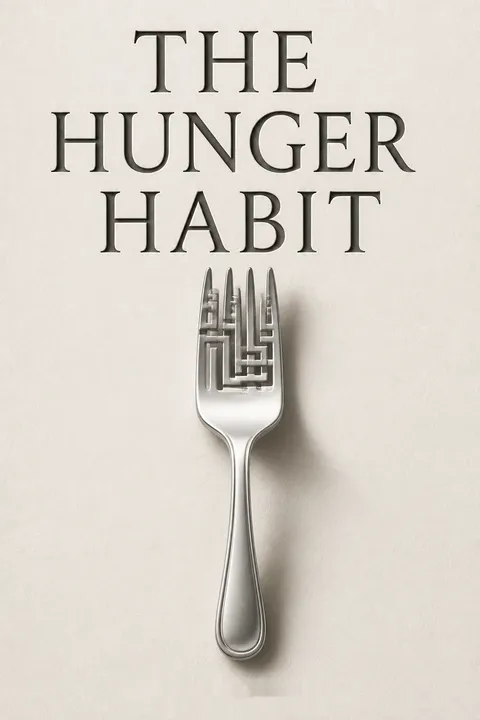
हंगर हैबिट खाने की आदतों पर एक नया दृष्टिकोण प्रस्तुत करता है, जो पारंपरिक आहारों के बजाय माइंडफुलनेस और मस्तिष्क विज्ञान पर केंद्रित है। पाठक ब्रूअर के सहानुभूतिपूर्ण दृष्टिकोण और भावनात्मक खाने और इच्छाओं से निपटने के लिए व्यावहारिक उपकरणों की सराहना करते हैं। जबकि कुछ लोग सामग्री को दोहरावदार या नवीनता की कमी मानते हैं, कई लोग खाने की मनोविज्ञान पर इसके अंतर्दृष्टि की प्रशंसा करते हैं। आलोचकों ने वसा-फोबिया और जटिल मुद्दों के अतिसरलीकरण के बारे में चिंताएँ व्यक्त की हैं। कुल मिलाकर, यह पुस्तक उन लोगों के लिए एक सहायक संसाधन मानी जाती है जो जागरूकता और आत्म-सहानुभूति के माध्यम से अपने भोजन के साथ संबंध को सुधारने की कोशिश कर रहे हैं।
लोग यह भी पढ़ते हैं






अक्सर पूछे जाने वाले प्रश्न
1. What is The Hunger Habit by Judson Brewer about?
- Focus on eating habits: The book explores why people eat when they’re not hungry, emphasizing that unhelpful eating behaviors are rooted in habitual brain patterns rather than lack of willpower or knowledge.
- Neuroscience and mindfulness: Brewer combines cutting-edge neuroscience with practical mindfulness techniques to help readers understand and change their relationship with food.
- Structured 21-day program: The book offers a 21-day challenge to map, interrupt, and replace old eating habits, aiming for lasting change and self-compassion.
2. Why should I read The Hunger Habit by Judson Brewer?
- Science-backed, compassionate approach: The book provides a neuroscience-based, non-judgmental method to break free from emotional eating, bingeing, and restrictive dieting.
- Empowerment through understanding: Readers learn how the brain forms habits and how awareness can rewire these patterns for improved mental and physical health.
- Holistic and practical: It addresses emotional, psychological, and behavioral aspects of eating, offering daily exercises and tools for sustainable change.
3. What are the key takeaways from The Hunger Habit by Judson Brewer?
- Habits drive eating: Eating behaviors are driven by habit loops—triggers, behaviors, and rewards—rather than conscious choice or willpower.
- Mindfulness is essential: Awareness and curiosity are more effective than willpower for changing eating habits and reducing cravings.
- Kindness over self-judgment: Self-compassion and kindness are crucial for breaking cycles of shame and emotional eating.
- Practical tools provided: The book offers actionable exercises like the craving tool, RAIN, and mindful eating practices to support real change.
4. How does Judson Brewer explain habit formation and eating behaviors in The Hunger Habit?
- Reinforcement learning: Habits form through positive and negative reinforcement, creating automatic behaviors around food.
- Trigger-behavior-reward loops: A cue triggers a behavior (eating), which leads to a reward (pleasure or relief), reinforcing the cycle.
- Brain regions involved: The survival brain seeks immediate rewards, while the planning brain predicts outcomes; the orbitofrontal cortex ranks behaviors by reward value.
- Explore vs. exploit: The brain balances trying new behaviors and sticking with known rewards, which can lead to getting stuck in unhelpful eating patterns.
5. Why does Judson Brewer argue that diets and willpower don’t work in The Hunger Habit?
- Willpower is unreliable: The book explains that willpower is not a dependable tool for controlling eating, especially when habits are deeply ingrained.
- Abstinence violation effect: Breaking a diet rule often leads to giving up entirely, resulting in bingeing and self-judgment.
- Biological resistance: Caloric restriction triggers the body’s starvation response, making sustained dieting difficult and increasing hunger.
- False sense of control: Tracking calories or steps can disconnect people from their body’s natural signals, leading to obsession and shame.
6. What is the 21-day challenge in The Hunger Habit by Judson Brewer and how does it work?
- Three-phase structure: The challenge involves mapping habit loops, interrupting them with awareness, and creating healthier habits (the “bigger, better offer”).
- Daily, manageable steps: Each day introduces a specific practice or concept, such as mindful eating or the hunger test, for gradual change.
- Emphasis on self-compassion: The program encourages kindness and curiosity, reducing self-judgment and supporting sustainable progress.
- Not a quick fix: Brewer stresses patience, noting that habits take time to change, but 21 days can help reset and build momentum.
7. How does The Hunger Habit by Judson Brewer define and use mindfulness for eating?
- Mindfulness as awareness: Mindfulness is defined as paying attention, in the present moment, on purpose, and non-judgmentally, to eating experiences.
- Practical mindful eating: Exercises like the raisin ritual and focusing on sensory experiences help break automatic eating patterns.
- Flexible practice: Mindful eating can be done in any setting, not just in isolation or slowly, by simply paying attention to urges and the act of eating.
- Benefits: Mindfulness helps identify pleasure plateaus, reduces overeating, and fosters a healthier relationship with food.
8. What is the “hunger test” in The Hunger Habit and how does it help distinguish true hunger from cravings?
- Purpose of the hunger test: It helps differentiate between biological hunger and emotional or habitual urges to eat.
- Stepwise assessment: The test involves checking physical and emotional symptoms, noting time since last meal, and scoring indicators to clarify the urge’s origin.
- Rebuilding awareness: Regular use recalibrates the brain-body connection, reducing mindless or emotional eating.
- Integrated support: The hunger test is also part of Brewer’s Eat Right Now app for habit change.
9. What is the craving tool in The Hunger Habit by Judson Brewer and how does it work?
- Two-part process: The craving tool involves mindfully eating and rating contentment, then imagining eating and predicting outcomes to assess the true reward.
- Building disenchantment: Repeated use helps the brain recalibrate the reward value of foods, leading to disenchantment with unhealthy habits.
- Evidence-based change: Studies show that using the craving tool 10-15 times can significantly reduce cravings and shift behavior.
- Focus on awareness: The tool encourages paying attention to thoughts, emotions, and bodily sensations before, during, and after eating.
10. How does The Hunger Habit by Judson Brewer explain the difference between “liking” and “wanting” food?
- Liking vs. wanting: Liking is the actual pleasure from food, while wanting is the craving or urge to eat, which can persist even when pleasure fades.
- Craving mechanisms: Cravings (wanting) can drive overeating even when the food is no longer enjoyable (liking).
- Mindful uncoupling: Mindful awareness helps separate wanting from liking, allowing responses to true hunger and satisfaction rather than automatic cravings.
- Reducing habitual overeating: Recognizing this difference is key to breaking the cycle of mindless eating.
11. What is the “bigger, better offer” (BBO) principle in The Hunger Habit by Judson Brewer?
- Definition of BBO: The BBO is the idea that the brain will choose the most rewarding option available, so healthier, more satisfying alternatives can replace old habits.
- Unforced choice: Sustainable change comes from freely made choices, not from willpower or external rules.
- Building enchantment: Awareness and curiosity help create positive experiences with healthier behaviors, making the BBO more appealing.
- Supports lasting change: The BBO principle is central to replacing unhelpful eating habits with more rewarding ones.
12. How does kindness and self-compassion play a role in breaking eating habits in The Hunger Habit by Judson Brewer?
- Kindness over self-judgment: The book shows that self-judgment fuels shame and guilt cycles, perpetuating emotional eating, while kindness offers a healing alternative.
- Neuroscience of kindness: Brewer’s research indicates that kindness practices quiet brain regions involved in craving and self-criticism, supporting healthier behavior change.
- Practical kindness exercises: Guided meditations and small acts of kindness toward oneself and others help build a “kindness enchantment databank.”
- Essential for sustainable change: Kindness and self-compassion are presented as essential companions to awareness for breaking unhelpful eating habits.
लेखक के बारे में

PDF डाउनलोड करें
EPUB डाउनलोड करें
.epub digital book format is ideal for reading ebooks on phones, tablets, and e-readers.








































