
मुख्य बातें
1. अंतरराष्ट्रीय प्रणाली स्वाभाविक रूप से अराजक और प्रतिस्पर्धात्मक है
"अंतरराष्ट्रीय प्रणाली अराजक है, जिसका अर्थ यह नहीं कि यह अव्यवस्थित या अराजकता से भरी हुई है। यथार्थवादी दृष्टिकोण में अराजकता का मतलब संघर्ष से नहीं है; यह एक व्यवस्था सिद्धांत है, जो कहता है कि यह प्रणाली स्वतंत्र राज्यों से बनी है जिनके ऊपर कोई केंद्रीय सत्ता नहीं होती।"
कोई वैश्विक सरकार नहीं है। अंतरराष्ट्रीय प्रणाली में कोई सर्वोच्च शासकीय प्राधिकरण मौजूद नहीं है। राज्य ऐसे माहौल में काम करते हैं जहाँ जीवित रहना और अपनी सुरक्षा सर्वोपरि होती है। नियम लागू करने या विवादों को सुलझाने के लिए कोई केंद्रीकृत शक्ति न होने के कारण, राज्यों को अपने हितों की निरंतर रक्षा करनी पड़ती है।
स्वयं सहायता प्रणाली। देश बाहरी संस्थाओं पर सुरक्षा के लिए निर्भर नहीं रह सकते, इसलिए उन्हें मजबूत रक्षा तंत्र विकसित करना पड़ता है। इससे रणनीतिक तैयारी और संभावित संघर्ष की स्थिति बनी रहती है। प्रत्येक राज्य को अपनी सुरक्षा और अस्तित्व सुनिश्चित करने के लिए एकतरफा कार्रवाई के लिए तैयार रहना होता है।
अराजकता की मुख्य विशेषताएँ:
- कोई सार्वभौमिक वैश्विक सत्ता नहीं
- राज्य संप्रभु इकाइयाँ हैं
- आत्म-संरक्षण प्राथमिक प्रेरणा है
- संघर्ष की निरंतर संभावना बनी रहती है
- विश्वास न्यूनतम और रणनीतिक गणनाएँ प्रमुख होती हैं
2. महाशक्तियाँ सुरक्षा और शक्ति अधिकतम करने से प्रेरित होती हैं
"राज्य एक-दूसरे के लिए संभावित खतरा हैं, हालांकि कुछ राज्यों के पास अधिक सैन्य शक्ति होती है और वे इसलिए अधिक खतरनाक होते हैं।"
जीवित रहने की प्राथमिक प्रेरणा। महाशक्तियाँ अनिश्चित वैश्विक माहौल में अपने अस्तित्व को सुनिश्चित करने की इच्छा से प्रेरित होती हैं। यह प्रेरणा उन्हें अपनी रणनीतिक क्षमताओं का निरंतर मूल्यांकन और सुधार करने के लिए प्रेरित करती है, क्योंकि वे सुरक्षा की गारंटी के रूप में शक्ति को देखते हैं।
सुरक्षा के लिए शक्ति। अंतरराष्ट्रीय प्रणाली में सैन्य और आर्थिक शक्ति राष्ट्रीय हितों की रक्षा के मुख्य साधन हैं। राज्य संभावित खतरों को रोकने और रणनीतिक लाभ प्राप्त करने के लिए भारी निवेश करते हैं।
रणनीतिक गणना के तत्व:
- संभावित खतरों का निरंतर मूल्यांकन
- सापेक्ष शक्ति की स्थिति को अधिकतम करना
- सैन्य और आर्थिक क्षमताओं का विकास
- संभावित प्रतिद्वंद्वी राज्यों को लाभ प्राप्त करने से रोकना
- रणनीतिक प्रतिक्रियाओं में लचीलापन बनाए रखना
3. राज्य निरंतर अपनी सापेक्ष शक्ति बढ़ाने का प्रयास करते हैं
"राज्य वर्तमान शक्ति वितरण से शायद ही कभी संतुष्ट होते हैं; इसके विपरीत, वे इसे अपने पक्ष में बदलने के लिए निरंतर प्रोत्साहन का सामना करते हैं।"
शक्ति की अनवरत प्रतिस्पर्धा। अंतरराष्ट्रीय संबंधों में राज्यों के बीच अपनी रणनीतिक स्थिति मजबूत करने की निरंतर प्रतिस्पर्धा होती है। इसका मतलब है कि कोई भी राज्य अपनी वर्तमान शक्ति स्तर से पूरी तरह संतुष्ट नहीं होता, बल्कि हमेशा छोटे-छोटे लाभ प्राप्त करने के अवसर खोजता रहता है।
शून्य-योग शक्ति गतिशीलता। राज्य शक्ति को सीमित संसाधन के रूप में देखते हैं जहाँ एक राज्य का लाभ सीधे दूसरे राज्य के नुकसान के बराबर होता है। यह दृष्टिकोण एक स्वाभाविक प्रतिस्पर्धात्मक माहौल बनाता है जहाँ कूटनीतिक और सैन्य रणनीतियाँ शक्ति संतुलन को बदलने का प्रयास करती हैं।
शक्ति अर्जन की रणनीतियाँ:
- आर्थिक विस्तार
- सैन्य आधुनिकीकरण
- रणनीतिक गठबंधन
- क्षेत्रीय अधिग्रहण
- तकनीकी विकास
4. क्षेत्रीय प्रभुत्व अंतिम रणनीतिक लक्ष्य है
"राज्य का अंतिम लक्ष्य प्रभुता प्राप्त करना है—यानी, प्रणाली में एकमात्र महान शक्ति बनना।"
प्रभुत्व को रणनीतिक उद्देश्य के रूप में देखना। महाशक्तियाँ अंततः क्षेत्रीय प्रभुत्व हासिल करना चाहती हैं, अपने निकटवर्ती भौगोलिक क्षेत्र को नियंत्रित करना और अन्य राज्यों को अपनी श्रेष्ठता चुनौती देने से रोकना। वैश्विक प्रभुत्व भौगोलिक सीमाओं के कारण लगभग असंभव है।
प्रभुत्व की महत्वाकांक्षाओं की सीमाएँ। जबकि राज्य पूर्ण प्रभुत्व चाहते हैं, जल बाधाएँ और अन्य शक्तियों का प्रतिरोध पूर्ण वैश्विक नियंत्रण को अवास्तविक बनाता है। क्षेत्रीय नियंत्रण सबसे व्यावहारिक रणनीतिक लक्ष्य बन जाता है।
प्रभुत्व की विशेषताएँ:
- अभूतपूर्व सैन्य श्रेष्ठता
- आर्थिक प्रभुत्व
- क्षेत्रीय गतिशीलताओं को आकार देने की क्षमता
- प्रतिद्वंद्वी शक्तियों के उदय को रोकना
- रणनीतिक लचीलापन बनाए रखना
5. सैन्य क्षमता, विशेषकर थल सेना, महाशक्ति की स्थिति निर्धारित करती है
"सेनाएँ सैन्य शक्ति का मूल तत्व हैं। युद्ध बड़े पैमाने की थल सेनाओं द्वारा जीते जाते हैं, न कि केवल वायु या समुद्री बेड़े द्वारा।"
थल सेना की प्रधानता। सैन्य शक्ति मुख्यतः थल बलों और उनके सहायक वायु तथा नौसैनिक क्षमताओं से निर्धारित होती है। सेनाओं का आकार, गुणवत्ता और रणनीतिक स्थिति किसी राज्य की सैन्य क्षमता का मूल मापदंड है।
सैन्य गणनाओं की जटिलता। सैन्य शक्ति का निर्धारण केवल संख्यात्मक तुलना से नहीं होता, बल्कि इसमें तकनीकी क्षमताएँ, रणनीतिक सिद्धांत और भौगोलिक लाभ भी शामिल होते हैं।
सैन्य शक्ति के घटक:
- सेना का आकार और गुणवत्ता
- तकनीकी परिष्कार
- रणनीतिक गतिशीलता
- सहायक वायु और नौसैनिक बल
- शक्ति प्रक्षेपण की क्षमता
- अनुकूलनशीलता और प्रशिक्षण
6. संतुलन और जिम्मेदारी टालना राज्य के अस्तित्व की मुख्य रणनीतियाँ हैं
"जिम्मेदारी टालना एक धमकी भरे महाशक्ति का संतुलन के विकल्प के रूप में मुख्य तरीका है।"
खतरों के प्रति रणनीतिक प्रतिक्रिया। राज्यों के पास संभावित आक्रामकों से निपटने के दो मुख्य तरीके होते हैं: सीधे उनका सामना करना (संतुलन) या किसी अन्य राज्य को उस खतरे से निपटने देना (जिम्मेदारी टालना)। यह चुनाव रणनीतिक गणनाओं और प्रणालीगत संरचनाओं पर निर्भर करता है।
बहुध्रुवीय बनाम द्विध्रुवीय गतिशीलता। अंतरराष्ट्रीय प्रणाली में शक्ति का वितरण यह निर्धारित करता है कि राज्य जिम्मेदारी टाल सकते हैं या उन्हें सीधे संतुलन बनाना होगा।
रणनीतिक विचार:
- भौगोलिक निकटता
- सापेक्ष शक्ति वितरण
- टकराव की संभावित लागत
- वैकल्पिक कर्ताओं की उपलब्धता
- दीर्घकालिक रणनीतिक प्रभाव
7. परमाणु हथियार शक्ति गतिशीलता में जटिलता लाते हैं
"परमाणु हथियार केवल सैन्य दृष्टि से क्रांतिकारी हैं, क्योंकि वे कम समय में अभूतपूर्व विनाश कर सकते हैं।"
निरोध और पारस्परिक संवेदनशीलता। परमाणु हथियार पारंपरिक शक्ति गणनाओं को बदल देते हैं क्योंकि वे पूर्ण विनाश की संभावना लाते हैं। इससे रणनीतिक माहौल जटिल हो जाता है जहाँ सीधे संघर्ष की संभावना कम हो जाती है।
परंपरागत युद्ध से परे। परमाणु क्षमताएँ सैन्य रणनीति को क्षेत्रीय विजय से रोकथाम और रणनीतिक संकेत तक बदल देती हैं। केवल परमाणु हथियारों का होना ही एक महत्वपूर्ण शक्ति सूचक बन जाता है।
परमाणु रणनीति के तत्व:
- द्वितीयक प्रहार क्षमताएँ
- निरोध की गणनाएँ
- रणनीतिक हथियार दौड़
- तकनीकी प्रतिस्पर्धा
- मनोवैज्ञानिक रणनीतिक आयाम
8. घरेलू राजनीति और विचारधारा रणनीतिक आवश्यकताओं के बाद हैं
"हालांकि विचारधारा महत्वपूर्ण थी, जब भी विचारधारा और यथार्थवादी विचारों में टकराव हुआ, यथार्थवाद हमेशा विजयी रहा।"
व्यावहारिक रणनीतिक गणनाएँ। घरेलू राजनीति और विचारधारा अंतरराष्ट्रीय संबंधों में भूमिका निभाती हैं, लेकिन रणनीतिक अस्तित्व की आवश्यकताएँ अंततः राज्य के व्यवहार को निर्धारित करती हैं। विचारधारा शक्ति संरक्षण के अधीन होती है।
तार्किक राज्य व्यवहार। राज्य राष्ट्रीय सुरक्षा और शक्ति अधिकतम करने को विचारधारात्मक शुद्धता या नैतिकता से ऊपर रखते हैं। यह व्यावहारिक दृष्टिकोण विदेश नीति निर्णयों को संचालित करता है।
रणनीतिक निर्णय के कारक:
- राष्ट्रीय सुरक्षा
- शक्ति संरक्षण
- आर्थिक हित
- अस्तित्व की आवश्यकताएँ
- दीर्घकालिक रणनीतिक स्थिति
9. आक्रामक विस्तार अक्सर तार्किक होता है, आत्म-विनाशकारी नहीं
"विजय अभी भी राज्य की शक्ति स्थिति को बेहतर बना सकता है।"
रणनीतिक विस्तार की तर्कशीलता। क्षेत्रीय अधिग्रहण और सैन्य आक्रमण हमेशा अविवेकी नहीं होते, बल्कि ये राष्ट्रीय शक्ति बढ़ाने की गणनात्मक रणनीतियाँ हो सकती हैं। सफल विस्तार महत्वपूर्ण रणनीतिक लाभ प्रदान कर सकता है।
शक्ति गणनाओं की जटिलता। राज्य संभावित विजय को आर्थिक संसाधन, रणनीतिक स्थिति और दीर्घकालिक शक्ति प्रभावों के बहुआयामी दृष्टिकोण से आंकते हैं।
विस्तार के विचार:
- संसाधन अधिग्रहण
- रणनीतिक स्थिति
- आर्थिक लाभ
- भू-राजनीतिक प्रभाव
- सैन्य क्षमता में वृद्धि
10. भूगोल रणनीतिक व्यवहार को महत्वपूर्ण रूप से प्रभावित करता है
"भूगोल के संदर्भ में मुख्य मुद्दा यह है कि क्या खतरे में राज्य की सीमा आक्रामक के साथ लगती है, या कोई बाधा—चाहे वह किसी अन्य राज्य का क्षेत्र हो या विशाल जलाशय—उन प्रतिद्वंद्वियों को अलग करती है।"
भौगोलिक प्रतिबंध। भौतिक परिदृश्य और क्षेत्रीय स्थिति राज्य की रणनीतियों को मूल रूप से आकार देते हैं। जल बाधाएँ, पर्वत श्रृंखलाएँ और सीमा विन्यास शक्ति प्रक्षेपण क्षमताओं को गहराई से प्रभावित करते हैं।
रणनीतिक भौगोलिक कारक। राज्य अपनी रणनीतियों को भूगोल की वास्तविकताओं के अनुसार निरंतर अनुकूलित करते हैं, अपनी क्षेत्रीय स्थिति के स्वाभाविक लाभ और सीमाओं को समझते हुए।
भौगोलिक रणनीतिक तत्व:
- सीमा विन्यास
- जल बाधाएँ
- स्थलाकृति की विशेषताएँ
- रणनीतिक गहराई
- आक्रमण की संवेदनशीलताएँ
समीक्षा सारांश
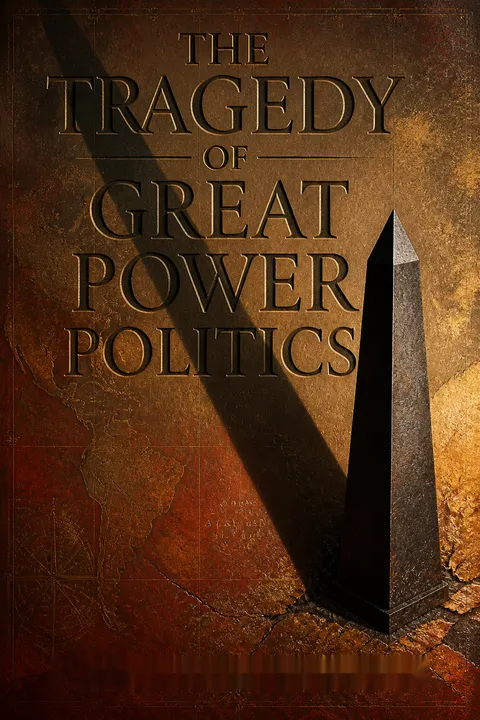
महान शक्ति राजनीति की त्रासदी में मियर्सहीमर की आक्रामक यथार्थवाद की सिद्धांत प्रस्तुत की गई है, जिसमें वे बताते हैं कि राज्य एक अराजक व्यवस्था में अपनी सुरक्षा के लिए शक्ति को अधिकतम करने का प्रयास करते हैं। समीक्षक इस पुस्तक को गहन और विश्वसनीय मानते हैं, इसकी स्पष्ट तर्क-वितर्क और ऐतिहासिक उदाहरणों की प्रशंसा करते हैं। कई पाठक मियर्सहीमर की चीन के उदय और अमेरिका-चीन संबंधों के बारे में भविष्यवाणियों को सराहते हैं। हालांकि, कुछ आलोचक इस सिद्धांत की निराशावादिता, घरेलू राजनीति की अनदेखी और जटिल घटनाओं की सरलीकरण की कमी को लेकर असहमत हैं। इन मतभेदों के बावजूद, पाठक इसे अंतरराष्ट्रीय संबंधों के सिद्धांत में एक महत्वपूर्ण कृति के रूप में देखते हैं।
लोग यह भी पढ़ते हैं









अक्सर पूछे जाने वाले प्रश्न
What's The Tragedy of Great Power Politics about?
- Focus on Power Dynamics: The book explores how great powers interact in an anarchic international system, emphasizing the pursuit of power and security.
- Theory of Offensive Realism: John J. Mearsheimer introduces "offensive realism," which posits that great powers seek to maximize their share of world power, often leading to conflict.
- Historical Context: Mearsheimer analyzes great power behavior from 1792 to the end of the 20th century, using historical examples to support his arguments about the inevitability of conflict among states.
Why should I read The Tragedy of Great Power Politics?
- Understanding Global Politics: The book provides a comprehensive framework for understanding the motivations behind state actions in international relations.
- Challenging Optimism: It counters the belief that the end of the Cold War heralded a new era of peace, arguing instead that competition and conflict are enduring features of international politics.
- Theoretical Insights: Mearsheimer's offensive realism offers a robust theoretical lens through which to analyze current and future geopolitical conflicts.
What are the key takeaways of The Tragedy of Great Power Politics?
- Power Maximization: Great powers are driven by the need to maximize their power relative to others, often leading to aggressive behavior and conflict.
- Anarchy and Fear: The absence of a central authority in the international system creates a climate of fear, compelling states to act in self-interest.
- Historical Patterns: Mearsheimer illustrates that historical patterns of great power conflict are likely to repeat, as states continue to vie for dominance.
What is the concept of "offensive realism" in The Tragedy of Great Power Politics?
- Core Principle: Offensive realism posits that great powers are inherently revisionist and seek to alter the balance of power in their favor.
- Survival and Hegemony: The ultimate goal for states is to achieve hegemony, as this ensures their survival in a competitive international environment.
- Historical Evidence: Mearsheimer supports this theory with historical examples, showing that great powers have consistently pursued aggressive strategies.
How does Mearsheimer define power in The Tragedy of Great Power Politics?
- Material Capabilities: Power is defined in terms of a state's material capabilities, particularly its military strength and economic resources.
- Latent vs. Military Power: Mearsheimer distinguishes between latent power (wealth and population) and military power (the actual armed forces).
- Importance of Land Power: He argues that land power is the most significant form of military power, essential for conquering and controlling territory.
What role does "anarchy" play in Mearsheimer's theory?
- Absence of Central Authority: Anarchy refers to the lack of a central governing authority in the international system, leading to a self-help environment.
- Fear and Competition: This anarchic structure fosters fear among states, driving them to compete for power and security.
- Implications for State Behavior: States must act aggressively to ensure their survival, as they cannot be certain of the intentions of other states.
What are the causes of great power war according to Mearsheimer?
- Power Competition: Wars are often caused by the competition for power, as states seek to maximize their relative strength.
- Multipolarity Risks: Mearsheimer argues that multipolar systems, especially those with a potential hegemon, are more prone to conflict.
- Historical Patterns: He analyzes historical conflicts to illustrate how the desire for power and security has led to wars among great powers.
How does Mearsheimer view the relationship between wealth and power?
- Wealth as Foundation: Mearsheimer asserts that wealth is a critical component of power, enabling states to build and maintain military forces.
- Latent Power Measurement: He emphasizes the importance of measuring latent power through indicators like GNP.
- Military Power Dependency: While wealth is essential, it does not always translate directly into military power due to differences in resource utilization.
What are the implications of the "stopping power of water" in Mearsheimer's analysis?
- Geographical Barriers: Large bodies of water significantly limit a state's ability to project land power.
- Insular vs. Continental Powers: Insular powers are less vulnerable to invasion compared to continental powers.
- Strategic Considerations: The stopping power of water influences military strategy, affecting the feasibility of amphibious operations.
How does Mearsheimer explain the concept of "balancing" in the book?
- Direct Response to Threats: Balancing involves states forming alliances or coalitions to counter a perceived threat.
- Commitment to Containment: States that engage in balancing are willing to commit resources to deter or fight against aggressors.
- Historical Examples: Mearsheimer provides historical examples of balancing behavior, such as alliances against Nazi Germany.
What is "buck-passing" and how does it differ from balancing?
- Shifting Responsibility: Buck-passing refers to the strategy where a threatened state seeks to get another state to take on the burden of deterring an aggressor.
- Preference in Multipolar Systems: Mearsheimer argues that states often prefer buck-passing in multipolar systems.
- Risks of Buck-Passing: While advantageous, it carries risks if the buck-catcher fails to contain the aggressor.
What are the best quotes from The Tragedy of Great Power Politics and what do they mean?
- "Strength ensures safety": This quote encapsulates Mearsheimer's argument that states must prioritize military strength to guarantee their survival.
- "The best guarantee of survival is to be a hegemon": This highlights the ultimate goal of great powers to achieve dominance.
- "Peace is not likely to break out in this world": Mearsheimer's pessimistic view reflects his belief that competition and conflict are inherent in international relations.
लेखक के बारे में



PDF डाउनलोड करें
EPUB डाउनलोड करें
.epub digital book format is ideal for reading ebooks on phones, tablets, and e-readers.








































