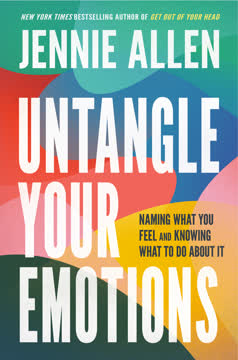
मुख्य बातें
1. भावनाएँ संदेशवाहक हैं, मालिक नहीं
आपकी भावनाएँ आपको नियंत्रित करने की कोशिश नहीं कर रही हैं—वे आपको कुछ बताना चाहती हैं।
संपर्क के लिए बनीं। भावनाओं को दबाना या अनदेखा करना नहीं चाहिए, बल्कि उन्हें समझना और अपने जीवन में समाहित करना चाहिए। ये हमारे लिए महत्वपूर्ण संकेत हैं, जो हमें स्वयं, दूसरों और ईश्वर से जोड़ते हैं। जब हम भावनाओं को दुश्मन की तरह नहीं, बल्कि मूल्यवान जानकारी के स्रोत के रूप में देखते हैं, तो हमारी सोच बदल जाती है।
दबाने से परे। भावनाओं को दबाने या कमतर आंकने का सामान्य तरीका अंततः हानिकारक होता है। ये अनसुलझी भावनाएँ कहीं न कहीं प्रकट होती हैं—शारीरिक लक्षणों, रिश्तों में तनाव या विनाशकारी व्यवहार के रूप में। बेहतर तरीका है कि हम भावनाओं के पीछे छिपे संदेशों को स्वीकार करें और समझने की कोशिश करें।
ईश्वर की योजना। भावनाएँ स्वाभाविक रूप से पापी या अविश्वसनीय नहीं हैं। ये मानवता के लिए ईश्वर की योजना का हिस्सा हैं, जो उनकी अपनी संवेदनशीलता को दर्शाती हैं। इसे समझकर हम अपनी भावनाओं के प्रति जिज्ञासा और करुणा से पेश आ सकते हैं, न कि निर्णय या भय से।
2. उलझन सुलझाने की शुरुआत है ध्यान देना
कहीं न कहीं, शायद चर्च में सुनी बातों से या बचपन से, मैंने सीखा कि मुझे उदास, गुस्सा या डरना नहीं चाहिए।
पहला कदम। अपनी भावनाओं को सुलझाने का पहला कदम है उन्हें महसूस करना। इसका मतलब है शारीरिक संवेदनाओं, विचारों और व्यवहारों पर ध्यान देना जो विभिन्न भावनाओं के साथ आते हैं। यह अपने अंदर की दुनिया को बिना तुरंत निर्णय लिए या बदलने की कोशिश किए समझने की प्रक्रिया है।
शरीर की जागरूकता। हमारा शरीर अक्सर हमारी भावनात्मक स्थिति के पहले संकेत देता है। तेज़ धड़कन, तनावपूर्ण मांसपेशियाँ या पेट में बेचैनी जैसे शारीरिक संकेतों पर ध्यान देना हमें उन भावनाओं को पहचानने में मदद करता है जिन्हें हम अन्यथा नजरअंदाज कर सकते हैं।
समस्या को तुरंत ठीक करने की इच्छा से बचना। भावनाओं को महसूस करना चुनौतीपूर्ण हो सकता है क्योंकि यह हमारी स्वाभाविक प्रवृत्ति के खिलाफ है जो असुविधा से बचना या उसे ठीक करना चाहती है। लेकिन समस्या को तुरंत हल करने की इच्छा को रोककर हम पूरी तरह से उस भावना का अनुभव कर सकते हैं और उसे बेहतर समझ सकते हैं।
3. भावनाओं को नाम देना स्पष्टता लाता है
अगर आप उसे काबू में करना चाहते हैं, तो उसे नाम दें।
शब्दों का महत्व। अपनी भावनाओं को नाम देना हमारे अंदर की स्थिति को स्पष्टता और समझ देने का एक शक्तिशाली तरीका है। इसका मतलब है कि हम जो महसूस कर रहे हैं, उसे विशेष रूप से पहचानें, न कि अस्पष्ट या सामान्य शब्दों में।
शब्दावली का विस्तार। हममें से कई लोगों के पास भावनाओं को व्यक्त करने के लिए सीमित शब्द होते हैं, जिससे सही भाव बताना मुश्किल हो जाता है। अपनी भावनात्मक शब्दावली बढ़ाने से हम समान भावनाओं के बीच फर्क कर सकते हैं और अपनी आंतरिक स्थिति को गहराई से समझ सकते हैं।
भावना को काबू में करना। किसी भावना को नाम देने से उसकी शक्ति कम हो जाती है। नाम देकर हम उस भावना से दूरी बना लेते हैं, जिससे हम उसे बिना अभिभूत हुए देख सकते हैं।
4. महसूस करना ही उपचार है
भावनाओं को ठीक करने के लिए नहीं, बल्कि महसूस करने के लिए बनाया गया है।
महसूस करने की अनुमति। बिना निर्णय या विरोध के अपनी भावनाओं को पूरी तरह महसूस करना उपचार के लिए आवश्यक है। इसका मतलब है कि हम खुद को मानव भावनाओं की पूरी श्रृंखला का अनुभव करने की अनुमति दें, चाहे वे कितनी भी असहज क्यों न हों।
नियंत्रण की इच्छा से बचना। भावनाओं को नियंत्रित या दबाने की इच्छा अक्सर अभिभूत होने के डर से आती है। लेकिन इस इच्छा का विरोध करके और भावनाओं को अपने प्राकृतिक प्रवाह में बहने देने से समाधान जल्दी होता है।
शरीर की बुद्धिमत्ता। हमारा शरीर भावनाओं को संसाधित करने के लिए बना है, और उन्हें पूरी तरह महसूस करने से जमा हुई ऊर्जा और तनाव निकल जाता है। इसमें रोना, कांपना या गहरी साँस लेना शामिल हो सकता है।
5. भावनाओं को साझा करने से संबंध गहरे होते हैं
आपको सबको बताने की जरूरत नहीं; किसी एक को बताना जरूरी है।
कमजोरी में ताकत। अपनी भावनाओं को भरोसेमंद लोगों के साथ साझा करना संबंधों को गहरा करने और अंतरंगता बढ़ाने का एक शक्तिशाली तरीका है। कमजोर होना मतलब है खुद को दिखाने और जानने का जोखिम लेना, भले ही यह डरावना या असहज हो।
सुरक्षित रिश्ते। भावनाओं को साझा करने के लिए एक सुरक्षित और सहायक माहौल चाहिए। इसका मतलब है ऐसे लोगों का चयन करना जो भरोसेमंद, सहानुभूतिपूर्ण और बिना निर्णय के सुनने वाले हों। वे जो हमारी भावनाओं को कमतर आंकने या ठीक करने की कोशिश न करें।
एक-दूसरे का बोझ उठाना। अपनी भावनाओं को साझा करने से दूसरे हमारे साथ खड़े होते हैं और हमारा बोझ साझा करते हैं। यह पारस्परिक समर्थन आराम, प्रोत्साहन और अपनापन का एहसास देता है, जो याद दिलाता है कि हम अपनी मुश्किलों में अकेले नहीं हैं।
6. आगे बढ़ने का रास्ता चुनना
भावनाएँ पाप नहीं हैं; जो हम उनके साथ करते हैं, वही पाप है।
भावनाएँ उपकरण हैं। भावनाएँ स्वाभाविक रूप से अच्छी या बुरी नहीं होतीं, बल्कि वे उपकरण हैं जिन्हें हम रचनात्मक या विनाशकारी तरीके से इस्तेमाल कर सकते हैं। कुंजी यह है कि हम अपनी भावनाओं पर कैसे प्रतिक्रिया देते हैं।
इच्छाशक्ति और चुनाव। हमारे पास यह शक्ति है कि हम अपनी भावनाओं पर कैसे प्रतिक्रिया दें। इसका मतलब है अपने कार्यों को अपने मूल्यों के साथ संरेखित करना और ईश्वर से मार्गदर्शन लेना। यह सचेत निर्णय लेने की प्रक्रिया है जो विकास और संबंध की ओर ले जाती है, न कि विनाश और अलगाव की।
ईश्वर की मार्गदर्शना लेना। जब कठिन भावनाओं का सामना हो, तो ईश्वर से मार्गदर्शन लेना आवश्यक है। इसमें प्रार्थना, शास्त्र का अध्ययन या भरोसेमंद आध्यात्मिक सलाहकारों से सलाह लेना शामिल हो सकता है। यह अपनी भावनाओं को ईश्वर के हाथों में सौंपने और उनकी बुद्धि माँगने का तरीका है।
7. शरीर-भावना का संबंध
क्या आप जानते हैं कि भावनाओं को संसाधित करने वाले मानसिक ढांचे मस्तिष्क में सोचने वाले ढांचों से गहरे होते हैं?
शारीरिक स्वास्थ्य। हमारा शारीरिक स्वास्थ्य हमारी भावनात्मक भलाई पर गहरा प्रभाव डालता है। उचित पोषण, व्यायाम और नींद के माध्यम से अपने शरीर की देखभाल करना हमारी भावनाओं को संभालने की क्षमता को बेहतर बनाता है।
हार्मोनल संतुलन। हार्मोनल असंतुलन हमारी भावनाओं को प्रभावित कर सकता है। किसी स्वास्थ्य विशेषज्ञ से परामर्श लेकर हार्मोनल समस्याओं का मूल्यांकन और समाधान करना भावनाओं को सुलझाने में महत्वपूर्ण कदम हो सकता है।
माइंड-बॉडी अभ्यास। योग, ध्यान और गहरी साँस लेने जैसे अभ्यास हमें अपने शरीर से जुड़ने और हमारे तंत्रिका तंत्र को नियंत्रित करने में मदद करते हैं। ये अभ्यास तनाव कम करने, विश्राम बढ़ाने और भावनाओं को संभालने की क्षमता सुधारने में सहायक होते हैं।
8. यात्रा के लिए अनुग्रह
मैं कमरे से नहीं जा रहा।
प्रगति, पूर्णता नहीं। अपनी भावनाओं को सुलझाने की यात्रा जीवन भर चलने वाली प्रक्रिया है, कोई मंजिल नहीं। रास्ते में बाधाएँ और चुनौतियाँ आएंगी, और अपने आप और दूसरों के प्रति अनुग्रह दिखाना महत्वपूर्ण है।
करुणा और स्वीकृति। अपने और दूसरों के प्रति करुणा और स्वीकृति के साथ पेश आना भावनात्मक विकास के लिए सुरक्षित और सहायक माहौल बनाने के लिए आवश्यक है। इसका मतलब है यह समझना कि हम सभी अपनी क्षमता के अनुसार सबसे अच्छा कर रहे हैं।
ईश्वर का बिना शर्त प्रेम। हमारी भावनात्मक स्थिति चाहे जैसी भी हो, ईश्वर का प्रेम हमारे लिए बिना शर्त है। उनके प्रेम और अनुग्रह में विश्राम हमें जीवन की उतार-चढ़ावों में आराम, शक्ति और आशा प्रदान करता है।
समीक्षा सारांश
अपने भावनाओं को समझें पुस्तक को अधिकांशतः सकारात्मक समीक्षाएँ मिली हैं, जहाँ पाठक इसकी व्यावहारिक दृष्टिकोण की सराहना करते हैं, जो भावनाओं को एक ईसाई दृष्टिकोण से समझने में मदद करता है। कई लोग इसे भावनात्मक जागरूकता के नए आरंभ करने वालों के लिए उपयोगी पाते हैं, हालांकि कुछ पाठक इसमें और गहराई की अपेक्षा करते हैं। समीक्षक एलन की ईमानदारी और सहज कहानियों की प्रशंसा करते हैं। पुस्तक में भावनाओं को ईश्वर और दूसरों से जोड़ने पर जो जोर दिया गया है, वह कई लोगों के दिल को छू जाता है। कुछ पाठक इसे दोहरावपूर्ण और शास्त्रीय गहराई के अभाव के लिए आलोचना भी करते हैं। कुल मिलाकर, यह पुस्तक ईसाइयों के लिए भावनात्मक स्वास्थ्य की खोज में एक अच्छा आरंभिक बिंदु साबित होती है।
लोग यह भी पढ़ते हैं



अक्सर पूछे जाने वाले प्रश्न
1. What is "Untangle Your Emotions" by Jennie Allen about?
- Exploring Emotional Health: The book guides readers through understanding, naming, and processing their emotions from both a psychological and Christian spiritual perspective.
- Framework for Emotions: Jennie Allen introduces a five-step framework—Notice, Name, Feel, Share, Choose—to help readers engage with their feelings in a healthy, connected way.
- Connection Focus: The central theme is that emotions are designed to connect us to God, others, and ourselves, rather than being problems to fix or avoid.
- Personal and Practical: Through personal stories, biblical insights, and practical exercises, Allen encourages readers to move from emotional numbness or chaos to wholehearted living.
2. Why should I read "Untangle Your Emotions" by Jennie Allen?
- Break Harmful Patterns: The book helps readers unlearn unhelpful or harmful messages about emotions, especially those picked up from family, church, or culture.
- Christian Perspective: It offers a unique integration of psychological research and Christian theology, showing that God created emotions for a purpose.
- Practical Tools: Readers receive actionable steps and reflective exercises to notice, name, and process their emotions, making emotional health attainable.
- Deeper Relationships: By following Allen’s approach, readers can experience deeper connection with God, themselves, and others, leading to greater freedom and joy.
3. What are the key takeaways from "Untangle Your Emotions" by Jennie Allen?
- Emotions Are Not Sinful: Emotions themselves are not sinful or bad; it’s what we do with them that matters, and God Himself experiences emotions.
- Feelings Are Meant to Be Felt: Rather than fixing, controlling, or suppressing emotions, we are meant to feel them and let them inform us.
- Connection Is the Goal: Emotions are designed to connect us to God, others, and our own hearts, not to isolate or overwhelm us.
- Practical Process: The five-step process—Notice, Name, Feel, Share, Choose—provides a roadmap for emotional health and healing.
- Healing Is Possible: Even deeply tangled emotions can be untangled with time, support, and intentional practice, leading to a more wholehearted life.
4. What is Jennie Allen’s five-step framework for emotional health in "Untangle Your Emotions"?
- Notice: Pay attention to what you’re feeling, even if it’s just “Okay” or “Not Okay,” and recognize physical and emotional cues.
- Name: Develop emotional granularity by accurately naming your feelings (e.g., sad, angry, joyful, afraid) and their intensity.
- Feel: Give yourself permission to fully experience your emotions without judgment, allowing them to run their natural course.
- Share: Express your feelings with safe, trusted people, which fosters connection and healing.
- Choose: Decide what to do with your emotions—bring them to God, seek help if needed, and make healthy choices for moving forward.
5. How does "Untangle Your Emotions" by Jennie Allen integrate Christian faith with emotional health?
- God as Emotional: The book emphasizes that God feels emotions and created us in His image to feel as well, making emotions a good gift.
- Biblical Examples: Allen uses stories from Scripture (e.g., David’s Psalms, Jesus’ grief) to show that expressing emotions is both biblical and healthy.
- Spiritual Practices: Readers are encouraged to bring their emotions to God in prayer, confession, and community, trusting Him with their inner life.
- Faith and Feelings Together: The book dispels the myth that strong faith means suppressing emotions, instead teaching that faith grows through honest emotional engagement.
6. What are the most common unhealthy ways people deal with emotions, according to "Untangle Your Emotions"?
- Control: Trying to manage or suppress emotions to maintain a sense of order or avoid discomfort, often leading to emotional shutdown.
- Cope: Distracting oneself with busyness, addictions, or numbing behaviors to avoid facing difficult feelings.
- Conceal: Hiding emotions from others (and sometimes oneself), using “I’m fine” as a mask, which leads to isolation and unresolved pain.
- Generational Patterns: Many of these habits are learned from family, culture, or church, and can be unlearned with intentional effort.
7. How does "Untangle Your Emotions" define the purpose of emotions?
- Connection: Emotions are meant to connect us to God, others, and our own hearts, serving as signals for what matters most.
- Information, Not Control: Feelings are not meant to control us, but to inform us about our needs, desires, and experiences.
- Pathway to Healing: When processed healthily, emotions can lead to healing, growth, and deeper relationships.
- Motivation for Action: Emotions like anger can motivate us to address injustice, while sadness can draw us to seek comfort and support.
8. What are the "Big Four" emotions in "Untangle Your Emotions," and why are they important?
- Joy: Represents happiness, delight, and gratitude; essential for experiencing the fullness of life and reflecting God’s image.
- Anger: Signals when something is wrong or unjust; not inherently sinful, but must be processed and expressed healthily.
- Sadness: Often linked to loss or disappointment; allows for lament, healing, and drawing near to God and others.
- Fear: Designed to keep us safe and alert us to danger; can also point to deeper needs for trust and security in God.
- Emotional Granularity: Naming these core emotions and their nuances helps us process them more effectively and communicate with others.
9. How does "Untangle Your Emotions" address the role of community and sharing feelings?
- Healing in Community: Sharing emotions with safe people is essential for healing, as it breaks isolation and fosters empathy.
- Vulnerability Builds Connection: Expressing feelings honestly invites others to do the same, deepening relationships and mutual support.
- Biblical Mandate: The book references Galatians 6:2 (“Bear one another’s burdens”) as a call to share and carry each other’s emotional loads.
- Practical Exercises: Allen provides conversation starters and group exercises to help readers practice sharing and responding to emotions in community.
10. What practical advice does Jennie Allen give for dealing with stubborn or overwhelming emotions in "Untangle Your Emotions"?
- Start with the Body: Get a physical checkup, address sleep, nutrition, exercise, and screen time, as physical health impacts emotional health.
- Seek Professional Help: Therapy or counseling is encouraged for untangling deep or persistent emotional knots; it’s a sign of strength, not weakness.
- Lifestyle Adjustments: Limit screen time, practice silence, get outside, and build healthy routines to support emotional regulation.
- Be Patient with Progress: Healing takes time, and it’s normal for old feelings to resurface; persistence and self-compassion are key.
11. What are the main gifts or benefits of emotional health, according to "Untangle Your Emotions"?
- Restored Hope: Emotional health brings renewed hope and resilience, even in difficult circumstances.
- Greater Grace: We grow in compassion for ourselves and others, accepting imperfection and extending forgiveness.
- Deeper Relationship with God: Bringing emotions to God leads to intimacy, peace, and a sense of safety under His care.
- Healthy Control: We learn to control what we can and release what we can’t, reducing anxiety and striving.
- Creativity and Energy: As we untangle emotions, we free up energy for creativity, service, and meaningful living.
12. What are the best quotes from "Untangle Your Emotions" by Jennie Allen, and what do they mean?
- “Feelings were never meant to be fixed; feelings are meant to be felt.” – Emphasizes that emotions are not problems to solve, but experiences to engage with for growth and connection.
- “Your feelings aren’t trying to control you—they are trying to tell you something.” – Reminds readers that emotions are signals, not enemies, and should be listened to with curiosity.
- “Emotions are the gifts that connect it all. Us to ourselves. Us to God. Us to one another.” – Highlights the central theme that emotions are designed for connection, not isolation.
- “You can feel all your feelings and not sin. And you can feel all your feelings and sin. … Feeling them isn’t a sin.” – Clarifies that emotions themselves are not sinful; it’s our choices in response that matter.
- “To live is to feel, and to feel is to live.” – Captures the book’s call to wholehearted, vibrant living through embracing the full range of human emotion.