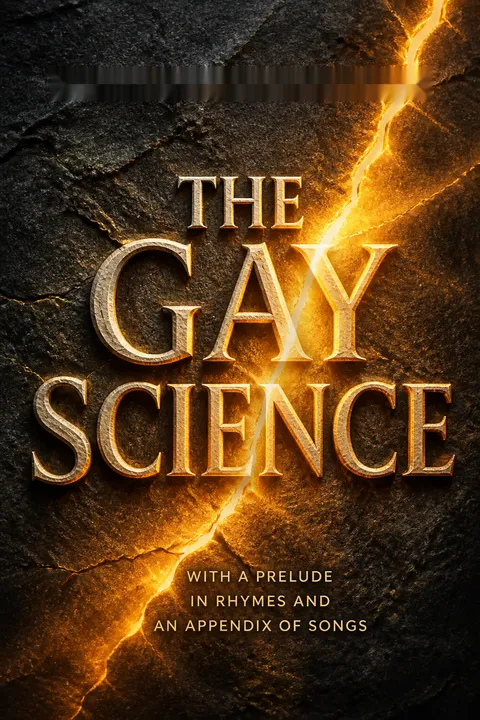

Poin Penting
1. Kematian Tuhan dan Moralitas Tradisional
"Tuhan telah mati: tetapi sebagaimana manusia terbentuk, mungkin masih akan ada gua selama ribuan tahun, di mana orang-orang akan memperlihatkan bayangannya."
Perubahan Paradigma Filosofis. Nietzsche mengumumkan transformasi mendasar dalam pemikiran Barat dengan menyatakan kematian Tuhan secara metaforis. Ini bukan sekadar pernyataan teologis, melainkan diagnosis filosofis yang mendalam tentang perubahan budaya dan moral.
Runtuhnya kerangka agama tradisional menciptakan krisis sekaligus peluang. Manusia kini harus menghadapi keberadaan tanpa ilusi nyaman tentang tujuan ilahi atau kepastian moral mutlak. Hal ini menuntut keberanian intelektual luar biasa dan kemauan untuk menciptakan makna dalam dunia tanpa arti yang sudah ditentukan.
Dampak Runtuhnya Teologi:
- Penolakan standar moral mutlak
- Kebutuhan penciptaan makna secara individual
- Menghadapi ketidakpastian eksistensial
- Potensi penciptaan diri secara radikal
- Melampaui kerangka moral warisan
2. Munculnya Jiwa Bebas
"Kami yang tak kenal takut, kami, para intelektual paling cerdas di zaman ini, tahu betul keunggulan kami untuk hidup tanpa rasa takut sebagai orang-orang paling intelektual di era ini."
Pembebasan Intelektual. Jiwa bebas mewakili tipe intelektual baru yang melampaui batasan moral dan filosofis tradisional. Mereka dikenal karena kemampuannya mempertanyakan kepercayaan mapan, menerima ketidakpastian, dan menciptakan makna pribadi.
Individu ini menolak pemikiran dogmatis dan berani menantang norma sosial. Mereka memahami bahwa kebebasan intelektual sejati memerlukan pertanyaan terus-menerus, pemeriksaan diri, dan keberanian untuk berdiri terpisah dari kepercayaan kolektif. Jiwa bebas tidak terikat oleh moralitas konvensional, melainkan didorong oleh komitmen mendalam pada kebenaran dan pertumbuhan pribadi.
Ciri-ciri Jiwa Bebas:
- Keberanian intelektual
- Kesediaan menantang kepercayaan mapan
- Penolakan sistem moral mutlak
- Komitmen pada penemuan diri
- Menerima kompleksitas dan ketidakpastian
3. Kritik terhadap Sistem Filosofis dan Moral Konvensional
"Apa arti hati nurani kita pada akhirnya hari ini? 'Engkau harus menjadi dirimu sendiri'."
Dekonstruksi Filosofis. Nietzsche secara sistematis membongkar kerangka filosofis dan moral tradisional, mengungkap keterbatasan dan motivasi psikologis yang mendasarinya. Ia berargumen bahwa sebagian besar sistem filosofis adalah penyamaran rumit untuk dorongan dan kelemahan manusia yang lebih dalam.
Dengan mengkritisi sistem moral yang ada, Nietzsche menunjukkan bagaimana sistem tersebut sering muncul dari ressentiment, kelemahan, dan keinginan mengendalikan, bukan dari wawasan etis sejati. Ia menantang para filsuf untuk melampaui pemikiran reaktif dan menciptakan perspektif filosofis yang benar-benar transformatif.
Poin-poin Kritik Utama:
- Sistem moral sebagai mekanisme psikologis
- Pengungkapan motivasi tersembunyi
- Penolakan standar moral mutlak
- Penekanan pada penciptaan diri individual
- Kritik terhadap pemikiran filosofis reaktif
4. Kehendak untuk Berkuasa dan Transformasi Diri
"Apa yang tidak membunuhku membuatku lebih kuat."
Dinamika Eksistensial. Kehendak untuk berkuasa adalah konsep fundamental Nietzsche tentang motivasi manusia—bukan sekadar dominasi, melainkan pengatasan diri yang kreatif. Ini adalah prinsip aktif pertumbuhan, transformasi, dan pengembangan diri yang berkelanjutan.
Konsep ini menunjukkan bahwa manusia bukan penerima pasif pengalaman, melainkan pencipta aktif keberadaannya sendiri. Kehendak untuk berkuasa mendorong individu melampaui batasan saat ini, menantang diri sendiri, dan terus berkembang melampaui keadaan sebelumnya.
Manifestasi Kehendak untuk Berkuasa:
- Perbaikan diri secara berkelanjutan
- Menerima tantangan
- Menolak mentalitas korban
- Transformasi diri yang kreatif
- Melampaui batasan saat ini
5. Menerima Kompleksitas dan Ketidakpastian Hidup
"Aku ingin belajar semakin banyak untuk melihat keindahan dalam apa yang diperlukan dalam segala hal; maka aku akan menjadi salah satu dari mereka yang membuat segala sesuatu menjadi indah."
Eksistensialisme Afirmatif. Nietzsche menganjurkan penerimaan mendalam terhadap hidup dengan segala kompleksitas, penderitaan, dan sukacitanya. Alih-alih melarikan diri atau menyangkal tantangan hidup, ia mendorong afirmasi radikal yang mengubah penderitaan menjadi peluang.
Pandangan ini menuntut kemampuan melihat kesulitan hidup bukan sebagai hambatan, melainkan sebagai komponen penting pertumbuhan pribadi. Ini memerlukan keberanian, kreativitas, dan kemampuan menemukan makna dalam ketidakpastian.
Prinsip Hidup Afirmatif:
- Penerimaan radikal
- Mengubah penderitaan menjadi pertumbuhan
- Menemukan keindahan dalam kebutuhan
- Menerima kompleksitas
- Menolak interpretasi sederhana
6. Menantang Asumsi Sejarah dan Budaya
"Kita memiliki seni agar tidak mati oleh kebenaran."
Historiografi Kritis. Nietzsche menantang narasi sejarah konvensional, mengungkap bagaimana kepercayaan budaya dan interpretasi sejarah dibangun, bukan objektif. Ia membuka dinamika psikologis dan kekuasaan yang mendasari catatan sejarah yang tampak netral.
Dengan mendekonstruksi kebijaksanaan yang diterima, Nietzsche mendorong pendekatan yang lebih bernuansa dan kritis dalam memahami budaya, sejarah, dan motivasi manusia. Ini memerlukan pertanyaan terus-menerus dan keberanian menantang narasi yang nyaman.
Strategi Historiografi:
- Mengungkap motivasi tersembunyi
- Menantang narasi yang diterima
- Interpretasi psikologis fenomena budaya
- Menolak klaim sejarah objektif
- Menekankan kompleksitas interpretatif
7. Pentingnya Perspektif Individual
"Orang yang ingin belajar terbang suatu hari harus terlebih dahulu belajar berdiri, berjalan, berlari, memanjat, dan menari; tidak bisa langsung terbang."
Individualisme Radikal. Nietzsche menekankan pentingnya perspektif individual dan pengembangan diri. Ia menolak sistem universal demi pertumbuhan pribadi, berargumen bahwa kebijaksanaan sejati muncul dari pengalaman dan penciptaan diri individu.
Pandangan ini menuntut pemeriksaan diri yang berkelanjutan, kesediaan menantang batasan pribadi, dan komitmen pada transformasi diri yang terus-menerus. Ini adalah pendekatan dinamis yang melihat perkembangan individu sebagai proses kreatif yang berkelanjutan.
Prinsip Pengembangan Individual:
- Pemeriksaan diri terus-menerus
- Menolak standar eksternal
- Menerima pertumbuhan pribadi
- Mengembangkan perspektif unik
- Melawan konformitas
8. Menolak Nihilisme Pasif
"Apa yang tidak membunuhku membuatku lebih kuat."
Eksistensialisme Aktif. Nietzsche membedakan antara respons pasif dan aktif terhadap ketidakpastian hidup yang mendasar. Nihilisme pasif adalah penyerahan dan keputusasaan, sementara nihilisme aktif menjadi kekuatan kreatif untuk transformasi pribadi.
Dengan mengubah nihilisme menjadi peluang untuk imajinasi radikal, Nietzsche menawarkan perspektif filosofis yang produktif. Pendekatan ini mengubah potensi ketiadaan makna menjadi kanvas untuk penciptaan pribadi.
Strategi Transformasi Nihilisme:
- Menolak keputusasaan
- Menciptakan makna pribadi
- Menerima ketidakpastian
- Mengubah keterbatasan
- Penciptaan diri yang berkelanjutan
9. Mengembangkan Kejujuran Intelektual
"Aku bukan manusia, aku adalah dinamit."
Integritas Intelektual Radikal. Nietzsche mengedepankan komitmen tanpa kompromi pada kejujuran intelektual, menantang individu untuk menghadapi kebenaran yang tidak nyaman dan menolak ilusi yang menghibur.
Pendekatan ini memerlukan keberanian, refleksi diri, dan kesediaan terus-menerus menantang asumsi sendiri. Kejujuran intelektual menjadi praktik dinamis pemeriksaan diri dan pertumbuhan berkelanjutan.
Prinsip Kejujuran Intelektual:
- Pertanyaan diri yang terus-menerus
- Menolak ilusi yang nyaman
- Menerima kompleksitas
- Menantang asumsi pribadi
- Mempertahankan keberanian intelektual
10. Mengembangkan Pendekatan Dionisian terhadap Keberadaan
"Kita memiliki seni agar tidak mati oleh kebenaran."
Afirmasi Transformasional. Dionisian mewakili pendekatan hidup yang mendalam dan afirmatif yang menerima kompleksitas, gairah, dan proses menjadi yang terus-menerus. Ini ditandai oleh kreativitas, keterlibatan penuh semangat, dan kemampuan menemukan keindahan dalam ketidakpastian hidup yang mendasar.
Pandangan ini melampaui kerangka moral dan filosofis tradisional, menawarkan pendekatan yang lebih dinamis dan kreatif terhadap pengalaman manusia. Ini menuntut keberanian, kreativitas, dan kesediaan untuk terlibat dengan misteri mendasar kehidupan.
Strategi Hidup Dionisian:
- Menerima kompleksitas
- Afirmasi hidup secara radikal
- Transformasi kreatif
- Keterlibatan penuh gairah
- Melampaui batasan tradisional
Ringkasan Ulasan
The Gay Science dipuji sebagai salah satu karya terkuat Nietzsche, penuh dengan gagasan provokatif dan aforisme. Para pembaca menghargai eksplorasinya terhadap tema-tema seperti kematian Tuhan, keabadian yang berulang, dan penilaian ulang nilai-nilai. Banyak yang menganggapnya menantang namun memuaskan, mencatat gaya penulisan unik Nietzsche serta kemampuannya menginspirasi refleksi mendalam. Beberapa mengkritik kontradiksi dan pandangan kontroversialnya, sementara yang lain melihat buku ini sebagai pengalaman filosofis yang transformatif yang mendorong untuk merangkul kehidupan dan mempertanyakan kebijaksanaan konvensional.
Orang Juga Membaca



FAQ
What's The Gay Science about?
- Exploration of Existence: The Gay Science delves into the nature of existence, questioning traditional moral values and the essence of life. Nietzsche presents a series of aphorisms that challenge readers to reconsider their beliefs and the meaning of happiness.
- Eternal Recurrence Concept: One of the central themes is the idea of eternal recurrence, where Nietzsche posits that one should live as if they would have to relive their life repeatedly. This concept encourages individuals to embrace their choices and experiences fully.
- Critique of Religion and Morality: Nietzsche critiques the moral frameworks established by religion, particularly Christianity, suggesting that they suppress human instincts and creativity. He advocates for a re-evaluation of values that celebrate life and individuality.
Why should I read The Gay Science?
- Philosophical Insight: Reading The Gay Science provides profound insights into existential philosophy and the human condition. Nietzsche's unique perspective encourages critical thinking and self-reflection.
- Cultural Impact: This work has significantly influenced modern philosophy, psychology, and literature, making it essential for understanding contemporary thought. Engaging with Nietzsche's ideas can enhance one's grasp of various cultural and intellectual movements.
- Aesthetic and Poetic Style: Nietzsche's writing is not only philosophical but also poetic, making it a pleasurable read. His use of aphorisms allows for deep contemplation and interpretation.
What are the key takeaways of The Gay Science?
- Embrace Life's Challenges: Nietzsche emphasizes the importance of embracing life's struggles and uncertainties. He argues that true happiness comes from accepting and affirming one's existence, including its hardships.
- Revaluation of Values: The book calls for a revaluation of traditional values, urging readers to create their own values based on personal experiences and instincts. Nietzsche believes that individuals should not conform to societal norms but instead forge their own paths.
- The Role of Art and Creativity: Nietzsche highlights the significance of art and creativity as essential components of a fulfilling life. He suggests that artistic expression allows individuals to transcend their limitations and connect with deeper truths.
What are the best quotes from The Gay Science and what do they mean?
- "God is dead!": This famous declaration signifies the decline of traditional religious beliefs in the modern world. Nietzsche argues that the absence of God leads to a moral vacuum, prompting individuals to create their own values.
- "What does not kill me makes me stronger.": This quote encapsulates Nietzsche's belief in the transformative power of suffering. He suggests that overcoming challenges can lead to personal growth and resilience.
- "One must have chaos in oneself to give birth to a dancing star.": Here, Nietzsche emphasizes the necessity of inner turmoil and conflict as a precursor to creativity and greatness. Embracing chaos can lead to profound artistic and personal achievements.
What is the concept of eternal recurrence in The Gay Science?
- Core Idea: The concept of eternal recurrence posits that the universe and our lives are cyclical, repeating infinitely. Nietzsche challenges readers to consider how they would live if they had to relive their lives exactly as they are, over and over.
- Moral Implications: This idea serves as a moral test, prompting individuals to evaluate their choices and actions. If one would not want to relive their life as it is, it suggests a need for change and reevaluation of values.
- Affirmation of Life: Eternal recurrence encourages a profound affirmation of life, urging individuals to embrace their experiences fully. It promotes living authentically and passionately, as if every moment is significant.
How does Nietzsche critique traditional morality in The Gay Science?
- Morality as a Social Construct: Nietzsche argues that traditional morality, particularly that derived from Christianity, is a construct designed to control and suppress human instincts. He believes it often leads to guilt and self-denial.
- Value of Individual Experience: He advocates for a morality based on individual experiences and instincts rather than imposed societal norms. Nietzsche encourages readers to create their own values that resonate with their true selves.
- Celebration of Life: Nietzsche's critique emphasizes the need to celebrate life and its inherent chaos rather than conforming to restrictive moral codes. He believes that embracing one's instincts leads to a more authentic and fulfilling existence.
What is Nietzsche's view on happiness in The Gay Science?
- Happiness as Affirmation: Nietzsche suggests that true happiness comes from affirming one's existence, including its struggles and challenges. He believes that embracing life in its entirety leads to a deeper sense of fulfillment.
- Critique of Conventional Happiness: He critiques the conventional notion of happiness as mere pleasure or comfort, arguing that it often leads to complacency. Nietzsche posits that genuine happiness arises from overcoming adversity and engaging with life's complexities.
- Role of Art and Creativity: Nietzsche sees art and creativity as vital to achieving happiness. He believes that artistic expression allows individuals to transcend their limitations and connect with deeper truths about existence.
How does The Gay Science relate to Nietzsche's other works?
- Continuation of Themes: The Gay Science serves as a precursor to Nietzsche's later works, such as Thus Spoke Zarathustra, where he further explores themes of eternal recurrence and the revaluation of values. It lays the groundwork for his philosophical evolution.
- Aphoristic Style: The aphoristic style found in The Gay Science is a hallmark of Nietzsche's writing, which he continues in his subsequent works. This style allows for concise, impactful expressions of complex ideas.
- Philosophical Development: Reading The Gay Science provides insight into Nietzsche's philosophical development, showcasing his transition from a critique of morality to a more profound exploration of existential themes. It highlights his growing emphasis on individualism and creativity.
What is the significance of the title The Gay Science?
- Joyful Knowledge: The title reflects Nietzsche's celebration of knowledge and the pursuit of truth as joyful endeavors. It suggests that the quest for understanding should be approached with a sense of playfulness and creativity.
- Contrast to Traditional Philosophy: The term "gay" contrasts with the often somber and serious tone of traditional philosophy. Nietzsche aims to infuse his philosophical inquiries with a sense of vitality and exuberance.
- Invitation to Embrace Life: The title invites readers to embrace life with enthusiasm and curiosity, encouraging a perspective that values exploration and discovery over rigid adherence to dogma.
How does Nietzsche address the role of art in The Gay Science?
- Art as a Means of Understanding: Nietzsche views art as a crucial means of understanding and interpreting the human experience. He believes that artistic expression allows individuals to explore complex emotions and ideas that may be difficult to articulate.
- Creativity and Individuality: He emphasizes the importance of creativity in achieving a fulfilling life, arguing that artistic endeavors enable individuals to express their unique perspectives and experiences. This creativity is essential for personal growth and self-discovery.
- Transcendence of Suffering: Nietzsche suggests that art has the power to transcend suffering, providing solace and meaning in the face of life's challenges. Through art, individuals can find beauty and significance even in their struggles.
How does Nietzsche's personal life influence The Gay Science?
- Reflection of Personal Struggles: Nietzsche's own struggles with health and societal expectations are reflected in the themes of the book. His experiences inform his critique of morality and the importance of individual authenticity.
- Connection to Artistic Expression: His relationships with artists and thinkers, such as Richard Wagner, shape his views on creativity and the role of art in life. These connections provide a backdrop for his exploration of beauty and truth.
- Philosophical Development: The book represents a pivotal moment in Nietzsche's philosophical development, marking a shift towards a more personal and introspective style. This evolution is influenced by his desire to reconcile his own experiences with broader existential questions.
How does Nietzsche's philosophy in The Gay Science relate to modern existentialism?
- Foundation for Existential Thought: Nietzsche's exploration of individuality, meaning, and the human condition laid the groundwork for later existential philosophers. His ideas about creating personal values resonate with existentialist themes.
- Emphasis on Authenticity: The call for authenticity and self-discovery in The Gay Science parallels existentialist beliefs about the importance of living genuinely. Nietzsche's rejection of imposed morals aligns with existentialist views on personal freedom.
- Confrontation with Absurdity: Nietzsche's acknowledgment of life's inherent chaos and suffering reflects existentialist themes of confronting the absurd. His philosophy encourages individuals to find meaning in their existence despite its challenges.
Tentang Penulis









Unduh PDF
Unduh EPUB
.epub digital book format is ideal for reading ebooks on phones, tablets, and e-readers.








































