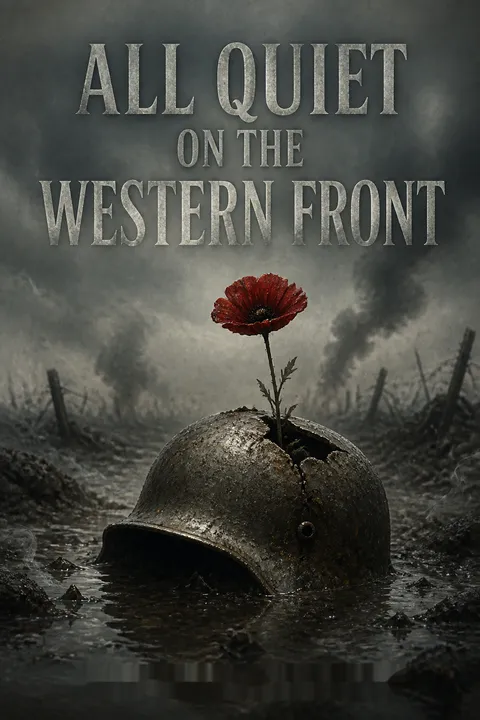
Summary Temporarily Unavailable
This summary is temporarily unavailable and is currently being updated. You can still explore the FAQs and other metadata below.
Trama
La cruda realtà del fronte
Paul Bäumer e i suoi compagni di classe, spinti dalle parole del loro insegnante Kantorek, si arruolano nell'esercito tedesco durante la prima guerra mondiale. Imparano ben presto la cruda realtà della guerra di trincea, fatta di bombardamenti continui, fame e della costante minaccia della morte. La linea del fronte è un luogo di puro orrore, dove la sopravvivenza dipende solo dall'istinto e dalla fortuna. I soldati finiscono per anestetizzarsi davanti alla violenza, trovando conforto unicamente nel loro spirito di cameratismo.
La giovinezza perduta in guerra
I giovani soldati, un tempo pieni di sogni e ambizioni, si ritrovano intrappolati in un incubo. La guerra li priva della loro innocenza e della speranza, lasciando spazio solo alla dura realtà della sopravvivenza. Paul riflette su come il conflitto abbia reciso ogni legame con le loro vite precedenti, rendendo impossibile persino immaginare un futuro oltre il campo di battaglia.
I legami del cameratismo
In mezzo al caos, i soldati stringono profondi legami d'amicizia. Paul e i suoi amici, tra cui Kat, Kropp e Tjaden, si sostengono a vicenda per trovare forza e conforto. Le esperienze condivise creano un senso di fratellanza che diventa il loro unico rifugio di fronte a sofferenze e perdite incessanti.
L'orrore della battaglia
I soldati sopportano attacchi continui, assistendo alla morte straziante dei propri compagni. Paul sperimenta il terrore del combattimento corpo a corpo e gli effetti disumanizzanti dell'uccidere. La costante minaccia della morte e la vista di corpi mutilati lo tormentano, spingendolo a interrogarsi sul senso stesso della guerra.
L'illusione della licenza
Paul ottiene una licenza e torna a casa, sperando in un momento di tregua. Tuttavia, si scopre del tutto alienato dalla sua famiglia e dalla sua vecchia vita. La guerra lo ha cambiato per sempre, scavando un abisso tra lui e chi non ha vissuto quegli orrori. Si rende conto di non appartenere più al mondo che un tempo conosceva.
Il ritorno al caos
Tornato al fronte, Paul si ricongiunge con i suoi compagni, ma i segni della guerra sono ormai evidenti su tutti loro. I soldati sono esausti e demoralizzati, costretti a fare i conti con scorte sempre più scarse e forze nemiche schiaccianti. Nonostante le voci di una pace imminente, i combattimenti continuano e i soldati vengono spinti oltre ogni limite umano.
L'inutilità della guerra
Con il prolungarsi della guerra, nei soldati cresce un profondo disincanto. Assistono alla distruzione insensata e alla perdita di innumerevoli vite, mettendone in discussione il sacrificio. La guerra sembra infinita e la speranza di pace diventa un sogno sempre più lontano.
L'estremo sacrificio
Negli ultimi giorni di guerra, Paul perde i suoi amici più cari, compreso Kat. Rimasto solo ed esausto, riflette sull'inutilità della loro lotta. Nell'ottobre del 1918, in una giornata di calma piatta sul fronte, Paul viene ucciso. La sua morte simboleggia la perdita insensata di un'intera generazione, lasciando dietro di sé il doloroso monito dell'impatto devastante della guerra.
Analysis
Un potente manifesto contro la guerra"Niente di nuovo sul fronte occidentale" è una critica straordinaria e dolorosa alla visione romantica della guerra e dell'eroismo. Attraverso gli occhi di Paul Bäumer, Remarque svela la brutale realtà del fronte e il trauma profondo di chi sopravvive. Il romanzo scardina la glorificazione del conflitto, evidenziando la perdita insensata di vite umane e le cicatrici indelebili lasciate nei reduci. Rimane un monito senza tempo sul costo umano delle guerre e sulla necessità di empatia e comprensione oltre ogni confine nazionale. La straordinaria attualità del libro risiede proprio nella sua capacità di raccontare l'esperienza universale del soldato, superando i limiti del tempo e dello spazio per parlare al cuore dei lettori di ogni epoca.
Ultimo aggiornamento:
Report IssueSintesi delle recensioni
Niente di nuovo sul fronte occidentale è un romanzo potente e straziante sulla prima guerra mondiale vista dalla prospettiva di un soldato tedesco. I lettori ne lodano la brutale onestà, le immagini vivide e l'impatto emotivo. Il libro trasmette con efficacia gli orrori della guerra, la perdita dell'innocenza e l'inutilità del nazionalismo. Molti lo considerano un capolavoro e una lettura imprescindibile, sottolineandone la costante attualità. I recensori apprezzano lo stile di scrittura di Remarque, lo sviluppo dei personaggi e la capacità di umanizzare i soldati di entrambi gli schieramenti. Il messaggio pacifista del romanzo risuona con forza nei lettori, rendendolo un classico senza tempo.
Altri hanno letto anche




Characters
Paul Bäumer
Paul è il protagonista del romanzo, un ragazzo sensibile e introspettivo che si arruola insieme ai suoi compagni di scuola. La guerra lo trasforma da giovane idealista a soldato stanco e disilluso. Le esperienze al fronte lo portano a sentirsi alienato dalla sua vita precedente e profondamente legato ai suoi compagni d'armi.
Stanislaus Katczinsky (Kat)
Kat è un soldato esperto, una figura paterna per Paul e per gli altri ragazzi. Noto per la sua incredibile capacità di adattamento, riesce sempre a rimediare cibo e provviste per il gruppo. La sua saggezza e la sua esperienza sono una guida costante, e la sua morte rappresenterà un colpo devastante per Paul.
Albert Kropp
Kropp è uno dei più cari amici di Paul, caratterizzato da una mente analitica e da un approccio filosofico alla vita. Si interroga spesso sul senso della guerra e sulle conseguenze che avrà sulla loro generazione. Il suo ferimento e la successiva amputazione della gamba mostrano il prezzo fisico ed emotivo del conflitto.
Tjaden
Tjaden è un giovane fabbro dall'appetito insaziabile, capace di trovare un motivo di ironia anche nelle situazioni più disperate. Nonostante le privazioni, mantiene un carattere gioviale, offrendo momenti di leggerezza e sollevando il morale dei compagni.
Müller
Müller è un ex compagno di classe di Paul, concreto e fortemente legato ai suoi obiettivi accademici. Sogna di tornare ai suoi studi una volta finita la guerra, ma la sua morte prematura diventa il simbolo dei sogni infranti di un'intera generazione.
Kantorek
Kantorek è il professore che spinge Paul e i suoi compagni ad arruolarsi. Il suo cieco patriottismo e la totale mancanza di comprensione della realtà del fronte lo rendono il simbolo di una vecchia generazione incapace di cogliere il vero costo umano del conflitto.
Himmelstoss
Himmelstoss è un ex postino diventato istruttore militare, noto per i suoi metodi duri e vessatori. La codardia che dimostra una volta arrivato al fronte contrasta nettamente con l'autorità ostentata in addestramento, evidenziando l'assurdità delle gerarchie militari.
Detering
Detering è un uomo della terra che desidera solo tornare ai suoi campi e alla sua famiglia. La sua fuga disperata e la successiva cattura mostrano il profondo bisogno di casa e il punto di rottura psicologico a cui sono sottoposti i soldati.
Gérard Duval
Duval è un soldato francese che Paul uccide in un corpo a corpo ravvicinato. La sua morte segna profondamente Paul, costringendolo a fare i conti con l'umanità condivisa con colui che considerava un nemico e con il peso personale di ogni singola uccisione.
Leer
Leer è uno degli amici di Paul, noto per il suo interesse per le donne e per il suo atteggiamento spavaldo. La sua morte durante un attacco sottolinea la natura cieca e casuale della violenza bellica.
Plot Devices
Comradeship
Il romanzo mette in luce i legami profondi che si creano tra i soldati, capaci di offrire sostegno emotivo e un senso di appartenenza. Questo cameratismo diventa uno strumento di sopravvivenza fondamentale, l'unico vero conforto di fronte a una sofferenza incessante.
The Horror of War
Remarque utilizza descrizioni vivide e realistiche per trasmettere l'orrore fisico e psicologico della guerra di trincea. Questo realismo serve a evidenziare l'assurdità e la devastazione totale del conflitto.
Alienation
Il ritorno a casa di Paul mette in evidenza l'alienazione vissuta dai soldati, ormai incapaci di relazionarsi con chi non ha condiviso le loro stesse esperienze. Questo tema sottolinea le ferite invisibili e durature che la guerra lascia nell'animo umano.
The Futility of War
Il romanzo mette continuamente in discussione le ragioni e le giustificazioni della guerra, dipingendola come un ciclo insensato di violenza e distruzione. Un tema rafforzato dalla disillusione dei soldati e dal sacrificio finale di un'intera generazione.
FAQ
Synopsis & Basic Details
What is All Quiet on the Western Front about?
- War's brutal reality: The novel depicts the harrowing experiences of young German soldiers on the Western Front during World War I, focusing on their physical and psychological struggles.
- Loss of innocence: It explores how the war strips away the soldiers' youth, dreams, and ideals, leaving them disillusioned and traumatized.
- Comradeship as solace: The story highlights the deep bonds of friendship that develop between the soldiers as they rely on each other for survival and emotional support amidst the chaos.
Why should I read All Quiet on the Western Front?
- Powerful anti-war message: The book offers a stark and unflinching portrayal of war's brutality, challenging romanticized notions of heroism and patriotism.
- Universal human experience: It explores themes of loss, trauma, and the search for meaning in the face of suffering, resonating with readers across different times and cultures.
- Timeless literary classic: The novel's enduring relevance lies in its ability to convey the universal experiences of soldiers, making it a powerful and moving read.
What is the background of All Quiet on the Western Front?
- World War I setting: The novel is set during World War I, specifically on the Western Front, where trench warfare was prevalent.
- German perspective: It provides a unique perspective from the German side, offering insight into the experiences of soldiers from a defeated nation.
- Post-war disillusionment: The book reflects the widespread disillusionment and trauma experienced by a generation of young men who fought in the war.
What are the most memorable quotes in All Quiet on the Western Front?
- "We are not youth any longer. We don't want to take the world by storm. We are fleeing from ourselves, from our life. We were eighteen and had begun to love life and the world; and we had to shoot it to pieces.": This quote encapsulates the loss of innocence and the disillusionment experienced by the young soldiers.
- "The things that were glorious and beautiful are gone. We are no longer young, we are no longer innocent, we are no longer hopeful.": This quote highlights the profound impact of war on the soldiers' emotional and psychological state.
- "I am young, I am twenty years old; yet I know nothing of life but despair, death, fear, and fatuous superficiality cast over an abyss of sorrow.": This quote captures the existential crisis faced by the soldiers, who have been robbed of their youth and their future.
What writing style, narrative choices, and literary techniques does Erich Maria Remarque use?
- First-person perspective: The novel is narrated from Paul Bäumer's point of view, providing an intimate and personal account of his experiences.
- Realistic and graphic descriptions: Remarque uses vivid and unflinching language to depict the horror of war, emphasizing its brutality and dehumanizing effects.
- Simple and direct prose: The writing style is straightforward and unadorned, reflecting the soldiers' lack of sophistication and the stark reality of their situation.
Hidden Details & Subtle Connections
What are some minor details that add significant meaning?
- Boots as a symbol: The recurring mention of boots, especially Kemmerich's boots, highlights the dehumanizing effect of war, where material possessions become more important than human life.
- The cherry tree: Detering's obsession with the cherry tree symbolizes his longing for home and the natural world, contrasting with the artificiality and destruction of war.
- The butterflies: The butterflies that Paul observes in the trenches represent the beauty and fragility of life, juxtaposed with the constant presence of death.
What are some subtle foreshadowing and callbacks?
- Kemmerich's death: The early death of Kemmerich foreshadows the fate of many other young soldiers, including Paul himself.
- The loss of the potato field: The destruction of the potato field foreshadows the loss of their connection to the land and their past lives.
- Paul's premonition: Paul's feeling that he will not survive the war foreshadows his eventual death, creating a sense of inevitability.
What are some unexpected character connections?
- Himmelstoss's transformation: Himmelstoss's cowardice at the front reveals the hypocrisy of authority figures and the absurdity of military hierarchy.
- Paul and Duval's shared humanity: Paul's encounter with the French soldier, Duval, highlights the shared humanity of the soldiers on both sides of the conflict.
- Kantorek's misguided patriotism: Kantorek's blind patriotism contrasts with the soldiers' disillusionment, revealing the disconnect between the older generation and the young men who fought the war.
Who are the most significant supporting characters?
- Katczinsky's wisdom: Kat's resourcefulness and experience provide guidance and comfort to the young soldiers, making him a father figure and a symbol of resilience.
- Kropp's intellectualism: Kropp's philosophical outlook and questioning of the war's purpose highlight the intellectual and emotional toll of the conflict.
- Detering's longing for home: Detering's desperation to return to his farm underscores the deep yearning for peace and the natural world, contrasting with the horrors of war.
Psychological, Emotional, & Relational Analysis
What are some unspoken motivations of the characters?
- Paul's desire for connection: Paul's deep bond with his comrades stems from his need for connection and understanding in the face of isolation and trauma.
- Kat's need to protect: Kat's resourcefulness and care for the young soldiers are driven by his desire to protect them from the harsh realities of war.
- Detering's yearning for peace: Detering's desertion is motivated by his deep longing for peace and his inability to cope with the senseless violence.
What psychological complexities do the characters exhibit?
- Desensitization to violence: The soldiers become desensitized to the violence and death around them, a psychological defense mechanism against the trauma they experience.
- Existential questioning: The war forces the soldiers to question the meaning of life and their place in the world, leading to feelings of despair and disillusionment.
- Loss of identity: The war strips the soldiers of their individual identities, reducing them to mere cogs in the war machine.
What are the major emotional turning points?
- Kemmerich's death: The death of Kemmerich is a major emotional turning point, marking the beginning of the soldiers' disillusionment and loss of innocence.
- Paul's leave: Paul's return home and his inability to connect with his family highlight the alienation and trauma he has experienced.
- Kat's death: The death of Kat is a devastating blow to Paul, symbolizing the loss of his closest friend and the final destruction of his hope.
How do relationship dynamics evolve?
- From classmates to comrades: The relationship between Paul and his classmates evolves from a shared school experience to a deep bond of comradeship forged in the trenches.
- Kat as a father figure: Kat becomes a father figure to the young soldiers, providing guidance, support, and a sense of stability in the chaos of war.
- Loss and grief: The loss of comrades and friends deepens the bonds between the remaining soldiers, but also leaves them with a profound sense of grief and isolation.
Interpretation & Debate
Which parts of the story remain ambiguous or open-ended?
- The meaning of Paul's death: The circumstances of Paul's death, on a quiet day at the front, leave the reader questioning the senselessness of his sacrifice.
- The future of the survivors: The novel does not explore the long-term impact of the war on the surviving soldiers, leaving their future uncertain and open to interpretation.
- The possibility of peace: The novel ends without a clear resolution to the war, leaving the reader to ponder the possibility of lasting peace and reconciliation.
What are some debatable, controversial scenes or moments in All Quiet on the Western Front?
- The killing of Duval: Paul's killing of the French soldier, Duval, raises questions about the morality of war and the dehumanizing effects of combat.
- The soldiers' desensitization: The soldiers' desensitization to violence and death can be interpreted as both a survival mechanism and a sign of their moral decay.
- The portrayal of the older generation: The novel's portrayal of the older generation as misguided and out of touch can be seen as both a critique of their role in the war and a simplification of complex historical forces.
All Quiet on the Western Front Ending Explained: How It Ends & What It Means
- Paul's quiet death: Paul's death on a quiet day, with the war almost over, highlights the senselessness of his sacrifice and the futility of war.
- The "all quiet" report: The final report of "all quiet on the Western Front" is ironic, as it masks the immense suffering and loss that has occurred.
- Symbol of a lost generation: Paul's death symbolizes the tragic loss of an entire generation of young men who were sacrificed in the war, leaving behind a haunting reminder of its devastating impact.
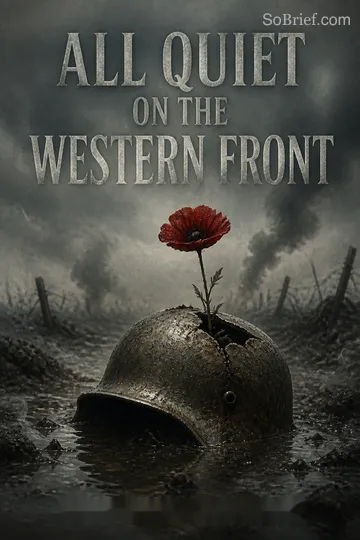
Niente di nuovo sul fronte occidentale/La via del ritorno Serie
Sull'autore
Erich Maria Remarque è stato uno scrittore tedesco naturalizzato statunitense le cui esperienze nella prima guerra mondiale ispirarono il suo romanzo più celebre, Niente di nuovo sul fronte occidentale. Pubblicato nel 1929, il libro ottenne un riconoscimento mondiale e rimane tuttora ampiamente letto. Le opere di Remarque, che affrontano spesso i temi della guerra, dell'esilio e della dignità umana, sono state tradotte in oltre cinquanta lingue e hanno venduto milioni di copie. Tra gli altri suoi romanzi di rilievo si annoverano La via del ritorno, Tre camerati e Arco di trionfo. La scrittura di Remarque è profondamente influenzata dalla storia tedesca e dal suo vissuto personale a Osnabrück. La sua attenzione letteraria verso la salvaguardia dell'umanità nei periodi di oppressione e di guerra lo ha reso uno degli autori più significativi del ventesimo secolo.
Altri libri di Erich Maria Remarque

Scarica PDF
Scarica EPUB
.epub digital book format is ideal for reading ebooks on phones, tablets, and e-readers.








































