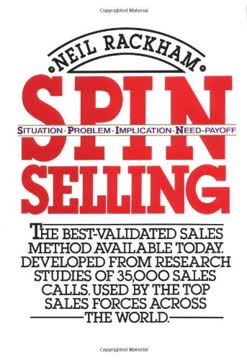
Punti chiave
1. SPIN Selling: un approccio rivoluzionario alle grandi vendite
Le strategie tradizionali di vendita non funzionano più nell’ambiente rapido e complesso delle grandi trattative odierne.
Un cambio di paradigma. SPIN Selling rappresenta una trasformazione radicale nel modo di affrontare le vendite complesse e di grande entità. Le tecniche tradizionali, nate per vendite semplici e con un’unica chiamata, spesso falliscono quando si tratta di clienti importanti. Il modello SPIN, frutto di un’ampia ricerca su oltre 35.000 chiamate di vendita, offre un quadro più efficace per avere successo nelle trattative più impegnative.
Metodo basato sulla ricerca. A differenza di molte metodologie di vendita fondate su opinioni o esperienze personali, SPIN Selling si fonda su un rigoroso studio scientifico. Questo approccio ha analizzato i comportamenti dei venditori più performanti in diversi settori e contesti, arrivando a definire tecniche comprovate che migliorano sensibilmente i risultati nelle grandi vendite.
Le principali differenze tra vendite piccole e grandi:
- Cicli di vendita più lunghi
- Molteplici decisori coinvolti
- Esigenze del cliente più complesse
- Maggiori rischi e importi in gioco per l’acquirente
- Necessità di costruire relazioni durature
2. Le quattro fasi di una chiamata di vendita: un modello per il successo
Quasi tutte le chiamate di vendita seguono quattro fasi distinte: Preliminari, Indagine, Dimostrazione di capacità e Ottenimento dell’impegno.
Un approccio strutturato. Comprendere e gestire efficacemente queste quattro fasi offre un quadro chiaro per condurre chiamate di vendita vincenti. Ogni fase ha obiettivi specifici e richiede competenze diverse per essere affrontata al meglio.
L’importanza dell’indagine. Pur essendo tutte importanti, la ricerca dimostra che la fase di Indagine è quella cruciale per il successo nelle vendite più complesse. È in questo momento che il venditore scopre e sviluppa i bisogni del cliente, gettando le basi per il resto della trattativa.
Le quattro fasi di una chiamata di vendita:
- Preliminari: aprire la chiamata e creare un rapporto
- Indagine: scoprire bisogni e problemi del cliente
- Dimostrazione di capacità: mostrare come la soluzione risponde a quei bisogni
- Ottenimento dell’impegno: ottenere l’accordo per procedere
3. Indagare i bisogni del cliente: il cuore della vendita efficace
Lo scopo delle domande nelle grandi vendite è scoprire i Bisogni Impliciti e trasformarli in Bisogni Espliciti.
Sviluppo dei bisogni. Nelle vendite importanti non basta identificare i problemi (Bisogni Impliciti). I venditori di successo sanno trasformare questi problemi in desideri chiari e forti di una soluzione (Bisogni Espliciti). Questo processo è fondamentale per costruire valore e giustificare il costo di acquisti rilevanti.
L’equazione del valore. Con l’aumentare dell’importo della vendita, il valore percepito nel risolvere il problema deve superare il costo e il rischio della soluzione. Le domande efficaci aiutano a spostare questo equilibrio a favore dell’acquisto, amplificando l’impatto e le conseguenze del problema.
Concetti chiave nello sviluppo dei bisogni:
- Bisogni Impliciti: affermazioni di problemi o difficoltà
- Bisogni Espliciti: dichiarazioni specifiche di desideri o necessità
- Equazione del valore: bilanciare la gravità del problema con il costo della soluzione
4. La sequenza di domande SPIN: scoprire e sviluppare i bisogni
La sequenza SPIN di domande entra direttamente nella psicologia del processo d’acquisto.
Domande strategiche. Il modello SPIN offre un potente schema per porre domande che scoprono e sviluppano i bisogni del cliente. Ogni tipo di domanda ha uno scopo preciso nel far avanzare la vendita.
Costruire slancio. La sequenza SPIN è pensata per aumentare progressivamente la percezione del cliente sulla gravità del problema e sul valore della soluzione proposta. Questo metodo è particolarmente efficace nelle vendite complesse, dove bisogni articolati devono essere esplorati e sviluppati a fondo.
Tipi di domande SPIN:
- Domande sulla Situazione: raccogliere fatti e informazioni di base
- Domande sul Problema: esplorare difficoltà e insoddisfazioni
- Domande sulle Implicazioni: sviluppare le conseguenze dei problemi
- Domande sul Valore (Need-payoff): focalizzarsi sul valore e l’utilità delle soluzioni
5. Dimostrare la capacità: andare oltre caratteristiche e vantaggi
Nelle grandi vendite, il beneficio più efficace mostra come il prodotto o servizio soddisfa un Bisogno Esplicito espresso dal cliente.
Ridefinire i benefici. La formazione tradizionale spesso confonde i Vantaggi (come un prodotto può essere usato o aiutare) con i veri Benefici. Nelle vendite importanti, i Benefici efficaci rispondono direttamente ai Bisogni Espliciti sviluppati con domande mirate.
Approccio centrato sul cliente. Invece di concentrarsi su caratteristiche o vantaggi generici, i venditori di successo nelle grandi trattative dimostrano come la loro soluzione risponde in modo specifico ai bisogni e desideri espressi dal cliente.
Punti chiave nella dimostrazione di capacità:
- Caratteristiche: fatti neutrali su prodotti o servizi
- Vantaggi: come le caratteristiche possono essere usate o aiutare (meno efficaci nelle grandi vendite)
- Benefici: come la soluzione soddisfa Bisogni Espliciti specifici (più efficaci)
6. Ottenere l’impegno: chiudere senza pressione
Le tecniche di chiusura funzionano nelle vendite piccole, ma non in quelle grandi.
Rivedere la chiusura. Le tecniche tradizionali di chiusura, spesso basate sulla pressione, possono risultare controproducenti nelle vendite complesse. L’impegno dovrebbe essere il naturale risultato di un’efficace sviluppo dei bisogni e dimostrazione di capacità.
Far avanzare la vendita. Nei cicli di vendita complessi, l’obiettivo di ogni interazione non è necessariamente la vendita immediata. I venditori di successo puntano a ottenere impegni adeguati che facciano progredire la trattativa, come accordi per ulteriori incontri o accesso ai decisori.
Modi efficaci per ottenere l’impegno:
- Verificare di aver affrontato le principali preoccupazioni dell’acquirente
- Riassumere i Benefici (collegati ai Bisogni Espliciti)
- Proporre un livello di impegno appropriato
7. Prevenire le obiezioni: una strategia superiore al gestirle
Il modo migliore per gestire le obiezioni è prevenirle.
Approccio proattivo. Piuttosto che concentrarsi su tecniche per superare le obiezioni, SPIN Selling punta a prevenirle attraverso un efficace sviluppo dei bisogni. Esplorando a fondo le implicazioni e stabilendo il valore, molte obiezioni comuni possono essere anticipate e neutralizzate.
Causa e sintomo. Le obiezioni sono spesso sintomi di uno sviluppo insufficiente dei bisogni nelle fasi precedenti. Affrontando la causa principale – il valore percepito non adeguato – i venditori possono ridurre frequenza e intensità delle obiezioni.
Strategie per prevenire le obiezioni:
- Sviluppare completamente i bisogni prima di proporre soluzioni
- Usare domande sulle Implicazioni per aumentare la gravità del problema
- Impiegare domande sul Valore per stabilire il valore della soluzione
- Evitare di presentare prodotti o servizi troppo presto
8. Dalla teoria alla pratica: implementare SPIN Selling
Allenarsi in situazioni protette.
Sviluppo delle competenze. Applicare SPIN Selling richiede pratica consapevole e attenzione a sviluppare nuovi comportamenti. Il libro offre strategie pratiche per apprendere e utilizzare efficacemente il modello SPIN.
Miglioramento continuo. I venditori di successo analizzano costantemente le proprie chiamate, cercando opportunità per affinare le tecniche di domanda e l’approccio complessivo. Questo impegno verso l’apprendimento continuo è la chiave per padroneggiare il metodo SPIN.
Quattro regole d’oro per imparare nuove abilità:
- Allenarsi su un solo comportamento alla volta
- Provare il nuovo comportamento almeno tre volte
- Prima la quantità, poi la qualità nella pratica
- Esercitarsi in situazioni protette prima di chiamate ad alto rischio
Sintesi delle recensioni
SPIN Selling è considerato un approccio rivoluzionario e basato su solide ricerche per le vendite complesse nel settore B2B. I lettori ne apprezzano i metodi pratici, in particolare la tecnica di interrogazione SPIN, utile per scoprire i bisogni del cliente e creare valore. Molti lo ritengono una lettura imprescindibile per i professionisti delle vendite, sottolineandone l’efficacia soprattutto nelle trattative di grande entità e alto valore. I critici ne riconoscono l’approccio basato sui dati e la rottura con le tattiche di vendita tradizionali. Pur essendo considerato da alcuni un po’ datato, la maggior parte concorda sul fatto che rimanga ancora oggi uno strumento rilevante e prezioso per le strategie di vendita moderne.
Altri hanno letto anche





FAQ
What's "Spin Selling" by Neil Rackham about?
- Focus on Larger Sales: "Spin Selling" is a guide to understanding and mastering the art of selling in larger, complex sales environments, as opposed to smaller, transactional sales.
- Research-Based Insights: The book is based on extensive research, including the analysis of over 35,000 sales calls, to identify what makes salespeople successful in major sales.
- SPIN Model Introduction: It introduces the SPIN model, which stands for Situation, Problem, Implication, and Need-payoff questions, as a framework for effective sales conversations.
- Challenging Traditional Methods: Rackham challenges traditional sales techniques like closing and objection handling, arguing they are less effective in larger sales.
Why should I read "Spin Selling"?
- Proven Strategies: The book offers research-backed strategies that have been tested and proven to increase sales effectiveness in major sales.
- Practical Application: It provides practical advice and techniques that can be directly applied to improve sales performance.
- Understanding Customer Needs: It emphasizes understanding and developing customer needs, which is crucial for success in larger sales.
- Challenging Norms: It challenges conventional sales wisdom, offering fresh perspectives that can lead to better sales outcomes.
What are the key takeaways of "Spin Selling"?
- SPIN Model: The SPIN model is central, focusing on asking the right questions to uncover and develop customer needs.
- Importance of Investigating: The Investigating stage is crucial, as it helps in understanding customer needs and setting the stage for successful sales.
- Objection Prevention: Instead of handling objections, the book emphasizes preventing them by building value and understanding customer needs.
- Focus on Benefits: In larger sales, demonstrating how your product meets explicit customer needs (Benefits) is more effective than just listing features or advantages.
How does the SPIN Model work in "Spin Selling"?
- Situation Questions: These gather background information but should be used sparingly to avoid boring the customer.
- Problem Questions: These identify customer problems, difficulties, or dissatisfactions, setting the stage for deeper exploration.
- Implication Questions: These explore the consequences of the customer's problems, helping to build the perceived value of a solution.
- Need-payoff Questions: These focus on the benefits of solving the problem, encouraging the customer to articulate the value of the solution.
What is the significance of the Investigating stage in "Spin Selling"?
- Crucial for Success: The Investigating stage is the most important part of the sales call, as it helps uncover and develop customer needs.
- Focus on Questions: Effective questioning during this stage leads to a better understanding of the customer's situation and needs.
- Foundation for Commitment: A well-handled Investigating stage sets the foundation for obtaining customer commitment later in the call.
- Differentiates Successful Sellers: Successful salespeople excel in this stage, using it to build a strong case for their solution.
How does "Spin Selling" challenge traditional sales techniques?
- Closing Techniques: The book argues that traditional closing techniques are less effective in larger sales and can even be counterproductive.
- Objection Handling: Instead of focusing on handling objections, the book emphasizes preventing them by understanding and addressing customer needs.
- Focus on Needs: It shifts the focus from pushing products to understanding and developing customer needs through effective questioning.
- Research-Based Approach: The book's recommendations are based on extensive research, challenging many long-held sales beliefs.
What are the benefits of using the SPIN Model according to "Spin Selling"?
- Customer-Centric Approach: The SPIN Model encourages a focus on the customer's needs and problems, leading to more effective sales conversations.
- Builds Value: By developing customer needs, the model helps build the perceived value of the solution, making it easier to close sales.
- Reduces Objections: Effective use of the model can prevent objections by ensuring that the solution aligns with the customer's explicit needs.
- Proven Success: The model is backed by research and has been shown to improve sales performance in major sales environments.
How does "Spin Selling" suggest handling objections?
- Prevention Over Handling: The book emphasizes preventing objections by thoroughly understanding and addressing customer needs before they arise.
- Build Value First: By using Implication and Need-payoff questions, salespeople can build the perceived value of their solution, reducing the likelihood of objections.
- Focus on Needs: Understanding and developing customer needs can preempt objections, as the solution is more likely to align with what the customer values.
- Research Findings: The book's research shows that skilled salespeople receive fewer objections because they focus on objection prevention.
What role do Benefits play in "Spin Selling"?
- Meeting Explicit Needs: Benefits are statements that show how a product meets an explicit need expressed by the customer, making them highly persuasive.
- More Effective in Large Sales: In larger sales, Benefits are more effective than Features or Advantages, as they directly address the customer's expressed needs.
- Build Customer Support: Benefits help build customer support and approval, as they align with what the customer has identified as important.
- Linked to Success: The book's research shows a strong link between the use of Benefits and successful sales outcomes.
How does "Spin Selling" redefine the concept of closing?
- Focus on Commitment: Instead of traditional closing techniques, the book emphasizes obtaining the right level of customer commitment.
- Set Realistic Objectives: Successful closing involves setting realistic objectives for each call, aiming for Advances rather than Continuations.
- Summarize and Propose: Effective closing includes summarizing the Benefits and proposing a logical next step for the customer.
- Research-Based Approach: The book's approach to closing is based on research showing that traditional techniques are less effective in larger sales.
What are the best quotes from "Spin Selling" and what do they mean?
- "The purpose of questions in the larger sale is to uncover Implied Needs and to develop them into Explicit Needs." This highlights the importance of effective questioning in understanding and developing customer needs.
- "The most important test of whether you’re handling Preliminaries effectively is whether your customers are generally happy to move ahead and answer your questions." This emphasizes the goal of the Preliminaries stage: to set the stage for effective questioning.
- "The real skill is how you grow those problems big enough to get action." This underscores the importance of Implication Questions in making customer problems feel urgent and significant.
- "If you can build the value of your solutions, then you’re much less likely to face objections." This reinforces the book's focus on building value to prevent objections.
What practical advice does "Spin Selling" offer for improving sales skills?
- Focus on One Behavior: Practice one behavior at a time to avoid feeling overwhelmed and to ensure effective learning.
- Try New Behaviors Multiple Times: Give new techniques a chance by trying them at least three times before judging their effectiveness.
- Emphasize Quantity Over Quality: When learning new skills, focus on using them frequently rather than perfectly.
- Practice in Safe Situations: Test new skills in low-risk situations before applying them in critical sales calls.