Punti chiave
1. Definisci un obiettivo chiaro a lungo termine e individua le domande chiave
«Perché stiamo facendo questo progetto? Dove vogliamo essere tra sei mesi, un anno o addirittura cinque anni?»
Fissa obiettivi ambiziosi. Inizia il tuo sprint definendo un obiettivo chiaro e a lungo termine che rispecchi i principi e le aspirazioni del tuo team. Questo obiettivo sarà la stella polare che guiderà tutti nella stessa direzione per tutta la durata dello sprint. Non temere di puntare in alto; il processo dello sprint ti aiuterà a trovare un buon punto di partenza e a fare progressi concreti verso anche il traguardo più ambizioso.
Individua le domande chiave. Dopo aver stabilito l’obiettivo, elenca le domande dello sprint che rappresentano le incognite e i rischi potenziali che si frappongono tra il tuo team e il risultato a lungo termine. Queste domande guideranno le soluzioni e le decisioni durante tutto lo sprint, fungendo da sorta di checklist a cui fare riferimento e valutare dopo il test di venerdì. Esempi di domande dello sprint:
- Riusciamo a spiegare il nostro prodotto a chi non l’ha mai provato?
- I clienti si fideranno della nostra competenza?
- Possiamo aiutare una singola persona a comprendere il prodotto prima che il suo team si unisca?
2. Mappa la sfida e scegli un obiettivo specifico
«Come Gene Kranz con il suo diagramma per il rientro sulla Terra, tu e il tuo team disporrete le basi: l’obiettivo a lungo termine e le domande difficili a cui rispondere.»
Crea una mappa visiva. Disegna un diagramma semplice che rappresenti il percorso del cliente attraverso il tuo prodotto o servizio. Questa mappa dovrebbe includere:
- Attori chiave (clienti, personale, ecc.) a sinistra
- Il traguardo finale (obiettivo raggiunto) a destra
- 5-15 passaggi intermedi che mostrano come i clienti interagiscono con il prodotto
Scegli un obiettivo. Dopo aver creato la mappa, il Decisore (di solito il CEO o il responsabile del progetto) deve selezionare un cliente target e un evento chiave sulla mappa. Questa scelta diventerà il fulcro per il resto dello sprint: schizzi, prototipo e test si svilupperanno a partire da qui.
3. Schizza soluzioni concorrenti individualmente
«Il brainstorming di gruppo è superato, ma esiste un metodo migliore.»
Lavora da solo insieme agli altri. Invece del classico brainstorming collettivo, lascia che i membri del team lavorino in modo indipendente per sviluppare soluzioni. Questo metodo favorisce una riflessione profonda e genera idee diverse senza il rischio del pensiero di gruppo. Il processo di schizzi si articola in quattro fasi:
- Appunti (20 minuti): rivedi le informazioni esistenti e prendi nota.
- Idee (20 minuti): annota idee grezze e cerchia quelle più promettenti.
- Crazy 8s (8 minuti): schizza rapidamente otto varianti della tua idea migliore.
- Schizzo della soluzione (30-90 minuti): crea una storyboard in tre pannelli della soluzione più forte.
Accogli l’imperfezione. Ricorda che non serve essere artisti; chiunque può disegnare una buona soluzione usando forme semplici, omini stilizzati e parole. L’importante è comunicare chiaramente le idee e risolvere i problemi con creatività.
4. Prendi decisioni intelligenti senza lunghe discussioni
«Lo sprint dà alle startup un superpotere: possono proiettarsi nel futuro per vedere il prodotto finito e le reazioni dei clienti, prima di assumersi impegni costosi.»
Usa un processo decisionale strutturato. Per evitare dibattiti infiniti e prendere decisioni rapide, segui il processo in cinque fasi chiamato “Decisione appiccicosa”:
- Museo d’arte: esponi gli schizzi delle soluzioni sul muro.
- Mappa di calore: esamina in silenzio e segna le parti interessanti con adesivi a puntini.
- Critica veloce: discuti rapidamente i punti salienti di ogni soluzione.
- Votazione preliminare: ciascuno vota la soluzione preferita.
- Supervoto: il Decisore prende la decisione finale.
Fidati del Decisore. Pur valorizzando il contributo del team, l’autorità ultima deve spettare al Decisore. Questo garantisce una direzione chiara e previene la paralisi decisionale. Se ci sono idee forti e contrastanti, valuta di prototiparle in un “Rumble” per testarle direttamente con i clienti.
5. Crea un prototipo realistico in un solo giorno
«Fai finta.»
Adotta la mentalità del prototipo. Per costruire un prototipo realistico in un solo giorno, segui questi principi:
- Puoi prototipare qualsiasi cosa
- I prototipi sono usa e getta
- Costruisci solo quanto basta per imparare, non di più
- Il prototipo deve sembrare reale
Concentrati sulla facciata. Realizza un prototipo “giusto” che sia abbastanza realistico da suscitare reazioni sincere nei clienti, ma non così rifinito da richiedere troppo tempo. Usa strumenti che permettono prototipazione rapida, come Keynote o PowerPoint per prodotti digitali, o modifica oggetti esistenti per prodotti fisici.
Dividi e conquista. Assegna ruoli ai membri del team:
- Creatori: realizzano i singoli componenti
- Cucitore: unisce i componenti senza soluzione di continuità
- Scrittore: cura testi e contenuti realistici
- Collezionista di risorse: raccoglie materiali necessari
- Intervistatore: prepara i colloqui con i clienti
6. Testa con i clienti target per ottenere preziose informazioni
«Cinque è il numero magico.»
Conduci cinque interviste. Testare con soli cinque clienti target selezionati con cura è sufficiente per individuare i pattern e le intuizioni più importanti. Questo metodo bilancia efficienza e apprendimento significativo. Struttura ogni intervista seguendo il formato a cinque atti:
- Accoglienza amichevole
- Domande di contesto
- Presentazione del prototipo
- Compiti e stimoli
- Breve debriefing
Osserva insieme. Fai in modo che tutto il team dello sprint guardi le interviste insieme, prendendo appunti su post-it. Questa osservazione collaborativa permette di riconoscere subito i pattern e di evitare fraintendimenti. Usa una griglia semplice per organizzare le note, con colonne per ogni cliente e righe per diversi aspetti del prototipo.
7. Impara e pianifica i prossimi passi basandoti sul feedback dei clienti
«Un vincitore ogni volta.»
Individua i pattern. Dopo le interviste, rivedi insieme al team le note raccolte. Cerca i pattern che emergono da più clienti, prestando particolare attenzione alle reazioni forti, positive o negative. Classifica questi pattern e intuizioni in relazione alle domande dello sprint e all’obiettivo a lungo termine.
Decidi i prossimi passi. Sulla base dei pattern e delle informazioni raccolte, stabilisci la direzione da seguire. I possibili esiti sono:
- Fallimento efficiente: scoprire che una soluzione non funziona, risparmiando tempo e risorse
- Successo imperfetto: individuare una direzione promettente che necessita di affinamenti
- Vincitore chiaro: confermare una soluzione efficace pronta per l’implementazione
Ricorda che ogni risultato dello sprint offre un apprendimento prezioso, sia che si tratti di validare idee, scoprire problemi nascosti o rivelare nuove opportunità. Usa queste informazioni per guidare i tuoi sforzi futuri e migliorare il tuo prodotto o servizio.
Sintesi delle recensioni
Sprint riceve per lo più recensioni positive grazie al suo approccio pratico al prototipaggio rapido e alla risoluzione dei problemi. I lettori apprezzano le istruzioni chiare, passo dopo passo, e gli esempi concreti tratti dalla realtà. Molti trovano le tecniche proposte utili per diversi settori e dimensioni di team. Qualcuno, però, critica la mancanza di originalità, evidenziando somiglianze con metodologie già esistenti. Altri ritengono che il contenuto avrebbe potuto essere più sintetico. Nel complesso, le recensioni valorizzano gli spunti concreti offerti dal libro e il suo potenziale nel velocizzare l’innovazione, anche se alcuni ne mettono in dubbio l’applicabilità più ampia o la profondità dell’analisi.
Altri hanno letto anche
 Immersivi
FAQ
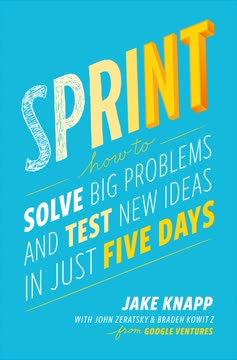
What's "Sprint: How to Solve Big Problems and Test New Ideas in Just Five Days" about?
- Overview: "Sprint" by Jake Knapp, John Zeratsky, and Braden Kowitz is a guide to solving big problems and testing new ideas in just five days. It outlines a structured process developed at Google Ventures.
- Purpose: The book aims to help teams quickly move from idea to prototype, allowing them to test and learn from real-world feedback without extensive time or resource investment.
- Structure: The sprint process is broken down into five days, each with specific tasks and goals, from understanding the problem to testing a prototype with real users.
- Audience: It's designed for teams in startups, large companies, and even educational settings who need a fast, efficient way to innovate and make decisions.
Why should I read "Sprint"?
- Efficiency: The book offers a proven method to accelerate decision-making and innovation, which is valuable for anyone facing tight deadlines or resource constraints.
- Practicality: It provides a step-by-step guide that can be applied to a wide range of challenges, making it a versatile tool for problem-solving.
- Real-world Examples: The authors share numerous case studies from their experiences at Google Ventures, illustrating the effectiveness of the sprint process.
- Team Collaboration: It emphasizes the importance of diverse team input and structured collaboration, which can improve team dynamics and outcomes.
What are the key takeaways of "Sprint"?
- Structured Process: The sprint is a five-day process that includes understanding the problem, sketching solutions, deciding on the best ideas, prototyping, and testing with users.
- Focus on Prototyping: The book stresses the importance of creating a realistic prototype quickly to gather user feedback and make informed decisions.
- Team Dynamics: It highlights the value of having a diverse team and a clear decision-maker to guide the process and ensure progress.
- Learning from Users: Testing with real users is crucial to validate ideas and uncover insights that can guide future development.
How does the sprint process work in "Sprint"?
- Day 1 - Understand: The team sets a long-term goal, maps the problem, and gathers insights from experts to identify key questions.
- Day 2 - Sketch: Team members work individually to sketch solutions, drawing on existing ideas and inspiration.
- Day 3 - Decide: The team reviews sketches, votes on the best ideas, and creates a storyboard for the prototype.
- Day 4 - Prototype: A realistic prototype is built quickly, focusing on creating a façade that appears real to users.
- Day 5 - Test: The prototype is tested with real users, and the team observes and learns from their reactions to inform next steps.
What is the "prototype mindset" in "Sprint"?
- Disposable Prototypes: Prototypes should be built quickly and be disposable, focusing on learning rather than perfection.
- Realistic Appearance: The prototype must appear real to users to elicit genuine reactions and feedback.
- Focus on Learning: The goal is to learn as much as possible from user interactions, not to create a finished product.
- Optimism and Resourcefulness: Teams should believe they can prototype anything and be resourceful in finding ways to simulate the final product.
How do you decide on the best ideas in "Sprint"?
- Heat Map Voting: Team members silently review sketches and use dot stickers to vote on the most promising parts of each idea.
- Speed Critique: The team discusses the highlights of each sketch, focusing on areas with the most votes.
- Straw Poll: Each team member votes for their favorite idea, providing input for the final decision.
- Supervote: The Decider makes the final call, using their judgment and the team's input to choose the ideas to prototype.
What role do team dynamics play in "Sprint"?
- Diverse Team: A mix of skills and perspectives is crucial for generating a wide range of ideas and solutions.
- Decider's Role: The Decider is responsible for making final decisions, ensuring the team stays focused and aligned.
- Facilitator's Role: The Facilitator manages the process, keeps the team on track, and ensures productive discussions.
- Collaboration and Independence: While collaboration is key, the process also emphasizes individual work to avoid groupthink and encourage diverse solutions.
How do you test prototypes with users in "Sprint"?
- Five-Act Interview: The interview is structured into five acts: a friendly welcome, context questions, prototype introduction, tasks and nudges, and a quick debrief.
- Think Aloud: Users are encouraged to think aloud as they interact with the prototype, providing insights into their thoughts and reactions.
- Observe Patterns: The team watches the interviews together, taking notes and looking for patterns in user feedback.
- Iterate Based on Feedback: The insights gathered from user testing inform the next steps, whether it's refining the prototype or pivoting to a new idea.
What are some real-world examples from "Sprint"?
- Slack: The book details how Slack used the sprint process to refine their product explanation for non-tech customers, leading to significant improvements.
- Blue Bottle Coffee: The team used a sprint to develop an online store that effectively conveyed their brand's quality and expertise.
- Savioke: The sprint helped Savioke develop a friendly robot personality that enhanced guest experiences in hotels.
- FitStar: The process was used to clarify the value proposition of a fitness app, leading to better user understanding and engagement.
What are the best quotes from "Sprint" and what do they mean?
- "Start at the end." This quote emphasizes the importance of defining a clear long-term goal and working backward to identify the steps needed to achieve it.
- "You can prototype anything." It highlights the book's core belief that with the right mindset and tools, any idea can be quickly turned into a testable prototype.
- "Work alone together." This phrase captures the balance between individual creativity and team collaboration, which is central to the sprint process.
- "The prototype must appear real." It underscores the necessity of creating a realistic façade to gather genuine user feedback.
How can "Sprint" be applied in different contexts?
- Startups: The sprint process is ideal for startups needing to quickly validate ideas and make informed decisions with limited resources.
- Large Companies: It can help large organizations innovate and solve complex problems by fostering a focused, collaborative environment.
- Education: Educators can use sprints to teach problem-solving and design thinking, as demonstrated by examples from universities and high schools.
- Nonprofits and Government: The process can be adapted to address challenges in these sectors, helping teams develop and test solutions efficiently.
What are some common challenges when implementing "Sprint"?
- Time Commitment: Clearing five full days for a sprint can be challenging, especially in larger organizations with busy schedules.
- Decider's Involvement: Ensuring the Decider is present and engaged throughout the sprint is crucial for making effective decisions.
- Prototyping Skills: Teams may need to learn new tools and techniques to create realistic prototypes quickly.
- User Recruitment: Finding and scheduling the right users for testing can be time-consuming but is essential for meaningful feedback.