Punti chiave
1. Rallentare per Scoprire i Tesori Nascosti della Vita
Quando tutto intorno a me corre così veloce, mi fermo e mi chiedo: "È il mondo a essere frenetico, o è la mia mente?"
L’illusione dell’essere occupati. La nostra percezione di un mondo caotico spesso nasce dalla nostra mente irrequieta. Rallentando e osservando i nostri pensieri, possiamo scoprire che gran parte dello stress ce lo imponiamo da soli. Questa consapevolezza ci permette di riprendere il controllo delle nostre esperienze e trovare pace nel mezzo del caos.
Accogliere momenti di consapevolezza. Inserisci piccole pause durante la giornata per riconnetterti con te stesso e con ciò che ti circonda. Questi attimi di quiete possono rivelare bellezza e significato nelle esperienze quotidiane che spesso trascuriamo correndo nella vita.
- Pratica la respirazione profonda per qualche minuto ogni giorno
- Fai una passeggiata consapevole, concentrandoti sui tuoi sensi
- Gusta i pasti senza distrazioni, assaporando ogni boccone
- Dedica tempo ad attività che ti portano gioia e rilassamento
2. Mindfulness: La Via per la Pace Interiore e l’Equilibrio Emotivo
Quando ti senti giù, osserva silenziosamente la sensazione senza cercare di cambiarla. Cambierà da sola.
Comprendere le emozioni. La mindfulness ci insegna a osservare le nostre emozioni senza giudizio né attaccamento. Creando uno spazio tra noi e i nostri sentimenti, possiamo affrontare le sfide della vita con maggiore chiarezza e calma.
Praticare il distacco. Impara a vedere i tuoi pensieri e le tue emozioni come esperienze temporanee, non come caratteristiche definitive della tua identità. Questo punto di vista ti aiuta a gestire le situazioni difficili con più facilità e resilienza.
- Medita regolarmente per coltivare la consapevolezza
- Dai un nome alle emozioni che emergono senza giudicarle
- Sii gentile con te stesso nei momenti difficili
- Esplora tecniche di mindfulness come il body scan e la meditazione della gentilezza amorevole
3. Navigare le Relazioni con Compassione e Comprensione
Se sei sincero nel cercare l’illuminazione, puoi imparare anche da un bambino, o da chi ti insulta per strada. Il mondo intero diventa il tuo maestro.
Coltivare l’empatia. Ogni incontro è un’opportunità di crescita e comprensione. Avvicinandoci alle relazioni con apertura e compassione, possiamo trarre insegnamenti preziosi anche dalle situazioni più difficili.
Praticare il perdono. Lascia andare risentimenti e rancori per liberarti da pesi emotivi. Perdonare non significa giustificare comportamenti dannosi, ma liberarsi dal dolore di trattenere la rabbia.
- Ascolta attivamente durante le conversazioni
- Cerca di comprendere il punto di vista altrui prima di rispondere
- Offri gentilezza e sostegno a chi ti sta intorno
- Rifletti sul tuo ruolo nei conflitti e nelle relazioni
4. L’Amore: Un Viaggio di Scoperta di Sé e Connessione
L’amore è caldo e liberatorio. È innocente, come un bambino senza secondi fini.
Amore autentico. Il vero amore si caratterizza per apertura, vulnerabilità e accettazione. Ci permette di essere noi stessi senza paura di giudizi o rifiuti.
Amare se stessi con compassione. Coltiva un rapporto amorevole con te stesso come base per relazioni sane con gli altri. Riconosci il tuo valore e trattati con la stessa gentilezza che riservi a chi ami.
- Prenditi cura di te e pratica l’autocompassione ogni giorno
- Stabilisci confini sani nelle relazioni
- Esprimi gratitudine per l’amore presente nella tua vita
- Permettiti di essere vulnerabile e autentico con gli altri
5. Accogliere le Sfide della Vita come Opportunità di Crescita
La vita ci insegna attraverso i nostri errori. Quando sbagli, chiediti semplicemente cosa dovevi imparare da quell’esperienza.
Riformulare l’avversità. Guarda le difficoltà e gli ostacoli come preziose occasioni di apprendimento, non come fallimenti. Questo cambiamento di prospettiva ti permette di affrontare le difficoltà con curiosità e resilienza.
Coltivare l’adattabilità. Sviluppa la capacità di adattarti ai cambiamenti con grazia e flessibilità. Accogli l’incertezza come parte integrante del cammino della vita.
- Rifletti sulle sfide passate e individua le lezioni apprese
- Pratica la mindfulness per restare presente nei momenti difficili
- Cerca supporto dagli altri quando affronti ostacoli
- Coltiva una mentalità di crescita abbracciando nuove esperienze e opportunità di apprendimento
6. Trova la Tua Vocazione Attraverso l’Esplorazione e la Consapevolezza di Sé
Sogna in grande ma inizia in piccolo. Un piccolo cambiamento può avere un grande impatto sulla tua vita.
Scoprire la tua passione. Trovare la vera vocazione spesso richiede sperimentazione e riflessione personale. Sii aperto a nuove esperienze e presta attenzione a ciò che ti dà energia e ispirazione.
Agire con piccoli passi. Parti da obiettivi modesti per costruire slancio e fiducia man mano che avanzi. Ricorda che il tuo percorso può evolvere nel tempo, quindi resta flessibile e aperto a nuove possibilità.
- Esplora interessi diversi attraverso letture, corsi o volontariato
- Rifletti sui tuoi valori, punti di forza e motivazioni personali
- Fissa obiettivi a breve termine raggiungibili e in linea con la tua visione più ampia
- Cerca mentor o guide nei campi che ti interessano
7. Coltivare la Spiritualità nella Vita Quotidiana
La verità non è proprietà esclusiva di una sola religione. Ha una qualità universale che permette a persone di tradizioni diverse di riconoscerla e rispettarla.
Trovare un terreno comune. Riconosci la saggezza e i valori condivisi tra le diverse tradizioni spirituali. Questa consapevolezza favorisce rispetto, compassione e unità tra credenze diverse.
Integrare la spiritualità. Inserisci pratiche spirituali nella tua vita quotidiana per coltivare pace interiore, compassione e un senso di connessione con qualcosa di più grande di te.
- Esplora differenti tradizioni e filosofie spirituali
- Pratica gratitudine e consapevolezza nei momenti di ogni giorno
- Impegnati in atti di gentilezza e servizio verso gli altri
- Trascorri tempo nella natura per connetterti con un senso di meraviglia e stupore
Altri hanno letto anche



FAQ
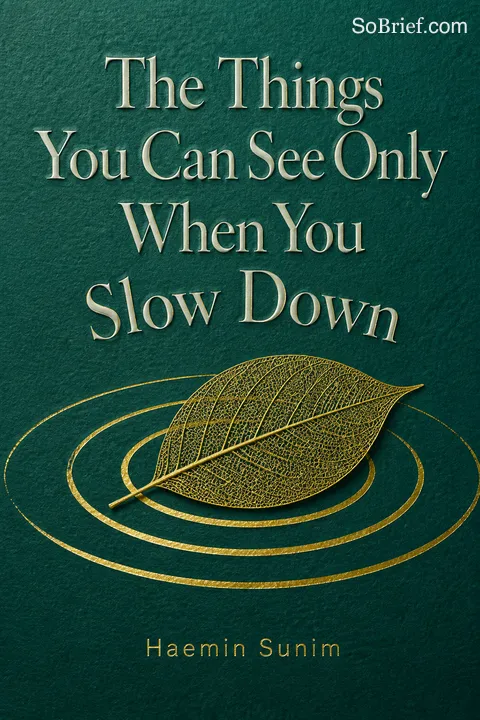
What's "The Things You Can See Only When You Slow Down" about?
- Author's Background: The book is written by Haemin Sunim, a Zen Buddhist teacher from South Korea, who shares insights on mindfulness and calmness in a fast-paced world.
- Core Message: It emphasizes the importance of slowing down to appreciate life, manage emotions, and improve relationships.
- Structure: The book is divided into eight chapters, each focusing on different aspects of life such as rest, mindfulness, passion, relationships, love, life, the future, and spirituality.
- Practical Advice: It offers practical advice and short messages to help readers reflect and meditate on their lives.
Why should I read "The Things You Can See Only When You Slow Down"?
- Mindfulness and Calmness: It provides guidance on how to be calm and mindful in a busy world, which is beneficial for mental health.
- Universal Appeal: The teachings are applicable to anyone, regardless of their background, as they address common life challenges.
- Inspirational Stories: The book includes stories and examples that inspire readers to reflect on their own lives.
- Artistic Touch: The book is complemented by calming illustrations, enhancing the reading experience.
What are the key takeaways of "The Things You Can See Only When You Slow Down"?
- Mind and World Connection: The book explains how our perception of the world is influenced by our mind's state.
- Emotional Awareness: It emphasizes the importance of being aware of and befriending our emotions rather than suppressing them.
- Balance in Relationships: Maintaining a balance between closeness and personal space is crucial for healthy relationships.
- Self-Compassion: The book encourages readers to treat themselves with kindness and to let go of resentment for personal freedom.
How does Haemin Sunim suggest we deal with negative emotions?
- Observe Emotions: Sunim advises observing negative emotions without judgment, allowing them to change naturally.
- Separate Labels from Energy: He suggests separating the raw energy of emotions from labels like "anger" or "jealousy."
- Witness with Love: Emotions should be witnessed attentively and lovingly, much like a mirror reflects without judgment.
- Temporary Nature: Recognize that negative emotions are temporary and will pass if not fed by dwelling on them.
What is the significance of slowing down according to Haemin Sunim?
- Clarity and Insight: Slowing down allows us to see our relationships, thoughts, and pain more clearly.
- Present Moment Awareness: It helps us appreciate the present moment and the beauty around us.
- Wisdom Emergence: Wisdom naturally arises when we slow down and notice what is already there.
- Silent Observer: Slowing down helps us connect with the silent observer within us, leading to self-awareness.
What are some of the best quotes from "The Things You Can See Only When You Slow Down" and what do they mean?
- "When your mind rests, the world also rests." This quote highlights the connection between our mental state and our perception of the world.
- "We know the world only through the window of our mind." It emphasizes that our understanding of the world is shaped by our mental state.
- "Love is like an uninvited guest." This suggests that love comes unexpectedly and cannot be forced or controlled.
- "The wise do not fight the world." It means that wisdom involves accepting the world as it is rather than resisting it.
How does Haemin Sunim address the concept of relationships in the book?
- Balance and Space: He compares relationships to sitting by a fireplace, where balance between closeness and space is essential.
- Humility and Respect: Treating others with humility and respect can prevent conflicts and foster good relationships.
- Forgiveness for Freedom: Forgiving others is important for personal freedom and happiness, not necessarily for the benefit of the other person.
- Understanding Differences: Recognizing and respecting differences in values and beliefs is crucial for maintaining harmony.
What advice does Haemin Sunim give for finding one's calling in life?
- Explore Widely: He suggests reading widely and gaining diverse experiences to discover different career options.
- Real-Life Experiences: Engaging in various jobs and internships can help uncover one's true interests and passions.
- Self-Awareness: Understanding one's strengths, weaknesses, and preferred work environment is key to finding a suitable career.
- Follow Your Heart: Choose a career based on personal interest rather than societal expectations or opinions.
How does the book address the theme of spirituality?
- Interfaith Respect: Sunim emphasizes the importance of respecting different spiritual paths and learning from them.
- Inner Peace: Spirituality is about finding inner peace and understanding, rather than adhering strictly to rituals.
- Universal Truths: The book highlights that truth is universal and can be found in various religious teachings.
- Spiritual Practice: True spirituality involves embodying love and compassion in everyday life, beyond religious symbols.
What role does mindfulness play in "The Things You Can See Only When You Slow Down"?
- Emotional Regulation: Mindfulness helps in managing emotions by observing them without judgment.
- Present Moment Focus: It encourages focusing on the present moment to reduce stress and anxiety.
- Self-Discovery: Mindfulness practices lead to greater self-awareness and understanding of one's true nature.
- Compassionate Living: Being mindful allows for more compassionate interactions with others and oneself.
How does Haemin Sunim suggest we handle life's disappointments?
- Pause and Rest: When faced with disappointment, take a moment to pause and rest before reacting.
- Seek Support: Surround yourself with friends and share your feelings to alleviate the burden.
- Engage in Joyful Activities: Watching a comedy or listening to music can help lift your spirits.
- Self-Compassion: Treat yourself with kindness and allow time for healing and reflection.
What is the "silent observer" mentioned in the book?
- Inner Witness: The silent observer is the part of us that witnesses everything inside and outside without judgment.
- Primordial Stillness: It exists in the primordial stillness within us, beyond thoughts and emotions.
- Self-Realization: Recognizing the silent observer leads to self-realization and understanding of one's original face.
- Connection to Wisdom: Befriending the silent observer allows wisdom to naturally arise as we slow down and notice the present moment.



Scarica PDF
Scarica EPUB
.epub digital book format is ideal for reading ebooks on phones, tablets, and e-readers.








































