重要ポイント
1. 哲学は人間の本質を照らし、より良い生き方を導く
「道徳哲学全体は、私たちの困難で利己的、衝動的かつ未熟な性質に対処し、他者と共に生き、世界で効果的に機能する方法を見つけることに向かうべきである。」
古代の知恵は現代にも通じる。 哲学は抽象的な学問にとどまらず、充実した人生を送るための実践的な指針を提供する。プラトンの自己認識の重視からアリストテレスの徳の探求に至るまで、これらの思想家は自己理解と世界における自分の位置づけを考える枠組みを示している。
人生の困難を乗り越えるために。 エピクロスやストア派の哲学者たちは、欲望の管理、制御できないものの受容、内なる平穏の育成といった教えを通じて、幸福と安寧を見出す方法を示す。これらの教えは、速いペースで不安に満ちた現代社会においてもなお深い意義を持つ。
・主要な哲学的概念:
- プラトンの洞窟の比喩:現実認識への疑問
- アリストテレスの中庸:極端の間のバランスを見つける
- ストア哲学:制御可能なものに焦点を当てる
- エピクロス主義:控えめな快楽の追求と苦痛の回避
2. 政治理論は社会と統治の理解を形作る
「良い経済を創る真の課題は、モリスが示すように、ずっと身近なところにある。」
権力構造と人間性。 マキャヴェリからマルクスに至る政治理論家たちは、権力、公正、社会の組織に関する根本的な問いに取り組んできた。彼らの洞察は、統治の複雑さや公正で機能的な政治システムを築く難しさを理解する助けとなる。
理想と現実。 一部の理論家はユートピア的なビジョンを提唱し、他は現実的な改善策に注力する。政治思想における理想主義と現実主義の緊張は、社会の多様な利害や価値観の調整という継続的な闘いを反映している。
・主要な政治概念:
- 社会契約説:正当な政治権威の基盤
- 権力分立:政府の抑制と均衡
- 資本主義対社会主義:競合する経済体制
- 民主主義:民衆統治の課題と強み
3. 東洋哲学は人生と存在に独自の視点を提供する
「器の有用性はその空虚さにある。すべてを空にし、心を静めよ。」
調和とバランス。 仏教や道教などの東洋哲学は、万物の相互連関と人生におけるバランスの重要性を強調する。これらの教えは、西洋の個人主義や物質主義とは異なる視点を示す。
マインドフルネスと現在への意識。 東洋思想はしばしば現在の瞬間への気づきと内なる平和の育成に焦点を当てる。瞑想やマインドフルネスといった実践は、西洋でも広まりつつあるが、その起源はこれらの古代の伝統にある。
・主要な東洋の概念:
- 仏陀の四諦:苦しみの理解と克服
- 道:宇宙の自然な秩序
- 禅:直接的な体験と直感的理解
- 儒教:個人の修養による社会的調和
4. 社会学は社会構造と人間行動の理解を助ける
「私たちは集団として、自分たちが本当に望むものとその理由、そしてあるものがどれほどの価値を持つか(つまりどれだけ支払う覚悟があるか)をより明確にする必要がある。」
社会的力と個人の生活。 デュルケームやウェーバーのような社会学者は、社会構造が私たちの行動、信念、機会にどのように影響するかを明らかにする。これらの力を理解することで、社会をより効果的に渡り歩き、前向きな変化を促すことが可能となる。
文化批評と進歩。 社会学的洞察は、社会制度や文化的規範を批判的に検討する視点を提供する。これは不平等、差別、社会的不正義といった問題に取り組む上で不可欠である。
・主要な社会学的概念:
- 社会構築主義:社会的相互作用による現実の形成
- 機能主義:相互に関連する社会システムとしての社会
- 葛藤理論:社会的不平等と権力の力学
- 象徴的相互作用主義:社会的記号を通じた意味づけ
5. 心理療法は心と人間関係の理解の道具を提供する
「私たちはフロイトの継承者であり、彼が課した課題は今なお続いている。新たな帰属の形を創造し、個人への圧力を軽減し、自由と連帯の正しいバランスを見つけ、自らの失敗を過度に個人的かつ悲劇的に受け止めないイデオロギーを生み出すことである。」
自己認識と成長。 フロイト、ユング、ウィニコットらの精神分析的思想家は、無意識の動機、幼少期の経験、対人関係のパターンを理解する枠組みを提供する。この自己理解は個人の成長と人間関係の改善につながる。
癒しと回復力。 心理療法は、精神的健康問題やトラウマ、人生の困難に対処するための手段を与える。自らの心理的構造を理解することで、より強靭な精神と感情的な健康を育むことができる。
・主要な心理療法の概念:
- フロイトの無意識:隠れた動機と欲望
- 愛着理論:幼少期の関係が成人行動に影響
- 認知行動療法:思考パターンの変容
- マインドフルネス療法:現在の瞬間への気づき
6. 芸術と建築は文化的価値を映し出し、影響を与える
「理想的には、建築は私たちのより良き自己を体現する。理想の建物は理想の人間のようなものである。」
美と意味。 マティス、ホッパー、ニーマイヤーらの芸術家や建築家は、視覚的な美しさだけでなく、人間の経験に関する深い意味を伝える作品を創造する。彼らの創作は、私たちに刺激を与え、思考を促し、文化的アイデンティティを形成する。
形と機能。 ディーター・ラムスのようなデザイナーは、日常の物が美的かつ機能的な理想を体現できることを示す。良いデザインは私たちの日常生活を向上させ、シンプルさ、持続可能性、革新といった価値観を反映する。
・主要な芸術・建築の概念:
- モダニズム:伝統的形式からの脱却
- 機能主義:形は機能に従う
- 抽象表現主義:感情的かつ自発的な芸術
- ポストモダニズム:芸術と建築における大きな物語への挑戦
7. 文学は人間性と社会に深い洞察をもたらす
「オースティンは捉えどころのないが重要な態度へと舵を取っている。お金はある面では非常に重要であり、また別の面では重要でない。単純に賛成か反対かではないのだ。」
人間性の解明。 ジェーン・オースティンからレフ・トルストイに至る偉大な文学は、人間の心理、関係性、社会的動態に深い洞察を与える。魅力的な物語を通じて、人間経験の複雑さを探求できる。
社会的評論と批評。 多くの作家は作品を通じて社会を批評し、階級、性別、政治といった問題に対する視点を提供する。文学は社会的意識と変革の強力な手段となりうる。
・主要な文学的概念:
- 登場人物の成長:人間の複雑さの探求
- 物語構造:語りを通じた意味の形成
- 象徴と比喩:深い意味の伝達
- 社会的リアリズム:社会の課題と矛盾の描写
レビューまとめ
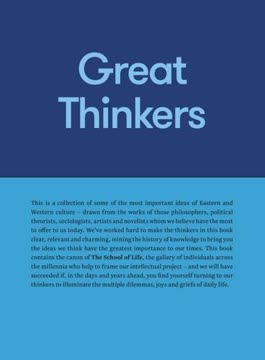
『偉大な思想家たち』は、多様な分野の影響力ある思想家をわかりやすく紹介している点で、概ね好意的な評価を受けている。読者はその簡潔な構成や、さらなる探求への興味を喚起する力を高く評価している。一方で、西洋中心的な視点や複雑な思想の単純化を指摘する声もある。多くの読者にとって刺激的で貴重な参考書とされる一方、内容がやや基礎的すぎると感じる人もいる。本書の「哲学を日常生活に役立てる」という目的は多くの読者の共感を呼び、その魅力的な文体と多彩な思想家の選定が称賛されている。
他の人が読んだ本




よくある質問
What is Great Thinkers: Simple Tools from 60 Great Thinkers to Improve Your Life Today by The School of Life about?
- Comprehensive collection of ideas: The book distills the wisdom of 60 influential thinkers from philosophy, political theory, sociology, psychology, art, architecture, and literature.
- Practical focus: It aims to present these ideas in a clear, accessible way, emphasizing their relevance to modern life and personal growth.
- Emotional intelligence and culture: The School of Life highlights how cultural knowledge and emotional intelligence can help readers navigate daily challenges.
- Applied philosophy: Rather than being purely theoretical, the book is designed as a toolkit for improving life through intellectual and emotional insights.
Why should I read Great Thinkers by The School of Life?
- Guidance for modern dilemmas: The book offers practical wisdom from history, helping readers address political, professional, and personal challenges.
- Emphasis on emotional intelligence: It prioritizes self-understanding, compassion, and communication, making it especially useful for personal development.
- Accessible and engaging: Complex ideas are made simple and memorable, avoiding dense academic language.
- Bridges past and present: The book shows how ancient and modern wisdom can be applied to contemporary life, making philosophy actionable.
What are the key takeaways from Great Thinkers by The School of Life?
- Practical application of ideas: The book demonstrates how philosophical and cultural concepts can be used to solve everyday problems.
- Diverse perspectives: It covers a wide range of thinkers, from Plato and Aristotle to Rachel Carson and Jane Jacobs, offering tools for both personal and societal betterment.
- Emotional and cultural growth: Readers are encouraged to use culture and philosophy for consolation, guidance, and self-improvement.
- Balance of realism and hope: The book teaches acceptance of life’s frustrations while maintaining optimism for progress and change.
How does Great Thinkers by The School of Life define a "great thinker"?
- Helpfulness in modern life: A great thinker is someone whose ideas are most likely to be useful and relevant to contemporary challenges.
- Selective and practical canon: The book favors thinkers who address leading problems of our times, not just those with historical fame.
- Clarity and impact: Great thinkers are chosen for their ability to express key ideas simply and memorably, making them easy to apply in daily life.
- Focus on emotional and intellectual growth: The selected thinkers contribute to both personal development and societal understanding.
What is Plato’s advice on love and relationships in Great Thinkers by The School of Life?
- Love as education: Plato views love as a process where partners help each other grow by admiring and developing qualities they lack.
- Growth over perfection: The goal of love is mutual improvement, not unconditional acceptance of flaws.
- Contrast with modern views: This approach challenges the idea that love means loving someone exactly as they are, instead advocating for supportive transformation.
- Navigating difficulties: Plato acknowledges that love involves challenges but sees them as opportunities for personal and relational growth.
What practical advice does Stoicism offer for dealing with anxiety in Great Thinkers by The School of Life?
- Premeditation of worst cases: Stoics suggest imagining the worst possible outcomes to reduce fear and anxiety.
- Acceptance of fate: They teach that many things are beyond our control, and we should not cling too tightly to external achievements or relationships.
- Cosmic perspective: Reflecting on the vastness of the universe helps put personal troubles in perspective.
- Focus on what can be controlled: Stoicism encourages directing energy toward actions and attitudes within our power.
How does Great Thinkers by The School of Life describe Epicurus’s approach to happiness?
- Rejects false needs: Epicurus argues that happiness does not depend on romantic love, wealth, or luxury.
- Values friendship and calm: True happiness comes from close friendships, meaningful work, and inner tranquility achieved through rational reflection.
- Communal living: Epicurus promoted living simply in supportive communities to foster philosophical growth and well-being.
- Rational insight: He believed that understanding and challenging false beliefs is key to achieving lasting happiness.
What are the main lessons from Alexis de Tocqueville’s analysis of democracy in Great Thinkers by The School of Life?
- Democracy’s double-edged nature: Tocqueville identifies inherent challenges in democracy, such as materialism, envy, and the tyranny of the majority.
- Materialism and social judgment: He notes that money becomes the main measure of success, leading to envy and shame.
- Suppression of minority opinions: Democracy can promote conformity and discourage exceptional merit or dissent.
- Acceptance and hope: Tocqueville teaches that these issues are part of democracy’s nature, encouraging acceptance while striving for progress.
How does Max Weber explain the origins and spread of capitalism in Great Thinkers by The School of Life?
- Religion as a catalyst: Weber attributes the rise of capitalism to Protestant religious ideas, especially Calvinism and Puritanism.
- Work ethic and discipline: He highlights the role of religiously inspired moral discipline and the sanctity of hard work.
- Cultural change over material aid: Weber argues that spreading capitalism requires changing cultural attitudes, not just providing money or technology.
- Five religious factors: These include Protestant guilt, the holiness of all work, community focus, and rational rejection of miracles.
What psychological insights does Émile Durkheim provide about capitalism and modern society in Great Thinkers by The School of Life?
- Capitalism’s psychological costs: Durkheim observes increased suicide rates and mental distress in capitalist societies despite material wealth.
- Five key factors: He identifies individualism, excessive hope, too much freedom, atheism, and weakened family/nation ties as sources of modern malaise.
- Need for new social bonds: Durkheim stresses the importance of creating new forms of belonging and solidarity.
- Paradox of prosperity: Material progress does not guarantee psychological well-being, highlighting the need for community and meaning.
What are Anna Freud’s key contributions to understanding defense mechanisms in Great Thinkers by The School of Life?
- Defense mechanisms protect the ego: Anna Freud identified ten unconscious strategies people use to shield themselves from psychological pain.
- Involuntary and instinctive: These mechanisms, such as denial and projection, operate automatically and often distort reality.
- Encourages self-awareness: Understanding defense mechanisms fosters humility and compassion for oneself and others.
- Universal relevance: Anna Freud’s insights reveal that everyone uses these defenses, often without conscious recognition.
How does Jane Jacobs’ urban theory challenge modern city planning in Great Thinkers by The School of Life?
- Cities as ecosystems: Jacobs argues for mixed-use neighborhoods that foster constant activity and social interaction.
- Four generators of diversity: She advocates for small blocks, a mix of old and new buildings, density, and diversity to create vibrant urban environments.
- People-centered planning: Jacobs opposes top-down, car-centric urban renewal, emphasizing design for human needs and social capital.
- Safety and community: Her concept of ‘eyes on the street’ highlights the importance of community presence for urban safety and vitality.
著者について
同じ著者の他の本: ザ・スクール・オブ・ライフ