重要ポイント
1. 行動を最優先し、情報の無限消費をやめる
>「知識は、行動を決定しなければ、私たちにとって死んだも同然である。」
過剰な学習をやめる。 著者のパット・フリンは、自身を「過学習者」と認めている。つまり、常にコンテンツを消費し続けるものの、それを実践に移さなかったのだ。この情報の蓄積は、特に大不況時の解雇後に、行動の停滞とフラストレーションを招いた。彼は知識だけでは不十分であり、真の進歩は行動によってもたらされると気づいた。
情報過多の問題。 現代は情報で溢れかえり、「インスピレーション過多」や過剰な思考に陥りやすい。この絶え間ない消費は、単純な決断を遅らせ、前進を妨げることが多い。重要なのは、受動的な消費から能動的な応用へとシフトすることである。
行動こそが進歩。 パットのビジネスコーチ、ジェレミーは、彼が最初の電子書籍の計画に行き詰まった際、「とにかく始めろ(JFGS)」と率直に言った。この助言は、計画ばかりが実際の進歩を妨げていることを示した。真の学びは、ただ消費するのではなく、実際に行動を起こしたときに始まる。
2. キーストーン・クエスチョンで次の一歩をシンプルにする
>「もしこれが簡単だったら、どんな姿をしているだろうか?」
明確さを解き放つ。 ティム・フェリスに着想を得たこの「キーストーン・クエスチョン(ITWEWWILL)」は、圧倒される感覚を切り裂き、前進に必要な最小限の実行可能な行動(MVA)を見極める助けとなる。複雑に見えるものを取り除き、最もシンプルな道に集中することを促す。
実践例。 パットとケイレブがSwitchPod三脚を開発する際、あらゆる段階でこの問いを用いた。その結果、
- 段ボール箱で試作品を作り、
- 会議でYouTuberに寸法を尋ね、
- 新製品を一から作るのではなく、アクセサリーのホワイトラベル化で拡大した。
今いる場所から始める。 シエラレオネの若き発明家ケルビン・ドウの例も示唆的だ。彼は廃棄された部品を分解しながら電子工学を学び、「もし電子工学の学びが簡単だったら、どんな姿か?」と自問した。答えは、手元の資源を使い、実践を通じて学ぶことだった。
3. 不完全さを受け入れ、すべての失敗から学ぶ
>「達人になる前に、まずは大失敗を経験しなければならない。」
失敗は教師である。 社会は失敗を忌み嫌う傾向にあるが、リーン・ラーナーにとって失敗は貴重な学習機会だ。即時のフィードバックをもたらし、好奇心を刺激し、理論的知識では得られない深い理解を促す。
失敗の種類。 ハーバードのエイミー・エドモンドソン教授は三種類を挙げている。
- 基本的失敗:既知の「正しい方法」を守らなかった場合。
- 複雑な失敗:馴染みのある状況で複数の要因が絡んだ場合。
- 知的失敗:新しい試みが新しい文脈で予期せぬ結果を生んだ場合。
特に知的失敗は、小さく心理的に安全なリスクを伴い、イノベーションと成長に不可欠である。
レジリエンスの構築。 パットの初期ビジネスは商標侵害で差し止め通知を受けたが、彼は諦めずにブランドを変更し、貴重な法的教訓を得た。この経験はレジリエンスを育み、敗北の可能性を成長の原動力に変えた。
4. チャンピオンを活用する:メンター、仲間、コミュニティ
>「一人ではできることは少ないが、共にあれば多くのことが可能だ。」
支援の仕組み。 偉業は誰も一人で成し遂げられない。チャンピオン—友人、家族、仲間、メンター—は重要な支援、指導、責任感を提供する。バーバラ・コーエン博士のポッドキャスト挑戦も、技術への恐怖を抱えながらコミュニティの支えで成功した。
チャンピオンの種類:
- 友人・家族:感情的支援と成功の祝福を提供。
- 仲間:共通の経験から独自の洞察や協力をもたらす(例:マスターマインドグループ)。
- バーチャルメンター:書籍やポッドキャストなどで知識を共有する専門家。
- パーソナルメンター:個別に指導し、責任を持たせる存在。
相互扶助が鍵。 他者を励ましたり資源を共有したりしてチャンピオンとなることは、コミュニティを強化し、学びの体験を豊かにする。
5. 必要な情報だけをタイムリーに取り入れ、集中力を守る
>「体系的な指導は、無作為な断片的情報より優れている。」
ノイズからの解放。 パットのゴルフ仲間ジョージが無数のゴルフ理論を避けて成功したように、リーン・ラーニングは不要な情報から「購読解除」することを推奨する。次の一歩に必要なものだけに集中するのだ。
ジャストインタイム情報(JITI)。 これはリーン・ラーニングの核心原則で、目の前の課題に必要な情報だけを取得することを意味する。パットは学習ガイド作成時、フォーマットや内容に集中し、カバーデザインや販売ページは後回しにした。
FOMO(取り残される恐怖)への対策。 進歩を妨げるFOMOには、
- 緊急でない情報は「後で読む」システムに回す、
- 自分の選んだ道を信じる、
- 情報の境界線を明確にする、
- FOMOを見直しのチェックポイントに使う、
- 「動詞としてのタイムブロッキング」を実践し、集中できる時間を確保する、
などの戦略が有効である。
6. 自発的な強制力を活用し、成長を加速させる
>「道が簡単なら、おそらく間違った方向に進んでいる。」
意図的なプレッシャー。 自発的強制力とは、自ら課す挑戦であり、行動を促し学びを加速させる。パットの初めての公のスピーチは恐怖を抱えながらも、準備を強制し大きな成長をもたらした。
効果的な強制力の要素:
- 信念の飛躍:今すぐ始めると決めること。
- 時間制限の約束:譲れない締め切り。
- 十分な緊張感:動機付けにはなるが、麻痺させない程度のプレッシャー。
- 意義ある挑戦:個人の成長や価値観に合致。
- 達成後の報酬:新たな機会の解放。
戦略的な共有。 目標を公言すると逆効果になることもあるが、尊敬する「上位の存在」に伝えることで強力な動機付けと責任感を得られる。
7. 定期的に進路を見直し、意図的に継続か方向転換を選ぶ
>「人生はオートパイロットで進む旅ではない。」
「なぜ」を再確認する。 定期的に自分の根本的な目的や信念に立ち返ることは、意思決定の指針となる。シェーンとジョセリン・サムズの起業の旅は、家族のために自由であるという「なぜ」に支えられていた。
個人的追求の3つのP:
- 進歩(Progress):節目を祝福し、前進しているか評価する。
- 情熱(Passion):熱意とエネルギーが持続しているか見極める。
- 目的(Purpose):核心的価値観や長期的ビジョンと整合しているか確認する。
パーソナルミッションステートメント。 自分の価値観とビジョンを明確かつ簡潔に表現したものを作成する。これが「北極星」となり、機会を評価し、迷ったときに軌道修正を助ける。
8. マイクロマスタリーと大胆な量子的飛躍を組み合わせる
>「幸運は大胆な者に味方する。」
マイクロマスタリー。 小さく具体的で段階的な改善に集中し、それを積み重ねていく手法だ。オリ・ベンガルこと「カウチサーフィン・オリ」は、数千枚の作品で筆遣いや色彩など一つの細部に徹底的に注力し、劇的に技術を向上させた。
複利効果。 セールスファネルの一部のコンバージョン率を倍増させるだけで、トラフィックを増やさずに売上が倍増するなど、小さな改善が指数的な成果を生む。
量子的飛躍。 計算されたリスクを取り、快適圏を超えて急激な進歩を遂げること。ネイサン・バリーは、利益を上げていた出版事業を閉じてConvertKitに全力投球し、業界のリーダーへと変貌を遂げた。
9. 教え、導くことで学びを確固たるものにする
>「教えることで、私たちは学ぶ。」
教えることは学びを強化する。 知識を共有する過程で複雑な概念を分解し、理解の穴を見つけ、効果的に表現する力が養われる。パットの「スマートな電子書籍の作り方」ガイドは、他者の助けになるだけでなく、自身の執筆プロセスも効率化した。
教えることの利点:
- 自身の理解が深まる。
- 信頼性と権威が確立される。
- 意義ある人間関係が築かれる。
- ポジティブな連鎖反応が生まれる。
公開の場で学ぶ。 ブログやSNS、オープンソースプロジェクトなどで過程や課題、洞察を公開する「学びの声出し」は、フィードバックや協力を呼び込み、信頼を築く。アルヴィド・カールのPodscan.fm開発の透明性はその好例だ。
コミュニティを築く。 オンラインや対面で志を同じくする人々の場を作り育てることは、共に成長し支え合う文化を育む。パットのSPIコミュニティやカードパーティーイベントは、個人の成功を集合的な影響力に変えている。
レビューまとめ
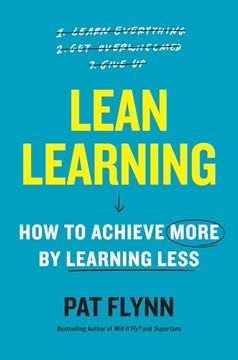
『Lean Learning』は、おおむね好意的な評価を受けている。本書は効率的な学習法や目標達成に関する実践的な助言が高く評価されている。多くの読者は、重要な情報の優先順位付けと過度な調査よりも行動を重視する点に共感している。特に起業家や生涯学習者にとって有益だと感じる人が多い。一部の読者は、途中から起業に関する内容に重点が移ったと指摘している。総じて、本書は学習戦略や生産性の向上に役立つとされ、自己成長のための必読書とみなす人もいる。
他の人が読んだ本


 イマーシブ
イマーシブ
よくある質問
1. What is "Lean Learning: How to Achieve More by Learning Less" by Pat Flynn about?
- Core Premise: The book introduces "Lean Learning," a method for acquiring new skills and knowledge efficiently by focusing on just what you need, taking action quickly, and avoiding information overload.
- Personal and Professional Growth: Pat Flynn shares his journey from over-learner to successful entrepreneur, illustrating how Lean Learning can help anyone adapt, grow, and thrive in a rapidly changing world.
- Action-Oriented Framework: The book emphasizes moving from passive consumption to active implementation, using real-life stories, practical exercises, and a step-by-step process.
- Audience: It's designed for entrepreneurs, professionals, lifelong learners, and anyone overwhelmed by too much information or struggling to turn inspiration into results.
2. Why should I read "Lean Learning" by Pat Flynn?
- Overcome Information Overload: The book addresses the modern problem of being paralyzed by too much information and offers a clear path to cut through the noise.
- Practical, Actionable Advice: Pat Flynn provides a simple, repeatable framework that helps readers move from inspiration to action, making learning more effective and less overwhelming.
- Real-World Examples: The book is filled with relatable stories—from preschoolers solving real problems to entrepreneurs making bold pivots—that demonstrate Lean Learning in action.
- Applicable to All Areas: Whether you want to learn a new skill, start a business, or simply be more productive, the Lean Learning method can be tailored to any goal or challenge.
3. What are the key takeaways from "Lean Learning" by Pat Flynn?
- Learn Just Enough: Focus on acquiring only the information you need to take the next step, rather than trying to know everything before starting.
- Action Over Accumulation: Progress comes from doing, not just learning; mistakes and imperfection are essential parts of the process.
- Champions Matter: Surround yourself with mentors, peers, and supportive communities to accelerate learning and overcome obstacles.
- Regular Reflection: Periodically assess your progress, passion, and purpose to decide whether to persist or pivot.
- Teach to Master: Sharing your knowledge with others reinforces your own learning and creates a positive feedback loop.
4. What is the Lean Learning method as defined by Pat Flynn?
- Four-Step Process: 1) Identify what you want to accomplish next, 2) Learn only what you need to move forward, 3) Implement what you’ve learned, 4) Review and repeat to refine and deepen your skills.
- Simplicity Over Complexity: The method intentionally avoids overcomplicating learning, focusing on efficiency and effectiveness.
- Just-in-Time Information: Only seek out information relevant to your immediate next step, avoiding the trap of "just-in-case" learning.
- Iterative Improvement: Each cycle of the process builds on the last, allowing for continuous growth and adaptation.
5. How does Pat Flynn address information overload and inspiration overload in "Lean Learning"?
- Inspiration Matrix: Flynn introduces a tool to categorize ideas and inspirations into Passion Pursuits, Critical Commitments, Recreational Inspirations, and Junk Sparks, helping you prioritize what matters.
- Selective Curiosity: Encourages being intentional about which inspirations to pursue, rather than chasing every new idea.
- Time Travel Exercise: Recommends visualizing your future self after pursuing an inspiration to determine if it’s truly worth your time.
- Saying No: Emphasizes the importance of eliminating distractions and "Junk Sparks" to focus energy on meaningful pursuits.
6. What is "Just-in-Time Information" and how does it work in Lean Learning?
- Definition: Just-in-Time Information (JITI) is the practice of seeking out only the information you need for your immediate next step, rather than stockpiling knowledge for potential future use.
- Prevents Overwhelm: This approach helps avoid information overload and keeps you focused on actionable tasks.
- Practical Application: Flynn shares examples from his own business, showing how JITI allowed him to make progress quickly by learning only what was necessary at each stage.
- Tools and Boundaries: Suggests using "For Later" folders and setting information boundaries to manage FOMO and stay on track.
7. What role do mistakes and imperfection play in the Lean Learning approach?
- Mistakes as Learning Opportunities: Flynn argues that mistakes are not failures but essential feedback that deepen understanding and accelerate growth.
- Embracing Imperfection: The book encourages starting before you feel ready and accepting that your first attempts will be imperfect.
- Types of Failure: Cites research on basic, complex, and intelligent failures, advocating for "intelligent failure"—small, recoverable risks that lead to innovation.
- Resilience and Innovation: Learning from mistakes builds resilience and often leads to unexpected breakthroughs.
8. How does Pat Flynn recommend you protect your progress and stay focused in "Lean Learning"?
- Unsubscribe and Unfollow: Actively remove sources of unnecessary information and distractions from your environment.
- Time Blocking: Use intentional scheduling to create distraction-free periods for focused work, treating these blocks as non-negotiable.
- Dealing with Anti-Champions: Recognize and distance yourself from negative influences or "crabs in a bucket" who may try to pull you down.
- Joy of Opting Out: Learn to say no to opportunities that don’t align with your core values or current priorities, preserving energy for what matters most.
9. What are "Voluntary Force Functions" and "Power 10s" in the context of Lean Learning?
- Voluntary Force Functions: These are self-imposed challenges or constraints (like deadlines, public commitments, or high-stakes situations) that force you to take action and grow.
- Recipe for Success: Effective force functions include a leap of faith, a time-locked commitment, high stakes, a meaningful challenge, and clear rewards.
- Power 10s: Inspired by rowing, a Power 10 is a short, intense burst of focused effort to break through plateaus or accelerate progress.
- Strategic Use: Both concepts are about intentionally creating pressure or urgency to catalyze learning and achievement, rather than waiting for external circumstances to force your hand.
10. How does "Lean Learning" by Pat Flynn help you decide when to persist or pivot?
- Self-Assessment Sessions: Regularly schedule time to reflect on your progress, passion, and purpose (the "three Ps") to evaluate if your current path is still right for you.
- Reconnect with Your Why: Use personal mission statements and "Why-FI" (Why Focused Introspection) to ensure your actions align with your core values and long-term vision.
- Seek Feedback: Gather input from mentors, peers, and trusted friends to gain perspective and identify blind spots.
- Embrace Change: Recognize that pivoting is not failure but a strategic adjustment to stay aligned with your goals and values.
11. What is Micro Mastery versus Quantum Leaps in Lean Learning, and how do they accelerate growth?
- Micro Mastery: Focuses on breaking down skills into the smallest possible components and improving one at a time, leading to compounding progress.
- Quantum Leaps: Involve bold, high-impact moves or decisions that can rapidly accelerate your trajectory, such as doubling down on a business or making a major career shift.
- When to Use Each: Micro Mastery is best for steady, sustainable growth, while Quantum Leaps are for moments when a significant breakthrough is needed.
- Combined Approach: Flynn advocates using both—incremental improvements for long-term mastery and bold moves when the situation calls for it.
12. How does teaching and working in public reinforce learning in the Lean Learning framework?
- Teaching to Learn: Sharing your knowledge with others forces you to clarify your understanding and exposes gaps in your knowledge.
- Learning Out Loud: Documenting your process and progress publicly (via blogs, social media, or community forums) creates accountability and invites feedback.
- Building Community: Engaging with others—whether by teaching, collaborating, or participating in mastermind groups—amplifies learning and creates opportunities for growth.
- Ripple Effect: Teaching not only solidifies your own mastery but also helps others, creating a virtuous cycle of learning and leading.