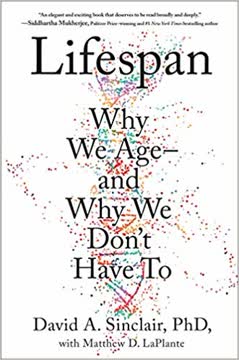
重要ポイント
1. 老化は避けられない自然現象ではなく、治療可能な病気である
>老化とは、端的に言えば情報の喪失である。
パラダイムシフト。 老化を避けられない衰退とみなす従来の見方は、科学的発見によって揺らいでいる。老化は病気の特徴を示しており、生活の質を制限し、特有の病理を持ち、身体的・認知的機能に影響を与える。ほかの病気と異なり、老化はすべての人に影響を及ぼすため、歴史的に病気として分類されてこなかった。しかし、老化の根本的なメカニズムが明らかになるにつれて、この見解は変わりつつある。
治療可能な状態。 老化を治療可能な状態と認識することは、研究や介入の新たな道を開く。個々の加齢関連疾患ではなく、老化の根本原因を標的にすることで、多様な健康問題を同時に予防または遅延させる可能性がある。このアプローチは医療の革命をもたらし、症状の治療から生涯にわたる健康と活力の維持へと焦点を移すだろう。
2. 老化の情報理論:エピジェネティック情報の喪失が老化を促進する
>生物学的、化学的、物理的な法則の中に、私たちが必ず老いると定めるものは存在しない。
エピジェネティックノイズ。 老化の情報理論は、老化が時間の経過とともにエピジェネティック情報の喪失によって引き起こされるとする。この喪失が細胞機能の障害や老化の特徴的な現象をもたらす。遺伝情報は生涯を通じてほぼ保たれるのに対し、エピジェネティック情報は劣化しやすい。
生存回路。 この理論は数十億年前に進化した古代の細胞生存メカニズムに根ざしている。細胞がストレスやDNA損傷に直面すると、サーチュインなどのエピジェネティック調節因子が修復に動員される。しかし、この過程はエピジェネティック変化や細胞のアイデンティティ喪失を引き起こすことがある。このメカニズムの理解は、エピジェネティック情報を維持・回復し、老化の進行を遅らせたり逆転させたりする介入法の開発に道を開く。
3. 生活習慣の改善は長寿遺伝子を活性化し、老化を遅らせる
>食事の回数を減らせ。
カロリー制限。 栄養不足にならない範囲でのカロリー制限は、寿命延長に最も確立された介入法の一つだ。この方法は長寿遺伝子や細胞修復機構を活性化する。しかし、厳格なカロリー制限は長期的に維持するのが難しい。
実践的な方法:
- 間欠的断食:食事時間を限定する
- 運動:特に高強度インターバルトレーニングを含む定期的な身体活動
- 寒冷曝露:短時間の寒冷ストレスが褐色脂肪や長寿経路を活性化する
- 植物中心の食事:動物性タンパク質を減らし、植物由来の栄養素に重点を置く
これらの生活習慣はカロリー制限の効果を模倣し、厳しい食事制限なしに同様の長寿経路を活性化できる。
4. 新興の医薬品は健康寿命と寿命の延長に期待を示す
>長く活力に満ちた人生――単に寿命が延びるだけでなく、より活動的で健康的かつ幸福な年月が増えること――が訪れつつある。それは多くの人が予想するよりも早くやってくる。
ラパマイシンとメトホルミン。 これらの薬は元々別の目的で開発されたが、動物実験で寿命と健康寿命の延長効果が示されている。ラパマイシンはmTOR経路を抑制し、メトホルミンはAMPKを活性化し、いずれも細胞のエネルギー調節と長寿に関与する。
NADブースター。 NMN(ニコチンアミドモノヌクレオチド)やNR(ニコチンアミドリボシド)などの化合物は、細胞のエネルギー産生とサーチュイン活性化に不可欠なNADのレベルを増加させる。これらは動物実験で健康の様々な側面を改善し、寿命延長の可能性を示している。
セノリティクス。 老化に伴い蓄積する老化細胞を標的に除去する薬剤で、炎症や組織機能障害の原因となる。これらの細胞を除去することで、動物モデルで顕著な健康改善と寿命延長が確認されている。
5. 細胞のリプログラミングは老化を逆転させ、組織を再生する可能性がある
>私たちはマウスにあらゆる病気を与えたのではない。老化を与えたのだ。
山中因子。 山中伸弥氏による細胞リプログラミング因子の発見は、細胞レベルで老化を逆転させる新たな可能性を切り開いた。これらの因子は細胞のエピジェネティック状態をリセットし、若々しい機能を回復させる可能性がある。
部分的リプログラミング。 最近の研究では、慎重に制御された部分的なリプログラミングが、細胞や組織のアイデンティティを失うことなく若返りを促進できることが示されている。この手法は動物モデルで以下のような健康改善をもたらしている。
- 損傷組織の再生
- 臓器機能の向上
- 老化の一部側面の逆転
まだ初期段階にあるが、この技術は再生医療や加齢関連疾患の治療に大きな期待を寄せている。
6. 長く活力に満ちた人生は社会、経済、人間の可能性を変革する
>あなたはその時間をどう過ごしたいか?最終的にディストピア的な破滅へと至る危険な道を辿るのか?それとも、私たちの最も壮大なユートピアの夢を超える世界を共に創り上げるのか?
社会的影響。 健康寿命の延長は、私たちの生活、キャリア、社会の構造を根本的に変える。従来の退職、教育、労働の概念は、より長く健康な人生に合わせて再考される必要がある。
経済的影響:
- 加齢関連疾患の遅延や予防による医療費の削減
- 健康で活動的な期間の延長による生産性の向上
- 長寿関連分野における新産業や雇用機会の創出
人間の可能性。 健康な年月が増えることで、個人は自己成長、学習、達成の機会をより多く得ることができる。これにより、経験豊かな人々が社会に貢献し続けることで、科学や文化の進展が加速する可能性がある。
7. 寿命延長に伴う倫理的課題と社会的適応が不可欠である
>その実現を可能にする文化的、倫理的、法的原則の構築を始める必要がある。
倫理的課題。 寿命延長は多くの倫理的問題を提起し、社会はこれに向き合わなければならない。
- 命を延ばす技術への公平なアクセス
- 人口過剰と資源配分
- 自己決定権としての終末期の選択
- 世代間の公平性と権力関係
社会的適応。 健康寿命延長の恩恵を最大限に享受するためには、社会は様々な面で適応が求められる。
- 社会保障や医療制度の改革
- 生涯学習としての教育の再構築
- 新たな労働・退職モデルの開発
- 持続可能な未来のための環境問題への対応
これらの課題に積極的に取り組み、制度を適応させることが、寿命延長による明るい未来を築く鍵となる。
レビューまとめ
『Lifespan』は評価が分かれており、星2つから5つまで幅広い評価を受けている。多くの読者は、老化と長寿に関する科学的内容に興味を持ち、シンクレアの楽観的な見解や画期的な研究を高く評価している。一方で、本書は推測が多く自己宣伝的であり、特定の分野での深みが欠けていると批判する声もある。健康寿命を延ばすための実践的な助言は好評だが、社会的影響に関する議論については意見が分かれている。総じて、本書は刺激的な内容であるものの、老化を逆転させる可能性に関する主張には賛否両論があると見なされている。
他の人が読んだ本

よくある質問
What's Lifespan: Why We Age – and Why We Don’t Have To about?
- Exploration of Aging: The book explores the biological mechanisms of aging, presenting it as a disease that can be treated rather than an inevitable process.
- Information Theory of Aging: David A. Sinclair introduces the Information Theory of Aging, suggesting that aging results from a loss of biological information, particularly at the epigenetic level.
- Practical Interventions: It outlines interventions like dietary changes, exercise, and compounds such as NAD boosters that can potentially slow or reverse aging.
Why should I read Lifespan: Why We Age – and Why We Don’t Have To?
- Cutting-Edge Research: The book presents groundbreaking research in the field of aging, making it essential for those interested in health and longevity.
- Empowering Perspective: Sinclair offers a hopeful message that aging can be managed and even reversed, challenging traditional views.
- Practical Advice: Readers receive actionable advice on lifestyle changes that can enhance longevity, including dietary practices and exercise regimens.
What are the key takeaways of Lifespan: Why We Age – and Why We Don’t Have To?
- Aging as a Disease: Sinclair argues that aging should be viewed as a treatable disease, opening new avenues for research and intervention.
- Role of Sirtuins: The book highlights the importance of sirtuins, proteins that regulate cellular health and longevity, and how activating them can combat aging.
- NAD and Longevity: Sinclair discusses the significance of NAD in cellular processes and its decline with age, suggesting that boosting NAD levels can promote healthier aging.
What is the Information Theory of Aging in Lifespan?
- Loss of Information: The theory posits that aging is caused by a loss of biological information, particularly at the epigenetic level, leading to cellular dysfunction.
- Epigenetic Changes: Sinclair explains that chaotic epigenetic changes contribute to aging, and maintaining epigenome stability is crucial for healthy aging.
- Potential for Reversal: By restoring lost information and stabilizing the epigenome, aspects of aging may be reversible, opening possibilities for new treatments.
What are sirtuins, and why are they important in Lifespan?
- Key Proteins for Longevity: Sirtuins are proteins that regulate cellular processes, including DNA repair and metabolism, playing a critical role in promoting longevity.
- Activation Mechanisms: They can be activated through caloric restriction, exercise, and compounds like resveratrol, enhancing the body's ability to repair damage.
- Impact on Aging: Sirtuin activity declines with age, contributing to aging, but boosting their activity can potentially slow or reverse aging effects.
What role does NAD play in aging according to Lifespan?
- Essential Coenzyme: NAD is crucial for energy metabolism and cellular repair, with levels declining as we age, impacting overall health.
- Boosting NAD Levels: Sinclair emphasizes maintaining NAD levels through diet, exercise, and supplements like NMN, which can enhance sirtuin activity.
- Health Benefits: Increasing NAD levels improves health markers, including metabolic health and cognitive function, promoting healthier aging.
What specific methods does David A. Sinclair recommend for extending lifespan in Lifespan?
- Caloric Restriction: Sinclair advocates for reducing caloric intake without malnutrition to activate longevity genes and improve health.
- Intermittent Fasting: This approach mimics caloric restriction effects, activating survival circuits and promoting cellular repair.
- Exercise: Regular physical activity is essential for maintaining health and longevity, activating longevity genes and improving well-being.
How does Lifespan address the concept of senescence?
- Definition of Senescence: Senescent cells, or "zombie cells," no longer divide but cause inflammation and tissue damage, accumulating with age.
- Senolytics: The book discusses senolytic drugs that aim to eliminate senescent cells, improving health and extending lifespan in models.
- Impact on Aging: Targeting senescence is crucial for combating aging, as reducing senescent cells can enhance health and vitality.
What lifestyle changes does Lifespan recommend for longevity?
- Intermittent Fasting: Sinclair advocates for fasting to activate cellular repair processes and enhance autophagy, cleaning out damaged cells.
- Exercise: Regular physical activity, including high-intensity interval training, is emphasized for maintaining health and extending lifespan.
- Dietary Adjustments: A diet rich in plant-based foods and low in processed sugars is recommended to support sirtuin activity and cellular health.
What is the significance of mTOR inhibition in Lifespan?
- mTOR's Role in Aging: Overactivation of mTOR is linked to aging and age-related diseases, making it a target for longevity interventions.
- mTOR Inhibitors: Compounds like rapamycin mimic caloric restriction effects, potentially extending lifespan by enhancing autophagy.
- Health Benefits: Inhibiting mTOR may improve cellular health and lead to better health outcomes as we age.
How does Lifespan view the future of aging research?
- Optimistic Outlook: Sinclair is confident that advancements in aging research will lead to significant breakthroughs in extending healthy life.
- Interdisciplinary Collaboration: Collaboration across scientific fields is crucial for tackling aging complexities, integrating genetics, biology, and medicine.
- Ethical Considerations: Sinclair urges society to consider the ethical implications of extending life, advocating for responsible research benefiting all humanity.
What are the challenges in aging research discussed in Lifespan?
- Funding Limitations: Aging research often receives less funding compared to specific diseases, necessitating increased investment in understanding aging.
- Public Perception: Societal attitudes towards aging can hinder research progress and acceptance of new therapies, requiring a narrative shift.
- Regulatory Hurdles: Current regulatory frameworks may not recognize aging as a disease, posing challenges for developing anti-aging therapies.








































