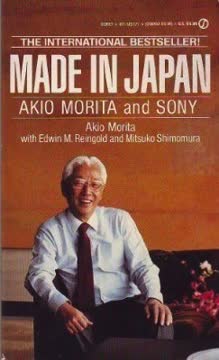
重要ポイント
1. イノベーションを受け入れ、変化に適応することが事業成功の鍵である
「もし人々が強いチームワークの精神で結束し、技術力を存分に発揮できる環境が整えば、その組織は計り知れない喜びと利益をもたらすだろう。」
イノベーションは不可欠である。ソニーの成功は、人々の生活を豊かにする新しい製品や技術の創造に対する揺るぎない姿勢に根ざしている。同社は世界初のトランジスタラジオの開発から、ウォークマンやデジタルカメラの先駆けとなる製品まで、常に限界を押し広げてきた。
変化への適応力が生存を保証する。急速に変化する技術環境の中で、企業は進化し、自社製品を時には自ら食い潰す覚悟も必要である。アナログからデジタル技術への移行や、消費者向け電子機器の絶え間ない刷新は、ソニーのこの原則の体現である。
- ソニーの革新的製品例:
- トランジスタラジオ
- トリニトロンカラーテレビ
- ウォークマン
- コンパクトディスク
- プレイステーション
2. 短期的利益よりも品質と顧客満足を優先する
「これらのうちどれか一つだけを持ち、他を欠くことは、ビジネスにおいて自滅行為である。」
品質は最重要である。ソニーは短期的な利益を犠牲にしてでも高品質な製品を生み出すことに注力し、その結果プレミアムブランドとしての評価を確立した。この哲学は製品設計から製造工程、顧客サービスに至るまで貫かれている。
顧客中心の姿勢。人々の生活や体験を真に向上させる製品づくりに注力することで、ソニーは忠実な顧客基盤を築いた。ユーザー体験と製品の信頼性へのこだわりが、長期的な成功とブランド価値の向上に大きく寄与している。
- ソニーの品質重視の要点:
- 製造における厳格な品質管理
- 製品の継続的改善
- アフターサービスへの投資
- ユーザー中心の設計思想
3. 従業員を家族のように大切にする企業文化を育む
「日本の経営者にとって最も重要な使命は、従業員との健全な関係を築き、企業内に家族のような一体感を生み出すことである。従業員と経営者が同じ運命を共有する感覚を持つことだ。」
従業員の忠誠心。ソニーは従業員を企業の大切な家族の一員として扱い、帰属意識を育んだ。この姿勢が忠誠心や創造性、会社の目標への献身を促進した。
長期的視点。従業員育成への投資と長期雇用の維持により、持続的なイノベーションと成長を支える安定した労働力を確保した。これは西洋企業にしばしば見られる流動的な雇用文化とは対照的である。
- ソニーの従業員重視文化の要素:
- 終身雇用の理念
- 継続的な研修とスキル開発
- 経営陣と従業員のオープンなコミュニケーション
- 共有された目的意識と企業ビジョン
4. 技術を活用して生き残りと競争優位を確立する
「我々日本人は、すべてのものが神聖な預かりものであり、最善の利用のために貸与されていると感じている。無駄にすることは一種の罪と考えられている。」
技術力。ソニーの成功は、最先端技術を活用し開発する能力に支えられている。トランジスタからデジタルイメージングに至るまで、消費者向け電子機器の可能性を常に押し広げてきた。
効率性と持続可能性。「もったいない」の精神が資源管理や製品設計に影響を与え、効率的な製造プロセスと環境に配慮した製品づくりを実現している。
- ソニーの主な技術的進歩:
- 電子機器の小型化
- デジタル音声・映像技術
- 省エネルギー設計
- リサイクルと持続可能な製造
5. 文化的アイデンティティを保ちつつグローバルな視点を養う
「人は仕事の対価を金銭だけで評価するのは大きな誤りだと信じている。人はお金を必要とするが、仕事に喜びと誇りも求めている。」
グローバル展開。ソニーの国際市場での成功は、現地文化に適応しつつも日本の核心的価値観を維持する能力に支えられている。このバランスが真のグローバルブランドへの道を開いた。
文化交流。従業員の国際経験を奨励し、多様な視点を受け入れることでイノベーションを促進し、世界市場に対応する力を高めた。この姿勢が文化の壁を越え、普遍的な魅力を持つ製品を生み出している。
- グローバル成功のための戦略:
- 市場ごとの製品ローカライズ
- 国際的な経営チームの編成
- 従業員への異文化研修
- 海外研究開発拠点の設立
6. 競争と協力のバランスをビジネスにおいて保つ
「日本のビジネスの栄光と宿命、我々の産業エンジンの生命線は、昔ながらの激しい競争である。」
激しい競争。ソニーは日本の厳しい競争環境の中で成長し、絶え間ない革新と改善を促された。この国内競争が日本企業の世界市場での成功を支えた。
戦略的協力。激しい競争の一方で、ソニーは戦略的パートナーシップや業界協力の価値も認識している。このバランスが技術の共有や業界標準の確立を可能にし、企業と消費者双方に利益をもたらした。
- 競争と協力の具体例:
- 消費者向け電子機器市場での激しい競争
- フィリップスとのコンパクトディスク開発における協力
- ジョイントベンチャーや技術共有契約
- 業界団体や商工会議所への参加
7. 研究開発に投資し長期的成長を目指す
「我々は研究開発に何十億も投じてきた。他社は我々の先行投資を見て、その後に参入して利益を得ているが、これは変えられない事実だ。」
研究開発へのコミットメント。ソニーの長期的成功は、研究開発への多大な投資に支えられている。この姿勢が技術革新の最前線に立ち、新たな市場機会を創出した。
研究と商品化のバランス。多額の研究投資を行いながらも、研究成果を市場に適用することに注力した。この純粋研究と実用化の両立が持続的成長と収益性の鍵となった。
- ソニーの研究開発戦略の要点:
- 専用研究施設(例:ソニーコンピュータサイエンスラボラトリーズ)
- 大学や研究機関との連携
- 社内での定期的な技術交流会
- 基礎研究と応用研究の両面重視
8. 資源を効率的に管理し持続可能性を実践する
「我々日本人は生き残りに執着している。毎日、文字通り足元の地面が揺れているのだ。」
資源の節約。日本の限られた天然資源は、人々と企業に節約と効率の意識を根付かせた。ソニーもこの考え方を経営に取り入れ、廃棄物を最小限に抑え資源利用を最大化している。
持続可能な取り組み。資源管理にとどまらず、環境に配慮した製品設計や製造プロセスにも注力している。この姿勢はコスト削減だけでなく、環境意識の高い消費者からの支持も得ている。
- ソニーの持続可能性施策:
- 省エネルギー製品設計
- 電子廃棄物のリサイクルプログラム
- 包装資材の削減
- 代替エネルギー技術の開発
9. 国際貿易関係を外交と理解で乗り切る
「私は常に世界中のトップ経営者同士の個人的な交流を推奨してきた。」
関係構築。盛田氏は国際ビジネスにおける個人的な関係と文化理解の重要性を強調した。彼の努力が日本と西洋の文化的ギャップを埋め、ソニーのグローバル成功の道を開いた。
貿易摩擦への対応。日本の経済力が増すにつれ、貿易摩擦も激化した。ソニーはこれらの課題に対し、開かれた市場と公正な競争を訴えつつ、日本の貿易慣行に関する懸念にも対応した。
- 国際ビジネス関係の戦略:
- 各国経営者間の定期的な会合
- 従業員の文化交流プログラム
- 国際貿易団体への参加
- 事業慣行と意図の透明なコミュニケーション
10. 失敗から学び、困難に直面しても粘り強く挑戦し続ける
「私は従業員に、上司の指示をあまり気にせず、『指示を待たずに進め』と言っている。」
失敗を受け入れる。ソニーの文化はリスクを恐れず、失敗から学ぶことを奨励している。この姿勢が迅速なイノベーションと挫折からの回復を可能にした。
粘り強さと適応力。戦後の復興から激しい国際競争に至るまで、数多くの困難に直面したが、変化に適応し続ける力が長期的成功の鍵となった。
- ソニーの挑戦から得た教訓:
- ベータマックス対VHSのフォーマット戦争
- アナログからデジタル技術への移行
- 消費者嗜好の変化への対応
- 自然災害や経済危機からの復興
レビューまとめ
『メイド・イン・ジャパン』は、ソニーの創業秘話や日本の企業文化、戦後日本の経済成長に関する洞察で高く評価されている。読者は、盛田氏の起業家精神や経営哲学、そしてグローバルな視点に感銘を受けている。本書は、イノベーションやリーダーシップ、国際貿易に関する貴重な教訓を提供している。多くの人々が盛田氏とスティーブ・ジョブズの類似点を見出している。一方で、後半の章については時代遅れで自己賛美的だと批判する声もあるが、大半のレビューアーは日本のビジネス慣習やソニーの成功物語を理解するうえで必読の書と位置づけている。
他の人が読んだ本









よくある質問
What's Made in Japan: Akio Morita and Sony about?
- Personal Journey: The book chronicles Akio Morita's life, from his childhood to co-founding Sony Corporation, highlighting his personal and professional growth.
- Post-War Japan: It provides insights into Japan's recovery after World War II, focusing on the challenges and opportunities during this transformative period.
- Business Philosophy: Morita shares his management philosophy, emphasizing innovation, teamwork, and a family-like corporate culture.
- Cultural Insights: The book contrasts Japanese and American business practices, advocating for a collaborative and less hierarchical approach.
Why should I read Made in Japan: Akio Morita and Sony?
- Inspiration from a Pioneer: Gain insights from one of the most influential figures in the electronics industry, learning from Morita's experiences and lessons.
- Understanding Global Business: The book offers a perspective on how Japanese companies operate globally, crucial for understanding international business dynamics.
- Management Strategies: Morita shares practical strategies, emphasizing employee welfare and long-term planning, relevant in today’s fast-paced business environment.
What are the key takeaways of Made in Japan: Akio Morita and Sony?
- Value of Teamwork: Morita stresses the importance of developing healthy relationships with employees, fostering a sense of shared fate.
- Innovation is Crucial: Continuous innovation is necessary, with a focus on teamwork and technological capacity to bring benefits and pleasure.
- Long-Term Vision: Businesses should focus on long-term growth rather than short-term profits, investing in research and development for sustained success.
What are the best quotes from Made in Japan: Akio Morita and Sony and what do they mean?
- “The road of a pioneer is full of difficulties.”: Reflects the challenges faced by innovators, emphasizing perseverance for success.
- “Happiness must be created yourself.”: Highlights the responsibility of individuals to create their own happiness, crucial for fulfillment.
- “Profit doesn’t have to be so high.”: Prioritizes long-term growth over immediate financial gains, underscoring sustainable business practices.
What management style does Akio Morita advocate in Made in Japan: Akio Morita and Sony?
- Family-Like Corporate Culture: Morita promotes a family-like atmosphere, where employees feel valued and connected to the organization’s success.
- Consensus Building: He believes in building consensus among management and employees, encouraging collaboration and innovation.
- Focus on Employee Welfare: Prioritizing job security and welfare, especially during economic downturns, leads to a motivated workforce.
How did Akio Morita view competition in Made in Japan: Akio Morita and Sony?
- Competition as a Catalyst: Morita sees competition as essential for innovation and improvement, pushing companies to enhance their offerings.
- Learning from Rivals: Observing and learning from competitors can lead to better products and services, improving market quality.
- Avoiding Destructive Practices: He warns against cutthroat competition, advocating for fair practices that respect industry integrity.
What challenges did Sony face in its early years according to Made in Japan: Akio Morita and Sony?
- Market Acceptance: Sony struggled to gain acceptance for innovative products, like the transistor radio, as consumers were unfamiliar with new technology.
- Financial Constraints: The company faced financial difficulties, often relying on loans and investor support for operations and development.
- Competition from Established Brands: Competing against larger, established companies made it difficult for Sony to carve out a niche.
How did Akio Morita adapt to the American business environment in Made in Japan: Akio Morita and Sony?
- Embracing Direct Communication: Morita learned to navigate the direct communication style in American business, contrasting with Japanese hierarchy.
- Building Relationships: He focused on establishing personal relationships with American partners, understanding the importance of trust.
- Learning from Mistakes: Morita was open to learning from experiences and mistakes, adapting strategies based on feedback and conditions.
What innovations did Sony introduce as described in Made in Japan: Akio Morita and Sony?
- Transistor Radio: Sony was among the first to produce a compact transistor radio, revolutionizing portable music consumption.
- Walkman: The Walkman changed personal music listening, becoming a cultural phenomenon with its portability.
- Trinitron Technology: Sony developed the Trinitron color television system, setting a standard in the industry with superior picture quality.
How does Made in Japan: Akio Morita and Sony address the concept of failure in business?
- Learning from Mistakes: Morita emphasizes that mistakes are natural, advocating for learning from them and avoiding repetition.
- Encouraging Risk-Taking: A culture that encourages risk-taking and innovation is crucial, understanding that not every idea will succeed.
- Focus on Improvement: Analyzing failures to improve processes and products fosters a mindset of continuous improvement.
How does Morita address the concept of mottainai in Made in Japan: Akio Morita and Sony?
- Cultural Significance: Mottainai reflects respect for resources and minimizing waste, influencing Japanese business practices.
- Practical Application: Encourages efficiency and resourcefulness, urging companies to make the most of resources and avoid waste.
- Long-Term Sustainability: Connects mottainai to long-term sustainability, ensuring longevity and success by valuing resources.
What is the significance of the Walkman in Made in Japan: Akio Morita and Sony?
- Cultural Impact: The Walkman revolutionized music consumption, making it portable and personal, enhancing the listening experience.
- Market Strategy: Emphasized educating consumers about its benefits, creating a strong brand image to differentiate from competitors.
- Innovation and Design: Exemplifies Sony's commitment to innovation and design excellence, combining technology with user-friendly design.








































