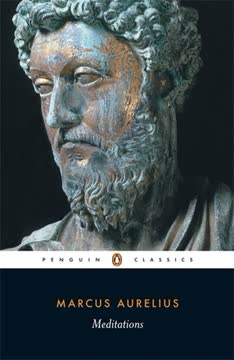
重要ポイント
1. 今この瞬間を受け入れ、自然と調和して生きる
「自然の一部であるあなたにとって良いこととは、自然全体がもたらし、それを維持するものにほかならない。」
今を生きる。 現在こそが私たちにとって真に存在する唯一の時間であり、最も大きな影響を与えられる場である。宇宙の自然な流れに自らの行動を合わせることで、心の平安と生きる目的を見出せる。これは受動的であることを意味せず、むしろ展開する人生に積極的に関わることを指す。
自然との調和。 自分がより大きなシステムの一部であることを認識する。葉が木の一部であるように、あなたも宇宙の一部である。この壮大な構図の中で自分の位置を理解することで、人生の困難や機会をよりよく乗り越えられる。この視点は未来への不安や過去への後悔を和らげ、本当に重要なことに集中する助けとなる。
2. 徳と理性を良き人生の基盤として育む
「経験のあらゆる要素を体系的かつ真実に検証する能力ほど、心の偉大さに寄与するものはない。」
徳を養う。 ストア派は、徳―知恵、公正、勇気、節制―を最高の善と考えた。これらの資質を育むことで、外的状況に左右されず充実した人生を送れる。具体的には、
- 継続的な学びと内省を通じて知恵を実践する
- 他者との関わりにおいて公正に行動する
- 困難に直面しても勇気を示す
- 欲望や衝動を節制する
理性を用いる。 理性こそが人間を特徴づける能力である。論理的かつ合理的な思考を用いることで、
- より良い判断を下す
- 物事の本質を理解する
- 感情や誤った印象に流されない
- 混乱した状況でも明晰さを保つ
3. すべてのものの無常を認識し、変化を受け入れる
「過去を見よ―帝国は帝国に続き、未来も同じパターンが繰り返されるだろう。」
無常は普遍的である。 世界のすべては絶えず変化している。帝国は興隆し滅び、人は生まれ死に、私たちの思考や感情さえも常に変わり続ける。この根本的な真実を認識することで、
- 物質的な執着を手放す
- 今この瞬間をより深く味わう
- 変化する状況に柔軟に適応する
変化を受け入れる。 変化に抵抗するのではなく、人生の自然な一部として歓迎する心構えを持つ。これにより、
- 困難に直面してもしなやかに立ち向かえる
- 他者が障害と見るところに機会を見出せる
- 良い時も悪い時も平静を保てる
4. 自己規律を実践し、思考と欲望を制御する
「心はあなたの支配下にある―外部の出来事ではない。これを理解すれば、力を得るだろう。」
心を制する。 私たちの思考や認識が現実を形作る。自己規律と精神のコントロールを養うことで、
- 外部の出来事にどう反応するかを選べる
- ネガティブな感情や破壊的な習慣を克服できる
- エネルギーを生産的な活動に集中できる
欲望を管理する。 多くの問題は制御されない欲望から生じる。節度と自己制御を実践することで、
- 今あるもので満足を見いだす
- 叶わぬ期待による苦痛を避ける
- 一時的な快楽の支配から自由になる
5. 他者に親切と共感をもって接し、共通の人間性を認める
「人は互いのために存在する。だから教えるか、耐えることを学べ。」
共感を実践する。 誰もがそれぞれの戦いを抱えていることを認識し、親切と思いやりをもって接することで、
- 強固な人間関係を築く
- 調和のとれた社会を創る
- 交流により深い意味と満足を見いだす
相互のつながりを見つめる。 私たちは皆、人間という家族の一員であり、共通の希望や恐れ、苦悩を共有している。この共通性を認めることで、
- 偏見や分断を乗り越える
- 他者とより効果的に協力する
- 意見が異なる相手とも共通点を見出す
6. 自分がコントロールできることに集中し、できないことは受け入れる
「意見を持たない選択肢は常にある。制御できないことに心を乱す必要は決してない。」
コントロールの範囲を見極める。 私たちは思考、行動、態度を直接制御できる。これらにエネルギーを注ぐことで、
- 効率と生産性を高める
- ストレスや不安を軽減する
- 心の平安を得る
受容を実践する。 人生には制御不能なことが多い。この現実を受け入れることで、
- 無用な心配や苛立ちを手放す
- 変化に柔軟に対応する
- 逆境の中に機会を見出す
7. 絶え間ない自己省察と学びを通じて知恵と真理を追求する
「誰かが私の誤りを証明し示してくれれば、喜んで改める。私は誰も傷つけない真理を求める。」
生涯学習を受け入れる。 知恵の追求は終わりなき旅である。好奇心と開かれた心を持ち続けることで、
- 自己を絶えず向上させる
- 新たな状況や課題に適応する
- 発見の過程に喜びを見いだす
自己省察を実践する。 定期的な内省は自己理解を深め、必要な調整を促す。具体的には、
- 思考や行動を批判的に検証する
- 自身の強みと弱みを正直に見つめる
- 失敗や経験から学ぶ
8. 報酬や評価を求めずに義務を果たす
「一万年生きるかのように振る舞うな。死は常にあなたのすぐそばにある。生きている間、力の及ぶ限り善を行え。」
義務に専念する。 正しいから行うのであって、外的な報酬や評価のためではない。この心構えは、
- 行動の誠実さを保つ
- 仕事そのものに満足を見いだす
- 期待外れによる失望を避ける
無名性を受け入れる。 真の徳は注目を求めない。評価を手放すことで、
- より本質的に行動できる
- 本当に重要なことに集中できる
- 善行そのものに安らぎを見いだす
9. 人生の困難や些細なことに対して広い視野を持つ
「私たちが熱望することのなんと些細なことか。」
大局を見据える。 日々の多くの悩みは大きな視点から見れば取るに足らない。視野を広げることで、
- 小さな争いに巻き込まれずに済む
- 本当に重要なことに集中できる
- 困難に直面しても冷静さを保てる
宇宙的な意識を養う。 宇宙の広大さと人生の短さを思い巡らすことで、
- 些細な心配を手放す
- 存在の不思議を味わう
- 限られた時間に意味を見いだす
10. 死を平静に受け入れ、準備する
「旅を終え、岸に着いた。さあ降りよ。」
死を受け入れる。 死は人生の自然な一部である。自らの死を受け入れることで、
- 今をより充実して生きる
- 本当に大切なことを優先する
- 人生の困難により勇敢に立ち向かう
終わりの準備をする。 死に執着しすぎるべきではないが、備えることで心の平安を得られる。具体的には、
- 身辺整理を行う
- 和解や問題解決に努める
- 生きた証と遺すものを振り返る
レビューまとめ
『瞑想録』は、ストア哲学の不朽の名作として広く称賛されている。人生、道徳、自己改善に関する深遠な洞察を提供し、多くの読者が現代の生活にも応用できる知恵を見いだしている。皇帝という立場にありながらも、マルクス・アウレリウスの謙虚さと徳への志向が高く評価されている。本書は繰り返しの表現や時折難解な部分もあるが、内なる平和と倫理的な生き方を育むための貴重な指針と考えられている。教えを十分に理解するためには、ゆっくりと読み進めたり、時折読み返したりすることが推奨されている。
他の人が読んだ本







よくある質問
What's "The Emperor's Handbook" about?
- Personal reflections: "The Emperor's Handbook" is a collection of personal notes by Roman Emperor Marcus Aurelius, intended for his own guidance and self-improvement.
- Stoic philosophy: The book is a cornerstone of Stoic philosophy, emphasizing rationality, self-discipline, and virtue as paths to a fulfilling life.
- Historical context: Written during Marcus Aurelius' reign in the 2nd century, the text provides insights into the challenges and thoughts of a ruler at the height of the Roman Empire.
- Timeless wisdom: Despite its ancient origins, the book offers timeless advice on dealing with adversity, maintaining inner peace, and living in harmony with nature.
Why should I read "The Emperor's Handbook"?
- Practical guidance: The book offers practical advice on how to live a virtuous and meaningful life, applicable to modern challenges.
- Self-improvement: It encourages introspection and self-discipline, helping readers cultivate a resilient and balanced mindset.
- Philosophical insights: As a key text in Stoic philosophy, it provides valuable insights into ancient wisdom that can enhance personal growth.
- Historical perspective: Reading the thoughts of a Roman emperor offers a unique historical perspective on leadership and human nature.
What are the key takeaways of "The Emperor's Handbook"?
- Inner peace: True happiness comes from within and is achieved by aligning one's actions with nature and reason.
- Resilience: Adversity is an opportunity for growth, and maintaining composure in difficult times is a sign of strength.
- Virtue and duty: Living a life of virtue and fulfilling one's duties to society are central to personal fulfillment.
- Mindfulness: Being present and mindful of one's thoughts and actions leads to a more meaningful and content life.
What are the best quotes from "The Emperor's Handbook" and what do they mean?
- "Your mind is colored by the thoughts it feeds upon." This emphasizes the importance of nurturing positive and rational thoughts to shape one's character.
- "Leave the wrong with the person who did it." This suggests letting go of grudges and focusing on one's own actions and growth.
- "It’s up to you!" A reminder that personal responsibility and choice are central to one's happiness and success.
- "Bear in mind that the measure of a man is the worth of the things he cares about." This highlights the importance of valuing meaningful and virtuous pursuits.
How does "The Emperor's Handbook" relate to Stoic philosophy?
- Core principles: The book embodies Stoic principles such as rationality, self-control, and acceptance of fate.
- Practical exercises: Marcus Aurelius uses thought exercises to reinforce Stoic teachings and maintain a virtuous life.
- Focus on virtue: Stoicism emphasizes living in accordance with nature and virtue, which is a central theme in the text.
- Emotional resilience: The philosophy teaches emotional resilience and the importance of focusing on what is within one's control.
What is the historical significance of "The Emperor's Handbook"?
- Roman Empire context: Written by a Roman emperor, it provides a unique perspective on leadership and governance during the empire's peak.
- Philosopher-king ideal: Marcus Aurelius is often seen as the embodiment of Plato's philosopher-king, blending wisdom with power.
- Influence on leaders: The text has influenced countless leaders and thinkers throughout history, from ancient times to the modern era.
- Preservation of Stoicism: It played a crucial role in preserving and disseminating Stoic philosophy beyond the ancient world.
How did "The Emperor's Handbook" come to be?
- Personal notes: Originally untitled, the book consists of Marcus Aurelius' personal reflections and exercises for self-improvement.
- Mystery of preservation: The exact path of how these notes survived and were compiled into a book is unknown, adding to its mystique.
- Byzantine connection: A Byzantine scholar named Arethas is credited with preserving the text, which later influenced Renaissance humanists.
- Translation history: The book has been translated and studied extensively, with various editions making it accessible to a global audience.
What is the structure of "The Emperor's Handbook"?
- Twelve books: The text is divided into twelve books, each containing a series of reflections and aphorisms.
- Non-linear format: There is no strict beginning or end, allowing readers to start anywhere and find relevant insights.
- Personal acknowledgments: The first book serves as a form of acknowledgments, expressing gratitude to those who influenced Marcus.
- Repetitive themes: Themes and ideas recur throughout the text, reinforcing the Stoic belief in the need for constant reminders.
How does "The Emperor's Handbook" address leadership?
- Philosopher-king model: Marcus Aurelius exemplifies the philosopher-king, ruling with wisdom and virtue.
- Responsibility and duty: The text emphasizes the importance of fulfilling one's responsibilities and serving the greater good.
- Leading by example: Marcus advocates for leading by example, maintaining integrity, and acting in accordance with one's principles.
- Handling adversity: The book provides guidance on handling adversity and making decisions that align with moral and ethical values.
What role does nature play in "The Emperor's Handbook"?
- Harmony with nature: Living in harmony with nature is a central tenet, reflecting the Stoic belief in aligning with the natural order.
- Acceptance of change: Nature is constantly changing, and accepting this change is key to maintaining inner peace.
- Interconnectedness: The text highlights the interconnectedness of all things and the importance of understanding one's place in the universe.
- Natural law: Marcus emphasizes the importance of living according to natural law, which governs both the universe and human behavior.
How does "The Emperor's Handbook" approach the concept of death?
- Natural process: Death is viewed as a natural and inevitable part of life, not to be feared but accepted with grace.
- Perspective on mortality: The text encourages readers to reflect on their mortality and live each day as if it were their last.
- Focus on legacy: Rather than fearing death, Marcus advises focusing on living a virtuous life and leaving a positive legacy.
- Detachment from fear: By detaching from the fear of death, one can live more fully and with greater purpose.
What is the translation approach of "The Emperor's Handbook"?
- Modern interpretation: The translation aims to make Marcus Aurelius' thoughts accessible to a contemporary audience while preserving the original meaning.
- Avoiding jargon: The translators avoid systematic translation of Stoic jargon, opting for clarity and context-based interpretation.
- Collaborative effort: The translation was a collaborative effort, involving cross-referencing with other translations to ensure accuracy.
- Focus on readability: The goal was to create a version that is both readable and faithful to the philosophical depth of the original text.