重要ポイント
1. 内なる力は外的状況ではなく理性から生まれる
「内側から私たちを支配する力は、その本来の状態にあるとき、何が起ころうとも自らの能力と運命によって与えられたものに常に容易に適応する。」
内なる力。 マルクス・アウレリウスは、真の強さと回復力は内面、すなわち理性と自分の思考や反応を制御する能力から生まれると説く。良いことも悪いことも外的な出来事は、私たちが許さなければ本当の害を及ぼすことはない。これはストア哲学の核心であり、外的状況に左右されるべきではないと教えている。
- 内なる「支配する部分」はどんな状況にも適応できる。
- 外的出来事は中立であり、私たちの判断がそれを良し悪しにする。
- どんな状況にも自分の反応を選ぶ力がある。
反応を制御する。 感情に流されるのではなく、理性を用いてそれらを理解し管理すべきである。感情は多くの場合、出来事そのものではなく、その解釈に基づいていることを認識することが重要だ。例えば、誰かに侮辱されたとき、怒るか相手の性格の反映と見るかは自分で選べる。
- 感情はしばしば私たちの判断に基づく。
- 感情ではなく理性で反応を選べる。
- 反応を制御することで内なる平和が得られる。
自分でコントロールできることに集中する。 思考や行動に焦点を当てることで、内なる強さと回復力を育むことができる。変えられないことを受け入れ、影響を及ぼせることにエネルギーを注ぐことがストアの実践の本質だ。
- コントロールできないことは受け入れる。
- 思考と行動に集中する。
- 理性を通じて内なる強さを育てる。
2. コントロールできないことを受け入れ、できることに集中する
「常に心に留めておくべきことは、全体の本質とは何か、私の本質とは何か、そして私の本質がその大いなる自然とどう関わっているかである。また、誰もあなたが自然に従って行動し言葉を発することを妨げることはできない。」
コントロールの二分法。 マルクス・アウレリウスは、自分のコントロール下にあるものとそうでないものを区別する重要性を強調する。これはストア哲学の基本原則であり、思考や行動、判断など自分が影響を及ぼせることにエネルギーを注ぎ、外的出来事や他者の行動は受け入れるべきだと教える。
- コントロールできることに集中する:思考と行動。
- コントロールできないことを受け入れる:外的出来事や他者の行動。
- この区別が内なる平和と回復力の鍵となる。
運命の受容。 受け入れることは無関心や受動的であることではない。自分の影響力の限界を認識し、変えられることにエネルギーを向けることだ。宇宙の自然の秩序と自分の位置を受け入れることも含まれる。
- 宇宙の自然の秩序を受け入れる。
- 避けられないことに抵抗しない。
- 大きな全体の中で自分の役割に集中する。
内なる自由。 コントロールできることに集中することで、内なる自由と平和を得る。これは外的状況に幸福や安寧を依存しないことから生まれる。ストアの究極の目標は、外的出来事の支配からの解放である。
- 内なる自由はコントロールできることに集中することから生まれる。
- 外的状況に依存しない。
- あるがままを受け入れて平和を見出す。
3. 自然と宇宙に調和して生きる
「あなたと調和するすべては、ああ宇宙よ、私の中でそう調律されている。私の中で何も早すぎず遅すぎず、あなたにとって時宜にかなっている限り。すべてはあなたの季節がもたらす糧であり、ああ自然よ、すべてはあなたから生まれ、あなたに存在し、あなたに帰る。」
宇宙との調和。 マルクス・アウレリウスは、宇宙の自然の秩序と調和して生きることの重要性を説く。自分の宇宙における位置を理解し、理性と徳の原則に沿って行動することが求められる。これは宇宙を合理的で秩序ある全体と見るストア哲学の核心概念だ。
- 宇宙における自分の位置を理解する。
- 理性と徳に沿って行動する。
- 自然の秩序と調和して生きる。
普遍的理性。 宇宙は普遍的な理性(ロゴス)によって支配されており、これが秩序と調和の源である。この理性に調和することで、より意味深く充実した人生を送ることができる。知恵、公正、勇気、節制を育むことが含まれる。
- 宇宙は普遍的理性によって支配されている。
- 徳を通じてこの理性に調和する。
- 知恵、公正、勇気、節制を育む。
自然を指針とする。 自然は生き方の指針を提供する。自然界を観察することで、秩序、バランス、調和の原則を学べる。すべてが大きな全体の中で役割と目的を持つことを理解することが重要だ。
- 自然は生き方の指針を示す。
- 自然界を観察して秩序とバランスを学ぶ。
- 全体の中での自分の位置と目的を理解する。
4. すべての行動は目的と徳をもって行うべきである
「毎朝自分に言い聞かせよ。今日は恩知らずで傲慢で欺瞞的で嫉妬深く敵意を持つ人々に出会うだろうと。人々がそうであるのは、善悪を理解していないからだ。しかし、善の本質が高潔で立派なものであり、悪の本質が恥ずべきものであり、迷った人間の本質が私と同じであることを理解している限り、私は誰にも害されず、誰も私を恥ずべきことに巻き込めず、また怒りや憎しみを抱くこともない。私たちは足や手、まぶた、上下の歯のように協力するために作られている。互いに妨げ合うことは自然に反し、怒りや背を向けることがそれに当たる。」
目的ある行動。 マルクス・アウレリウスは、すべての行動は目的と意図をもって行うべきだと強調する。動機を意識し、行動が価値観に沿っていることを確認することが重要だ。これは徳ある生き方を重視するストア倫理の重要な側面である。
- 動機を意識する。
- 行動が価値観に沿っていることを確認する。
- 目的と意図をもって生きる。
徳は最高の善。 知恵、公正、勇気、節制を含む徳は最高の善であり、人間の究極の目標である。徳を追求することで真の幸福と充足を得られる。これは徳を唯一の真の善とみなすストア哲学の中心的教えだ。
- 徳は最高の善である。
- すべての行動で徳を追求する。
- 徳は真の幸福と充足をもたらす。
共通善のために行動する。 行動は自分だけでなく共同体の利益のためにも行うべきだ。親切、思いやり、敬意をもって他者に接することが求められる。これは社会的責任を重視するストア倫理の重要な側面である。
- 共同体の利益のために行動する。
- 他者に親切と敬意をもって接する。
- 社会的責任を果たす。
5. 現在の瞬間こそが私たちの真の財産である
「人の命の長さは一瞬に過ぎず、私たちの実体は今この瞬間に流れ去り、感覚は鈍り、身体の構成は朽ち、魂は混沌であり、運命は知り得ず、評判は不確かである。言い換えれば、すべての身体的なものは流れる川のようであり、魂のすべては夢と煙であり、人生は戦争と見知らぬ者のさまよいであり、報いは忘却である。」
現在に集中する。 マルクス・アウレリウスは、私たちが真に持っているのは現在の瞬間だけであることを強調する。過去は過ぎ去り、未来は不確かであるため、どちらにもとらわれるべきではない。これはストア哲学の重要な原則であり、現在を生きることの大切さを説く。
- 現在の瞬間こそが真の財産である。
- 過去や未来にとらわれない。
- 現在を全力で生きる。
すべてのものの無常。 人生のすべては無常であり、自分の命も例外ではない。この理解が現在の瞬間を大切にし、何事も当然と思わない心を育む。これはすべてのものの移ろいを受け入れるストア哲学の核心概念だ。
- すべては無常である。
- 現在の瞬間を大切にする。
- 何事も当然と思わない。
マインドフルネスと気づき。 現在に集中することで、マインドフルネスと気づきを育むことができる。これにより人生の美しさや不思議を味わい、ひとつひとつの瞬間を最大限に活かせる。これは内なる平和と明晰さを育てるストアの実践の重要な側面である。
- マインドフルネスと気づきを育む。
- 人生の美しさを味わう。
- ひとつひとつの瞬間を活かす。
6. 自己認識と内省を養う
「他人の魂の動きを知らずに不幸な人は少ないが、自分の魂の動きを追わない者は必ず不幸になる。」
自己反省の重要性。 マルクス・アウレリウスは、自己認識と内省の重要性を説く。自分の思考、感情、行動を振り返り、改善すべき点を見つける時間を持つことが求められる。これは自己知識を育むストアの実践の重要な側面だ。
- 自己反省の時間を持つ。
- 思考、感情、行動を振り返る。
- 改善点を見つける。
自分の魂を理解する。 自分の魂を理解することで、自己と世界に対する深い理解が得られる。強みと弱みを認識し、最良の自分を目指すことが求められる。これは内なる知恵を育むストア哲学の中心的目標だ。
- 自分の魂を理解する。
- 強みと弱みを認識する。
- 最良の自分を目指す。
自己知識による内なる平和。 自己認識を深めることで、より大きな内なる平和と満足を得られる。自分をありのままに受け入れ、価値観に沿って生きることが重要だ。これは思考や感情の支配からの解放を目指すストアの実践の要である。
- 自己知識によって内なる平和を得る。
- 自分を受け入れる。
- 価値観に沿って生きる。
7. 親切と思いやりは共同体に不可欠である
「人間は互いのために存在する。だから教えよ、あるいは耐えることを学べ。」
人類の相互関係。 マルクス・アウレリウスは、人間はすべてつながっていることを強調する。私たちは同じ共同体の一部であり、親切、思いやり、敬意をもって互いに接すべきだ。これは社会的責任を重視するストア倫理の重要な側面である。
- 人類の相互関係を認識する。
- 他者に親切と敬意をもって接する。
- 私たちは同じ共同体の一部である。
他者の視点を理解する。 意見が異なっても他者の視点を理解しようと努めるべきだ。すべての人が独自の経験と動機を持つことを認める。これは共感と思いやりを育むストアの実践の重要な側面である。
- 他者の視点を理解しようと努める。
- すべての人が独自の経験を持つことを認める。
- 共感と思いやりを育む。
寛容と忍耐。 困難な人にも寛容と忍耐を持つべきだ。誰も完璧ではないことを認識し、他者に完璧を求めないことが重要だ。これは社会的調和を重視するストア倫理の重要な側面である。
- 他者に寛容と忍耐を持つ。
- 誰も完璧ではないことを認識する。
- 社会的調和を目指す。
8. 死は人生の自然な一部であり恐れるべきではない
「死を障害と見なすな。死も自然が望むものである。若さ、老い、成長、成熟、歯や髭や白髪の生え変わり、受胎、妊娠、出産、そして人生の季節がもたらすその他すべての自然の営みと同様に、死も自然な過程である。」
死の受容。 マルクス・アウレリウスは、死を人生の自然な一部として受け入れることの重要性を説く。死は恐れるべきものではなく、生命の循環の一環である。これはすべてのものの無常を受け入れるストア哲学の重要な概念だ。
- 死を人生の自然な一部として受け入れる。
- 死を恐れない。
- 死は生命の循環の一部である。
良く生きることに集中する。 死を恐れる代わりに、現在を良く生きることに集中すべきだ。徳と目的をもって生き、与えられた時間を最大限に活かすことが求められる。これは内なる平和と充足を育むストアの実践の重要な側面である。
- 現在を良く生きることに集中する。
- 徳と目的をもって生きる。
- 与えられた時間を最大限に活
レビューまとめ
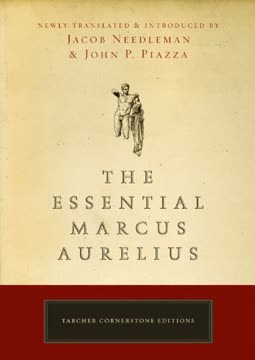
『エッセンシャル・マルクス・アウレリウス』は、時代を超えた洞察に満ちたストア哲学の集大成として広く称賛されている。読者はその実践的な知恵を高く評価し、何世紀も前に書かれたにもかかわらず現代の生活に応用できる点を見出している。多くの人々はこれを深遠な自己啓発書と捉え、徳、忍耐力、そして内なる平和に関する指針を提供するものと考えている。翻訳は明快で分かりやすいと評されている。繰り返しが多いと感じる読者もいるが、大半は個人の成長と内省に役立つ貴重な資料とみなし、その教えを十分に吸収するために定期的な再読を推奨している。
他の人が読んだ本





よくある質問
What is "The Essential Marcus Aurelius" by Marcus Aurelius about?
- Meditations and Philosophy: The book is a curated translation of Marcus Aurelius’ Meditations, a series of personal philosophical reflections written by the Roman emperor for his own self-examination and guidance.
- Stoic Wisdom: It presents the core tenets of Stoic philosophy, focusing on self-mastery, virtue, acceptance of fate, and the cultivation of inner freedom.
- Practical Guidance: The text is intended as a practical manual for living a good life, especially in the face of adversity, uncertainty, and the challenges of leadership.
- Universal Relevance: Though rooted in ancient Rome, the book’s themes—such as resilience, justice, and the search for meaning—are presented as universally applicable to people in all walks of life.
Why should I read "The Essential Marcus Aurelius" by Marcus Aurelius?
- Timeless Self-Help: The book offers enduring advice on how to handle life’s difficulties, disappointments, and temptations with dignity and composure.
- Inner Strength and Clarity: Readers gain tools for cultivating inner strength, self-respect, and a sense of purpose, regardless of external circumstances.
- Philosophical Depth: It provides a unique window into the mind of a philosopher-king, blending metaphysical insight with practical wisdom.
- Personal Transformation: The meditations encourage readers to develop a conscious relationship with their own minds, fostering self-awareness and intentional living.
What are the key takeaways from "The Essential Marcus Aurelius" by Marcus Aurelius?
- Control What You Can: Focus on what is within your control—your thoughts, actions, and judgments—while accepting what is not.
- Live According to Nature: Strive to live in harmony with your own nature and the greater order of the universe, acting justly and rationally.
- Practice Inner Freedom: True freedom comes from mastering your reactions and desires, not from external circumstances.
- Community and Duty: Human beings are made for cooperation; fulfilling your role in society with kindness and justice is central to Stoic ethics.
Who was Marcus Aurelius, and what is his significance in "The Essential Marcus Aurelius"?
- Roman Emperor and Philosopher: Marcus Aurelius (AD 121–180) was a Roman emperor renowned for his wisdom, leadership, and commitment to philosophy.
- Stoic Practitioner: He is considered one of the most important Stoic philosophers, embodying the principles he wrote about in his own life and rule.
- Personal Reflections: The Meditations were written as private notes, not for publication, offering a rare, intimate look at the inner struggles and aspirations of a powerful leader.
- Historical Context: His reign was marked by war and plague, making his meditations on resilience and virtue especially poignant.
What is Stoicism, and how is it presented in "The Essential Marcus Aurelius" by Marcus Aurelius?
- Ancient Philosophy: Stoicism is a school of philosophy founded in Athens by Zeno of Citium, emphasizing rationality, virtue, and acceptance of fate.
- Key Concepts: The book highlights Stoic ideas such as living in accordance with nature, distinguishing between what is and isn’t in our control, and cultivating indifference to external events.
- Practical Application: Marcus Aurelius’ writings focus less on abstract theory and more on daily practice—how to embody Stoic principles in real life.
- Influence of Other Stoics: The text draws on the teachings of earlier Stoics like Epictetus and Seneca, adapting them to Marcus’ own experiences.
How does "The Essential Marcus Aurelius" by Marcus Aurelius define and advise on the concept of the "ruling part" or "guiding part" of the soul?
- Inner Ruler: The "ruling part" (hêgêmonikon) refers to the rational, decision-making aspect of the soul, which should govern thoughts and actions.
- Source of Freedom: Marcus emphasizes that harm cannot come from outside, only from the judgments made by this inner part.
- Self-Mastery: The book advises constant vigilance over the ruling part, ensuring it remains aligned with reason, justice, and nature.
- Practical Exercises: Readers are encouraged to step back, examine their impressions, and maintain the integrity of their guiding principle in all circumstances.
What practical advice does "The Essential Marcus Aurelius" by Marcus Aurelius offer for dealing with adversity and suffering?
- Accept What Happens: View challenges as natural processes, prescribed by the universe, and respond with acceptance rather than resistance.
- Transform Obstacles: Use difficulties as opportunities to practice virtue, turning obstacles into fuel for personal growth.
- Endure with Dignity: Maintain composure and self-control, focusing on what is within your power even in pain, loss, or hardship.
- Perspective on Death: Recognize the brevity of life and the inevitability of death, using this awareness to prioritize what truly matters.
How does "The Essential Marcus Aurelius" by Marcus Aurelius address the relationship between the individual and society?
- Communal Nature: Marcus asserts that humans are made for cooperation and that fulfilling one’s role in society is essential to living rightly.
- Justice and Kindness: The book repeatedly urges acting justly, tolerating others’ faults, and contributing to the common good.
- Universal Brotherhood: There is an emphasis on the kinship of all rational beings, transcending divisions of class, nation, or status.
- Duty Over Recognition: Actions should be motivated by duty and virtue, not by the desire for praise or external reward.
What are the most important concepts and terms explained in "The Essential Marcus Aurelius" by Marcus Aurelius?
- Nature (phusis): Both the inner nature of a person and the universal order; living in accordance with nature is central.
- Reason (logos): The rational principle that orders the cosmos and should guide human life.
- Impressions (phantasia): The initial perceptions or thoughts we receive, which must be examined before accepting or acting on them.
- Virtue/Excellence (aretê): Fulfilling one’s function as a human being through justice, self-control, courage, and wisdom.
- The Ruling Part (hêgêmonikon): The rational, governing aspect of the soul responsible for judgment and action.
What is the structure and style of "The Essential Marcus Aurelius" by Marcus Aurelius?
- Meditative Format: The book is organized into short, numbered passages or meditations, often written as reminders or exhortations to himself.
- Non-Systematic: The text is not a systematic treatise but a collection of personal notes, sometimes repetitive or fragmentary.
- Greek Language: Originally written in Greek, the language of philosophy at the time, even though Marcus was a Roman emperor.
- Modern Translation: This edition selects and translates key passages, aiming for accessibility while preserving the depth and nuance of the original.
What are some of the best quotes from "The Essential Marcus Aurelius" by Marcus Aurelius, and what do they mean?
- “Begin each day by saying to yourself: Today I am going to encounter people who are ungrateful, arrogant, deceitful, envious, and hostile…” (2.1): Prepare your mind for adversity and respond with understanding, not anger.
- “The noblest way of taking revenge on others is by refusing to become like them.” (6.6): Maintain your own virtue regardless of others’ actions.
- “Do not live as if you still have ten thousand years left. Your fate hangs over you.” (4.17): Live with urgency and purpose, aware of life’s brevity.
- “The person who loves reputation supposes that his own good depends on the activities of others; the lover of pleasure finds his own good in being affected by his emotions. But the person who has Intelligence understands the good to be in his own actions.” (6.51): True happiness comes from your own actions, not from external validation or pleasure.
How can readers apply the teachings of "The Essential Marcus Aurelius" by Marcus Aurelius to modern life?
- Mindful Self-Examination: Regularly reflect on your thoughts, motives, and actions, striving for self-improvement and integrity.
- Emotional Resilience: Practice distinguishing between what you can and cannot control, letting go of anxiety over external events.
- Ethical Living: Prioritize justice, kindness, and duty in your interactions, both personally and professionally.
- Acceptance and Adaptability: Embrace change and uncertainty as natural, using them as opportunities for growth and wisdom.