重要ポイント
1. 宇宙は新たな地理学である:その独自の特徴を理解することが不可欠だ。
宇宙を理解するには、地理学的な視点で捉えることが有効である。すなわち、移動に適した通路、重要な天然資源を持つ地域、建設可能な土地、そして避けるべき危険が存在する場所として見るのだ。
宇宙には地理がある。 地球と同様に、宇宙には明確な地域区分、戦略的要所、資源が存在する。これらの特徴を把握することは、宇宙政治の複雑さを乗り越えるうえで不可欠である。
- 赤道近くの発射場は速度の利点をもたらす。
- 低軌道は衛星の混雑した高速道路である。
- ラグランジュ点は宇宙船の「駐車場」として機能する。
- 月には水やヘリウム3など貴重な資源が存在する。
戦略的重要性。 これらの地理的特徴は、国家や企業の宇宙活動に大きな影響を与える。重要地点の支配は戦略的優位をもたらし、宇宙は新たな競争の舞台となっている。
地球を超えて。 この新たな地理は地球軌道を越え、月や火星、さらにはその先へと広がる。これらの地域を理解することは、将来の探査、資源利用、そして植民に向けて極めて重要である。
2. 宇宙政治の到来:地上の紛争が宇宙へと拡大している。
今や宇宙は、地球の地理の延長として捉えられている。人類は国家、企業、歴史、政治、そして紛争をはるか上空へと持ち込んでいるのだ。
宇宙における地政学。 地上の対立や同盟、競争が宇宙空間でも繰り広げられている。国家はこの新たなフロンティアで支配権、資源、戦略的優位を求めて競い合っている。
- 軍事・民間のプレイヤーが支配権を争う。
- 宇宙に「勢力圏」が形成されつつある。
- 国家安全保障と経済的利益が競争を駆動している。
軍事的影響。 宇宙は軍事作戦の重要な領域となりつつある。衛星は通信、航法、監視に不可欠であり、将来の紛争において主要な標的となる。
経済的機会。 資源採掘、宇宙観光、新技術の可能性が商業的関心を高めている。この経済競争が地政学的緊張をさらに激化させている。
3. 時代遅れの宇宙法:現行条約は現代の課題に対応できていない。
かつては高潔であったものの、今や時代遅れで実効性の乏しい文書に刻まれた理念は、著しく揺らいでいる。
条約の不十分さ。 1967年の宇宙条約などは、現代の宇宙活動の現実に対応するには曖昧で古く、執行力を欠いている。新技術や新たな主体を考慮していない。
- 宇宙条約は国家による領有を禁じるが、資源採掘の定義はない。
- 月協定は主要宇宙国によって批准されていない。
- アルテミス協定は二国間の合意であり、世界的枠組みではない。
法的な空白。 明確な法規がないために不確実性が生じ、紛争の可能性が高まっている。宇宙ゴミ、商業活動、軍事作戦などの問題は十分に扱われていない。
新たなルールの必要性。 宇宙活動を規制し、協力を促進し、紛争を防ぐための新たな条約が求められている。これらは包括的で執行可能、かつ将来の技術進展に適応可能でなければならない。
4. 中国の宇宙野望:軍事支援を伴う長期戦略。
「宇宙の夢は、中国を強くする夢の一部である。」
技術国家主義。 中国は宇宙計画を国家再興と世界的リーダーシップの重要な要素と位置づけている。これは強力な軍事支援を受けた国家主導の長期戦略である。
- 中国人民解放軍(PLA)が宇宙計画を掌握している。
- 宇宙技術とインフラに巨額の投資を行っている。
- 軍事能力と経済成長の強化を目的としている。
プロパガンダとソフトパワー。 宇宙での成果を国民の誇りに変え、技術力の象徴として世界に示している。また、宇宙をグローバルコモンズとしてのビジョンを推進している。
米国への挑戦。 中国の宇宙計画は米国の宇宙支配に対する直接的な挑戦である。独自の航法システム、宇宙ステーション、月探査能力を開発している。
5. 米国の宇宙再覚醒:月への回帰とその先へ。
「我々はこの10年で月に行くことを選んだ。容易だからではなく、困難だからだ。」
再びの注力。 米国は宇宙探査に再び力を入れ、中国の影響力拡大に対抗しつつリーダーシップを維持しようとしている。アルテミス計画は人類を月に戻し、恒久的な拠点を築くことを目指す。
- 宇宙軍は宇宙作戦に特化した新たな軍事部門である。
- NASAは民間企業と協力し、宇宙開発を加速している。
- 新技術とインフラに巨額の投資を行っている。
商業宇宙。 米国の宇宙産業は強力な民間セクターが特徴であり、SpaceXやBlue Originなどが革新とコスト削減を牽引している。
地政学的競争。 米国の宇宙計画は、中国の宇宙能力と影響力に対抗する地政学的要請にも駆動されている。
6. ロシアの宇宙後退:軍事重視の衰退する大国。
「誰にも追い越されないよう秘密主義が必要だった。しかし追い越された後は、誰にも追い越されたことを知られないために秘密を守らねばならなかった。」
影響力の低下。 ロシアの宇宙計画は経済的制約、技術的限界、国際制裁に直面し、軍事用途に軸足を移している。
- ロスコスモスは予算削減と技術的後退に苦しんでいる。
- 宇宙協力において中国への依存が増している。
- 軍事宇宙計画は対衛星兵器や監視に注力している。
軍事重視。 対衛星兵器や電子戦システムの開発を優先している。
失われたパートナーシップ。 ウクライナ侵攻により国際的な宇宙協力が崩壊し、孤立が深まっている。
7. 同行者たち:他国も宇宙ブロックやパートナーシップを形成している。
「最初の数日は皆それぞれの国を指差していた。3、4日目には大陸を指し、5日目にはただ一つの地球を意識していた。」
新興宇宙大国。 多くの国が経済的、科学的、安全保障上の理由から独自の宇宙計画を進めている。これらの国々は能力向上のためにパートナーシップやブロックを形成している。
- 欧州宇宙機関(ESA)は宇宙探査の主要プレイヤーである。
- アジア太平洋宇宙協力機構(APSCO)は中国が主導している。
- インド、日本、韓国も宇宙能力を強化している。
地域同盟。 資源、専門知識、インフラを共有する地域同盟が形成されており、宇宙ガバナンスと競争の未来を形作っている。
国際協力。 競争がある一方で、宇宙ゴミ、天体防衛、科学研究などの課題に対する国際協力の必要性も高まっている。
8. 宇宙戦争の到来:紛争の可能性は現実的かつ増大している。
「低軌道を制する者は近地球空間を制し、近地球空間を制する者は地球を支配し、地球を支配する者が人類の運命を決定する。」
宇宙の軍事化。 軍事作戦への宇宙依存が高まる中、対衛星兵器やその他の攻撃能力の開発が進んでいる。
- 対衛星(ASAT)実験は危険な宇宙ゴミを生み出している。
- サイバー攻撃や電子戦が増加している。
- 宇宙での紛争の可能性は現実的かつ増大している。
戦略的重要性。 宇宙の支配は地上での軍事的優位に直結している。各国は衛星の攻撃・防御能力を開発している。
軍備管理の必要性。 明確なルールや規制の欠如が紛争リスクを高めている。軍拡競争を防ぎ、宇宙の平和利用を確保するために国際協力が求められている。
9. 未来は宇宙にある:人類の運命は地球の外に広がる。
「地球は人類のゆりかごであるが、ゆりかごにいつまでも留まることはできない。」
長期的展望。 宇宙探査は単なる科学的発見にとどまらず、人類の長期的な生存と繁栄を保証するためのものである。
- 月や火星はさらなる探査への足がかりとなる。
- 宇宙資源は気候変動やエネルギー不足など地球の課題解決に寄与する可能性がある。
- 宇宙植民は一部にとって長期的な目標である。
技術革新。 宇宙探査の追求はロボティクス、材料科学、エネルギー生産などの分野で革新を促進している。
希望とインスピレーション。 宇宙探査は大きな夢を抱き、人類の達成の限界を押し広げる原動力となる。地球の枠を超えて人類が繁栄する未来のビジョンを示している。
レビューまとめ
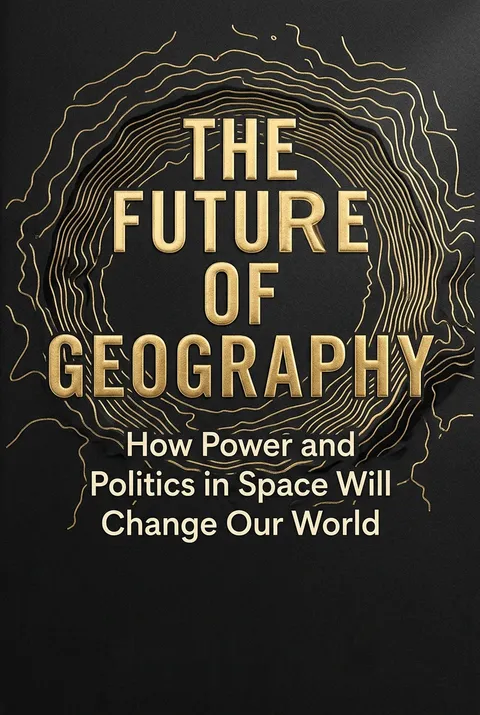
『地理の未来』は、宇宙地政学をわかりやすく探究した一冊として、おおむね好意的な評価を受けている。読者が高く評価しているのは、宇宙探査、植民地化、紛争をめぐる現在の動向と将来の可能性に対するマーシャルの分析である。歴史に関する章を有益と感じる読者がいる一方で、冗長だと感じる読者もいる。宇宙戦争や資源開発に関する考察は、多くの読者の関心を引きつけている。批評家からは、マーシャルの過去の著作と比べて焦点が定まっていないという指摘や、この複雑な分野における著者の専門性を疑問視する声もある。いくつかの欠点はあるものの、全体として読者にとって示唆に富む一冊となっている。
他の人が読んだ本





よくある質問
What's The Future of Geography about?
- Exploration of Space and Politics: The book explores the intersection of space exploration with geopolitical dynamics, highlighting how earthly conflicts may extend into space.
- Astropolitics Defined: Tim Marshall introduces "astropolitics," focusing on the political and military implications of human activities in space.
- Historical Context: It provides a historical overview of space exploration, from ancient interpretations of the cosmos to the modern Space Race, shaping current and future endeavors.
Why should I read The Future of Geography by Tim Marshall?
- Insightful Analysis: The book offers a deep analysis of how geography, space, and politics intersect, impacting global power dynamics.
- Urgent Call to Action: It serves as a wake-up call about the implications of space exploration on Earth, warning against repeating historical conflicts.
- Engaging Writing Style: Marshall's narrative style makes complex topics accessible and enjoyable, weaving historical anecdotes with contemporary issues.
What are the key takeaways of The Future of Geography?
- Space as a New Frontier: Space is not just scientific but a geopolitical battleground, with nations positioning for resources and strategic locations.
- Need for New Regulations: There's an urgent need for international laws governing space activities, as current treaties are outdated.
- Role of Major Powers: The book highlights the roles of major spacefaring nations like China, the USA, and Russia, crucial for predicting future conflicts and collaborations.
What are the best quotes from The Future of Geography and what do they mean?
- “If space is our future...”: Warns of the dangers of unchecked competition in space, potentially leading to exploitative behaviors.
- “We explored the world...”: Reflects the urgency of exploring space as Earth's resources dwindle, emphasizing survival and advancement.
- “Astropolitics is a word...”: Captures the transformative impact of the book, highlighting the relevance of astropolitics in contemporary discussions.
What is astropolitics as defined in The Future of Geography?
- Political Dynamics in Space: Astropolitics involves the political and military implications of human activities in space.
- Geography's Role: It draws parallels between traditional geopolitics and astropolitics, emphasizing geography's influence on power dynamics in space.
- Future Implications: Without cooperation, astropolitics could lead to conflicts similar to those on Earth, stressing the need for governance.
How does The Future of Geography relate to current events in space exploration?
- Geopolitical Tensions: Discusses how tensions, especially between the USA and China, influence space exploration efforts.
- Commercial Space Race: Highlights the rise of private companies like SpaceX, changing the landscape of space travel and governance.
- International Cooperation: Advocates for cooperation to prevent conflicts and ensure shared benefits, addressing global challenges.
How does Tim Marshall view the future of space exploration?
- Cautious Optimism: While competition is inevitable, there are opportunities for collaboration benefiting humanity.
- Need for Governance: Emphasizes the urgent need for a legal framework to govern space activities, preventing conflict and exploitation.
- Technological Advancements: Acknowledges rapid advancements making space exploration accessible, but warns of the need for ethical considerations.
How does The Future of Geography address the role of private companies in space exploration?
- Commercial Space Age: Discusses the rise of companies like SpaceX, transforming space exploration by making it more accessible.
- Innovation and Competition: Highlights how competition among firms drives innovation, reducing costs for launching missions.
- Partnerships with Governments: Notes increasing collaboration between private companies and government agencies, reshaping space exploration.
How does the book discuss the geopolitical rivalry between the USA and China in space?
- Competition for Dominance: Outlines the growing competition for leadership in space exploration, with heavy investments by both nations.
- Military Implications: Discusses how space technology advancements are tied to military capabilities, raising conflict concerns.
- Strategic Partnerships: Highlights the importance of alliances to counter rival powers, suggesting collaboration for peace in space.
What challenges does humanity face in establishing a presence on the Moon and Mars according to The Future of Geography?
- Environmental Conditions: Details harsh conditions like extreme temperatures and radiation, posing challenges for habitation.
- Resource Management: Discusses the need for sustainable management of resources like water and oxygen for long-term presence.
- Technological Development: Emphasizes developing technologies for life support, habitat construction, and transportation.
What are the implications of space exploration for Earth, according to The Future of Geography?
- Resource Scarcity: Exploration driven by Earth's dwindling resources, making space exploitation more pressing.
- Geopolitical Tensions: Warns that competition for space resources could exacerbate existing tensions, stressing governance.
- Technological Advancements: Space exploration can drive advancements benefiting Earth, with applications in various fields.
How does The Future of Geography suggest we prepare for the future of space?
- Establishing International Laws: Advocates for comprehensive laws governing space activities to prevent conflicts and ensure equity.
- Promoting Cooperation: Emphasizes prioritizing cooperation over competition, addressing common challenges and sharing benefits.
- Investing in Research and Development: Suggests investment in research to advance understanding and prepare for cosmic challenges.
ポリティクス・オブ・プレイス シリーズ
著者について
同じ著者の他の本: ティム・マーシャル



PDFをダウンロード
EPUBをダウンロード
.epub digital book format is ideal for reading ebooks on phones, tablets, and e-readers.








































