重要ポイント
1. 直感を信じること:それはあなたの自然な防御機能である
直感は少なくとも二つの重要な点で常に正しい。ひとつは必ず何かに反応していること、もうひとつは常にあなたの最善を願っていることだ。
生存のための直感。 私たちの直感は、進化の過程で磨かれた高度な内部警報システムであり、意識が危険を認識する前にそれを察知する。これは直感的な感覚や、胸騒ぎ、突然の不安感として現れる。これらの信号は偶然ではなく、潜在意識が環境から微細な手がかりを読み取っている結果である。
否認を乗り越える。 多くの人は社会的な圧力や礼儀を重んじる気持ちから、直感を無視しがちだ。しかし、その否認は危険を招くことがある。直感を信じて行動することを学べば、個人の安全性は大きく向上する。まずは即座に判断せずにその感覚を認め、何が原因かをじっくり考える習慣をつけよう。
- 直感の重要な特徴:
- 何かに必ず反応している
- 常にあなたの最善を願っている
- 論理的思考よりも速い
- 意識が危険を認識する前に察知できる
2. 暴力的行動を予測する生存信号を見抜く
私たちは、認識できる特定の信号を読み取る能力に基づいて他者の行動を予測している。
事件前の兆候。 暴力行為はほとんどの場合、予兆なしに起こることはない。言葉による脅し、身体的なジェスチャー、感情の変化、行動パターンなど、明確なサインが前もって現れることが多い。これらの信号を見抜くことで、暴力事件を予測し防止することが可能だ。
JACAモデル。 著者は暴力の可能性を評価するためにJACAモデルを紹介している:
- 正当化(Justification):本人は暴力を正当化しているか?
- 代替手段(Alternatives):暴力以外の選択肢を認識しているか?
- 結果(Consequences):行動の結果をどう見ているか?
- 能力(Ability):暴力行為を実行できると信じているか?
これらの要素を理解することで、潜在的な脅威を評価し適切な対応を取る助けとなる。
3. 執着する者の戦略を理解する
保護命令(TRO)が効果を発揮しないとは言わない。実際、多くの場合、裁判所の命令が出されると状況は改善する。逮捕の脅威によって男性が抑止されることが多いからだ。
執着は危険の兆候。 拒絶や境界を受け入れられない人は重大な脅威となることがある。彼らは強制的な協力関係の構築、魅力的な態度、無断の約束などの操作的手法を用いて接触と支配を続けようとする。
効果的な対応策。 執着する相手に対しては:
- 拒否の意思を明確かつ断固として示す
- 交渉や説明に応じない
- 望まない接触はすべて記録する
- 行動がエスカレートした場合は専門家に相談する
保護命令は時に効果的だが、万能ではなく、場合によっては状況を悪化させることもあることを忘れてはならない。
4. 恐怖を管理し、日常の不安を軽減する方法を学ぶ
恐怖は危険が存在する時にのみ鳴る生存信号である。しかし、不当な恐怖は私たちに対して、地球上の他のどの生物にも及ばない力を持ってしまっている。
本当の恐怖と不安の区別。 真の恐怖は短時間で強烈な信号であり、即時の危険を知らせるものだ。一方で慢性的な不安はしばしば根拠がなく、心身に悪影響を及ぼす。両者を見分けることは精神的健康と個人の安全にとって極めて重要である。
恐怖管理のための戦略:
- 恐怖は「起こりうること」についてのものであり、「今起きていること」ではないと認識する
- 現在の瞬間と周囲の状況に意識を集中する
- 想定される脅威の現実的な可能性を評価する
- 神経系を落ち着かせるリラクゼーション法を実践する
- 恐怖を感じる状況に段階的かつ制御された形で慣れていく
恐怖の本質を理解し、健全な対処法を身につけることで、不必要な不安を減らし、真の脅威により効果的に対応できるようになる。
5. 職場における暴力の警告サインを見抜く
もし他の生物を研究し、人間が示す種内暴力の記録を知ったら、私たちはそれに強い嫌悪感を抱くだろう。
潜在的な脅威の認識。 職場での暴力は予測可能なパターンをたどることが多い。主な警告サインは以下の通りである:
- 持続的な怒りや恨み
- 個人的問題を他者のせいにする
- 行動や業績の急激な変化
- 武器や暴力的事件への異常な関心
- 脅迫や威圧的な態度
予防策。 組織は以下の方法で職場暴力のリスクを減らせる:
- 採用時の厳格な審査と選考プロセスの実施
- 問題報告のための明確な方針と手順の整備
- 従業員支援プログラムや紛争解決トレーニングの提供
- 尊重と開かれたコミュニケーションの文化づくり
- すべての脅威を真剣に受け止め、迅速に対応する
早期介入が職場暴力防止の鍵である。雇用者も従業員も警告サインを認識し、適切に対応する訓練を受けるべきだ。
6. ドメスティックバイオレンスとストーキングのパターンを理解する
「話したくない」と十回言ったら、九回も話していることになる。
虐待のサイクル。 ドメスティックバイオレンスは緊張の高まり、急性の暴力、和解という予測可能なサイクルをたどることが多い。このパターンを理解することで被害者は自分の状況を認識し、助けを求めやすくなる。
ストーキングの行動。 一般的なストーキングの手口は以下の通り:
- 電話やメッセージ、SNSを通じた望まない接触
- 自宅や職場、社交の場への無断訪問
- 望まれない贈り物や手紙の送付
- 被害者の行動の監視や追跡
- 脅迫や威圧的な行動
解放への道。 被害者は以下を心がけるべきだ:
- 危険の直感を信じる
- 安全計画を立て、信頼できる人に共有する
- 望まない接触や脅迫行為を記録する
- ドメスティックバイオレンスやストーキングに詳しい専門家に相談する
- 離れる時が最も危険な場合があるため、慎重に計画を立てる
7. 公人への攻撃の動機を解読する
暗殺者は、アメリカで有名人を殺害または殺害未遂した場合、それが最大のメディアイベントになることを知っている。
暗殺者の心情理解。 公人への攻撃者はしばしば名声欲求や歪んだ自己重要感に駆られている。暴力を通じて認知を得たり、 perceived wrongs(認識された不正)を正そうと考えることが多い。
暗殺者の共通特徴:
- 精神疾患や不安定な歴史
- 過去の攻撃者や暴力事件への強い関心
- 注目や名声への渇望
- 対象を人間ではなく象徴として見る傾向
- 特別な使命感や運命を信じている
予防策。 公人への攻撃リスクを減らすために:
- 徹底した警備と脅威評価の実施
- 模倣犯を減らすため攻撃者の詳細な報道を制限
- リスクのある個人への早期介入とメンタルヘルス支援
- スタッフへの異常行動の認識と報告の訓練
- 潜在的脅威に対する迅速な対応体制の整備
8. 子どもたちに暴力防止と健全な人間関係を教育する
子どもは大人、特に大人からの保護を必要としている。
連鎖を断ち切る。 多くの暴力的な人は幼少期の虐待やネグレクトの経験がある。子どもたちに安全で養育的な環境を提供し、健全な人間関係について教えることで、暴力の連鎖を断ち切ることができる。
子どもへの重要な教え:
- 個人の境界と同意の尊重
- 非暴力的な紛争解決スキル
- 虐待の兆候を見抜く力
- 信頼できる大人に助けを求める重要性
- 共感力と感情知能の育成
親の役割。 親や養育者は暴力防止において以下を担う:
- 健全な関係とコミュニケーションの模範を示す
- 安全や個人の境界について率直に話す
- 子どもが直感を信じることを促す
- 心配事を共有できる支援的な環境を提供する
- 攻撃的またはいじめの行動に迅速に対処する
子どもたちに暴力防止を教育し、健全な関係構築のスキルを育むことで、将来の社会をより安全なものにできる。
レビューまとめ
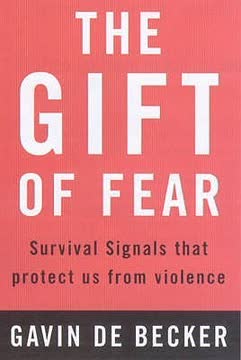
『The Gift of Fear』は、直感を信じて危険を回避する洞察に対して概ね好意的な評価を受けている。読者は、デ・ベッカーが恐怖の信号に耳を傾け、警告サインを見極めることを強調している点を高く評価している。特に女性にとっては、助言が力を与え、命を救う可能性があると感じる人が多い。一方で、一部には内容が時代遅れであることや、被害者非難の懸念を指摘する声もある。本書が扱うストーキング、家庭内暴力、職場の安全に関する議論は貴重なものとして注目されている。部分的に関連性が薄い、あるいは過剰に劇的だと感じる読者もいるが、個人の安全のために重要な一冊として推奨する意見が大半を占めている。
他の人が読んだ本





よくある質問
What's The Gift of Fear about?
- Intuition as a Survival Tool: The Gift of Fear by Gavin de Becker emphasizes the importance of intuition as a natural response to danger, guiding individuals to recognize and avoid potential threats.
- Understanding Violence: The book delves into the psychology of violence, offering insights into behaviors that can predict violent actions, particularly in contexts like domestic abuse and stalking.
- Practical Safety Strategies: De Becker provides practical advice on personal safety, including how to respond to threats and the importance of setting boundaries.
Why should I read The Gift of Fear?
- Empowerment through Knowledge: The book equips readers with knowledge about human behavior and violence dynamics, empowering them to make informed safety decisions.
- Real-Life Examples: De Becker shares compelling stories and case studies that illustrate the principles discussed, making the content relatable and practical.
- Enhancing Intuition: It teaches readers to recognize and trust their intuitive feelings, crucial for decision-making in dangerous situations.
What are the key takeaways of The Gift of Fear?
- Trust Your Intuition: Listening to and trusting your gut feelings is crucial, as intuition often signals danger before it becomes apparent.
- Recognize Survival Signals: The book outlines various signals, such as forced teaming and ignoring "no," that indicate potential threats.
- Context Matters: Understanding the context of behaviors is essential in assessing threats and predicting violence.
What are the best quotes from The Gift of Fear and what do they mean?
- “This above all, to refuse to be a victim.”: Emphasizes empowerment and proactive safety measures to avoid victimization.
- “You have the gift of a brilliant internal guardian that stands ready to warn you of hazards.”: Highlights the power of intuition as a self-protection tool.
- “When you feel fear, listen.”: Encourages taking fear seriously as it can indicate real danger.
How does Gavin de Becker define "survival signals" in The Gift of Fear?
- Understanding Survival Signals: These are cues or indicators that alert individuals to potential danger, often through verbal or non-verbal behaviors.
- Examples of Signals: Includes forced teaming, too many details, and ignoring "no," which help assess if someone poses a threat.
- Importance of Awareness: Recognizing these signals allows for informed safety decisions and encourages trusting one's instincts.
What is the concept of "forced teaming" in The Gift of Fear?
- Definition of Forced Teaming: A manipulation tactic where someone creates a false sense of partnership to gain trust.
- Recognizing the Signal: Often used by predators to disarm victims, making them feel obligated to engage.
- Defense Against Forced Teaming: Refusing the partnership concept helps regain control and deter unwanted advances.
What is the JACA method mentioned in The Gift of Fear?
- JACA Elements Explained: Stands for Justification, Alternatives, Consequences, and Ability, helping assess the likelihood of violence.
- Application of JACA: Analyzing these components aids in predicting violent behavior by understanding motivations and circumstances.
- Predicting Behavior: Provides a framework for understanding thought processes behind violent actions, emphasizing context and perception.
How does The Gift of Fear address the issue of denial in predicting violence?
- Denial as a Barrier: Denial prevents recognizing potential threats, leading to dangerous situations by dismissing instincts.
- Consequences of Denial: Ignoring warning signs due to denial can result in victimization, highlighting the need for acknowledgment.
- Overcoming Denial: Encourages trusting intuition and being aware of surroundings to take proactive safety steps.
How does The Gift of Fear differentiate between real fear and manufactured fear?
- Real Fear as a Signal: Described as a survival signal indicating present danger, prompting action.
- Manufactured Fear as Anxiety: Worry or anxiety lacking a direct link to real danger, often debilitating.
- Importance of Evaluation: Encourages critical evaluation of fear to distinguish between real and manufactured, ensuring effective threat response.
What are the implications of The Gift of Fear for understanding domestic violence?
- Predictive Indicators: Outlines behaviors indicating domestic violence risk, aiding proactive protection steps.
- Cycle of Abuse: Discusses how individuals feel trapped in violent relationships, helping victims recognize and seek help.
- Empowerment through Knowledge: Knowledge about domestic violence empowers informed decisions, leading to better outcomes for those at risk.
How does The Gift of Fear address workplace violence?
- Hiring Practices: Emphasizes thorough background checks to prevent future workplace violence.
- Supervision and Management: Discusses the need for appropriate supervision and feedback to address troubling behaviors.
- Termination Strategies: Provides strategies for safely terminating employees who may pose a risk, ensuring dignity and safety.
How can I apply the lessons from The Gift of Fear in my daily life?
- Practice Awareness: Be more aware of surroundings and interactions, paying attention to discomfort or unease.
- Trust Your Instincts: Listen to intuition and act on it, removing yourself from situations if something feels off.
- Educate Yourself: Learn about survival signals and manipulation tactics to better navigate social interactions and protect yourself.