重要ポイント
1. 感情は抑えるべき問題ではなく、信号である
感情は悪ではなく、活用し学ぶべき信号である。
視点を変えよう。 一般的な誤解とは異なり、トレーディングにおける感情は本質的に悪いものではない。感情は、対処すべき根本的な問題を示す貴重な信号として機能する。感情を問題ではなく指標として捉えることで、トレーダーは自身のメンタル面を深く理解し、必要な改善を図ることができる。
感情の役割を理解する。 感情はパフォーマンスを支え、意思決定にエネルギーを与える。怒りのようなネガティブな感情も、適切に活用すれば有益となる。重要なのは、感情のバランスと安定性を保ち、常に最高のパフォーマンスを発揮することである。
よくある誤りを避ける。 多くのトレーダーは感情をコントロールしようとしたり、抑え込んだり、無視しようとする。しかしこれは逆効果であり、以下のような問題を招く。
- 感情の不安定化の増加
- 成長や改善の機会の喪失
- 直感的な洞察へのアクセス不能
- 全体的なトレーディングパフォーマンスの低下
2. 感情パターンをマッピングし、引き金と反応を理解する
見えないものは止められない。
詳細なマップを作成する。 トレーディングにおける感情の問題に効果的に対処するには、自身の感情パターンを包括的に理解することが不可欠だ。これは、引き金となる出来事、思考、感情、行動、そしてトレーディングミスを特定することを意味する。
体系的なアプローチを用いる。 感情マップ作成の手順は以下の通りだ。
- 数週間にわたり感情の反応に注意を払う
- 引き金、思考、感情、行動、トレーディングミスを記録する
- 観察結果を重症度のスケール(1〜10)に整理する
- メンタル・感情面とトレーディングの技術面を分けて考える
- 新たな気づきに応じて定期的にマップを見直し更新する
マッピングの利点。 詳細な感情マップを作成することで、
- 感情のエスカレーションの初期警告を認識できる
- 感情がトレーディングに大きな影響を与える前に介入できる
- 感情反応の根本原因を洞察できる
- メンタル面の管理に効果的な戦略を立てられる
3. メンタルゲームの問題の根本原因を特定する
問題を作り出したのと同じ考え方では、問題は解決できない。
深掘りする。 多くのトレーダーは表面的な症状に注目しがちで、メンタルゲームの問題の根本原因に取り組んでいない。持続的な改善を目指すには、感情や行動の問題の根本原因を明らかにすることが不可欠だ。
メンタル・ハンド・ヒストリー・ツールを活用する。 この5段階のプロセスは、メンタルゲームの問題を分析し解決するのに役立つ。
- 問題を詳細に記述する
- なぜその問題が起きるのか合理的に説明する
- ステップ2の論理の誤りを説明する
- その誤った論理を修正する案を考える
- その修正案が正しい理由を説明する
よくある根本原因に対処する。 頻出する問題の例は以下の通りだ。
- 非現実的な期待
- 市場の動態に対する誤解
- トレーディングや自己能力に関する誤った信念
- トレーディングパフォーマンスに影響を与える未解決の個人的問題
- 技術的知識や戦略実行のギャップ
4. 強欲はしばしば他の根本問題の症状である
強欲は動物の本能の基本的な一部であり、それに反対することは呼吸や食事に反対するようなものだ。
強欲の本質を理解する。 トレーディングにおける強欲は、過信、恐怖、怒りなど他の感情問題の表れであることが多い。これを認識することで、単に強欲を抑えるのではなく、問題の真の原因に対処できる。
強欲の一般的な兆候を把握する。
- 平凡なトレードセットアップを無理に行う
- 利益が出ているポジションを長く持ちすぎる
- 適切なリスク管理なしにポジションサイズを増やす
- 市場価格の上下を追いかける
- 利益や逃したチャンスに執着する
根本問題に取り組む。 強欲を効果的に管理するためには、
- 強欲行動の根本原因を検証する
- 自身の優位性とリスク管理戦略を明確に理解する
- 規律を維持するためのルールやガイドラインを設定する
- 利益だけでなくプロセス重視の目標に集中する
- トレーディング成功に対する長期的な視点を育む
5. トレーディングにおける恐怖:その多様な形を認識し対処する
暗闇を怖がる子供は簡単に許せるが、人生の真の悲劇は光を怖がる大人である。
恐怖の種類を理解する。 トレーダーは以下のような様々な恐怖を経験することがある。
- 取り残される恐怖(FOMO)
- 損失への恐怖
- ミスを犯す恐怖
- 失敗への恐怖
恐怖の一般的な兆候を認識する。
- トレードのエントリーに躊躇する
- 利益が出ているポジションを早期に手放す
- 高確率のセットアップを避ける
- 市場データを過剰に分析する
- 行動前に過剰な確認を求める
恐怖管理の戦略を立てる。 恐怖を克服するために、
- 自分が感じている恐怖の種類を特定する
- 恐怖の根底にある信念や経験を検証する
- 非合理的な思考に挑戦し、再構築する
- リスク管理と適切なポジションサイズに注力する
- 恐怖を引き起こす状況に段階的に慣れていく
- 成長マインドセットを育み、ミスを学びの機会と捉える
6. ティルト:トレーディングにおける怒りを理解し管理する
怒りは悪い助言者である。
ティルトを認識する。 ティルトとは、感情的なフラストレーションや怒りの状態で、トレーディングの判断を誤らせることを指す。ティルトの性質と引き金を理解することは、感情コントロールに不可欠だ。
ティルトの一般的な兆候。
- 過剰なトレードやリベンジトレード
- 損失後にポジションサイズを増やす
- リスク管理ルールを無視する
- 最近の損失や逃したチャンスに固執する
- 心拍数の増加や筋肉の緊張など身体的症状が現れる
ティルト管理戦略を構築する。
- 自身のティルトパターンと引き金を詳細にマッピングする
- 感情状態の「ストップロス」を設定する
- マインドフルネスや自己認識の技術を実践する
- よくあるティルト状況に対する事前対応策を用意する
- 必要に応じて定期的に休憩を取り、トレードから離れる
- ティルト発生後に振り返り、改善点を特定する
7. 安定した自信を育み、一貫したパフォーマンスを実現する
自信とは、情報の一貫性と認知の容易さを反映した感覚である。
自信の本質を理解する。 トレーディングにおける自信は固定的な特性ではなく、様々な要因で変動する動的な状態だ。安定した自信を築くことが、一貫したパフォーマンスの鍵となる。
過信と自信欠如の兆候を見極める。
- 過信:過度なリスクを取り、警告サインを無視し、不敗感を抱く
- 自信欠如:躊躇、決断の迷い、チャンス回避
安定した自信を構築する。
- 結果だけでなくプロセス重視の目標に集中する
- 詳細なトレーディングジャーナルをつけ、進捗と成功を記録する
- 知識とスキルを継続的に向上させる
- 明確で定義されたトレーディングプランを作成し遵守する
- 自己批判を避け、自己慈悲を実践する
- 強みと改善点を定期的に見直す
- 経験豊富なトレーダーからのフィードバックやサポートを求める
8. 規律:トレーディング成功のための習慣とルーティンを築く
規律なき才能は、ローラースケートを履いたタコのようなものだ。動きは多いが、前進か後退か横移動か分からない。
規律を養う。 トレーディングにおける規律とは、トレーディングプランを一貫して守り、リスクを管理し、集中力を維持することを指す。これは習得し、向上させることが可能なスキルである。
規律に関するよくある課題。
- 焦りや過剰トレード
- 退屈による判断ミス
- 注意散漫や集中力欠如
- 重要なトレード作業の先延ばし
- トレーディングルーティンの怠慢
規律向上のための戦略。
- 明確で書面化されたトレーディングプランを作成し定期的に見直す
- 事前の準備ルーティンを設け、精神的・感情的に整える
- チェックリストを活用し戦略の一貫した実行を確保する
- 現実的で達成可能な目標を設定し進捗を追跡する
- マインドフルネスや瞑想を実践し集中力を高める
- 注意散漫を防ぐ環境を整える
- トレーディングパフォーマンスを定期的に分析・評価する
- 集中したトレーディング時間を徐々に延ばす
9. 四段階プロセスでリアルタイムに問題を修正する
魚を与えれば一日食べられる。魚の釣り方を教えれば一生食べられる。
リアルタイム修正戦略を実践する。 トレーディング中に発生するメンタルゲームの問題に効果的に対処するため、以下の四段階プロセスを用いる。
- 認識する:感情マップを使い問題が発生したことを特定する
- 断ち切る:深呼吸や身体の動きなどでパターンを中断する
- 思い出す:実行すべき正しい思考や行動を呼び起こす
- 再集中する:トレーディングのプロセスと戦略に注意を戻す
練習と反復。 このプロセスを継続的に適用することで、
- 感情反応を認識し管理する能力が強化される
- 新たで効果的なメンタル習慣が形成される
- トレーディングのパフォーマンスと一貫性が向上する
課題を乗り越える。 この戦略の導入初期には困難や挫折があるかもしれないが、粘り強さと継続的な練習がメンタルゲームの持続的改善に不可欠である。
10. 学習プロセスを受け入れ、継続的に向上する
真実、より正確には現実の正確な理解こそが、良い結果を生み出すための本質的な基盤である。
成長マインドセットを採用する。 トレーディングを固定されたスキルの集合ではなく、継続的な学習プロセスと捉えよう。挑戦や挫折を成長と改善の機会として受け入れる。
インチワーム・コンセプトを活用する。
- トレーディングスキルはAゲームからCゲームまでの範囲内に存在することを認識する
- 最高のパフォーマンスと最低のパフォーマンスの両方を改善することに注力する
- 時間をかけて能力の幅を徐々に広げていく
継続的改善のための戦略。
- トレーディングプランを定期的に見直し更新する
- メンターや経験豊富なトレーダーからフィードバックを求める
- 市場の動向や新しいトレーディング手法に関する情報を常に収集する
- 管理された低リスク環境で新戦略を試す
- 学習ジャーナルをつけ、洞察や進捗を記録する
- トレーディングセミナーやワークショップ、講座に参加し知識を広げる
- トレーディングの特定の側面に意図的かつ集中した改善を実践する
学習プロセスを受け入れ、メンタルゲームの向上に継続的に取り組むことで、トレーディングの困難を乗り越え、長期的な成功を手に入れることができる。
レビューまとめ
『The Mental Game of Trading』は、その実践的なトレーディング心理学へのアプローチが高く評価されている。読者の多くは、感情のコントロールや意思決定の向上に役立つと感じている。本書の「インチワーム」コンセプトや自己改善への注力は特に好評であり、トレーディングに限らず日常生活にも応用できる点が指摘されている。一方で、内容の長さや繰り返しが気になるとの声もあるが、精神面の強化とパフォーマンス向上を目指すトレーダーにとっては必読の書とされている。
他の人が読んだ本
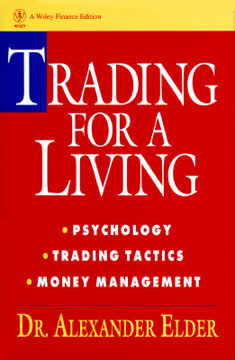
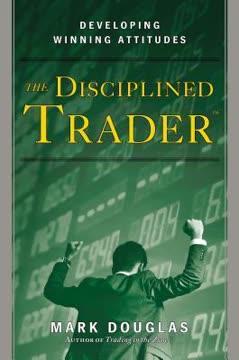
 イマーシブ
イマーシブ

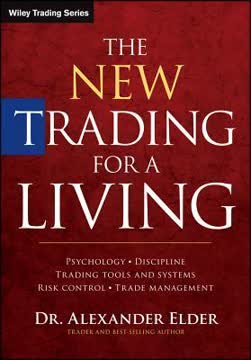
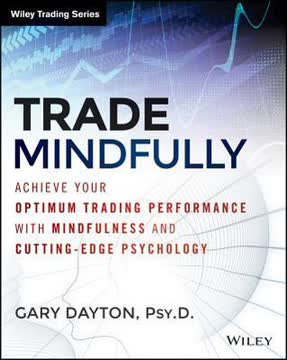
 イマーシブ
イマーシブ
 イマーシブ
イマーシブ

 イマーシブ
イマーシブ
よくある質問
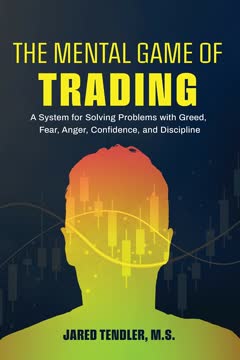
What's The Mental Game of Trading about?
- Focus on Mental Aspects: The book emphasizes the psychological challenges traders face, such as fear, greed, and overconfidence, and how these emotions impact trading performance.
- Systematic Approach: Jared Tendler presents a step-by-step system to identify and correct common emotional issues that can hinder trading performance.
- Real-World Application: The methods are based on Tendler's experience with clients in trading, poker, and sports, showcasing their effectiveness in real-world scenarios.
Why should I read The Mental Game of Trading?
- Improve Execution: The book provides practical strategies to enhance trading execution by addressing psychological barriers that lead to poor decision-making.
- Long-Term Success: Understanding and correcting mental game issues can lead to consistent long-term profitability rather than relying on luck or short-term strategies.
- Comprehensive Framework: It offers a structured framework for recognizing and resolving emotional problems, valuable for both novice and experienced traders.
What are the key takeaways of The Mental Game of Trading?
- Emotions as Signals: Emotions are signals indicating underlying issues that need to be addressed, not enemies to be suppressed.
- Mapping Patterns: Traders are encouraged to map their emotional patterns to recognize triggers and responses, aiding in effective mental game management.
- Focus on Resolution: The goal is to resolve mental game issues rather than merely controlling emotions, leading to improved trading performance.
What are the best quotes from The Mental Game of Trading and what do they mean?
- “Hope isn’t a strategy; close it and move on to the next one.”: This emphasizes decisive action over emotional attachment to trades.
- “If knocked down, I will get back up, every time.”: Reflects the resilience needed in trading, highlighting perseverance and recovery from losses.
- “You can’t control variance, but you can control how you respond to it.”: Promotes a proactive mindset in dealing with market fluctuations and setbacks.
How does Jared Tendler define greed in The Mental Game of Trading?
- Excessive Desire for More: Greed is described as a selfish and excessive desire for more, which can cloud judgment and lead to poor decisions.
- Interconnected with Other Emotions: Greed often stems from flaws related to overconfidence, lack of confidence, or anger.
- Impact on Performance: It can lead to actions like moving profit targets or overleveraging, undermining strategies and costing money.
What is the "Inchworm Concept" in The Mental Game of Trading?
- Learning Process Visualization: The Inchworm Concept illustrates improvement in trading performance through a structured learning process.
- Focus on Backend Improvement: Emphasizes improving the backend of trading skills (C-game) while pushing the front end (A-game) forward.
- Continuous Growth: By addressing weaknesses, traders can expand their performance range and achieve higher success levels over time.
How can I map my emotional patterns as suggested in The Mental Game of Trading?
- Document Your Experiences: Keep a detailed log of thoughts, emotions, and behaviors during trading sessions to identify patterns and triggers.
- Organize by Severity: Rank the intensity of emotional responses on a scale from 1 to 10, distinguishing between mental/emotional and technical aspects.
- Iterative Process: Continuously update your map as you gain more insights, allowing for better recognition and management of your mental game.
What is the "Mental Hand History" method in The Mental Game of Trading?
- Structured Problem-Solving: A five-step process designed to help traders analyze their mental game issues systematically.
- Identify and Correct Flaws: Encourages traders to describe problems, understand flawed logic, and develop corrections to improve performance.
- Iterative Learning: Allows for ongoing reflection and adjustment, helping traders learn from experiences and refine their approach over time.
How does The Mental Game of Trading address the fear of mistakes?
- Mistakes as Learning Opportunities: Mistakes are a natural part of learning and should be viewed as growth opportunities rather than failures.
- Expecting Perfection: Discusses how expecting perfection can lead to fear of mistakes, hampering performance and decision-making.
- Correcting Self-Criticism: Encourages reducing self-criticism and focusing on constructive feedback to improve skills and confidence.
How can I improve my confidence as a trader according to The Mental Game of Trading?
- Recognize Accomplishments: Keep track of achievements, no matter how small, to build a positive self-image and reinforce confidence.
- Injecting Logic: Use "Injecting Logic" statements to counter negative thoughts and boost confidence, tailored to specific fears or doubts.
- Stable Confidence: Develop stable confidence based on a realistic assessment of skills rather than fluctuating results, allowing better performance under pressure.
What strategies does Jared Tendler recommend for managing fear in trading?
- Identify Triggers: Understand what specifically triggers fear and map patterns to recognize its impact on decision-making.
- Use Breathing Techniques: Diaphragmatic breathing helps calm the mind and body, reducing anxiety and regaining focus during stress.
- Focus on Process Goals: Shifting focus from results to process-oriented goals can mitigate fear, reducing the emotional weight of trades.
What role does discipline play in trading according to The Mental Game of Trading?
- Foundation for Success: Discipline is essential for executing a trading strategy consistently, helping traders stick to plans and avoid emotional decisions.
- Building Habits: Discipline is a skill that can be developed over time, focusing on building positive habits that support trading goals.
- Managing Emotions: A strong sense of discipline allows traders to manage emotions effectively, reducing the impact of fear, greed, and other challenges on performance.