重要ポイント
1. ストイシズム:認知行動療法の哲学的基盤
「認知療法の哲学的起源は、特に紀元前4世紀のキティオンのゼノン、クリュシッポス、キケロ、セネカ、エピクテトス、マルクス・アウレリウスらのストイック哲学者に遡ることができる。」
古代の知恵と現代心理学の融合である。ストイシズムは古代ギリシャの哲学であり、認知行動療法(CBT)の多くの原理の基盤となっている。このつながりは、人間の心理的課題に対処するうえで哲学的思想が持つ普遍的な価値を示している。
CBTにおける主要なストイック概念:
・認知の媒介:思考が感情に影響を与えるという考え方
・合理的思考:非合理的な信念に挑戦し、変えること
・受容:変えられないものを受け入れること
・自己規律:思考や行動をコントロールする力を養うこと
ストイシズムがCBTに与えた影響は、効果的な心理戦略の時代を超えた普遍性と、哲学的洞察を現代の治療法に統合する価値を示している。
2. ABCモデル:古代の知恵と現代心理学の架け橋
「A + B = C。この理論は1955年当時に流行していた精神分析や条件付けなどの感情障害理論とは大きく異なっていた。」
古代と現代の思想をつなぐ。アルバート・エリスが合理的情動行動療法(REBT)で提唱したABCモデルは、ストイックな原理と驚くほど類似している。このモデルは感情反応の理解と変化の枠組みを提供する。
ABCモデルの構成要素:
・A:活性化事象(外的状況やきっかけ)
・B:信念(事象に対する思考や解釈)
・C:結果(感情的・行動的反応)
事象(A)と結果(C)の間に信念(B)が媒介するという点で、ABCモデルは感情的混乱の原因を判断に求めるストイックの考え方を反映している。このアプローチは、信念を検証・修正することで感情反応をコントロールする力を個人に与える。
3. 認知的距離化:思考と現実の分離
「私たちを動揺させるのは物事そのものではなく、それに対する私たちの判断である。」
思考に対する客観的視点の獲得。認知的距離化はストイシズムとCBTの両方で重要な概念であり、思考と外的現実との間に距離を置くことを意味する。この技術により、信念をより客観的に検討し、その感情的影響を軽減できる。
認知的距離化の利点:
・感情的反応の軽減
・思考の柔軟性の向上
・非合理的信念への挑戦能力の強化
・問題解決能力の向上
認知的距離化を実践することで、人生の困難に対してよりバランスの取れた合理的な態度を育み、逆境に直面しても平静を保つストイックの理想に近づくことができる。
4. 支配の二分法:変えられることに集中する
「あるものは私たちの支配下にあり、あるものはそうでない。」
受容による自己強化。支配の二分法はストイック哲学の基本原理であり、私たちが影響を及ぼせるものと及ぼせないものを区別することを教える。この考え方は、様々な自己啓発プログラムで用いられるセレニティ・プレイヤーにも反映されている。
支配の二分法の実践:
・自分の力の及ぶもの(思考、判断、行動)を特定する
・自分の力の及ばないもの(外的事象、他者の意見)を認識する
・変えられることにエネルギーを注ぐ
・変えられないことを受け入れる
この原理を受け入れることで、不必要なストレスや不安を減らし、生産的な変化に向けて努力を集中させるとともに、制御不能な状況に対する回復力を養うことができる。
5. 合理的感情:健全な感情反応の育成
「ストイックは感情や欲望の否定を説いたのではなく、合理的で適応的な感情(ユーパテイアイ)の育成を推奨した。」
理性と感情の調和。誤解されがちだが、ストイシズムは感情の抑圧を求めているわけではない。むしろ、状況にふさわしい比例的で合理的な感情の発達を促す。
ストイシズムにおける合理的感情の種類:
・喜び(カラ):合理的な快楽や満足感
・注意深さ(エウラベイア):合理的な配慮や用心
・願望(ボウレシス):合理的な欲求や好み
これらの合理的感情を育むことで、心理的なバランスと回復力を保ちながら、人間の感情体験を豊かにすることができる。この考え方は、健全な感情反応を促進する現代のCBT技法と一致している。
6. プレメディタティオ・マロルム:逆境への心の準備
「あらゆる災難を心の中でリハーサルし、感情的な避難訓練のように備える。」
困難に備える心の訓練。プレメディタティオ・マロルム(ネガティブ・ビジュアライゼーション)は、起こりうる困難や挫折を想像するストイックな技法である。この実践は回復力を高め、未来の不安を軽減する。
プレメディタティオ・マロルムの効果:
・予期せぬ逆境の影響を軽減
・感情的な準備の向上
・問題解決能力の強化
・現在の状況への感謝の増大
この心の訓練を定期的に行うことで、人生の避けられない困難に対処するための強靭な心理的態度を養うことができる。この技法は、現代のCBTにおける曝露療法や認知的リハーサルと類似している。
7. 高所からの眺め:人生の課題に対する視野の拡大
「かつて他の人々が生きた人生、あなたの後に生きる人々の人生、今も遠い土地で生きる人々の人生を思い描け。どれほど多くの人があなたの名前すら知らず、やがて忘れてしまうだろうか。」
宇宙的視点による自己成長。高所からの眺めは、人生をより広い宇宙的視点から想像するストイックな瞑想法である。この実践は謙虚さを育み、些細な悩みの影響を和らげる。
高所からの眺めの重要な側面:
・時間的視点:歴史の中での自分の位置を考える
・空間的視点:宇宙から地球を想像する
・社会的視点:社会における自分の役割を省みる
この瞑想を定期的に行うことで、人生の課題に対してよりバランスの取れた哲学的な態度を養い、宇宙の自然秩序と調和して生きるストイックの理想に近づくことができる。
8. 受容とマインドフルネス:第三波CBTにおけるストイック原理
「私たちが意味する受容とは、瞬間瞬間の経験に対して意図的に開かれ、受け入れ、柔軟で非判断的な姿勢を自発的に採用することである。」
古代の知恵を現代療法に活かす。受容とマインドフルネスの原理は、第三波CBTの中心的な要素であり、ストイック哲学と明確な類似点を持つ。これらは現在の瞬間への気づきと非判断的な観察を強調する。
第三波CBTにおけるストイックの影響:
・変えられない状況の受容
・思考や感情への注意深い気づき
・価値観に基づく行動への集中
・認知的分離(思考と現実の分離)
これらのストイックに着想を得た原理を取り入れることで、ACT(アクセプタンス&コミットメント・セラピー)などの現代療法は心理的健康と個人の成長に強力な手段を提供している。
9. 自己分析と論駁:非合理的信念への挑戦
「これらの思考を常に手元に置き、一人の時にそれらに没頭し、使えるように準備しておけば、誰かに慰めや励ましを求める必要はなくなる。」
内なる強さの育成。ストイシズムは定期的な自己反省と自己の信念への挑戦を重視する。この実践は現代CBTの認知再構成技法と密接に関連している。
ストイックな自己分析の手順:
- 問題となる思考や信念を特定する
- それらの信念を支持する証拠を検討する
- 代替的な視点を考慮する
- より合理的でバランスの取れた見解を形成する
このプロセスを継続的に行うことで、感情的回復力を高め、人生の課題に対してより合理的な態度を育むことができる。これは内なる知恵と強さを養うストイックの理想を反映している。
10. 自然に従って生きること:ストイックの究極目標
「我々のモットーは、誰もが知るように、自然に従って生きることである。」
宇宙的秩序との調和。自然に従って生きるというストイックの概念は、理性、美徳、宇宙の自然秩序に行動を調和させることを意味する。この原理はストイック倫理と個人の成長の究極的な指針となる。
自然に従って生きることの重要な側面:
・知恵と美徳の育成
・支配できないものの受容
・役割と責任の遂行
・全人類との相互連関の認識
自然と調和して生きることを目指すことで、心の平安、回復力、目的意識を高めることができる。この包括的なストイックの目標は、多様な哲学的・心理学的原理を統合し、一貫した人生の指針を提供する。
レビューまとめ
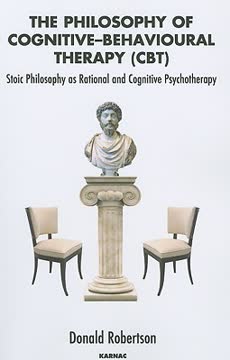
『認知行動療法(CBT)の哲学』は、現代の心理療法におけるストア哲学の影響を探求した点で概ね好評を博している。本書は歴史的背景と実践的応用を丁寧に解説しており、専門家だけでなく一般読者にも示唆を与える内容となっている。一方で、学術的すぎるとの指摘や、内容の反復が気になるという声もある。また、古代哲学とCBTの技法を結びつける試みは評価されるものの、キリスト教に対する偏りが見られるとの批判も存在する。誤字脱字が散見される点は改善の余地があるが、ストア哲学の原理を現代心理学に包括的に統合しようとする姿勢は高く評価されている。
他の人が読んだ本









よくある質問
What's The Philosophy of Cognitive Behavioural Therapy about?
- Integration of Philosophy and Therapy: The book explores the connection between ancient Stoic philosophy and modern cognitive-behavioral therapy (CBT), showing how they were once intertwined disciplines.
- Historical Context: It traces the evolution of CBT from its philosophical origins, highlighting contributions from figures like Epictetus and Marcus Aurelius.
- Practical Applications: The text provides techniques from Stoic philosophy that can be applied in modern psychotherapy and self-help to manage emotions and improve mental health.
Why should I read The Philosophy of Cognitive Behavioural Therapy?
- Deep Understanding of CBT: The book offers a comprehensive look at the philosophical underpinnings of CBT, beneficial for mental health practitioners and students.
- Historical Insights: It bridges the gap between ancient wisdom and modern therapeutic practices, enriching one's approach to therapy and self-help.
- Practical Techniques: Includes actionable techniques for personal development that readers can implement in their lives or therapeutic practices.
What are the key takeaways of The Philosophy of Cognitive Behavioural Therapy?
- Cognitive Mediation: Emphasizes that emotional disturbances are shaped by our perceptions, a principle central to both Stoicism and CBT.
- Dichotomy of Control: Introduces the concept that some things are within our control (thoughts and actions) while others are not (external events).
- Emotional Regulation Techniques: Discusses methods like mindfulness and rational disputation to cultivate emotional resilience, rooted in Stoic philosophy.
How does Stoicism relate to modern CBT in The Philosophy of Cognitive Behavioural Therapy?
- Philosophical Origins: Argues that CBT has roots in Stoic philosophy, with both emphasizing rational thought in managing emotions.
- Cognitive Restructuring: Both Stoicism and CBT focus on identifying and challenging irrational beliefs to improve emotional health.
- Practical Techniques: Stoic methods like mindfulness and rational disputation are integrated into modern CBT practices.
What specific techniques from Stoicism are discussed in The Philosophy of Cognitive Behavioural Therapy?
- Mindfulness of Judgments: Encourages awareness of how judgments affect emotions, promoting reflection before reacting emotionally.
- Premeditatio Malorum: Involves contemplating potential misfortunes to prepare emotionally, reducing anxiety about the future.
- Self-Analysis and Disputation: Highlights examining thoughts and disputing irrational beliefs to challenge negative thought patterns.
What is praemeditatio malorum and how is it used in The Philosophy of Cognitive Behavioural Therapy?
- Definition: Translates to "premeditation of evils," a Stoic exercise of imagining potential misfortunes in advance.
- Coping Mechanism: Helps reduce the shock of unexpected events and cultivate resilience by visualizing worst-case scenarios.
- Practical Application: Suggested as a regular practice, especially in the morning, to mentally rehearse responses to anticipated difficulties.
How does The Philosophy of Cognitive Behavioural Therapy define mindfulness in the context of Stoicism?
- Concept of prosoche: Mindfulness in Stoicism is about "attention to oneself," focusing on present thoughts and judgments.
- Self-Monitoring: Continuous self-awareness helps manage emotional responses and maintain control over judgments.
- Connection to CBT: Parallels are drawn between Stoic mindfulness and modern CBT techniques, both focusing on cognitive processes.
What are some key Stoic techniques discussed in The Philosophy of Cognitive Behavioural Therapy?
- Cognitive Distancing: Separating thoughts from external events to gain an objective perspective and reduce emotional disturbances.
- Role Modeling: Contemplating virtues of historical figures or sages as guides for personal behavior, encouraging emulation of positive traits.
- Daily Reflection: Practicing self-reflection to review actions and thoughts, similar to modern therapeutic journaling.
What are the best quotes from The Philosophy of Cognitive Behavioural Therapy and what do they mean?
- "Men are disturbed not by things, but by the views which they take of them.": Highlights that perceptions shape emotional responses, suggesting thought changes can lead to healing.
- "Some things are up to us and others are not.": Introduces the Dichotomy of Control, focusing on actions and judgments while accepting external circumstances.
- "The philosopher’s school is a doctor’s clinic.": Illustrates the therapeutic nature of philosophy, promoting mental well-being through philosophical training.
What is the significance of the Dichotomy of Control in The Philosophy of Cognitive Behavioural Therapy?
- Focus on Control: Teaches distinguishing between what can be controlled (thoughts and actions) and what cannot (external events).
- Acceptance of External Events: Encourages acceptance of outcomes beyond control, fostering a peaceful mindset.
- Practical Application: Provides examples of applying the Dichotomy of Control in daily life to navigate challenges with clarity.
How can I apply the concepts from The Philosophy of Cognitive Behavioural Therapy in my daily life?
- Daily Reflection: Engage in self-reflection practices like journaling to identify areas for improvement and reinforce positive behaviors.
- Premeditation of Evils: Visualize potential challenges and mentally rehearse responses to build resilience.
- Mindfulness and Acceptance: Focus on present thoughts and judgments, using Stoic and CBT techniques to manage emotional responses.
How does The Philosophy of Cognitive Behavioural Therapy relate Stoicism to modern CBT practices?
- Cognitive Techniques: Illustrates alignment between Stoic techniques and CBT methods, both challenging negative thoughts.
- Mindfulness Practices: Connects Stoic mindfulness with modern therapies, encouraging present-moment awareness and acceptance.
- Therapeutic Framework: Argues that Stoicism provides a philosophical foundation for addressing emotional disturbances, enhancing CBT effectiveness.