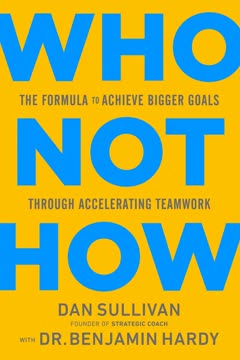
重要ポイント
1. 「どうやって」から「誰が」にシフトして大きな目標を達成する
「『どうやって?』と問うのをやめ、『誰が?』を見つければ、何百万倍も多くのことを成し遂げられる。」
パラダイムシフト。 「誰が、どうやってではなく」という哲学は、問題解決の根本的なアプローチの転換を促す。課題や目標に直面したとき、「どうやってこれをやるか?」ではなく、「誰がこれを手伝ってくれるか?」と問うことで、新たな可能性が開け、他者の専門知識やスキル、資源を活用できるようになる。
能力の拡張。 「どうやって」ではなく「誰が」に注目することで、以下が可能になる。
- 自分の知識やスキルの限界を超える
- 多様な視点や専門的な知見にアクセスする
- 複数の目標を同時に達成する
- 自分一人では成し得ない規模で努力と影響力を拡大する
実例。 バスケットボール史上最高とも言われるマイケル・ジョーダンは、スコッティ・ピッペンやコーチのフィル・ジャクソンといった「誰が」を得て初めてNBAチャンピオンになった。この協力関係が、ジョーダンの個人の才能を超えた前例のない成功をもたらした。
2. 時間の自由:高価値な活動に集中するためにタスクを委任する
「効率とは正しく物事を行うこと。効果とは正しいことを行うことだ。」
インパクトを優先する。 時間の自由とは、戦略的にタスクを委任し、自分のスケジュールを高価値な活動に充てることを意味する。単に余暇時間を増やすのではなく、本当に重要で自分の強みと合致する仕事にエネルギーを注ぐことだ。
実践ステップ:
- 自分の「ユニーク・アビリティ」を特定する。つまり、やる気が湧き、最大の成果を生む活動
- 目標を明確にし、効果的に委任するための「インパクト・フィルター」を作成する
- 自分のコアな強み以外のタスクは有能な「誰が」に任せる
- 日常的な意思決定の疲労を減らすためにルーチンな選択を委ねる
マインドセットの転換。 委任をコストではなく、将来の生産性と成功への投資と捉える。時間と精神的余裕を生み出すことで、創造性や戦略的思考、大きな目標の追求に集中できる。
3. お金の自由:稼ぐ力を高めるために「誰が」に投資する
「問題を解決できるだけのお金があれば、問題はない。」
豊かさのマインドセット。 お金の自由とは、問題を解決しチャンスを追求するための資源を持つことだ。単なる富の蓄積ではなく、稼ぐ力を何倍にもする「誰が」に戦略的に投資することを意味する。
重要な原則:
- 努力や時間ではなく、結果にフォーカスする
- 「誰が」を雇う際はコストではなく投資と考える
- 稼ぐ力はチームの質に直結していると認識する
- お金を使ってレバレッジを生み、問題を迅速に解決する
例。 年収12万ドルの営業マネージャーを雇った起業家が、初年度に250万ドルの利益増を実現した。この20倍の投資効果は、適切な「誰が」に投資する力を示している。
4. 人間関係の自由:変革的なパートナーシップを築く
「上り坂で出会った人には親切にしなさい。下り坂でまた会うから。」
取引を超えて。 人間関係の自由とは、単なる取引を超えた深く相互に利益をもたらすつながりを育むことだ。個人とプロフェッショナルの双方の成長を促進する支援のネットワークを築くことにある。
主な戦略:
- 「相手にとってのメリットは何か?」という視点で関係を築く
- 継続的に関係を育み、価値を提供し続ける
- 心からの感謝と敬意を表す
- 協力者やチームメンバーの「ヒーロー」になることを目指す
変革的関係と取引的関係の違い。 変革的関係は以下の特徴を持つ。
- 双方が受け取る以上に与える
- 長期的な相互成長に焦点を当てる
- 関係の変化や進化に開かれている
- 共有するビジョンや目的にコミットしている
5. 目的の自由:協働によってビジョンを拡大する
「今を良くする唯一の方法は、未来を大きくすることだ。」
目的の進化。 目的の自由とは、協働を通じてビジョンや意味を絶えず拡大していくことだ。目的は固定されたものではなく、刺激的な「誰が」とつながり、より大きな挑戦を受け入れることで成長する。
ビジョンの拡大:
- 自分を挑戦し、より大きく考えさせてくれる「誰が」を探す
- 予期せぬ方向性や機会に心を開く
- 一人では不可能に思えた「ムーンショット」目標に協力して取り組む
- 自分の目的が他者に良い影響を与え、変革をもたらすことを認識する
例。 J.R.R.トールキンは、友人のC.S.ルイスの励ましとフィードバックがなければ『指輪物語』を完成させられなかったかもしれない。彼らの協働は両者のビジョンを広げ、数百万の人々に影響を与える作品を生み出した。
6. 適切な「誰が」を見つけて先延ばしを克服する
「先延ばしは知恵だ—それに耳を傾ければ。」
先延ばしの再定義。 先延ばしを性格の欠点と見るのではなく、助けが必要だというサインと捉える。多くの場合、それは目標が重要である一方、自分の能力や余裕を超えていることを示している。
行動ステップ:
- 先延ばししている分野を特定する
- 「どうやって?」ではなく「誰がこれを手伝ってくれるか?」と問う
- インパクト・フィルターを使って目標と必要な支援を明確にする
- プロジェクトを前進させるスキルや知識、資源を持つ「誰が」を見つける
マインドセットの転換。 助けを求めることはズルではなく、賢い戦略だと受け入れる。他者の強みを活用することで、より速く、ストレス少なく目標を達成できる。
7. まず価値を創造して機会を引き寄せる
「成功者になろうとするな。価値ある人間になれ。人は自分が注ぐ以上のものを得たいと思っている。価値ある人は受け取る以上に与える。」
与えてから受け取る。 強力な人間関係を築き、機会を引き寄せる鍵は、まず他者に価値を提供することにある。この姿勢が信頼を築き、自分の能力を示し、思いがけない恩恵をもたらすことが多い。
価値創造の戦略:
- 他者が本当に必要としていることや望んでいることを調べる
- 関連性があり意味のある支援や資源を提供する
- 彼らのプロジェクトや目標に役立つアイデアを共有する
- 価値ある紹介やつながりを作る
例。 Genius Networkの創設者ジョー・ポリッシュは、リチャード・ブランソンのような影響力のある人物と関係を築く際、まず彼らの活動やプロジェクトにどう貢献できるかに注力した。
8. 購入者のマインドセットを持ち、適切な協働を選ぶ
「常に買い手であれ。」
選択的なパートナーシップ。 購入者のマインドセットとは、自分の価値観やビジョンに合う関係や機会を選び、すべてにイエスと言わないことだ。
重要な原則:
- 目標と譲れない条件を明確にする
- 魅力的に見えても合わない機会は断る勇気を持つ
- 自分の時間とエネルギーが貴重な資源であると認識する
- 双方が同等に投資し、熱意を持つパートナーシップを求める
例。 あるファイナンシャルアドバイザーは、価値観や働き方が合わない高額顧客を断り、その結果チームの士気が向上し、より適した顧客を引き寄せた。
9. 80%ルールを適用してプロジェクトを迅速に進める
「80%で十分に結果が出ているのに、100%を目指してまだ考えている。」
完璧より進捗。 80%ルールは、完璧を目指すよりも迅速な試行とフィードバックを重視する。これにより進捗が加速し、協働による改善が可能になる。
80%ルールの実践:
- 初期ドラフトやプロトタイプの明確な締め切りを設定する
- 信頼できる「誰が」に途中経過を共有しフィードバックを得る
- 建設的な批評や提案にオープンである
- フィードバックをもとに素早く改善し、やり直しに時間をかけすぎない
マインドセットの転換。 「完成」は「完璧」より優れていることを認識する。早く他者を巻き込むほど、より速く質を高められる。
10. 競争から協働へシフトしてより大きな成功を
「競争は敗者のためのものだ。」
豊かさの思考。 競争的な考え方から協働的なマインドセットに移ることで、成長と革新の新たな可能性が開ける。他者を打ち負かすのではなく、強みを組み合わせてより大きな成果を生み出すことに注力する。
協働の利点:
- 多様なスキルや資源にアクセスできる
- より大きく複雑なプロジェクトに取り組める
- ストレスが減り、支援が増える
- 思いがけない革新やブレイクスルーが生まれる可能性がある
例。 J.R.R.トールキンとC.S.ルイスの友情と協働は、文学史上最も愛されるファンタジー作品を生み出した。彼らの相互支援とフィードバックが、単独では成し得なかった高みへと作品を押し上げた。
11. 変革的リーダーとなりチームを力づける
「人に好かれて記憶される唯一の方法は、他者の能力を高めることだ。」
力を与えるリーダーシップ。 変革的リーダーは、チームメンバーの能力開発に注力し、個人の成長と組織の目標を一致させる。このアプローチは、よりエンゲージメントが高く、革新的で高パフォーマンスなチームを生み出す。
変革的リーダーシップの要素:
- 個別配慮:各メンバーのニーズと成長に寄り添う
- 知的刺激:前提を問い、創造的問題解決を促す
- 鼓舞的動機付け:魅力的なビジョンを示し、目的意識を植え付ける
- 理想的影響力:模範を示し、倫理的行動で信頼を築く
実践例。 チームメンバーが能力を伸ばす機会を作り、定期的にフィードバックと承認を与え、個人と職業の成長に投資することで、「誰が」の能力を高め、組織全体の可能性を広げる。
レビューまとめ
『Who Not How』は賛否両論の評価を受けている。本書の中心的な概念である「タスクを他者に委任すること」は、多くの読者からビジネスや個人の成長において画期的だと称賛されている。協力の重要性や自分の強みに集中することを強調している点が好評だ。一方で、内容が繰り返しに感じられる、実践的な実装方法が不足している、資源のない人には適用が難しいといった批判もある。文章のスタイルや例示についても賛否が分かれ、一部の読者には刺激的である一方、他の読者には現実離れしていると受け取られている。総じて、本書の核となるアイデアは概ね好意的に受け入れられているものの、その展開や対象読者については議論が続いている。
他の人が読んだ本

 イマーシブ
イマーシブ


 イマーシブ
イマーシブ

よくある質問
What's "Who Not How" about?
- Core Concept: "Who Not How" by Dan Sullivan focuses on achieving bigger goals by leveraging teamwork and collaboration rather than trying to do everything yourself.
- Shift in Mindset: The book encourages a shift from asking "How can I do this?" to "Who can help me achieve this?" to maximize efficiency and results.
- Entrepreneurial Focus: It is particularly aimed at entrepreneurs, providing strategies to free up time, increase income, and enhance relationships by finding the right people to help.
- Freedom and Expansion: The book outlines how this approach can lead to greater freedom in time, money, relationships, and purpose.
Why should I read "Who Not How"?
- Achieve Bigger Goals: The book provides a framework for achieving goals that seem beyond your current capabilities by leveraging the skills and talents of others.
- Increase Efficiency: It offers strategies to free up your time and mental energy, allowing you to focus on what you do best.
- Improve Relationships: By focusing on collaboration, you can build stronger, more effective relationships both personally and professionally.
- Transformative Approach: The book promises a transformative approach to personal and professional growth, making it a valuable read for anyone looking to expand their potential.
What are the key takeaways of "Who Not How"?
- Focus on 'Who': Shift your focus from how to achieve a goal to who can help you achieve it.
- Freedom of Time: By delegating tasks, you can free up time to focus on high-impact activities.
- Freedom of Money: Investing in the right people can lead to increased income and financial freedom.
- Freedom of Purpose: Collaborating with others can expand your vision and sense of purpose.
How does "Who Not How" redefine success?
- Results Over Effort: The book emphasizes that success is about achieving results, not the amount of effort you put in.
- Teamwork and Collaboration: Success is redefined as a collaborative effort, where the right team can achieve more than an individual.
- Freedom as Success: True success is having the freedom to focus on what you love and are best at, while others handle the rest.
- Transformational Relationships: Building relationships that transform and expand your capabilities is a key aspect of success.
What is the "Who Not How" method?
- Identify the 'Who': The method involves identifying who can help you achieve your goals rather than figuring out how to do it yourself.
- Impact Filter Tool: Use tools like the Impact Filter to clarify your vision and communicate it to potential collaborators.
- Delegation and Trust: Trust others to handle tasks and responsibilities, allowing you to focus on your unique abilities.
- Continuous Improvement: Regularly assess and adjust your team and strategies to ensure alignment with your goals.
How does "Who Not How" address procrastination?
- Procrastination as Wisdom: The book suggests that procrastination is a signal that you need a 'Who' to help you move forward.
- Shift in Question: Instead of asking "How do I do this?" ask "Who can help me with this?" to overcome procrastination.
- Immediate Action: By finding the right 'Who,' you can take immediate action and make progress toward your goals.
- Energy and Motivation: Collaborating with others can inject energy and motivation, reducing the tendency to procrastinate.
What are the four freedoms discussed in "Who Not How"?
- Freedom of Time: Achieved by delegating tasks to others, allowing you to focus on what matters most.
- Freedom of Money: Comes from leveraging the skills of others to increase income and financial security.
- Freedom of Relationship: Building meaningful and effective relationships that support your goals and well-being.
- Freedom of Purpose: Expanding your vision and sense of purpose through collaboration and teamwork.
How can "Who Not How" improve my relationships?
- Value Creation: Focus on creating value for others, which in turn strengthens relationships.
- Transformational Approach: Approach relationships with a mindset of transformation rather than transaction.
- Gratitude and Appreciation: Regularly express gratitude and appreciation to deepen connections.
- Alignment and Fit: Ensure that your relationships align with your goals and values for maximum effectiveness.
What are some of the best quotes from "Who Not How" and what do they mean?
- "Your future is your property." This quote emphasizes taking ownership of your future by leveraging the right people to achieve your goals.
- "Who creates results, How creates problems." It highlights the importance of focusing on finding the right people rather than getting bogged down in the details of how to achieve something.
- "The only way to make your present better is by making your future bigger." This quote encourages expanding your vision and goals to improve your current situation.
- "Delegate everything except genius." It suggests focusing on your unique abilities and delegating everything else to others.
How does "Who Not How" suggest handling decision fatigue?
- Free Up Your Mind: By delegating tasks, you can free up mental space and reduce decision fatigue.
- Focus on High-Impact Activities: Spend your time and energy on activities that have the most significant impact.
- Simplify Decisions: Use tools like the Impact Filter to clarify decisions and streamline processes.
- Invest in Whos: By investing in the right people, you can reduce the number of decisions you need to make.
How does "Who Not How" expand your vision and purpose?
- Collaboration Expands Vision: Working with others can lead to a broader and more impactful vision than working alone.
- Purpose Through Relationships: Building relationships with the right people can deepen your sense of purpose.
- Transformational Experiences: Collaborations can lead to transformative experiences that expand your identity and goals.
- Continuous Growth: The book encourages continuous growth and expansion through teamwork and collaboration.
What is the role of leadership in "Who Not How"?
- Vision Clarity: Leaders must provide a clear vision and communicate it effectively to their team.
- Empowerment and Autonomy: Leaders should empower their team by giving them autonomy to achieve results.
- Focus on Results: Leadership should focus on achieving results rather than micromanaging processes.
- Support and Encouragement: Leaders should support and encourage their team, fostering a collaborative and innovative environment.
著者について
同じ著者の他の本: ダン・サリヴァン