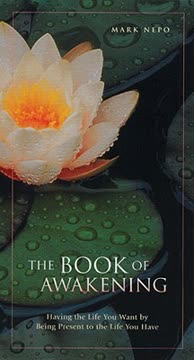
핵심 요약
1. 현재 순간을 받아들이기: 존재의 희귀성
세상에 존재하는 모든 것 중에서 우리는 숨 쉬고 깨어 노래로 바꾼다.
소중한 인간의 탄생. 이 책은 지구 위에서 의식 있는 인간으로서의 희귀한 존재를 소중히 여기는 불교의 가르침을 강조한다. 우리는 다른 생명체와 비교해 인간 의식이 가진 독특한 특권을 인식하도록 권유받는다. 이러한 자각은 일상 속에서 감사와 의도를 불러일으켜야 한다.
다시 올 수 없는 존재. 인간의 삶의 매 순간은 다시 반복될 수 없기에, 현재를 최대한 활용하라고 촉구한다. 과거에 머무르거나 미래를 걱정하기보다 지금 할 수 있는 일에 집중해야 한다. 지금 알아야 할 것, 느끼는 것을 표현하고 사랑하는 것을 사랑하는 순간에 집중하는 것이다.
마음 챙김의 삶. 이 실천은 다른 생명체를 관찰하고 그들의 고유한 능력을 인정한 뒤, 인간만이 할 수 있는 내면의 능력에 집중하는 것을 포함한다. 의식적으로 인간만이 할 수 있는 활동에 참여함으로써 존재에 대한 깊은 감사와 더 큰 목적 의식을 키울 수 있다.
2. 놓아야 받을 수 있다: 내려놓기의 역설
우리는 무언가를 붙잡고는 문을 통과할 수 없다.
문턱과 짐. 이 책은 너무 많은 짐을 지고 문을 열려고 애쓰는 비유를 통해 인생의 문턱을 넘기 어려운 우리의 모습을 보여준다. 우리는 소유물, 이야기, 감정에 집착해 앞으로 나아가지 못한다.
놓아주는 순서. 인간의 기본 순서는 모으고, 준비하고, 내려놓고, 들어가는 것이다. 그러나 우리는 종종 짐을 내려놓지 못해 진전을 방해한다. 넘어지고 일어나 웃는 법을 배우는 것이 실패를 헤쳐 나가는 데 필수적이다.
명상과 실천. 이 실천은 우리가 넘기 힘든 문턱을 명상하며, 문을 열지 못하게 하는 짐이 무엇인지 알아내고 의식적으로 그것을 내려놓는 것을 포함한다. 무거운 짐을 내려놓음으로써 새로운 경험과 성장을 위한 공간을 만든다.
3. 진정성은 영적 나침반: 내면으로의 여정
의식에 이르는 것은 새로운 것을 발견하는 것이 아니라, 항상 존재해 온 그곳으로의 길고 고통스러운 귀환이다.
짐 없는 자리. 각자는 기대, 후회, 야망, 당혹감이 없는 짐 없는 은총의 자리를 가지고 태어난다. 이 자리는 다양한 전통에서 정신, 영혼, 아트만, 다르마, 칼브 등으로 불리며, 우리가 처음 신의 손길을 받은 곳이다.
평생의 과제. 이 내면의 자리를 아는 것은 평생의 과제다. 우리는 시작점을 끊임없이 덮는 막을 만들고, 존재는 본질이 아닌 것을 끊임없이 침식한다. 이 긴장 속에서 우리는 더럽혀지면서도 부패하지 않는 핵심으로 다시 닦인다.
신으로 돌아가는 배움. 깨달음의 순간은 막이 닳아 없어지고 내면과 외면이 만나는 때다. 문화적, 기억적, 트라우마적 막을 제거하는 것이 치료와 교육의 목표이며, 원래의 중심을 발견하고 그곳에서 사는 법을 가르친다.
4. 만물의 상호연결성: 분리 너머
우리가 손을 뻗는 것은 다를지라도, 손을 뻗게 하는 것은 같다.
무한한 바퀴. 이 책은 무한한 바퀴의 비유를 통해 우리의 상호연결성을 설명한다. 각 개인은 전체에 필수적인 독특한 바퀴살이며, 바퀴의 테두리는 공동체를, 중심은 모든 영혼이 만나는 공통의 중심을 나타낸다.
존재의 역설. 우리는 독특하면서도 동일한 존재의 역설을 산다. 개성을 강화하려 애쓰면서도, 내면을 들여다보면 모든 삶이 시작되는 공통의 중심을 발견한다. 이 통일성은 신의 원자다.
영혼의 일체감. 암, 슬픔, 실망 같은 경험을 통해 우리는 서로가 되어간다는 것을 깨닫는다. 우리를 갈라놓는다고 생각했던 것이 오히려 우리를 묶는다. 일체의 순간에 우리는 서로 다른 목소리에도 불구하고 같은 경이와 고통을 인식한다.
5. 친절의 춤: 주고받음
아무리 어두워도 손은 항상 입으로 가는 길을 안다.
내면의 반사작용. 가장 어두운 시기에도 우리는 살아남게 하는 내면의 반사작용을 지니고 있다. 존재와 생명의 깊은 충동이 고난 아래에서 작동한다. 손은 어둠을 없애지 못하지만 입으로 가는 길을 찾는다.
삶에 대한 믿음. 삶에 대한 믿음은 고통을 없애지 못하지만 마음을 먹여 살리는 길을 찾는다. 이 아프리카 속담은 문제 속에서도 상황이 생각만큼 나쁘지 않음을 일깨운다.
친절의 실천. 이 실천은 열린 손을 입과 마음에 가져다 대며, 안내 없이도 길을 아는 손을 관찰하는 것이다. 이 연습은 어둠 속에서도 우리 안에 스스로를 돌볼 자원이 있음을 강화한다.
6. 불편함의 지혜: 도전을 통한 성장
어둠을 들여다보는 것이 명료함이다… 이것이 영원을 실천하는 것이다….
두려움의 힘. 두려움은 두려움 자체나 두려워하는 대상을 보지 않음으로써 힘을 얻는다. 두려운 것을 피하는 것은 그 힘을 키울 뿐이다.
미지에 맞서기. 이 책은 무서운 다락방 문을 비유로 들어, 두려움을 피할지 문을 열어 자신을 더 알아갈지 선택할 수 있음을 보여준다. 어둠이 보일 때까지 기다림으로써 두려움을 이해로 바꿀 수 있다.
선택과 성장. 어떤 문이든, 어떤 두려움이든—사랑, 진실, 죽음이든—우리는 피하거나 맞설 선택권이 있다. 문을 열고 자신을 더 알아가는 것이 성장과 진화를 가능하게 한다.
7. 사랑의 힘: 이해를 넘어선 힘
사랑하라, 그리고 네가 원하는 대로 하라.
어항 속 삶. 이 책은 작은 어항에 갇힌 물고기의 비유를 통해 우리가 스스로를 제한하는 방식을 보여준다. 우리는 종종 가치관이라는 어항 밖의 삶을 두려워하며 세상을 축소하고 자연스러운 능력을 억누른다.
수영하는 자연스러운 능력. 즉흥성, 친절, 호기심은 우리가 수영하는 자연스러운 능력의 일부다. 계획하지 않은 행동을 주저하거나, 다른 이를 돕거나, 미지의 것을 탐구할 때마다 우리는 스스로를 억누르며 어항 한가운데서 안전하게 수영한다.
자유로 나아가기. 이 실천은 어항 속 삶을 명상한 뒤 문턱으로 나아가 진정 가능한 것의 본질을 성찰하는 것이다. 문을 통과해 세상으로 들어감으로써 우리는 스스로 만든 감금에서 벗어날 수 있다.
8. 보는 기술: 표면 너머
깨달음은 모든 것과의 친밀함이다.
맹목과 빛남. 우리는 반복해서 맹목에서 빛남으로, 분열에서 온전함으로 회전한다. 살아 있는 모든 것과 연결되려는 충동이 우리를 길 잃음에서 지켜준다.
사물과 함께 살기. 사물을 앞에 두고 사는 것이 아니라 사물과 함께 살며, 더 이상 관찰자가 아닌 모든 것의 일부임을 깨닫는 것이 분열될 때 우리를 온전함으로 이끄는 사랑이다. 모든 것과의 연결을 인정하는 사랑이 우리를 건강하게 유지한다.
내면의 흐름. 타인의 내면 흐름이 우리와 연결되도록 허용하는 것이 친밀함과 깨달음의 시작이다. 이 실천은 주변 사물의 존재를 감지하고, 그 침묵의 흐름을 느끼며, 우리가 감지하는 모든 것에 마음을 여는 것을 포함한다.
9. 영적 전사의 여정: 부서진 마음을 품다
마음이 항구가 되기 전까지는 자유로울 수 없다.
세상의 슬픔. 세상에는 많은 슬픔이 있지만, 사물이 부서지는 고통을 느끼는 것과 인생의 불가피한 사건들을 우리가 상상하는 이상과 비교하는 것은 다르다.
영적 전사. 영적 전사는 부서진 마음을 지녔다. 오직 그 깨짐을 통해 삶의 경이와 신비가 우리 안으로 들어올 수 있기 때문이다. 영적 전사란 영혼이 매일 자신과 진실하게 마주하는 것이다.
진정성과 마음의 상처. 진정할 용기가 우리를 강하게 만들어 깨달음이 일어나는 마음의 상처를 견디게 한다. 삶이 우리를 통해 오는 방식을 존중함으로써 우리는 삶을 최대한 누린다. 스스로를 피하는 것이 아니라.
10. 단순함의 선물: 영혼의 보물
내가 가르칠 것은 단 세 가지뿐이다: 단순함, 인내, 자비. 이것이 너희의 가장 큰 보물이다.
세 가지 가르침. 전설적인 중국 현자 노자는 이 세 가지 가르침을 남겼다. 지금 이 가르침은 나선형 계단처럼 보이며, 한 걸음씩 내 영혼의 삶 속으로 더 깊이 들어가게 한다.
단순함의 의미. 복잡한 세상에서 우리는 단순함이 어리석음이라고 오해하기 쉽다. 그러나 진실로 단순함은 직접 사는 보상이며, 결국 사물이 진짜 모습으로 드러나게 한다.
근원으로 가는 문. 단순함, 즉 직접 사는 행위는 모든 존재의 근원으로 가는 문이다. 길을 잃거나 멀리 느껴질 때 직접 살아보라. 우주는 말없이 살아 움직일 것이다.
11. 존재할 용기: 진정성 있게 살기
너는 내면 세계로 외부 세계를 맞이해야 한다. 그렇지 않으면 존재가 너를 짓밟을 것이다.
내면과 외면 세계. 시간의 시작부터 불어온 바람이 모든 언어로 속삭인다. 내면 세계로 외부 세계를 맞이하지 않으면 우리의 삶은 무너지고 사라진다.
풍선 같은 마음. 마음은 기적 같은 풍선과 같다. 가득 차 있을 때 가벼움을 유지한다. 마음으로 하루를 맞이하면 무너지지 않는다.
내면의 공기. 그래서 아흔 살 과부가 봄에 작은 꽃을 돌보고, 열 살 아이가 먹을 것이 적어도 길고양이를 품에 안으며, 시력을 잃는 화가가 더 많이 그리고, 청력을 잃는 작곡가가 위대한 교향곡을 쓴다.
12. 갱신의 순환: 죽음과 재탄생
사람이 마지막 숨을 내쉴 때 모든 짐을 내려놓듯, 매 숨결은 우리를 자유롭게 하는 작은 죽음이다.
호흡은 위험이다. 호흡은 위험의 기본 단위이며, 진정한 삶으로 이끄는 내면 용기의 원자다. 매 숨결마다 우리는 열고, 받아들이고, 놓는 연습을 한다.
관성 깨기. 두려움이나 불안에 사로잡히면 붙잡거나 속도를 내거나 도망치려는 반사가 일어난다. 그러나 붙잡으려는 반사가 일어날 때가 바로 내려놓아야 할 순간이다.
모든 짐 내려놓기. 우리가 지닌 모든 선입견, 실패와 상처의 목록, 비밀스러운 짐, 후회와 기대를 모두 내려놓음으로써 우리의 정신은 죽음을 맞이한다.
리뷰 요약
『깨달음의 책』은 일상 속에서 변화를 이끄는 명상 안내서로 크게 호평받고 있다. 독자들은 이 책이 전하는 깊이 있는 통찰과 시적인 문체, 그리고 삶을 바라보는 새로운 시각과 영감을 높이 평가한다. 많은 이들이 이 책을 통해 어려움을 극복하고 더욱 의식적인 삶을 살아가는 데 도움을 받는다고 말한다. 매일의 명상 글과 인용문, 이야기, 그리고 실천 과제로 구성된 형식은 폭넓은 사랑을 받고 있다. 다소 단순하거나 지나치게 개인적이라는 비판도 있지만, 대다수의 독자들은 이 책을 인생을 바꾸는 동반자로 여기며 해마다 다시 찾아 새로운 의미를 발견한다.
다른 독자들이 읽은 책

 몰입형
몰입형


자주 묻는 질문
1. What is The Book of Awakening by Mark Nepo about?
- Daily spiritual reflections: The book is a daybook offering meditations, poetry, and stories for each day of the year, guiding readers to live more fully by being present to their lives.
- Focus on presence and authenticity: Mark Nepo encourages readers to embrace the present moment, honor their true selves, and find meaning in both joy and suffering.
- Integration of spiritual traditions: Drawing from Buddhism, Christianity, Native American spirituality, and more, the book explores universal themes like compassion, interconnectedness, and enlightenment.
- Personal journey: Nepo’s own experience surviving cancer informs the book’s compassionate and courageous approach to life’s challenges.
2. Why should I read The Book of Awakening by Mark Nepo?
- Guidance through hardship: The book offers gentle, practical wisdom for those facing suffering or seeking deeper meaning, inspired by Nepo’s own healing journey.
- Accessible daily practices: Each entry provides meditations and exercises that can be easily integrated into daily life to cultivate presence, gratitude, and love.
- Universal connection: Nepo’s reflections resonate with readers from all backgrounds, fostering a sense of shared humanity and spiritual community.
- Timeless spiritual insights: The book distills profound teachings into relatable, actionable advice for everyday living.
3. What are the key takeaways from The Book of Awakening by Mark Nepo?
- Embrace presence: Life’s richness is found by being fully present, accepting both joy and pain without resistance.
- Love and compassion: True kindness starts with self-love and extends authentically to others, fostering deeper relationships.
- Courage to be authentic: Living truthfully and visibly, even when uncomfortable, is essential for inner peace and connection.
- Transformation through suffering: Pain is not an obstacle but a gateway to growth, healing, and spiritual renewal.
4. What are the main themes and concepts in The Book of Awakening by Mark Nepo?
- Authenticity and true knowing: The book emphasizes the importance of following one’s inner truth rather than fear or external expectations.
- Interconnectedness and Ubuntu: Nepo explores the African concept of Ubuntu—“I am because you are”—highlighting our shared humanity.
- Iing and Mying: Drawing from Buddhism, these terms describe the spiritual disease caused by possessiveness and separation.
- Patience and presence: Teachings from Lao-tzu and others stress the value of patience and staying present to outlast fear and confusion.
- Love and vulnerability: The book explores the paradox that love requires risk and the courage to reveal our true selves.
5. What specific spiritual practices or daily methods does Mark Nepo suggest in The Book of Awakening?
- Daily meditation and reflection: Each entry includes a meditation, breathing exercise, or journaling prompt to cultivate mindfulness and open-heartedness.
- Embodying feelings: Nepo encourages readers to fully feel and process emotions, using practices like “feeling your feelings” to promote healing.
- Relationship practices: Exercises such as “taking turns” and “sharing the climb” foster mutual support, vulnerability, and honest communication.
- Letting go and surrender: Visualization and breathing practices help readers release attachments and open to life’s flow, inviting grace and renewal.
6. How does Mark Nepo define and explore courage in The Book of Awakening?
- Following true knowing: Courage is described as quietly following what feels true inside, even when it defies logic or external approval.
- Authenticity as the source: True courage arises from being authentic and honoring one’s inner voice, not from willpower or heroics.
- Beyond willpower: Nepo emphasizes that courage is not about forcing oneself but about surrendering to deep inner guidance.
- Essential for growth: This form of courage is necessary for healing, transformation, and living a meaningful life.
7. What is the significance of “Iing and Mying” in The Book of Awakening by Mark Nepo?
- Definition and danger: “Iing” (the feeling of “I”) and “Mying” (the feeling of “mine”) are seen as sources of spiritual disease, causing separation and possessiveness.
- Consequences of ownership: Nepo explains that making things “mine” leads to jealousy, distraction, and endless guarding, which sicken the soul.
- Invitation to share: The book encourages loosening our grip on possessions and relationships, recognizing that love and peace can only be shared, not owned.
- Path to freedom: Letting go of “Iing and Mying” opens the way to deeper connection and spiritual health.
8. How does The Book of Awakening by Mark Nepo address the relationship between pain and spiritual growth?
- Pain as a teacher: Nepo views pain as a guide that reveals what needs healing and transformation, not as punishment.
- Enlarging the container: Using metaphors like salt in water, he teaches that our capacity to hold pain with grace determines our level of suffering.
- Surrender and acceptance: The book encourages surrendering to pain, allowing it to move through us and lead to renewal.
- Compassion through suffering: Experiencing our own pain deeply opens us to empathy and compassion for others.
9. What role does love play in The Book of Awakening by Mark Nepo?
- Love as a connecting force: Love is described as the current that unites all beings and is the source of healing and wholeness.
- Self-love as foundation: Nepo stresses that kindness to oneself is essential for authentic love toward others.
- Courage and vulnerability: Love requires the risk of being open and authentic, even when it leads to discomfort or conflict.
- Unconditional and transformative: Love is compared to water—unconditional, nurturing, and capable of softening suffering and opening hearts.
10. How does Mark Nepo use nature and metaphor in The Book of Awakening to convey spiritual lessons?
- Nature as teacher: Nepo frequently draws on images from rivers, trees, birds, and flowers to illustrate spiritual truths and the cycles of life.
- Metaphors for growth: Stories like the fish in a tank or the salt in water help readers understand concepts like presence, suffering, and transformation.
- Accessible wisdom: These metaphors make complex spiritual ideas relatable and memorable, grounding them in everyday experience.
- Encouragement to observe: The book invites readers to look to nature for guidance on patience, resilience, and interconnectedness.
11. What practical advice or meditations does The Book of Awakening by Mark Nepo offer for daily life?
- Daily centering and breathing: Many entries encourage sitting quietly, breathing deeply, and meditating on feelings or challenges without strategizing.
- Opening to truth: Readers are guided to honor what feels true inside, letting inner knowing direct their actions rather than fear or external pressures.
- Practicing presence and patience: Exercises include staying with emotions until they settle and waiting without rushing, fostering peace and clarity.
- Engaging with others: The book suggests sharing honest experiences, listening deeply, and practicing vulnerability to deepen relationships.
12. What are the best quotes from The Book of Awakening by Mark Nepo and what do they mean?
- “Wisdom is a living stream, not an icon preserved in a museum.” This means wisdom is dynamic and found in everyday life, not static or distant.
- “God will not judge Akiba for not being Moses. God will judge Akiba for not being Akiba.” Authenticity is a spiritual obligation; we are called to be ourselves, not someone else.
- “Enlightenment for a wave is the moment the wave realizes that it is water. At that moment, all fear of death disappears.” Recognizing our unity with the greater whole dissolves fear and brings peace.
- “No bird can fly without opening its wings, and no one can love without exposing their heart.” Vulnerability is necessary for growth and connection.
- “If not now, when?” A call to live fully in the present moment, not postponing life or love.








































