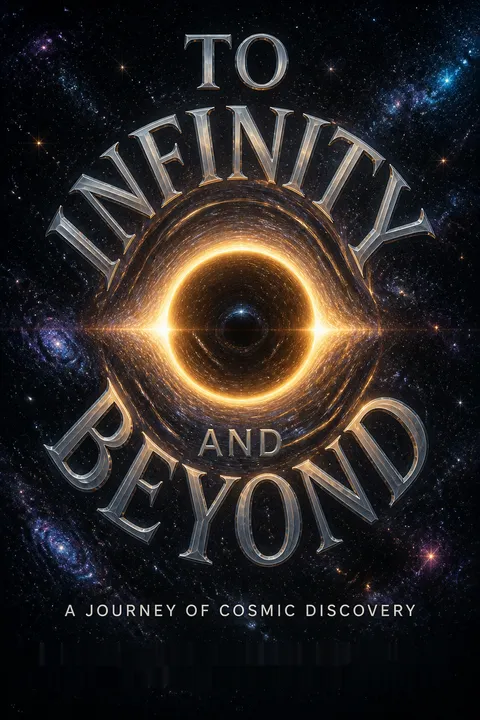
핵심 요약
1. 우주 발견: 지구의 한계를 넘어선 여정
천천히 그러나 확실하게 새로운 우주가 모습을 드러냈다. 분자들이 소용돌이치고, 거대한 블랙홀들이 숨어 있으며, 크기와 모양이 다양한 은하들과 공허가 뱀처럼 뻗어 나가며 아직 밝혀지지 않은 무수한 신비를 암시하고 있다.
인류의 지식 탐구. 고대 신화에서 현대 과학에 이르기까지, 인간은 항상 우주를 이해하려는 열망을 품어왔다. 이 발견의 여정은 오래된 믿음을 깨뜨리며 우리가 상상했던 것보다 훨씬 더 웅장하고 기묘한 우주를 드러냈다. 이 책은 독자들을 광활한 우주를 탐험하는 여정에 초대하며, 그 속에 담긴 겸허한 진실을 함께 마주하도록 이끈다.
둥지를 떠나다. 지구의 중력을 극복한 것은 거대한 성취였다. 이를 통해 우리는 태양계와 그 너머를 탐험할 수 있게 되었다. 라이트 형제의 첫 비행과 아폴로 11호의 달 착륙은 인간의 창의력과 결단력을 증명하는 역사적 순간이다. 보이저 1호와 제임스 웹 우주망원경 같은 우주 탐사선들은 우주에 대한 우리의 이해를 넓히며, 기존의 가정을 뒤흔들고 경외심을 불러일으키는 이미지와 데이터를 보내오고 있다.
끝없는 탐구. 우주 탐험은 끊임없는 질문과 발견, 그리고 이해의 수정 과정이다. 새로운 발견은 또 다른 미스터리를 낳으며, 우리는 지식의 경계를 넓히고 미지의 세계를 탐험하도록 이끈다. 이 여정은 단순한 과학적 진보를 넘어, 광대한 우주 속에서 우리의 위치를 인식하는 데에도 의미가 있다.
2. 태양: 핵융합 엔진이자 기상 조절자
태양의 뜨겁고 밀집된 중심부에서 끊임없이 폭발하는 핵융합은 태양 자신의 중력에 맞서는 유일한 방어막이며, 붕괴를 막는 유일한 힘이다.
태양의 에너지원. 하늘에 늘 떠 있는 듯 보이는 태양은 사실 역동적인 핵반응로다. 중심부에서 일어나는 핵융합은 수소를 헬륨으로 바꾸며 엄청난 에너지를 방출해 지구상의 생명을 유지시킨다. 이 과정은 또한 태양 내부에서 바깥으로 향하는 지속적인 압력을 만들어내어 태양이 스스로의 중력에 의해 붕괴되는 것을 막는다.
태양의 기상. 태양 플레어와 코로나 질량 방출(CME) 같은 태양 활동은 지구에 큰 영향을 미칠 수 있다. 이러한 현상들은 전력망과 통신 시스템을 교란시키고, 우주비행사들에게도 위험을 초래할 수 있다. 태양 기상을 이해하는 것은 우리의 기술을 보호하고 우주에서의 안전을 확보하는 데 필수적이다.
파커 태양 탐사선. 파커 태양 탐사선과 같은 임무는 태양 코로나와 태양풍의 기원을 더 잘 이해하는 데 도움을 주고 있다. 이전보다 태양에 더 가까이 접근함으로써, 이 탐사선들은 태양 폭풍의 영향을 예측하고 완화할 수 있는 귀중한 데이터를 제공하고 있다. 태양의 영향력은 지구를 넘어 태양계 전체를 형성한다.
3. 암석 행성: 척박한 세계에서 잠재적 안식처로
수성은 일곱 고전 행성 중 가장 덜 탐사된 행성이다.
수성의 도전. 태양에 가장 가까운 수성은 극심한 온도와 태양과의 근접성 때문에 탐사가 매우 어렵다. 혹독한 환경에도 불구하고, 수성은 초기 태양계와 암석 행성 형성에 관한 비밀을 품고 있다. 메신저 탐사선은 영구 음영 지역의 분화구에서 물 얼음의 증거를 발견해, 이 척박해 보이는 세계에 대한 우리의 가정을 뒤엎었다.
금성: 경고의 이야기. 한때 거주 가능했을지도 모르는 금성은 지금은 통제 불능의 온실 효과가 초래한 경고의 상징이다. 타오르는 표면 온도와 독성 대기는 지구의 안정된 기후 유지가 얼마나 중요한지를 일깨워 준다. 금성 연구는 행성의 거주 가능성을 결정하는 요인과 환경 파괴의 결과에 대한 귀중한 통찰을 제공한다.
화성: 붉은 희망. 과거 거주 가능성이 있었던 화성은 미래 인류 식민지화의 가장 유망한 후보지다. 현재는 두꺼운 대기와 액체 상태의 물이 없지만, 과거에는 지구와 유사한 환경이 존재했을 가능성이 있다. 화성의 테라포밍은 어려운 과제지만, 인류가 지구 밖에 새로운 보금자리를 마련할 수 있는 잠재력을 지닌다.
4. 가스 거인: 소용돌이치는 폭풍과 숨겨진 바다
태양 주위를 도는 8개의 행성과 수백 개의 위성, 그리고 수많은 혜성과 소행성들이 중력의 힘에 의해 정교하게 조율된 궤도를 돌고 있다.
목성의 지배력. 태양계에서 가장 큰 행성인 목성은 강력한 중력을 가진 가스 거인이다. 수세기 동안 지속된 대적점은 목성의 역동적인 대기를 보여주는 증거다. 목성은 또한 소행성과 혜성을 튕겨내어 지구를 보호하는 중요한 역할을 한다.
토성의 고리와 위성들. 아름다운 고리로 유명한 토성 역시 복잡한 위성 체계를 가진 가스 거인이다. 그중 타이탄은 두꺼운 대기와 액체 메탄 바다를 지녀 독특하고 잠재적으로 거주 가능한 세계로 주목받는다. 카시니-하위헌스 임무는 토성과 그 위성들의 다양하고 매혹적인 특징을 밝혀냈다.
얼음 거인: 천왕성과 해왕성. 태양계에서 가장 먼 행성인 천왕성과 해왕성은 얼음 거인으로 분류된다. 이들은 주로 물, 메탄, 암모니아 얼음으로 이루어져 독특한 푸른빛을 띤다. 보이저 2호의 근접 통과는 이 신비로운 행성들의 대기와 얼음 조성을 처음으로 자세히 보여주었다.
5. 우주: 단순한 공허가 아닌 양자 영역
우리는 우주를 그것이 무엇인지가 아니라, 무엇이 없고 가지지 않았는지로 정의하는 경향이 있다.
공허에 도전하다. 우주는 흔히 텅 빈 공간으로 여겨지지만, 이는 오해다. 은하 사이의 광활한 공간조차 입자와 에너지 장, 그리고 중력의 미묘한 영향으로 가득 차 있다. ‘진정한 무(無)’라는 개념은 모호하며, 가장 텅 빈 공간조차 양자 활동으로 넘쳐난다.
양자 요동. 양자 물리학은 진공 상태에서도 가상 입자들이 끊임없이 생성되고 소멸함을 보여준다. 하이젠베르크의 불확정성 원리에 따라 이 순간적인 입자들은 공간이 결코 완전히 비어 있지 않음을 증명한다. 이는 고전적 공허 개념에 도전하며 양자 세계의 기묘함을 드러낸다.
에테르의 몰락. 빛이 전파되는 매질로 여겨졌던 루미니퍼러스 에테르 개념은 마이컬슨-몰리 실험에 의해 반박되었다. 이 실험은 관찰자의 운동과 상관없이 빛의 속도가 일정함을 보여주었고, 이는 아인슈타인의 특수 상대성 이론과 우주를 역동적이고 상호 연결된 구조로 이해하는 새로운 관점을 낳았다.
6. 빛: 파동이자 입자, 그리고 우주의 전령
태양이 노랗게 보이는 이유는 하늘이 파랗게 보이는 이유와 같다.
빛의 이중성. 빛은 파동과 입자의 성질을 동시에 지니고 있는데, 이를 파동-입자 이중성이라 한다. 이 상반된 성질은 수세기 동안 논쟁의 대상이었으며, 뉴턴과 하이겐스 같은 과학자들이 서로 다른 견해를 제시했다. 현대 과학은 빛이 파동이자 입자임을 인정하며 양자 세계의 복잡성과 기묘함을 보여준다.
분광학의 힘. 빛의 스펙트럼을 분석하는 분광학은 천체의 구성과 특성을 이해하는 강력한 도구다. 별, 행성, 은하가 방출하거나 흡수하는 빛의 파장을 연구함으로써 우리는 그들의 화학적 조성, 온도, 운동을 알 수 있다. 분광학은 우주에 대한 우리의 이해를 혁신적으로 확장시켰다.
우주의 전령. 빛은 먼 거리를 넘어 정보를 전달하는 전령이다. 우리가 멀리 있는 별과 은하를 관찰할 때, 그 빛은 수백만, 수십억 년 전의 과거를 보여준다. 이를 통해 우리는 우주의 진화를 연구하고 먼 과거를 엿볼 수 있다.
7. 중력: 시공간을 형성하고 궤도를 정의하다
우리는 이러한 운동 상태를 ‘궤도’라고 부른다.
뉴턴의 사과와 대포알. 아이작 뉴턴과 떨어지는 사과 이야기는 중력의 보편성을 보여준다. 뉴턴은 사과를 땅으로 끌어당기는 힘이 달을 지구 주위에 머물게 하는 힘과 같다는 사실을 깨달았다. 이 통찰은 만유인력 법칙으로 이어져 우주 내 모든 두 물체 간의 인력을 설명한다.
시공간의 곡률. 아인슈타인의 일반 상대성 이론은 중력을 힘이 아닌, 질량과 에너지에 의해 시공간이 휘어지는 현상으로 설명한다. 거대한 물체는 시공간의 구조를 왜곡시켜 주변 물체의 움직임에 영향을 준다. 이 곡률은 행성들이 별 주위를 도는 궤도와 빛이 거대한 물체 주위를 휘는 현상을 설명한다.
라그랑주 점. 라그랑주 점은 두 천체의 중력이 균형을 이루는 특별한 위치다. 이 지점들은 위성이나 우주망원경을 안정적으로 배치할 수 있어 연료 소모를 최소화한다. 라그랑주 점은 중력과 궤도 역학의 정교한 상호작용을 보여주는 증거다.
8. 시간: 상대적이고 휘어진, 탐험할 차원
지구가 태양 주위를 돈다는 사실을 모른 채라면, 스스로 그 진실을 발견하기 어려울 것이다.
상대성 이론의 함의. 아인슈타인의 상대성 이론은 시간에 대한 우리의 이해에 깊은 영향을 미쳤다. 특수 상대성 이론은 시간은 관찰자의 운동 상태에 따라 상대적임을 보여주고, 일반 상대성 이론은 중력이 강한 곳에서 시간이 느리게 흐른다는 사실을 밝혀냈다.
시간 지연. 상대성 이론의 결과인 시간 지연은 서로 다른 기준계에 있는 관찰자들이 시간의 흐름이 다르게 느껴진다는 의미다. 고속으로 이동하는 우주비행사는 지구에 있는 사람보다 시간이 더 천천히 흐른다. 이 현상은 실험적으로 검증되었으며 GPS 위성 운용에 필수적이다.
시간 여행의 가능성. 과거로의 시간 여행은 이론적으로 가능할 수 있으나, 물리 법칙이 완전히 배제하지는 않는다. 웜홀과 워프 드라이브 같은 개념은 빛보다 빠른 이동과 시간 조작의 잠재적 경로를 제시하지만, 특이한 물질과 막대한 기술적 도전이 필요하다. 시간 여행에 대한 탐구는 과학자와 공상과학 작가 모두에게 매혹적인 주제다.
9. 블랙홀: 중력의 궁극적 경계
로켓은 완벽히 작동했으나 착륙한 행성이 잘못되었다.
극한의 중력. 블랙홀은 빛조차 탈출할 수 없을 만큼 강력한 중력을 가진 시공간의 영역으로, 중력 물리학의 궁극적 경계를 대표한다. 거대한 별의 붕괴로 형성되며 시공간을 극도로 왜곡한다. 블랙홀은 우주에 대한 우리의 이해에 도전하며 상상할 수 있는 가장 극한 조건을 엿볼 수 있게 한다.
사건의 지평선. 블랙홀의 경계인 사건의 지평선은 일단 넘어가면 되돌아올 수 없는 지점이다. 이 경계 너머로 들어간 물체는 영원히 블랙홀의 중력에 갇힌다. 사건의 지평선은 우리가 아는 물리 법칙이 무너질 수도 있는 미지의 영역으로 가는 일방통행 티켓이다.
휘어진 시공간. 블랙홀은 아인슈타인의 일반 상대성 이론을 시험하는 자연 실험실이다. 블랙홀 주변의 극심한 중력은 시공간을 휘게 하여 시간 지연과 빛의 굴절을 일으킨다. 블랙홀과 그 주변 물질에 대한 관측은 중력의 본질과 우주의 구조에 대한 귀중한 통찰을 제공한다.
10. 우주: 팽창하고 진화하며 신비로 가득하다
우리는 방랑자로 시작했고, 여전히 방랑자다.
빅뱅. 풍부한 증거로 뒷받침되는 빅뱅 이론은 약 138억 년 전 뜨겁고 밀집된 상태에서 우주가 시작되었음을 설명한다. 우주의 팽창, 우주 배경복사, 가벼운 원소들의 풍부함은 빅뱅의 강력한 증거다. 빅뱅은 공간과 시간, 그리고 우리가 아는 모든 것의 시작을 의미한다.
암흑 에너지와 암흑 물질. 우주의 가속 팽창을 이끄는 신비로운 힘인 암흑 에너지와, 우주 질량의 상당 부분을 차지하는 보이지 않는 물질인 암흑 물질은 현대 우주론의 가장 큰 미스터리다. 이 미지의 존재들은 우리의 우주 이해에 도전하며 그 본질을 밝히기 위한 연구가 계속되고 있다.
생명 탐색. 외계 생명체 탐색은 현대 과학에서 가장 매력적인 과제 중 하나다. 우리 은하에 수십억 개의 지구 유사 행성이 존재할 가능성이 있어, 지구 밖 생명체의 존재는 매우 흥미로운 주제다. 외계 행성 대기에서 생명 징후가 발견된다면, 이는 우주와 우리 존재에 대한 이해를 혁명적으로 바꿀 것이다.
다른 독자들이 읽은 책



자주 묻는 질문
What is To Infinity and Beyond: A Journey of Cosmic Discovery by Neil deGrasse Tyson about?
- Cosmic journey overview: The book takes readers on an exploration from Earth to the farthest reaches of the universe, blending scientific history, modern discoveries, and philosophical questions about our place in the cosmos.
- Human curiosity and discovery: It traces humanity’s evolving understanding of the universe, highlighting how myths and misconceptions were overcome through science, technology, and courage.
- Accessible science narrative: Tyson intertwines stories of people, planets, stars, and spacecraft, making complex astrophysical concepts understandable and engaging.
- Invitation to wonder: The book encourages readers to rethink assumptions and embrace the vast unknown, inspiring a personal revolution in cosmic understanding.
Why should I read To Infinity and Beyond by Neil deGrasse Tyson?
- Bridging science and culture: Tyson’s approachable style demystifies complex topics, connecting rigorous astrophysics with engaging storytelling and cultural references.
- Correcting popular myths: The book challenges and clarifies common misconceptions about space, physics, and space travel, helping readers develop a scientifically accurate worldview.
- Inspiring curiosity and humility: It fosters a sense of wonder and humility about humanity’s place in the universe, encouraging scientific inquiry and openness to new discoveries.
- Current and future perspectives: The narrative includes recent developments and future possibilities in space exploration, making it relevant for today’s readers.
What are the key takeaways from To Infinity and Beyond by Neil deGrasse Tyson?
- Comprehensive cosmic overview: The book covers the history, science, and mysteries of space, from Earth’s atmosphere to black holes and time travel.
- Scientific concepts explained: Readers gain clear explanations of gravity, orbital mechanics, rocket science, relativity, quantum mechanics, and the expanding universe.
- Debunking misconceptions: Tyson addresses and corrects Hollywood myths and common misunderstandings about space, light, and sound.
- Human spirit of exploration: The narrative highlights the challenges, triumphs, and ongoing quest for knowledge that define humanity’s relationship with the cosmos.
How does Neil deGrasse Tyson explain gravity and orbital mechanics in To Infinity and Beyond?
- Newton’s unifying insight: Tyson describes how Newton realized gravity governs both falling objects and celestial orbits, unifying terrestrial and celestial mechanics.
- Orbit as continuous free fall: Objects like the Moon and the International Space Station are in perpetual free fall around Earth, moving fast enough to keep missing the surface.
- Escape velocity and trajectories: The book explains how reaching a certain speed allows objects to leave Earth’s gravitational influence, a key concept for space travel.
- Gravity assists and rocket launches: Tyson discusses how gravity assists are used in space missions and the challenges rockets face in overcoming Earth’s gravity.
What does To Infinity and Beyond by Neil deGrasse Tyson reveal about Earth’s atmosphere and its layers?
- Five atmospheric layers: The book details the troposphere, stratosphere, mesosphere, thermosphere, and exosphere, explaining their unique features and roles.
- Temperature and pressure: Tyson explains how temperature and air pressure vary with altitude, and why humans don’t feel the immense pressure at sea level.
- Greenhouse effect: The narrative covers how certain atmospheric molecules trap heat, making life possible on Earth.
- Boundary of space: The Kármán line is introduced as a conventional, though fuzzy, boundary between Earth’s atmosphere and outer space.
How does Neil deGrasse Tyson address the nature of space and common misconceptions in To Infinity and Beyond?
- Space is not empty: Tyson explains that space is filled with particles, virtual particles, and energy fields, challenging the idea of a perfect vacuum.
- Sound and silence in space: The book clarifies that sound cannot travel in space due to the lack of a medium, debunking Hollywood depictions of noisy space battles.
- Gravity and weightlessness: Tyson explains that astronauts experience weightlessness due to free fall, not the absence of gravity, and that gravity extends infinitely.
- Spacecraft maneuvers: The book critiques inaccurate portrayals of spacecraft movement, emphasizing the real physics of thrusters and momentum in space.
What are the key scientific concepts and physics principles explained in To Infinity and Beyond by Neil deGrasse Tyson?
- Nature of space and vacuum: Tyson discusses quantum fluctuations, virtual particles, and why true nothingness doesn’t exist in our universe.
- Wave-particle duality of light: The book covers the historical debate and modern understanding that light behaves as both a wave and a particle.
- Relativity and spacetime: Tyson explains Einstein’s theories, including how gravity warps spacetime, time dilation, and the concept of worldlines.
- Rocket science fundamentals: The narrative details the rocket equation, fuel requirements, and the physics behind launching payloads into space.
How does To Infinity and Beyond by Neil deGrasse Tyson explain the formation and features of the Moon?
- Giant-impact hypothesis: Tyson describes how the Moon likely formed from debris after a Mars-sized protoplanet collided with early Earth.
- Geochemical evidence: The book presents evidence from lunar rocks and the Moon’s small iron core, supporting the impact theory.
- Tidal locking and dynamics: Tyson explains how the Moon’s rotation matches its orbit, always showing the same face to Earth, and how it stabilizes Earth’s tilt.
- Long-term evolution: The narrative discusses how the Moon is slowly receding and how Earth’s days are lengthening over time.
What does Neil deGrasse Tyson say about the retrograde motion of planets in To Infinity and Beyond?
- Optical illusion explained: Retrograde motion is described as an apparent reversal in a planet’s path, caused by the relative motions of Earth and other planets.
- Orbital speed differences: Tyson explains that inner planets like Mercury orbit faster than Earth, leading to frequent retrograde appearances.
- Historical misconceptions: The book covers how ancient astronomers misinterpreted retrograde motion, leading to complex geocentric models.
- Heliocentric clarification: Copernicus and Galileo’s work is highlighted for providing the correct, Sun-centered explanation.
How does To Infinity and Beyond by Neil deGrasse Tyson explore the nature of light and its scientific history?
- Wave vs. particle debate: Tyson recounts the historical debate between Huygens’s wave theory and Newton’s particle theory of light.
- Modern wave-particle duality: The book explains that light behaves as both a wave and a particle, a concept fundamental to quantum physics.
- Key experiments and discoveries: Young’s double-slit experiment and Einstein’s photoelectric effect are discussed as pivotal moments in understanding light.
- Demise of the aether: Tyson explains how the Michelson-Morley experiment disproved the need for a luminiferous aether, leading to modern electromagnetic theory.
What insights does Neil deGrasse Tyson provide about black holes and gravitational waves in To Infinity and Beyond?
- Black hole fundamentals: Tyson explains black holes as regions where gravity is so strong that not even light can escape, defined by the event horizon.
- Detection and imaging: The book covers the first confirmed black hole discovery and the imaging of the supermassive black hole in galaxy M87.
- Gravitational waves: Tyson discusses the prediction and detection of gravitational waves, ripples in spacetime caused by massive cosmic collisions.
- Relativity and time dilation: The narrative explores how time slows near black holes and highlights Kip Thorne’s work and its influence on popular culture.
How does Neil deGrasse Tyson address the search for extraterrestrial life and exoplanets in To Infinity and Beyond?
- Exoplanet discoveries: Tyson details the detection of thousands of exoplanets, including Earth-sized worlds in habitable zones.
- Biosignatures and technosignatures: The book explains how spectroscopy can detect atmospheric gases and chemical signs of life or technology on distant planets.
- Challenges of interstellar travel: Tyson discusses the immense distances, technological hurdles, and ethical challenges of reaching exo-Earths.
- Human vs. robotic exploration: The narrative contrasts the creativity of human explorers with the practicality of robotic missions in the search for life.
What are the best quotes from To Infinity and Beyond by Neil deGrasse Tyson and what do they mean?
- On boundaries and definitions: Tyson uses analogies, such as the boundary between your thumb and forefinger, to illustrate the fuzzy nature of scientific definitions like the edge of space.
- On cosmic humility: Memorable quotes emphasize the vastness of the universe and humanity’s small but significant place within it, inspiring humility and wonder.
- On scientific inquiry: Tyson’s words encourage readers to question assumptions, embrace uncertainty, and pursue knowledge with curiosity and courage.
- On the future of exploration: The book’s quotes often reflect optimism about humanity’s potential to explore, understand, and thrive in the cosmos.

PDF 다운로드
EPUB 다운로드
.epub digital book format is ideal for reading ebooks on phones, tablets, and e-readers.








































