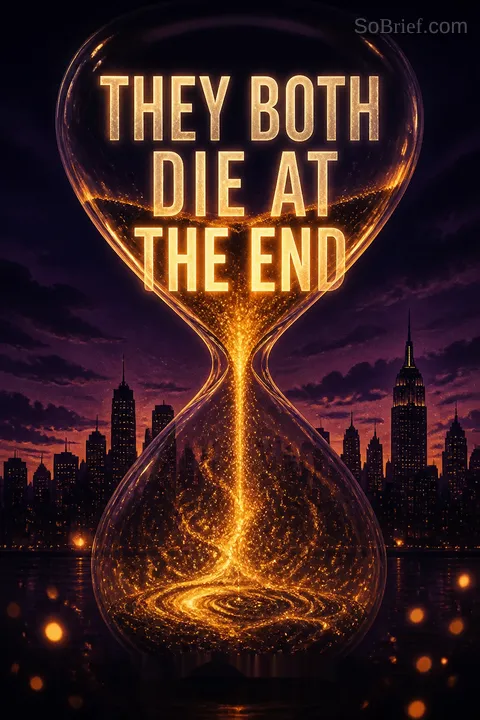
Siužeto santrauka
Likimo kvietimas
Mateo Torrez pažadina skambutis iš Mirties tarnybos, pranešantis, kad jis mirs per artimiausias 24 valandas. Apimtas baimės ir apgailestavimo dėl neišgyvento gyvenimo, Mateo susiduria su neišvengiamos mirties realybe. Jis apmąsto savo atsargumą ir brangiausius santykius, ypač su komos būsenos tėvu ir geriausia drauge Lidija. Pasiryžęs išnaudoti paskutinę dieną, Mateo nusprendžia išeiti iš savo komforto zonos ir tikrai gyventi, nepaisant mirties šešėlio.
Paskutinio draugo ryšys
Rufus Emeterio, dar vienas Deckeris, gauna savo skambutį iš Mirties tarnybos per smurtinį susidūrimą. Ieškodamas draugijos paskutinę dieną, Rufus kreipiasi į Paskutinio draugo programėlę, kur susisiekia su Mateo. Nepaisant pradinių dvejonių, vaikinai susitinka ir užmezga netikėtą ryšį. Kartu jie leidžiasi į kelionę po Niujorką, siekdami pilnai išgyventi gyvenimą ir vienas kitam padėti įveikti baimes bei apgailestavimus.
Gyvenimas skolintame laike
Mateo ir Rufus klaidžioja po miestą, lankydamiesi virtualios realybės centre ir kapinėse, kur Mateo susiduria su savo motinos kapu. Jie dalijasi istorijomis, svajonėmis ir baimėmis, pamažu atsiversdami vienas kitam. Tyrinėdami, apmąsto savo gyvenimus ir priimtus sprendimus, randa paguodą bendrose patirtyse. Jų ryšys stiprėja, skatindamas vienas kitą priimti dabartį ir paleisti praeities apgailestavimus.
Kartu įveikiant baimes
Vaikinai tęsia nuotykį, lankydamiesi parke, kur Rufus įveikia baimę vandeniui – priminimą apie nelaimę, nusinešusią jo šeimą. Mateo jį palaiko, ir abu randa ramybę, kartu susidurdami su savo baimėmis. Artėjant vienas prie kito, jie kalbasi apie pomirtinį gyvenimą ir reinkarnacijos galimybę, rasdami paguodą mintyje, kad galbūt susitiks kitoje gyvenimo pusėje. Draugystė tampa jėgos ir drąsos šaltiniu, leidžiančiu įveikti nežinomybę.
Džiaugsmo akimirkos
Pasiryžę išnaudoti likusį laiką, Mateo ir Rufus aplanko klubą, kur dainuoja ir šoka, atsikratydami susikaustymo. Mateo, visada buvęs santūrus, atranda laisvę šioje akimirkoje, o Rufus džiaugiasi gyvenimu be baimės. Jų ryšys įsižiebia meile, ir jie dalijasi švelniu bučiniu, pripažindami gilias jausmų gelmes. Nepaisant laiko tiksėjimo, jie randa laimę vienas kito draugijoje.
Meilė ir netektis
Dienai bėgant, vaikinai susiduria su netikėtomis grėsmėmis, įskaitant smurtinį susidūrimą su Rufus praeitimi. Jie vos išvengia pavojų, tačiau situacijos rimtumas išlieka. Mateo nusprendžia grįžti namo, ieškodamas paguodos pažįstamoje aplinkoje. Širdį draskančiame posūkyje Mateo bute kyla gaisras, ir Rufus negali jo išgelbėti. Mateo mirtis palieka Rufus sukrėstą, bet dėkingą už kartu praleistą laiką ir atrastą meilę.
Paskutinės sekundės
Netekus Mateo, Rufus lieka susidurti su savo mirtinumu. Jis aplanko Mateo tėvą ligoninėje, dalijasi dienos įspūdžiais ir pasakoja, kaip Mateo pakeitė jo gyvenimą. Artėjant laikui, Rufus apmąsto išmoktas pamokas ir patirtą meilę. Jis randa ramybę tikėjime, kad su Mateo susitiks pomirtiniame gyvenime. Paskutinėmis akimirkomis Rufus apkabina jų bendrų dienos prisiminimus, dėkingas už galimybę tikrai gyventi.
Veikėjai
Mateo Torrez
Mateo yra aštuoniolikos metų jaunuolis, gyvenęs atsargiai ir bijodamas rizikos, tikėdamasis ilgo gyvenimo. Skambutis iš Mirties tarnybos priverčia jį susidurti su savo mirtingumu ir išeiti iš komforto zonos. Per dieną Mateo keičiasi iš santūraus ir nerimastingo vaiko į žmogų, kuris priima gyvenimą ir meilę, suranda drąsos draugystėje su Rufus.
Rufus Emeterio
Rufus yra septyniolikos metų jaunuolis, patyręs tragediją ir netektį, išgyvenęs nelaimę, nusinešusią jo šeimą. Iš pradžių piktas ir nerūpestingas, Rufus randa paguodą ir prasmę ryšyje su Mateo. Kartu keliaudami, Rufus išmoksta paleisti kaltę ir gyventi dabartimi, atranda meilę ir priėmimą draugystėje su Mateo.
Lidija Vargas
Lidija yra Mateo geriausia draugė, vieniša motina, patyrusi savo sunkumus. Ji yra stiprybės ir paguodos šaltinis Mateo, siūlanti besąlygišką meilę ir paramą. Lidija sunkiai išgyvena artėjančią draugo netektį, bet galiausiai randa paguodą bendruose prisiminimuose ir Mateo gyvenimo įtakoje.
Eimi Dubua
Eimi yra Rufus buvusi mergina, susipainiojusi tarp jausmų jam ir dabartinių santykių. Ji įsitraukia į Rufus paskutinės dienos įvykius, galiausiai pasirinkdama jį ir Plutus palaikyti. Eimi kelionė atspindi meilės ir ištikimybės sudėtingumą, kai ji naršo savo emocijas ir santykius.
Plutai
Malkolmas, Tagoe ir Eimi sudaro Rufus pasirinktą šeimą – Plutus. Jie teikia nepajudinamą paramą ir draugystę, būdami šalia Rufus paskutinėmis valandomis. Jų ryšys pabrėžia draugystės svarbą ir pasirinktos šeimos įtaką, kartu įveikiant gyvenimo ir mirties iššūkius.
Siužeto elementai
Mirties tarnyba
Mirties tarnyba yra paslauga, pranešanti žmonėms apie jų mirtį per 24 valandas. Šis siužeto elementas sukuria istorijos pagrindą, verčiantį veikėjus susidurti su savo mirtingumu ir išnaudoti likusį laiką. Jis veikia kaip asmeninio augimo ir transformacijos katalizatorius, vedantis pasakojimą į priekį.
Paskutinio draugo programėlė
Paskutinio draugo programėlė leidžia Deckeriams rasti draugiją jų Pabaigos dieną. Ji vaidina svarbų vaidmenį suvedant Mateo ir Rufus, palengvindama jų savęs pažinimo ir ryšio kelionę. Programėlė simbolizuoja žmogaus poreikį ryšiui ir paramai net ir mirties akivaizdoje.
Laiko apribojimas
24 valandų laiko limitas, nustatytas Mirties tarnybos, sukuria skubos ir įtampos jausmą visos istorijos metu. Jis verčia veikėjus prioritetizuoti norus ir susidurti su baimėmis, atverdamas drąsos ir pažeidžiamumo akimirkas. Laiko apribojimas sustiprina pasakojimo emocinį poveikį, pabrėždamas kiekvienos akimirkos vertę.
Analizė
„Jie abu miršta tą pačią dieną“ nagrinėja mirtingumo, meilės ir žmogaus poreikio ryšiui temas. Istorija kviečia skaitytojus susimąstyti, kaip jie gyventų, jei žinotų, kad jų laikas ribotas, skatina priimti gyvenimą ir rizikuoti. Per Mateo ir Rufus kelionę romanas pabrėžia autentiško gyvenimo ir santykių vertę, net ir susiduriant su neišvengiamu netekimu. Pasakojimas yra jautrus priminimas, kad nors mirtis neišvengiama, būtent mūsų pasirinktas gyvenimo būdas mus apibrėžia.
Atsiliepimų santrauka
Knyga „They Both Die at the End" sulaukė nevienareikšmių vertinimų – daugelis skaitytojų gyrė emocinį jos poveikį ir gyvenimo pilnatvės temos atskleidimą. Skaitytojai vertino įvairių visuomenės grupių atstovavimą ir mintis provokuojančią premisą. Vieni manė, kad romantinė linija nepakankamai išplėtota ar nerealistiška, kitus sujaudino veikėjų tarpusavio ryšys. Kritikai atkreipė dėmesį į tempimo problemas ir nereikalingas šalutines siužeto linijas. Nepaisant prieštaringų nuomonių, daugelį skaitytojų giliai palietė knygoje nagrinėjamos mirtingumo ir kiekvienos akimirkos vertės temos.
Žmonės taip pat skaitė




DUK
Synopsis & Basic Details
What is They Both Die at the End about?
- A day of reckoning: The novel follows two teenage boys, Mateo Torrez and Rufus Emeterio, who receive calls from Death-Cast informing them they will die within 24 hours.
- Seeking connection and meaning: They connect through the Last Friend app and spend their final day together, exploring New York City, confronting their pasts, and forming a deep bond.
- A race against time: The story explores themes of mortality, love, and the importance of living fully, as the boys navigate their last day with a mix of fear, regret, and a desire to make the most of their remaining time.
Why should I read They Both Die at the End?
- Emotional depth and impact: The novel offers a poignant exploration of grief, love, and the human condition, prompting readers to reflect on their own lives and relationships.
- Unique premise and storytelling: The concept of Death-Cast and the Last Friend app creates a compelling narrative that blends elements of science fiction, romance, and coming-of-age.
- Character-driven narrative: The story focuses on the personal journeys of Mateo and Rufus, making their experiences relatable and emotionally resonant, even in the face of extraordinary circumstances.
What is the background of They Both Die at the End?
- Technological and social commentary: The novel is set in a near-future world where Death-Cast exists, a technology that has become a part of everyday life, raising questions about our relationship with technology and mortality.
- Cultural diversity and representation: The story features diverse characters from different backgrounds, reflecting the multicultural landscape of New York City and offering a broader perspective on the human experience.
- Contemporary influences: The novel incorporates elements of social media and online culture, such as the Last Friend app and CountDowners, reflecting the way technology shapes our interactions and experiences.
What are the most memorable quotes in They Both Die at the End?
- "I'm not going to die before I can make it back to you, trust—": This quote from Rufus to Aimee highlights the urgency and desperation of their situation, as well as the importance of their connection.
- "No matter how we choose to live, we both die at the end.": This line, a recurring theme, encapsulates the novel's central message about the inevitability of death and the importance of living fully in the present.
- "It's better to be alive wishing I was dead than dying wishing I could live forever.": This quote from Rufus reflects his journey of accepting his fate and finding meaning in his final hours, a sentiment that resonates throughout the story.
What writing style, narrative choices, and literary techniques does Adam Silvera use?
- Dual perspective narrative: The story alternates between the perspectives of Mateo and Rufus, providing insight into their individual thoughts, feelings, and experiences, while also creating a sense of dramatic irony.
- Foreshadowing and symbolism: Silvera uses subtle foreshadowing and recurring symbols, such as the color yellow and the image of a bird, to hint at future events and deepen the thematic resonance of the story.
- Conversational and emotional prose: The writing style is accessible and emotionally charged, capturing the raw and authentic voices of the teenage characters, while also exploring complex themes with nuance and sensitivity.
Hidden Details & Subtle Connections
What are some minor details that add significant meaning?
- The Luigi hat: Mateo's choice to wear a Luigi hat in his Last Friend app profile photo symbolizes his desire to break free from his cautious nature and embrace a more carefree persona, a transformation he undergoes throughout the day.
- The recurring mention of birds: Birds, often depicted as injured or dead, serve as a motif throughout the story, symbolizing the fragility of life and the inevitability of death, while also highlighting Mateo's empathy and desire to protect the vulnerable.
- The use of color: The color yellow, often associated with Aimee, is used to represent both her presence in Rufus's life and the bittersweet nature of their relationship, highlighting the complexities of love and loss.
What are some subtle foreshadowing and callbacks?
- The mention of pianos: The recurring mention of pianos, particularly in relation to Aimee, foreshadows the tragic events that occur later in the story, as well as the fragility of life and the unexpected nature of death.
- The "shower KO" reference: Mateo's fear of slipping in the shower and ending up on the "Shower KO" blog foreshadows his eventual death, highlighting the irony of his cautious nature and the unpredictable nature of fate.
- The "You're not invincible" line: Aimee's line to Rufus about not being invincible foreshadows his death, highlighting the futility of trying to control fate and the importance of living in the present.
What are some unexpected character connections?
- The shared experience of loss: Both Mateo and Rufus have experienced significant loss, which forms a basis for their connection and allows them to understand each other on a deeper level, despite their different backgrounds.
- The influence of secondary characters: Minor characters, such as the homeless man and the bookstore owner, have a subtle but significant impact on the boys' journey, highlighting the interconnectedness of human lives and the importance of kindness and empathy.
- The parallel between Lidia and Aimee: Both Lidia and Aimee are strong female characters who have experienced loss and heartbreak, and their interactions with Mateo and Rufus, respectively, reveal the complexities of love, loyalty, and grief.
Who are the most significant supporting characters?
- Lidia Vargas: As Mateo's best friend, Lidia provides emotional support and a sense of normalcy, representing the importance of friendship and the enduring power of love.
- Aimee Dubois: As Rufus's ex-girlfriend, Aimee represents the complexities of love and loss, and her presence in his final hours highlights the importance of forgiveness and acceptance.
- The Plutos: Malcolm and Tagoe, Rufus's chosen family, provide a sense of belonging and loyalty, demonstrating the power of friendship and the importance of having a support system.
Psychological, Emotional, & Relational Analysis
What are some unspoken motivations of the characters?
- Mateo's desire for connection: Beneath his cautious exterior, Mateo yearns for genuine connection and acceptance, which is why he is drawn to the Last Friend app and ultimately forms a deep bond with Rufus.
- Rufus's need for redemption: Rufus is driven by a need to atone for his past mistakes and find meaning in his final hours, which is why he is so determined to live fully and make amends with those he has wronged.
- Lidia's fear of loss: Lidia's overprotectiveness of Mateo stems from her fear of losing another loved one, highlighting the lasting impact of grief and the importance of cherishing relationships.
What psychological complexities do the characters exhibit?
- Mateo's anxiety and paranoia: Mateo's anxiety and paranoia are rooted in his fear of death and his desire to control the uncontrollable, which is why he struggles to embrace spontaneity and risk.
- Rufus's anger and guilt: Rufus's anger and guilt stem from his survivor's guilt and his inability to cope with the loss of his family, which is why he is initially drawn to violence and recklessness.
- Aimee's internal conflict: Aimee's internal conflict between her feelings for Rufus and her current relationship highlights the complexities of love and loyalty, as she struggles to reconcile her past and present.
What are the major emotional turning points?
- Mateo's decision to leave his apartment: Mateo's decision to leave his apartment marks a turning point in his journey, as he begins to embrace life and take risks, despite his fear of death.
- Rufus's confrontation with his past: Rufus's decision to share his story with Mateo and confront his past trauma marks a turning point in his emotional journey, as he begins to let go of his guilt and embrace the present.
- The kiss between Mateo and Rufus: The kiss between Mateo and Rufus represents a significant emotional turning point, as they acknowledge the depth of their feelings for each other and find love in the face of death.
How do relationship dynamics evolve?
- From strangers to lovers: The relationship between Mateo and Rufus evolves from a tentative connection to a deep and meaningful love, highlighting the transformative power of human connection.
- From exes to friends: The relationship between Rufus and Aimee evolves from a place of conflict and resentment to one of forgiveness and acceptance, demonstrating the complexities of love and the importance of letting go.
- From friends to family: The bond between Rufus and the Plutos deepens throughout the story, highlighting the importance of chosen family and the enduring power of friendship.
Interpretation & Debate
Which parts of the story remain ambiguous or open-ended?
- The nature of Death-Cast: The origins and mechanics of Death-Cast remain ambiguous, leaving readers to speculate about the nature of fate and the possibility of free will.
- The afterlife: The novel does not offer a definitive answer about the afterlife, leaving readers to interpret the characters' beliefs and hopes for what comes next.
- The meaning of the ending: The ending, while tragic, is open to interpretation, prompting readers to consider the impact of the characters' lives and the legacy they leave behind.
What are some debatable, controversial scenes or moments in They Both Die at the End?
- Rufus's initial violence: Rufus's violent confrontation with Peck raises questions about the nature of justice and the morality of violence, even in the face of impending death.
- Mateo's decision to not tell Lidia: Mateo's decision to not tell Lidia about his impending death raises questions about the ethics of withholding information and the importance of honesty in relationships.
- The Last Friend app's purpose: The Last Friend app and its potential for exploitation raises questions about the ethics of technology and the commodification of human connection, even in the face of death.
They Both Die at the End Ending Explained: How It Ends & What It Means
- Mateo's death: Mateo's death in a fire, while tragic, highlights the unpredictable nature of fate and the importance of living fully in the present, as he dies while trying to make tea for himself and Rufus.
- Rufus's final moments: Rufus's final moments, spent reflecting on his life and the love he found with Mateo, emphasize the importance of cherishing relationships and finding meaning in the face of death.
- The legacy of their love: The ending, while heartbreaking, leaves readers with a sense of hope and inspiration, as the boys' love and friendship continue to resonate beyond their deaths, reminding us that even in the face of mortality, love and connection endure.
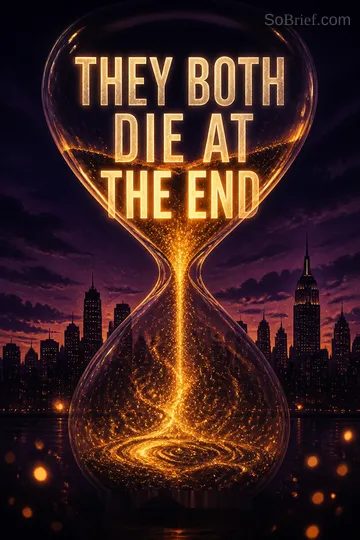
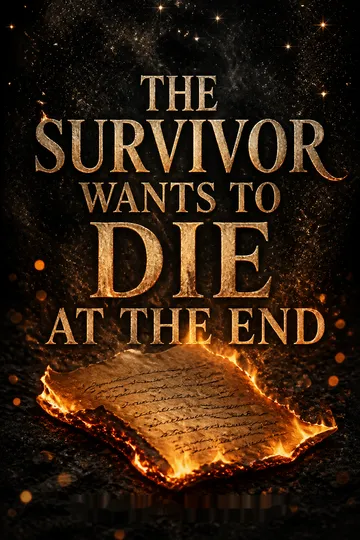
Death-Cast Serija
Apie autorių
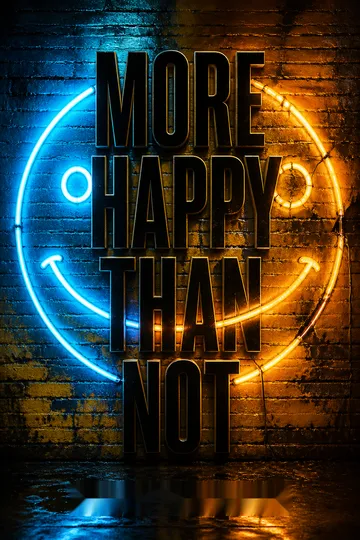
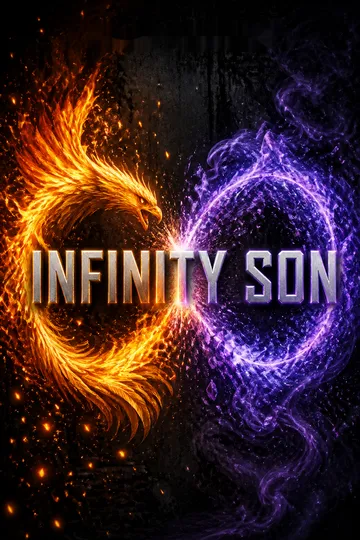
Kitos knygos nuo Adam Silvera
Atsisiųsti PDF
Atsisiųsti EPUB
.epub digital book format is ideal for reading ebooks on phones, tablets, and e-readers.








































